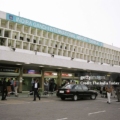

Mexico City International Airport (MEX), officially known as Aeropuerto Internacional Benito Juárez, is the primary airport serving the capital city of Mexico and one of the busiest aviation hubs in Latin America. Located just 7 km (4 miles) east of Mexico City’s historic downtown, MEX acts as a vital gateway connecting North America, South America, Europe, and Asia, handling tens of millions of passengers every year. As the heart of Mexico’s aviation network, the airport plays a major role in tourism, international business, domestic travel, and regional connectivity.
Benito Juárez International Airport is renowned for its two major terminals—Terminal 1 and Terminal 2—each designed to accommodate high passenger volumes with modern infrastructure, extensive commercial areas, and robust operational systems.
- Terminal 1 is one of the largest in the Americas and hosts dozens of international and domestic airlines.
- Terminal 2 is the exclusive hub for Aeroméxico and SkyTeam partners, offering upgraded facilities, streamlined check-in, and wide-body aircraft operations.
These terminals are linked by the Aerotrén, an automated inter-terminal train system that allows fast transfers for ticketed passengers. For non-ticketed passengers, shuttle buses operate between terminals throughout the day.
MEX is more than just an airport—it is a complete travel ecosystem. Passengers can access a wide range of services including airport lounges, duty-free shops, restaurants, cafés, car rental agencies, medical clinics, VIP services, prayer rooms, SIM card providers, Wi-Fi, and luggage services. The airport also offers on-site hotels such as the Hilton (T1) and NH Collection (T2), making it an ideal stopover hub for international travelers, business professionals, and frequent flyers.
Surrounded by a rich cultural and historical landscape, Mexico City International Airport serves as the perfect starting point for exploring iconic attractions like Zócalo, Chapultepec Park, Teotihuacán, Palacio de Bellas Artes, Polanco, Coyoacán, Condesa, and Roma Norte. With efficient transportation options including authorized airport taxis, ride-share services, buses, and Metro connections, passengers can easily navigate the city from the airport.
Despite the challenges of high passenger traffic and limited expansion space due to its urban location, MEX continues to undergo modernization efforts aimed at improving terminal flow, enhancing security systems, optimizing baggage handling, and upgrading traveler amenities. The airport remains a crucial infrastructure asset in Mexico’s transportation network and a dynamic hub that reflects the energy and diversity of the nation’s capital.
Whether you are arriving for business, tourism, cultural exploration, or transiting to another destination, Benito Juárez International Airport provides a comprehensive travel experience backed by convenience, accessibility, and a wide array of airport services designed to meet modern traveler needs.
History, Location & Significance
Mexico City International Airport (MEX), officially known as Benito Juárez International Airport, has played a foundational role in Mexico’s aviation history and remains the country’s most important air gateway. Its strategic position in the capital, its continuous modernization, and its role as a global connector make MEX one of the defining airports of the Americas. Understanding its past, geographical setting, and significance helps travelers appreciate why MEX functions as the heart of Mexico’s air transport system.
History of Benito Juárez Airport
The origins of Mexico City International Airport date back to the early 20th century, when aviation in Mexico was still at its infancy. MEX has grown from a small airfield to one of the busiest airports in Latin America, reflecting the country’s rapid economic and tourism expansion.
Early Foundations (1920s–1940s)
- The site originally functioned as a military airfield known as Balbuena Airfield.
- In the early 1930s, the airfield opened to civil aviation due to increasing commercial interest.
- The first commercial flights operated by Compañía Mexicana de Aviación began using the old runway system.
Growth & Modernization (1950s–1980s)
- The airfield transitioned into a full-fledged international airport.
- Terminal 1 (T1) was constructed and expanded repeatedly to handle rising traffic.
- Runway enhancements allowed the airport to accommodate larger aircraft.
- By the 1970s, MEX had become one of the busiest airports in the Latin American region.
Expansion into a Global Hub (1990s–2010)
- Additional concourses and terminal improvements were introduced.
- The airport adopted advanced security, customs, and immigration technologies.
- In 2007, Terminal 2 (T2) opened, serving as Aeroméxico’s primary hub and marking a major milestone in increasing capacity.
Recent Developments (2010–Present)
- MEX introduced the Aerotrén, an automated train linking T1 and T2.
- Duty-free stores, lounges, and retail plazas were modernized.
- Although a new airport project (NAIM) was cancelled in 2019, MEX continues to undergo upgrades to keep up with traffic growth.
- The opening of Felipe Ángeles International Airport (AIFA) helped reduce some domestic traffic, but MEX remains the primary gateway for international travelers.
Today, MEX stands as a historic yet continuously evolving airport with deep cultural and economic importance.
Where Is Mexico City Airport Located?
Mexico City International Airport is situated in a highly strategic area:
- Distance from Downtown: 7 km (4 miles) east of the city center
- District: Venustiano Carranza borough
- Elevation: 2,230 meters (7,316 feet) above sea level
- Coordinates: 19.4361° N, 99.0719° W
This central position makes MEX exceptionally convenient for travelers visiting Mexico City’s most iconic landmarks:
Nearby Major Attractions
- Zócalo (Historic Center) – 20 minutes
- Chapultepec Park – 25 minutes
- Polanco Business District – 30 minutes
- Roma & Condesa Neighborhoods – 25 minutes
- Teotihuacán Pyramids – 50 minutes
- Reforma Avenue – 20 minutes
Access Roads
The airport is well-connected via:
- Circuito Interior
- Viaducto Miguel Alemán
- Avenida Oceanía
- Calzada Ignacio Zaragoza
These provide direct access to hotels, business districts, tourist sites, and transport hubs.
Transportation Connectivity
MEX is served by:
- Airport taxis
- Ride-hailing apps
- Metro Line 5
- Airport buses
- Hotel shuttles
- Car rental networks
Its proximity to downtown minimizes travel time and enhances convenience for both international and domestic visitors.
Why MEX Is the Main International Hub of Mexico
Mexico City International Airport serves as the central hub of the nation’s aviation network because of several key factors—geographic importance, economic role, connectivity, and infrastructure.
1. Geographic & Strategic Importance
Mexico City is the capital and largest metropolitan area in the country. Its central position makes it the ideal location for:
- Domestic flight interconnections
- International air traffic distribution
- Business travel concentration
Airlines can efficiently connect the north and south of the country through MEX.
2. Largest Passenger Traffic in Mexico
MEX consistently ranks as:
- #1 in Mexico for international traffic
- One of the busiest airports in Latin America
- A leading gateway for European, North American, and South American routes
More than 30+ airlines operate frequent flights to major global cities.
3. Aeroméxico’s Home Hub
As the flagship airline of Mexico, Aeroméxico uses MEX as its primary hub, offering:
- Dozens of domestic routes
- Major long-haul international flights
- Extensive SkyTeam alliance connectivity
This positioning channels a significant portion of the nation’s air traffic through MEX.
4. Economic & Tourism Significance
Mexico City is the economic and governmental heart of the nation, attracting:
- International corporations
- Global travelers
- Academic and cultural institutions
- Tourists visiting UNESCO heritage sites
This drives continuous demand for international aviation services.
5. Comprehensive Airport Services
MEX offers:
- Two full-service terminals
- Modern amenities (lounges, duty-free, dining)
- Efficient transportation options
- High-capacity baggage handling
- International-standard customs & security
These facilities support large-scale passenger operations daily.
History, Location & Significance – Summary Table
| Category | Key Information | Why It Matters |
|---|---|---|
| Established | 1930s (civil aviation begins) | One of the oldest major airports in Latin America |
| Terminals | Terminal 1 & Terminal 2 | Supports millions of passengers annually |
| Distance from City Center | 7 km (4 miles) | Extremely convenient for travelers |
| Elevation | 2,230 m (7,316 ft) | Influences aircraft performance |
| Primary Airline Hub | Aeroméxico (SkyTeam) | Main connector for domestic & international flights |
| Role | Mexico’s main international gateway | Handles majority of global air traffic |
| Nearby Attractions | Zócalo, Polanco, Reforma, Chapultepec | Quick access for business & leisure |
Mexico City Airport Terminals Overview
Mexico City International Airport (MEX) operates with two major passenger terminals—Terminal 1 and Terminal 2—making it one of the most complex and busiest airport infrastructures in Latin America. Together, these terminals accommodate millions of passengers annually, offering a full range of services that cater to domestic travelers, international visitors, business passengers, and transit flyers. Each terminal is designed with its own layout, check-in systems, boarding gates, lounges, shopping options, and dining facilities, ensuring smooth operations and efficient passenger flow throughout the day.
Terminal 1 is among the largest airport terminals in the Western Hemisphere, known for its wide array of international airlines, extensive commercial areas, and long corridors that host hundreds of retail shops and services. Terminal 2, on the other hand, is a more modern and architecturally streamlined facility, serving primarily Aeroméxico and its SkyTeam partners. Both terminals operate independently but remain fully connected through dedicated transportation systems such as the Aerotren, shuttle buses, inter-terminal taxis, and pedestrian pathways.
Understanding the structure, capacity, and features of each terminal is essential for any traveler passing through MEX, especially because check-in, gate assignments, and airline operations vary significantly between Terminal 1 and Terminal 2. The overview below provides a detailed breakdown of both terminals so travelers can plan their journey more efficiently.
Terminal 1 – Domestic & International Operations
Terminal 1 (T1) is the oldest and largest terminal at Mexico City International Airport. It handles a mix of domestic and international flights, with dozens of major airlines operating daily. The building stretches over a vast area, making it home to numerous check-in counters, immigration posts, security screenings, boarding gates, restaurants, and duty-free shops.
Airlines Operating in Terminal 1
Terminal 1 hosts a wide range of international and domestic airlines, including:
- American Airlines
- United Airlines
- Air Canada
- Lufthansa
- Air France
- Iberia
- Emirates
- Volaris
- VivaAerobus
- Wingo
- Copa Airlines
- British Airways (seasonal or operational changes apply)
These airlines operate flights to destinations across North America, South America, Europe, and Asia, making Terminal 1 a primary gateway for long-haul international travel.
Passenger Services in Terminal 1
Travelers using Terminal 1 can access:
- Duty-free stores
- Currency exchange booths
- ATMs and banks
- SIM card and mobile data counters
- Pharmacies and medical centers
- Luggage wrap and storage services
- Multiple restaurants, cafés, and bars
- Priority and VIP lounges
- Business centers and workstations
Terminal 1 is known for its impressive variety of shopping options, ranging from local artisan shops to internationally recognized brands.
Check-in Zones and Boarding Gates
Terminal 1 features multiple check-in islands spread across the central hall, with clear signage for airline counters. Security checkpoints are located near the boarding areas, and the terminal includes dozens of gates categorized by alphabetical sections, making navigation straightforward despite the terminal’s large size.
Terminal 2 – Aeroméxico & SkyTeam Hub
Terminal 2 (T2) is a modern, streamlined terminal built to support the expanding operations of Aeroméxico and its SkyTeam partners. It is known for its advanced facilities, efficient design, and premium travel services.
Airlines Operating in Terminal 2
Terminal 2 serves mainly:
- Aeroméxico
- Aeroméxico Connect
- Delta Air Lines (SkyTeam)
- Air France (selected operations)
- KLM (selected operations)
- LATAM Airlines
T2 handles a significant portion of domestic flights within Mexico as well as international connections facilitated through Aeroméxico’s global network.
Facilities and Amenities in Terminal 2
Terminal 2 offers an elevated travel experience through:
- Aeroméxico Salón Premier lounges
- Duty-free shopping
- Upscale restaurants and food courts
- Business centers
- Medical and emergency services
- VIP check-in areas
- Car rental counters
- Fast-track security lanes for premium passengers
Its contemporary layout ensures smoother movement between check-in, security screening, and boarding gates.
Security and Immigration Areas
Terminal 2 is equipped with modern immigration booths, self-service kiosks for certain passport holders, and efficient security checkpoints. These areas are thoughtfully arranged to reduce waiting times during peak travel hours.
Terminal Connectivity Between T1 and T2
Although both terminals operate independently, seamless connectivity is provided through different transport options for passengers transferring between flights or navigating the airport.
Aerotren Terminal Train
The Aerotren is an automated people mover that connects Terminal 1 and Terminal 2.
Important points:
- Available only for passengers with valid boarding passes
- Runs every 5–10 minutes
- Travel time is approximately 5 minutes
- Fastest and most convenient option for transferring passengers
Shuttle Bus Services
A free airport shuttle bus operates between terminals for passengers without boarding passes or with checked baggage. These buses run frequently and are ideal for:
- Airline staff
- Passengers arriving before check-in opens
- Travelers with baggage carts
Travel time varies between 10–20 minutes depending on airport traffic.
Walking Routes and Restrictions
Due to infrastructure layout and security restrictions, walking between Terminal 1 and Terminal 2 is not recommended or officially allowed. Passengers must use the Aerotren or shuttle buses.
Terminal Comparison Table
| Feature | Terminal 1 | Terminal 2 |
|---|---|---|
| Primary Use | Domestic + International | Aeroméxico + SkyTeam Hub |
| Airlines | American, United, Air Canada, Emirates, Volaris | Aeroméxico, Delta, LATAM |
| Atmosphere | Larger, busier, older design | Modern, streamlined, spacious |
| Connectivity | Aerotren & Shuttle | Aerotren & Shuttle |
| Facilities | Extensive shopping + dining | Premium lounges + modern restaurants |
| Ideal For | International long-haul | Domestic + SkyTeam connections |
How to Reach Mexico City International Airport (MEX)
Mexico City International Airport (MEX) is one of the most accessible airports in Latin America, thanks to its strategic location just 7 km (4 miles) east of the historic city center. Whether you are staying in Polanco, Roma, Condesa, Santa Fe, Coyoacán, or the Zócalo area, multiple forms of transportation can take you to the airport quickly and conveniently. MEX is well-connected through the city’s metro system, authorized airport taxis, ride-hailing services, buses, private shuttles, hotel transfers, and major highways. Travelers can choose from budget-friendly public transport to fast private options depending on comfort, timing, and luggage needs.
The airport’s accessibility is one of its strongest advantages. With heavy traffic being a common issue in Mexico City, knowing the best routes and transportation modes can save you valuable time and make your journey smoother. Below is the complete breakdown of how to reach Mexico City International Airport efficiently.
Metro and Suburban Rail Options
The Mexico City Metro is one of the most affordable ways to reach the airport. It connects various parts of the city directly to Terminal 1 and near Terminal 2.
Metro Line 5 (Yellow Line) – Direct Access to Terminal 1
- Get off at “Terminal Aérea” station
- The station is located right outside Terminal 1
- Fare: extremely economical
- Best for passengers with light luggage
This option is commonly used by budget travelers, students, and locals.
Metro Line 4 (Blue Line) – Access to Terminal 2
While Terminal 2 does not have a metro station inside the building, passengers can get off at Pantitlán Station, which connects to multiple lines:
- Line 1
- Line 5
- Line 9
- Line A
From Pantitlán, taxis or shuttle buses can take you to Terminal 2 in 5–10 minutes.
Official Airport Taxis
Official airport taxis are one of the safest and most reliable ways to travel to MEX. These taxis are regulated, offer fixed fares, and are available for both Terminal 1 and Terminal 2.
Key Features
- Prepaid taxi stands inside the airport
- Fixed-price zones, no surge pricing
- Multiple vehicle types available (sedan, minivan, SUV)
- 24/7 availability
Estimated Travel Times
- From Centro Histórico: 20–30 minutes
- From Polanco: 25–40 minutes
- From Reforma / Roma / Condesa: 25–35 minutes
- From Santa Fe: 40–60 minutes
Fares vary depending on distance and traffic but remain standardized.
Ride-Hailing Services: Uber, Didi, and Cabify
Ride-hailing apps are extremely popular in Mexico City and offer a convenient and cashless way to reach the airport.
Available Apps
- Uber
- Didi Chuxing
- Cabify
Advantages
- Transparent pricing
- Real-time driver tracking
- Multiple vehicle categories
- Easy pick-up locations at designated airport zones
Passengers should check peak-hour pricing or holiday surges before booking.
Airport Buses & Regional Coaches
Mexico City International Airport is connected to multiple cities and neighborhoods through dedicated bus services.
Local Airport Buses
These buses operate between:
- Downtown areas
- Metro stations
- Nearby districts
They are affordable and operate frequently.
Regional Long-Distance Coaches
Several long-distance operators provide services directly from the airport to regions such as:
- Puebla
- Toluca
- Querétaro
- Cuernavaca
- Pachuca
- Veracruz
These services are ideal for travelers heading to other states immediately after arriving at MEX.
Driving to the Airport
For travelers arriving in private vehicles or rental cars, the airport is accessible via major roads and highways.
Main Access Roads
- Circuito Interior
- Viaducto Miguel Alemán
- Avenida Oceanía
- Avenida Carlos León
Travel Tips
- Traffic peaks between 7–10 AM and 5–8 PM
- Allow extra time during rainfall or weekends
- Both terminals have signage to guide drivers to drop-off zones
Drop-off and Pick-up Areas
Each terminal has separate areas for private vehicles, taxis, and ride-hailing services.
Terminal 1 Drop-off
- Located at the upper level
- Separate lanes for buses and taxis
- Clearly marked signage
Terminal 2 Drop-off
- Multi-lane system
- Dedicated spaces for premium services (e.g., hotel shuttles, private chauffeurs)
Pick-up zones are always at the ground level and supervised for safety.
Distance & Travel Time Table
| Starting Point | Approx. Distance to MEX | Estimated Travel Time | Transport Options |
|---|---|---|---|
| Centro Histórico (Downtown) | 7 km | 20–30 minutes | Metro, Taxi, Uber, Bus |
| Polanco | 14 km | 25–40 minutes | Taxi, Uber |
| Roma Norte / Condesa | 11 km | 25–35 minutes | Uber, Taxi |
| Santa Fe | 25 km | 40–60 minutes | Taxi, Uber |
| Coyoacán | 17 km | 30–45 minutes | Uber, Metro + Taxi |
| Reforma / Zona Rosa | 12 km | 25–35 minutes | Taxi, Uber |
| Chapultepec Area | 15 km | 30–45 minutes | Taxi, Uber |
Mexico City Airport Map & Layout
Mexico City International Airport (MEX) is one of the busiest and most complex airports in Latin America, with a layout designed to support high passenger traffic and a wide range of international and domestic operations. Understanding the airport’s map, floor structure, terminal arrangement, check-in zones, security checkpoints, and arrivals/departures flow is essential for smooth navigation—especially during peak hours.
The airport consists of two large terminals, each built with its own architectural design, passenger movement patterns, and service distribution. Terminal 1 spreads horizontally over an extended length, making it one of the largest terminals in the Americas, while Terminal 2 adopts a more modern, vertical and open-space layout that simplifies transfers and reduces walking distances. Together, both terminals handle hundreds of boarding gates, dozens of immigration booths, multiple baggage claim belts, commercial areas, restaurants, VIP lounges, and transit facilities.
Below is a detailed breakdown of each terminal’s map and layout so travelers can better understand how to move through the airport efficiently.
Terminal 1 Layout Overview
Terminal 1 is the older, larger, and more widespread terminal at Mexico City International Airport. Its map is divided into multiple sections, each containing check-in counters, boarding gates, immigration points, duty-free zones, and shopping corridors.
Key Elements of Terminal 1 Layout
- Check-in Level (Ground Floor): Multiple check-in islands labeled alphabetically.
- Security Screening Zones: Located at several points depending on gate assignment.
- Boarding Gates: Extended across long corridors with hundreds of shops.
- Arrivals Area: Includes baggage claim, customs, and exit routes to transportation.
- Commercial Zones: Duty-free shops, convenience stores, currency exchange, and food courts.
Terminal 1’s size means walking times can be longer, so travelers are encouraged to arrive early, especially during peak seasons.
Terminal 2 Layout Overview
Terminal 2 is built with a modern, streamlined design that supports large passenger flow with fewer walking distances and better visibility.
Key Features of Terminal 2 Map
- Compact Check-in Level: Dedicated check-in counters for Aeroméxico & SkyTeam airlines.
- Central Security Zone: Efficient and organized for faster processing.
- Commercial Atrium: Restaurants, cafés, and duty-free areas arranged around central walkways.
- Boarding Gates: Easy-to-navigate gate clusters.
- Arrivals Level: Designed with wide corridors and multiple baggage claim belts for smooth flow.
Passengers often describe Terminal 2 as more comfortable and intuitive due to its contemporary layout.
Arrivals and Departures Flow
Understanding how arrivals and departures move inside the airport helps travelers save time and avoid confusion.
Departures Flow
- Entry through main doors
- Proceed to airline check-in counters
- Baggage drop & document check
- Security screening
- Immigration (for international flights)
- Duty-free shopping and lounges
- Boarding gates
Arrivals Flow
- Landing and disembarkation
- Immigration counters
- Baggage claim
- Customs control
- Exit to ground transportation
The airport has multiple signboards in Spanish and English, making navigation easier for international passengers.
Security Checkpoints and Navigation Tips
Both terminals feature well-distributed security areas to manage large volumes of passengers.
Security Check Tips
- Keep liquids under 100 ml
- Electronics must be separated in trays
- Allow extra time during morning (6–10 AM) and evening (5–8 PM) peaks
- Fast-track lanes available for premium passengers
Navigation Tips
- Terminal 1 is large — allow extra walking time
- Terminal 2 is compact — easier for tight connections
- Aerotren is the fastest inter-terminal transfer method
- Digital maps are available on official airport apps and screens
Airport Layout Summary Table
| Area | Terminal 1 | Terminal 2 |
|---|---|---|
| Architecture | Long, extensive layout with spread-out zones | Modern, compact, easy navigation |
| Check-in Area | Multiple islands across the central hall | Centralized check-in counters |
| Security Zones | Multiple small checkpoints | One large main checkpoint |
| Boarding Gates | Long corridors with high walking distances | Clustered gate sections |
| Arrivals Section | Wide baggage claims, multiple exits | Modern belts, organized exits |
| Commercial Area | Large duty-free & extensive shops | Smaller but premium-focused |
| Navigation Time | Longer walking times | Faster movement, shorter routes |
Arrivals & Departures at Mexico City International Airport
Mexico City International Airport (MEX) handles one of the highest volumes of arrivals and departures in Latin America, with hundreds of daily flights connecting passengers to major destinations worldwide. The airport operates 24 hours a day, and its two terminals are equipped with advanced systems for immigration, customs, baggage handling, and passenger security. Whether you are landing in Mexico City for the first time or departing for a domestic or international trip, understanding how the arrival and departure processes work can significantly improve your travel experience.
Both terminals—Terminal 1 and Terminal 2—have designated zones for arrivals and departures, each offering clear signage, well-organized flow, and numerous services such as baggage assistance, currency exchange, transportation booking counters, dining options, and more. Below is a full breakdown of everything travelers need to know.
Live Arrivals Information
Passengers arriving at Mexico City International Airport can access real-time arrival updates from the airport’s official website, mobile apps, and digital screens across both terminals.
Arrival Features
- Live flight status with gate details
- Baggage carousel numbers
- Immigration processing lines
- Customs declaration areas
- Transportation counters after exiting customs
Upon arrival, international passengers must clear immigration control, which includes passport verification, entry stamps, and sometimes additional questioning depending on nationality or travel history. After immigration, passengers proceed to the baggage claim area, followed by customs clearance.
Useful Arrival Tips
- Have your passport, visa, and entry form ready
- Keep your customs declaration (if required)
- Pre-arrange transportation to avoid long queues
- Look for official taxi counters and avoid unauthorized drivers
- Use airport Wi-Fi to update your transport arrangements
Live Departure Information
Departures at MEX can be busy, especially during peak hours, but the airport provides extensive services to ensure passengers board their flights smoothly. Large digital boards display real-time departure information such as gate changes, boarding times, and delays.
Departure Steps Overview
- Arrive at the correct terminal (Terminal 1 or 2 depending on airline)
- Proceed to your airline’s check-in counters
- Drop off luggage and obtain boarding pass
- Pass through security screening
- Clear immigration (for international flights)
- Enter departure lounge
- Arrive at gate well before boarding begins
Recommended Arrival Time
- Domestic flights: 2 hours before departure
- International flights: 3 hours before departure
Important Departure Tips
- Expect long lines during holiday seasons
- Check for gate changes frequently
- Keep your documents and liquids ready for security
- Use airport maps near escalators and central corridors for navigation
- Download your airline’s mobile boarding pass to save time
Peak Travel Hours
Mexico City International Airport experiences heavy congestion during specific hours due to the volume of domestic and international flights.
Busiest Times for Arrivals
- Morning: 6:00 AM – 10:00 AM
- Evening: 6:00 PM – 11:00 PM
Busiest Times for Departures
- Early Morning: 5:00 AM – 9:00 AM
- Afternoon: 2:00 PM – 6:00 PM
- Late Evening: 8:00 PM – 11:00 PM
Why These Hours Are Busy
- International flights often land early morning
- Domestic business flights depart early
- Long-haul flights operate during night hours
- Multiple airlines schedule clustered departures
Advice for Travelers
- Arrive earlier than usual
- Choose fast-track security if eligible
- Allow extra time for transportation to the airport
- Use flight tracking apps such as FlightAware
Delay and Weather Factors
While MEX generally operates efficiently, the airport can experience delays due to:
Weather Conditions
- Heavy rain (common during the rainy season)
- Fog (especially early morning)
- Thunderstorms
- Air quality advisories
Air Traffic Congestion
Mexico City is a high-density traffic zone for both domestic and international flights, so delays occasionally occur due to ATC (Air Traffic Control) regulations.
Operational Factors
- Runway maintenance
- Aircraft rotation delays
- Technical inspections
The airport continuously updates arrival and departure screens to keep passengers informed of any operational changes.
Arrivals & Departures Quick Reference Table
| Category | Arrivals | Departures |
|---|---|---|
| Main Areas | Immigration → Baggage Claim → Customs → Exit | Check-in → Security → Immigration → Boarding Gate |
| Processing Time | 30–90 minutes | 45–120 minutes |
| Peak Hours | 6–10 AM, 6–11 PM | 5–9 AM, 2–6 PM, 8–11 PM |
| Required Documents | Passport, Visa (if required), Customs Form | Passport, Boarding Pass, Visa (if needed), Travel Documents |
| Services Available | Taxi stands, SIM vendors, ATMs, Restaurants | Duty-free shops, Lounges, Dining, Currency Exchange |
| Tips | Pre-book transport | Arrive early & check gate frequently |
Airlines Operating at Mexico City International Airport (MEX)
Mexico City International Airport (MEX) is one of the most important airline hubs in the Americas, connecting Mexico to countless destinations worldwide. With two major terminals handling over 50 million passengers annually, the airport serves as a critical gateway for domestic, regional, and long-haul international flights. Dozens of major global carriers operate at MEX, making it a central aviation hub not only for Latin America but also for North America, Europe, and Asia.
The airport’s strategic location in the heart of Mexico City allows airlines to operate extensive networks of direct and connecting flights. Terminal 1 hosts a wide variety of international carriers, while Terminal 2 serves primarily as the home base of Aeroméxico, Mexico’s flag carrier, and its SkyTeam alliance partners.
Below is a complete overview of all major airlines operating at Mexico City International Airport.
Major Domestic Airlines
Mexico’s domestic aviation is highly developed, and MEX functions as the main base or secondary hub for several national carriers. Domestic airlines connect Mexico City with key cities such as Cancún, Monterrey, Guadalajara, Tijuana, Mérida, Oaxaca, León, Chihuahua, and more.
Primary Domestic Carriers
- Aeroméxico – Mexico’s flagship airline with the largest domestic network
- Aeroméxico Connect – Regional carrier for shorter domestic routes
- Volaris – Major low-cost airline offering flights nationwide
- VivaAerobus – Low-cost carrier known for lower fares and wide domestic coverage
These airlines operate hundreds of daily flights, making Mexico City the core of Mexico’s domestic aviation network.
International Airlines
Mexico City International Airport is served by many leading international airlines from the Americas, Europe, the Middle East, and Asia. These carriers operate non-stop flights to major global hubs including Los Angeles, New York, Chicago, Dallas, Houston, Miami, Madrid, Paris, Amsterdam, Frankfurt, Tokyo, Buenos Aires, Bogotá, Lima, and more.
International Carriers Operating at MEX Include:
- American Airlines
- United Airlines
- Delta Air Lines
- Air Canada
- Air France
- KLM Royal Dutch Airlines
- Lufthansa
- Iberia
- British Airways (Route availability varies by season)
- Emirates
- LATAM Airlines
- Avianca
- Copa Airlines
- Wingo
- Spirit Airlines
- JetBlue Airways
- All Nippon Airways (ANA) (Codeshare and selected operations)
- China Southern Airlines (via codeshare routes)
These airlines strengthen Mexico City’s connectivity across continents, making MEX a powerful international gateway.
Top Global Destinations Served by MEX
Mexico City Airport offers direct flights to an extensive list of international destinations:
North America
- Los Angeles
- New York (JFK)
- Chicago
- Miami
- Dallas
- Houston
- Toronto
- Vancouver
- Montreal
Europe
- Madrid
- Paris
- Amsterdam
- London
- Frankfurt
South America & Central America
- Buenos Aires
- Lima
- Bogotá
- Santiago
- Quito
- Panama City
- San José
- Lima
Asia & Middle East
- Tokyo (Narita)
- Dubai (DXB via Emirates)
Thanks to these connections, travelers can reach nearly every major region in the world from MEX.
Seasonal & Charter Flights
In addition to regular scheduled flights, the airport also operates:
- Seasonal services to holiday destinations
- Charter flights for tourism and events
- Special pilgrimage flights during peak travel periods
These offerings vary depending on demand and airline agreements.
Airlines Terminal Distribution Table
| Airline | Terminal | Type of Flights | Notes |
|---|---|---|---|
| Aeroméxico | Terminal 2 | Domestic & International | Main hub airline |
| Aeroméxico Connect | Terminal 2 | Domestic | Regional operations |
| Volaris | Terminal 1 | Domestic & International | Major low-cost carrier |
| VivaAerobus | Terminal 1 | Domestic & International | Low-cost airline |
| American Airlines | Terminal 1 | International | Frequent US flights |
| United Airlines | Terminal 1 | International | Daily US routes |
| Delta Air Lines | Terminal 2 | International | SkyTeam partner |
| Air Canada | Terminal 1 | International | Routes to Canada |
| Air France | Terminal 1/2* | International | Some codeshare ops through T2 |
| KLM | Terminal 1 | International | Direct Amsterdam flights |
| Lufthansa | Terminal 1 | International | Direct Frankfurt flights |
| Iberia | Terminal 1 | International | Direct Madrid flights |
| Emirates | Terminal 1 | International | Direct Dubai flights |
| LATAM Airlines | Terminal 2 | International | South America routes |
| Avianca | Terminal 1 | International | Routes to Colombia |
| Copa Airlines | Terminal 1 | International | Central America connections |
*Terminal assignment may vary depending on operational adjustments.
Airport Lounges at Mexico City International Airport (MEX)
Mexico City International Airport (MEX) is one of the largest and busiest hubs in Latin America, and it offers an impressive selection of airport lounges for travelers seeking comfort, convenience, and premium services. Whether you are flying business class, hold elite frequent flyer status, or have lounge memberships such as Priority Pass, MEX provides a variety of lounge options across both Terminal 1 and Terminal 2. These lounges offer a peaceful retreat from the busy terminals, with amenities such as complimentary food and drinks, Wi-Fi, showers, workspaces, bars, TV areas, and more.
Some lounges cater to premium cabin passengers of specific airlines like Aeroméxico, while others are open to members of global lounge programs. There are also independent lounges that offer pay-per-use access, making them suitable for travelers without elite status or premium tickets.
Below is the complete breakdown of all airport lounges available at MEX.
Aeroméxico Salón Premier Lounges
As the flagship airline of Mexico and the primary carrier at MEX, Aeroméxico operates several premium lounges known as Salón Premier. These lounges provide high-end experiences for international and domestic passengers.
Locations
- Terminal 2 – Upper Level
- Terminal 2 – Near International Boarding Gates
Key Amenities
- Hot and cold buffet
- Bar with premium beverages
- Private workstations
- High-speed Wi-Fi
- Comfortable seating lounges
- Showers (in select lounges)
- Family room areas
- Priority boarding announcements
Access Eligibility
- Aeroméxico Business Class passengers
- SkyTeam Elite Plus members
- Salón Premier annual membership holders
- Priority Pass (selected lounges only)
Aeroméxico lounges are considered among the best in the airport, offering a premium travel experience for international passengers.
Priority Pass Lounges
Passengers with Priority Pass membership have access to multiple lounges within Terminal 1 and Terminal 2. These lounges are ideal for frequent travelers seeking comfort without being tied to a particular airline.
Main Priority Pass Lounges Include:
- The Grand Lounge Elite (T1) – Highly rated, upscale service
- Terraza Premier (T1)
- Lounge 19 (T1) – Popular for late-night flights
Typical Amenities
- Self-service buffet
- Bar with alcoholic beverages
- Wi-Fi
- Reclining chairs
- Charging stations
- Some lounges offer showers
Priority Pass is widely accepted, making these lounges popular among both business and leisure travelers.
Independent & VIP Lounges
These lounges operate independently of airline alliances and provide access to travelers through paid entry, certain credit cards, or membership programs.
Popular Independent Lounges
- The Grand Lounge Elite – Terminal 1
- Lounge 19 – Terminal 1
- Centurion Lounge (American Express) – Terminal 2
The AMEX Centurion Lounge is especially known for:
- Gourmet dining curated by renowned chefs
- Premium bar selections
- High-end interiors
- Relaxation and business zones
Lounge Amenities Overview
All lounges at MEX offer a wide range of services to enhance passenger comfort:
Food & Beverage
- Buffet meals
- Snacks
- Fresh fruit, salads, desserts
- Coffee, tea, juices
- Alcoholic beverages (wine, beer, cocktails)
Comfort & Productivity
- Recliners and sofas
- Quiet zones
- Shower rooms (select lounges)
- Business centers
- High-speed Wi-Fi
Additional Perks
- Charging outlets
- Reading materials
- Flight information screens
- Dedicated staff assistance
Airport Lounges Comparison Table
| Lounge Name | Terminal | Access Type | Key Amenities | Ideal For |
|---|---|---|---|---|
| Salón Premier (Aeroméxico) | T2 | Business Class, SkyTeam Elite Plus | Buffet, Bar, Showers, Wi-Fi | International flyers, premium travelers |
| Salón Premier Domestic | T2 | Aeroméxico domestic passengers | Snacks, drinks, Wi-Fi | Domestic travelers |
| The Grand Lounge Elite | T1 | Priority Pass, Pay-per-entry | High-end dining, premium drinks | Luxury travelers |
| Lounge 19 | T1 | Priority Pass, Paid Access | Drinks, snacks, modern seating | Late-night travelers |
| Terraza Premier | T1 | Priority Pass | Light meals, bar service | Short layovers |
| AMEX Centurion Lounge | T2 | AMEX Platinum/Centurion | Gourmet meals, premium bar, workspaces | Frequent flyers, business travelers |
Airport Facilities & Services at Mexico City International Airport (MEX)
Mexico City International Airport (MEX) offers one of the most extensive ranges of airport facilities in Latin America, ensuring that passengers have a convenient, comfortable, and efficient experience whether they are arriving, departing, or transiting. The airport operates 24/7 and is equipped with essential services such as banking, currency exchange, ATMs, SIM card counters, medical clinics, luggage assistance, family facilities, business centers, and mobility support for disabled passengers. Both Terminal 1 and Terminal 2 provide modern infrastructure, multilingual staff, and numerous amenities to meet the needs of domestic and international travelers.
Below is a complete breakdown of all facilities & services available at MEX.
ATMs, Banks & Currency Exchange
Financial services are widely available throughout both terminals, ensuring travelers can easily withdraw cash, exchange currency, or complete banking transactions.
ATMs
Dozens of ATMs from major banking networks are available, including:
- BBVA
- Santander
- Banorte
- Citibanamex
- HSBC
Most machines accept international cards (Visa, Mastercard, American Express).
Currency Exchange
Foreign currency exchange counters are operated by:
- Globo Exchange
- CI Banco
- Travelex
- Grupo Financiero
These desks typically offer:
- USD, EUR, CAD, GBP, JPY, and more
- Cash exchange services
- Traveler’s check handling (selected providers)
Rates vary depending on time and volume, so comparing counters is advisable.
Bank Branches
Both terminals host small bank branches or service kiosks for more advanced financial needs.
Medical & Emergency Services
MEX provides immediate medical assistance for passengers requiring urgent attention or routine care.
Medical Clinics
- Located in both Terminal 1 and Terminal 2
- Staffed with trained medical professionals
- Offer first aid, emergency treatment, oxygen support
- Handle minor injuries, fever, allergies, and travel-related issues
Pharmacies
Multiple pharmacies operate inside the airport, offering:
- Over-the-counter medications
- Vaccinations (in select locations)
- Travel health kits
- Personal hygiene products
Emergency Response
The airport has:
- 24/7 emergency response teams
- Ambulance services
- Fire and rescue departments
- Defibrillators at key points
Travelers with health conditions are advised to notify airline staff for special assistance.
Baggage Services & Storage
Luggage services are available for passengers who need to store bags, wrap luggage, or find lost items.
Luggage Wrapping
Located near check-in counters in both terminals, providing:
- Protective plastic wraps
- Security seals
- Reinforcement for fragile items
Luggage Storage
Secure storage facilities allow short-term and long-term baggage holding, ideal for passengers on long layovers.
Lost & Found
Each terminal has a dedicated:
- Lost items desk
- Online recovery system
- Support team that tracks missing items for arriving passengers
Travelers must have identification and flight details to retrieve belongings.
Family & Childcare Facilities
Families traveling with children have access to several services designed for comfort and convenience.
Baby Care Rooms
Located throughout both terminals, offering:
- Changing tables
- Comfortable seating
- Water facilities for bottle preparation
Kids’ Play Areas
Designated areas allow children to relax and play during layovers.
Family Washrooms
Accessible restrooms with additional space and support bars.
Prayer Rooms & Quiet Zones
Mexico City Airport welcomes passengers of all backgrounds and provides peaceful spaces for rest and worship.
Prayer Rooms
Available in both terminals, offering:
- Multi-faith prayer areas
- Quiet, clean environments
- Suitable for meditation and reflection
Quiet Rooms
Designed for passengers who want a noise-free environment during long layovers.
Lost & Found Department
The Lost & Found offices at MEX handle items misplaced in:
- Security checkpoints
- Boarding areas
- Restaurants & lounges
- Baggage claim sections
Travelers can file:
- In-person requests
- Online lost item reports
- Phone inquiries
Processing times vary depending on location and airline involvement.
Special Assistance for Disabled Travelers
MEX provides comprehensive services for passengers with disabilities or reduced mobility.
Wheelchair Assistance
Available upon request:
- At airline counters
- At boarding gates
- During arrivals and departures
Trained staff support:
- Elderly passengers
- Passengers with mobility disorders
- Travelers requiring medical escorts
Accessibility Features
- Elevators and ramps
- Reserved seating
- Accessible washrooms
- Priority immigration lanes
- Tactile flooring in selected areas
Passengers should inform their airline in advance to ensure smooth coordination.
Additional Airport Services
MEX offers a wide range of supplementary facilities to enhance traveler convenience.
Food & Dining
- International chains
- Mexican restaurants
- Vegetarian & vegan options
- Cafés, bakeries, juice bars, and fast food
Retail & Duty-Free Shops
- Fashion & accessories
- Perfumes & cosmetics
- Electronics
- Local handicrafts and souvenirs
Business & Work Facilities
- Co-working areas
- Meeting rooms (with prior booking)
- Printing & copying services
Wi-Fi & Charging Points
- Free Wi-Fi across terminals
- Numerous USB and power outlets
- Charging kiosks near boarding gates
Facilities Summary Table
| Facility | Terminal 1 | Terminal 2 | Description |
|---|---|---|---|
| ATMs & Banks | Yes | Yes | Major banks & cash machines |
| Currency Exchange | Yes | Yes | Multiple exchange counters |
| Medical Clinics | Yes | Yes | 24/7 emergency support |
| Pharmacies | Yes | Yes | Medications & travel supplies |
| Luggage Storage | Yes | Yes | Short & long-term storage |
| Lost & Found | Yes | Yes | Items recovery service |
| Baby Care Rooms | Yes | Yes | Facilities for infants |
| Prayer Rooms | Yes | Yes | Multi-faith spaces |
| Lounges | Yes | Yes | Premium & Priority Pass lounges |
| Charging Stations | Yes | Yes | Power outlets & USB ports |
Wi-Fi, SIM Cards & Charging Stations at Mexico City International Airport (MEX)
Mexico City International Airport (MEX) provides a full range of connectivity services designed to keep travelers online and fully charged throughout their journey. Whether passengers need reliable Wi-Fi for work, a local SIM card for navigation and communication, or multiple charging points to power their devices during layovers, the airport ensures convenient access across both Terminal 1 and Terminal 2. These services are essential for international tourists, business travelers, and anyone requiring stable internet or power during their time at the airport.
Below is a comprehensive guide to all connectivity-related services available at MEX.
Free Airport Wi-Fi Access
Mexico City International Airport offers free Wi-Fi throughout both terminals, including check-in areas, boarding gates, lounges, restaurants, and waiting halls.
How to Connect to Wi-Fi
- Select the network: “AICM-WIFI” or official terminal networks
- Accept the terms and conditions
- Enjoy complimentary internet access
Connection speeds may vary based on passenger volume, but the service is generally stable for:
- Checking email
- Messaging
- Browsing
- Flight updates
- Light streaming
Premium Wi-Fi Options
Some lounges offer high-speed premium Wi-Fi, ideal for:
- Business travelers
- Video calls
- Large file uploads
- Remote work
Premium Wi-Fi is included in:
- Salón Premier lounges
- The Grand Lounge Elite
- AMEX Centurion Lounge
Local SIM Card Providers
Travelers arriving in Mexico often prefer using a local SIM card for affordable data, navigation, and communication. MEX hosts several telecom providers offering prepaid SIM cards with various data packages.
Major SIM Card Providers at the Airport
- Telcel – Mexico’s largest and most reliable network
- AT&T Mexico – Good coverage & competitive plans
- Movistar – Budget-friendly plans
- Oxxo Mobile (available via convenience stores)
SIM counters are located at:
- Terminal 1 Arrivals
- Terminal 2 Arrivals near baggage claim exits
- Selected convenience stores inside terminals
Typical SIM Card Plans
| Provider | Data Allowance | Validity | Price Range |
|---|---|---|---|
| Telcel | 3–20 GB | 7–30 days | $$ – $$$ |
| AT&T | 5–15 GB | 7–30 days | $$ – $$$ |
| Movistar | 3–10 GB | 7–30 days | $ – $$ |
All plans usually include:
- Unlimited calls & SMS within Mexico
- Social media browsing
- Hotspot support (varies by provider)
Requirements
- Passport for registration
- Unlocked smartphone
International Roaming Services
Passengers who prefer not to purchase a local SIM can also use international roaming.
Roaming Options Available
- US/Canada carriers (Verizon, AT&T, T-Mobile) work seamlessly
- European carriers available on roaming partnerships
- Asian carriers support data roaming via Telcel or AT&T networks
Roaming tends to be more expensive but convenient for short stays.
Charging Stations and Power Outlets
Staying powered while traveling is essential, and MEX offers numerous charging options across both terminals.
Types of Charging Points
- Wall-mounted power outlets
- USB charging stations
- Charging pillars near boarding gates
- Power-enabled seating in modern waiting lounges
- Charging kiosks available in food courts and rest zones
Available Voltage
- 110–120V, North American standard
- Travelers from Europe or Asia may need adapters
Best Charging Locations Inside MEX
Terminal 1
- Near gates 20–36
- Food court area
- VIP lounges
- Seating zones before security
Terminal 2
- Salón Premier lounge
- AMEX Centurion Lounge
- Boarding areas (Gate 52–75)
- Public rest areas near central atrium
Charging points are frequently used during peak hours, so travelers should expect some competition for outlets, especially near heavily trafficked boarding gates.
Tips for Staying Connected at MEX
Wi-Fi Tips
- Avoid connecting to unofficial networks for security reasons
- Use a VPN if working remotely
- Download offline maps before traveling
SIM Card Tips
- Buy SIM from official counters to avoid activation issues
- Check if your device is unlocked before travel
- Compare plans depending on length of stay
Charging Tips
- Carry a portable power bank
- Use Type-A or Type-B adapter if required
- Avoid leaving devices unattended at shared charging stations
Connectivity Services Summary Table
| Service Type | Availability | Locations | Notes |
|---|---|---|---|
| Wi-Fi | Free | Entire airport | Premium Wi-Fi available in lounges |
| SIM Cards | Yes | T1 & T2 Arrivals | Telcel, AT&T, Movistar |
| Roaming | Yes | Automatic | Supported by major global carriers |
| Charging Points | Yes | Throughout terminals | USB + power outlets |
| Adapters Needed | Possibly | Bring own | US-standard voltage |
Immigration, Customs & Security at Mexico City International Airport (MEX)
Mexico City International Airport (MEX) handles millions of international passengers every year, making immigration, customs, and security some of the most important processes for travelers arriving or departing. The airport has dedicated zones for border control, document verification, baggage inspection, and security screening, all supported by well-trained staff and multilingual signage. Whether you are entering Mexico for the first time, connecting to another international flight, or preparing to depart, understanding these procedures will ensure a smooth and stress-free experience.
Below is a complete breakdown of immigration protocols, customs regulations, and security procedures at MEX.
Entry Requirements for Foreign Travelers
All foreign passengers entering Mexico must pass through immigration. Requirements vary depending on nationality, length of stay, and purpose of travel.
Primary Documents Required
- Valid passport (must not be damaged or expired)
- Visa, if required based on nationality
- Completed Multiple Migratory Form (FMM) (digital or paper version)
- Proof of accommodation or travel itinerary (occasionally requested)
- Return or onward travel ticket (sometimes requested)
Some travelers, especially from visa-exempt countries, may enter without needing a traditional visa but must meet immigration officer requirements.
Visa-Exempt Countries Include:
- United States
- Canada
- United Kingdom
- Most EU nations
- Japan
- South Korea
- Australia
- New Zealand
Travelers with valid US/Canada visas may also qualify for entry without a Mexican visa.
Immigration Process for Arriving Passengers
Upon arrival at MEX, passengers follow a structured pathway:
- Disembarkation from the aircraft
- Walk through corridors to Immigration Control
- Join the line corresponding to nationality (Mexican citizens / Foreign visitors)
- Present passport, visa (if required), and FMM
- Answer routine questions, such as:
- Purpose of visit
- Length of stay
- Accommodation details
- Receive entry stamp and approval
International passengers then proceed to the baggage claim area.
Tips for a Smooth Immigration Experience
- Keep documents easily accessible
- Ensure passport has at least 6 months validity
- Avoid using phones or cameras in immigration areas
- Be honest and clear in answering officer questions
Waiting times can range from 10 minutes to over 60 minutes, depending on the time of day and flight volume.
Customs Declarations
After retrieving luggage, passengers must pass through customs, where declarations may be required depending on items carried.
Items That Must Be Declared
- Cash over USD $10,000
- Alcohol above personal limits
- Large quantities of tobacco
- Food items (varies by category)
- Professional equipment or commercial goods
- High-value electronics (for extended stays)
Travelers with nothing to declare may proceed through the designated “Nothing to Declare” lane.
Customs Screening
The customs screening process may include:
- X-ray scanning of suitcases
- Manual inspection
- Documentation verification
Some random inspections may occur even for passengers with nothing to declare.
Baggage Screening Procedures
Mexico City Airport uses advanced X-ray and detection systems to ensure passenger safety.
Checked Baggage
- Passed through security screening before being loaded onto aircraft
- May be inspected manually if flagged
- Be sure to avoid packing prohibited items
Carry-on Baggage
Passengers must:
- Remove laptops and large electronics
- Place liquids under 100 ml in clear bags
- Remove metal objects if instructed
Both terminals feature multiple screening lanes to reduce wait times.
Security Guidelines and Prohibited Items
MEX follows international aviation safety standards.
Prohibited in Carry-on Baggage
- Liquids over 100 ml
- Sharp objects
- Sporting equipment
- Flammable materials
- Firearms and replicas
- Lithium batteries above regulatory limits
Allowed with Restrictions
- Baby food and formula
- Medications (with prescriptions)
- Duty-free liquids (sealed in approved bags)
Passengers should review airline-specific rules to avoid delays.
Security Screening for Departing Passengers
All passengers departing from MEX must pass through security screening before reaching the boarding gates.
Security Steps
- Present boarding pass
- Remove metal objects, jackets, belts
- Place electronics in trays
- Follow officer instructions
- Proceed to boarding gate after clearance
Passengers on international flights may face additional security checks near the boarding gate, depending on airline procedures.
Priority Lanes & Fast-Track Security
Certain passengers qualify for expedited screening lanes.
Who Can Use Fast-Track Lanes?
- Business/First Class passengers
- Frequent flyer elite members
- Salón Premier and VIP lounge guests
- Passengers with special assistance needs
Fast-track lanes reduce wait times during peak travel hours.
Additional Screening for US-Bound Flights
Passengers flying to the United States may encounter enhanced security screening, including:
- Additional identity verification
- Bag swab tests
- Secondary questioning
These procedures comply with TSA security standards.
Immigration & Customs Summary Table
| Category | Details | Notes |
|---|---|---|
| Passport Requirement | Mandatory | Must be valid for duration of stay |
| Visa Requirement | Depends on nationality | Many nations are visa-exempt |
| Immigration Time | 10–60 minutes | Longer during peak hours |
| Customs Declaration | Required for restricted items | X-ray scanning mandatory |
| Security Check | For all departing passengers | Electronics must be removed |
| Fast-Track Lanes | Available | For premium & elite travelers |
Hotels Near Mexico City International Airport (MEX)
Mexico City International Airport (MEX) offers a wide selection of hotels designed to accommodate every type of traveler—from business executives and connecting passengers to families and overnight transit guests. Whether you prefer a hotel located inside the terminal, connected via a walkway, or just a short shuttle ride away, the airport zone provides convenient, comfortable, and accessible accommodation options. These hotels offer amenities such as free Wi-Fi, restaurants, fitness centers, meeting rooms, airport shuttles, and 24/7 reception services to support passengers arriving at late hours or departing early in the morning.
Below is a complete and detailed breakdown of all major hotels inside and around MEX.
Hotels Inside the Airport
Hotels located directly inside Mexico City International Airport are ideal for transit passengers, business travelers with tight schedules, and anyone who values maximum convenience.
Hilton Mexico City Airport (Terminal 1)
Located inside Terminal 1, the Hilton Mexico City Airport is one of the most convenient lodging options at MEX.
Key Features
- Direct access to Terminal 1 via interior walkway
- Spacious rooms with soundproofing
- On-site restaurant & bar
- Business center and meeting rooms
- Free Wi-Fi
- 24-hour room service
Ideal For
- Late-night arrivals
- Early-morning departures
- Business travelers seeking premium comfort
NH Collection Mexico City Airport T2 (Terminal 2)
Located inside Terminal 2, this upscale hotel is extremely popular among Aeroméxico passengers.
Key Features
- Direct access to Terminal 2 check-in area
- Modern, elegant rooms
- Fitness center
- On-site restaurant with breakfast buffet
- High-speed Wi-Fi
- Day-use rooms for long layovers
Ideal For
- International business travelers
- Long layovers
- Passengers flying with Aeroméxico or SkyTeam
Hotels Connected or Within Walking Distance
These hotels are not inside the airport but are connected via walkways or located across the street.
Courtyard by Marriott Mexico City Airport
One of the best-rated airport hotels, directly connected to Terminal 1 through a covered pedestrian bridge.
Key Features
- Spacious business-friendly rooms
- Complimentary airport shuttle
- 24-hour gym
- On-site international restaurant
- Meeting rooms and workspaces
Ideal For
- Business travelers
- Passengers needing comfort with quick access to T1
Camino Real Aeropuerto
Located near Terminal 1, across the street, with easy access.
Key Features
- Indoor pool
- Gourmet restaurants
- Modern, comfortable rooms
- Dedicated shuttle service to both terminals
Ideal For
- Families
- Travelers seeking mid-range luxury
Hotels Close to the Airport (1 km Radius)
These properties offer great value and comfort while remaining close to MEX.
Holiday Inn Mexico Dali Airport
A modern, business-friendly hotel with spacious rooms and reliable service.
Features
- Complimentary shuttle service
- Restaurant & bar
- Fitness center
- Meeting spaces
Fairfield Inn & Suites by Marriott
Budget-friendly and highly rated for cleanliness and convenience.
Features
- Free breakfast
- Free airport shuttle
- Comfortable rooms
- Business center
Ibis Aeropuerto
A popular affordable hotel for budget travelers.
Features
- Modern, compact rooms
- Restaurant & bar
- Walking distance to Terminal 1
Hotels Offering Free Airport Shuttles
Many hotels near MEX offer complimentary shuttle services every 15–30 minutes.
Shuttle Benefits
- Saves time and transportation cost
- Ideal for families with luggage
- Runs as early as 3 AM and as late as midnight
Hotels with shuttle services include:
- Courtyard by Marriott
- Holiday Inn
- Camino Real
- Fairfield Inn & Suites
- Ibis Aeropuerto
Hotels Summary Table
| Hotel Name | Location | Distance to Airport | Shuttle Service | Best For | Price Range |
|---|---|---|---|---|---|
| Hilton Mexico City Airport | Inside Terminal 1 | 0 km | Not needed | Luxury, transit passengers | $$$ |
| NH Collection Terminal 2 | Inside Terminal 2 | 0 km | Not needed | Business travelers, long layovers | $$$ |
| Courtyard by Marriott | Walkway to T1 | 0.3 km | Yes | Business travelers | $$ – $$$ |
| Camino Real Aeropuerto | Across T1 | 0.4 km | Yes | Families & comfort seekers | $$ |
| Holiday Inn Dali | 1 km | Yes | Business stays | $$ | |
| Fairfield Inn & Suites | 1 km | Yes | Budget-friendly, clean stays | $ – $$ | |
| Ibis Aeropuerto | Near T1 | 0.5 km | Yes | Budget travelers | $ |
Car Rental at Mexico City International Airport (MEX)
Renting a car at Mexico City International Airport (MEX) is a convenient option for travelers who want flexibility, independence, and the ability to explore the city or nearby regions at their own pace. MEX hosts a wide range of globally recognized car rental companies as well as reputable local providers. Whether you need an economy car for urban driving, an SUV for longer road trips, or a premium vehicle for business travel, the airport offers plenty of choices in both Terminal 1 and Terminal 2.
Car rental counters are easy to locate—they are prominently placed in the arrivals area of both terminals, and most companies offer 24/7 pick-up and drop-off services, which is ideal for travelers arriving late at night or departing early in the morning. Shuttle services are available to take customers to the rental lots when needed.
Below is a complete and detailed guide to renting a car at Mexico City International Airport.
Major Car Rental Companies
Mexico City Airport hosts several top international car rental brands, ensuring consistency, safety, and professional service.
Hertz
Hertz is one of the most well-established car rental companies at MEX, known for a wide range of vehicles and reliable service.
Features
- Large inventory of economy, standard, and luxury cars
- Fast pick-up and drop-off process
- GPS and child seat rentals available
- Reward program for frequent travelers
Avis
Avis is ideal for business travelers and those seeking high-quality cars with premium service options.
Features
Europcar
- Clean, modern vehicles
- Flexible fuel and insurance packages
- Priority service for Avis Preferred members
- Easy booking and fast check-in
A popular international brand offering competitive pricing and a variety of rental packages.
Features
- Affordable rates
- Multiple car categories
- Young driver options (extra fee)
- Eco-friendly cars available
Enterprise Rent-A-Car
Known for excellent customer service and well-maintained vehicles.
Features
- Great customer satisfaction ratings
- Wide range of SUVs, sedans, and vans
- Flexible return policies
- Airport shuttle to rental lot
Pickup & Drop-off Locations
Car rental counters are located conveniently in both terminals:
Terminal 1
- Arrivals hall, near baggage claim
- Many companies have kiosks and shuttle pickup points
Terminal 2
- Arrivals floor, next to customs exit
- Shuttle buses run every 10–15 minutes to rental parking lots
Most car rental lots are located just a few minutes from the terminals.
Rental Requirements in Mexico
Before renting a car, travelers must meet the following basic requirements:
Documents Required
- Valid driver’s license from any country
- Passport (must match the license name)
- Credit card under driver’s name for deposit
- International Driving Permit (IDP) recommended but not mandatory for many nationalities
Age Requirement
- Minimum age: 21 years old
- Drivers under 25 may incur a young driver surcharge
Insurance
Mexico requires mandatory third-party liability insurance. Most rental companies offer:
- Collision Damage Waiver (CDW)
- Theft Protection
- Personal Accident Insurance
Travelers should verify coverage before signing the rental agreement.
Driving in Mexico City – Important Tips
Mexico City is a busy urban center with heavy traffic, so travelers should be prepared.
Key Tips
- Avoid driving during peak hours (7–10 AM, 5–8 PM)
- Use navigation apps such as Google Maps or Waze
- Be cautious around narrow roads and intersections
- Parking is limited in busy districts—use paid garages
- Keep all documents (license, insurance) accessible during travel
- Be aware of “Hoy No Circula” environmental program which restricts vehicle use based on license plate numbers
Renting a car is ideal for long trips to places like Puebla, Taxco, Querétaro, Teotihuacán, and Toluca.
Car Rental Comparison Table
| Company | Terminal | Shuttle Required | Vehicle Types | Key Features | Ideal For |
|---|---|---|---|---|---|
| Hertz | T1 & T2 | Yes | Economy, SUV, Luxury | Fast service, GPS options | Business travelers |
| Avis | T1 & T2 | Yes | Compact, Sedan, Premium | Premium service, loyalty rewards | Corporate clients |
| Europcar | T1 & T2 | Yes | Economy, Compact, Electric | Budget-friendly, eco options | Budget travelers |
| Enterprise | T1 & T2 | Yes | SUVs, Minivans, Sedans | Excellent customer support | Families, groups |
| National Car Rental | T1 & T2 | Yes | All types | Priority services for Emerald Club | Frequent renters |
| Alamo | T1 & T2 | Yes | Standard, Family-size | Affordable packages | Leisure travelers |
Parking Options at Mexico City International Airport (MEX)
Mexico City International Airport (MEX) provides a wide selection of parking options for travelers, visitors, and those picking up or dropping off passengers. Whether you need short-term parking for quick visits or long-term parking for extended trips, both Terminal 1 and Terminal 2 offer secure and conveniently located parking structures. Parking at MEX is designed to accommodate travelers from early morning departures to late-night arrivals, with 24/7 access, surveillance systems, and multiple payment methods.
The airport features multi-level parking lots directly connected to the terminals, enabling quick access to check-in counters, arrivals halls, and ground transportation services. Below is a comprehensive overview of all parking services available at the airport.
Short-Term Parking
Short-term parking is designed for passengers who need to stay at the airport for a few hours, such as for drop-offs, pick-ups, business meetings, or short visits inside the terminals.
Terminal 1 Short-Term Parking
- Multi-level structure directly connected via pedestrian bridges
- Best for passengers picking up international arrivals
- Located near the main access roads
- Ideal for stays under 6 hours
Terminal 2 Short-Term Parking
- Modern, spacious parking building
- Located opposite the terminal entrance
- Quick access to check-in and arrivals
- Suitable for stays up to 12 hours
Short-Term Parking Features
- Hourly rates
- 24/7 surveillance and security
- Handicap-accessible spaces
- Easy payment using cash, cards, and digital methods
Long-Term Parking
Long-term parking options are best for travelers leaving their vehicles at the airport for several days while traveling.
Terminal 1 Long-Term Parking
- Multi-day parking area located close to the terminal
- Well-lit and monitored by security personnel
- Ideal for family vacations, business trips, and extended stays
Terminal 2 Long-Term Parking
- Multi-level parking with large capacity
- Quick shuttle access to nearby hotels and terminal entrances
- Offers competitive daily and weekly rates
Long-Term Parking Benefits
- Lower daily rate compared to short-term lots
- Secure and gated spaces
- Long-stay packages available
- Easily accessible from main airport roads
VIP / Premium Parking
For passengers seeking convenience and faster terminal access, MEX offers VIP or premium parking in both terminals.
Premium Parking Features
- Located closest to terminal doors
- Extra-wide spaces for SUVs and luxury vehicles
- Enhanced surveillance and restricted access areas
- Priority payment kiosks for quick exit
- Perfect for business travelers and passengers with large luggage
Premium parking availability may vary according to demand and terminal capacity.
Parking Fees and Payment Methods
Parking fees at MEX vary based on duration, terminal, and type of parking. While exact fees are subject to change, the general structure includes:
- Hourly rates for short-term stays
- Daily maximum rates
- Weekly long-term packages
Accepted Payment Methods
- Cash (Mexican Pesos)
- Major credit cards (Visa, Mastercard, AMEX)
- Digital payment kiosks
- Mobile payment apps (selected terminals)
All parking exit booths are staffed for assistance.
Parking Safety & Security
Mexico City Airport’s parking areas are monitored 24/7 using:
- CCTV surveillance
- Security patrols
- Well-lit structures
- Emergency call points
Passengers should lock their vehicles and avoid leaving valuables visible.
Parking Tips for Travelers
- Arrive early during peak travel months (December, July, Easter holidays)
- For long trips, choose upper levels where spaces are more available
- Keep your parking ticket safe—lost tickets incur added charges
- Use premium parking if traveling with seniors or small children
- Note your parking section and level to avoid confusion on return
- Avoid parking under direct sunlight for long periods to protect your vehicle interior
Parking Options Summary Table
| Parking Type | Terminal | Ideal For | Duration | Key Features | Cost Range |
|---|---|---|---|---|---|
| Short-Term Parking | T1 & T2 | Pick-ups & drop-offs | Up to 12 hours | Close to terminals, hourly rates, secure | $$ |
| Long-Term Parking | T1 & T2 | Multi-day trips | 24 hours to weeks | Lower daily rates, secure, accessible | $ – $$ |
| Premium / VIP Parking | T1 & T2 | Business travelers, quick access | Flexible | Priority access, wide spaces, highest security | $$$ |
| Remote Parking (Seasonal) | Variable | Overflow capacity | Longer stays | Shuttle service, budget-friendly | $ |
Shopping & Dining at Mexico City International Airport (MEX)
Mexico City International Airport (MEX) offers one of the most diverse and vibrant shopping and dining experiences in Latin America. Whether you’re waiting for your boarding call, arriving from a long flight, or spending time during a layover, the airport provides an impressive variety of retail stores, duty-free shops, restaurants, cafés, snack bars, and gourmet dining options. Passengers can enjoy a mix of global brands, authentic Mexican food, luxury shopping, convenience stores, and specialty shops that showcase the cultural richness of Mexico.
Both Terminal 1 and Terminal 2 are well-equipped with commercial areas designed for comfort and entertainment, making your time at the airport enjoyable and productive.
Below is the complete breakdown of all shopping and dining options at MEX.
Duty-Free Stores
Duty-free shopping is a major highlight at MEX, especially for international passengers who want to purchase high-quality products at tax-free prices.
Products Commonly Available in Duty-Free Shops
- Perfumes & cosmetics (Dior, Chanel, Lancôme, Gucci)
- Premium alcohol (tequila, mezcal, whisky, wine)
- Gourmet chocolates and confectionery
- Designer accessories
- Tobacco products
- Electronics and travel gadgets
Popular Duty-Free Operators
- Dufry – Main operator with multiple stores
- Duty Free Americas – Large international brand
Duty-free shops are located near:
- International departures gates
- Boarding lounges in both terminals
These stores remain open for most hours of the day, especially for late-night flights.
Restaurants & Cafés
Mexico City Airport offers a wide range of dining options suitable for every type of traveler—families, solo passengers, business visitors, vegans, and those looking for authentic local cuisine.
Mexican Restaurants
Travelers can enjoy the flavors of Mexico even before leaving the airport. These restaurants serve traditional dishes made with fresh and local ingredients.
Popular Choices
- Tacos
- Enchiladas
- Tortas
- Chilaquiles
- Tamales
- Pozole
Well-known Mexican eateries at MEX include:
- La Mansion
- Tapas & Cerveza
- Casa Avila
- Taba Bar
These are great for passengers who want to enjoy a final taste of Mexico before traveling.
International Restaurants
International dining options cater to global tastes with cuisines such as Italian, American, Asian, and European.
Popular Restaurants
- Subway
- Domino’s
- Wingstop
- McDonald’s
- Burger King
- Sbarro Pizza
- Chili’s
These restaurants offer quick service, convenient menus, and recognizable flavors for international travelers.
Coffee Shops & Cafés
If you’re looking for a quick snack, a coffee break, or a place to relax before your flight, the airport offers several coffee shops.
Popular Cafés
- Starbucks
- Café Punta del Cielo – Local Mexican coffee brand
- Café Pilón
- Cielito Querido Café – A stylish coffee chain loved by locals
They provide:
- Espresso drinks
- Pastries
- Sandwiches
- Salads
- Desserts
These cafés offer plenty of seating areas with plugs for your devices.
Snack Bars & Grab-and-Go Options
MEX has several small food kiosks, bakeries, and snack counters offering:
- Fresh fruit cups
- Sandwiches
- Empanadas
- Burritos
- Packaged snacks
- Bottled drinks
- Fresh juices
Ideal for passengers with limited time before boarding.
Mexican Specialties & Souvenir Shops
One of the most enjoyable aspects of shopping at MEX is the presence of stores selling authentic Mexican products.
Popular Items
- Handcrafted souvenirs
- Mexican chocolates
- Talavera pottery
- Silver jewelry
- Mezcal & tequila
- Traditional textiles
- Leather goods
Some well-known stores include:
- Los Cinco Soles
- Artisan shops selling local crafts
- Mexican candy shops
These shops offer great gifts for family and friends.
Fashion, Electronics & Travel Essentials
Travelers will find a mix of high-end brands and everyday stores offering practical travel items.
Fashion & Accessories Brands
- Sunglass Hut
- Pandora
- Tous
- Kipling
- Zara (Terminal 1)
Electronics Stores
- Tech stops offering headphones, power banks, chargers, travel adapters
Convenience Stores
- 7-Eleven
- Oxxo
- Farmacias Benavides
These are ideal for last-minute purchases such as:
- Medication
- Snacks
- SIM cards
- Toiletries
- Newspapers & magazines
Best Places to Eat at MEX
Here are some recommended choices depending on what passengers want:
For Fast & Easy Meals
- McDonald’s
- Subway
- Domino’s
For Authentic Mexican Cuisine
- La Mansion
- Casa Avila
For Coffee Lovers
- Starbucks
- Café Punta del Cielo
For Business Travelers
- VIP lounges with buffet service
- Premium restaurants in Terminal 2
Shopping & Dining Summary Table
| Category | Terminal 1 | Terminal 2 | Notes |
|---|---|---|---|
| Duty-Free Shops | Yes | Yes | Wide alcohol, cosmetics, perfumes selection |
| Mexican Restaurants | Many | Many | Authentic local cuisine |
| International Chains | Yes | Yes | Includes fast food & casual dining |
| Cafés & Coffee Shops | Starbucks, Cielito Querido | Starbucks, Punta del Cielo | Great workspaces |
| Souvenir Stores | Extensive | Moderate | Local crafts & gifts |
| Fashion & Accessories | Wide variety | Limited | More options in T1 |
| Electronics Stores | Available | Available | Travel gadgets & accessories |
| Convenience Stores | 7-Eleven, Oxxo | Oxxo, Pharmacies | Quick purchases |
Tips for Travelers Using Mexico City International Airport (MEX)
Mexico City International Airport (MEX) is one of the busiest airports in Latin America, and understanding how to navigate it efficiently can save travelers valuable time and avoid unnecessary stress. Whether you’re arriving, departing, or transiting through the airport, the following detailed tips will help ensure a smooth and comfortable airport experience. From safety and transportation to money-saving strategies, cultural etiquette, and practical travel hacks, this section provides everything you need to know before stepping inside MEX.
General Airport Navigation Tips
Navigating a large airport like MEX can be challenging for first-time visitors. These tips help streamline your movement across terminals and facilities.
Know Your Terminal
- Terminal 1 is primarily used by international and domestic airlines (non-SkyTeam).
- Terminal 2 is the main hub for Aeroméxico and SkyTeam partners.
Always check your boarding pass or flight confirmation to avoid last-minute confusion.
Arrive Early
- Domestic flights: 2 hours before departure
- International flights: 3 hours before departure
Peak times see longer lines at check-in and security.
Follow Multilingual Signage
Most signs are available in:
- Spanish
- English
Look for overhead icons to locate baggage claim, transport, and gate areas quickly.
Use Aerotrén (Inter-Terminal Train)
Ideal for passengers with connecting flights between T1 and T2.
- Operates every 5–10 minutes
- Free for ticketed passengers
- Fastest way to transfer between terminals
Safety & Security Tips
Mexico City is vibrant and welcoming, but like any major airport, travelers should exercise caution.
Stay Alert
- Keep bags zipped and in sight
- Avoid leaving phones or laptops unattended
- Stay aware in crowded areas
Use Official Transportation
Only use:
- Authorized taxis
- Uber, DiDi, Cabify (pick-up zones outside terminals)
- Airport shuttles
- Hotel transfers
Avoid accepting rides from unofficial drivers.
Carry Important Documents Securely
- Passport
- Boarding passes
- Travel insurance
- Hotel confirmations
- Visa documents (if applicable)
Consider using a passport pouch or a secure travel wallet.
Money & Payment Tips
Mexico City Airport accepts both cash and digital payments.
ATMs
Withdraw pesos only at trusted ATMs:
- BBVA
- Citibanamex
- Santander
- HSBC
Avoid small, independent machines with high fees.
Currency Exchange
Airport exchange counters offer convenience but may charge higher rates. For better rates:
- Exchange small amounts at the airport
- Exchange larger sums in the city
Cards Accepted
Most restaurants and stores accept:
- Visa
- Mastercard
- American Express
Have some Mexican Pesos for taxis, smaller vendors, and tips.
Transportation Tips
Knowing your transportation options saves time and reduces stress.
Authorized Taxi Booths
Purchase a ticket at official kiosks before boarding.
Avoid negotiating directly with drivers.
Metro & Bus Options
Budget-friendly but not recommended for travelers with large luggage or late-night arrivals.
Hotel Shuttles
Many airport hotels provide free transportation every 15–30 minutes.
Ride-Sharing Apps
Pickup zones are well-marked and generally safe.
Tips for Connecting Flights
Connections at MEX can be smooth if you follow these guidelines.
For Domestic to International Connections
- Allow at least 2 hours
- You may need to re-clear security
For International to Domestic
- Collect checked bags
- Pass immigration
- Clear customs
- Re-check baggage
Terminal Transfers
- Between T1 and T2: Use Aerotrén
- Check gate information regularly
Food & Dining Tips
MEX offers plenty of great dining options, but a few suggestions can enhance your experience.
Eat Local
Try Mexican restaurants inside the airport such as:
- La Mansión
- Casa Avila
Avoid Long Lines
Restaurants in Terminal 1 get busy during peak hours—arrive early for meals.
Healthy Options
Many cafés offer salads, fresh fruit, and baked items.
Shopping Tips
Take advantage of airport shopping before your flight.
Duty-Free Items
Ideal purchases include:
- Premium tequila & mezcal
- Perfumes
- Chocolates
- Cosmetics
Souvenirs
Mexican candy, local crafts, and handmade gifts are available across terminals.
Tips for Families & Special Needs Travelers
Families
- Use baby care rooms for feeding and diaper changes
- Choose restaurants with ample seating
- Strollers are allowed through security
Passengers with Disabilities
MEX is equipped with:
- Wheelchair assistance
- Priority boarding
- Accessible washrooms
- Ramps and elevators
Request support from your airline in advance.
Money-Saving Tips
- Use public ATMs rather than exchange counters for better rates
- Book transportation in advance
- Choose lounges instead of expensive airport dining if you need meals + Wi-Fi
- Compare SIM card prices before purchasing
- Use hotel shuttles instead of taxis
Cultural Tips for First-Time Travelers to Mexico
Understanding local etiquette can make your visit easier.
Common Practices
- People greet with a friendly “Hola”
- Tipping is customary (10–15% in restaurants)
- Spanish is the main language, but airport staff often speak English
Useful Spanish Phrases
- Gracias – Thank you
- Por favor – Please
- Dónde está la puerta? – Where is the gate?
- Cuánto cuesta? – How much?
Traveler Tips Summary Table
| Category | Key Tips |
|---|---|
| Navigation | Know your terminal, arrive early, follow signage |
| Safety | Use official taxis, keep belongings secure |
| Money | Use bank ATMs, pay with cards, carry small cash |
| Transportation | Aerotrén for transfers, ride-share for convenience |
| Connections | Allow 2 hours or more, re-check baggage when required |
| Food & Shopping | Try Mexican cuisine, shop duty-free early |
| Families & Special Needs | Stroller-friendly areas, wheelchair support |
| Cultural Tips | Basic Spanish phrases help communication |
Frequently Asked Questions (FAQ) – Mexico City International Airport (MEX)
Travelers passing through Mexico City International Airport (MEX) often have questions about immigration, terminals, transportation, safety, and airport services. Below is a comprehensive collection of the most common and important FAQs to help passengers navigate the airport smoothly and confidently.
1. What is the main international airport in Mexico City?
The main international airport serving Mexico City is Benito Juárez International Airport, commonly known as Mexico City International Airport (MEX). It is the busiest airport in Mexico and one of the largest in Latin America.
2. Where is Mexico City International Airport located?
MEX is located 7 km (4 miles) east of downtown Mexico City, in the Venustiano Carranza district. It offers quick access to major city landmarks such as Centro Histórico, Polanco, Condesa, and Reforma.
3. What are the two terminals at MEX used for?
- Terminal 1 (T1): Serves many domestic and international airlines (non-SkyTeam).
- Terminal 2 (T2): Primary hub for Aeroméxico and SkyTeam partner airlines.
Both terminals offer restaurants, shops, lounges, and transportation services.
4. How do I transfer between Terminal 1 and Terminal 2?
Passengers can use:
- Aerotrén (Inter-terminal train) – Free for passengers with boarding passes.
- Airport buses/shuttles – For non-ticketed passengers and staff.
Travel time is 5–10 minutes.
5. Does Mexico City Airport offer free Wi-Fi?
Yes. MEX provides free Wi-Fi throughout both terminals. Premium Wi-Fi is available in VIP lounges for faster speeds.
6. Are taxis at MEX safe?
Yes, authorized airport taxis are considered safe. Always purchase taxi tickets at official booths inside the terminal and avoid unregistered drivers.
7. What transportation options are available from the airport?
You can choose:
- Authorized taxis
- Uber, DiDi, Cabify
- Metro Line 5
- AICM airport buses
- Hotel shuttles
- Rental cars
Each option offers different price ranges and travel times.
8. Is the Mexico City Metro safe to use from the airport?
The Metro is inexpensive but not recommended for travelers with large luggage or during peak hours due to crowding. It is better for experienced local commuters.
9. How early should I arrive for my flight?
- Domestic flights: At least 2 hours early
- International flights: At least 3 hours early
Long lines may occur at check-in and security.
10. What documents are needed to enter Mexico?
You will need:
- Passport
- Visa (depending on nationality)
- Completed FMM form (Multiple Migratory Form)
- Flight itinerary or hotel booking (sometimes requested)
Visa-exempt passengers (U.S., Canada, EU, etc.) may enter with fewer requirements.
11. Are SIM cards available at the airport?
Yes. You can buy SIM cards from:
- Telcel
- AT&T Mexico
- Movistar
Counters are available in arrivals areas of both terminals.