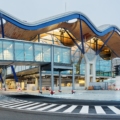

Narita International Airport (NRT) is one of Japan’s most important global gateways and a major international airport serving the Tokyo Metropolitan Region. Located in Narita City, Chiba Prefecture, around 60 km east of central Tokyo, Narita handles tens of millions of passengers each year traveling between Japan and major destinations across Asia, Europe, North America, Oceania, and the Middle East. Known for its smooth operations, multilingual traveler support, extensive transport options, modern terminal facilities, and strong international airline network, Narita remains a top entry point for international tourists, business travelers, and transit passengers visiting Japan.
Although Tokyo has two major airports (Narita and Haneda), Narita specializes primarily in long-haul international flights, while Haneda focuses more on domestic and short-haul travel. Because of this, many travelers arriving from overseas will first land at Narita before continuing their journeys onward to Tokyo, Kyoto, Osaka, Hokkaido, Mount Fuji, or other destinations across Japan.
Inside the airport, passengers will find a wide range of convenient services including:
- Currency exchange & ATMs
- SIM card and Pocket WiFi rental counters
- Duty-free shopping, Japanese souvenir stores & luxury boutiques
- Local and international dining options, from sushi bars to ramen shops
- Lounges, business workstations, and relaxation zones
- Luggage delivery, storage, and transit hotel options
Narita is also known for being extremely traveler-friendly, with:
- Clear English signboards and announcements
- Organized arrival & departure procedures
- Multiple fast & easy transportation options into Tokyo, such as:
- Narita Express (N’EX)
- Keisei Skyliner
- Airport Limousine Bus
- Private Transfers & Taxis
Whether you’re arriving, departing, or transiting, this Complete Traveler’s Guide 2025 is designed to help you:
- Navigate all 3 terminals smoothly
- Choose the best transport route to Tokyo
- Find hotels near Narita Airport
- Discover food, shopping, lounges, and services
- Plan smart using local travel tips & cultural etiquette advice
From first-time travelers to seasoned Japan explorers, this guide ensures you have everything you need for a comfortable, confident, and stress-free journey through Narita International Airport. ✈️🇯🇵
About Narita International Airport (NRT)
Narita International Airport (NRT) is one of the most important international gateways to Japan. Located in Narita City, Chiba Prefecture, the airport is situated about 60 km (37 miles) east of Central Tokyo. Although it is not physically inside Tokyo, it serves as one of the primary airports for the Greater Tokyo Metropolitan Area, which is the world’s largest urban region.
Narita Airport plays a significant role in connecting Japan with major regions across the world, including North America, Europe, Oceania, the Middle East, Southeast Asia, and South Asia. Its design, runway capacity, and terminal layout make it ideal for long-haul international flights, global transit passengers, and high-frequency airline operations.
Historical Evolution of Narita Airport
| Year | Development | Significance |
|---|---|---|
| 1960s | Rapid growth in Japan’s international travel begins | Need for a second international airport emerges |
| 1970 | Construction of Narita Airport begins | Designed to reduce load on Tokyo Haneda Airport |
| 1978 | Narita International Airport officially opens | Becomes Japan’s main international aviation hub |
| 1990s–2000s | Expansion of runways & terminals | Increase in global passenger traffic |
| 2015 | Terminal 3 opens | Supports low-cost carriers & domestic expansion |
| Present | Handles 40+ million passengers annually | One of Asia’s major international gateways |
Narita’s establishment allowed Haneda Airport to focus on domestic & regional flights, while Narita became Japan’s global connection point.
Geographical & Strategic Importance
Narita is located in Narita City, Chiba Prefecture, which offers:
- Large land availability for multiple long runways
- Airspace alignment suitable for long-distance international routes
- Space for future expansion programs
- Low noise impact zones compared to a city-center airport
This gives Narita the operational advantage to support:
- Wide-body aircraft
- Increased runway traffic
- Freight & cargo handling
- Global airline alliances
Narita Airport’s Role Among Tokyo Airports
| Airport | City | Primary Purpose | Best For | Key Strength |
|---|---|---|---|---|
| Narita International Airport (NRT) | Narita, Chiba | Long-Haul International Flights & International Transit Hub | Tourists, intercontinental travelers, global business passengers | Large runway capacity + extensive global airline network |
| Haneda Airport (HND) | Ota, Tokyo | Domestic + Short & Medium Range International Flights | Frequent travelers, quick business trips, domestic flyers | Close proximity to central Tokyo |
In summary:
- Narita = International & Intercontinental Travel
- Haneda = Domestic & Regional Travel
Passenger Capacity & Traffic Role
Narita International Airport consistently handles 40–45 million passengers per year, making it:
- One of the busiest airports in Asia
- A key transit point between Europe ↔ Asia ↔ North America
- A leader in cargo transport, essential for global trade
| Type of Operations | Narita’s Importance |
|---|---|
| Passenger Flights | Handles majority of Japan’s long-haul arrivals |
| Transit Connections | Major stopover hub for Europe → Asia and US → Asia flights |
| Air Cargo Operations | One of Japan’s largest export/import cargo hubs |
Terminals and Airline Alliances at Narita
Narita consists of three main terminals, each built to support specific airline groups and travel styles.
| Terminal | Airline Alliance / Carriers | Passenger Category | Highlights |
|---|---|---|---|
| Terminal 1 | Star Alliance (ANA, United, Lufthansa, Singapore Airlines) | Business + International Long-Haul Travelers | Extensive shopping, ANA lounges, international connections |
| Terminal 2 | OneWorld (JAL, British Airways, American Airlines) | International Business & Leisure Travelers | JAL Sakura Lounge, premium travel experience |
| Terminal 3 | Low-Cost Carriers (Jetstar, Peach, Spring Airlines) | Budget Travelers & Domestic Flyers | Simplified layout, short walking paths, budget dining |
Runway & Airport Infrastructure
| Feature | Details |
|---|---|
| Runways | 2 operational long runways suitable for long-haul aircraft |
| Maximum Flight Capacity | Designed for continuous high-volume international traffic |
| Immigration & Customs | Efficient, multilingual staff & automated gates available |
| Ground Connectivity | Bullet trains, high-speed express trains, buses, taxis, private transfers |
| Navigation & Passenger Support | 100% English Signage, multilingual announcements, info desks |
Why Narita is a Major Global Travel Hub
- Connects Japan with 100+ international destinations
- Houses major airline alliance hubs (Star Alliance & OneWorld)
- Supports transit passengers connecting across continents
- Offers fast transportation options to Tokyo, Yokohama, Kyoto, Osaka, and beyond
- Provides world-class airport shopping, cultural galleries, lounges, hotels, and services
Narita International Airport is not just an arrival point — it is often the first experience travelers have of Japan, and it is designed to be efficient, welcoming, multilingual, and globally connected.
Where is Narita International Airport Located?
Narita International Airport (NRT) is located in Narita City, which is part of Chiba Prefecture in Japan. Although the airport serves the Greater Tokyo Metropolitan Area, it is not located inside Tokyo itself. Instead, it is situated approximately 60 kilometers (37 miles) east of Central Tokyo. This distance allows the airport to operate large international runways, long-haul aircraft routes, and high-volume traffic that would be difficult to accommodate in the center of a densely populated city.
Narita is strategically built in an area where there is:
- More open land for aviation expansion
- Low residential density, reducing noise concerns
- Better airspace access for long-distance international flights
This makes Narita a world-class gateway connecting Japan with continents across the globe.
🗺️ Map Placement Suggestion (For Blog Design)
(Insert Google Map Screenshot Here)
Caption: Narita International Airport Location – East of Tokyo in Chiba Prefecture
Suggested Embed:
Use Google Maps iframe embed or static map image centered on:
Narita International Airport, 1-1 Furugome, Narita, Chiba, Japan
📍 Distance & Travel Time From Key Locations
| Location | Distance to Narita Airport | Average Travel Time | Travel Notes |
|---|---|---|---|
| Tokyo Station (Central Tokyo) | ~60 km | ~55–75 minutes | Best access via Narita Express (N’EX) or Skyliner |
| Shinjuku Station | ~75 km | ~70–90 minutes | Direct Limousine Bus or N’EX |
| Narita City Center | ~8 km | ~10–15 minutes | Short taxi or local bus ride |
| Tokyo Disneyland (Urayasu) | ~50 km | ~50–70 minutes | Direct limousine buses available |
| Asakusa / Ueno | ~55 km | ~40–55 minutes | Best route: Keisei Skyliner |
| Haneda Airport (HND) | ~80 km | ~60–90 minutes | Direct airport shuttle buses operate frequently |
Why Narita Is Located Outside Tokyo
Narita’s position is not accidental — it was chosen for strategic aviation reasons:
| Factor | Reason Narita Is Ideal |
|---|---|
| Space for Expansion | Airports need vast land areas, which central Tokyo cannot offer |
| Runway Length Requirements | Long-haul flights need longer runways, easier to construct outside the city |
| Reduced Noise Impact | Farther from residential zones = fewer noise restrictions |
| Efficient International Routes | Its eastern coastal location allows favorable long-haul flight paths towards North America and Europe |
Thus, Narita’s location supports Japan’s role in global aviation, especially for intercontinental travel.
Quick Travel Insight
If you land at Narita and need to reach Tokyo, you have multiple fast options:
- Narita Express (N’EX) → Tokyo Station / Shinjuku
- Keisei Skyliner → Ueno / Asakusa area
- Airport Limousine Bus → Major hotels
- Private Airport Transfer → Door-to-door, great for groups
This means that even though Narita is located outside Tokyo, reaching the city is simple, fast, and highly organized.
Traveler’s Tip
If you are arriving late at night or have multiple suitcases:
- Private Transfer or Limousine Bus is more convenient than trains, which may stop running after midnight.
Narita International Airport Code & Contact Information
Every international airport has standard aviation codes and formal contact references that help travelers, airlines, and airport authorities identify and communicate with the airport efficiently. Narita International Airport (NRT), being one of Japan’s largest global hubs, uses internationally recognized codes that you will frequently see on your flight tickets, boarding passes, baggage tags, electronic departure boards, and navigation apps.
Understanding these codes is especially useful for travelers who are connecting through multiple airports or planning international journeys.
✈️ Official Airport Codes
| Detail | Description |
|---|---|
| IATA Code | NRT |
| ICAO Code | RJAA |
| Full Name | Narita International Airport |
| Address | 1-1 Furugome, Narita City, Chiba Prefecture, Japan |
| Official Airport Website | https://www.narita-airport.jp |
| Main Phone Contact | +81 476-34-8000 |
What These Airport Codes Mean
1. IATA Code: NRT
The IATA (International Air Transport Association) code is a three-letter code used universally in airline systems, travel itineraries, baggage routing, and ticketing.
- NRT is the identifier for Narita International Airport
- Appears on boarding passes, flight tickets, airline apps & luggage tags
Example:
If you’re flying to Narita, your baggage tag will show:
NRT → Your Destination Code (e.g., LAX, JFK, SIN, SYD)
2. ICAO Code: RJAA
The ICAO (International Civil Aviation Organization) code is a four-letter airport code used mainly for:
- Air traffic control
- Aviation regulations
- Pilot flight planning & navigation systems
RJAA specifically identifies Narita Airport in global aviation networks.
| Code Type | Format | User Group | Purpose |
|---|---|---|---|
| IATA (NRT) | 3 Letters | Travelers, Airlines, Ticketing Systems | Flight identification, baggage & travel documents |
| ICAO (RJAA) | 4 Letters | Pilots, ATC, Aviation Authorities | Flight operations, air traffic routing, safety regulations |
📍 Airport Address & Location Details
| Address | Region | Postal Code | Country |
|---|---|---|---|
| 1-1 Furugome, Narita City | Chiba Prefecture | 282-0004 | Japan |
This exact address is used for:
- Taxi / Ride-hailing drop-offs
- Hotel shuttle pickups
- Google Maps navigation
- Courier and business services within the airport property
Tip:
When using Google Maps, search: Narita International Airport (NRT) instead of typing the full address.
🌐 Official Airport Website
The official website provides real-time traveler information, including:
- Flight arrivals and departures
- Terminal maps & navigation
- Immigration and customs guidelines
- WiFi, lounge access, and shopping details
- Public transportation schedules
Available Languages:
- Japanese
- English
- Chinese (Simplified & Traditional)
- Korean
This is extremely helpful for first-time international travelers.
📞 Airport Contact Phone Number
For general inquiries, lost baggage assistance, terminal navigation support, or traveler guidance:
Phone: +81 476-34-8000
(Japan country code: +81, remove the leading 0 when dialing internationally)
How to Dial from Overseas
| Location | How to Dial |
|---|---|
| From the United States | 011 + 81 + 476-34-8000 |
| From India | 00 + 81 + 476-34-8000 |
| From Europe | 00 + 81 + 476-34-8000 |
| From within Japan | 0476-34-8000 |
If English assistance is required, press the English Language Support option when the call menu begins.
💡 Quick Traveler’s Tip
Save the airport phone number and website before your flight, especially if you are:
- Arriving late at night
- Waiting for connecting flights
- Coordinating hotel pickups
- Handling lost luggage
- Traveling for the first time
Having direct access to airport help reduces stress and ensures smooth travel.
Narita Airport Terminals Guide
Narita International Airport consists of three major passenger terminals — Terminal 1, Terminal 2, and Terminal 3 — each designed to accommodate different airline alliances, flight routes, and traveler needs. Understanding which terminal your airline operates from is essential for smooth check-in, efficient transfers, and stress-free travel.
The airport’s layout is designed to support:
- Long-haul international travel
- International-to-international transit passengers
- Short-haul & domestic routes through low-cost carriers
- Efficient crowd flow management
All terminals are connected by clear signposted walkways and a 24/7 free shuttle bus system, allowing easy terminal transfers even for first-time travelers.
✈️ Terminal Distribution Summary (High-Authority Table)
| Terminal | Primary Airlines | Alliance / Category | Flight Types | Best Suited For |
|---|---|---|---|---|
| Terminal 1 | ANA, United, Lufthansa, Singapore Airlines, Turkish Airlines, EVA Air, Air Canada | Star Alliance Hub | Long-haul international | Business travelers, premium flyers, connecting passengers |
| Terminal 2 | Japan Airlines (JAL), British Airways, American Airlines, Qatar Airways, Cathay Pacific, Qantas | OneWorld Alliance Hub | International + Some domestic | Premium travelers, tourism + business flights |
| Terminal 3 | Jetstar Japan, Peach Aviation, Spring Airlines Japan, Scoot (select flights) | Low-Cost & Budget Airlines | Domestic + Short-haul Asia | Budget travelers, backpackers, regional flight passengers |
🟦 Terminal 1 – Star Alliance Hub (Largest & Most International)
Terminal 1 is the largest and one of the busiest terminals at Narita. It mainly operates Star Alliance member airlines, represented strongly by ANA (All Nippon Airways).
Layout:
- North Wing → Mainly ANA & Star Alliance partners
- South Wing → Other international and long-haul carriers
Key Facilities Inside Terminal 1
| Facility Type | Available Features |
|---|---|
| Lounges | ANA Lounge, ANA Suite Lounge, Star Alliance Shared Lounge |
| Shopping & Duty-Free | High-end fashion, electronics, skincare, souvenirs |
| Dining | Japanese ramen houses, sushi bars, Western cafes, quick-service dining |
| Transportation Access | N’EX, Skyliner, Highway buses, taxi & rental counters |
Terminal 1 is Best For:
- Long-haul flights to EU, USA, Middle East, Southeast Asia
- Travelers requiring premium lounge access
- International connecting passengers
🟥 Terminal 2 – OneWorld International Hub (Premium Travel Experience)
Terminal 2 is dominated by Japan Airlines (JAL) and OneWorld alliance carriers. This terminal offers some of the most premium business & first class lounges at Narita.
Key Airlines Operating in Terminal 2
- Japan Airlines (JAL)
- British Airways
- American Airlines
- Cathay Pacific
- Qatar Airways
- Qantas Airways
- Malaysia Airlines
Highlights of Terminal 2
| Feature | Description |
|---|---|
| JAL Sakura Lounge | Large, elegant lounge with showers, workspaces & buffet dining |
| Direct Hotel Shuttle Buses | Many airport hotels pick up directly from T2 arrivals |
| Smooth Transit Flow | Ideal for multi-city flights across Japan, Asia & the U.S. |
Terminal 2 is Best For:
- Business-class travelers
- Intercontinental travelers connecting between Asia ↔ U.S. ↔ Australia
- Passengers preferring quiet waiting areas & high-end lounges
🟨 Terminal 3 – Low-Cost Carrier Terminal (Budget-Friendly Travel)
Terminal 3 was designed with simplicity and efficiency in mind. It primarily serves low-cost carriers (LCCs) and domestic/regional routes.
Unique Design Feature:
Instead of complex signage, the terminal floor has colored walking paths:
- Blue Route → Departures
- Red Route → Arrivals
This visual navigation system makes movement clear for first-time travelers and foreign visitors.
Facilities in Terminal 3
| Facility | Availability |
|---|---|
| Food Court | Affordable meals, Japanese snacks, FamilyMart convenience store |
| Seating & Lounges | More casual seating; limited lounge services |
| Check-In Counters | Quick check-in & bag drop for short-haul flights |
Terminal 3 is Best For:
- Budget-conscious travelers
- Backpackers
- Domestic & short Asia routes (South Korea, Taiwan, China, Hong Kong)
🔄 Inter-Terminal Transportation System (Free & Smooth)
Narita Airport makes it very easy to move between terminals.
| Transfer Method | Terminals Covered | Duration | Cost | Frequency | Notes |
|---|---|---|---|---|---|
| Free Shuttle Bus | T1 ↔ T2 ↔ T3 | 5–10 mins | Free | Every 5–10 mins | Operates 24/7 |
| Walkway (Indoor) | T2 ↔ T3 only | 10–15 mins | Free | Always open | Comfortable, clearly marked colored routes |
| Train (JR/Keisei) | All terminals indirectly | Varies | Paid | Every 10–20 mins | Only needed for city travel, not terminal transfer |
Pro Traveler Tip:
If you are connecting between Terminal 1 and Terminal 2, use shuttle bus, not train — faster and free.
✅ Why Understanding the Terminals Matters
- Saves time during check-in and boarding
- Avoids terminal confusion during connecting flights
- Helps choose the fastest transportation options
- Ensures lounge access and shopping preferences align with your travel plan
If you are flying into or out of Tokyo, always double-check your terminal before departure using:
- Your airline mobile app
- Flight confirmation email
- Airport flight schedule page
Arrivals, Immigration & Customs Process at Narita International Airport
Arriving at Narita International Airport (NRT) is generally smooth, efficient, and traveler-friendly. The airport is known for its organized arrival procedures, clear multilingual signage, and helpful staff, which makes navigating immigration, baggage claim, and customs easy even for first-time travelers.
When your flight lands, you’ll follow a step-by-step process before exiting into the public arrival hall.
🛬 Step-by-Step Arrival Flow
| Step | Location | What Happens | Approx. Time |
|---|---|---|---|
| 1. Disembark the aircraft | Arrival Gate → Arrival Corridor | Follow signs marked “Immigration / Passport Control” | 3–10 minutes walk |
| 2. Immigration / Passport Check | Immigration Hall | Passport check, visa validation, fingerprint scan & photo | 10–45 minutes (depends on arrival peak time) |
| 3. Baggage Claim | Baggage Carousel Area | Collect checked bags | 5–20 minutes |
| 4. Customs Inspection | Customs Hall | Declare restricted items if applicable | 5–15 minutes |
| 5. Arrivals Lobby | Public Area | Access transport, SIM counters, currency exchange, etc. | Immediate |
🗂️ Required Documents for Entry into Japan
To pass immigration smoothly, keep the following documents ready in hand (not inside your luggage):
| Document | Required For | Notes |
|---|---|---|
| Valid Passport | All travelers | Must be valid for the duration of your stay |
| Visa (if required) | Certain nationalities | Many countries are visa-exempt for tourism; check Japan visa policy |
| Completed Immigration Form (online MySOS / Visit Japan Web recommended) | Entry authorization | You may complete digitally to skip paper forms |
| Customs Declaration Form | Goods/ belongings check | Can also be done via smartphone “Visit Japan Web” |
If you filled everything via Visit Japan Web, you can simply show the blue QR screen at checkpoints.
⏱️ Immigration Wait Time
Average immigration time varies depending on travel season:
| Season / Time | Typical Wait Time |
|---|---|
| Off-peak hours | 10–20 minutes |
| Afternoon and evening international arrival waves | 25–45 minutes |
| Golden Week / New Year holidays | Up to 60 minutes |
Tip: After exiting the aircraft, walk efficiently to the immigration hall before the crowd forms.
📦 Baggage Claim Area
- Baggage belts are numbered and displayed on arrival screens.
- Carts are free to use.
- If baggage does not arrive, visit the Airline Baggage Service Counter near the carousel.
🧾 Customs Rules at Narita Airport
Japan maintains strict customs laws to protect health, agriculture, and economy. All travelers must follow them carefully.
✅ Allowed in Reasonable Quantity
- Personal medication (with prescription)
- Personal electronic devices (laptop, camera, phone)
- Clothing and personal use items
⚠️ Items That Require Declaration
| Item Category | Example | Notes |
|---|---|---|
| Cash exceeding ¥1,000,000 | Cash, bank checks | Must declare to customs |
| Food products | Meat, fresh fruits, plants | Many are restricted due to biosecurity laws |
| Luxury goods for resale | Designer handbags, electronics | If exceeding duty-free limits, tax applies |
🚫 Strictly Prohibited
- Fresh fruits & vegetables from abroad
- Meat and dairy products
- Counterfeit goods
- Explosives, weapons, illegal drugs
If unsure, declare rather than risk penalties.
🌍 Multilingual Signage & Traveler Support
Narita Airport ensures that international travelers can navigate without confusion.
| Language Support | Availability |
|---|---|
| English | All signs, announcements & digital screens |
| Chinese (Simplified & Traditional) | Signboards, help desks |
| Korean | Major signboards & travel counters |
| Japanese | Primary airport language |
Additionally:
- Uniformed airport assistants are available throughout arrival areas.
- Help desks include English-speaking staff.
💡 Pro Traveler Tips
- Download “Visit Japan Web” before flying to skip paper forms and speed up immigration.
- If you have a connecting domestic flight, allow at least 2–3 hours between flights.
- SIM card and WiFi rental counters are located before leaving the arrival lobby — get connected early.
Departures & Check-in Process at Narita International Airport
Departing from Narita International Airport (NRT) is generally smooth, well-organized, and traveler-friendly. The airport is designed to handle large volumes of international passengers, so the departure halls are structured to ensure efficient check-in, security screening, and boarding. To make your departure experience stress-free, it’s important to arrive with enough time and understand the step-by-step procedures in advance.
⏱️ Recommended Arrival Time
Because Narita handles long-haul and international flights, processing times can vary based on season and time of day.
| Flight Type | Recommended Arrival Time Before Departure | Reason |
|---|---|---|
| International Flights | 3 hours | Immigration, baggage check & security queues can take time |
| Domestic Flights (limited) | 2 hours | Simpler check-in process |
Why 3 Hours is Recommended:
- Passport verification & visa checks take extra time
- Some airlines have long lines during tour season
- Security screening for international travel is more detailed
- If you are checking bags, luggage drop can take time
Pro Tip:
During Golden Week, Christmas, Cherry Blossom Season, and New Year holidays, arrive 3.5 to 4 hours early for peace of mind.
🏟️ Departure Hall Overview
All terminals have large, open departure halls with:
- Clearly marked airline check-in counters
- Baggage drop zones
- Self-check-in stations
- Digital departure boards updated in real time
- Airport staff available to assist in English
Signboards are multilingual:
Japanese · English · Chinese · Korean
🛄 Step-by-Step Departure Process
| Step | Location | What You Need to Do | Approx Time |
|---|---|---|---|
| 1. Arrive at Airport | Departure Hall | Confirm terminal & airline counter | — |
| 2. Check-in & Baggage Drop | Airline Counter / Kiosk | Get boarding pass, drop luggage | 10–40 min |
| 3. Security Screening | Security Zone | Belt, jacket, electronics screening | 5–25 min |
| 4. Immigration / Passport Control | Immigration Counter | Passport exit stamp & boarding verification | 5–20 min |
| 5. Boarding Gate | Departure Concourse | Relax, shop, dine, or wait | Depends on free time |
🧾 Check-In Options at Narita Airport
You can check-in for your flight in three ways:
1. Airline Check-in Counters
- Traditional staffed counters
- Recommended if:
- You need special assistance
- You have oversized baggage
- You need visa verification or document inspection
2. Self-Check-In Kiosks
Available across Terminal 1 & 2
Useful for:
- Passengers with online check-in
- Passengers traveling with carry-on only
- Travelers wanting to avoid lines
You can:
- Print your boarding pass
- Select & confirm seats
- Scan passport for quick processing
3. Self-Service Baggage Drop
After kiosk check-in:
- Place bag on automated conveyor
- Scan boarding pass & passport
- Tag will print automatically
This reduces wait times significantly.
🛄 Baggage Notes & Allowances
| Airline Type | Typical Baggage Limit | Note |
|---|---|---|
| Full-service international airlines (ANA, JAL, etc.) | 1–2 checked bags (23–32kg each) | Check ticket class for specifics |
| Low-cost carriers (Jetstar, Peach) | Often no free checked bag | Purchase baggage allowance in advance to avoid high airport fees |
Oversized baggage counters are available in all terminals — follow the signs marked:
Oversize Baggage Drop
🛃 Security & Immigration
Security Check Includes:
- Remove laptops/tablets from bags
- Remove jackets, belts, metal items
- 100ml liquid rule applies (for carry-on)
Immigration Exit Process:
- Present passport + boarding pass
- Automated gates are available for many nationalities
Tip:
Keep passport accessible — do not pack it inside carry-on bag pockets.
🛍️ After Clearing Security & Immigration
You enter the departure terminal concourse, where you will find:
- Duty-free shops
- Japanese snack stores
- Sushi, ramen, and international dining
- Airline lounges
- Charging stations & quiet seating zones
Most gates are 5–15 minutes walk from the central concourse.
💡 Pro Traveler Tips
- Check your terminal before arriving; ANA & Star Alliance use Terminal 1, JAL & OneWorld use Terminal 2, low-cost carriers use Terminal 3.
- If you are flying with carry-on only, use self-check-in kiosks for the fastest process.
- Boarding gates at Narita can take time to walk to → begin moving toward the gate when boarding time is announced.
- Keep a portable charger; outlets fill up quickly during peak hours.
How to Get from Narita International Airport to Tokyo
Narita International Airport is located about 60 km (37 miles) east of Central Tokyo. Despite the distance, the airport is extremely well-connected to the city through high-speed trains, budget trains, direct airport buses, taxis, and private transfers. The choice depends on your budget, luggage size, group size, and final destination inside Tokyo.
Tokyo is a large city with several major transportation hubs, so deciding where you are going (Tokyo Station / Shinjuku / Shibuya / Ueno / Asakusa) helps determine the best transportation option.
Transportation Comparison Table
| Transportation Mode | Duration | Cost (Approx.) | Best For | Where It Arrives |
|---|---|---|---|---|
| Narita Express (N’EX) | ~50–65 min | ¥3,000–¥3,500 | Fast, direct, comfortable travel | Tokyo, Shinjuku, Shibuya, Yokohama |
| Keisei Skyliner | 40–55 min | ¥2,500–¥3,000 | Fastest route to Ueno / Asakusa | Ueno / Nippori Stations |
| Airport Limousine Bus | 70–120 min | ¥3,500–¥4,000 | Door-to-hotel convenience | Major hotels & districts |
| Local Trains (JR / Keisei) | 90–120 min | ¥1,300–¥1,800 | Budget travelers | Various city stations |
| Taxi | 60–90 min | ¥22,000–¥30,000 | Direct, no transfers | Any address in Tokyo |
| Private Airport Transfer | 60–80 min | ¥14,000+ per vehicle | Families, groups, business/VIP | Hotel doorstep / Airbnb location |
Narita Express (N’EX) – Best for Tokyo Station / Shinjuku / Shibuya
The Narita Express (N’EX) is a comfortable, direct airport train with luggage racks, power outlets, and spacious seating.
| Feature | Details |
|---|---|
| Travel Time | ~1 hour to Tokyo Station |
| Cost | ¥3,000–¥3,500 one-way |
| Seat Type | Reserved seats only (guaranteed seating) |
| Routes | Tokyo → Shinjuku → Shibuya → Yokohama |
| Where to Board | Terminal 1 or Terminal 2·3 rail stations |
✅ Best For:
- Travelers heading to Tokyo Station, Shinjuku, Shibuya, Shinagawa, Yokohama
- Those carrying large luggage
- Travelers who want easy & direct travel
Keisei Skyliner – Fastest Route to Ueno / Asakusa
The Keisei Skyliner is the fastest train from Narita to northern/eastern Tokyo neighborhoods.
| Feature | Details |
|---|---|
| Travel Time | 40–55 minutes |
| Cost | ¥2,500–¥3,000 |
| Destination | Ueno / Nippori Station |
| Seat Type | Reserved seating, comfortable for tourists |
| Best For | Travelers staying in Asakusa, Ueno, Akihabara |
✅ Best For:
- Tourists exploring historic Tokyo (Senso-ji Temple, Ueno Park)
- Travelers staying in hostels or boutique hotels in east Tokyo
Airport Limousine Bus – Direct to Major Hotels
The Airport Limousine Bus is ideal for travelers who:
- Have multiple suitcases
- Are traveling with children or elderly
- Want no transfers
| Feature | Details |
|---|---|
| Travel Time | 70–120 minutes (traffic affects) |
| Cost | ¥3,000–¥4,000 |
| Drop-off | Major hotels & station hubs |
| Luggage | Stored under the bus |
✅ Best For:
- Travelers needing hotel doorstep drop-off
- Families and elderly travelers
Local JR / Keisei Trains – Cheapest Option
| Feature | Details |
|---|---|
| Travel Time | 90–120 minutes |
| Cost | ¥1,300–¥1,800 (Economical) |
| Transfers | May require 1–2 train changes |
| Comfort | No guaranteed seats |
✅ Best For:
- Backpackers
- Ultra-budget travel
⚠️ Not recommended if you have large luggage.
Taxi from Narita to Tokyo
| Feature | Details |
|---|---|
| Travel Time | 60–90 minutes |
| Cost | ¥22,000–¥30,000+ |
| Luggage | No extra charge for bags |
| Comfort | Private, door-to-door |
✅ Best For: Business travelers & guests arriving late-night
❌ Not budget-friendly
Private Airport Transfer (Most Convenient for Groups)
| Group Size | Cost (Approx.) | Cost per Person | Best For |
|---|---|---|---|
| 3 Passengers | ¥14,000 | ¥4,600 each | Families |
| 5 Passengers | ¥17,000 | ¥3,400 each | Group travel |
| 8 Passengers | ¥20,000 | ¥2,500 each | Tours / Friends |
✅ Best For:
- Travelers with kids, luggage, or mobility concerns
- Airbnb guests (taxis cannot always find building entrances easily)
- VIP / Business travelers
Route Guides (Step-by-Step Instructions)
1. Narita → Tokyo Station
- Take Narita Express (N’EX) directly
- Travel Time: ~1 hour
2. Narita → Shinjuku / Shibuya
- N’EX runs direct to Shinjuku & Shibuya
- No transfers required
3. Narita → Ueno / Asakusa
- Take Keisei Skyliner → Ueno Station
- Fastest & easiest for east Tokyo
4. Narita → Kyoto / Osaka
- Travel Route:
- Narita → Tokyo Station (N’EX or Skyliner)
- Tokyo → Kyoto/Osaka via Shinkansen (Bullet Train)
- Total Time: 3–4 hours
- Total Cost: ¥14,000–¥18,000
5. Narita → Haneda Airport
- Take Airport Limousine Bus (direct)
- Travel Time: 60–90 minutes
💡 Traveler Pro Tips
- If you are staying in Shinjuku, Shibuya, or Yokohama → Take N’EX
- If staying in Asakusa, Ueno, Akihabara → Take Skyliner
- If you have kids, elderly, or heavy luggage → Use Limousine Bus or Private Transfer
- If your flight arrives late night → Avoid trains (many stop around midnight)
Car Rentals & Ground Transportation at Narita International Airport
If you prefer the flexibility of traveling at your own pace, renting a car from Narita International Airport (NRT) is a convenient option. Narita is connected to major expressways and highways, making it easy to drive to Tokyo, Chiba, Kanagawa, Mt. Fuji, Nikko, Hakone, and other tourist regions.
All major car rental companies operate inside or directly next to Terminal 1 and Terminal 2, with multilingual support available for international travelers. If you plan to stay outside central Tokyo or explore suburban or countryside regions, a rental car is often more convenient than public transportation.
📄 Driving Requirements in Japan
Before renting a car, you must have:
| Requirement | Explanation |
|---|---|
| Valid Passport | Required for identity verification |
| Driver’s License | Must be valid in your home country |
| International Driving Permit (IDP) | Mandatory for most foreign travelers (must be issued before arrival) |
| Credit Card | Required for security deposit and rental payment |
Important: Japan does not accept licenses printed in languages other than Japanese without an IDP (except for a few countries like Switzerland/France with official Japanese translations).
🚗 Where to Find Car Rental Counters at Narita Airport
Car rental counters are located in the Arrival Areas of both Terminal 1 and Terminal 2. After booking, staff will guide you to the car pickup area in the parking zones next to the terminal buildings.
Car Rental Company Comparison Table
| Company | Location | Best For | Notes |
|---|---|---|---|
| Toyota Rent-A-Car | Terminal 1 & Terminal 2 | Reliable service, English support | Recommended for first-time travelers; GPS available in English |
| Nissan Rent-A-Car | Terminal 1 | Affordable long-term rentals | Advance online booking can reduce cost significantly |
| Times Car Rental | Terminal 2 | Short-term & hourly rentals | Good for day trips / flexible plans |
| ORIX Rent-A-Car | Terminal 1 & 2 pickup | Good for groups & families | Offers large minivan models |
| Budget Rent a Car Japan | Shuttle pickup near airport | Budget travelers | Sometimes offers seasonal discounts |
💴 Average Rental Costs
| Car Type | Per Day Cost | Notes |
|---|---|---|
| Compact / Small Car | ¥6,000–¥9,000/day | Best for city and local driving |
| Sedan | ¥8,000–¥12,000/day | Comfortable for 2–4 travelers |
| Minivan (Family Car) | ¥12,000–¥18,000/day | Ideal for 5–7 travelers with luggage |
| Luxury / SUV | ¥18,000+ | Suitable for long drives or mountain trips |
Additional Costs:
- Expressway tolls (¥1,000–¥3,000 per route depending on distance)
- Fuel (Petrol: ¥160–¥190 per liter)
- Optional insurance upgrades
🛰 Navigation & GPS Support
Most rental cars include:
- GPS Navigation System
- English, Chinese, Korean language settings
- Route guidance optimized for Japan’s road network
Tip: Use Google Maps or NAVITIME Japan Travel for real-time traffic.
🛣️ Driving to Tokyo and Beyond
| Destination | Approx. Driving Time | Notes |
|---|---|---|
| Tokyo (Shinjuku / Shibuya / Tokyo Station) | 60–90 min | Traffic may be heavy during peak hours |
| Yokohama | 90–120 min | Straight route via expressways |
| Mt. Fuji / Hakone | 2–2.5 hours | Scenic drive, expressway tolls apply |
| Nikko | 2.5–3.5 hours | Recommended for nature travelers |
| Narita City | 10–15 min | Easy local routes for short stays |
Important Driving Rules in Japan
| Rule | Description |
|---|---|
| Drive on the left side | Same as UK, Australia, India |
| Seat belts are mandatory | Front & rear passengers |
| No mobile phone use while driving | Strictly enforced |
| Parking in unauthorized areas is not allowed | Use paid parking |
| ETC card recommended for toll payments | Can be rented with the car |
Fines for violations can be very high — follow road rules carefully.
Should You Rent a Car?
| Choose Car Rental If… | Consider Public Transit If… |
|---|---|
| Traveling with family or group | Traveling solo on a budget |
| Visiting nature, mountains, countryside | Staying mostly in Central Tokyo |
| Carrying large luggage | Want to avoid toll + parking fees |
Alternative Ground Transportation Options
If you don’t want to rent a car, Narita Airport also offers:
| Transportation | Best Use Case |
|---|---|
| Airport Limousine Bus | Direct travel to hotels |
| Narita Express (N’EX) | Fast travel to Tokyo Station/Shinjuku |
| Keisei Skyliner | Fast travel to Ueno/Asakusa |
| Private Transfers | Door-to-door convenience |
| Taxis | Late-night or emergency travel |
💡 Pro Traveler Tips
- Book your rental online to avoid last-minute price increases.
- If planning to drive long distances, rent an ETC card to simplify toll payments.
- Avoid Tokyo city center driving during weekday rush hours (7:00–10:00 & 17:00–20:00).
- Take breaks during long drives — highway rest stops in Japan are clean, scenic, and food-friendly.
Hotels Near Narita International Airport
Narita International Airport is surrounded by well-organized, traveler-friendly hotels that provide convenience, comfort, and seamless access to flight terminals. Whether your priority is budget, comfort, business facilities, or walking distance to the terminal, you’ll find suitable options around Narita. Most airport hotels offer free shuttle buses, multilingual staff assistance, and flexible check-in times to accommodate international flight schedules, including early morning departures and late-night arrivals.
These hotels serve:
- Transit passengers waiting for connecting flights
- Travelers recovering from jet lag
- Tourists flying out early next morning
- Business travelers attending meetings around Narita or Tokyo
💠 Hotel Comparison Table (Quick Overview)
| Hotel Name | Distance from Narita Airport | Free Shuttle Service | Avg. Price (per night) | Ideal For |
|---|---|---|---|---|
| Hotel Nikko Narita | ~5 minutes by shuttle | Yes (Frequent schedule) | ¥7,000–¥14,000 | Overnight layovers, short rest stays |
| ANA Crowne Plaza Narita | ~8 minutes | Yes | ¥8,000–¥15,000 | Business travelers, long travel days |
| Narita Airport Rest House (Inside Airport) | Walkable (Between T1 & T2) | Not required | ¥6,000–¥12,000 | Transit passengers, late arrivals |
| Hilton Tokyo Narita Airport | ~10 minutes | Yes (24/7 rotation) | ¥10,000–¥20,000 | Families, comfort-seekers, multi-day stays |
🏨 Hotel Descriptions & Why They Matter
1. Hotel Nikko Narita
Distance: ~5 minutes by shuttle
Category: Mid-range, Comfortable & Traveler-Friendly
Best For: Short stays, Overnight transit, Solo travelers, Couples
This hotel is one of the most popular airport hotels because of its reliability, cleanliness, and frequent shuttle service. Rooms are soundproof, ensuring rest after long flights.
Key Features:
| Facility | Description |
|---|---|
| Dining | Japanese + Western buffet, 24-hour convenience store |
| WiFi | Free, high-speed |
| Rooms | Single, Double, Twin, Family Rooms |
| Check-in Flexibility | Supports late arrivals & early departures |
| Shuttle Frequency | Every 15–30 minutes (Peak Hours) |
💡 Why choose Hotel Nikko?
If your flight timing is tight, this hotel gives you fast back-and-forth access to the airport.
2. ANA Crowne Plaza Narita
Distance: ~8 minutes by shuttle
Category: Full-service business hotel
Best For: Business travelers, professionals, long-haul passengers
This hotel offers a relaxing environment, modern workspaces, conference facilities, and a calm ambiance.
Key Features:
| Facility | Description |
|---|---|
| Business Center | Meeting rooms, high-speed printing |
| Dining | International restaurant + café lounge |
| Wellness | Gym, sauna, massage services |
| Shuttle | Regular airport shuttle + shuttle to Narita City Station |
| Special Perk | Rooms with runway view available |
💡 Why choose ANA Crowne Plaza?
If you need a work-friendly space, this is an excellent choice.
3. Narita Airport Rest House (Located Inside Airport Grounds)
Distance: Walkable — located between Terminal 1 and Terminal 2
Category: Transit Hotel
Best For: Short layovers, emergency overnight stays, families with children
This is the closest possible hotel to the terminal — ideal for travelers who prefer zero travel time between hotel and check-in.
Key Features:
| Facility | Description |
|---|---|
| Access | Walk or short internal shuttle (no city travel needed) |
| Room Style | Simple, functional, quiet |
| Ideal Stay Length | 6–24 hours |
| Flexibility | Can check in without reservation when rooms are available |
| Price Advantage | Best price for terminal proximity |
💡 Why choose Rest House?
If your layover is short or your flight is delayed — this is the safest option.
4. Hilton Tokyo Narita Airport
Distance: ~10 minutes by shuttle
Category: Premium, international chain hotel
Best For: Families, longer stays, comfort seekers, travelers with luggage
Hilton provides larger rooms, western-standard bedding, multiple dining options, and recreation facilities.
Key Features:
| Facility | Description |
|---|---|
| Rooms | Suite options & spacious family rooms |
| Dining | Multiple restaurants + breakfast buffet |
| Health Facilities | Pool, Fitness Center, Spa |
| Shuttle Options | Airport Shuttle + Shuttle to Narita Station |
| Nearby | Shopping + convenience stores nearby |
💡 Why choose Hilton?
If you want comfort, quiet space, and time to relax, Hilton is the best match.
🔍 How to Choose the Right Hotel Based on Your Travel Situation
| Travel Scenario | Best Hotel Choice | Reason |
|---|---|---|
| Short layover (6–12 hours) | Narita Airport Rest House | Zero travel time, walkable |
| Overnight flight arrival / Early morning departure | Hotel Nikko Narita | Quick shuttle, reliable for short stays |
| Business or work traveler | ANA Crowne Plaza Narita | Workspaces + conference rooms |
| Family trip / Need comfort & space | Hilton Tokyo Narita Airport | Large rooms + amenities |
💡 Travel Pro Tip
If your flight lands after 10:30 PM, train services to Tokyo may have stopped.
Choosing a hotel near the airport avoids expensive late-night taxi fares.
Shopping & Duty-Free Stores at Narita International Airport
Narita International Airport is known as one of Japan’s best airports for shopping, offering a mix of Japanese specialty gifts, traditional souvenirs, and luxury duty-free shopping. Whether you want to take home local snacks, purchase last-minute gifts, or enjoy duty-free designer brands, Narita’s terminals offer an enjoyable shopping experience before your flight.
Shops are located both before and after security, but the largest selection is in the airside departure shopping zones (after immigration) in Terminal 1 and Terminal 2.
Multilingual support is available in:
Japanese · English · Chinese · Korean
Japanese Souvenirs & Local Snacks
One of the best parts of traveling through Narita Airport is the chance to pick up authentic Japanese souvenirs, especially regional snack varieties that are not always available outside Japan.
Below are must-buy items travelers love:
| Item | Description | Why It’s Popular | Where to Find It |
|---|---|---|---|
| Tokyo Banana | Soft sponge cake filled with silky banana custard | Iconic Tokyo souvenir; light & gift-friendly | Tokyo Banana stores in Terminal 1 & 2, Duty-Free Snacks Corner |
| Japanese Kit-Kat Regional Flavors | Exclusive flavors like Matcha, Sakura, Strawberry, Sweet Potato | Japan-only varieties, great as gifts | Souvenir shops + Convenience stores inside terminal |
| Matcha Sweets (Uji / Kyoto brands) | Matcha cookies, chocolates, and teas | Japanese green tea culture is globally admired | Shops like Itohkyuemon & Matcha specialty counters |
| Shiroi Koibito | White chocolate cookies from Hokkaido | Famous & premium flavor profile | Duty-free chocolate shops |
| Pocky Premium Flavors | Regional or seasonal varieties | Easy to carry & share | Convenience / Gift shops |
| Sake Mini Bottles & Plum Wine | Traditional Japanese alcohol | airport allows duty-free allowances | Duty-free liquor shops |
| Lucky Cat (Maneki-Neko) Souvenirs | Symbol of good fortune | Lightweight, great gift item | Traditional craft shops near departure halls |
Extra Tip
If you’re unsure what to buy for family/friends:
➡️ Tokyo Banana + Matcha Kit-Kat is a 100% safe, universally loved combination.
Duty-Free Luxury Brands at Narita Airport
Narita is also popular for luxury duty-free shopping, often offering lower prices compared to Tokyo city boutiques, especially for:
- Perfumes
- Skincare / Beauty
- Watches
- Designer accessories
- Jewelry
Below are the major luxury stores you will find:
| Brand / Store | Products Available | Terminal Location Examples |
|---|---|---|
| Dior | Perfume, skincare, makeup | T1 + T2 Duty Free Cosmetics Area |
| Chanel | Makeup, fragrance, handbags (select), accessories | T1 South Wing / T2 Main DFS |
| Tiffany & Co. | Jewelry, necklaces, engagement rings | T1 & T2 Luxury Boutique Wing |
| Gucci | Leather goods, wallets, travel bags | Terminal 1 & Terminal 2 Duty Free |
| Hermès | Scarves, small leather goods, accessories | Limited stock; varies by season |
| Rolex / Omega / Longines | Watches | Luxury watch counters in T1/T2 Duty-Free |
| Shiseido / SK-II / Shu Uemura | Skincare & beauty | Cosmetics & Beauty duty-free hall |
⭐ Key Benefits of Duty-Free Shopping at Narita
| Benefit | What It Means For You |
|---|---|
| Tax-free pricing | Save 5–10% compared to Tokyo shops |
| Global warranty on watches & accessories | Safe for international travelers |
| Secure packaging for flights | All items packed for cabin approval |
| Pre-order shopping available | Reserve online → pick up at airport counter |
✅ Many travelers save ¥2,000–¥12,000 on luxury purchases at the airport vs city retail.
Where to Shop Based on Your Terminal
🛍 Shopping Tips for Travelers
- Buy souvenirs and snacks after security to avoid packing weight issues.
- If buying wine or liquor, check customs restrictions in your destination country.
- Prices at Terminal 1 and Terminal 2 are usually similar, but stock availability varies.
💡 Pro Traveler Recommendation
If you want to shop fast:
- Souvenirs: Tokyo Banana + Matcha Kit-Kat
- Beauty: SK-II Facial Treatment Essence (popular in Asia)
- Luxury: Chanel perfume or small leather wallet (cheaper duty-free than city shops)
Restaurants & Food at Narita International Airport
Narita International Airport offers a wide variety of dining options ranging from authentic Japanese meals to international fast food chains and budget-friendly convenience store snacks. Whether you have time for a sit-down meal or just want a quick bite before boarding, Narita’s terminals provide choices for every taste and travel style.
Food courts and restaurants are located both before security (landside) and after security (airside), but the most diverse selection is available after clearing immigration in the departure areas of Terminal 1 and Terminal 2.
Multilingual menus are common, and most restaurants accept:
Cash (JPY), Credit Cards, Suica / Pasmo IC cards
🍜 Ramen Shops (A Must-Try Before Leaving Japan)
Ramen is one of the most popular foods among travelers at Narita. The airport features several specialty ramen shops, each offering regional flavors and different noodle styles.
| Ramen Shop | Terminal | Specialty | Price Range | Why Try It |
|---|---|---|---|---|
| Tatsu Ramen | Terminal 1 (Airside) | Tonkotsu (creamy pork broth) | ¥950–¥1,300 | Rich flavor, good portion size |
| Ramen Yoroshiku | Terminal 2 (Before Security) | Soy-based Tokyo-style ramen | ¥800–¥1,150 | Light and comforting taste |
| Ringer Hut (Nagasaki Champon) | Terminal 1 & 2 | Seafood + vegetable ramen | ¥800–¥1,200 | Great for travelers wanting a healthier option |
Tip:
If you only try one dish at Narita → Go for Tonkotsu Ramen, a classic Japanese airport favorite.
🍣 Sushi Bars & Japanese Dining
If you want one last taste of authentic Japanese sushi, Narita has several sushi bars serving fresh nigiri, sashimi, and hand rolls.
| Restaurant | Terminal | Highlights | Price Range | Recommended For |
|---|---|---|---|---|
| Sushi Kyotatsu | Terminal 1 (Airside) | Fresh airport sushi = surprisingly high quality | ¥1,800–¥4,500 | Sushi lovers & last-meal-in-Japan experience |
| Sushiden | Terminal 2 (Airside) | Premium fish & seasonal sets | ¥2,500–¥5,000 | Travelers seeking authentic Japanese sushi |
| Uogashi Nihon-Ichi | Terminal 1 (Before Security) | Conveyor-belt sushi | ¥1,200–¥2,000 | Casual & fun experience |
Why Sushi at Narita is Good:
Seafood is delivered daily from Tokyo’s Toyosu Fish Market, ensuring fresh taste even inside an airport.
🍱 Japanese Meals Beyond Sushi & Ramen
| Cuisine Type | Restaurant Examples | Where | What to Expect |
|---|---|---|---|
| Tempura | Tendon Tenya | T1 & T2 | Crispy tempura bowls (¥800–¥1,200) |
| Udon & Soba | Soba Sojibo | Terminal 2 | Light noodles; easy to digest before flights |
| Donburi Rice Bowls | Yoshinoya / Sukiya | T1/T2 landside | Fast & filling (¥550–¥900) |
🥪 Convenience Stores for Budget Meals
If you’re short on time or prefer a quick grab-and-go option, convenience stores inside Narita Airport offer ready-to-eat meals at affordable prices.
| Store | Menu Items | Price Range | Why It’s Great |
|---|---|---|---|
| Lawson | Onigiri (rice balls), sandwiches, bentos, desserts | ¥120–¥600 | Budget-friendly and fresh |
| FamilyMart | Bento meals, fried chicken, coffee, snacks | ¥150–¥700 | Ideal for quick snacks or plane meals |
| 7-Eleven (near airport stations) | Ready meals & drinks | ¥200–¥900 | Extensive meal selection |
Traveler Favorites:
- Onigiri (Salmon/Tuna Mayo) → Cheap, filling, tasty
- Chicken Karaage (Fried chicken bites)
- Matcha latte or canned coffee
This is the #1 recommended choice for:
- Backpackers
- Students
- Travelers with short layovers
- Anyone trying to save money
☕ Cafés & Coffee Shops
If you want a light break, Narita has both Japanese and international coffee chains:
| Café | Menu Type | Terminal |
|---|---|---|
| Starbucks | Coffee, bakery, snacks | T1 / T2 (post-security) |
| Tully’s Coffee | Coffee + hot meals | T1 / T2 (landside & airside) |
| Ueshima Coffee | Traditional Japanese coffee | Terminal 2 |
Tip:
Airport cafes offer charging stations—helpful before your flight.
🍽 Food Availability by Terminal
| Terminal | Best Areas for Food | Notes |
|---|---|---|
| Terminal 1 | 4th Floor Dining Court & Departure Airside | Best variety of ramen + sushi |
| Terminal 2 | Main Dining Plaza & Airside Food Street | Best for Japanese set meals & rice bowls |
| Terminal 3 | Simple food court | Budget & convenience food only |
💡 Pro Traveler Tips
- If you want real Japanese food, eat after security (airside) → restaurants are better.
- For early morning flights, convenience stores open earlier than restaurants.
- If you want something easy to digest before flying → choose udon or miso soup over ramen.
Lounges & Business Traveler Facilities at Narita International Airport
Narita International Airport is one of Japan’s most important international hubs, so it provides a strong range of airport lounges, business centers, shower rooms, quiet zones, and co-working spaces. Whether you are flying Business Class, First Class, holding elite frequent flyer status, or traveling with credit card lounge privileges, you will find a lounge that suits your needs.
Most lounges offer:
- Comfortable seating areas
- Complimentary Wi-Fi
- Hot & cold buffet meals
- Japanese snacks and beverages (including sake)
- Business workspaces & charging outlets
- Newspapers & magazines in multiple languages
Some lounges also include:
- Shower facilities
- Nap spaces
- Runway view seating
🛋️ Major Lounge Comparison Table
| Lounge Name | Terminal | Access Type | Best For | Key Feature |
|---|---|---|---|---|
| JAL Sakura Lounge | Terminal 2 | JAL Business Class / OneWorld Sapphire & Emerald / Eligible Members | JAL & OneWorld Travelers | Full dining buffet + sake & drink bar |
| ANA Lounge | Terminal 1 | ANA Business Class / Star Alliance Gold / Eligible Members | Star Alliance Travelers | Shower rooms, business cubicles, noodle bar |
| Credit Card & Priority Lounges | Terminal 1 & 2 | Premium Credit Cards / Priority Pass | All travelers who have eligible cards | Quiet seating areas + free drinks/snacks |
JAL Sakura Lounge (Terminal 2)
Best For: Japan Airlines & OneWorld flyers (British Airways, Qatar Airways, American Airlines, etc.)
Location:
Terminal 2 – International Departures, North Wing & South Wing
Access Eligibility:
- JAL Business / First Class passengers
- OneWorld Sapphire & OneWorld Emerald status holders
- JAL Mileage Bank elite members
- JAL Premium Economy with paid access option (when available)
Amenities:
| Feature | Details |
|---|---|
| Dining Buffet | Hot Japanese meals, curry rice, miso soup, fresh salads, seasonal desserts |
| Drink Selection | Sake, whiskey, beer taps, espresso bar |
| Seating Areas | Open seating lounge, semi-private chairs |
| Workspaces | Business desks with power outlets |
| Showers | Yes (subject to waiting list) |
Highlight:
JAL Beef Curry is a famous traveler-favorite dish — many frequent flyers visit early just to have it.
ANA Lounge (Terminal 1, Star Alliance Hub)
Best For: ANA & Star Alliance flyers (Singapore Airlines, Lufthansa, Air Canada, United Airlines, etc.)
Location:
Terminal 1 – Satellite Buildings near International Gates
Access Eligibility:
- ANA Business / First Class passengers
- Star Alliance Gold / Star Alliance Business passengers
- ANA Mileage Club Platinum & Diamond Members
Amenities:
| Feature | Details |
|---|---|
| Shower Rooms | Clean, modern private shower suites |
| Noodle Bar | Made-to-order ramen, udon, soba |
| Beverage Bar | Soft drinks, coffee machine, beer dispensers |
| Quiet Zones | Sound-reduced seats for long layovers |
| Workspace Booths | Semi-private cubicles with outlets |
Highlight:
ANA Lounge is known for its Shower Rooms + Freshly Prepared Noodles → perfect for long-haul travelers to refresh.
Credit Card & Priority Pass Lounges (Terminal 1 & 2)
These lounges are ideal for travelers who:
- Are not flying business class
- Do not hold airline elite status
- Have Premium Credit Cards or Priority Pass / DragonPass
Examples of Accepted Cards:
Amex Platinum, Diners Club, JCB Gold, VISA Platinum/Infinite, Mastercard World Elite, Priority Pass.
Typical Amenities:
| Feature | Description |
|---|---|
| Seating | Quiet, comfortable chairs + tables |
| Drinks | Tea, coffee, soft drinks (sometimes beer) |
| Snacks | Pastries, chips, light sandwiches (varies by lounge) |
| Wi-Fi | Free high-speed Wi-Fi |
| Charging | Outlets at every seat area |
Benefits:
- Great for remote work, last-minute emails, or relaxing before a flight.
- No need for business class tickets.
Business Traveler Facilities Beyond Lounges
| Facility | Location | Purpose |
|---|---|---|
| Work Pods / Phone Booths | T1 & T2 Departure Halls | Quiet phone calls / video meetings |
| Paid Shower Rooms | Near lounges & rest zones | Refresh after long flights even without lounge access |
| Day Rooms / Nap Rooms | Transit Hotels & terminals | Short rest between flights |
| Printing & Document Services | Business Centers inside lounges | Last-minute work tasks |
Tip:
If you are on a long layover or connecting flight, you can use Narita Airport Rest House (inside airport) for short stays with shower access.
💼 Pro Business Traveler Tips
- ANA & JAL lounges get crowded during 5:00 PM–8:00 PM, arrive early if you want a good seat.
- If you just need shower access, use ANA Lounge or public shower rooms (small fee).
- If you are working on confidential documents, use semi-private work pods instead of open tables.
- Many lounges have runway view seating — great for relaxing before boarding.
Currency Exchange, SIM Cards & WiFi at Narita International Airport
Narita International Airport offers convenient services for currency exchange, SIM card purchases, mobile data connectivity, and ATM withdrawals. These services are available in both Arrival and Departure areas, so travelers can get connected or exchange currency immediately after landing.
Narita understands international traveler needs, so staff at most counters can communicate in:
English · Japanese · Chinese · Korean
Currency Exchange at Narita Airport
You can exchange money at officially licensed currency exchange counters located in:
- Arrival Halls (Before Customs)
- Public Arrivals (After Customs)
- Departure Gates (Airside)
Major Currency Exchange Providers
| Provider | Terminal Location | Notes |
|---|---|---|
| Travelex | Terminal 1 & 2 (Arrivals) | Reliable, slightly higher rates |
| Mizuho Bank Exchange Counter | Terminal 1 Arrival Lobby | Consistent rates, trusted Japanese bank |
| SMBC Currency Exchange | Terminal 2 Shopping Hall | Good for large amount exchange |
Rate Tip:
Airport exchange rates are convenient, but not always the best.
If possible → Exchange only enough for transport and meals, then use ATMs or city exchange shops later for better rates.
ATM Withdrawals (Often Better Rates Than Exchange Counters)
ATMs inside Narita allow international debit/credit card withdrawals.
Supported ATM Brands
| ATM Name | Works With Foreign Cards? | Location | Notes |
|---|---|---|---|
| 7-Bank ATM (7-Eleven) | Yes (Visa/Mastercard/JCB/UnionPay) | Arrivals & convenience stores | Best for travelers |
| Japan Post ATM | Yes | Terminal 1 & 2 public area | Reliable and multilingual |
| Aeon Bank ATM | Yes | Terminal 1 & 2 | Good withdrawal limits |
Typical Withdrawal Fee:
- ATM Operator Fee: ¥100–¥200
- Your Bank Fee: Varies (check before travel)
Why ATMs Are Good:
They give real exchange rates (Interbank) → cheaper than currency counters.
SIM Cards & Prepaid Data Plans
Buying a SIM card at Narita is quick and easy. SIM counters are located in the Arrival Lobbies, right after customs.
Popular SIM Providers at Narita
| SIM Brand | Plan Type | Price Range | Speed | Validity |
|---|---|---|---|---|
| Docomo Prepaid | Data-only | ¥3,000–¥6,000 | Fast & stable | 7–30 days |
| SoftBank Tourist SIM | Data + Limited Calls | ¥4,000–¥7,000 | Strong coverage nationwide | 7–30 days |
| Mobal SIM | Data + Calls (International Friendly) | ¥4,500–¥8,000 | Good for long stays | 15–90 days |
Best For:
- Short trip (5–14 days) → Docomo Data SIM
- Long stay (1–3 months) → Mobal SIM
- Travelers needing local calling → SoftBank Plans
Passport is required to buy a SIM card.
Pocket WiFi Rental (Best for Groups or Heavy Data Usage)
Pocket WiFi allows you to connect multiple devices (phones, laptops, tablets) to one portable hotspot.
Top Pocket WiFi Rental Companies at Narita
| Company | Rental Counter Location | Cost Per Day | Device Benefit |
|---|---|---|---|
| Japan Wireless | Arrival Hall Pickup Desk | ¥600–¥1,000/day | Unlimited data options |
| Ninja WiFi | Terminal 1 & 2 Counters | ¥700–¥1,050/day | Portable, easy battery swap |
| SoftBank Global WiFi | Arrival Lobbies | ¥600–¥1,200/day | Strong coverage nationwide |
Why Choose Pocket WiFi?
- Best for families / couples / group travel
- Unlimited data plans avoid daily data cap issues
- Easy return at airport when leaving Japan
Return Process:
Drop the device into designated return boxes before security → takes 1 minute.
Free WiFi at Narita Airport
Narita Airport provides free WiFi throughout:
| Area | Network Name | Speed Quality |
|---|---|---|
| Terminals (all) | Free Wi-Fi “narita-airport-free-wifi” | Stable for browsing & messaging |
| Lounges | Lounge Private Networks | Fastest speeds |
To connect:
- Select narita-airport-free-wifi
- Open your browser → Agree to Terms
- Login → Start browsing
Tip:
Free WiFi is good for communication, but not ideal for heavy uploads or video streaming → use SIM or Pocket WiFi for stable data.
💡 Pro Traveler Recommendations
| Travel Type | Best Option | Why |
|---|---|---|
| Short Trip (1–10 days) | Prepaid Data SIM or Pocket WiFi | Easy & reliable |
| Group Travel | Pocket WiFi | One device → multiple people |
| Work-Related Trip | SIM + Pocket WiFi combo | Backup connection ensures stability |
| Budget Traveler | ATM Withdrawal + Convenience Store SIM | Saves money overall |
Quick Arrival Strategy (Fast Setup)
- Withdraw ¥10,000–¥20,000 from a 7-Bank ATM
- Buy SIM or rent Pocket WiFi at arrival lobby counter
- Connect → Check train schedule → Move to transport smoothly
Luggage Services & Storage at Narita International Airport
Travelers who need to store luggage temporarily—whether for a short layover, an overnight stay in Narita, or a day trip into Tokyo before a flight—can use Narita Airport’s convenient luggage storage and locker services. These facilities are available in all three terminals and are easy to locate through multilingual signage.
Narita provides two main options:
- Coin Lockers
- Short-Term Luggage Storage Counters (Staffed Service)
Both are available on Arrival and Departure Floors, making them useful for both arrival-day sightseeing and pre-departure baggage handling.
🔒 Coin Lockers (Self-Service Storage)
Coin lockers are ideal for storing small to medium-sized bags for a few hours or the entire day.
| Locker Size | Fits | Price (Approx.) | Location |
|---|---|---|---|
| Small | Handbags / Backpacks | ¥300–¥400 / 3–6 hrs | Near train stations & arrival hall |
| Medium | Carry-on suitcase | ¥500–¥600 / 3–6 hrs | Landside & Airside corridors |
| Large | Full-size suitcase | ¥700–¥900 / 3–6 hrs | Departure areas & basement level |
How to Use:
- Place luggage inside
- Insert coins / IC Card (Suica / Pasmo accepted in many lockers)
- Take printed receipt with key or digital code
Tip:
Large lockers can fill quickly during morning peak hours → if possible, store upon arrival.
🧳 Short-Term Luggage Storage Counters (Staffed Service)
If you have oversized luggage, multiple suitcases, or items that don’t fit into lockers, use a staffed baggage storage counter.
| Service Name | Terminal | Price Range | Best For |
|---|---|---|---|
| Japan Airlines Baggage Service Counter | Terminal 2 | ¥700–¥1,300 per item per day | Travelers with multiple suitcases |
| ANA Baggage Storage Counter | Terminal 1 | ¥700–¥1,300 per item per day | International arrivals/departures |
| Keisei Narita Airport Baggage Center | Terminal 1 & 2 | Varies by size | Same-day sightseeing storage |
Services Offered:
- Short-term storage (hours to days)
- Long-term luggage storage (up to weeks at some counters)
- Oversized item storage (ski gear, strollers, musical instruments)
Why Travelers Use This:
- Convenient for Tokyo day trips before evening flights
- Frees travelers from carrying heavy bags in crowded trains
- Useful for overnight layovers at airport hotels
🛍️ Same-Day Delivery to Tokyo Hotels
Narita also offers luggage delivery services (Takkyubin).
| Feature | Details |
|---|---|
| Cost | ¥1,500–¥3,000 per bag (depends on destination) |
| Delivery Time | Same day (if morning drop-off) / Next day |
| Where to Book | Yamato / JAL ABC delivery counters |
Perfect For:
- Travelers heading directly into the city who want to travel hands-free.
💡 Pro Traveler Tips
- If planning to sightsee in Tokyo before hotel check-in, store your luggage at the airport.
- Keep passport, wallet, camera, and chargers in your daypack; do not store crucial items.
- Use staffed counters for fragile or expensive items.
Nearby Attractions to Visit During a Layover at Narita International Airport
If you have a layover of 4 hours or longer at Narita Airport, you can easily leave the airport and explore nearby cultural and historic sites around Narita City. The area near the airport is surprisingly rich in traditional Japanese architecture, temples, gardens, and street food markets, making it an excellent opportunity to experience Japan without traveling all the way into Tokyo.
Transportation from Narita Airport to Narita City is very simple:
- Keisei Line: ~10 minutes to Narita Station
- JR Line: ~10–12 minutes to Narita Station
- Taxi: ~10–15 minutes
Once you reach Narita Station, most attractions are walking distance.
Layover Planning Guide
| Layover Duration | Recommendation |
|---|---|
| 2–4 Hours | Stay inside the airport (lounges, restaurants, shopping) |
| 4–6 Hours | Visit Naritasan Temple & Omotesando Street |
| 8+ Hours | Explore Narita city + temple gardens + lunch/tea break |
Attraction Comparison Table
| Attraction | Distance from Airport | Recommended Time Needed | Why Visit |
|---|---|---|---|
| Naritasan Shinshoji Temple | ~15 minutes by train/taxi | 1–2 hours | Beautiful Buddhist temple complex with gardens and walking paths |
| Narita Omotesando Street | ~10 minutes walk from Narita Station | 1–2 hours | Traditional shopping street with local snacks, crafts, and tea houses |
Naritasan Shinshoji Temple
A historical temple complex over 1,000 years old
Naritasan Shinshoji Temple is a major Buddhist temple founded in the year 940 AD. It is one of the most visited spiritual sites in Japan, yet it remains peaceful, calming, and traditional.
How to Get There from Airport:
- Keisei Line: Narita Airport → Narita Station (10 min)
- Walk 12 minutes through Omotesando Street to the temple
- Taxi: 15 minutes direct from the terminal
What to See Inside the Temple:
| Spot | Description |
|---|---|
| Main Hall (Great Pagoda) | Large Buddhist prayer hall with cultural architecture |
| Three-Story Pagoda | Photogenic landmark with traditional carvings |
| Naritasan Park | Beautiful walking garden with ponds & quiet forest paths |
| Goma Ritual Fire Ceremony | Daily Buddhist ritual (free to watch) |
Experience:
- Calm atmosphere perfect for relaxing between flights
- Photography-friendly
- Easy walking paths
Recommended Time: 1–2 hours
Narita Omotesando Street
A traditional Japanese shopping and food street
Narita Omotesando is a charming historic street connecting Narita Station to Naritasan Temple. The street is lined with local shops, craft stores, tea houses, and authentic Japanese restaurants.
Why Travelers Love It:
- Feels like stepping back into old Japan
- Much less crowded than Tokyo tourist streets
- Affordable, local snacks and souvenirs
Must-Try Local Foods on Omotesando Street:
| Food | Description | Approx. Price |
|---|---|---|
| Unagi Kabayaki (Grilled Eel) | Narita is famous for eel restaurants | ¥1,800–¥4,500 |
| Senbei (Rice Crackers) | Freshly grilled, smoky flavor | ¥100–¥250 each |
| Matcha & Green Tea Desserts | Soft-serve, mochi, cakes | ¥300–¥600 |
| Dorayaki Pancakes | Sweet red-bean filled snack | ¥150–¥300 |
Souvenirs to Shop:
- Handmade pottery
- Incense from Naritasan Temple
- Wooden lucky charms
- Traditional calligraphy goods
Recommended Time: 1–2 hours
💡 Layover Tips for Leaving the Airport
| Tip | Advice |
|---|---|
| Immigration Re-Entry | Ensure your passport has multi-entry (most tourist visas allow it) |
| Time Management | Always be back at the airport 1.5–2 hrs before your next flight |
| Luggage | Store bags at Narita Airport Luggage Storage before exploring |
| Clothing | Wear comfortable walking shoes — Omotesando is uphill in some spots |
Suggested Layover Itinerary (5–6 Hours)
- Store luggage at airport storage counter
- Take Keisei Line → Narita Station (10–12 minutes)
- Walk Omotesando Street, enjoy snacks and tea (45 mins–1 hr)
- Continue to Naritasan Temple, walk garden trail (1–1.5 hours)
- Return to airport with at least 90 minutes buffer before boarding
Travel Tips for a Smooth Journey at Narita International Airport
Narita International Airport is well-organized and easy to navigate, but a few smart travel habits can help make your journey smoother, faster, and stress-free. Whether you’re flying in, out, or connecting, the tips below ensure you use your time efficiently and avoid common travel delays.
1. Arrive Early for International Flights
Narita handles a large number of international departures daily, so it is recommended to arrive at least 3 hours before your flight.
| Task | Estimated Time Needed |
|---|---|
| Check-in & Baggage Drop | 20–40 minutes (more during peak times) |
| Security Screening | 10–25 minutes |
| Immigration / Passport Control | 10–30 minutes |
| Walking to Boarding Gate | 5–15 minutes |
Why 3 Hours is Necessary:
- Visa & passport checks may take extra time
- Lines can be long during tour season
- Some gates are located in satellite sections connected by shuttle/skywalk
Pro Tip:
Complete online check-in before arriving to save time at the airport.
2. Avoid Peak Japanese Holiday Periods
Certain national holidays in Japan cause airports and trains to become extremely crowded.
| Holiday Period | Months | What to Expect |
|---|---|---|
| Golden Week | Late April – Early May | Heavy domestic & international travel rush |
| Obon Holidays | Mid-August | Congested airports & long queues |
| New Year Holidays | Late December – Early January | Peak flight demand & higher ticket prices |
If possible:
- Book flights two weeks before or after these holiday windows.
- If traveling during these periods → arrive 3.5–4 hours early at Narita.
3. Keep Important Travel Items Handy
Do not pack these inside checked luggage:
| Item | Why |
|---|---|
| Passport & Visa documents | You’ll need them multiple times |
| Boarding passes / QR codes | Scanning required at multiple points |
| Medication | Hard to replace in Japan without prescription |
| Portable charger | Long walks & digital boarding passes require battery |
4. Use Suica / Pasmo IC Cards for Easy Transport
Instead of buying individual train tickets, get a Suica or Pasmo tap-to-pay card.
Benefits:
- Works on trains, subways, buses, vending machines, convenience stores
- Saves time by avoiding ticket machine lines
- Recharge at airport stations
5. English is Widely Supported
Airport announcements, digital screens, and signboards are available in:
English · Japanese · Chinese · Korean
If you need help, look for staff wearing “Airport Assistance / Information” badges — they are specifically trained to support international travelers.
6. Avoid Large Luggage in Tokyo Trains
Trains in Tokyo can be very crowded, especially during:
- Weekday mornings (7:00–10:00)
- Evening rush (17:00–20:00)
If carrying large suitcases:
➡️ Choose Narita Express or Limousine Bus, not local trains.
7. If You Have Long Layovers
Take advantage of:
- Narita Airport Luggage Storage
- Short trip to Naritasan Temple / Omotesando
This allows you to experience Japan without stress.
8. Stay Connected Easily
- Get a Pocket WiFi if traveling with family/group.
- Get a SIM card for solo travel.
- Free WiFi is available throughout the airport.
9. Bring Cash for Small Purchases
While credit cards are accepted widely, many small shops and food stalls in Japan still prefer cash.
Recommended Starting Cash on Hand:
¥5,000–¥10,000 for transportation + snacks.
10. Be Mindful of Japanese Etiquette
| Behavior | Expectation |
|---|---|
| Talking on Public Transport | Keep volume low |
| Handling Trash | Use designated bins (rare), carry small trash pouch |
| Standing on Escalators | Stand on left side (in Tokyo region) |
Small courtesies go a long way in Japan.
Frequently Asked Questions (FAQs)
1. Why is Narita called an “International Airport”?
Narita International Airport handles the majority of Japan’s long-distance international air traffic, especially flights from Europe, the Americas, Southeast Asia, Australia, and the Middle East. While Tokyo has two major airports (Narita and Haneda), Narita traditionally served as the primary international gateway from 1978 onward, especially for transcontinental flights.
Narita continues to operate:
- Full-service international airlines (ANA, JAL, Qatar Airways, Singapore Airlines, Lufthansa, Delta, United)
- International cargo traffic
- Long-haul routes that require longer runways and large aircraft
Even though Haneda now also handles international flights, Narita still remains Japan’s main global airport by passenger volume and airline diversity.
2. Is Narita Airport located in Tokyo?
No — although it serves Tokyo, Narita Airport is not located in Tokyo city. It is located in:
Narita City, Chiba Prefecture, approximately 60 km (37 miles) east of central Tokyo.
Travelers commonly use Narita Express or Keisei Skyliner trains to reach Tokyo stations such as:
- Tokyo Station
- Shinjuku
- Shibuya
- Ueno
- Asakusa
3. How far is Tokyo from Narita Airport, and what is the fastest way to get there?
The distance between Narita Airport and downtown Tokyo is about 60 km. The fastest and most comfortable way to travel depends on your destination within Tokyo:
| Route | Best Method | Time | Notes |
|---|---|---|---|
| Tokyo Station / Shinjuku / Shibuya | Narita Express (N’EX) | ~1 hour | Reserved seating, luggage space, very smooth |
| Ueno / Asakusa | Keisei Skyliner | 40–55 minutes | Fastest high-speed airport train |
| Hotels near major stations | Airport Limousine Bus | 70–120 min | Direct to hotel doorstep (best w/ luggage) |
If traveling with heavy bags, elderly passengers, or children → choose Airport Limousine Bus or Private Transfer.
4. How early should I arrive at Narita Airport for an international flight?
It is recommended to arrive at least 3 hours before your international departure.
This allows time for:
- Airline check-in & baggage screening
- Security inspection
- Immigration exit control
- Walking to your gate (some gates are 5–15 minutes away)
During peak seasons (late December, New Year, Golden Week, Cherry Blossom Season), allow 3.5 to 4 hours.
5. Can I store my luggage at Narita Airport while I travel into Tokyo?
Yes — travelers can use both:
- Coin Lockers (short-stay bags)
- Luggage Storage Counters (for large or multiple bags)
This is useful if:
- You have a long layover and want to explore nearby Naritasan Temple
- Your hotel check-in is late
- You want to sightsee without carrying heavy luggage
Storage is available in all terminals and can store items for hours, days, or even weeks depending on service.
6. Does Narita Airport have English-language support?
Yes. Narita is designed for international travelers. All major systems are multilingual, including:
- Signboards (English, Japanese, Chinese, Korean)
- Information counters (English-speaking staff)
- Train ticket machines
- SIM card and WiFi rental counters
Additionally, rail announcements and flight information screens are also presented in English.
7. Is there free WiFi at Narita Airport?
Yes — Narita offers free unlimited WiFi throughout all terminals.
Network: narita-airport-free-wifi
To connect:
- Select the network
- Open browser and accept Terms
- Begin browsing
For faster speeds during work, video calls, or streaming, travelers often rent:
- Pocket WiFi hotspot or
- Prepaid SIM cards
Both are available in the Arrival Hall.
8. What is the best transportation option for families with children or elderly passengers?
For families, the Airport Limousine Bus or Private Airport Transfer is the most convenient.
Why:
- No transfers required
- Luggage is handled easily
- You are dropped off directly at your hotel
Public trains (although fast) may be crowded or require stair use in smaller stations.
9. Can I visit attractions during a layover at Narita Airport?
Yes — if your layover is 5–8 hours or longer, you can leave the airport and visit Narita City, only 10–15 minutes away.
Recommended Layover Destination:
- Naritasan Shinshoji Temple
- Narita Omotesando Street
You’ll get a real taste of Japanese culture without going into Tokyo.
Just make sure to return at least 1.5–2 hours before your next flight.
10. Which terminal is used for international departures?
Narita has three terminals, and international flights operate from all three, depending on the airline.
| Terminal | Airline Group | Notes |
|---|---|---|
| Terminal 1 | Star Alliance (ANA, United, Singapore Airlines, Lufthansa, etc.) | Major long-haul hub |
| Terminal 2 | OneWorld (JAL, British Airways, American Airlines, Qantas, Qatar Airways) | Large premium lounges |
| Terminal 3 | Low-cost carriers (Jetstar Japan, Peach) | Simple, walking-friendly terminal |
Check your airline ticket for terminal number before arriving.
11. Are restaurants and shops open early in the morning and late at night?
Many shops open around 7:00 AM and close around 9:00–10:00 PM, but convenience stores and some food counters operate 24 hours.
If your flight is late night:
- You’ll still find convenience food (Lawson / FamilyMart / vending machines)
- Some lounges stay open until the last departure
12. Can I use credit cards at Narita Airport?
Yes — major credit cards are widely accepted, including:
- Visa
- Mastercard
- American Express
- JCB
- UnionPay
However, small snack stalls and temple shops outside the airport often prefer cash, so withdraw ¥5,000–¥10,000 at airport ATMs.