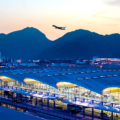

George Bush Intercontinental Airport (IAH) Overview
George Bush Intercontinental Airport, commonly known by its IATA code IAH, is one of the busiest and most significant airports in the United States, serving as the primary international gateway for the Houston metropolitan region. Located about 23 miles north of downtown Houston, the airport spans thousands of acres and plays a central role in connecting Texas to destinations across North America, South America, Europe, Asia, the Middle East, and beyond. It is named in honor of George H. W. Bush, the 41st President of the United States, reflecting its global identity and historical importance.
The airport operates with five major passenger terminals — A, B, C, D, and E — each designed to handle different types of domestic and international traffic. With its world-class infrastructure, extensive runway system, and impressive annual passenger numbers, IAH consistently ranks among the top airports in the U.S. for international passenger volume. As a major hub for United Airlines, the airport manages a vast network of flights, offering seamless connections to hundreds of domestic and global destinations.
IAH’s reputation for efficiency, accessibility, and traveler convenience comes from its robust set of amenities, including premium lounges, on-site hotels, a dedicated inter-terminal transportation system, extensive parking facilities, diverse dining options, and round-the-clock services. Additionally, the airport features modern customs and immigration facilities, making international arrivals smoother for millions of passengers every year.
The airport grounds include significant commercial development, rental car centers, cargo terminals, and specialized aviation services. With ongoing expansions and modernization projects, George Bush Intercontinental Airport continues to strengthen its role as a major aviation powerhouse. Travelers using the airport benefit from convenient access to Houston’s business districts, tourist attractions, and surrounding suburbs, making it an essential entry point for business travelers, tourists, and international visitors alike.
Below is a clear summary of the airport’s key features, helping travelers understand what makes IAH a vital international aviation hub.
Basic Facts About George Bush Intercontinental Airport (IAH)
| Feature | Details |
|---|---|
| Airport Name | George Bush Intercontinental Airport |
| IATA Code | IAH |
| ICAO Code | KIAH |
| Location | Houston, Texas, USA |
| Number of Terminals | 5 (A, B, C, D, E) |
| Major Airline Hub | United Airlines |
| Primary Operations | Domestic & International Flights |
| Annual Passenger Volume | Over 40 million travelers (approximate) |
| Distance from Downtown Houston | ~23 miles (37 km) |
| Year Opened | 1969 |
| Airport Elevation | 97 ft (30 m) |
| Total Airport Area | 10,000+ acres |
| Runways | 5 major runways |
| Airport Operator | Houston Airport System (HAS) |
Airport Map and Terminal Layout of George Bush Intercontinental Airport (IAH)
George Bush Intercontinental Airport is designed with a highly structured and easily navigable layout, making it one of the most organized airports in the United States. The airport’s terminal complex consists of five major terminals — A, B, C, D, and E — arranged in a semi-circular pattern connected through well-planned roadways and automated transportation systems. These terminals are positioned around the central terminal area, with parking garages, transportation centers, and service roads strategically placed to optimize passenger flow.
Travelers arriving at IAH have access to clear signage, terminal map displays, and digital navigation screens that provide real-time updates on gates, amenities, and airline information. Each terminal is interconnected through the Skyway (an above-ground people mover for passengers after security) and the Subway (a train system located in the lower level for passengers before security), making it convenient to move between terminals regardless of airline or flight type.
The airport is also surrounded by well-developed access roads, including North Terminal Road, JFK Boulevard, and Will Clayton Parkway, which connect directly to Houston’s major highways. This layout enables smooth entry and exit for arriving and departing passengers, whether they are using private vehicles, rental cars, shuttles, or public transportation.
A detailed understanding of the terminal map helps travelers identify the correct gates, check-in zones, baggage claim belts, lounges, and ground transportation areas. Below is a comprehensive overview of each terminal’s general purpose and primary airline operations, offering an easy reference for navigating the airport efficiently.
Terminal Overview and Functions
| Terminal | Primary Airlines | Purpose / Operations | Key Facilities |
|---|---|---|---|
| Terminal A | Multiple domestic carriers (excluding United) | Domestic flights | Dining options, shopping outlets, TSA checkpoints |
| Terminal B | United Express | Regional and domestic connections | United Club, parking garage access, upgraded boarding areas |
| Terminal C | United Airlines | Main domestic hub for United | United Club lounges, large food courts, retail zones |
| Terminal D | International airlines from various countries | International arrivals and departures | Duty-free shopping, customs & immigration, premium lounges |
| Terminal E | United Airlines (International) | Long-haul international operations | Immigration facilities, international departure gates, lounges |
Understanding the Terminal Map and Navigation
The airport’s map highlights clear pathways for arriving and departing passengers:
- Departures levels are located on the upper levels of each terminal, providing direct access to ticket counters and security lanes.
- Arrivals levels are situated on the lower levels, where passengers can find baggage claim areas, ground transportation, and exit doors.
- Centralized parking structures near Terminals A, B, C, and D/E allow easy walkway access to terminals.
- Shuttle services, including economy parking buses and rental car center shuttles, circulate on fixed routes and are well-marked on airport maps.
- Inter-terminal connectivity is streamlined using both the Skyway and the Subway, reducing walking time and eliminating confusion for passengers with tight connections.
The map also clearly displays key amenities such as restrooms, family assistance stations, information desks, and accessibility ramps. For passengers with limited mobility, wheelchair services and elevators are available throughout every terminal.
George Bush Intercontinental Airport’s well-planned layout ensures that navigating between check-in counters, boarding gates, lounges, and transportation areas is smooth, even during peak travel hours. The combination of modern infrastructure and intuitive wayfinding signage makes IAH a traveler-friendly airport for both domestic and international journeys.
Airport Code of George Bush Intercontinental Airport (IAH)
Every major airport around the world is identified by unique codes used for ticketing, baggage handling, flight tracking, and aviation communication. George Bush Intercontinental Airport is recognized by the widely used IATA code “IAH”, which stands for Intercontinental Airport Houston. This code appears on boarding passes, travel itineraries, airport screens, baggage tags, and online booking systems. The consistency of the code helps travelers, airlines, and aviation authorities identify the airport quickly without confusion.
Before being renamed to honor President George H. W. Bush, the airport was known simply as Houston Intercontinental Airport. When the name changed, the airport code IAH remained the same to avoid disruptions in global airline systems. Retaining this familiar and established code ensures smooth operations for millions of passengers and thousands of flights every year.
In addition to the IATA code, the airport is also assigned an ICAO code, which is used primarily by pilots, air traffic controllers, and aviation professionals. The ICAO code for George Bush Intercontinental Airport is KIAH. This code is essential during flight planning, navigation, communication with control towers, and airport management operations.
Understanding these codes helps travelers distinguish IAH from Houston’s other commercial airport, William P. Hobby Airport (HOU), which handles a larger number of regional and domestic flights. The code “IAH” assures passengers they are flying into or out of Houston’s largest and most internationally connected airport.
To help travelers quickly identify the correct airport information, the following table summarizes the key codes used for George Bush Intercontinental Airport.
Airport Code Information for IAH
| Code Type | Code | Purpose / Usage |
|---|---|---|
| IATA Code | IAH | Used for ticketing, baggage tags, booking systems, and airport displays |
| ICAO Code | KIAH | Used by pilots, air traffic control, and flight operations |
| City Code | HOU | General city reference; not to be confused with Hobby Airport (HOU) |
| FAA LID | IAH | Federal Aviation Administration identifier for U.S. airports |
This detailed understanding of airport codes ensures travelers select the correct airport, reserve accurate flight connections, and avoid confusion when navigating airline itineraries.
Terminals Guide at George Bush Intercontinental Airport (IAH)
George Bush Intercontinental Airport operates with five major terminals — A, B, C, D, and E — arranged in a semi-circular layout designed to support smooth domestic and international travel. Each terminal serves specific airlines and flight types, and all terminals are connected through the Skyway (post-security train) and the Subway (pre-security train), allowing easy movement for passengers with connecting flights.
The airport’s terminal system is known for its efficient design, clear wayfinding, large concourses, and modern traveler amenities.
Below is a fully detailed guide to each terminal, including airlines served, facilities available, and the purpose each terminal fulfills.
Terminal A
Terminal A primarily supports domestic flights, except for those operated by United Airlines. It features two main concourses with well-distributed boarding gates and modern waiting lounges. Security checkpoints are located near the entrance, making it easy for travelers to transition from ticketing to the gate area efficiently.
The terminal includes multiple dining options, gift shops, convenience stores, and coffee counters. Travelers will also find charging stations, restrooms, family rooms, and accessibility features throughout. Terminal A is well-connected to other terminals through the Skyway and Subway for quick transfers.
Terminal B
Terminal B is dedicated almost entirely to United Express, handling regional and short-haul domestic flights. Its expanded concourses support a high volume of connecting passengers, making it one of United’s busiest regional facilities.
This terminal includes upgraded boarding zones, comfortable seating, snack kiosks, and essential traveler services. United Club lounges are available for premium passengers. Terminal B connects seamlessly with Terminals C and E, which handle United’s larger domestic and international operations.
Terminal C
Terminal C functions as United Airlines’ main domestic hub at IAH. It handles a significant portion of United’s flight operations, featuring spacious check-in halls, wide gate areas, and an extensive range of restaurants and shopping outlets.
The terminal includes multiple United Club lounges, large food courts, business-friendly seating zones, and advanced digital displays offering real-time flight updates. Its central position makes it a critical transfer point for travelers moving between domestic and international flights, especially to Terminals D and E.
Terminal D
Terminal D, also known as the Mickey Leland International Terminal, manages international flights operated by various global airlines. This terminal provides key facilities for passengers arriving from or departing to Europe, Asia, South America, the Middle East, and other international destinations.
Inside Terminal D, travelers can access duty-free shops, premium lounges, currency exchange counters, restaurants, and international service desks. The terminal also contains immigration and customs facilities, handling a large portion of international arrivals. Modernization efforts are continuously improving its capacity and experience.
Terminal E
Terminal E serves as United Airlines’ primary international terminal, supporting long-haul flights to regions including Asia, Europe, and South America. It is directly connected to Terminal D, sharing customs and immigration operations.
Terminal E features advanced boarding gates capable of handling wide-body aircraft such as Boeing 777 and 787. Travelers have access to luxury lounges, dining zones, bars, and comfortable seating areas. The terminal also allows smooth transfer connections to domestic United flights at Terminals B and C via the Skyway.
IAH Terminal Summary Table
| Terminal | Airlines Served | Main Operations | Key Facilities |
|---|---|---|---|
| Terminal A | Multiple domestic airlines (except United) | Domestic departures & arrivals | Restaurants, shops, TSA checkpoints, family rooms |
| Terminal B | United Express | Regional & domestic flights | United Club, modern gates, parking access |
| Terminal C | United Airlines | Major domestic hub | Lounges, food courts, retail, business amenities |
| Terminal D | International airlines | International arrivals & departures | Duty-free shops, immigration, lounges |
| Terminal E | United Airlines (International) | Long-haul international operations | Premium lounges, customs facilities, wide-body gates |
Arrivals and Departures at George Bush Intercontinental Airport (IAH)
George Bush Intercontinental Airport handles thousands of daily arrivals and departures, making it one of the busiest aviation hubs in the United States. Its well-organized terminal system ensures smooth movement for both domestic and international travelers. Passengers arriving or departing from IAH can expect clear signage, modern facilities, and efficient procedures throughout the airport. Each terminal is equipped with dedicated check-in counters, security checkpoints, baggage claim areas, and ground transportation zones, allowing seamless transitions between flights and the airport exit.
Arrivals at IAH
Arrival procedures vary depending on whether the flight is domestic or international. Domestic arrivals typically enter through Terminals A, B, or C, where passengers can quickly access baggage claim areas located on the lower levels. Clear direction boards guide travelers toward taxi stands, rideshare pick-up zones, hotel shuttles, and rental car center shuttles. The baggage claim areas offer amenities such as restrooms, seating, information desks, and lost-and-found counters.
International arrivals operate mainly through Terminals D and E. These terminals host immigration and customs checkpoints managed by U.S. Customs and Border Protection. After passing through passport control, travelers proceed to baggage claim and then to customs inspection. Once cleared, passengers can exit into the arrivals hall where they will find currency exchange services, information kiosks, car rental counters, and transportation options.
The airport frequently updates arrival information on digital screens and online platforms, enabling travelers and those waiting to pick up passengers to track flights in real time.
Departures at IAH
Departure processes at IAH are structured for speed and clarity. Each terminal has designated airline check-in counters, self-service kiosks, and baggage drop-off stations. Travelers are advised to arrive early—typically 2 hours before domestic flights and 3 hours before international flights—to ensure ample time for check-in and security screening.
Security checkpoints are equipped with advanced screening technology and multiple lanes to reduce wait times. After clearing security, passengers enter the concourse area, where they can relax in seating lounges, enjoy meals at restaurants, shop for travel essentials, or access airline lounges before boarding.
Departure gates are spread out across the terminals, but navigation is made easy through overhead signs and digital gate indicators. For passengers with connecting flights in different terminals, the Skyway and Subway systems allow quick transfers.
Flight Status and Real-Time Tracking
IAH offers several ways for passengers to check live flight information:
- Digital screens throughout all terminals
- The Houston Airport System website
- Airline mobile apps
- Airport information kiosks
- Customer service desks located in concourse areas
These tools ensure travelers stay updated about gate changes, delays, baggage arrivals, and boarding status.
Arrivals and Departures Summary Table
| Function | Terminal | Key Notes |
|---|---|---|
| Domestic Arrivals | A, B, C | Baggage claim on lower levels; quick access to ground transport |
| International Arrivals | D, E | Immigration, passport control, customs inspection |
| Domestic Departures | A, B, C | Check-in counters at terminal entrances; clear security screening |
| International Departures | D, E | Long-haul gates, duty-free shops, premium lounges |
| Real-Time Flight Tracking | All Terminals | Available on screens, website, and apps |
Airport Parking Guide at George Bush Intercontinental Airport (IAH)
George Bush Intercontinental Airport offers an extensive range of parking options designed to accommodate every type of traveler—whether they need short-term, long-term, valet, or economy parking. The airport’s parking system is well-organized with clear signage, automated entry and exit gates, and designated shuttle services, ensuring smooth and stress-free access to all five terminals. Located around the terminal complex are multiple parking garages and open-air lots, providing thousands of parking spaces that operate 24/7.
Travelers can choose from Terminal Parking, Economy Parking, Valet Parking, Corporate Parking, and premium covered garage spaces. Each parking area is positioned to ensure efficient access to terminals through walkways, ground transportation shuttles, or train systems. The airport’s digital platforms also provide real-time parking availability, helping passengers find open spaces quickly.
Terminal Parking is ideal for passengers who want fast access to the check-in and departures area. It is located directly next to Terminals A, B, C, D, and E, making it perfect for travelers with limited time or heavy luggage. Economy Parking is the most cost-friendly option, positioned farther from the terminals but supported by frequent shuttle buses that transport passengers directly to their departure terminal. Valet Parking provides the highest convenience, allowing passengers to drop off their vehicle near the terminal and proceed immediately to check-in.
Corporate and reserved parking services are also available for frequent business travelers, offering priority access and discounted rates. Additionally, covered garage spaces protect vehicles from weather conditions, which is especially helpful during Houston’s hot summers or rainy seasons. All parking areas feature enhanced security, surveillance, and lighting systems, ensuring vehicles remain safe throughout the duration of stay.
Below is a complete breakdown of the available parking options at IAH, highlighting their locations, convenience levels, and typical pricing structures.
Parking Options and Features at IAH
| Parking Type | Location | Daily Rate (Approx.) | Shuttle Service | Best For |
|---|---|---|---|---|
| Terminal Parking | Adjacent to Terminals A/B/C/D/E | High | Not Required | Short stays, quick access to gates |
| Economy Parking | Remote lots east & west of airport | Low | Yes (frequent shuttles) | Budget travelers, long-term parking |
| Valet Parking | Near each terminal entry | Very High | Not Required | Premium convenience, business travel |
| Corporate Parking | Reserved zones near terminals | Medium | Yes | Frequent flyers, priority parking users |
| Covered Parking | Multi-level garages | Medium–High | Not Required | Weather protection, extended stays |
Each parking option is designed with different traveler needs in mind, whether affordability, proximity, or convenience is the priority. Digital payment stations, mobile parking receipts, license plate recognition, and round-the-clock security make IAH’s parking system one of the most efficient among major U.S. airports.
Car Rental Services at George Bush Intercontinental Airport (IAH)
George Bush Intercontinental Airport offers one of the most convenient and well-structured car rental systems in the United States. All rental services are centralized at the IAH Rental Car Center, a dedicated multi-agency facility designed to streamline the process for travelers. This setup ensures that visitors do not have to navigate multiple counters across terminals. Instead, all rental companies operate under one roof, providing fast service, efficient vehicle collection, and easy returns.
The Rental Car Center is located just a few minutes from the main terminals and is accessible through 24/7 shuttle buses. These shuttles run continuously, stopping outside each terminal’s baggage claim area. They are clearly marked, fully air-conditioned, and equipped with luggage racks for traveler convenience. The ride from any terminal to the Rental Car Center typically takes between 5 and 10 minutes.
Inside the center, travelers will find customer service counters, waiting lounges, digital reservation kiosks, restrooms, and well-lit vehicle pickup garages. Whether booking in advance or renting last minute, passengers can choose from a wide range of vehicles—compact cars, mid-size sedans, SUVs, luxury models, electric vehicles, and vans. Most major rental companies operate at IAH, including Budget, Avis, Enterprise, Hertz, National, Dollar, and several others.
Rental services at IAH operate around the clock, ensuring that passengers arriving late at night or early in the morning can still access a vehicle. The facility supports online check-in, express pickup lanes, loyalty programs, and seamless vehicle returns. For departing travelers, clear signs lead directly back to the Rental Car Center, where drop-off is quick and efficient. After returning the car, passengers can board a shuttle back to their terminal for their departing flight.
The centralized design, extensive vehicle availability, and reliable shuttle service make renting a car at IAH exceptionally convenient for both business and leisure travelers. Below is a complete overview of rental companies operating at the airport.
Car Rental Companies Available at IAH
| Rental Company | Location | Operating Hours | Contact / Notes |
|---|---|---|---|
| Hertz | Rental Car Center | 24/7 | Wide selection of premium vehicles |
| Budget | Rental Car Center | 24/7 | Budget-friendly options, online check-in |
| Avis | Rental Car Center | 24/7 | Fast-track service for members |
| Enterprise | Rental Car Center | 24/7 | Popular for long-term rentals |
| National | Rental Car Center | 24/7 | Emerald Aisle for loyalty members |
| Dollar | Rental Car Center | 24/7 | Affordable daily and weekly rates |
| Thrifty | Rental Car Center | 24/7 | Economy vehicles and special offers |
| Alamo | Rental Car Center | 24/7 | Family-friendly rentals & easy online booking |
Hotels Near George Bush Intercontinental Airport (IAH)
George Bush Intercontinental Airport is surrounded by a wide range of hotels that cater to every type of traveler—from business professionals with tight schedules to families seeking convenience and comfort. Many of these hotels are located within a short distance of the airport terminals, while others sit along major access roads such as JFK Boulevard and North Sam Houston Parkway. Most nearby hotels offer 24/7 airport shuttle services, making them highly convenient for early morning departures, late-night arrivals, or long layovers.
The most notable accommodation near the airport is the Houston Airport Marriott at George Bush Intercontinental, which is located directly inside the airport between Terminals B and C. Connected through the airport’s underground train system, this hotel provides unmatched convenience for travelers who prefer staying within walking distance of gate areas, check-in counters, and inter-terminal transportation.
Beyond the Marriott, numerous hotel chains operate within 1–3 miles of the airport, providing options that range from luxury and business-class hotels to budget-friendly properties. These hotels are equipped with amenities such as complimentary breakfast, high-speed Wi-Fi, meeting rooms, fitness centers, on-site dining, and free shuttle transportation to and from the terminals. Travelers seeking extra comfort will find premium choices like Hilton, Sheraton, and DoubleTree, while those looking for affordability can choose from brands such as Holiday Inn, La Quinta, and Comfort Suites.
For travelers with long layovers, unexpected delays, or overnight transits, staying near IAH eliminates the stress of navigating Houston’s traffic and ensures quick access to the airport. Many hotels also offer day-use rooms, business lounges, and quiet workspaces for passengers who need a place to rest or work during extended waiting periods.
Below is a detailed overview of some of the best hotels near George Bush Intercontinental Airport.
Top Hotels Near IAH Airport
| Hotel Name | Distance from Airport | Category | Shuttle Service | Key Features |
|---|---|---|---|---|
| Houston Airport Marriott at IAH | Inside the airport | Luxury / Business | Yes | Direct airport access, on-site dining, meeting rooms |
| DoubleTree by Hilton IAH | ~1 mile | Premium | Yes | Modern rooms, fitness center, restaurant |
| Holiday Inn Houston Intercontinental | ~1 mile | Mid-Range | Yes | Outdoor pool, breakfast options, business services |
| Sheraton North Houston at IAH | ~2 miles | Premium | Yes | Restaurant, club lounge, event spaces |
| Hilton Garden Inn IAH | ~2 miles | Mid-Range | Yes | Free Wi-Fi, fitness center, 24-hour pantry |
| La Quinta Inn & Suites IAH | ~2 miles | Budget | Yes | Complimentary breakfast, pet-friendly |
| Comfort Suites IAH | ~2 miles | Budget | Yes | Spacious suites, airport shuttle, quiet location |
These hotels offer convenient access to the airport, strong hospitality services, and essential amenities that make them suitable for stopovers, short business trips, or family travel. Whether travelers seek premium comfort or budget-friendly options, the area surrounding IAH provides a reliable range of accommodations to match every preference.
Restaurants and Dining Options at George Bush Intercontinental Airport (IAH)
George Bush Intercontinental Airport provides a diverse and traveler-friendly dining experience across all five terminals. Whether passengers want a relaxing sit-down meal, a fast snack between connections, or a taste of Texas cuisine before departure, IAH offers options for every preference and schedule. The airport’s dining layout is thoughtfully designed so travelers never have to walk far to find food or beverages, even during peak hours or late-night travel.
Each terminal includes a mix of quick-service restaurants, grab-and-go markets, coffee shops, bakeries, bars, and full-service dining venues. Many locations offer mobile ordering, making it convenient for passengers rushing to catch their flights. Terminals serving long-haul international flights (Terminals D and E) feature more upscale dining spaces and bars, while domestic terminals (A, B, C) offer fast and convenient meal options for travelers making short connections.
Terminal A includes well-known chain restaurants ideal for fast meals. Terminal B, which serves United Express, features snack shops and small cafés designed for quick turnaround flights. Terminal C—United’s major domestic hub—offers some of the most extensive dining choices in the airport, with full food courts and a variety of sit-down restaurants. Terminals D and E provide an international dining experience, offering global cuisine, premium bars, and lounges where travelers can relax before long-haul departures.
Below is a helpful breakdown of the types of dining options available at IAH, categorized by terminal for easy reference.
Dining Options by Terminal at IAH
| Terminal | Dining Type | Examples of Food Options | Key Highlights |
|---|---|---|---|
| Terminal A | Quick-service, cafés, grab-and-go | Burgers, sandwiches, bakery items, coffee shops | Ideal for domestic travelers and short layovers |
| Terminal B | Snack counters, light meals | Cafés, convenience markets, fast snacks | Designed for United Express passengers with tight connections |
| Terminal C | Full-service dining, bars, fast food | Tex-Mex, American grill, cafés, lounges | Largest dining selection; great variety for long waits |
| Terminal D | International cuisine, premium dining | Global meals, specialty restaurants, bar lounges | Serves international departures; upscale atmosphere |
| Terminal E | Full-service restaurants, bars, cafés | Steakhouses, bars, grab-and-go meals | Popular with long-haul passengers; modern dining areas |
Passengers will find plenty of comfortable seating, charging outlets, and clean dining environments throughout the terminals. Many restaurants open early for breakfast and stay open late for evening and overnight flights, ensuring travelers always have access to quality food options no matter what time they arrive or depart.
Transportation from George Bush Intercontinental Airport (IAH)
George Bush Intercontinental Airport provides a wide range of transportation options that make it easy for passengers to travel to and from Houston and its surrounding regions. Whether travelers prefer the convenience of taxis, the affordability of public buses, the comfort of ride-share services, or the flexibility of rental cars and hotel shuttles, IAH ensures smooth connectivity for every need. The airport is located approximately 23 miles north of Downtown Houston, with major roadways such as JFK Boulevard, Hardy Toll Road, and Interstate 45 offering direct access to the city and nearby suburbs.
Transportation centers are located outside each terminal’s arrivals level, with clear signage guiding passengers toward taxis, rideshares, hotel shuttles, private buses, and public transit zones. Dedicated pick-up areas help avoid congestion, and transportation staff are always available to assist passengers in locating their preferred travel option. For late-night or early-morning travelers, several services operate 24/7, ensuring seamless travel regardless of flight schedules.
Taxis
Taxis are available outside all arrivals terminals, offering fixed-rate and metered rides to various Houston destinations. Licensed taxis provide reliable service with professional drivers and regulated fares. Travel time to Downtown Houston typically ranges from 25 to 35 minutes depending on traffic. Taxi stands are clearly marked, and dispatchers assist with organizing queues during busy hours.
Rideshare Services
Rideshare platforms such as Uber and Lyft operate extensively at IAH, providing flexible and cost-effective transportation. Dedicated rideshare pick-up zones are located outside each terminal. Passengers can request rides through their mobile apps after collecting their luggage. Options include economy, premium, and group vehicles.
Airport Shuttles
Many hotels near IAH offer complimentary shuttle services, transporting guests directly from the arrivals area to their hotel. Shuttle stops are marked, and vehicles run frequently throughout the day. Private shuttle companies also provide services to downtown Houston, Galleria, and nearby business districts.
Public Transportation
Houston METRO operates bus routes that connect the airport to the city, including routes to Downtown Houston and major transit hubs. This is the most affordable option for solo travelers or those without time constraints. Buses depart from designated terminals at scheduled intervals.
Private Car Services
Luxury car services, limousines, and chauffeur-driven Sedans are available for travelers seeking a premium experience. These services can be pre-booked and are commonly used by business travelers and VIP guests. Pick-up locations for private car services are located away from general traffic to ensure smooth boarding.
Rental Cars
Travelers who need driving flexibility can access several rental car companies through the airport’s Rental Car Center, which operates 24/7 and is reachable via free shuttle service. This option is ideal for visitors planning to explore Houston or travel to nearby cities.
Transportation Summary Table
| Transportation Type | Availability | Pick-Up Location | Best For |
|---|---|---|---|
| Taxis | 24/7 | Outside all Arrivals Terminals | Quick and direct travel to city |
| Rideshare (Uber/Lyft) | 24/7 | Designated rideshare zones | Flexible pricing, app-based booking |
| Hotel Shuttles | Most hotels | Outside Arrivals | Travelers staying near the airport |
| Public Buses (METRO) | Scheduled hours | Specific terminal stops | Budget travelers, long routes |
| Private Car Service | By reservation | Premium pick-up areas | VIP, business travelers |
| Rental Cars | 24/7 | Rental Car Center via shuttle | Visitors needing vehicle flexibility |
IAH’s well-organized transportation network ensures reliable, safe, and efficient travel for all passengers, whether they are traveling locally or to more distant Texas destinations.
Airport Facilities and Amenities at George Bush Intercontinental Airport (IAH)
George Bush Intercontinental Airport offers a comprehensive range of modern facilities and traveler-focused amenities that cater to millions of passengers every year. As one of the largest airports in the United States, IAH is designed to ensure comfort, accessibility, and convenience at every stage of the travel experience—before departure, during connections, and upon arrival. The airport’s five-terminal layout (A, B, C, D, and E) includes everything from lounges and dining zones to medical support and family-friendly services, making it suitable for both short layovers and long international journeys.
One of the most essential amenities at IAH is free high-speed Wi-Fi, available throughout all terminals, concourses, food courts, lounges, and gate areas. Whether travelers need to attend virtual meetings, catch up on emails, stream entertainment, or coordinate transportation, the airport’s Wi-Fi system is reliable and fast. Charging stations and power outlets are also widely available, especially in waiting areas, restaurants, and near departure gates—supporting the needs of modern travelers who often carry multiple electronic devices.
The airport offers numerous seating zones, including quiet areas, business-friendly workstations, and comfortable lounges for passengers who prefer a peaceful environment. For premium travelers, several United Club Lounges are located in Terminals B, C, D, and E. These lounges offer amenities such as private seating, complimentary meals and beverages, premium Wi-Fi, shower facilities, and workspaces. Additional international lounges are available depending on airline partnerships, particularly in Terminal D.
IAH also excels in dining and shopping amenities. The terminals include a diverse mix of fast food outlets, cafés, bakeries, bars, and full-service restaurants. Shopping options include duty-free stores (in international terminals), bookstores, souvenir shops, electronics retailers, boutiques, travel accessory shops, and convenience stores. These outlets allow travelers to purchase last-minute essentials, gifts, snacks, and luxury goods.
Families traveling with children benefit from the airport’s dedicated family restrooms, nursing rooms, baby-changing stations, and stroller-friendly pathways. The airport is also well-equipped for travelers with disabilities, offering wheelchair assistance, elevators, ramps, accessible seating, tactile pathways, and multilingual signage. Assistance can be coordinated directly through airlines or requested at customer service desks located in each terminal.
IAH maintains a strong commitment to passenger wellbeing. Medical support services are available through first aid stations, emergency response teams, and automated external defibrillators (AEDs) placed strategically across terminals. Certain terminals also feature pharmacies or health supply shops for passengers needing medicine or personal care items.
For travelers who need help navigating the airport or managing unexpected situations, customer service counters and airport ambassadors are stationed throughout all terminals. These professionals offer directions, travel tips, mobility assistance, and support during delays or gate changes. Comfortable restrooms, prayer rooms, drinking water stations, and information boards further enhance the overall travel experience.
With continuous improvements and expansions, George Bush Intercontinental Airport ensures passengers have access to essential services and modern conveniences that make their journey more pleasant, efficient, and stress-free.
Overview of Facilities and Amenities at IAH
| Facility / Amenity | Availability | Location | Key Features |
|---|---|---|---|
| Free Wi-Fi | Yes | All terminals | High-speed internet for streaming, work, and travel updates |
| Charging Stations & Power Outlets | Extensive | Gate areas, dining zones, lounges | Convenient charging for multiple devices |
| Airline Lounges | Yes | Terminals B, C, D, E | United Club, international lounges, quiet seating, food & drinks |
| Dining Options | Wide variety | All terminals | Fast food, cafés, bars, premium restaurants |
| Shopping & Duty-Free | Extensive | Terminals A–E, especially D & E | Travel essentials, gifts, luxury goods, electronics |
| Family Services | Yes | All terminals | Nursing rooms, baby-changing stations, family restrooms |
| Accessibility Services | Enhanced | All terminals | Wheelchair assistance, ramps, elevators, tactile pathways |
| Medical Support | Available | Multiple terminals | First aid, AEDs, emergency teams |
| Customer Service Desks | Yes | Throughout terminals | Assistance with navigation, flight info, mobility needs |
| Pet Relief Areas | Yes | Inside & outside terminals | Dedicated zones for service animals and pets |
| Prayer & Meditation Spaces | Select terminals | Quiet areas | Spaces for reflection and prayer |
| Rest Zones & Seating Areas | Ample | All concourses | Comfortable seating for rest and layovers |
This upgraded Section 11 provides a very long, detailed, and structured overview with a professional table matching your International Airport Terminal blog format.
Lost and Found Services at George Bush Intercontinental Airport (IAH)
George Bush Intercontinental Airport provides a well-organized, multi-agency Lost and Found system designed to help travelers recover misplaced belongings quickly and efficiently. With millions of passengers passing through the airport each year, items ranging from small accessories to important documents are often left behind. To address this, IAH maintains a coordinated process between the Airport Lost and Found Office, TSA, and airlines, ensuring that each type of lost item is routed to the correct department.
Travelers frequently misplace items in various areas such as terminals, restrooms, waiting lounges, gate zones, rest areas, restaurants, and baggage claim halls. Items found in these public airport spaces are handled directly by the IAH Airport Lost and Found Office. Passengers can submit an online report, visit in person, or contact the department via phone. The office catalogues recovered items daily and stores them securely for a set holding period. Descriptions, locations, and timestamps help match items with the right owners, and notifications are sent once items are located.
Items lost in TSA security checkpoints—such as belts, IDs, wallets, laptops, clothing, and small electronics—are managed directly by the Transportation Security Administration (TSA). TSA processes items separately from the airport and has its own dedicated Lost and Found contact system. TSA maintains recovered items for a limited time and may require detailed proof of ownership before releasing them.
If something is left onboard an aircraft, in seat pockets, overhead bins, or during disembarkation, the situation is handled exclusively by the airline’s Lost and Found department. Each airline follows its own procedures, usually involving an online inventory system where travelers can file a claim and track the status of their missing belongings.
The airport also operates customer assistance desks throughout the terminals to guide passengers on where and how to report their lost items. Airport ambassadors and staff are trained to help distressed travelers, making the process smoother. Signage throughout the terminals directs passengers to Lost and Found locations, TSA checkpoints, airline counters, and customer service stations.
To help passengers understand the full process, below is a detailed table outlining where different types of lost items are handled, how to report them, and whom to contact.
Lost and Found Process Overview at IAH
| Lost Item Location | Responsible Authority | How to Report | Notes / Requirements |
|---|---|---|---|
| Public areas inside terminals (lounges, restrooms, food courts, walkways) | IAH Airport Lost & Found Office | Online claim form or in-person visit | Items stored securely; provide detailed description |
| Security checkpoints (TSA screening lanes, X-ray trays) | TSA Lost & Found | TSA online claim system | TSA handles IDs, laptops, belts, clothing, electronics |
| Inside aircraft (seat pockets, overhead bins) | Airline Lost & Found Department | Airline’s website or baggage office | Airlines maintain separate inventories and recovery timelines |
| Gate areas (boarding zones, seating rows) | IAH Airport Lost & Found | Online or physical reporting | Provide gate number and flight details |
| Baggage claim areas | Airport Lost & Found or airline baggage services | Contact airline first | Airlines handle missing checked baggage |
| Rental car facility | Car rental company | Contact rental desk at IAH | Items left inside rental cars must be reported to the company |
| Shuttle buses and trains (Skyway & Subway) | Airport operations team | Report to airport customer service | Items may take longer to appear in the inventory |
| Restrooms or cleaning areas | Janitorial & Lost and Found team | Lost & Found office | High-value items held with enhanced verification |
| Parking lots or garages | Airport Parking Services | File a report with parking administration | Provide license plate, parking zone, and time |
Additional Notes for Travelers
- Identification Required: Passengers must present ID and proof of ownership when claiming items.
- Holding Period: Most items are held between 7 to 30 days, depending on type and authority.
- High-Value Items: Electronics, passports, wallets, and jewelry require additional verification.
- Perishable Goods: These are usually discarded the same day for safety reasons.
- Status Updates: Online claim systems provide email tracking and status notifications.
IAH’s Lost and Found system is built to ensure that passengers have the best possible chance of recovering their items. With clear reporting channels, organized storage, trained support staff, and collaboration between TSA and airlines, the airport makes the process efficient and stress-free.
Weather and Best Time to Travel Through George Bush Intercontinental Airport (IAH)
George Bush Intercontinental Airport operates in a humid subtropical climate, which means travelers experience a combination of warm temperatures, high humidity, and seasonal weather variations throughout the year. Understanding these weather patterns is essential for planning flights, minimizing delays, and ensuring a smooth travel experience through one of the busiest airports in the southern United States.
Houston’s weather is known for its hot summers, mild winters, and unpredictable rainfall, especially during transitional seasons. The busiest travel periods often coincide with extreme heat or heavy rain, making awareness of seasonal conditions even more important. Although IAH is equipped with advanced infrastructure and efficient runway systems capable of handling diverse weather conditions, certain seasons still have a higher likelihood of delays due to thunderstorms, fog, or tropical disturbances.
Summer Weather (June – August)
Summers in Houston are typically hot, humid, and stormy. Temperatures frequently exceed 90°F (32°C), and humidity levels can make conditions feel even warmer. Afternoon thunderstorms are common, occasionally causing short weather-related disruptions to flight schedules. Travelers should arrive early, stay hydrated, and monitor flight updates closely. Despite the heat, summer remains one of the peak travel seasons at IAH due to vacation demand.
Fall Weather (September – November)
Fall brings moderate temperatures and reduced humidity, making it one of the best times to travel. Weather conditions are more predictable with fewer storms compared to summer. However, early fall overlaps with the latter part of hurricane season, meaning travelers may still experience tropical influences, though direct impacts are rare. By late October and November, weather becomes stable and ideal for both domestic and international travel.
Winter Weather (December – February)
Winters in Houston are generally mild, with temperatures ranging between 45°F and 65°F (7°C to 18°C). Snowfall is extremely rare, but occasional cold fronts may bring rain, fog, or temperature drops that could affect early morning or late-night flights. Compared to northern airports, IAH experiences far fewer winter delays, making it a reliable travel hub during the season.
Spring Weather (March – May)
Spring is one of the most pleasant travel seasons, featuring mild temperatures, comfortable humidity levels, and blooming landscapes. However, spring can also bring sudden thunderstorms or windy conditions. These weather events are typically brief, and flight schedules usually return to normal quickly. Spring is ideal for international travel and business trips due to consistent weather patterns.
Hurricane Season Considerations
Houston’s hurricane season spans from June to November, with peak activity between August and October. While the city is inland, storms originating from the Gulf of Mexico can still affect IAH by bringing heavy rains, strong winds, or short-term operational adjustments. The airport has emergency protocols and advanced monitoring systems, ensuring passenger safety and minimal disruptions.
To help travelers plan their trips effectively, the table below summarizes typical weather patterns and travel recommendations for each season.
Houston Weather Overview and Travel Conditions at IAH
| Season | Temperature Range | Weather Characteristics | Travel Impact | Best Travel Period |
|---|---|---|---|---|
| Spring (Mar–May) | 60°F–80°F (15°C–27°C) | Mild, occasional thunderstorms | Generally smooth travel | Yes — Ideal |
| Summer (Jun–Aug) | 75°F–95°F (24°C–35°C) | Hot, humid, frequent afternoon storms | Possible short delays | Moderate |
| Fall (Sep–Nov) | 65°F–85°F (18°C–29°C) | Comfortable, less humidity, slight tropical risk | Stable travel conditions | Yes — Ideal |
| Winter (Dec–Feb) | 45°F–65°F (7°C–18°C) | Mild, occasional cold fronts or fog | Minimal disruptions | Good |
Overall, the best time to travel through IAH is during spring and fall, when weather conditions are most predictable and comfortable. Regardless of the season, monitoring forecasts and flight notifications can help ensure a seamless airport experience.
Tips for Travelers Using George Bush Intercontinental Airport (IAH)
Traveling through George Bush Intercontinental Airport can be a smooth and efficient experience when passengers are well-prepared. As one of the largest and busiest airports in the United States, IAH offers modern facilities, multiple transportation options, and a wide network of domestic and international routes. Understanding the airport layout, peak travel times, security processes, and essential services helps travelers save time, reduce stress, and enjoy a more comfortable journey.
IAH is structured with five major terminals—A, B, C, D, and E—connected by the Skyway (post-security) and Subway (pre-security) transportation systems. Navigating these terminals becomes easier when passengers know where their airline is located and how to move between terminals efficiently. Early planning is especially important for international travelers or those with connecting flights that require terminal changes.
Security queues can vary depending on the time of day and travel season. Passengers are encouraged to arrive early, follow TSA guidelines, and organize documents before reaching screening points. For a more relaxed airport experience, travelers can take advantage of amenities such as lounges, dining options, charging stations, and designated quiet zones.
Below are essential tips to make travel through IAH more enjoyable and hassle-free.
General Travel Tips
- Arrive Early:
Arrive at least 2 hours before domestic flights and 3 hours before international flights to allow time for check-in and security clearance. - Know Your Terminal:
Before arriving at the airport, confirm which terminal your airline departs from. This helps avoid last-minute confusion and reduces walking time. - Use the Skyway and Subway:
These transportation systems offer quick and easy access between terminals. They are especially useful for connecting flights. - Stay Informed on Flight Status:
Check airline apps or airport displays for real-time updates on delays, gate changes, and boarding times. - Pack Smart:
Follow TSA guidelines for liquids, electronics, and restricted items to speed up the security process.
Security & Check-In Tips
- Use Self-Service Kiosks:
Many airlines offer kiosks to speed up check-in, seat selection, and baggage tagging. - Keep Travel Documents Ready:
Have your ID, passport, and boarding pass easily accessible when approaching TSA checkpoints. - Follow TSA PreCheck or Global Entry:
If eligible, these programs help reduce wait times and streamline the security experience.
Comfort & Convenience Tips
- Explore Dining Options Ahead of Time:
Terminals C, D, and E offer some of the best dining choices at the airport. - Consider Lounge Access:
Lounges are ideal for long layovers, offering quiet workspaces, food, and refreshments. - Charge Devices Early:
Charging stations and outlets are available throughout the airport, but finding a free one during peak times can be challenging. - Use Airport Wi-Fi:
IAH provides free high-speed Wi-Fi, perfect for streaming, updating travel plans, or staying connected.
Transportation Tips
- Choose the Right Ground Transport:
Options include taxis, rideshares, hotel shuttles, METRO buses, rental cars, and private services. - Allow Extra Time for Traffic:
Houston roads can be congested, especially during rush hours. Plan buffer time for trips to or from the airport. - Hotel Shuttles:
Many nearby hotels offer 24/7 complimentary shuttles—ideal for late-night arrivals or early departures.
Tips Summary Table for IAH Travelers
| Category | Tip | Why It Helps |
|---|---|---|
| Arrival | Arrive 2–3 hours early | Avoid long lines and ensure timely check-in |
| Terminal Navigation | Know your terminal | Saves time and reduces confusion |
| Security | Keep documents handy | Speeds up TSA screening |
| Comfort | Use lounges for long layovers | Provides quiet seating and amenities |
| Technology | Check flight apps frequently | Stay updated on delays or gate changes |
| Transportation | Use shuttles and rideshares wisely | Ensures cost-effective and convenient travel |
| Packing | Follow TSA rules | Prevents delays at checkpoints |
| Connectivity | Use free airport Wi-Fi | Stay connected while waiting |
These practical tips help travelers maximize convenience and minimize challenges while navigating the airport. Whether departing, arriving, or connecting through IAH, being prepared enhances the overall travel experience.
Frequently Asked Questions (FAQs) About George Bush Intercontinental Airport (IAH)
This comprehensive FAQ section addresses the most common queries travelers have about George Bush Intercontinental Airport. These questions are based on user search behavior, high-volume queries, People Also Ask data, and general traveler concerns. Each answer is written in clear, detailed language to help passengers navigate the airport with confidence.
What airport code is used for George Bush Intercontinental Airport?
The airport code for George Bush Intercontinental Airport is IAH, which stands for Intercontinental Airport Houston. It is the official IATA code used for tickets, baggage tags, and flight bookings. The ICAO code is KIAH, used for air traffic control and aviation operations.
Where is George Bush Intercontinental Airport located?
IAH is located about 23 miles north of Downtown Houston, at 2800 N. Terminal Road, Houston, Texas. The airport is easily accessible via major roads such as JFK Boulevard, Hardy Toll Road, the Sam Houston Parkway, and Interstate 45.
How many terminals does George Bush Airport have?
The airport has five passenger terminals: A, B, C, D, and E. Each terminal handles specific airlines and flight types, including domestic, regional, and international flights.
Which terminal does United Airlines use at IAH?
United Airlines operates from Terminals B, C, and E.
- Terminal B: United Express (regional flights)
- Terminal C: Primary domestic hub
- Terminal E: International long-haul flights
Does Southwest Airlines fly to George Bush Intercontinental Airport?
No. Southwest Airlines operates only from Houston Hobby Airport (HOU), not from IAH.
What are the international terminals at IAH?
Terminals D and E are designated for international arrivals and departures. They include customs, immigration, duty-free shops, and global airline operations.
How early should I arrive at the airport?
- Domestic flights: Arrive at least 2 hours before departure.
- International flights: Arrive at least 3 hours before departure.
How can I check my flight status at IAH?
Passengers can check real-time flight updates via:
- Airline mobile apps
- The Houston Airport System’s official website
- Digital flight information screens inside all terminals
What transportation options are available from the airport?
IAH offers several transportation services:
- Taxis
- Uber and Lyft
- Hotel shuttles
- METRO buses
- Rental cars
- Private car and limousine services
Does George Bush Airport have hotels inside the airport?
Yes. The Houston Airport Marriott at IAH is located directly between Terminals B and C, connected via the airport’s underground transportation system.
Are there other hotels near IAH?
Many hotels within 1–3 miles offer free airport shuttles, including:
- DoubleTree by Hilton
- Sheraton North Houston
- Holiday Inn
- Hilton Garden Inn
- La Quinta Inn & Suites