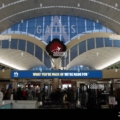

Overview of Buffalo Niagara International Airport (BUF), Buffalo, NY
Buffalo Niagara International Airport serves as the primary commercial aviation gateway for Western New York, playing a vital role in connecting the Buffalo metropolitan area with major cities across the United States and select international destinations. Located in Cheektowaga, New York, the airport is strategically positioned to serve not only Buffalo residents but also travelers from nearby regions of Niagara Falls, Southern Ontario (Canada), and Northwestern Pennsylvania.
The airport is officially known as Buffalo Niagara International Airport, and it operates under the airport code BUF. It is jointly owned by Erie County and Niagara County and managed by the Niagara Frontier Transportation Authority (NFTA). Due to its proximity to the U.S.–Canada border, BUF is frequently used by Canadian travelers seeking lower fares, more flight options, and easier access to U.S. domestic routes.
From a passenger experience perspective, Buffalo Niagara International Airport is known for its compact, easy-to-navigate terminal, efficient security screening, and relatively short walking distances compared to larger hub airports. This makes it particularly appealing for business travelers, families, and first-time flyers. Despite its manageable size, the airport handles millions of passengers annually and supports a wide range of domestic carriers, low-cost airlines, and seasonal international services.
BUF also acts as a major access point for tourists visiting Niagara Falls, one of the most popular natural attractions in North America. Many travelers choose Buffalo Niagara International Airport as their arrival airport before continuing their journey to Niagara Falls (U.S. or Canada), Toronto, or other destinations in the Niagara Region. This dual role—serving both local commuters and international tourists—gives the airport strong regional and cross-border importance.
In addition to passenger travel, the airport supports air cargo operations, airport-based employment, and regional economic activity. Its location near major highways such as Interstate 90 (New York State Thruway) ensures smooth ground connectivity to Buffalo city center, surrounding suburbs, and nearby international border crossings.
Airport Identity and Regional Importance
Buffalo Niagara International Airport is often referred to simply as Buffalo Airport by locals, but its official name reflects its broader service area, including Niagara County and cross-border Canadian travelers. The airport’s role has expanded significantly over the years as low-cost carriers increased service and demand for cross-border travel grew.
Key factors contributing to its importance include:
- Proximity to Niagara Falls (approximately 25–30 miles)
- Accessibility for Southern Ontario travelers
- Strong domestic route network
- Balanced mix of business, leisure, and tourism traffic
The airport operates from a single modern terminal, which simplifies passenger flow while still offering essential amenities such as dining, retail, car rentals, and ground transportation services.
Buffalo Niagara International Airport Quick Facts
| Category | Details |
|---|---|
| Official Name | Buffalo Niagara International Airport |
| Airport Code | BUF |
| Location | Cheektowaga, New York, United States |
| Primary City Served | Buffalo, NY |
| Nearby Major Attraction | Niagara Falls |
| Owner | Erie County & Niagara County |
| Operator | Niagara Frontier Transportation Authority (NFTA) |
| Time Zone | Eastern Time Zone (ET) |
| Terminal Layout | Single Passenger Terminal |
| Primary Role | Domestic & limited international passenger airport |
Buffalo Niagara International Airport Location & Address
Buffalo Niagara International Airport is located in Cheektowaga, New York, a suburban town immediately east of downtown Buffalo. Although commonly referred to as “Buffalo Airport,” its geographic position allows it to serve a much wider region, including Niagara County, Erie County, and cross-border travelers from Southern Ontario, Canada. This strategic placement is one of the main reasons the airport attracts both U.S. and Canadian passengers.
The airport’s official street address is on Genesee Street, one of the most important arterial roads in the Buffalo metropolitan area. Genesee Street directly connects the airport to downtown Buffalo and provides seamless access to surrounding suburbs, business districts, hotels, and industrial areas. The airport is also conveniently connected to Interstate 90 (New York State Thruway), which is the primary east-west highway running across New York State.
From a logistics and traveler convenience perspective, the location of Buffalo Niagara International Airport is considered highly efficient. Passengers can typically reach downtown Buffalo in 15–20 minutes under normal traffic conditions, while Niagara Falls can be reached in approximately 30–40 minutes by road. This makes BUF an ideal arrival point for both city-focused trips and tourism centered around Niagara Falls and the Niagara Wine Region.
Address and Geographic Details
The airport is situated within ZIP code 14225 and falls under the jurisdiction of Cheektowaga, NY. Despite not being inside Buffalo city limits, it is officially designated as Buffalo’s primary airport and is marketed globally under the Buffalo name for recognition and travel search purposes.
The surrounding area includes:
- Airport hotels and conference centers
- Car rental facilities
- Logistics and cargo services
- Residential and commercial zones of Cheektowaga
This mixed-use environment supports smooth airport operations while keeping heavy aviation traffic away from Buffalo’s dense urban core.
Road Access and Connectivity
Buffalo Niagara International Airport benefits from excellent road connectivity, which is a major factor in its popularity among travelers. The airport can be accessed easily via:
- Genesee Street (NY-33) – Direct surface road connection
- Interstate 90 (I-90 / New York State Thruway) – Regional and long-distance access
- NY-33 Kensington Expressway – Fast access to downtown Buffalo
Clear signage along these routes ensures that first-time visitors can reach the airport without difficulty. For travelers coming from Canada, especially the Greater Toronto Area, BUF is often accessed via the Peace Bridge or Lewiston–Queenston Bridge, followed by highway connections to Cheektowaga.
Distance From Key Locations
The airport’s central positioning within Western New York allows it to function as a regional hub. Business travelers, tourists, and airport employees all benefit from relatively short commute times from nearby cities and attractions.
Proximity to Major Destinations
- Downtown Buffalo: Short urban drive
- Niagara Falls (USA): Direct highway access
- Niagara Falls (Canada): Cross-border route via bridges
- Toronto, Ontario: Popular cross-border travel route
- Rochester, NY: Regional connection via I-90
Buffalo Niagara International Airport Location Overview
| Location Detail | Information |
|---|---|
| Full Address | 4200 Genesee Street, Cheektowaga, NY 14225, USA |
| City / Town | Cheektowaga |
| State | New York |
| ZIP Code | 14225 |
| County | Erie County |
| Distance to Downtown Buffalo | Approx. 10–11 miles |
| Average Drive Time to Downtown | 15–20 minutes |
| Distance to Niagara Falls (USA) | Approx. 25–30 miles |
| Distance to Niagara Falls (Canada) | Approx. 30–35 miles (border dependent) |
| Nearest Major Highway | Interstate 90 (New York State Thruway) |
| Time Zone | Eastern Time Zone (ET) |
Buffalo Niagara International Airport’s location strikes a strong balance between urban accessibility and regional reach, making it one of the most conveniently positioned airports in upstate New York. Its address, road connectivity, and proximity to international attractions all contribute to its role as a key aviation gateway for both U.S. and Canadian travelers.
Buffalo Niagara International Airport Terminal & Directory
Buffalo Niagara International Airport operates from a single, modern passenger terminal, a key feature that makes the airport especially convenient for travelers. Unlike large hub airports with multiple terminals and complex transfers, BUF’s single-terminal design allows passengers to move from curbside to gate with minimal confusion and reduced walking distances. This layout is particularly beneficial for families, elderly travelers, and passengers on tight schedules.
The terminal is designed to efficiently handle both arriving and departing passengers, with clearly separated areas for check-in, security screening, departures, and baggage claim. All major airline operations, airport services, and passenger amenities are located within this one terminal, eliminating the need for shuttle buses or inter-terminal transportation.
From an operational standpoint, the terminal at Buffalo Niagara International Airport balances capacity with simplicity. It supports multiple domestic carriers, seasonal international flights, and high-frequency regional routes while maintaining smooth passenger flow during peak travel periods such as holidays and summer tourism seasons.
Terminal Layout Overview
The terminal is organized across multiple functional zones rather than multiple buildings. Upon entering the terminal, passengers encounter airline check-in counters and self-service kiosks. Past the check-in area, centralized TSA security checkpoints provide access to the airside concourses, where departure gates, restaurants, and retail outlets are located.
On arrival, passengers proceed directly to the baggage claim area, which is located on the lower level of the terminal and connects seamlessly to ground transportation options such as rental cars, taxis, ride-shares, and hotel shuttles.
Clear wayfinding signage, digital flight information displays, and airport staff assistance points are placed throughout the terminal to support easy navigation.
Airport Directory and Passenger Facilities
Buffalo Niagara International Airport’s terminal houses all essential passenger services within a compact footprint. These facilities are designed to meet the needs of both short-haul domestic travelers and longer-distance passengers.
Check-in and Ticketing Area
The landside portion of the terminal includes:
- Airline ticket counters
- Self-service check-in kiosks
- Baggage drop points
- Customer service desks
This area is easily accessible from the terminal entrance and parking facilities.
Security and Departures
After check-in, passengers pass through TSA security screening into the departures area, where they will find:
- Departure gates
- Airline lounges (limited)
- Food and beverage outlets
- Retail shops and convenience stores
Arrivals and Baggage Claim
The arrivals area is located on the lower level of the terminal and includes:
- Baggage claim carousels
- Airline baggage service offices
- Ground transportation access points
Buffalo Niagara International Airport Terminal Directory
| Facility Category | Description | Location Within Terminal |
|---|---|---|
| Airline Check-in Counters | Ticketing, baggage check, customer service | Landside – Main Level |
| Self-Service Kiosks | Automated check-in and boarding pass printing | Near airline counters |
| TSA Security Checkpoint | Passenger screening before departures | Central terminal area |
| Departure Gates | Boarding areas for all flights | Airside – Upper Level |
| Restaurants & Cafés | Dining options for travelers | Airside near gates |
| Retail & Shops | Newsstands, travel essentials | Airside |
| Baggage Claim | Luggage pickup for arriving passengers | Lower Level |
| Rental Car Counters | On-site car rental services | Ground transportation area |
| Ground Transportation | Taxis, shuttles, ride-share pickup | Outside baggage claim |
| Airport Information Desk | Passenger assistance and directions | Landside terminal area |
| Restrooms & Accessibility Services | Passenger comfort and accessibility | Throughout terminal |
Ease of Navigation and Passenger Experience
One of the standout advantages of Buffalo Niagara International Airport’s terminal is its ease of navigation. Because all services are consolidated into one terminal:
- Walking distances are short
- Transfers between airlines are straightforward
- First-time visitors can orient themselves quickly
The terminal design emphasizes visibility and accessibility, with open sightlines, consistent signage, and well-marked service zones. This contributes to shorter connection times and a less stressful airport experience overall.
From an airport directory perspective, BUF’s single-terminal structure ensures that passengers do not need to memorize complex layouts or move between buildings. Everything from check-in to boarding, arrivals to transportation, is contained within a single, clearly organized space.
Airlines & Flights at Buffalo Niagara International Airport
Buffalo Niagara International Airport supports a strong domestic flight network complemented by limited international and cross-border services, making it one of the most important regional airports in upstate New York. The airport primarily focuses on U.S. domestic connectivity, offering frequent nonstop and connecting flights to major business hubs, leisure destinations, and airline hubs across the country.
Because of its geographic position near the U.S.–Canada border, Buffalo Niagara International Airport also attracts a significant number of travelers from Southern Ontario, particularly from the Greater Toronto Area. Many Canadian passengers choose BUF for its competitive airfare pricing, wider selection of low-cost carriers, and easy access to U.S. domestic routes that may be more expensive or limited at nearby Canadian airports.
The airport serves a balanced mix of full-service airlines and low-cost carriers, ensuring affordability and flexibility for different traveler types, including business travelers, families, students, and tourists visiting Niagara Falls or Buffalo.
Flight Network and Route Coverage
Flights operating from Buffalo Niagara International Airport primarily connect passengers to:
- Major U.S. airline hubs
- Large metropolitan cities
- Popular leisure destinations in Florida and the Midwest
- Seasonal routes during peak travel periods
Common nonstop destinations from BUF typically include cities such as New York, Chicago, Atlanta, Boston, Washington D.C., Orlando, Tampa, Fort Lauderdale, and Las Vegas, depending on airline schedules and seasonal demand. These routes allow passengers to reach almost any U.S. or international destination with a single connection.
International flight options are generally limited and may be seasonal, focusing mainly on Canada and select leisure markets. Travelers seeking broader international connectivity often use connecting flights through major hubs.
Domestic vs International Operations
Buffalo Niagara International Airport is best categorized as a domestic-focused international airport. While it carries the “international” designation, the majority of its flight operations are domestic. The international status reflects:
- Availability of customs-capable facilities
- Seasonal or charter international services
- Cross-border passenger demand
This operational model allows the airport to efficiently manage resources while still supporting international travel when demand exists.
Airlines Operating at Buffalo Niagara International Airport
The airport hosts a range of well-known U.S. carriers that provide extensive domestic coverage and connections to global airline networks through hub airports.
| Airline | Type of Service | Primary Destinations / Role |
|---|---|---|
| American Airlines | Full-service | Connections via major U.S. hubs |
| Delta Air Lines | Full-service | Hub connectivity and regional routes |
| United Airlines | Full-service | Midwest and national connections |
| Southwest Airlines | Low-cost | High-frequency domestic routes |
| JetBlue Airways | Low-cost | Leisure and business-focused routes |
| Frontier Airlines | Ultra low-cost | Budget-friendly domestic travel |
| Allegiant Air | Leisure-focused | Seasonal vacation destinations |
| Sun Country Airlines | Seasonal / leisure | Limited leisure routes |
Airline availability and destinations may vary by season and demand.
Popular Flight Types and Passenger Demand
Buffalo Niagara International Airport experiences steady passenger demand across multiple travel segments:
- Business travel to New York City, Chicago, Washington D.C., and other commercial centers
- Leisure travel to Florida, Las Vegas, and warm-weather destinations
- Visiting friends and relatives (VFR) travel, particularly across the Northeast and Midwest
- Tourism-related travel tied to Niagara Falls and regional attractions
Low-cost carriers play a significant role in maintaining high passenger volumes, especially during peak vacation seasons and long weekends.
Connecting Flights and Hub Access
While BUF offers numerous nonstop domestic flights, many passengers rely on connecting flights through major airline hubs. Common connecting hubs include:
- New York (JFK, LaGuardia)
- Chicago (O’Hare)
- Atlanta
- Detroit
- Newark
These hubs provide seamless access to international destinations across Europe, Asia, Latin America, and beyond.
Flight Operations Overview
| Flight Category | Details |
|---|---|
| Primary Focus | Domestic passenger flights |
| International Flights | Limited / Seasonal |
| Major Airline Presence | Full-service + low-cost carriers |
| Common Destinations | Northeast, Midwest, Southeast, leisure cities |
| Typical Flight Frequency | Multiple daily departures on major routes |
| Best Time for Flight Availability | Summer and holiday seasons |
Buffalo Niagara International Airport’s airline and flight network is designed to deliver efficient, affordable, and flexible air travel for the region. Its strong domestic route map, combined with access to major airline hubs, ensures that passengers can reach virtually any destination with ease.
Arrivals & Departures at Buffalo Niagara International Airport
Buffalo Niagara International Airport manages all arriving and departing flights through its single, centralized passenger terminal, which allows for smooth coordination between airline operations, security, and ground services. This streamlined structure helps minimize confusion and ensures that passengers can easily transition between arrival, departure, and connecting processes without navigating multiple terminals.
Flight activity at BUF is primarily domestic, with arrivals and departures scheduled throughout the day to accommodate business travelers, leisure passengers, and connecting travelers. Peak flight times generally occur during early morning and late afternoon hours, aligning with major airline hub connections and popular departure windows.
Arriving Flights at BUF
Arriving flights at Buffalo Niagara International Airport are processed efficiently through clearly marked arrival corridors that lead passengers directly to the baggage claim area. The airport’s layout ensures that passengers disembarking from aircraft can reach baggage claim within a short walking distance.
Upon arrival, travelers will find:
- Multiple baggage carousels assigned by airline
- Airline baggage service offices for delayed or damaged luggage
- Easy access to rental cars, taxis, ride-share pickups, and hotel shuttles
For international or cross-border arrivals (when applicable), passengers are directed to designated inspection areas before proceeding to baggage claim. These processes are typically well-managed due to the airport’s lower congestion compared to large international hubs.
Departing Flights at BUF
Departures at Buffalo Niagara International Airport begin at the landside terminal entrance, where passengers can access airline check-in counters and self-service kiosks. After check-in, passengers proceed through centralized TSA security screening, which leads to the airside departure gates.
The departure area includes:
- Clearly labeled boarding gates
- Digital flight information displays
- Seating areas near gates
- Food, beverage, and retail options
Because all departure gates are located within a single terminal, passengers do not need to worry about inter-terminal transfers or long transit times. This layout allows travelers to arrive closer to their departure time compared to larger airports, although standard airline check-in and security guidelines still apply.
Flight Status and Real-Time Information
Passengers traveling through Buffalo Niagara International Airport can monitor flight activity through:
- Airport information display screens
- Airline mobile apps and websites
- Online flight tracking tools
These tools provide real-time updates on arrival times, departure schedules, delays, gate assignments, and cancellations, helping travelers stay informed throughout their journey.
Peak Travel Periods and Timing Tips
BUF experiences higher passenger volumes during:
- Summer travel season (June–August)
- Major holidays (Thanksgiving, Christmas, Spring Break)
- Long weekends and school vacation periods
During peak times, arriving early for departures and monitoring flight status updates is strongly recommended.
Arrivals and Departures Process Overview
| Category | Arrivals | Departures |
|---|---|---|
| Terminal Access | Single terminal | Single terminal |
| Primary Area | Baggage claim | Check-in & security |
| Key Facilities | Baggage carousels, ground transport | Gates, seating, dining |
| Average Walking Distance | Short | Short |
| International Processing | Limited / Seasonal | Limited / Seasonal |
Where to Find Flight Information at BUF
| Information Type | How to Access |
|---|---|
| Arriving Flights | Airport displays, airline apps |
| Departing Flights | Terminal screens, airline websites |
| Gate Assignments | Digital boards near gates |
| Delay Notifications | Airline apps and alerts |
| Baggage Information | Baggage claim displays |
Practical Travel Tips for Arrivals and Departures
- Check flight status before leaving for the airport, especially during winter weather
- Allow extra time during peak travel seasons
- Arrive at least 90–120 minutes before domestic departures
- Keep boarding passes and identification easily accessible
Buffalo Niagara International Airport’s arrivals and departures process is designed to be efficient, passenger-friendly, and easy to navigate. The combination of a single-terminal layout, clear signage, and manageable passenger volumes ensures a smoother experience for travelers arriving in or departing from the Buffalo–Niagara region.
Car Rentals at Buffalo Niagara International Airport
Car rental services at Buffalo Niagara International Airport are designed to provide quick, convenient, and flexible ground transportation for both local and out-of-town travelers. Because the airport serves a wide regional area—including Niagara Falls, downtown Buffalo, and cross-border destinations—renting a car is one of the most popular options for passengers arriving at BUF.
All major rental car companies operate on-site within the airport terminal complex, allowing passengers to pick up their vehicles immediately after collecting baggage. The rental counters are located near the ground transportation area adjacent to baggage claim, which eliminates the need for off-site shuttle buses and reduces overall travel time.
Rental Car Facilities and Pickup Process
After arriving at Buffalo Niagara International Airport and exiting the baggage claim area, passengers will find clearly marked signage directing them to the rental car counters. Each rental company maintains dedicated service desks where customers can complete paperwork, confirm reservations, or make walk-up bookings.
Once the rental agreement is finalized, vehicles are accessed from nearby airport-controlled parking areas. The close proximity of rental counters to parking facilities ensures a smooth transition from terminal to vehicle, even during peak travel periods.
For returning vehicles, Buffalo Niagara International Airport offers well-signed rental car return lanes that lead directly back to the airport. These lanes are designed to minimize congestion and make drop-offs quick and stress-free.
Major Car Rental Companies at BUF
Buffalo Niagara International Airport hosts a variety of well-known national rental car brands, giving travelers the ability to choose from economy vehicles, sedans, SUVs, minivans, and specialty vehicles depending on travel needs and group size.
| Car Rental Company | Service Type | Notes |
|---|---|---|
| Hertz | Full-service | Wide vehicle selection, business & leisure travelers |
| Enterprise | Full-service | Popular for long-term and local rentals |
| Avis | Full-service | Corporate and frequent traveler programs |
| Budget | Value-focused | Cost-effective rental options |
| Dollar | Economy | Budget-friendly rentals |
| Thrifty | Economy | Short-term and weekend rentals |
Availability of vehicle types may vary based on season and demand.
Rental Car Return Information
Rental car returns at Buffalo Niagara International Airport are straightforward. Drivers should follow posted signs for “Rental Car Return” as they approach the airport. Each rental provider has designated return lanes and parking rows, ensuring quick vehicle drop-off.
After returning the vehicle:
- Keys are dropped at the rental counter or designated key box
- Passengers can walk directly into the terminal
- Baggage drop and security screening areas are easily accessible
This efficient return setup is particularly helpful for early morning flights or tight departure schedules.
Why Renting a Car at BUF Is Popular
Car rentals at Buffalo Niagara International Airport are especially popular because they offer:
- Direct access to Niagara Falls (USA & Canada)
- Flexibility for regional travel across Western New York
- Easy connections to highways and border crossings
- Cost savings compared to multiple taxi or shuttle rides
Travelers planning to visit multiple destinations—such as Buffalo, Niagara Falls, Niagara-on-the-Lake, or Toronto—often find rental cars to be the most practical option.
Car Rental Overview at Buffalo Niagara International Airport
| Feature | Details |
|---|---|
| Rental Location | On-site, near baggage claim |
| Shuttle Required | No |
| Vehicle Types Available | Economy, sedan, SUV, minivan |
| Rental Return Access | Direct airport access roads |
| Ideal For | Tourists, business travelers, families |
| Border Travel | Allowed by most companies (check policy) |
Car rental services at Buffalo Niagara International Airport combine convenience, variety, and accessibility, making them a top choice for passengers who want freedom and control over their ground transportation. With multiple rental providers operating on-site, travelers can easily compare options and begin their journey immediately upon arrival.
Parking at Buffalo Niagara International Airport
Buffalo Niagara International Airport offers a well-organized and traveler-friendly parking system designed to accommodate short-term visitors, long-term travelers, business passengers, and airport employees. Parking facilities at BUF are located close to the terminal, making it easy for passengers to transition from their vehicles to check-in areas without unnecessary walking or shuttle transfers.
The airport provides multiple parking options, allowing travelers to choose based on duration of stay, budget, and convenience. Clear signage on airport access roads directs drivers to the appropriate parking areas, while well-lit lots and security monitoring help ensure vehicle safety throughout the parking period.
Types of Parking Available at BUF
Buffalo Niagara International Airport offers several categories of parking to meet different traveler needs.
Short-Term Parking
Short-term parking is ideal for:
- Picking up or dropping off passengers
- Brief terminal visits
- Business travelers with same-day returns
These parking spaces are located closest to the terminal, allowing for quick access to arrivals and departures.
Long-Term Parking
Long-term parking at BUF is designed for travelers leaving their vehicles at the airport for several days or longer. These lots offer:
- Lower daily rates compared to short-term parking
- Easy pedestrian access to the terminal
- Reliable security and lighting
Long-term parking is especially popular among leisure travelers and passengers flying during holidays or extended trips.
Economy Parking
Economy parking provides the most budget-friendly option for extended stays. While slightly farther from the terminal, these lots are still conveniently located and well-connected by walking paths or shuttle services, depending on availability and demand.
Parking Rates and Payment Options
Parking rates at Buffalo Niagara International Airport vary based on parking type and length of stay. Rates are structured to provide flexibility, with daily maximums that help control costs for longer visits.
Payment methods typically include:
- Credit and debit cards
- Automated payment kiosks
- Pay-on-exit systems
Some parking facilities may offer discounts, coupons, or promotional rates during special periods or for frequent travelers.
Accessibility and Safety
All parking areas at BUF are designed with passenger safety and accessibility in mind. Features include:
- Designated accessible parking spaces near terminal entrances
- Well-lit parking rows and walkways
- Security patrols and surveillance systems
These measures ensure peace of mind for travelers leaving their vehicles at the airport.
Parking Options at Buffalo Niagara International Airport
| Parking Type | Best For | Proximity to Terminal | Typical Use |
|---|---|---|---|
| Short-Term Parking | Pickups & short stays | Closest | Hourly / same-day |
| Long-Term Parking | Multi-day trips | Near terminal | Vacation & business |
| Economy Parking | Budget-conscious travelers | Slightly farther | Extended stays |
| Accessible Parking | Passengers with mobility needs | Closest access points | All trip lengths |
Long-Term Parking Considerations
Long-term parking at Buffalo Niagara International Airport is particularly popular due to:
- Competitive daily rates
- Easy terminal access
- Consistent availability even during peak travel seasons
Travelers planning extended trips are advised to arrive early during holidays, as long-term lots can fill quickly during high-demand periods.
Practical Parking Tips
- Follow airport signage for the correct parking area
- Note your parking location and row number
- Allow extra time during winter months due to snow conditions
- Check for parking promotions or coupons before arrival
Buffalo Niagara International Airport’s parking facilities are designed to provide a balanced combination of convenience, affordability, and security, making them suitable for both short visits and extended travel. With multiple parking options available, passengers can easily select the solution that best fits their travel plans.
Hotels Near Buffalo Niagara International Airport
Hotels near Buffalo Niagara International Airport are designed to serve a wide range of travelers, including business passengers, early-morning flyers, families, airline crews, and tourists visiting Niagara Falls. Because the airport is located in Cheektowaga, the surrounding area offers a strong concentration of airport-focused accommodations, many of which are located just minutes from the terminal.
Staying near the airport is especially convenient for travelers with early departures or late arrivals, as well as those renting cars or attending short business meetings in the Buffalo metropolitan area. Several hotels in this zone also provide airport shuttle services, on-site parking packages, and flexible check-in options, making them well-suited for air travelers.
Types of Airport Hotels Available
Hotels around Buffalo Niagara International Airport range from budget-friendly options to full-service business hotels. This variety allows travelers to choose accommodations based on comfort level, amenities, and length of stay.
Budget and Mid-Range Hotels
These hotels are popular among:
- Short-stay travelers
- Budget-conscious tourists
- Overnight layover passengers
They typically offer basic amenities such as free Wi-Fi, complimentary breakfast, and quick access to the airport.
Business and Full-Service Hotels
Business-oriented hotels near the airport often provide:
- Meeting rooms and conference facilities
- On-site dining options
- Fitness centers
- Quiet workspaces for professionals
These hotels are frequently used by corporate travelers, airline staff, and conference attendees.
Proximity and Shuttle Services
Most airport hotels are located within a 5–10 minute drive of Buffalo Niagara International Airport. Many properties offer complimentary airport shuttle services, which operate on scheduled or on-demand basis. Shuttle availability can vary by hotel, so travelers are encouraged to confirm shuttle hours in advance, especially for early morning or late-night flights.
Some hotels also offer park-and-fly packages, allowing guests to leave their vehicles at the hotel during their trip while using the shuttle to access the airport.
Popular Hotels Near Buffalo Niagara International Airport
| Hotel Name | Approx. Distance from Airport | Shuttle Service | Best For |
|---|---|---|---|
| Hilton Garden Inn Buffalo Airport | Very close | Yes | Business & leisure travelers |
| Courtyard by Marriott Buffalo Airport | Very close | Yes | Corporate stays |
| Homewood Suites Buffalo Airport | Very close | Yes | Extended stays & families |
| Holiday Inn Express Buffalo Airport | Short drive | Yes | Budget & quick stays |
| Best Western The Inn at Buffalo Airport | Short drive | Yes | Value-focused travelers |
| Sleep Inn & Suites Buffalo Airport | Short drive | Limited | Overnight stays |
Hotel availability and shuttle policies may vary by season.
Choosing the Right Airport Hotel
When selecting a hotel near Buffalo Niagara International Airport, travelers should consider:
- Flight departure or arrival time
- Need for airport shuttle service
- Length of stay
- Budget and desired amenities
- Proximity to Niagara Falls or downtown Buffalo
For travelers planning to visit Niagara Falls, staying near the airport can provide a convenient base, especially if combining early flights with sightseeing trips.
Hotel Overview Near BUF
| Feature | Details |
|---|---|
| Typical Distance | 1–5 miles from airport |
| Shuttle Availability | Offered by many hotels |
| Price Range | Budget to full-service |
| Ideal For | Early flights, layovers, business trips |
| Parking Options | Hotel parking & park-and-fly packages |
Hotels near Buffalo Niagara International Airport provide comfort, convenience, and flexibility, making them an excellent choice for travelers seeking easy airport access without the congestion of downtown lodging. With a wide selection of accommodations available, passengers can easily find options that match their travel needs and schedules.
Transportation from Buffalo Niagara International Airport to Niagara Falls
Transportation from Buffalo Niagara International Airport to Niagara Falls is one of the most searched and important travel needs for passengers arriving at BUF. Due to the airport’s close proximity to the falls and the international border, many travelers intentionally choose Buffalo Niagara International Airport as their arrival point before continuing onward to Niagara Falls (USA) or Niagara Falls (Canada/Ontario).
The distance between Buffalo Niagara International Airport and Niagara Falls is relatively short, making the journey straightforward and flexible. Travelers can choose from multiple transportation options depending on budget, group size, luggage, and border-crossing requirements.
Distance and Travel Time Overview
Buffalo Niagara International Airport is located approximately 25–30 miles from Niagara Falls. Under normal traffic conditions, the journey typically takes 30 to 45 minutes by road. Travel time can vary depending on traffic congestion, weather conditions (especially in winter), and border wait times for travelers heading into Canada.
For travelers visiting Niagara Falls, it is important to distinguish between:
- Niagara Falls, New York (USA)
- Niagara Falls, Ontario (Canada)
Both destinations are easily accessible from BUF, but travel to Canada requires valid travel documents and border clearance.
Taxi and Ride-Share Services
Taxis and ride-share services are among the most convenient transportation options from Buffalo Niagara International Airport to Niagara Falls. These services are readily available outside the baggage claim area and provide door-to-door travel.
Taxis are ideal for:
- Families or small groups
- Travelers with heavy luggage
- Late-night or early-morning arrivals
Ride-share services offer app-based booking and upfront fare estimates, making them popular among tech-savvy travelers.
Shuttle Services
Shared and private shuttle services operate between Buffalo Niagara International Airport and Niagara Falls. These services are commonly used by:
- Tourists traveling without rental cars
- Visitors heading directly to hotels or attractions
- Travelers seeking a cost-effective alternative to taxis
Some shuttle operators also provide cross-border services to Niagara Falls, Canada, handling passengers traveling directly to Ontario-based hotels and attractions.
Rental Cars
Rental cars are a preferred option for travelers who plan to:
- Explore Niagara Falls at their own pace
- Visit multiple attractions in the region
- Travel onward to Toronto or Niagara-on-the-Lake
Driving from BUF to Niagara Falls is simple, with well-marked highways and direct routes. Travelers heading to Canada should confirm cross-border rental policies in advance.
Public Transportation
Public transportation options between Buffalo Niagara International Airport and Niagara Falls exist but typically involve multiple transfers and longer travel times. While affordable, this option is less convenient for travelers with luggage or tight schedules.
Border Crossing Considerations (Canada)
Travelers heading from Buffalo Niagara International Airport to Niagara Falls, Ontario must pass through a U.S.–Canada border crossing. Important considerations include:
- Valid passport or approved travel document
- Potential wait times during peak tourist seasons
- Additional travel time during weekends and holidays
Border delays are outside the control of transportation providers and should be factored into travel planning.
Transportation Options Comparison
| Transportation Mode | Approx. Travel Time | Convenience Level | Best For |
|---|---|---|---|
| Taxi | 30–45 minutes | High | Direct, luggage-heavy travel |
| Ride-Share | 30–45 minutes | High | App-based, flexible bookings |
| Shuttle Service | 45–60 minutes | Medium | Budget-conscious travelers |
| Rental Car | 30–45 minutes | High | Sightseeing & flexible itineraries |
| Public Transport | 90+ minutes | Low | Budget travel with light luggage |
Practical Travel Tips
- Allow extra time during weekends and peak tourist seasons
- Check border wait times if traveling to Canada
- Confirm shuttle availability in advance
- Winter weather can affect travel time—plan accordingly
Transportation from Buffalo Niagara International Airport to Niagara Falls is simple, well-served, and highly flexible, making BUF one of the most convenient airports for accessing one of North America’s most iconic natural attractions. With multiple transportation options available, travelers can easily choose the method that best suits their itinerary, budget, and travel style.
Buffalo Niagara International Airport Weather
Weather plays an important role in travel planning at Buffalo Niagara International Airport, as the region experiences distinct seasonal changes throughout the year. Located in Western New York near Lake Erie, the airport is influenced by lake-effect weather patterns, which can affect flight schedules, ground transportation, and overall travel conditions—particularly during the winter months.
Understanding the seasonal weather trends around BUF helps travelers plan more efficiently, choose the best times to fly, and prepare for potential delays or disruptions.
Seasonal Weather Overview
Buffalo Niagara International Airport experiences four clearly defined seasons, each with its own travel considerations.
Winter Weather Conditions
Winter is the most impactful season for air travel at BUF. Cold temperatures, snowfall, and lake-effect snowstorms can occasionally lead to:
- Flight delays or cancellations
- Slower ground transportation
- Reduced visibility
Despite these challenges, the airport is well-equipped to handle winter conditions, with snow removal operations and weather monitoring systems in place. Travelers are advised to check flight status frequently during winter months.
Spring Weather Conditions
Spring brings milder temperatures and more stable travel conditions. However, it can also include:
- Rain showers
- Occasional fog
- Variable temperatures
Spring is generally a good time to travel, with fewer weather-related disruptions compared to winter.
Summer Weather Conditions
Summer is the busiest and most reliable season for flights at Buffalo Niagara International Airport. Conditions typically include:
- Warm temperatures
- Minimal weather-related delays
- Increased flight availability
This season is particularly popular with tourists visiting Niagara Falls and the surrounding region.
Fall Weather Conditions
Fall offers comfortable temperatures and scenic surroundings, especially during peak foliage season. Travel conditions are generally favorable, though occasional storms and cooler temperatures may occur later in the season.
Best Months to Fly Through BUF
From a weather reliability standpoint, the best months to travel through Buffalo Niagara International Airport are typically:
- May through October, with the most stable conditions from June to September
Travelers seeking to avoid winter disruptions often prefer these months for both arrivals and departures.
Weather Impact on Flights and Ground Travel
Weather conditions can influence:
- Takeoff and landing schedules
- Taxi times on runways
- Road conditions leading to and from the airport
During periods of heavy snow or severe storms, airlines may implement proactive schedule adjustments to minimize disruptions.
Seasonal Weather at Buffalo Niagara International Airport
| Season | Typical Conditions | Travel Impact |
|---|---|---|
| Winter (Dec–Feb) | Cold, snow, lake-effect storms | Possible delays |
| Spring (Mar–May) | Mild, occasional rain | Generally stable |
| Summer (Jun–Aug) | Warm, dry, busy | Best travel reliability |
| Fall (Sep–Nov) | Cool, clear, scenic | Favorable conditions |
Travel Tips Based on Weather
- Monitor forecasts before travel, especially in winter
- Allow extra time for airport access during snow events
- Sign up for airline alerts for weather-related updates
- Pack accordingly for seasonal temperature changes
Buffalo Niagara International Airport operates year-round under a wide range of weather conditions, and while winter weather can occasionally impact travel, the airport’s infrastructure and operational planning help maintain safety and efficiency. By understanding seasonal weather patterns, travelers can make informed decisions and enjoy smoother journeys through BUF.
Photos & Passenger Experience at Buffalo Niagara International Airport
Photos and passenger experience play an important role in shaping first impressions of Buffalo Niagara International Airport, especially for travelers visiting the region for the first time. BUF is generally regarded as a clean, well-maintained, and easy-to-navigate airport, and this reputation is reflected in both passenger reviews and visual documentation of the terminal.
Images of the airport commonly highlight the modern terminal design, organized seating areas, clear signage, and efficient passenger flow. Because the airport operates from a single terminal, travelers often describe the experience as less stressful compared to larger, multi-terminal airports.
Terminal Cleanliness and Maintenance
One of the most frequently mentioned aspects in passenger feedback is the cleanliness of the terminal. Public areas such as restrooms, seating zones, check-in counters, and baggage claim are regularly maintained to meet high operational standards.
Clean terminal spaces contribute to:
- A positive first impression upon arrival
- Increased comfort during wait times
- Better overall passenger satisfaction
Photos taken inside the terminal typically show uncluttered walkways, organized seating arrangements, and well-lit interior spaces.
Ease of Navigation and Wayfinding
Buffalo Niagara International Airport is known for its simple and intuitive layout, which significantly improves the passenger experience. Clear overhead signage, digital flight displays, and logical terminal zoning help travelers quickly locate:
- Check-in counters
- Security checkpoints
- Departure gates
- Baggage claim and ground transportation
First-time visitors often note that moving through the airport requires minimal assistance, and connecting flights are easier to manage due to the compact terminal footprint.
Passenger Reviews and General Feedback
Passenger reviews of Buffalo Niagara International Airport frequently emphasize:
- Short walking distances
- Efficient security screening
- Friendly airport staff
- Manageable crowd levels
While peak travel periods can increase wait times, overall feedback suggests that BUF provides a balanced airport experience—large enough to offer essential services, yet small enough to remain comfortable and efficient.
Some common areas of feedback include:
- Limited dining options compared to major hubs
- Seasonal crowding during holidays
- Generally smooth arrivals and departures
What Travelers Commonly Photograph at BUF
Photos shared by travelers often focus on:
- Exterior terminal architecture
- Check-in and departure halls
- Seating and gate areas
- Airport signage and flight displays
- Seasonal decorations and local branding
These images help set expectations for future travelers by showcasing the airport’s scale, layout, and atmosphere.
Passenger Experience Summary
| Experience Category | General Passenger Feedback |
|---|---|
| Terminal Cleanliness | Consistently clean and well-maintained |
| Navigation & Signage | Easy to follow, intuitive layout |
| Security Process | Efficient with manageable wait times |
| Staff Assistance | Helpful and professional |
| Overall Atmosphere | Calm, organized, traveler-friendly |
Overall Impression
Buffalo Niagara International Airport delivers a practical and user-friendly travel experience, particularly for passengers who value efficiency and ease of movement. Its single-terminal layout, clean facilities, and clear navigation contribute to positive passenger perceptions and make it a preferred airport for both local travelers and visitors heading to Niagara Falls or the Buffalo region.
Jobs & Careers at Buffalo Niagara International Airport
Buffalo Niagara International Airport supports a diverse employment ecosystem that extends well beyond airline operations. As a regional transportation hub, BUF creates job opportunities across aviation, security, customer service, maintenance, retail, administration, and public safety. These roles contribute not only to airport operations but also to the broader economic activity of Western New York.
Employment at the airport is spread across multiple organizations, including the airport operator, airlines, federal agencies, private contractors, and on-site businesses. This structure allows job seekers with different skill levels, educational backgrounds, and career goals to find suitable opportunities.
Types of Jobs Available at BUF
Jobs at Buffalo Niagara International Airport can generally be grouped into several core categories.
Airport Authority and Operations Roles
Positions under airport authority operations focus on:
- Airport administration
- Facilities management
- Engineering and maintenance
- Planning and compliance
- Environmental and safety operations
These roles are typically managed by the Niagara Frontier Transportation Authority (NFTA) and support the long-term functioning and development of the airport.
Airline and Aviation Jobs
Airlines operating at BUF employ staff for:
- Passenger service and ticketing
- Gate agents and ramp agents
- Baggage handling
- Aircraft maintenance and ground operations
These positions often involve shift work and may include early mornings, late nights, weekends, and holidays.
Security and Federal Agency Positions
Security-related roles are a critical part of airport employment and include:
- Transportation Security Administration (TSA) officers
- Airport police and fire department personnel
- Emergency response staff
These jobs require background checks, specialized training, and compliance with federal regulations.
Retail, Food, and Customer Service Jobs
The terminal houses restaurants, cafés, shops, and service counters that employ:
- Cashiers and sales associates
- Food service staff
- Supervisors and managers
These roles are ideal for individuals seeking flexible schedules or entry-level employment within the airport environment.
How to Apply for Jobs at Buffalo Niagara International Airport
Job seekers interested in working at Buffalo Niagara International Airport should explore opportunities through:
- Official airport authority career portals
- Individual airline career pages
- Federal employment websites for TSA and security roles
- On-site business and concessionaire job listings
Each employer follows its own hiring process, which may include online applications, background checks, interviews, and role-specific training.
Employment Environment and Career Growth
Working at BUF offers exposure to a fast-paced, regulated, and customer-focused environment. Many employees build long-term careers at the airport by advancing from entry-level positions into supervisory, technical, or management roles. The airport’s stable passenger traffic and diverse operations support ongoing employment demand throughout the year.
Job Categories at Buffalo Niagara International Airport
| Job Category | Employer Type | Typical Roles |
|---|---|---|
| Airport Operations | Airport Authority | Facilities, planning, administration |
| Airline Services | Commercial Airlines | Ticketing, gate agents, ramp staff |
| Security & Safety | Federal / Airport Agencies | TSA officers, police, fire services |
| Maintenance & Technical | Airport & Contractors | Electricians, mechanics, technicians |
| Retail & Food Services | Private Concessionaires | Sales staff, food service workers |
| Customer Support | Airlines & Vendors | Information desks, service agents |
Who Should Consider Working at BUF
Airport employment is well-suited for:
- Individuals interested in aviation or transportation careers
- Job seekers looking for stable, year-round employment
- Those comfortable working in shift-based environments
- Candidates seeking opportunities with career progression potential
Jobs and careers at Buffalo Niagara International Airport offer varied entry points and long-term prospects, making BUF an important employment center in the Buffalo–Niagara region.
Nearby Airports & Distance Guide from Buffalo Niagara International Airport
Buffalo Niagara International Airport is the primary airport serving Western New York, but several other regional and international airports are located within a reasonable driving distance. Understanding nearby airport options can be helpful for travelers comparing flight prices, schedules, international connectivity, or alternate routes during peak seasons or weather disruptions.
BUF’s proximity to the U.S.–Canada border also places it within reach of major Canadian airports, offering additional travel flexibility for passengers willing to cross the border.
Regional Airports Near Buffalo
Several U.S. regional airports serve nearby cities and smaller markets. These airports are typically used for regional flights, alternate routing, or destination-specific travel needs.
Rochester and Syracuse Airports
Airports such as Rochester and Syracuse serve different parts of upstate New York and may offer alternate flight schedules or airline options. However, for travelers heading to Buffalo or Niagara Falls, BUF remains the most direct and convenient choice.
Erie International Airport
Located in Pennsylvania, Erie International Airport serves northwestern Pennsylvania and offers limited regional connectivity. It is sometimes considered by travelers living closer to the Pennsylvania–New York border.
Canadian Airports Near Buffalo
Because Buffalo Niagara International Airport is close to Ontario, Canadian airports are frequently considered by cross-border travelers.
Toronto Pearson International Airport
Toronto Pearson International Airport is Canada’s largest and busiest airport, offering extensive international connectivity. Some travelers compare BUF and Toronto Pearson when booking long-haul or international flights, factoring in airfare differences and border-crossing requirements.
Hamilton International Airport
John C. Munro Hamilton International Airport serves as a secondary airport in southern Ontario and is sometimes used by low-cost carriers.
When Nearby Airports Make Sense
Travelers may consider nearby airports when:
- Seeking international routes not available from BUF
- Comparing airfare prices
- Facing limited availability during peak seasons
- Experiencing weather-related disruptions
However, BUF often remains the preferred option for travelers visiting Buffalo or Niagara Falls due to its proximity and ease of access.
Distance & Drive Time Comparison
| Airport Name | City / Country | Approx. Distance from BUF | Estimated Drive Time |
|---|---|---|---|
| Greater Rochester International Airport (ROC) | Rochester, NY | ~75 miles | 1.5 hours |
| Syracuse Hancock International Airport (SYR) | Syracuse, NY | ~150 miles | 2.5–3 hours |
| Erie International Airport (ERI) | Erie, PA | ~95 miles | 1.75–2 hours |
| Toronto Pearson International Airport (YYZ) | Toronto, Canada | ~105 miles | 2–3 hours (border dependent) |
| Hamilton International Airport (YHM) | Hamilton, Canada | ~85 miles | 1.75–2.5 hours (border dependent) |
Choosing the Right Airport
For most travelers:
- Buffalo Niagara International Airport is ideal for visiting Buffalo and Niagara Falls
- Canadian airports may be useful for international long-haul travel
- Regional U.S. airports serve niche or alternate routing needs
Travelers should consider total travel time, border wait times, parking costs, and ground transportation when comparing airports.
Buffalo Niagara International Airport’s location places it at the center of a well-connected regional airport network, while still maintaining its position as the most convenient and efficient option for travel to the Buffalo–Niagara region.
Restaurants & Dining Options at Buffalo Niagara International Airport
Dining at Buffalo Niagara International Airport is designed to meet the needs of travelers who want quick meals, sit-down options, snacks, and beverages before departure or after arrival. While BUF is a mid-sized airport, it offers a balanced selection of food and drink outlets located inside the single terminal, primarily in the post-security (airside) area.
The dining experience at BUF reflects both national brands and regional flavors, giving travelers a chance to enjoy familiar options as well as local-style offerings. Most restaurants are positioned close to departure gates, allowing passengers to eat without worrying about long walks or missing boarding announcements.
Dining Areas Within the Terminal
Food and beverage outlets at Buffalo Niagara International Airport are mainly concentrated:
- After security screening, near the departure gates
- In seating-friendly zones for travelers waiting to board
- Near high-traffic gate clusters to reduce congestion
Because the airport operates from one terminal, passengers do not need to search across multiple concourses to find dining options.
Types of Food Available
BUF’s dining options cater to a wide range of travel needs and time constraints.
Quick-Service Restaurants
Quick-service locations are ideal for travelers who:
- Are short on time
- Want grab-and-go meals
- Prefer familiar fast-casual brands
These outlets typically offer sandwiches, burgers, wraps, coffee, and breakfast items.
Sit-Down Dining & Bars
Sit-down restaurants and bars provide a more relaxed environment for:
- Longer layovers
- Business travelers
- Leisure passengers starting vacations
These venues often serve hot meals, alcoholic beverages, and local selections, making them popular during afternoon and evening departure waves.
Cafés and Coffee Shops
Coffee shops at BUF are popular with early-morning travelers and business passengers. They offer:
- Coffee and espresso drinks
- Breakfast pastries
- Light snacks
Popular Restaurants at Buffalo Niagara International Airport
| Restaurant / Outlet | Dining Type | Location |
|---|---|---|
| Anchor Bar | Sit-down / Bar | Airside near gates |
| Queen City Kitchen | Casual dining | Airside |
| Starbucks | Café / Coffee | Airside |
| Blue Zone Café | Quick service | Airside |
| Tim Hortons | Coffee & light meals | Airside |
| Burger-style outlets | Fast casual | Airside |
Restaurant availability and hours may vary by time of day and season.
Dining Hours and Availability
Most airport restaurants operate according to flight schedules, with extended hours during peak travel periods such as:
- Early mornings
- Late afternoons and evenings
- Holidays and summer travel season
Late-night dining options may be limited, so travelers with very late departures are encouraged to plan accordingly.
Restaurants Near Buffalo Niagara International Airport
In addition to on-site dining, travelers will find numerous restaurants located within a short drive of the airport, especially along Genesee Street and in the Cheektowaga area. These off-airport dining options are commonly used by:
- Hotel guests staying overnight
- Travelers arriving late
- Visitors waiting to pick up passengers
Dining Experience Summary
| Category | What to Expect |
|---|---|
| Variety | Mix of national brands and local flavors |
| Location | Primarily post-security |
| Convenience | Short walking distances |
| Best For | Pre-flight meals and quick bites |
| Off-Airport Options | Widely available nearby |
Dining at Buffalo Niagara International Airport offers a convenient and efficient food experience, aligned with the airport’s overall traveler-friendly design. While it may not offer the extensive dining selection of major international hubs, BUF provides enough variety and accessibility to comfortably serve both short-stay and longer-wait passengers.
Airport Facilities & Services at Buffalo Niagara International Airport
Buffalo Niagara International Airport offers a well-rounded range of facilities and passenger services designed to support comfort, accessibility, and convenience throughout the travel journey. While BUF is a mid-sized airport, its services are organized efficiently within the single terminal, ensuring travelers can easily locate essential amenities without unnecessary walking or confusion.
The airport focuses on functionality and passenger ease, making it suitable for business travelers, families, elderly passengers, and first-time flyers.
Wi-Fi and Connectivity Services
Buffalo Niagara International Airport provides free Wi-Fi access throughout the terminal. This service allows passengers to:
- Check emails and messages
- Access boarding passes and flight updates
- Stream light content during wait times
- Work remotely while waiting for departures
Wi-Fi connectivity is available in seating areas, near gates, dining zones, and common terminal spaces.
Accessibility Services
BUF is designed to accommodate passengers with disabilities and reduced mobility. Accessibility features are integrated throughout the terminal to ensure inclusive travel.
Available accessibility services include:
- Wheelchair-accessible entrances and restrooms
- Elevators and ramps between terminal levels
- Designated accessible parking near terminal entrances
- Airline-provided mobility assistance upon request
Passengers requiring assistance are encouraged to notify their airline in advance to ensure smooth service coordination.
Lost and Found Services
Lost and Found services at Buffalo Niagara International Airport help passengers recover misplaced items within the terminal or aircraft areas. Items commonly handled include:
- Personal belongings left at security or gates
- Identification documents
- Electronics and accessories
- Luggage-related items
Lost and Found inquiries are typically managed through airport administration or relevant airline offices, depending on where the item was lost.
ATMs and Financial Services
Travelers needing cash access will find ATMs conveniently located within the terminal. These machines support major debit and credit cards and are placed in areas accessible before and after security screening.
Currency exchange services are limited due to the airport’s primarily domestic operations, so international travelers are advised to plan accordingly.
Medical and Emergency Services
Buffalo Niagara International Airport maintains medical response protocols to handle emergencies. Trained personnel and emergency response teams are available on-site to assist passengers when needed.
Basic first-aid support and emergency coordination help ensure passenger safety throughout the terminal.
Airport Information and Customer Assistance
Information desks and service counters provide assistance with:
- Terminal navigation
- Flight information
- Ground transportation guidance
- General airport inquiries
Airport staff are positioned in key areas to support travelers and answer questions efficiently.
Facilities & Services Overview
| Service Category | Availability at BUF |
|---|---|
| Free Wi-Fi | Available throughout terminal |
| Accessibility Services | Fully supported |
| Lost & Found | Available via airport & airlines |
| ATMs | Multiple locations |
| Medical Assistance | On-site emergency response |
| Information Desks | Landside terminal area |
| Restrooms | Located throughout terminal |
Passenger Comfort and Convenience
Buffalo Niagara International Airport prioritizes practical comfort over complexity. Seating areas are placed near gates, restrooms are easy to locate, and services are logically grouped to reduce passenger stress. This approach aligns with the airport’s overall goal of offering a smooth, efficient travel environment rather than overwhelming travelers with unnecessary scale.
Airport facilities and services at BUF are designed to meet the essential needs of modern travelers while maintaining the airport’s reputation for simplicity and ease of use.
Buffalo Niagara International Airport Map & Directions
Understanding the airport map and knowing the best directions to reach Buffalo Niagara International Airport can significantly improve the overall travel experience, especially for first-time visitors. Because BUF operates from a single-terminal layout, navigation both inside and outside the airport is straightforward, reducing the stress often associated with larger, multi-terminal airports.
The airport’s road access, terminal design, and internal signage work together to ensure that passengers, drivers, and visitors can move efficiently from surrounding highways to parking areas, check-in counters, and departure gates.
Airport Map Overview
Buffalo Niagara International Airport features a compact terminal footprint, which means that all major passenger services—check-in, security, gates, baggage claim, rental cars, and ground transportation—are located within one connected building. This design minimizes walking distances and eliminates the need for shuttle buses between terminals.
Key areas typically shown on the airport map include:
- Terminal entrance and exits
- Airline check-in counters
- TSA security checkpoints
- Departure gates
- Baggage claim area
- Rental car counters
- Parking facilities
- Ground transportation pickup zones
Airport maps are displayed prominently throughout the terminal and are also available online for travelers who prefer to plan ahead.
Inside-Terminal Navigation
Once inside the terminal, passengers benefit from:
- Clear overhead signage
- Digital flight information displays
- Logical zoning of services
- Short walking distances between facilities
This makes it easy to locate gates, restrooms, dining areas, and service desks without requiring extensive assistance.
Directions to Buffalo Niagara International Airport
Buffalo Niagara International Airport is easily accessible by car due to its proximity to major highways and arterial roads.
From Downtown Buffalo
Travelers coming from downtown Buffalo typically reach the airport via:
- NY-33 (Kensington Expressway)
- Genesee Street exits leading directly to the terminal
The drive usually takes 15–20 minutes under normal traffic conditions.
From Niagara Falls
Visitors traveling from Niagara Falls generally use:
- I-190 South
- I-90 East (New York State Thruway)
- Exit routes toward Genesee Street and airport signage
This route provides a direct and efficient connection between the falls and the airport.
From Canada (Ontario)
Travelers entering from Canada commonly cross via:
- Peace Bridge
- Lewiston–Queenston Bridge
After crossing, drivers follow highway connections toward Buffalo and Cheektowaga, then proceed to the airport via I-90 or surface roads. Border wait times should be factored into travel planning.
Parking and Drop-Off Directions
Clearly marked lanes guide drivers to:
- Short-term and long-term parking areas
- Passenger drop-off and pick-up zones
- Rental car return areas
Traffic flow around the terminal is designed to reduce congestion, even during peak travel periods.
Map & Direction Summary
| Navigation Aspect | What to Expect |
|---|---|
| Terminal Layout | Single terminal, compact design |
| Internal Navigation | Clear signage, short walking distances |
| Road Access | Direct access via major highways |
| Downtown Buffalo Drive Time | ~15–20 minutes |
| Niagara Falls Drive Time | ~30–45 minutes |
| Parking Signage | Clearly marked on approach roads |
| Online Maps | Available for pre-trip planning |
Travel Planning Tips
- Review the airport map before arrival if unfamiliar with the layout
- Allow extra time during winter weather or peak travel seasons
- Follow airport signage rather than GPS alone when nearing the terminal
- Note parking location and terminal entry point for easy return
Buffalo Niagara International Airport’s map layout and directional access reinforce its reputation as an easy-to-use and traveler-friendly airport. Whether arriving by car, taxi, or shuttle, passengers can expect a smooth transition from roadway to terminal and from terminal to gate, making BUF an efficient starting or ending point for travel in the Buffalo–Niagara region.
Final Travel Tips & Summary for Buffalo Niagara International Airport
Buffalo Niagara International Airport stands out as a practical, efficient, and traveler-friendly gateway to Western New York and the Niagara region. Its compact size, single-terminal layout, and well-organized services make it an appealing choice for both frequent flyers and first-time travelers. Whether arriving for business, leisure, or a visit to Niagara Falls, BUF offers a smooth airport experience with minimal complexity.
One of the airport’s strongest advantages is ease of movement. From parking and check-in to security screening and boarding, most passengers experience shorter walking distances and quicker transitions compared to larger hub airports. This efficiency is especially valuable for early-morning departures, tight schedules, or travelers flying with families and luggage.
BUF’s location further enhances its appeal. Positioned near major highways and within comfortable driving distance of Niagara Falls, downtown Buffalo, and the U.S.–Canada border, the airport serves as a strategic entry point for regional and cross-border travel. Many travelers intentionally choose Buffalo Niagara International Airport for its competitive fares, flexible transportation options, and straightforward ground access.
Practical Travel Tips for BUF Passengers
Travelers can enhance their experience at Buffalo Niagara International Airport by keeping a few practical considerations in mind:
Arrival and Departure Planning
Arriving early is always recommended, particularly during peak seasons or winter months. Although security lines are generally manageable, holiday travel and adverse weather can increase processing times.
Weather Awareness
Winter travelers should remain especially alert to forecast changes and airline notifications. While the airport is well-prepared for snow and cold conditions, weather-related delays can still occur.
Transportation Choices
Choosing the right ground transportation depends on itinerary and destination. Rental cars offer flexibility for sightseeing, while taxis and shuttles provide direct, hassle-free access to Niagara Falls and nearby hotels.
Border Crossing Preparation
Travelers heading into Canada should ensure they carry valid travel documents and allow extra time for border processing, especially during weekends and peak tourist seasons.
Who Benefits Most from Using BUF
Buffalo Niagara International Airport is particularly well-suited for:
- Travelers visiting Niagara Falls (USA or Canada)
- Business passengers seeking efficient regional access
- Families and first-time flyers preferring simple navigation
- Budget-conscious travelers using low-cost carriers
- Cross-border passengers from Southern Ontario
Quick Travel Summary
| Travel Aspect | Key Takeaway |
|---|---|
| Terminal Layout | Single terminal, easy navigation |
| Accessibility | Close to Buffalo, Niagara Falls, and highways |
| Flight Network | Strong domestic routes, limited international |
| Ground Transport | Rentals, taxis, shuttles readily available |
| Seasonal Considerations | Winter weather may affect schedules |
| Overall Experience | Efficient, calm, traveler-friendly |
Final Thoughts
Buffalo Niagara International Airport successfully combines regional accessibility with operational simplicity, making it a reliable choice for air travel in upstate New York. While it may not offer the scale or extensive international routes of major hubs, it compensates with convenience, efficiency, and ease of use.
For travelers seeking a stress-free airport experience with direct access to one of North America’s most iconic destinations, Buffalo Niagara International Airport remains a smart and dependable option.
Frequently Asked Questions About Buffalo Niagara International Airport
This section addresses the most common People Also Ask (PAA) and user-intent questions related to Buffalo Niagara International Airport. These questions are designed to capture featured snippets, reduce bounce rate, and provide clear, factual answers for travelers planning their journey through BUF.
What is the airport code for Buffalo Niagara International Airport?
The airport code for Buffalo Niagara International Airport is BUF. This three-letter code is used for flight bookings, baggage tags, airline schedules, and travel documentation. When searching for flights or checking flight status online, BUF is the standard identifier for the airport.
Where is Buffalo Niagara International Airport located?
Buffalo Niagara International Airport is located in Cheektowaga, New York, a suburban area east of downtown Buffalo. The airport’s official address is 4200 Genesee Street, Cheektowaga, NY 14225, and it serves the greater Buffalo–Niagara region, including travelers from nearby areas of Western New York and Southern Ontario, Canada.
How far is Buffalo Niagara International Airport from Niagara Falls?
Buffalo Niagara International Airport is approximately 25–30 miles from Niagara Falls. The drive typically takes 30 to 45 minutes, depending on traffic conditions and weather. Travel time may be longer during peak tourist seasons or winter months.
Is Buffalo Niagara International Airport an international airport?
Yes, Buffalo Niagara International Airport is designated as an international airport. While most flights are domestic, the airport is equipped to handle international arrivals and departures, including seasonal and charter services. Its international status also reflects its proximity to Canada and cross-border travel demand.
How early should I arrive at Buffalo Niagara International Airport?
For domestic flights, passengers are generally advised to arrive at least 90 to 120 minutes before departure. During peak travel periods, holidays, or winter weather conditions, arriving earlier is recommended to allow extra time for check-in, security screening, and potential delays.
Does Buffalo Niagara International Airport have only one terminal?
Yes, Buffalo Niagara International Airport operates from a single passenger terminal. All airlines, check-in counters, security checkpoints, departure gates, and baggage claim areas are located within this one terminal, making navigation simple and efficient for travelers.
Are there car rental services available at Buffalo Niagara International Airport?
Yes, multiple on-site car rental companies operate at Buffalo Niagara International Airport. Rental counters are located near the baggage claim and ground transportation area, allowing passengers to pick up vehicles immediately after arrival without the need for shuttle buses.
What parking options are available at Buffalo Niagara International Airport?
The airport offers several parking options, including short-term parking, long-term parking, and economy parking. These facilities are located close to the terminal and are designed to accommodate both short visits and extended trips. Parking availability may vary during peak travel seasons.
Are there hotels near Buffalo Niagara International Airport?
Yes, there are numerous hotels located within a short distance of the airport. Many nearby hotels offer airport shuttle services, early check-in options, and park-and-fly packages. These accommodations are suitable for business travelers, early-morning departures, and overnight stays.
How do I get from Buffalo Niagara International Airport to Niagara Falls, Canada?
Travelers can reach Niagara Falls, Canada from Buffalo Niagara International Airport by taxi, ride-share, shuttle, or rental car. The journey requires crossing the U.S.–Canada border, so a valid passport or approved travel document is required. Travel time varies based on traffic and border wait times.
Does Buffalo Niagara International Airport experience weather-related delays?
Weather-related delays can occur, particularly during winter months due to snow and lake-effect weather. The airport is well-equipped to manage winter conditions, but travelers are advised to monitor flight status closely during periods of severe weather.
Is Buffalo Niagara International Airport suitable for first-time travelers?
Yes, Buffalo Niagara International Airport is considered very first-time traveler-friendly due to its single-terminal layout, clear signage, manageable size, and efficient passenger flow. Many travelers find it easier to navigate compared to larger hub airports.