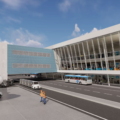

Overview of Bismarck Municipal Airport
Bismarck Municipal Airport is the primary commercial aviation facility serving the city of Bismarck and the surrounding central North Dakota region. It plays a vital role in connecting the state capital with major domestic hubs, supporting business travel, government movement, tourism, and essential services. Due to Bismarck’s status as a political and administrative center, the airport experiences consistent year-round passenger traffic, especially from government officials, corporate travelers, and residents traveling to larger metropolitan cities.
Located just a short distance from downtown Bismarck, the airport offers travelers a convenient and efficient alternative to larger, congested hubs. Its manageable size allows for quicker check-in, shorter security lines, and easier navigation, making it especially appealing to frequent flyers and families. Despite being a regional airport, Bismarck Municipal Airport maintains modern infrastructure and reliable services that meet the needs of both commercial and general aviation users.
Role of the Airport in North Dakota’s Aviation Network
Bismarck Municipal Airport serves as a crucial transportation gateway for central North Dakota. It supports not only passenger travel but also cargo movement, medical flights, and private aviation. The airport helps bridge long geographic distances common in the state by offering dependable air connections to major airline hubs, where passengers can easily connect to national and international destinations.
The airport also contributes significantly to the local economy by supporting employment, airline operations, tourism inflow, and related service industries such as hotels, car rentals, and logistics. Its strategic location strengthens regional accessibility during harsh winter months, when road travel can be challenging.
Airport Identification and Operational Overview
Bismarck Municipal Airport is recognized by its IATA code BIS and ICAO code KBIS. It operates under federal aviation regulations and serves both scheduled commercial airlines and general aviation traffic. The airport is publicly owned and managed to ensure safe, efficient, and continuous operations throughout the year, including during severe weather conditions typical of North Dakota.
The facility is designed to balance operational efficiency with passenger comfort. From airfield operations to terminal services, the airport focuses on safety, reliability, and ease of use. Its airside infrastructure supports multiple aircraft types, while landside facilities are structured to provide smooth access for private vehicles, taxis, and rental cars.
Strategic Importance for Travelers and Businesses
For travelers, Bismarck Municipal Airport offers a stress-free flying experience with essential amenities and straightforward terminal layout. For businesses and government agencies, the airport provides reliable connectivity that supports meetings, conferences, legislative sessions, and commercial activities. Its consistent flight schedules and dependable operations make it an essential asset for the region.
The airport also acts as a key access point for visitors exploring North Dakota’s cultural landmarks, historical sites, and outdoor attractions. By offering convenient air access, it enhances the state’s visibility and accessibility to visitors from across the United States.
Key Information Snapshot
| Category | Details |
|---|---|
| Official Name | Bismarck Municipal Airport |
| IATA Code | BIS |
| ICAO Code | KBIS |
| Location | Bismarck, North Dakota, USA |
| Primary Function | Commercial passenger and general aviation |
| Ownership | Public |
| Service Area | Bismarck and central North Dakota |
| Distance from Downtown | Approximately 3 miles |
| Main Users | Commercial airlines, government travel, general aviation |
Bismarck Municipal Airport Facts and Key Information
Bismarck Municipal Airport is a well-established public-use airport that supports both commercial and general aviation operations in central North Dakota. The airport is officially designated to serve the city of Bismarck, which is the state capital, making it an important hub for administrative, political, and business-related travel. Its operational framework is designed to ensure reliability, safety, and efficiency throughout the year, including during extreme winter conditions.
The airport operates under federal aviation standards and is categorized as a primary commercial service airport due to its annual passenger enplanements. This classification highlights its importance within the national aviation system, even though it functions on a regional scale. The airport’s infrastructure supports scheduled airline services, charter flights, medical aviation, cargo handling, and private aircraft movements.
Administrative and Operational Profile
Bismarck Municipal Airport is publicly owned and managed with a focus on long-term sustainability and operational continuity. The airport authority oversees airfield maintenance, terminal operations, safety compliance, and future planning initiatives. Its governance structure ensures coordination with federal aviation agencies while meeting local transportation needs.
The airport operates in the Central Time Zone, which aligns conveniently with airline schedules connecting to major hubs across the United States. Its elevation and runway specifications are designed to handle regional jet aircraft efficiently, while also supporting general aviation traffic without congestion.
Passenger Traffic and FAA Classification
Passenger activity at Bismarck Municipal Airport reflects steady demand driven by government travel, business movement, and regional connectivity. The airport records consistent annual enplanement numbers that qualify it as a primary airport under FAA guidelines. This status allows access to federal funding programs that support infrastructure development and modernization projects.
The airport’s manageable traffic volume contributes to shorter processing times and a more streamlined passenger experience compared to larger metropolitan airports. This balance between capacity and efficiency is one of its defining operational strengths.
Physical Characteristics and Infrastructure
The airport’s physical layout includes well-maintained runways, taxiways, and apron areas that support safe aircraft movement. Runway dimensions and surfaces are suitable for regional commercial aircraft as well as private and corporate aviation. Airfield lighting and navigation systems are designed to support operations during low visibility and nighttime conditions.
Terminal facilities are structured to accommodate passenger processing, baggage handling, security screening, and basic amenities, all within a compact and easy-to-navigate environment.
Key Facts at a Glance
| Category | Information |
|---|---|
| Airport Type | Public, commercial service airport |
| FAA Classification | Primary commercial service |
| City Served | Bismarck, North Dakota |
| Time Zone | Central Time Zone (CT) |
| Elevation | Approximately 1,660 feet above sea level |
| Runway Surface | Asphalt |
| Primary Operations | Commercial flights, general aviation, medical flights |
| Annual Enplanements | Meets FAA primary airport threshold |
| Operational Focus | Safety, efficiency, year-round reliability |
Location, Address, and Map of Bismarck Municipal Airport
Bismarck Municipal Airport is strategically located on the southeastern edge of the city of Bismarck, allowing quick and convenient access from the downtown area as well as nearby residential and commercial zones. Its placement minimizes travel time for passengers while maintaining sufficient space for safe airfield operations and future infrastructure expansion. The airport’s proximity to major roadways makes it easily reachable for private vehicles, taxis, rental cars, and service traffic.
The airport serves as a central aviation gateway for North Dakota’s capital region. Because Bismarck functions as an administrative and political hub, the airport’s location supports efficient movement for government officials, business travelers, and visitors attending conferences, legislative sessions, and official meetings. For tourists and general travelers, the airport provides a smooth entry point into the city without the congestion commonly experienced at larger metropolitan airports.
Airport Address and Geographic Positioning
Bismarck Municipal Airport is located within city limits, which contributes to its strong connectivity with urban services such as hotels, car rental facilities, dining options, and business districts. The surrounding area is well-developed with clear road signage, making navigation straightforward even for first-time visitors.
The airport’s geographic position also supports regional accessibility, allowing travelers from nearby towns and rural communities to reach the terminal efficiently. This accessibility is particularly important in North Dakota, where long driving distances are common.
Distance from Downtown and Major Landmarks
One of the major advantages of Bismarck Municipal Airport is its short distance from downtown Bismarck. Travelers can typically reach the city center within a few minutes by car, depending on traffic and weather conditions. This close proximity benefits business travelers who need to attend meetings quickly after arrival, as well as visitors staying in central hotels.
The airport is also conveniently located near key government buildings, medical facilities, and commercial areas, further strengthening its role as a practical transportation hub for the region.
Road Access and Driving Directions
The airport is connected to the city’s road network through well-maintained access roads that link directly to major streets and highways. Clear directional signage guides drivers from main routes to the terminal entrance, parking areas, and rental car facilities. During winter months, road maintenance and snow clearance play an important role in ensuring uninterrupted access, and the airport’s location allows for efficient coordination with city services.
For travelers using navigation tools or printed maps, the map of the Bismarck Municipal Airport clearly shows terminal access points, parking areas, and nearby road connections, making route planning simple and reliable.
Location Summary Table
| Location Detail | Information |
|---|---|
| Airport Address | 2301 University Drive, Bismarck, ND 58504, USA |
| City | Bismarck |
| State | North Dakota |
| Country | United States |
| Distance from Downtown | Approximately 3 miles |
| Typical Drive Time | 5–10 minutes |
| Nearby Access Roads | University Drive and connecting city routes |
| Geographic Setting | Within city limits, southeast of downtown |
Terminals and Airport Layout Overview
Bismarck Municipal Airport features a single, well-organized passenger terminal designed to handle commercial flights efficiently while maintaining a comfortable experience for travelers. The compact terminal layout allows passengers to move smoothly from curbside drop-off to check-in, security screening, and boarding gates without unnecessary walking distances or complex navigation. This straightforward design is particularly beneficial for first-time visitors, elderly travelers, and families traveling with children.
The terminal building is structured to support both arriving and departing passengers in a logical flow. Signage throughout the facility is clear and easy to follow, helping travelers locate ticket counters, security checkpoints, restrooms, baggage claim areas, and exits without confusion. Because the airport handles a moderate volume of daily flights, congestion inside the terminal is generally minimal, even during peak travel hours.
Passenger Flow and Functional Areas
Passenger movement within the terminal is designed around efficiency and safety. Departing travelers typically enter the terminal through the main entrance, where airline check-in counters and self-service kiosks are located. From there, passengers proceed to the security screening area, which is positioned to allow quick access to the departure gates.
After passing through security, travelers enter the sterile area, which contains boarding gates, seating areas, and basic amenities. The close proximity of gates reduces walking time and makes boarding announcements easy to hear. Arriving passengers follow a direct path from the gates to the baggage claim area, ensuring a smooth exit from the terminal.
Accessibility and Passenger Comfort
Bismarck Municipal Airport places strong emphasis on accessibility and passenger comfort. The terminal is equipped with ramps, elevators where required, and designated seating areas to accommodate passengers with reduced mobility. Restrooms are designed to be accessible, and assistance services are available upon request through airlines or airport staff.
The terminal’s manageable size contributes to a calmer travel environment. Passengers often experience shorter wait times at check-in and security, which enhances overall satisfaction and reduces travel stress. Climate-controlled interiors and seating arrangements are designed to provide comfort during both short waits and longer layovers.
Airport Directory and Navigation
The airport directory provides clear information about terminal facilities, services, and operational areas. Key locations such as airline counters, security checkpoints, restrooms, concessions, and baggage claim areas are positioned logically and marked with visible signage. This organized layout minimizes the need for extensive wayfinding assistance and supports a smooth passenger experience.
For travelers referencing the airport directory or map of the Bismarck Municipal Airport, the terminal layout is easy to understand and user-friendly, even without prior familiarity with the facility.
Terminal and Layout Summary Table
| Terminal Feature | Description |
|---|---|
| Number of Terminals | Single passenger terminal |
| Terminal Design | Compact and easy to navigate |
| Check-in Area | Centralized airline counters and kiosks |
| Security Screening | Single primary checkpoint |
| Boarding Gates | Located close together |
| Baggage Claim | Direct access from arrival gates |
| Accessibility | Ramps, accessible restrooms, assistance services |
| Navigation Support | Clear signage and airport directory |
Airlines Operating at Bismarck Municipal Airport
Bismarck Municipal Airport is served by a select group of commercial airlines that provide reliable connections between North Dakota’s capital and major hub airports across the United States. These airlines focus on regional and domestic routes, allowing passengers to connect easily to nationwide and international networks through larger airports. Despite its regional scale, the airport maintains consistent airline operations that support both business and leisure travel throughout the year.
The airlines operating at the airport primarily use regional jet aircraft, which are well-suited to the passenger demand and runway infrastructure at Bismarck Municipal Airport. Flight schedules are structured to offer convenient departure and arrival times, particularly for travelers connecting onward to larger cities. Seasonal adjustments may occur based on travel demand, weather conditions, and airline network planning.
Commercial Airline Services and Destinations
Airlines serving Bismarck Municipal Airport typically connect the city to major airline hubs, where passengers can transfer to long-haul domestic and international flights. These hub connections are essential for maintaining efficient travel options from a geographically distant region like central North Dakota.
Routes from the airport are designed to support government travel, corporate movement, medical travel, and tourism. The presence of hub-based services ensures frequent flight availability and competitive scheduling, even with a limited number of airlines.
Year-Round and Seasonal Operations
Most airline services at Bismarck Municipal Airport operate year-round, reflecting the steady demand generated by government activities and regional business needs. Seasonal variations may affect flight frequency rather than route availability, with adjustments made during peak travel periods or severe winter conditions.
Airlines coordinate closely with airport operations to maintain safety and reliability during winter months, when weather can influence scheduling. This coordination helps minimize disruptions and supports consistent service levels.
Airline Facilities and Passenger Services
Airline check-in counters are centrally located within the terminal, making it easy for passengers to complete pre-flight procedures. Self-service kiosks, baggage drop facilities, and staffed counters are available depending on the airline. Customer service desks provide assistance with ticketing, baggage issues, and flight changes.
Boarding procedures are typically efficient due to the airport’s compact layout and moderate passenger volumes. This efficiency contributes to shorter boarding times and a smoother overall travel experience.
Airline Overview Table
| Airline | Primary Hub Connections | Type of Service |
|——|————————|
| Major U.S. Network Airline | Minneapolis–St. Paul and other hubs | Year-round commercial service |
| Major U.S. Network Airline | Denver and connecting hubs | Year-round commercial service |
| Regional Carrier | Hub-based connections | Scheduled regional flights |
If you’d like, I can now proceed with Section 6 and continue the blog with the same level of detail and structured tables.
Flight Operations, METAR, and Weather Conditions
Flight operations at Bismarck Municipal Airport are carefully managed to ensure safety and reliability throughout the year, particularly given North Dakota’s challenging weather conditions. The airport supports a mix of scheduled commercial flights, general aviation movements, medical flights, and charter operations. Its operational planning emphasizes preparedness, efficient air traffic coordination, and adherence to federal aviation standards.
Because the airport serves as an important regional gateway, maintaining consistent flight operations is a top priority. Airfield maintenance teams work continuously to keep runways, taxiways, and aprons operational, especially during winter months when snow, ice, and low temperatures can impact aviation activities.
Weather Patterns Affecting Flight Operations
Bismarck experiences a continental climate characterized by cold winters, warm summers, and significant seasonal variation. Winter weather can include snowstorms, strong winds, and reduced visibility, all of which require careful monitoring and proactive response by airport operations staff. During these periods, snow removal, de-icing, and runway condition assessments are critical to maintaining safe aircraft movements.
In contrast, summer months generally bring more stable flying conditions, although thunderstorms and gusty winds may occasionally affect operations. The airport’s infrastructure and procedures are designed to handle these seasonal changes while minimizing delays and cancellations.
Understanding METAR and Its Importance
METAR is a standardized aviation weather report that provides real-time information about current weather conditions at an airport. At Bismarck Municipal Airport, METAR data is closely monitored by pilots, airlines, and air traffic controllers to make informed decisions about departures, arrivals, and ground operations.
METAR reports typically include details such as wind speed and direction, visibility, cloud cover, temperature, dew point, and barometric pressure. This information is essential for flight planning, especially during rapidly changing weather conditions common in the region.
Operational Reliability and Safety Measures
The airport employs advanced navigation aids, airfield lighting systems, and weather monitoring equipment to support safe operations in various conditions. These systems help pilots maintain situational awareness during low visibility and nighttime operations. Coordination between airport management, airlines, and air traffic control ensures that safety remains the top priority during adverse weather.
Despite seasonal challenges, Bismarck Municipal Airport maintains a strong reputation for operational reliability. Proactive planning, trained personnel, and well-maintained infrastructure allow the airport to recover quickly from weather-related disruptions and resume normal operations efficiently.
Flight Operations and Weather Overview Table
| Operational Aspect | Details |
|---|---|
| Primary Flight Types | Commercial, general aviation, medical, charter |
| Winter Conditions | Snow, ice, strong winds, low visibility |
| Summer Conditions | Generally stable, occasional thunderstorms |
| METAR Usage | Real-time weather reporting for flight safety |
| Key METAR Elements | Wind, visibility, cloud cover, temperature, pressure |
| Safety Measures | De-icing, snow removal, navigation aids |
| Operational Focus | Safety, reliability, year-round readiness |
Parking Facilities at Bismarck Municipal Airport
Parking at Bismarck Municipal Airport is designed to be convenient, affordable, and easily accessible for all travelers. Due to the airport’s compact layout and manageable traffic levels, parking areas are located close to the terminal building, allowing passengers to reach check-in counters within a short walking distance. This proximity is especially beneficial for travelers carrying luggage, families, and individuals with limited mobility.
The airport provides clearly marked parking zones that accommodate both short visits and longer trips. Signage at the airport entrance directs drivers efficiently to available parking areas, reducing confusion and unnecessary driving within the airport grounds. Parking facilities are monitored to ensure safety and ease of use throughout the day and night.
Short-Term Parking Options
Short-term parking is ideal for passengers who are dropping off or picking up travelers, as well as for those taking brief trips. These spaces are typically located closest to the terminal entrance, offering quick access to the main building. Short-term parking is commonly used for stays of a few hours or a single day.
Rates for short-term parking are structured to support frequent turnover while remaining cost-effective compared to larger airports. Payment systems are designed to be simple and user-friendly, allowing drivers to enter and exit with minimal delay.
Long-Term Parking Facilities
Long-term parking is available for travelers who plan to leave their vehicles at the airport for several days. These areas are slightly farther from the terminal than short-term parking but still within a reasonable walking distance. Long-term parking provides a practical solution for vacation travelers and business passengers on extended trips.
The long-term parking areas are well-lit and maintained year-round, including during winter months when snow removal and surface maintenance are especially important. Clear pathways ensure safe pedestrian movement between the parking area and the terminal.
Accessibility and Special Parking Features
Bismarck Municipal Airport includes designated accessible parking spaces located near terminal entrances. These spaces are reserved for vehicles displaying appropriate permits and are positioned to minimize walking distance. Accessibility features extend beyond parking, ensuring that travelers can move smoothly from their vehicles into the terminal.
The parking facilities are designed to support smooth traffic flow, with clearly defined entry and exit points. This layout reduces congestion during peak travel periods and improves overall efficiency.
Parking Overview Table
| Parking Type | Best For | Distance from Terminal | Key Features |
|---|---|---|---|
| Short-Term Parking | Pick-up, drop-off, short trips | Very close | Quick access, easy turnover |
| Long-Term Parking | Multi-day travel | Short walk | Cost-effective, well-lit |
| Accessible Parking | Passengers with permits | Closest areas | Marked spaces, easy access |
| Overnight Parking | Extended stays | Long-term zones | Secure and maintained |
Car Rental Services at Bismarck Municipal Airport
Car rental services at Bismarck Municipal Airport provide travelers with a convenient and flexible way to explore Bismarck and the surrounding regions of North Dakota. Because public transportation options in the area are limited, rental cars are one of the most preferred ground transportation choices for visitors, business travelers, and government officials arriving at the airport.
The airport’s compact terminal layout makes accessing car rental services quick and straightforward. Rental facilities are located either within the terminal or just outside the main exit, allowing passengers to transition smoothly from baggage claim to vehicle pickup without long waits or shuttle transfers. This ease of access is particularly valuable for travelers arriving on tight schedules or during extreme weather conditions.
On-Site Car Rental Companies
Several well-known national car rental companies operate at Bismarck Municipal Airport, offering a range of vehicles to suit different travel needs. Travelers can choose from economy cars for short city trips, mid-size and full-size sedans for business travel, SUVs for family trips, and larger vehicles suitable for winter driving conditions.
Rental counters are positioned near the arrivals area, making it easy for passengers to complete paperwork and collect keys shortly after landing. Vehicles are typically parked in designated lots adjacent to the terminal, minimizing walking distance and simplifying the pickup process.
Pickup and Drop-Off Process
The car rental pickup process at Bismarck Municipal Airport is designed to be efficient and traveler-friendly. After completing rental formalities at the counter, customers are directed to clearly marked parking areas where their vehicles are ready for collection. Staff members are usually available to assist with directions, vehicle inspection, and basic questions.
For drop-off, rental companies provide clearly labeled return lanes close to the terminal. This allows travelers to return vehicles quickly before departure, reducing stress and saving time. After returning the vehicle, passengers can reach the terminal within minutes, which is especially helpful for early-morning or late-night flights.
Benefits of Renting a Car at the Airport
Renting a car directly at the airport offers several advantages over off-site rental locations. Travelers benefit from immediate availability, flexible rental durations, and easier coordination with flight schedules. For visitors unfamiliar with the area, airport-based rentals eliminate the need for additional transportation to off-site facilities.
Car rentals are also particularly useful for reaching hotels near Bismarck Municipal Airport, government offices, medical facilities, and nearby towns. During winter months, rental vehicles equipped for cold-weather driving provide added safety and reliability.
Car Rental Services Overview Table
| Aspect | Details |
|---|---|
| Availability | On-site at the airport terminal |
| Vehicle Types | Economy, sedans, SUVs, larger vehicles |
| Pickup Location | Adjacent to terminal |
| Drop-Off Location | Designated airport return area |
| Best For | Business travel, tourists, extended stays |
| Convenience Level | High, no shuttle required |
Ground Transportation Options from Bismarck Municipal Airport
Bismarck Municipal Airport offers several ground transportation options that allow passengers to travel comfortably between the airport, downtown Bismarck, nearby neighborhoods, and surrounding communities. Due to the city’s layout and regional characteristics, ground transportation services focus on flexibility and convenience rather than high-volume public transit. Travelers can choose the option that best fits their schedule, budget, and travel needs.
The airport’s close proximity to the city center ensures that most ground transportation journeys are short and direct. Clear signage outside the terminal helps arriving passengers quickly locate pickup zones for taxis, ride services, and rental vehicles, making onward travel simple even for first-time visitors.
Taxi and Local Cab Services
Taxi services are readily available at Bismarck Municipal Airport and provide a straightforward way to reach hotels, offices, and residential areas. Taxis typically operate on a metered or zone-based fare system, with rates influenced by distance and time of travel. Because the airport is located close to downtown, taxi fares are generally affordable and predictable.
Taxi pickup areas are clearly marked near the terminal exit, allowing passengers to access vehicles without long waiting times. This option is particularly useful for travelers who prefer direct, door-to-door service without the responsibility of driving.
Ride-Sharing Services
Ride-sharing services offer another convenient transportation option from the airport. Passengers can request rides through mobile applications and meet their drivers at designated pickup areas outside the terminal. Ride-sharing is popular among solo travelers and those familiar with app-based transportation services.
This option provides flexibility in vehicle choice and pricing, and it is often favored by travelers heading to downtown accommodations or nearby destinations. Availability may vary depending on time of day and local demand, but service coverage is generally reliable.
Hotel Shuttles and Courtesy Transportation
Some hotels near Bismarck Municipal Airport offer complimentary or scheduled shuttle services for their guests. These shuttles typically operate on request and provide direct transportation between the airport and hotel properties. Travelers are advised to confirm shuttle availability with their hotel in advance, as schedules and eligibility may vary.
Hotel shuttles are particularly beneficial for visitors on short stays or business trips, as they eliminate the need for additional transportation arrangements.
Driving and Private Vehicle Access
For travelers using private vehicles or rental cars, driving from the airport is simple due to well-maintained access roads and minimal congestion. The airport’s road connections allow easy travel to downtown Bismarck, commercial areas, and surrounding highways. Clear directional signage supports smooth navigation for outbound traffic.
Driving is often the preferred option for travelers planning to explore areas outside the city or visit nearby towns, as it offers maximum flexibility and independence.
Ground Transportation Summary Table
| Transportation Option | Best For | Typical Use |
|---|---|---|
| Taxi Services | Direct, quick travel | Downtown and nearby areas |
| Ride-Sharing | Flexible, app-based travel | Hotels and city destinations |
| Hotel Shuttles | Convenience for guests | Airport-to-hotel transfer |
| Rental Cars | Extended travel, exploration | Regional and out-of-city trips |
| Private Vehicles | Local residents | Personal transportation |
Hotels Near Bismarck Municipal Airport
Hotels near Bismarck Municipal Airport cater to a wide range of travelers, including business professionals, government officials, tourists, and passengers with early-morning or late-night flights. Because the airport is located just a short distance from downtown Bismarck, many accommodation options are available within a few minutes’ drive, offering convenience without sacrificing comfort or amenities.
These hotels are designed to meet the needs of travelers who value quick airport access, reliable services, and flexible check-in options. Many properties also serve business travelers attending meetings, conferences, or legislative sessions in the city, making them well-equipped with business centers, meeting rooms, and high-speed internet access.
Types of Hotels Available Near the Airport
The area surrounding Bismarck Municipal Airport includes a mix of business-class hotels, mid-range accommodations, and budget-friendly options. Business-oriented hotels often provide additional amenities such as on-site dining, fitness centers, and conference facilities. Mid-range hotels focus on comfort and value, while budget hotels offer essential services for short stays or overnight layovers.
Some hotels are part of well-known national chains, ensuring consistent service standards and familiarity for frequent travelers. Others are locally operated and may provide a more personalized experience.
Distance and Accessibility
Most hotels near the airport are located within a short driving distance, typically ranging from a few minutes to under ten minutes. This close proximity reduces travel time and makes it easier for guests to catch early departures or rest quickly after late arrivals. Several hotels also offer shuttle services to and from the airport, further enhancing convenience for guests without rental cars.
The hotels are well-connected to major roads, allowing easy access not only to the airport but also to downtown Bismarck, shopping areas, dining options, and government offices.
Ideal Accommodation for Different Travelers
Business travelers often prefer hotels with meeting facilities, workspaces, and reliable internet connectivity. Leisure travelers may look for comfortable rooms, complimentary breakfast, and proximity to local attractions. Families and group travelers might choose hotels offering larger rooms, suites, or extended-stay options.
For travelers with tight schedules or overnight layovers, airport-area hotels provide a practical solution that minimizes travel stress and maximizes rest time.
Hotels Near the Airport Overview Table
| Hotel Category | Typical Distance from Airport | Best For |
|---|---|---|
| Business Hotels | 5–10 minutes | Corporate and government travelers |
| Mid-Range Hotels | 5–8 minutes | Comfort-focused stays |
| Budget Hotels | 5–10 minutes | Short stays and layovers |
| Extended-Stay Hotels | 8–12 minutes | Long-term visits and families |
| Shuttle-Service Hotels | Varies | Travelers without rental cars |
Airport Services and Amenities
Bismarck Municipal Airport offers a range of essential services and amenities designed to make the travel experience comfortable, efficient, and stress-free. While the airport maintains a compact and easy-to-navigate layout, it ensures that passengers have access to the facilities they commonly expect when traveling for business or leisure. The focus is on functionality, cleanliness, and passenger convenience rather than large-scale commercial development.
The airport’s amenities are thoughtfully positioned within the terminal to support smooth passenger flow. Travelers can comfortably manage waiting times, work remotely when needed, and meet basic personal and travel-related needs without leaving the terminal area.
Passenger Comfort and Convenience Services
Inside the terminal, seating areas are arranged to provide comfortable waiting spaces near boarding gates and common areas. These seating zones are designed to accommodate passengers during boarding announcements and short delays. Climate-controlled interiors ensure comfort throughout the year, especially during extreme winter or summer temperatures.
Restroom facilities are clean, well-maintained, and accessible, supporting travelers with special mobility requirements. Drinking water stations and basic passenger assistance services further enhance comfort within the terminal.
Food, Beverage, and Retail Options
Food and beverage services at Bismarck Municipal Airport are designed to meet the needs of travelers looking for quick meals, snacks, or beverages before departure or after arrival. Options typically include light dining and grab-and-go selections suitable for short waits and early-morning flights.
Retail offerings focus on convenience items such as travel essentials, reading materials, and small souvenirs. These outlets allow passengers to make last-minute purchases without leaving the secure area of the terminal.
Connectivity and Business Facilities
The airport provides Wi-Fi access throughout the terminal, enabling passengers to stay connected, check emails, and manage travel plans. This service is particularly valuable for business travelers and government officials who rely on continuous connectivity.
Charging stations and power outlets are available in seating areas, allowing travelers to recharge electronic devices while waiting for flights. These facilities support productivity and communication during layovers and delays.
Financial and Support Services
ATM services are available within the terminal, giving passengers convenient access to cash when needed. Information desks or staffed service points assist travelers with general inquiries, directions, and airport-related information.
Lost and found services are managed through airport administration or airline representatives, ensuring that misplaced items are handled efficiently and responsibly.
Services and Amenities Overview Table
| Service Category | Availability |
|---|---|
| Seating Areas | Available near gates and common areas |
| Restrooms | Accessible and well-maintained |
| Food & Beverage | Snack and light dining options |
| Retail Shops | Travel essentials and convenience items |
| Wi-Fi Access | Available throughout the terminal |
| Charging Stations | Located in seating areas |
| ATM Services | On-site |
| Passenger Assistance | Information and support services |
Fixed Base Operator and General Aviation Facilities
Bismarck Municipal Airport plays an important role in supporting general aviation alongside its commercial passenger services. The airport is equipped to handle private aircraft, corporate jets, charter flights, and medical aviation operations through dedicated Fixed Base Operator facilities. These services ensure that non-commercial aviation users receive professional ground support, fueling, and operational assistance in a safe and efficient environment.
General aviation activity at the airport contributes significantly to regional connectivity, especially for business travelers, emergency services, and private operators who require flexible scheduling and direct access to the city. The airport’s layout allows general aviation traffic to operate without interfering with commercial airline movements, maintaining smooth operations for all users.
Fixed Base Operator Services Overview
The Fixed Base Operator at Bismarck Municipal Airport provides a comprehensive range of services designed to support private and corporate aviation. These services typically include aircraft fueling, hangar space, ramp parking, and ground handling. Pilots and flight crews can also access basic amenities such as rest areas, briefing rooms, and weather information.
FBO staff are trained to assist with quick turnarounds, flight planning coordination, and aircraft servicing. This level of support is essential for charter operators and corporate flights that operate on tight schedules or require customized handling.
Facilities for Private and Corporate Aviation
The airport offers infrastructure suitable for various types of general aviation aircraft, from small private planes to larger corporate jets. Hangar facilities provide protection from weather conditions, which is particularly important during North Dakota’s harsh winters. Ramp areas are designed to accommodate safe aircraft parking and movement.
Corporate and charter operators benefit from efficient access to ground transportation, allowing passengers to transition quickly from aircraft to vehicles. This convenience supports business travel and executive movement within the region.
Medical and Emergency Aviation Support
Bismarck Municipal Airport also supports medical and emergency aviation services, including air ambulance and critical care transport flights. These operations require reliable facilities and rapid response capabilities. The airport’s general aviation infrastructure allows emergency flights to operate efficiently at any time, contributing to regional healthcare and emergency response networks.
General Aviation and FBO Summary Table
| Facility Aspect | Description |
|---|---|
| FBO Services | Fueling, hangar space, ramp parking |
| Aircraft Types | Private planes, corporate jets, charter aircraft |
| Crew Amenities | Rest areas, briefing support |
| Ground Handling | Professional aircraft servicing |
| Emergency Support | Medical and air ambulance operations |
| Operational Advantage | Efficient, non-congested environment |
Airport Master Plan and Future Development
Bismarck Municipal Airport follows a structured airport master plan that guides its long-term growth, infrastructure improvements, and operational sustainability. The master plan serves as a strategic roadmap, ensuring that the airport can continue to meet current aviation demands while preparing for future increases in passenger traffic, aircraft activity, and technological advancements. This planning approach helps maintain safety, efficiency, and regulatory compliance across all airport operations.
The airport master plan is developed in coordination with aviation authorities, local government, and industry stakeholders. It takes into account factors such as projected passenger growth, changes in airline operations, advancements in aircraft technology, and evolving safety and security requirements. By planning proactively, the airport can implement improvements in a phased and cost-effective manner.
Infrastructure Expansion and Modernization
One of the key objectives of the airport’s master plan is the modernization of existing infrastructure. This includes evaluating runway conditions, taxiway layouts, apron areas, and terminal facilities to ensure they remain capable of supporting current and future aircraft types. Periodic upgrades help improve operational efficiency and reduce maintenance-related disruptions.
Terminal-related improvements may focus on enhancing passenger flow, expanding waiting areas, upgrading utilities, and improving accessibility features. These upgrades are designed to improve the overall traveler experience without significantly increasing congestion or complexity within the terminal.
Capacity Planning and Operational Efficiency
Capacity planning is an essential component of the airport’s long-term development strategy. By analyzing aircraft movements, passenger volumes, and peak travel periods, the airport can identify areas where capacity enhancements may be required. This proactive approach helps prevent bottlenecks and ensures that the airport can accommodate growth without compromising service quality.
Operational efficiency is also addressed through improvements in airfield layout, signage, and ground support systems. These measures help streamline aircraft movements and reduce delays during both routine operations and adverse weather conditions.
Sustainability and Long-Term Vision
Sustainability considerations are increasingly important in airport planning, and Bismarck Municipal Airport’s master plan reflects a commitment to responsible development. This may include energy-efficient building upgrades, environmentally responsible construction practices, and improved resource management. These initiatives help reduce the airport’s environmental footprint while supporting long-term operational resilience.
The long-term vision of the master plan is to maintain the airport’s role as a reliable regional gateway while adapting to changing aviation trends. By balancing growth with sustainability and community needs, the airport ensures continued value to travelers and the local economy.
Airport Master Plan Summary Table
| Planning Aspect | Focus Area |
|---|---|
| Master Plan Purpose | Long-term growth and sustainability |
| Infrastructure | Runways, taxiways, terminal upgrades |
| Capacity Planning | Passenger and aircraft traffic analysis |
| Operational Efficiency | Improved layout and ground systems |
| Sustainability | Energy efficiency and responsible development |
| Strategic Goal | Maintain reliable regional connectivity |
Employment and Job Opportunities at Bismarck Municipal Airport
Bismarck Municipal Airport provides a wide range of employment opportunities that support its day-to-day operations and long-term development. As a public-use commercial service airport, it generates jobs across aviation, security, administration, customer service, maintenance, and support services. These roles contribute not only to airport functionality but also to the broader local economy.
Employment at the airport is spread across multiple organizations, including the airport authority, commercial airlines, federal agencies, service contractors, and private aviation operators. This diversity allows job seekers with different skill sets, qualifications, and experience levels to find suitable roles within the airport ecosystem.
Types of Jobs Available at the Airport
Job opportunities at Bismarck Municipal Airport range from operational and technical roles to customer-facing and administrative positions. Common employment categories include airport operations staff, maintenance and facilities personnel, airline customer service agents, baggage handlers, and ramp agents. These roles are essential for ensuring safe aircraft movement, passenger handling, and terminal functionality.
Security-related positions are also available through federal agencies and authorized contractors. These roles focus on passenger screening, access control, and overall airport security, requiring specific certifications and background checks. Additionally, administrative and management roles support planning, compliance, finance, and customer relations.
Airline, Government, and Contractor Employment
Commercial airlines operating at the airport employ staff for ticketing, gate operations, ground handling, and customer service. These positions often involve shift-based work and provide direct interaction with passengers. Government agencies, such as aviation regulators and security authorities, offer stable employment opportunities with structured career paths.
Service contractors also play a key role in airport employment. These contractors provide services such as cleaning, food and beverage operations, retail management, and ground transportation coordination. Private aviation and Fixed Base Operator facilities employ skilled personnel for aircraft servicing, fueling, and hangar management.
Application Process and Career Growth
Job seekers interested in working at Bismarck Municipal Airport typically apply through official airport websites, airline career portals, government job listings, or contractor recruitment platforms. Each employer has its own hiring process, qualification requirements, and training programs.
Many airport-related jobs offer opportunities for long-term career growth. Entry-level positions can lead to supervisory or management roles with experience and additional training. The airport environment also provides exposure to the aviation industry, making it an attractive workplace for individuals interested in aviation careers.
Employment Overview Table
| Employment Area | Typical Roles |
|---|---|
| Airport Operations | Operations staff, facilities management |
| Airlines | Ticketing agents, gate agents, baggage handlers |
| Security & Safety | Screening officers, access control staff |
| Administration | Finance, planning, compliance roles |
| Service Contractors | Cleaning, food service, retail staff |
| General Aviation & FBO | Aircraft servicing, fueling personnel |
Employment and Job Opportunities at Bismarck Municipal Airport
Bismarck Municipal Airport functions as a steady employment center within the region, supporting a workforce that keeps airport operations running smoothly every day. Employment opportunities are not limited to aviation-specific roles; the airport ecosystem includes administrative, technical, customer service, safety, and support positions. Together, these roles ensure efficient passenger handling, aircraft movement, facility maintenance, and regulatory compliance.
Because the airport serves as a key transportation hub for North Dakota’s capital, job demand remains relatively stable throughout the year. Seasonal fluctuations are limited compared to tourist-heavy airports, making it an attractive option for individuals seeking consistent employment rather than short-term or seasonal work.
Operational and Technical Roles
Operational roles form the backbone of airport functionality. These positions include airfield operations staff responsible for runway inspections, safety checks, lighting systems, and coordination with air traffic control. Technical and maintenance personnel handle infrastructure upkeep, snow removal during winter, equipment maintenance, and facility repairs, ensuring uninterrupted airport operations.
These roles often require specialized training, certifications, or experience in aviation operations, engineering, or facilities management. Employees in these positions play a critical role in maintaining safety standards and operational reliability.
Customer Service and Passenger-Facing Jobs
Customer service positions are commonly available through airlines and airport service providers. These roles include ticket counter agents, gate agents, passenger service representatives, and baggage handling staff. Employees in these positions interact directly with travelers, assisting with check-in, boarding, and general inquiries.
Strong communication skills, flexibility, and the ability to work shifts are essential for passenger-facing roles. These positions often serve as entry points into the aviation industry and may lead to supervisory or management roles over time.
Security, Safety, and Compliance Positions
Security and safety-related jobs are an integral part of airport employment. These roles focus on passenger screening, access control, emergency response coordination, and regulatory compliance. Employees may work under federal agencies or authorized contractors, and positions typically require background checks, certifications, and ongoing training.
Safety officers and compliance staff ensure that airport operations meet federal and state aviation regulations. These roles contribute significantly to maintaining public trust and operational integrity.
Administrative, Planning, and Management Careers
Behind-the-scenes administrative roles support airport governance and long-term planning. These positions include finance, human resources, planning, communications, and compliance management. Administrative staff work closely with airport leadership, airlines, government agencies, and contractors to coordinate daily operations and future development initiatives.
Management roles may involve overseeing airport departments, coordinating capital improvement projects, and managing stakeholder relationships. These positions typically require experience in aviation management, public administration, or related fields.
Employment Stability and Career Development
Working at Bismarck Municipal Airport offers long-term career stability for many employees. Training programs, certifications, and on-the-job experience allow workers to develop specialized skills that are transferable within the aviation industry. Employees may progress from entry-level roles to supervisory or leadership positions over time.
The airport environment also provides exposure to a wide range of aviation functions, making it an attractive workplace for individuals interested in building a career in aviation, logistics, or public infrastructure management.
Employment Opportunities Summary Table
| Job Category | Key Responsibilities | Career Potential |
|---|---|---|
| Airfield Operations | Runway safety, inspections, coordination | High |
| Maintenance & Technical | Infrastructure upkeep, snow removal | High |
| Customer Service | Passenger assistance, ticketing | Medium to High |
| Security & Safety | Screening, compliance, emergency response | High |
| Administration | Planning, finance, HR | High |
| Management | Oversight, strategic planning | Very High |
Reviews, Passenger Experience, and Photos
Passenger reviews and overall travel experiences provide valuable insight into what travelers can expect when using Bismarck Municipal Airport. Due to its smaller size and regional focus, the airport is often described by passengers as efficient, easy to navigate, and less stressful compared to larger metropolitan airports. Many travelers appreciate the calm atmosphere, shorter wait times, and friendly interactions with airport and airline staff.
Reviews commonly highlight the convenience of arriving and departing from an airport that prioritizes simplicity and functionality. Travelers who frequently pass through Bismarck Municipal Airport often note that the terminal layout allows them to move quickly from parking or drop-off areas to check-in and security, which contributes to a smoother overall journey.
Passenger Experience and Service Quality
The passenger experience at Bismarck Municipal Airport is shaped by several key factors, including terminal cleanliness, staff professionalism, and ease of movement. Passengers frequently mention the cleanliness of public areas, restrooms, and seating zones. This focus on maintenance helps create a welcoming environment for both arriving and departing travelers.
Staff interactions are another commonly discussed aspect of the passenger experience. Airline personnel, security staff, and airport employees are often recognized for being approachable and helpful. This level of service is particularly valued by first-time visitors and travelers who may require additional assistance.
Common Themes in Traveler Reviews
Travelers reviewing Bismarck Municipal Airport often focus on efficiency rather than luxury. Positive feedback typically mentions short security lines, manageable crowd levels, and quick baggage claim processes. These factors contribute to reduced travel fatigue and improved satisfaction, especially for business travelers and government officials with tight schedules.
Constructive feedback may occasionally reference limited dining or retail options, which is typical for regional airports. However, many passengers view this as a reasonable trade-off for the convenience and speed offered by a smaller terminal.
Airport Photos and Visual Impressions
Photos of Bismarck Municipal Airport shared by travelers often highlight the terminal exterior, interior waiting areas, check-in counters, and airfield views. These images help set realistic expectations for first-time visitors by showing a clean, organized, and functional airport environment.
Travelers frequently use airport photos to assess parking proximity, terminal size, and overall layout before arrival. Visual content plays an important role in reinforcing the airport’s reputation as a practical and traveler-friendly facility.
Reviews and Passenger Experience Summary Table
| Aspect | Common Feedback |
|---|---|
| Overall Experience | Efficient and low-stress |
| Terminal Cleanliness | Well-maintained |
| Staff Interaction | Friendly and helpful |
| Security Processing | Short wait times |
| Amenities | Functional, limited variety |
| Photo Highlights | Terminal layout, seating areas, airfield views |
Contact Details and Important Phone Numbers
Access to accurate contact information is essential for travelers, airline staff, and service providers using Bismarck Municipal Airport. The airport maintains dedicated communication channels to assist passengers with general inquiries, operational questions, and administrative matters. Whether travelers need assistance with lost items, flight-related concerns, or facility information, having the correct contact details helps resolve issues quickly and efficiently.
The airport’s administrative offices handle a wide range of inquiries, including airport operations, parking information, employment questions, and coordination with airlines and tenants. Clear communication channels ensure that travelers and stakeholders can obtain reliable information directly from authorized sources.
Airport Administration Contact Information
Bismarck Municipal Airport’s main administrative office serves as the primary point of contact for general airport-related inquiries. This office can provide information about airport operations, facilities, services, and policies. It also coordinates with airlines, government agencies, and contractors operating at the airport.
For travelers seeking assistance beyond airline-specific issues, the airport administration office is often the most appropriate contact point.
Airline and Passenger Support Contacts
Airline-related inquiries, such as flight schedules, ticketing, baggage handling, and boarding procedures, are typically managed by individual airlines operating at the airport. Passengers are advised to contact their airline directly for the most accurate and up-to-date information regarding flights and reservations.
Airport staff can guide passengers to the correct airline counters or contact details when needed, ensuring that travelers reach the appropriate support team efficiently.
Lost and Found and Emergency Assistance
Lost and found services at Bismarck Municipal Airport are managed through airport administration or airline representatives, depending on where an item was misplaced. Prompt reporting increases the chances of recovering lost belongings.
Emergency assistance is coordinated through airport operations and local emergency services. Clear procedures and communication systems are in place to handle urgent situations and ensure passenger safety at all times.
Contact Information Summary Table
| Contact Type | Details |
|---|---|
| Airport Name | Bismarck Municipal Airport |
| Main Address | 2301 University Drive, Bismarck, ND 58504 |
| Main Phone Number | +1 701-355-1800 |
| Airport Administration | General inquiries and operations |
| Airline Support | Managed by individual airlines |
| Lost and Found | Airport administration or airline desks |
| Emergency Services | Coordinated on-site |
Directions and Popular Routes
Bismarck Municipal Airport is easily accessible from various parts of the city and surrounding areas, making it convenient for both local residents and visitors. Its location within city limits allows for straightforward travel using well-maintained roads and clear directional signage. Whether traveling from downtown Bismarck, nearby residential neighborhoods, or commercial districts, reaching the airport typically involves a short and uncomplicated drive.
The airport’s road access is designed to support smooth traffic flow, even during peak travel periods. Clear entrance and exit points help reduce congestion and make it easy for drivers to locate parking areas, drop-off zones, and rental car return lanes.
Directions from Downtown Bismarck
Traveling from downtown Bismarck to the airport generally takes only a few minutes by car. Drivers can follow main city routes that lead directly toward the airport area, with signage guiding them to terminal access roads. The short distance makes the airport especially convenient for business travelers, government officials, and visitors staying in central hotels.
Traffic conditions are typically light compared to larger cities, allowing for predictable travel times. Even during winter months, road maintenance ensures reliable access to the airport.
Routes from Residential and Commercial Areas
Residents traveling from neighborhoods across Bismarck can reach the airport efficiently using city streets and connecting routes. Commercial areas, shopping centers, and office districts are also located within a short driving distance, making airport access convenient for employees and service providers.
For travelers coming from outside the city, major highways connect Bismarck to nearby towns and rural communities. These routes lead smoothly into city roads that provide direct access to the airport.
Sample Route Information
One commonly searched route is the drive from the municipal airport to 4610 Majestic Street in Bismarck, North Dakota. This route typically involves a short drive through city streets and can be completed in a matter of minutes, depending on traffic and weather conditions. Navigation tools and airport maps make it easy for drivers to plan this journey accurately.
Driving and Navigation Tips
Drivers are advised to allow extra travel time during winter months due to snow or icy conditions. Using updated navigation systems or GPS applications can help identify the fastest routes and avoid temporary road closures. Clear signage around the airport supports smooth entry and exit for both arriving and departing traffic.
Directions and Routes Summary Table
| Route Type | Typical Travel Time | Notes |
|---|---|---|
| Downtown Bismarck to Airport | 5–10 minutes | Direct city routes |
| Residential Areas | 5–15 minutes | Depends on location |
| Commercial Districts | 5–12 minutes | Well-connected roads |
| Airport to 4610 Majestic Street | Short city drive | GPS recommended |
| Regional Access | Varies | Via state highways |
Frequently Asked Questions about Bismarck Municipal Airport
Is Bismarck Municipal Airport a large airport?
Bismarck Municipal Airport is considered a regional airport rather than a large international hub. It has a single passenger terminal and a manageable number of daily flights. This smaller size allows for shorter walking distances, quicker check-in, and faster security screening compared to major metropolitan airports.
Which airlines operate at Bismarck Municipal Airport?
The airport is served by major U.S. network airlines that provide connections to key hub airports. These hubs allow passengers to connect onward to destinations across the United States and internationally through partner networks.
How early should I arrive at Bismarck Municipal Airport before my flight?
Passengers are generally advised to arrive at least 90 minutes before a scheduled domestic departure. Due to the airport’s smaller size and typically shorter lines, processing is often faster, but arriving early allows time for check-in, security screening, and boarding without stress.
Is parking available at Bismarck Municipal Airport?
Yes, the airport offers both short-term and long-term parking options close to the terminal. Parking areas are easy to access, well-marked, and designed to provide convenient walking access to the terminal building.
How far is Bismarck Municipal Airport from downtown Bismarck?
The airport is located approximately 3 miles from downtown Bismarck. Under normal traffic conditions, the drive usually takes between 5 and 10 minutes, making it very convenient for travelers staying in the city center.
Does Bismarck Municipal Airport operate 24 hours a day?
Airfield operations and general aviation services may be available beyond standard terminal hours, but passenger terminal services typically follow airline schedules. Travelers with late-night or early-morning flights should confirm terminal access and services in advance.
Are car rental services available at the airport?
Yes, several national car rental companies operate at Bismarck Municipal Airport. Rental counters and vehicle pickup areas are located close to the terminal, allowing passengers to collect vehicles shortly after arrival.
Does the airport support general aviation and private aircraft?
Bismarck Municipal Airport supports general aviation through Fixed Base Operator facilities. These services include fueling, hangar space, ground handling, and support for private, charter, and medical flights.
What kind of amenities are available inside the terminal?
The terminal offers essential amenities such as seating areas, restrooms, Wi-Fi access, food and beverage options, retail conveniences, charging stations, and ATM services. While options are limited compared to larger airports, they meet most traveler needs.
Where can I find the airport’s contact information?
Official contact details, including the airport’s main phone number and address, are available through airport administration. These contacts can assist with general inquiries, lost and found, and operational information.