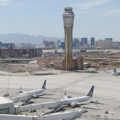

Overview of Idaho Falls Regional Airport
Introduction to the Airport
Idaho Falls Regional Airport is the primary commercial aviation hub serving eastern Idaho and the surrounding Rocky Mountain region. Located in the city of Idaho Falls, this airport plays a critical role in connecting a geographically vast but sparsely populated area to major U.S. airline hubs. Despite being classified as a regional airport, it functions as a strategic gateway for tourism, business travel, government movement, and seasonal travel related to national parks.
The airport is widely used by travelers heading to Yellowstone National Park, Grand Teton National Park, Jackson Hole, and nearby outdoor destinations. Due to its proximity to these high-demand tourism areas, Idaho Falls Regional Airport experiences strong seasonal traffic, especially during spring, summer, and early fall.
Regional Importance and Connectivity
Idaho Falls Regional Airport is not just a local facility—it serves as a regional connector for eastern Idaho, western Wyoming, and parts of Montana. Many travelers choose this airport as an alternative to larger, busier airports because of its easier navigation, shorter security lines, and faster ground access.
The airport supports:
- Domestic leisure travelers visiting national parks
- Business travelers connected to energy, agriculture, and technology sectors
- Government and defense-related movements
- Local residents seeking reliable air connectivity
Its operational efficiency and location make it one of the most important regional airports in the state of Idaho.
Location and Accessibility Context
The airport is situated along North Skyline Drive, providing direct road access from downtown Idaho Falls and nearby communities such as Rexburg and Ammon. Unlike congested metropolitan airports, this facility offers smooth vehicle access, minimal traffic delays, and quick curbside drop-offs, which significantly improves the overall passenger experience.
Due to its location, travelers can reach the terminal within minutes from most parts of the city, making it a preferred departure point for early-morning and late-evening flights.
Airport Classification and Role
Idaho Falls Regional Airport is a public-use airport operated under municipal authority. While it does not handle long-haul international flights, it plays a vital role in the domestic aviation network by feeding passengers into major hub airports such as Salt Lake City, Denver, and Seattle. These connections allow seamless onward travel to national and international destinations.
The airport is designed to balance efficiency, safety, and passenger comfort while supporting steady growth in regional air travel demand.
Key Airport Information Table
| Category | Details |
|---|---|
| Official Name | Idaho Falls Regional Airport |
| Airport Code (IATA) | IDA |
| ICAO Code | KIDA |
| Airport Type | Public Regional Airport |
| City Served | Idaho Falls |
| State | Idaho |
| Address | 2140 N Skyline Dr, Idaho Falls, ID |
| Managing Authority | City of Idaho Falls |
| Primary Function | Domestic passenger flights |
| Major Travel Purpose | Tourism, business, regional connectivity |
| Nearby Attractions | Yellowstone National Park, Grand Teton National Park |
Why Idaho Falls Regional Airport Matters to Travelers
For many travelers, this airport represents a stress-free alternative to larger hubs. Short walking distances, efficient terminal operations, and quick baggage handling contribute to a smoother journey. Families, elderly passengers, and first-time flyers often find this airport easier to navigate compared to major international terminals.
Additionally, its role as a gateway to some of the most visited national parks in the United States makes it an essential infrastructure asset for tourism-driven travel.
Airport Location, Address, and Directions
Exact Location and Physical Address
Idaho Falls Regional Airport is located on the northern edge of the city of Idaho Falls, Idaho, along North Skyline Drive, a well-connected arterial road that links the airport directly with downtown and surrounding residential areas. Its location is strategically chosen to provide quick access while avoiding dense urban congestion, making airport entry and exit smooth for both local residents and visiting travelers.
Official Address
2140 North Skyline Drive,
Idaho Falls, ID, United States
The airport sits at a short driving distance from the city center, which allows travelers to move between the terminal and hotels, business districts, and residential neighborhoods in a very short time frame.
Distance from Downtown and Nearby Areas
Idaho Falls Regional Airport is positioned close enough to the city to be convenient, yet far enough to allow uninterrupted aviation operations. This balance is one of the key advantages of the airport’s location.
| Starting Point | Approximate Distance | Average Drive Time |
|---|---|---|
| Downtown Idaho Falls | 3–4 miles | 8–10 minutes |
| Ammon, ID | 6–7 miles | 12–15 minutes |
| Rexburg, ID | 30–32 miles | 35–40 minutes |
| Idaho Falls City Center Hotels | 3–6 miles | 10–15 minutes |
This proximity makes the airport ideal for early morning departures and late-night arrivals, as travelers do not need to plan for long ground transfers.
Road Access and Driving Directions
The airport is easily accessible via major local roads, with North Skyline Drive serving as the primary approach route. Clear road signage directs drivers toward the terminal area well before arrival, reducing the chance of confusion for first-time visitors.
Key driving characteristics include:
- Direct road access without tolls
- Minimal traffic congestion compared to large city airports
- Clearly marked entry and exit lanes
- Easy access to parking and rental car return areas
Drivers coming from surrounding towns such as Rexburg or Ammon typically use state highways that connect seamlessly with city roads leading to the airport.
Public and Ground Transportation Context
While Idaho Falls does not operate large-scale rail or metro systems, the airport’s location makes it well-suited for ground transportation services. Taxis, rideshare vehicles, hotel shuttles, and private cars can reach the terminal quickly due to the short travel distances and simple road layout.
For visitors unfamiliar with the area, the airport’s placement on the city’s northern side also helps avoid heavy downtown traffic during peak hours, improving arrival reliability.
Location Advantages for Travelers
The geographic placement of Idaho Falls Regional Airport offers several practical advantages:
- Faster curb-to-terminal access
- Shorter travel times from hotels and residential areas
- Easier navigation compared to large metropolitan airports
- Direct outbound routes toward Yellowstone, Grand Teton, and western Wyoming
Because of this, many travelers prefer using this airport as their primary entry and exit point when visiting eastern Idaho and nearby national parks.
Airport Code and Identification Details
Understanding the Idaho Falls Regional Airport Code
Idaho Falls Regional Airport is officially identified by the IATA airport code IDA, which is the most commonly used code by airlines, booking platforms, and travelers. This three-letter code is assigned by the International Air Transport Association and is essential for identifying the airport in ticketing systems, flight schedules, baggage tags, and boarding passes.
When passengers search for flights, book tickets online, or track arrivals and departures, the code IDA is the primary identifier used across all commercial aviation platforms.
IATA Code (IDA) Explained
The IATA code IDA is designed for passenger-facing use and appears in:
- Airline booking engines
- Mobile boarding passes
- Flight itineraries
- Luggage tags
- Airport departure and arrival boards
Travelers flying into or out of Idaho Falls will always see IDA listed as the destination or origin code, regardless of the airline or route.
ICAO Code and Aviation Use
In addition to the IATA code, Idaho Falls Regional Airport is also assigned an ICAO code: KIDA. The ICAO code is primarily used for:
- Air traffic control operations
- Pilot navigation systems
- Flight planning and routing
- Aviation weather reporting
Unlike the IATA code, which is passenger-oriented, the ICAO code is used behind the scenes by aviation professionals to manage safe and efficient aircraft operations.
Difference Between IATA and ICAO Codes
Understanding the difference between these two codes helps clarify their roles in aviation systems.
| Code Type | Airport Code | Primary Usage |
|---|---|---|
| IATA Code | IDA | Passenger booking, tickets, baggage, schedules |
| ICAO Code | KIDA | Air traffic control, pilots, navigation systems |
Both codes refer to the same airport, but they serve different operational purposes within the aviation industry.
Why Airport Codes Matter for Travelers
Airport codes reduce confusion, especially when multiple airports may serve similar regions or city names. For Idaho Falls Regional Airport, the use of IDA ensures:
- Accurate flight bookings
- Correct baggage routing
- Efficient airline and airport coordination
- Clear identification across global airline systems
For travelers planning trips to eastern Idaho, Yellowstone National Park, or surrounding destinations, recognizing the IDA code helps avoid booking errors and ensures smooth travel planning.
Practical Travel Tip
When searching for flights online, always confirm that the destination airport code is IDA to ensure you are booking flights to Idaho Falls Regional Airport and not to a nearby alternative airport
Airlines Operating at Idaho Falls Regional Airport
Overview of Airline Operations
Idaho Falls Regional Airport is served by a mix of major U.S. airlines and their regional partners, ensuring consistent domestic connectivity for eastern Idaho. Although the airport does not handle international commercial flights, its airline network is designed to connect passengers efficiently to major hub airports across the United States.
Airline operations at this airport focus on reliability, frequency, and seasonal demand, particularly driven by tourism to Yellowstone National Park, Grand Teton National Park, and surrounding outdoor destinations.
Major Airlines Serving the Airport
Several well-established U.S. airlines operate scheduled services at Idaho Falls Regional Airport. These carriers typically connect the airport to large hub cities, allowing travelers to access national and international routes through one-stop connections.
The primary airlines operating here include:
- Delta Air Lines
- United Airlines
- American Airlines
- Alaska Airlines (seasonal operations on select routes)
These airlines use a combination of mainline and regional aircraft to match passenger demand while maintaining frequent service.
Seasonal vs Year-Round Service
Airline activity at Idaho Falls Regional Airport varies by season. During peak travel months—especially late spring through early fall—additional flights and seasonal routes may be introduced to support increased tourism traffic.
Seasonal patterns typically include:
- Expanded schedules during summer tourism season
- Reduced frequency in winter months (weather-dependent)
- Increased demand for routes connected to national parks
This flexibility allows airlines to adjust capacity while maintaining essential connectivity year-round.
Airline Destinations and Hub Connectivity
Most flights from Idaho Falls Regional Airport are routed through major airline hubs. These hubs serve as transfer points for onward domestic and international travel.
| Airline | Typical Hub Connections | Service Type |
|---|---|---|
| Delta Air Lines | Salt Lake City, Minneapolis (via connections) | Year-round |
| United Airlines | Denver, Chicago (via connections) | Year-round |
| American Airlines | Dallas/Fort Worth, Phoenix (via connections) | Year-round |
| Alaska Airlines | West Coast hubs | Seasonal |
This hub-and-spoke model allows travelers from Idaho Falls to reach hundreds of global destinations with minimal layovers.
Why Airline Choice Matters for Travelers
The presence of multiple airlines benefits passengers by:
- Providing competitive fares
- Offering multiple schedule options
- Allowing loyalty program usage
- Reducing dependency on a single carrier
For both leisure and business travelers, this diversity ensures flexibility and convenience when planning trips to or from Idaho Falls.
Flights, Routes, and Popular Destinations
Overview of Flight Connectivity
Idaho Falls Regional Airport offers reliable domestic air service designed to connect eastern Idaho with major U.S. airline hubs. Rather than operating point-to-point flights to numerous cities, the airport follows a hub-and-spoke model that enables travelers to reach hundreds of national and international destinations with one convenient connection.
This structure supports both leisure travelers heading to national parks and business travelers who require dependable schedules and efficient transfers.
Popular Departure and Arrival Routes
Flights from Idaho Falls Regional Airport commonly connect to major hub airports where passengers can transfer onward. These routes are among the most frequently used due to schedule availability, connection options, and overall reliability.
| Origin / Destination Hub | Typical Use Case | Travel Importance |
|---|---|---|
| Salt Lake City | Fast regional connections | High |
| Denver | National & international transfers | High |
| Dallas/Fort Worth | Long-haul domestic connections | Medium |
| Seattle | West Coast and Alaska routes | Medium |
| Phoenix | Seasonal leisure and business travel | Seasonal |
These routes provide travelers with flexibility when planning trips across the U.S. and beyond.
Flights To Idaho Falls Regional Airport
Inbound flights to Idaho Falls Regional Airport are commonly used by:
- Tourists visiting Yellowstone and Grand Teton National Parks
- Travelers visiting friends and family in eastern Idaho
- Business travelers working in energy, agriculture, and regional industries
Most inbound flights arrive via hub connections, ensuring consistent service even when direct city-to-city demand is limited.
Flights From Idaho Falls Regional Airport
Outbound flights from the airport serve as the primary departure point for residents of Idaho Falls and nearby communities. Travelers typically use these routes to:
- Connect to major metropolitan cities
- Access international flights via hub airports
- Travel for business conferences and meetings
- Begin leisure trips across the United States
Early morning departures are common, allowing same-day connections to distant destinations.
Seasonal Route Variations
Flight schedules and available routes may vary depending on the season. During peak tourism months, airlines often increase flight frequency or add temporary routes to handle higher passenger demand. In contrast, winter schedules may be more limited due to weather conditions and reduced travel volume.
Seasonal factors influencing routes include:
- Summer tourism to national parks
- Winter weather operations
- Holiday travel demand
- Airline fleet availability
Why Route Planning Matters
Understanding available routes helps travelers:
- Choose the most efficient connection
- Minimize layover time
- Select preferred airlines and loyalty programs
- Plan travel around seasonal demand
For visitors heading to eastern Idaho or nearby natural attractions, Idaho Falls Regional Airport serves as a practical and well-connected gateway within the U.S. domestic flight network.
Flight Schedule, Arrivals, and Departures
Understanding Flight Schedules
Idaho Falls Regional Airport operates on a structured domestic flight schedule designed to align with major airline hub connections. Most flights are timed to support efficient same-day transfers, allowing passengers to connect onward to national and international destinations with minimal layover times.
Flight schedules at the airport are influenced by airline planning, seasonal demand, and weather conditions, which is common for regional airports serving tourism-driven regions.
Arrivals at Idaho Falls Regional Airport
Inbound flights typically arrive from major hub airports during morning, afternoon, and evening windows. These arrival patterns are planned to ensure smooth passenger flow through the terminal, quick baggage handling, and efficient ground transportation access.
Key characteristics of arrivals include:
- Steady morning arrivals supporting overnight connections
- Afternoon arrivals aligned with national hub schedules
- Evening arrivals for same-day business and leisure travel
The airport’s compact terminal layout allows passengers to exit quickly after landing, making ground transfers faster than at larger airports.
Departures from the Airport
Departures from Idaho Falls Regional Airport are often scheduled earlier in the day, particularly for flights connecting to large hubs. Early departures allow travelers to reach their final destinations within the same day, even when traveling long distances.
Typical departure patterns include:
- Early morning flights to hub airports
- Midday departures for regional connections
- Limited late-night departures due to airport operating hours
Passengers are generally advised to arrive at the terminal well ahead of scheduled departure times, especially during peak travel seasons.
Typical Daily Flight Pattern
The following table provides a general overview of how flight activity is distributed throughout the day. Actual schedules may vary depending on airline operations and seasonal demand.
| Time Period | Arrival Activity | Departure Activity | Passenger Volume |
|---|---|---|---|
| Early Morning | Moderate | High | Medium–High |
| Late Morning | Low–Moderate | Moderate | Medium |
| Afternoon | Moderate | Moderate | Medium |
| Evening | Moderate | Low | Low–Medium |
Checking Real-Time Flight Status
Travelers are encouraged to check real-time arrival and departure information before heading to the airport. Flight schedules may change due to:
- Weather conditions
- Aircraft availability
- Air traffic control requirements
- Seasonal operational adjustments
Most airlines provide live updates through their official websites and mobile apps, which is especially useful during winter months when weather disruptions are more likely.
Travel Timing Tips for Passengers
To ensure a smooth experience:
- Arrive early for morning departures, as these are often the busiest
- Allow extra time during summer tourism season
- Monitor flight status on the day of travel
- Consider earlier flights for important connections
Because of its manageable size and efficient operations, Idaho Falls Regional Airport generally offers a predictable and traveler-friendly scheduling experience compared to larger international airports.
Terminal Facilities and Passenger Services
Terminal Layout and Design
Idaho Falls Regional Airport features a single, modern passenger terminal designed for efficiency and ease of movement. The compact layout allows travelers to move from curbside drop-off to the boarding gate in a short amount of time, which is one of the airport’s biggest advantages compared to larger international hubs.
The terminal is organized to minimize walking distances, reduce congestion, and provide clear sightlines for first-time visitors. Signage is straightforward, helping passengers navigate check-in, security, and boarding areas without confusion.
Check-In and Ticketing Services
The check-in area is located near the terminal entrance and includes airline ticket counters and self-service kiosks. These facilities are designed to handle peak travel periods efficiently, especially during summer tourism months.
Check-in services typically include:
- Airline-operated ticket counters
- Self-service kiosks for boarding passes
- Baggage drop-off counters
- Assistance desks for special travel needs
Because of the airport’s size, check-in lines are generally shorter than those at large metropolitan airports.
Security Screening Experience
Security screening at Idaho Falls Regional Airport is managed in a single centralized checkpoint. The screening process is typically quick and orderly, contributing to reduced overall airport wait times.
Key characteristics of security operations:
- One main security checkpoint
- Shorter wait times during non-peak hours
- TSA screening for all departing passengers
- Clear instructions and efficient passenger flow
Travelers are still advised to arrive early during busy seasons, but overall security processing remains smooth and predictable.
Waiting Areas and Boarding Gates
Beyond security, passengers have access to a comfortable waiting area with seating near the boarding gates. The boarding zones are located close to one another, which simplifies gate changes and announcements.
Waiting areas typically offer:
- Comfortable seating
- Charging stations for electronic devices
- Clear flight information displays
- Easy access to restrooms and amenities
The calm and less crowded atmosphere is often appreciated by families, elderly travelers, and business passengers.
Accessibility and Special Assistance
The terminal is designed to accommodate travelers with disabilities and special requirements. Accessibility features are integrated throughout the building to ensure safe and independent movement.
Available accessibility services include:
- Wheelchair-accessible entrances and restrooms
- Assistance services upon request
- Clearly marked accessible parking nearby
- Staff support for elderly and special-needs passengers
Passengers requiring additional assistance are encouraged to inform their airline in advance for a smoother experience.
Passenger Comfort and Overall Experience
One of the standout features of Idaho Falls Regional Airport is its passenger-friendly environment. The combination of a compact terminal, efficient services, and lower passenger volumes results in a less stressful travel experience.
For travelers who value speed, convenience, and simplicity, the terminal facilities at this airport provide a comfortable and efficient alternative to larger, more congested airports.
Parking Facilities and Options
Overview of Parking at the Airport
Idaho Falls Regional Airport provides convenient, traveler-friendly parking facilities designed to support both short-term and long-term passengers. Unlike large international airports where parking can be complex and time-consuming, parking here is simple, close to the terminal, and easy to navigate.
The parking areas are located within walking distance of the terminal building, eliminating the need for shuttle buses in most cases. This setup is especially helpful for families, elderly travelers, and passengers carrying luggage.
Types of Parking Available
The airport offers clearly designated parking areas to suit different travel durations and passenger needs. Whether travelers are dropping someone off, parking for a business trip, or leaving their vehicle for several days, suitable options are available.
| Parking Type | Best For | Key Features |
|---|---|---|
| Short-Term Parking | Pick-ups and drop-offs | Close to terminal, quick access |
| Long-Term Parking | Multi-day trips | Cost-effective, walkable distance |
| Accessible Parking | Passengers with disabilities | Located near terminal entrances |
Each parking area is well-marked and designed for smooth vehicle flow.
Short-Term Parking
Short-term parking is ideal for travelers who are:
- Dropping off or picking up passengers
- Parking for a few hours
- Accompanying family members into the terminal
This parking area is located closest to the terminal entrance, allowing quick access without long walking distances.
Long-Term Parking
Long-term parking is suitable for passengers traveling for several days or longer. It offers a balance between affordability and convenience, with spaces located slightly farther from the terminal but still within a manageable walking distance.
Long-term parking benefits include:
- Lower daily rates compared to short-term parking
- Easy vehicle access
- Safe and monitored parking environment
Payment Methods and Parking Access
Parking payment systems at the airport are designed to be simple and efficient. Travelers typically encounter fewer delays when entering or exiting parking areas compared to larger airports.
General parking features include:
- Clearly marked entry and exit points
- Simple payment process
- Easy-to-read signage
Travelers are encouraged to review current parking rates and policies before arrival, especially during peak travel seasons.
Accessibility and Safety
Parking facilities include designated accessible spaces near terminal entrances to support travelers with mobility needs. The parking areas are well-lit and maintained to ensure safety during early morning or late-night travel hours.
Security measures and visibility contribute to a comfortable parking experience for both short-term and long-term users.
Parking Tips for Travelers
To make parking smoother:
- Arrive early during peak summer travel months
- Choose long-term parking for multi-day trips
- Keep parking receipts accessible
- Allow extra time during winter weather conditions
Thanks to its manageable size and thoughtful layout, parking at Idaho Falls Regional Airport is generally stress-free and efficient, adding to the airport’s overall convenience.
Car Rental Services at the Airport
Overview of Rental Car Availability
Idaho Falls Regional Airport offers on-site car rental services, making it easy for travelers to begin their journey immediately after arrival. Rental counters are conveniently located within or adjacent to the terminal area, allowing passengers to pick up vehicles without needing off-site shuttles.
Car rentals are especially popular at this airport due to its role as a gateway to Yellowstone National Park, Grand Teton National Park, and surrounding rural destinations where public transportation options are limited.
Rental Car Companies Operating at the Airport
Several nationally recognized rental car providers operate at Idaho Falls Regional Airport, offering a range of vehicles suitable for short city trips, long highway drives, and outdoor travel.
| Rental Company Type | Vehicle Options | Ideal For |
|---|---|---|
| Major National Brands | Sedans, SUVs, vans | Families, business travelers |
| Regional Operators | Economy and standard vehicles | Budget-conscious travelers |
| Seasonal Fleet Expansion | Larger SUVs | National park visitors |
Availability may vary by season, with higher demand during peak summer tourism months.
Pick-Up and Drop-Off Process
The car rental pick-up process at the airport is designed to be straightforward and time-efficient. After collecting luggage, travelers can proceed directly to the rental counters to complete paperwork and receive vehicle instructions.
Key aspects of the process include:
- Short walking distance from baggage claim
- Clear signage directing travelers to rental desks
- Simple vehicle pick-up and inspection process
For returns, rental car drop-off areas are clearly marked and located close to the terminal, allowing travelers to return vehicles quickly before departure.
Booking Tips and Seasonal Demand
Due to increased visitor traffic during late spring, summer, and early fall, rental vehicles can sell out quickly. Advance booking is strongly recommended during these periods, especially for larger vehicles such as SUVs that are preferred for national park travel.
Helpful booking tips:
- Reserve vehicles in advance during peak seasons
- Choose SUVs for mountainous or winter travel
- Review fuel and mileage policies carefully
- Allow extra time for returns during busy travel days
Why Renting a Car Is Recommended
Renting a car from Idaho Falls Regional Airport provides travelers with flexibility and independence, particularly when exploring nearby attractions and natural landmarks. Many popular destinations are spread out across rural areas, making personal transportation the most practical option.
For visitors planning multi-day trips or outdoor excursions, car rental services at the airport offer a convenient and reliable transportation solution.
Dining, Food Options, and Passenger Amenities
Food and Beverage Availability Inside the Terminal
Idaho Falls Regional Airport offers a selection of basic yet convenient food and beverage options designed to meet the needs of travelers before departure and after arrival. While the airport does not feature large food courts like major international hubs, the available options are sufficient for light meals, snacks, and refreshments.
Food services inside the terminal are positioned to be easily accessible from the waiting and boarding areas, allowing passengers to grab refreshments without leaving the secure zone.
Types of Food Options Available
Passengers can typically expect:
- Grab-and-go snack counters
- Coffee and beverage services
- Light meal options suitable for short waits
- Vending machines for quick refreshments
These options are especially useful for early morning departures when travelers may not have time to dine outside the airport.
Dining Options Near the Airport
For travelers with additional time before flights or those arriving in Idaho Falls, a wider range of dining choices is available within a short drive of the airport. Nearby restaurants include casual dining spots, fast-food outlets, and local eateries serving regional cuisine.
Dining near the airport is ideal for:
- Travelers arriving early for flights
- Passengers with long layovers
- Families and groups seeking full meals
- Visitors wanting local food options
Because of the airport’s proximity to the city, reaching nearby restaurants typically takes only a few minutes.
Passenger Amenities Inside the Terminal
In addition to dining services, the terminal provides essential passenger amenities designed to improve comfort and convenience during the travel experience.
Common amenities include:
- Clean and well-maintained restrooms
- Seating areas near boarding gates
- Flight information display screens
- Charging points for electronic devices
These facilities support both short stays and longer waiting periods without overcrowding.
Convenience Services for Travelers
The airport’s amenities focus on practicality and ease of use. Travelers benefit from:
- Easy access to restrooms and seating
- Clear signage for amenities
- Compact terminal design that reduces walking distances
This setup is particularly helpful for elderly travelers, families with children, and passengers with limited mobility.
What to Expect Compared to Larger Airports
While Idaho Falls Regional Airport does not offer luxury lounges or extensive retail shopping, it compensates with:
- Shorter lines
- Faster service
- Less congestion
- A calmer travel environment
For many travelers, this simplicity enhances the overall experience by reducing stress and saving time.
Tips for Food and Amenities Planning
To plan effectively:
- Eat before arriving if you prefer full-service dining
- Use nearby restaurants if arriving early
- Carry snacks for late-night or limited-service hours
- Keep chargers accessible for device use
Overall, the dining and amenities at Idaho Falls Regional Airport are designed to support efficient, comfortable travel while maintaining the airport’s reputation for simplicity and ease of use.
Airport Jobs, Ownership, and Management
Ownership and Administrative Structure
Idaho Falls Regional Airport is a publicly owned airport operated under the authority of the City of Idaho Falls. The airport is managed as a municipal facility, with oversight focused on safety, operational efficiency, infrastructure development, and long-term regional connectivity.
Being city-owned allows the airport to align its operations with local economic goals, tourism development, and community needs. Strategic decisions related to expansion, maintenance, and service improvements are typically guided by city administration in coordination with aviation authorities and regulatory bodies.
Airport Management and Operations
Day-to-day operations at the airport are handled by an airport management team responsible for:
- Terminal and airfield operations
- Airline coordination
- Safety and security compliance
- Maintenance of facilities and infrastructure
- Passenger service standards
The management team works closely with airlines, federal aviation agencies, and service providers to ensure smooth and compliant airport operations throughout the year.
Employment Opportunities at the Airport
Idaho Falls Regional Airport supports a variety of direct and indirect employment opportunities, making it an important contributor to the local job market. Jobs at and around the airport are offered through multiple employers, including the airport authority, airlines, security agencies, and private service companies.
Common job categories include:
- Airport operations and administration
- Airline customer service and ground handling
- Security and screening services
- Maintenance and technical support
- Car rental and concession services
These roles may be full-time, part-time, or seasonal, depending on operational demand.
Seasonal and Tourism-Driven Employment
Due to increased passenger traffic during peak tourism seasons, especially in spring and summer, the airport often experiences a rise in seasonal employment opportunities. Additional staffing may be required to support:
- Higher flight volumes
- Increased ground services
- Expanded airline operations
- Customer service demand
Seasonal roles are particularly common in customer-facing positions and ground support services.
Leasing, Commercial, and Business Operations
Beyond passenger services, the airport also supports commercial and aviation-related businesses through leasing opportunities. These may include:
- Airline office spaces
- Car rental operations
- Aviation service providers
- Support facilities and equipment storage
Such commercial activities contribute to the airport’s financial sustainability while supporting regional economic growth.
Role in the Local Economy
As a transportation hub, Idaho Falls Regional Airport plays a vital role in:
- Supporting tourism to national parks
- Enabling business travel and trade
- Creating employment opportunities
- Enhancing regional accessibility
Its public ownership model ensures that airport development continues to serve both travelers and the broader Idaho Falls community.
Access to Yellowstone, Grand Teton, and Nearby Destinations
Strategic Gateway for National Park Travel
Idaho Falls Regional Airport serves as a key entry point for travelers visiting some of the most iconic natural destinations in the United States. Its geographic position in eastern Idaho makes it a practical alternative to busier regional airports, especially for visitors planning road trips to national parks and scenic mountain areas.
Because of reliable flight connectivity and efficient ground access, many travelers choose this airport as their starting point for outdoor-focused itineraries.
Travel to Yellowstone National Park
Yellowstone National Park is one of the most popular destinations accessed from Idaho Falls Regional Airport. Travelers frequently use the airport as a base before driving to Yellowstone’s western and southern entrances.
Key travel highlights:
- Scenic driving routes through eastern Idaho
- Access to major park entrances via highway connections
- Availability of rental cars suitable for park terrain
- Popular for summer sightseeing and wildlife viewing
This route is especially favored by visitors who want flexibility and fewer crowds at entry points.
Access to Grand Teton National Park
Grand Teton National Park is another major attraction reachable from the airport. The park is known for its dramatic mountain landscapes, hiking trails, and photography opportunities.
Travelers often combine visits to both Yellowstone and Grand Teton in a single trip, using Idaho Falls as a convenient arrival and departure point.
Jackson Hole and Western Wyoming Connections
Jackson Hole and the surrounding Jackson Hole Valley are popular destinations for travelers flying into Idaho Falls. While Jackson has its own airport, some visitors prefer Idaho Falls due to:
- More consistent flight availability
- Competitive airfare options
- Easier car rental access during peak seasons
From Idaho Falls, travelers can reach Jackson Hole by road, enjoying scenic routes along the way.
Distance and Travel Time Overview
The following table outlines approximate distances and driving times from Idaho Falls Regional Airport to key destinations.
| Destination | Approximate Distance | Estimated Drive Time |
|---|---|---|
| Yellowstone National Park | 110–125 miles | 2–2.5 hours |
| Grand Teton National Park | 95–110 miles | 2–2.25 hours |
| Jackson Hole, WY | 90–100 miles | 1.75–2 hours |
| Island Park, ID | 80–90 miles | 1.5–2 hours |
Travel times may vary based on weather, road conditions, and seasonal traffic.
Best Transportation Options
Most visitors rely on rental cars when traveling from the airport to nearby parks and destinations. Personal vehicles allow:
- Flexible travel schedules
- Easy access to park entrances
- Stops at scenic viewpoints and towns
- Better handling of luggage and outdoor gear
Public transportation options are limited in these regions, making car travel the most practical choice.
Seasonal Travel Considerations
Seasonality plays a major role in planning trips from the airport to national parks:
- Summer offers peak access and full park services
- Spring and fall provide fewer crowds but variable weather
- Winter travel may involve snow conditions and limited park access
Travelers are advised to check weather forecasts and road conditions before departure, particularly outside the summer season.
Why Idaho Falls Is a Preferred Starting Point
For many visitors, Idaho Falls Regional Airport offers the right balance of:
- Convenient flight access
- Manageable airport size
- Quick ground transportation options
- Strategic proximity to major attractions
This combination makes it a reliable and traveler-friendly gateway for exploring eastern Idaho, western Wyoming, and the surrounding national parks.
Weather Conditions and Best Time to Travel
Overview of Local Climate
Idaho Falls Regional Airport is located in eastern Idaho, a region known for distinct seasonal weather patterns. Weather conditions play an important role in travel planning, especially for passengers connecting to national parks or traveling during winter months. Understanding the local climate helps travelers choose the best time to fly and prepare appropriately.
The area experiences cold winters, mild springs, warm summers, and cool autumns, with weather varying significantly throughout the year.
Seasonal Weather Breakdown
Winter (December to February)
Winter in Idaho Falls is typically cold, with snowfall and freezing temperatures common. While the airport remains operational, weather conditions can occasionally affect flight schedules.
Key winter considerations:
- Snow and ice may cause delays
- Early morning flights may be impacted by frost
- Extra travel time is recommended
- Warm clothing is essential for ground travel
Despite winter conditions, the airport is well-equipped to handle snow removal and runway maintenance.
Spring (March to May)
Spring brings gradually warming temperatures, though weather can be unpredictable. Snow may still occur in early spring, especially in surrounding mountainous areas.
Spring travel notes:
- Mixed weather conditions
- Fewer crowds compared to summer
- Improving road access to nearby destinations
- Good time for budget-conscious travelers
This season is suitable for travelers who prefer quieter travel periods and flexible itineraries.
Summer (June to August)
Summer is the busiest and most popular travel season at Idaho Falls Regional Airport. Warm temperatures and clear conditions make it ideal for tourism, especially for visits to Yellowstone and Grand Teton National Parks.
Summer advantages:
- Stable weather and clear skies
- Peak airline schedules and flight availability
- Full access to national parks
- Best conditions for road travel
Due to high demand, travelers are encouraged to book flights, rental cars, and accommodations well in advance.
Fall (September to November)
Fall offers cooler temperatures and scenic landscapes, making it an appealing travel season for many visitors. Passenger traffic begins to decrease after summer, resulting in a calmer airport experience.
Fall travel benefits:
- Fewer tourists and lighter crowds
- Comfortable daytime temperatures
- Scenic autumn views
- Generally reliable flight operations
Weather can change quickly toward late fall, so monitoring forecasts is advised.
Best Time to Travel Through the Airport
The best time to travel through Idaho Falls Regional Airport largely depends on the traveler’s purpose:
- For tourism and national park visits: June to September
- For fewer crowds and lower demand: April to May and September to October
- For winter activities or business travel: December to February (with weather awareness)
Summer remains the most reliable period for flight schedules and road access, while shoulder seasons offer a balance between weather and crowd levels.
Weather-Related Travel Tips
To ensure smooth travel:
- Check weather forecasts before departure
- Allow buffer time during winter months
- Book earlier flights when possible
- Monitor airline notifications for schedule changes
Thanks to efficient operations and preparedness, Idaho Falls Regional Airport maintains reliable service throughout the year, but weather awareness remains essential for a hassle-free journey.
Reviews, Passenger Experience, and Travel Tips
Overall Passenger Experience
Idaho Falls Regional Airport is generally recognized for offering a smooth, low-stress travel experience, especially when compared to larger international airports. Many travelers appreciate the airport’s manageable size, efficient operations, and friendly atmosphere, which together contribute to quicker processing times and reduced congestion.
Passengers often highlight the ease of moving through the terminal, from check-in to security and boarding, as one of the airport’s strongest advantages.
Common Feedback from Travelers
Based on typical passenger sentiment, reviews frequently mention:
- Short security wait times
- Clean and well-maintained facilities
- Helpful airport and airline staff
- Easy parking and terminal access
For travelers who prefer simplicity over large, crowded terminals, the airport is often viewed as a practical and traveler-friendly option.
Strengths of the Airport Experience
The airport’s strengths are closely tied to its regional scale and focused operations.
Key strengths include:
- Compact terminal with minimal walking distances
- Faster baggage claim compared to major hubs
- Calm and organized environment
- Straightforward navigation for first-time visitors
These factors make the airport particularly suitable for families, elderly passengers, and travelers who value efficiency.
Areas Where Expectations Should Be Managed
While the airport performs well in terms of convenience, travelers should be aware of its limitations as a regional facility.
Common considerations include:
- Limited dining and shopping options
- Fewer daily flight choices compared to major airports
- Seasonal variation in airline schedules
Understanding these limitations helps travelers plan accordingly and avoid unrealistic expectations.
Travel Tips for First-Time Visitors
To make the most of the airport experience:
- Arrive early during summer and holiday travel periods
- Book rental cars in advance for national park trips
- Monitor flight status during winter months
- Use early morning flights for better connection reliability
Because of the airport’s efficiency, most travelers find that arriving earlier than necessary is rarely required outside of peak seasons.
Who Benefits Most from This Airport
Idaho Falls Regional Airport is particularly well-suited for:
- Travelers visiting Yellowstone and Grand Teton
- Passengers seeking a quieter airport experience
- Business travelers with tight schedules
- Local residents preferring nearby departures
Overall, the airport delivers a consistent and dependable passenger experience, making it a preferred choice for regional travel in eastern Idaho.
Frequently Asked Questions (FAQs)
What is the airport code for Idaho Falls Regional Airport?
Idaho Falls Regional Airport uses the IATA airport code IDA. This code appears on flight tickets, boarding passes, baggage tags, and airline booking platforms. The ICAO code used for aviation operations is KIDA.
What airlines fly into Idaho Falls Regional Airport?
The airport is served by major U.S. airlines and their regional partners. These carriers primarily connect Idaho Falls to large hub airports, allowing passengers to access domestic and international destinations through one-stop connections.
How far is Idaho Falls Regional Airport from Yellowstone National Park?
The airport is approximately 110 to 125 miles from Yellowstone National Park, depending on the entrance used. The average driving time is 2 to 2.5 hours, making Idaho Falls a popular gateway for park visitors.
Is parking available at Idaho Falls Regional Airport?
Yes, the airport offers short-term and long-term parking within walking distance of the terminal. Parking facilities are easy to access and are considered convenient compared to larger airports.
Are car rental services available at the airport?
Yes, on-site car rental services are available at Idaho Falls Regional Airport. Rental cars are strongly recommended for travelers planning to visit nearby national parks or surrounding rural areas.
How early should I arrive before my flight?
Passengers are generally advised to arrive at least 90 minutes before departure for domestic flights. During peak summer travel or winter weather conditions, allowing extra time is recommended.
Does the airport operate international flights?
Idaho Falls Regional Airport primarily handles domestic flights. International travel typically requires connecting through major hub airports served by the airlines operating from IDA.
Are there hotels near Idaho Falls Regional Airport?
Yes, there are several hotels located within a short drive of the airport, including options that offer airport shuttle services. Downtown Idaho Falls hotels are also easily accessible due to the airport’s proximity to the city.
What is the best time of year to travel through this airport?
The summer months (June to September) are the most popular due to favorable weather and full access to national parks. Spring and fall offer fewer crowds, while winter travel may involve weather-related considerations.
Who owns and manages Idaho Falls Regional Airport?
The airport is publicly owned and operated by the City of Idaho Falls. It is managed as a municipal airport with a focus on regional connectivity, safety, and economic development.
Is Idaho Falls Regional Airport suitable for first-time flyers?
Yes, the airport is considered very beginner-friendly due to its compact terminal, clear signage, short lines, and straightforward passenger flow.