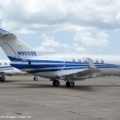

Overview of Macon Downtown Airport
Macon Downtown Airport is a well-known general aviation airport located in Macon, Georgia, serving as an important aviation hub for private pilots, flight training, business aviation, and educational institutions. Unlike large commercial airports that focus on airline passenger traffic, this airport primarily supports non-commercial aviation activities, making it a vital infrastructure asset for the region’s aviation ecosystem.
Situated close to the city center, the airport plays a strategic role in connecting downtown Macon with aviation services that support local businesses, aviation students, emergency operations, and recreational flying. Its location allows easy access for pilots and operators who prefer a less congested airfield compared to major commercial airports in Georgia. This makes the downtown Macon airport particularly attractive for flight schools, private aircraft owners, and corporate aviation users.
From an operational perspective, Macon Downtown Airport is designed to efficiently handle general aviation movements, including training flights, charter operations, and private aircraft arrivals and departures. The airport is also closely associated with aviation education in the region, especially through its connection with Middle Georgia State University, which uses the airport extensively for flight training and academic aviation programs.
Role of Macon Downtown Airport in Georgia’s Aviation Network
Macon Downtown Airport holds a distinct position within Georgia’s broader aviation network. While commercial air travel in the region is handled by larger nearby airports, this airport complements them by focusing on aviation accessibility, skill development, and operational flexibility. It acts as a feeder and support airport, ensuring that general aviation traffic does not overload commercial terminals while still receiving dedicated infrastructure and services.
The airport also supports regional economic activity by enabling faster business travel, pilot training programs, and aviation-related employment. For aviation enthusiasts and professionals alike, Macon Downtown Airport represents a practical, well-structured facility that balances operational efficiency with educational and community needs.
Airport Type and Primary Usage
Macon Downtown Airport is classified as a general aviation airport, which defines the type of services and aircraft typically seen on the field. Its primary usage includes flight instruction, private and corporate aviation, aircraft maintenance activities, and aviation-related academic training. This specialization allows the airport to maintain a focused operational environment that meets the needs of pilots and aviation organizations without the complexity of scheduled airline operations.
Key Functions of the Airport
The airport supports multiple aviation functions that are essential to the region. These include pilot certification training, routine aircraft operations, aviation safety practices, and support services offered through on-site facilities. Its infrastructure is aligned with these objectives, ensuring smooth ground operations and safe air traffic management.
Summary of Core Airport Details
| Detail | Information |
|---|---|
| Airport Name | Macon Downtown Airport |
| Airport Type | General Aviation |
| City | Macon |
| State | Georgia |
| Primary Use | Flight training, private & business aviation |
| Regional Role | Aviation education and general aviation hub |
This overview establishes Macon Downtown Airport as a specialized, purpose-driven aviation facility that plays a crucial role in supporting general aviation activities in Macon, Georgia. It sets the foundation for understanding the airport’s location, facilities, operations, and services, which will be explored in the following sections.
Location, Address, and Airport Code
Macon Downtown Airport is strategically positioned to serve the city of Macon and the surrounding central Georgia region. Its location close to the urban core makes it especially convenient for pilots, students, and aviation professionals who need quick access to the city without the congestion typically associated with large commercial airports. The airport’s placement supports its role as a general aviation and training-focused facility rather than a passenger airline hub.
Where Macon Downtown Airport Is Located
The airport is located in Macon, Georgia, within easy reach of downtown business districts, educational institutions, and major roadways. This proximity allows for efficient ground transportation and quick transfers between the airport and key parts of the city. For general aviation users, this means reduced travel time, easier logistics, and greater flexibility compared to airports situated far outside city limits.
From a regional perspective, the airport serves as an important access point for central Georgia, supporting aviation activity that ranges from local flight training to visiting private and corporate aircraft. Its location reinforces its importance as a community-based airport designed to meet specialized aviation needs.
Macon Downtown Airport Address
The official address of the airport is an essential reference for pilots, visitors, service providers, and logistics planning. It is used for navigation, flight planning documentation, and ground transportation arrangements.
Physical Address Details
The airport is located at Macon Downtown Airport, Macon, Georgia, with road access that connects it directly to the city’s main routes. Being situated near downtown simplifies access for students attending aviation programs, airport staff commuting daily, and aviation businesses operating on or near the field.
Airport Code and Identification
Every airport is identified by official codes that are used in aviation operations, charts, and flight planning systems. Macon Downtown Airport is primarily identified by its FAA airport code, which is used by pilots, air traffic services, and aviation authorities across the United States.
Importance of the Airport Code
The airport code plays a critical role in:
- Filing flight plans
- Identifying the airport on aeronautical charts
- Coordinating air traffic and ground operations
- Supporting training and instructional activities
For general aviation airports, the FAA code is especially important because it ensures accurate identification within national aviation systems, even when the airport does not handle commercial airline flights.
Quick Reference Table: Location and Identification
| Detail | Information |
|---|---|
| Airport Name | Macon Downtown Airport |
| City | Macon |
| State | Georgia |
| Airport Type | General Aviation |
| Airport Code | FAA-designated code |
| Area Served | Downtown Macon and central Georgia |
This section clarifies where Macon Downtown Airport is located, how it can be accessed, and how it is officially identified within aviation systems. Understanding the airport’s location, address, and code is essential before exploring its facilities, operations, and services in greater detail in the next sections.
Airport Layout, Facilities, and Diagram
Macon Downtown Airport is designed to support general aviation operations with a practical and efficient airfield layout. The airport’s infrastructure focuses on safe aircraft movement, training efficiency, and smooth ground handling rather than large-scale passenger processing. This makes the airport especially suitable for flight schools, private pilots, and aviation-related institutions operating in and around Macon, Georgia.
Runway Configuration and Airfield Design
The airfield at Macon Downtown Airport is structured to accommodate a wide range of general aviation aircraft, including single-engine trainers, multi-engine aircraft, and business aviation planes. The runway system is planned to ensure safe takeoffs and landings while supporting frequent training operations, which are a major part of daily airport activity.
Runway Characteristics and Usage
The runway layout allows for:
- Continuous flight training circuits
- Private and corporate aircraft movements
- Day-to-day general aviation traffic
The runway surface and length are suitable for common training and private aircraft, ensuring operational reliability under normal weather conditions. Taxiways are positioned to allow efficient movement between runways, hangars, and operational areas without unnecessary delays.
Airport Diagram and Operational Areas
The airport diagram represents how different functional zones are organized across the airfield. These include runways, taxiways, hangar areas, aircraft parking zones, and support facilities. Understanding this layout is essential for pilots, students, and operators to navigate the airport safely and efficiently.
Key Operational Zones
The airport is divided into clearly defined areas that support aviation activity:
- Aircraft movement areas such as runways and taxiways
- Hangars and aircraft storage zones
- Training and instructional operation areas
- Service and maintenance access points
This organized structure helps reduce congestion and enhances safety, particularly during peak training hours when multiple aircraft may be operating simultaneously.
Ground Facilities and Infrastructure
Macon Downtown Airport includes essential ground facilities required for daily aviation operations. These facilities are designed to support aircraft servicing, storage, and pilot needs while maintaining compliance with aviation safety standards.
Core Infrastructure Elements
The airport infrastructure supports:
- Aircraft parking and tie-down spaces
- Hangars for long-term and short-term aircraft storage
- Operational buildings supporting aviation activities
These facilities ensure that pilots and aviation organizations can operate efficiently without relying on external airports for routine needs.
Summary Table: Runway and Layout Information
| Component | Description |
|---|---|
| Airport Type | General Aviation |
| Runway System | Single primary runway configuration |
| Runway Usage | Training, private, and business aviation |
| Taxiways | Connect runway to hangars and parking areas |
| Hangar Areas | Aircraft storage and operational support |
| Operational Focus | Flight training and general aviation |
This section provides a clear understanding of the layout, facilities, and operational structure of Macon Downtown Airport. With its well-organized airfield design and focused infrastructure, the airport effectively supports general aviation activity and sets the stage for discussing flights, services, and specialized operations in the next sections.
Flights and Aviation Operations
Macon Downtown Airport supports a wide range of aviation operations focused on general aviation rather than scheduled airline service. The airport’s operational model is designed to provide flexibility, safety, and efficiency for pilots, students, and aviation organizations that rely on frequent movements and training activity. This operational focus clearly differentiates it from nearby commercial airports and defines how flights function at this facility.
Commercial Flight Availability at the Airport
Macon Downtown Airport does not operate regular commercial airline passenger flights. Instead, it serves as a dedicated environment for non-commercial aviation. This distinction is important for travelers and aviation users, as it sets clear expectations regarding the type of aircraft and services available at the airport.
Why Commercial Airlines Do Not Operate Here
The airport’s infrastructure and mission are centered on:
- General aviation traffic
- Flight instruction and pilot training
- Private and business aircraft operations
Because of this specialization, commercial airline routes are handled by other regional airports with passenger terminals, security screening, and airline support systems. This allows Macon Downtown Airport to remain efficient and uncongested for its primary users.
Types of Flights Operating at Macon Downtown Airport
The majority of flights at the airport fall under general aviation operations, which include a diverse mix of aviation activity throughout the day. These operations are essential for aviation education, business travel, and private flying within central Georgia.
Flight Training Operations
Flight training represents a significant portion of daily activity at the airport. Student pilots conduct takeoffs, landings, navigation exercises, and pattern work as part of structured training programs. These flights are typically operated by training aircraft and follow standardized procedures to ensure safety and consistency.
Private and Business Aviation
Private aircraft owners and business operators also regularly use the airport. These flights may include corporate travel, executive transportation, and personal aviation trips. The airport’s proximity to downtown Macon makes it especially convenient for business aviation users who value quick access to the city.
Charter and Special Operations
In addition to training and private flights, the airport may support limited charter operations and specialized aviation activities. These flights are conducted under general aviation regulations and benefit from the airport’s dedicated facilities and controlled operating environment.
Operational Characteristics and Flight Environment
The operational environment at Macon Downtown Airport is structured to support frequent aircraft movements with minimal delays. Air traffic patterns are managed to accommodate training circuits alongside visiting aircraft, maintaining a balance between instructional needs and transient traffic.
Safety and Traffic Management
Key operational priorities include:
- Clear traffic patterns for training flights
- Predictable runway usage
- Coordinated ground and air movements
These practices help maintain a safe and orderly operating environment, particularly during periods of high training activity.
Overview of Flight Operations
| Operation Type | Description |
|---|---|
| Commercial Flights | Not available |
| Flight Training | Primary daily activity |
| Private Aviation | Regular private aircraft use |
| Business Aviation | Corporate and executive travel |
| Charter Operations | Limited, non-scheduled |
This section explains how flights and aviation operations function at Macon Downtown Airport, emphasizing its role as a general aviation and training-focused facility. Understanding these operational characteristics helps clarify why the airport is an essential part of the region’s aviation infrastructure and prepares the reader for the next section on specialized services and support facilities.
Fixed Base Operator (FBO) Services
Macon Downtown Airport offers Fixed Base Operator (FBO) services that are tailored to meet the daily needs of general aviation pilots, flight schools, and business aircraft operators. These services form the operational backbone of the airport, ensuring that aircraft, crew, and passengers receive essential support while maintaining efficient turnaround times and safe ground operations.
Role of FBO Services at the Airport
The FBO at Macon Downtown Airport plays a critical role in supporting continuous aviation activity. Because the airport is heavily used for flight training and private aviation, FBO services are structured to handle frequent movements, routine servicing, and pilot requirements without disruption. This setup allows the airport to function smoothly even during peak training hours.
Importance for General Aviation Users
For general aviation airports, the presence of reliable FBO services is essential. At Macon Downtown Airport, these services ensure that pilots can refuel, park, maintain, and prepare their aircraft efficiently. This is particularly important for training operations, where multiple aircraft may require repeated servicing throughout the day.
Core FBO Services Available
The airport’s FBO provides a range of standard aviation services designed to support both short-term and long-term operations. These services focus on safety, convenience, and operational readiness rather than luxury passenger amenities found at commercial airports.
Aircraft Fueling and Ground Handling
Fueling services are a central part of FBO operations. Aircraft arriving at the airport can access aviation fuel required for training flights, private trips, and business operations. Ground handling support ensures safe aircraft movement during parking, refueling, and departure preparation.
Hangar and Aircraft Parking Facilities
Hangar space and tie-down areas are available to support aircraft storage and protection. These facilities are particularly valuable for flight schools and private aircraft owners who operate from the airport on a regular basis. Proper aircraft storage contributes to safety, maintenance efficiency, and long-term asset protection.
Maintenance and Operational Support
Basic maintenance support and coordination services are part of the FBO’s operational role. These services help ensure aircraft remain airworthy and compliant with aviation standards, supporting uninterrupted training and private operations.
Pilot and Crew Support Facilities
In addition to aircraft-focused services, the FBO supports pilots and crew members by providing essential amenities that enhance operational efficiency.
Pilot Amenities and Operational Assistance
These may include briefing areas, rest spaces, and coordination support for flight planning. Such facilities are especially important in training environments, where instructors and students spend extended periods at the airport.
Summary Table: FBO Services Overview
| FBO Service | Availability | Purpose |
|---|---|---|
| Aircraft Fueling | Available | Supports training, private, and business flights |
| Ground Handling | Available | Safe aircraft movement and parking |
| Hangar Storage | Available | Aircraft protection and long-term storage |
| Tie-Down Parking | Available | Short-term aircraft parking |
| Maintenance Support | Limited | Routine servicing and operational readiness |
| Pilot Facilities | Available | Flight planning and crew support |
This section highlights how FBO services at Macon Downtown Airport support the airport’s general aviation mission. With practical, aviation-focused services, the FBO ensures that pilots, students, and operators can carry out their activities efficiently, setting the stage for understanding the airport’s strong connection to aviation education and training in the next section.
Middle Georgia State University and Aviation Training
Macon Downtown Airport has a strong and well-established connection with Middle Georgia State University, making the airport a central hub for aviation education and pilot training in the region. This relationship significantly shapes how the airport operates on a daily basis and explains the high volume of structured training activity seen on the airfield.
Role of the Airport in Aviation Education
The airport functions as a practical training ground for students enrolled in aviation-related programs. Instead of relying solely on classroom-based instruction, students gain hands-on experience by operating aircraft, practicing flight procedures, and learning real-world airport operations directly from an active aviation environment. This integration of academic learning with live flight operations enhances skill development and professional readiness.
Academic and Practical Training Integration
The airport supports a learning model where theoretical knowledge is reinforced through direct application. Students are exposed to:
- Aircraft handling and flight procedures
- Airfield operations and safety protocols
- Communication and coordination in active airspace
This approach ensures that graduates are familiar with real operational conditions rather than simulated environments alone.
Flight Training Programs and Daily Operations
Flight training conducted at Macon Downtown Airport forms a significant portion of daily aircraft movements. Training flights typically include takeoff and landing practice, navigation exercises, and controlled traffic pattern operations. These activities are carefully managed to maintain safety while allowing consistent learning opportunities for students.
Structured Training Environment
The airport’s general aviation focus allows training flights to operate without interference from commercial airline schedules. This creates a controlled and predictable environment that is ideal for instructional flying. Instructors can conduct repeated training cycles efficiently, which is essential for skill progression and certification requirements.
Impact on Airport Activity and Infrastructure
The presence of aviation education programs directly influences airport infrastructure and operational priorities. Facilities, runway usage, and scheduling practices are aligned to support continuous training activity throughout the day.
Long-Term Benefits to the Region
By supporting aviation education, the airport contributes to:
- Development of skilled aviation professionals
- Growth of aviation-related employment
- Strengthening of the local and regional aviation industry
Graduates trained at the airport often continue into professional aviation careers, reinforcing the airport’s role as a foundational training center.
Summary Table: Aviation Education at the Airport
| Aspect | Details |
|---|---|
| Educational Partner | Middle Georgia State University |
| Primary Training Focus | Pilot and aviation-related programs |
| Training Environment | Active general aviation airport |
| Student Activities | Flight training and operational practice |
| Regional Impact | Workforce development and aviation growth |
This section demonstrates how Macon Downtown Airport functions as an educational aviation hub, not just an operational airfield. Its close association with Middle Georgia State University strengthens both institutions and plays a vital role in developing the next generation of aviation professionals, leading naturally into discussions about careers and employment opportunities connected to the airport.
Careers and Job Opportunities at Macon Downtown Airport
Macon Downtown Airport supports a variety of career opportunities linked to its role as a general aviation and aviation-education hub. Employment at the airport is driven by daily operational needs, flight training activity, aircraft support services, and administrative functions. These roles collectively ensure safe, efficient, and compliant airport operations.
Types of Careers Available at the Airport
Job opportunities at the airport typically span operational, technical, and support functions. Because the airport does not handle scheduled commercial airline traffic, roles are more specialized toward general aviation and training-focused operations.
Airport Operations and Administration
Operational and administrative roles focus on the smooth functioning of airport activities. These positions support coordination, compliance, and day-to-day management of facilities and airfield operations.
Key responsibilities may include:
- Airport operations coordination
- Safety and compliance monitoring
- Facility and airfield management support
- Administrative and clerical functions
These roles are essential for maintaining regulatory standards and ensuring that aviation activity runs efficiently.
Aviation and Technical Roles
Technical careers are closely linked to aircraft activity at the airport. These positions support flight operations, maintenance, and instructional services.
Common technical roles may include:
- Aircraft maintenance support
- Line service and ground operations staff
- Flight instructors and training support personnel
- Aviation safety and operations assistants
These roles often require aviation-related certifications or technical training and are critical to supporting both student pilots and private aircraft operators.
Education and Training-Related Employment
Due to the airport’s strong connection with aviation education, employment opportunities may also exist in instructional and academic support areas. These roles contribute directly to pilot training and aviation program delivery.
Examples include:
- Flight instructors
- Training coordinators
- Aviation program support staff
Such positions allow professionals to combine operational aviation experience with teaching and mentorship.
Skills and Qualifications Commonly Required
Careers at Macon Downtown Airport generally require a combination of aviation knowledge, technical skills, and safety awareness. Depending on the role, qualifications may range from basic administrative experience to advanced aviation certifications.
Core Skill Areas
Employers typically value:
- Understanding of aviation safety standards
- Familiarity with airport operations
- Strong communication and coordination skills
- Technical or instructional expertise for aviation roles
Hands-on experience in aviation environments is often a key advantage for applicants.
Employment Environment and Career Growth
Working at the airport offers exposure to real-world aviation operations in a controlled and professional environment. Employees often gain practical experience that can support long-term career growth within the aviation industry.
Long-Term Career Benefits
Airport-based careers can lead to:
- Advancement into senior operational roles
- Progression within aviation training and education
- Opportunities across the broader aviation sector
Because the airport is closely tied to training and development, it also serves as a stepping stone for individuals pursuing professional aviation careers.
Summary Table: Career Opportunities Overview
| Career Area | Example Roles | Primary Focus |
|---|---|---|
| Airport Operations | Operations staff, administration | Safety and coordination |
| Technical Aviation | Maintenance, ground support | Aircraft readiness |
| Training & Education | Flight instructors, coordinators | Pilot development |
| Support Services | Administrative staff | Daily airport functions |
This section highlights how careers at Macon Downtown Airport are shaped by its general aviation and educational focus. Employment opportunities here are ideal for individuals seeking hands-on experience, specialized aviation roles, or long-term growth within the aviation industry.
Frequently Asked Questions About Macon Downtown Airport
This section addresses the most common informational and navigational questions users search for related to Macon Downtown Airport. These answers are written to provide clear, accurate information and to help readers quickly understand how the airport operates and what it is used for.
What is Macon Downtown Airport used for?
Macon Downtown Airport is primarily used for general aviation activities. This includes flight training, private aircraft operations, business aviation, and aviation education. The airport plays an important role in supporting pilot training programs, especially those connected with local educational institutions, and provides a dedicated environment for non-commercial aviation without the congestion of airline traffic.
Does Macon Downtown Airport have commercial passenger flights?
No, Macon Downtown Airport does not offer scheduled commercial airline passenger flights. The airport is designed specifically for general aviation purposes. Travelers looking for commercial airline services typically use other nearby regional or international airports that are equipped with passenger terminals and airline facilities.
What is the airport code for Macon Downtown Airport?
Macon Downtown Airport is identified by an FAA-designated airport code, which is used by pilots, air traffic services, and aviation systems across the United States. This code is essential for flight planning, navigation charts, and operational coordination, particularly for general aviation pilots.
Is Macon Downtown Airport connected to aviation education?
Yes, the airport has a strong connection to aviation education and pilot training. It is actively used for structured flight training programs, providing students with real-world flying experience in an operational airport environment. This educational role significantly contributes to the high level of daily training activity at the airport.
What types of aircraft operate at the airport?
The airport mainly accommodates general aviation aircraft, including single-engine and multi-engine training aircraft, private planes, and business aviation aircraft. These aircraft are typically used for instructional flying, personal travel, and corporate operations rather than commercial airline transport.
Are Fixed Base Operator services available at the airport?
Yes, Macon Downtown Airport offers FBO services that support general aviation operations. These services include aircraft fueling, parking and storage, ground handling, and pilot support facilities. FBO services are essential for maintaining smooth daily operations, especially during busy training periods.
Can visitors or aviation enthusiasts access the airport?
While the airport is an active aviation facility, visitors and aviation enthusiasts may observe aircraft activity from designated areas, provided they follow airport rules and safety guidelines. Access to operational zones is typically restricted to authorized personnel to ensure safety.
Is Macon Downtown Airport open to the public?
Yes, Macon Downtown Airport is a public-use airport. While it is open to the public for aviation purposes, access to runways, hangars, and operational areas is restricted to authorized personnel. General visitors can access designated areas while following airport safety and security guidelines.
What type of airport is Macon Downtown Airport?
Macon Downtown Airport is classified as a general aviation airport. It does not function as a commercial airline airport and instead focuses on flight training, private aviation, business aircraft operations, and aviation education.
How far is Macon Downtown Airport from downtown Macon?
The airport is located very close to downtown Macon, making it easily accessible by road. Its proximity to the city center is one of its key advantages, especially for business aviation users, students, and airport staff who require quick ground access.
Is Macon Downtown Airport used for flight training?
Yes, flight training is one of the primary uses of Macon Downtown Airport. The airport supports frequent training flights, including takeoff and landing practice, navigation exercises, and instructional operations conducted throughout the day.