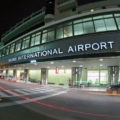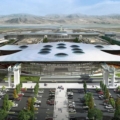

Airport Overview and Introduction
Grand Rapids Gerald R. Ford International Airport at a Glance
Grand Rapids Gerald R. Ford International Airport is the primary commercial aviation hub serving Grand Rapids and the wider West Michigan region. Officially identified by the airport code GRR, this airport plays a critical role in connecting West Michigan to major cities across the United States. It supports both business and leisure travel while maintaining a reputation for efficiency, accessibility, and passenger-friendly operations.
Located southeast of downtown Grand Rapids, the airport is named in honor of Gerald R. Ford, the 38th President of the United States, who was born in Omaha but raised in Grand Rapids. The naming reflects the city’s historical significance and national recognition, making the airport not just a transportation facility but also a symbol of local pride.
Importance of the Airport for West Michigan
Gerald R. Ford International Airport functions as a regional gateway for West Michigan, serving travelers from surrounding cities, suburban communities, and rural areas. For many passengers, this airport provides a more convenient alternative to larger airports in Detroit or Chicago, offering shorter travel times, simpler navigation, and reduced congestion.
The airport supports key industries in the region, including manufacturing, healthcare, education, and tourism. Business travelers rely on GRR for efficient domestic connectivity, while tourists use the airport as an entry point to explore attractions such as Lake Michigan’s shoreline, cultural venues in Grand Rapids, and nearby recreational destinations.
Passenger Experience and Operational Role
One of the defining characteristics of Grand Rapids Gerald R. Ford International Airport is its focus on ease of use. The terminal layout is designed to minimize walking distances, reduce confusion, and allow passengers to move smoothly from curb to gate. Compared to larger international hubs, GRR offers a calmer and more organized travel experience, which is particularly valued by families, elderly travelers, and first-time flyers.
The airport handles a steady volume of domestic flights throughout the year, with seasonal fluctuations during peak travel periods. Despite its “international” designation, most operations focus on domestic routes, with international connectivity typically managed through major U.S. hub airports.
Role in Regional Connectivity
As the main airport in the region, GRR connects West Michigan to major airline hubs, enabling onward travel to international destinations. This hub-and-spoke connectivity makes the airport strategically important for both outbound and inbound travel. Residents of Grand Rapids and nearby cities often choose this airport for its balance of convenience, service quality, and travel efficiency.
Key Airport Information Table
| Detail | Information |
|---|---|
| Official Name | Grand Rapids Gerald R. Ford International Airport |
| Airport Code | GRR |
| City Served | Grand Rapids |
| State | Michigan |
| Region | West Michigan |
| Named After | President Gerald R. Ford |
| Airport Type | Public |
| Primary Function | Commercial passenger air travel |
| Main Focus | Domestic flights with hub connectivity |
| Distance from Downtown Grand Rapids | Approximately 13 miles |
Why This Airport Matters to Travelers
For travelers flying to or from Grand Rapids, Gerald R. Ford International Airport offers a balance of regional convenience and national connectivity. Its manageable size, modern facilities, and strategic location make it a preferred choice for passengers who value efficiency over the complexity of larger airports. Whether traveling for work, leisure, or family visits, the airport serves as a dependable starting point or final destination within West Michigan.
Location and Geographic Importance
Where Grand Rapids Gerald R. Ford International Airport Is Located
Grand Rapids Gerald R. Ford International Airport is located in Kent County, Michigan, southeast of downtown Grand Rapids. The airport sits near the city of Wyoming, Michigan, and is positioned close to several major roadways, making it easily accessible from across the West Michigan region. Its location allows travelers to reach the terminal without passing through dense urban traffic, which significantly improves travel reliability and reduces commute stress.
The airport’s placement is intentional, offering a balance between proximity to the city center and enough surrounding space to support runways, terminals, parking facilities, and future development. This geographic positioning plays a major role in the airport’s smooth operations and long-term scalability.
Distance from Downtown Grand Rapids and Nearby Areas
From downtown Grand Rapids, the airport is approximately 13 miles away. This short distance allows travelers to move quickly between the city’s business districts, hotels, universities, and the airport. The drive time is generally predictable, even during peak hours, compared to larger metropolitan airports.
In addition to serving Grand Rapids itself, the airport is widely used by residents of nearby communities such as Kentwood, Wyoming, Grandville, Rockford, and Holland. Its central placement within West Michigan makes it a practical departure point for travelers who might otherwise face much longer drives to airports in Detroit or other states.
Regional Significance in West Michigan
Gerald R. Ford International Airport functions as the primary aviation gateway for West Michigan. The region includes a mix of urban centers, suburban neighborhoods, and rural areas, all of which rely on this airport for domestic air connectivity. Because West Michigan does not have another large commercial airport of similar scale nearby, GRR effectively serves as the region’s main link to national airline networks.
The airport supports economic activity by enabling efficient travel for professionals in healthcare, manufacturing, education, and technology sectors. It also plays a key role in regional tourism, offering visitors convenient access to cultural attractions in Grand Rapids and seasonal destinations along Lake Michigan’s shoreline.
Proximity to Major Transportation Corridors
One of the airport’s geographic advantages is its closeness to major highways and road networks. This allows for smooth access from multiple directions without complicated navigation. Travelers arriving by car can reach the airport using well-marked routes, while freight, service vehicles, and airport staff benefit from consistent road connectivity.
This proximity to transportation corridors also strengthens the airport’s role in regional logistics and planning. Even though the airport primarily serves passenger travel, its location allows it to integrate efficiently with broader transportation systems across West Michigan.
Geographic Advantage Compared to Other Airports
For many West Michigan residents, Gerald R. Ford International Airport is significantly closer and easier to access than larger airports in Detroit or Chicago. This geographic advantage reduces travel time, lowers transportation costs, and simplifies trip planning. As a result, GRR often becomes the preferred choice for travelers who value convenience and efficiency over sheer flight volume.
Location and Distance Overview Table
| Location Reference | Approximate Distance | Estimated Drive Time |
|---|---|---|
| Downtown Grand Rapids | 13 miles | 20–25 minutes |
| Wyoming, MI | 6–8 miles | 10–15 minutes |
| Kentwood, MI | 5–7 miles | 10–15 minutes |
| Holland, MI | 35 miles | 45–50 minutes |
| Rockford, MI | 25 miles | 35–40 minutes |
| Lake Michigan Shoreline | 45–55 miles | 1–1.25 hours |
Why the Location Matters for Travelers
The location of Grand Rapids Gerald R. Ford International Airport directly enhances the overall travel experience. Shorter travel distances, predictable drive times, and easy highway access make it especially appealing for early-morning departures and late-night arrivals. For both local residents and visitors, the airport’s geographic position supports efficient travel planning and reinforces its role as the central aviation hub of West Michigan.
Terminal Layout and Facilities
Overall Terminal Design and Structure
Grand Rapids Gerald R. Ford International Airport operates with a single, modern passenger terminal designed to keep travel simple, efficient, and easy to navigate. Unlike large multi-terminal airports that require trains or long walking distances, this airport uses a centralized layout that allows passengers to move from curbside to gate with minimal confusion. The terminal is compact but well-organized, making it especially convenient for first-time travelers and families.
The design prioritizes smooth passenger flow, with clear signage, open sightlines, and logically arranged service areas. From ticketing and security screening to boarding gates and baggage claim, each zone is placed to reduce backtracking and unnecessary congestion.
Departures and Arrivals Flow
The terminal is divided functionally rather than structurally, meaning departures and arrivals are handled within the same main building but through clearly separated pathways. Departing passengers enter through the main terminal entrance and proceed to the ticketing and check-in area, followed by centralized security screening. Once through security, travelers have direct access to all concourses and gates without needing to re-clear security.
Arriving passengers exit their aircraft into the secure area, move toward baggage claim on the lower level, and then proceed to ground transportation or parking areas. This separation of flows helps maintain efficiency while keeping the terminal easy to understand.
Gate Areas and Passenger Movement
Gate areas at Gerald R. Ford International Airport are arranged to minimize walking distances and crowding. Seating is positioned near boarding zones, and essential services such as restrooms and charging stations are located close to gates. Large windows provide natural light and outside visibility, which improves comfort and helps passengers stay aware of aircraft activity.
The terminal layout allows passengers to move freely between gate areas after security, making it easier to access dining options, retail outlets, or rest areas regardless of departure gate.
Facilities Available Inside the Terminal
The terminal offers a wide range of passenger-focused facilities designed to support comfort and convenience throughout the travel journey. These facilities are distributed strategically across pre-security and post-security areas to ensure easy access for both departing and arriving passengers.
Key facilities include dining outlets, retail shops, restrooms, family restrooms, business-friendly amenities, and accessibility features. The airport also places emphasis on cleanliness, clear wayfinding, and a calm atmosphere, which contributes to a positive overall experience.
Terminal Facilities Overview Table
| Facility Category | Availability | Details |
|---|---|---|
| Ticketing & Check-in | Yes | Centralized counters for all airlines |
| Security Screening | Yes | Single main checkpoint with efficient flow |
| Boarding Gates | Yes | Accessible from one secure area |
| Restrooms | Yes | Located throughout terminal and gate areas |
| Family Restrooms | Yes | Available for travelers with children |
| Dining Options | Yes | Pre- and post-security locations |
| Retail Shops | Yes | Travel essentials and local products |
| Seating Areas | Yes | Gate-side and common seating zones |
| Charging Stations | Yes | Available near gates and seating areas |
| Natural Lighting | Yes | Large windows in gate areas |
Accessibility and Passenger Comfort Features
The terminal is designed to be fully accessible, with elevators, ramps, and clearly marked assistance points. Wheelchair users and passengers with reduced mobility can move comfortably throughout the terminal without encountering barriers. Seating areas are spaced to allow easy movement, and service desks are positioned at accessible heights.
Comfort-focused features such as climate control, quiet waiting areas, and spacious walkways contribute to a relaxed travel environment. Compared to larger airports, the terminal’s scale helps reduce stress and fatigue, especially during busy travel periods.
Why the Terminal Layout Works Well
The terminal layout at Grand Rapids Gerald R. Ford International Airport reflects a strong focus on practical usability rather than complexity. By keeping everything under one roof and prioritizing clear navigation, the airport ensures that passengers can complete each stage of their journey efficiently. This design philosophy supports faster processing times, better passenger satisfaction, and a consistently smooth airport experience.
Airlines and Destinations
Overview of Airline Operations at the Airport
Grand Rapids Gerald R. Ford International Airport serves as a key regional airport with a strong focus on domestic air travel. The airport is supported by several major and low-cost airlines, providing passengers with reliable connections to important cities across the United States. These airline operations ensure that travelers from West Michigan can reach major business hubs, leisure destinations, and connecting airports without the need to travel to larger metropolitan airports.
The presence of multiple carriers also helps maintain competitive pricing and scheduling flexibility, which benefits both frequent flyers and occasional travelers.
Major Airlines Serving the Airport
The airport is served by a mix of full-service and low-cost airlines. These carriers operate daily and seasonal flights, depending on demand. Most routes connect passengers to larger hub airports, where they can transfer to long-haul domestic or international flights.
Airlines operating at the airport typically focus on:
- High-demand business routes
- Popular leisure destinations
- Hub connections for nationwide and international travel
This combination supports a wide range of travel needs while maintaining operational efficiency.
Domestic Route Connectivity
Most destinations served from Gerald R. Ford International Airport are within the United States. These routes link Grand Rapids to major cities and airline hubs, making onward connections easy and reliable. Travelers commonly use these routes to reach other parts of the country for business, vacations, conferences, and family visits.
Because the airport emphasizes domestic connectivity, passengers benefit from shorter flight times, frequent departures, and predictable schedules throughout the year.
Seasonal and Demand-Based Routes
In addition to year-round routes, the airport may offer seasonal services based on travel demand. These routes often coincide with peak vacation periods or increased leisure travel. Seasonal operations allow airlines to expand destination choices without maintaining year-round capacity on lower-demand routes.
This flexibility ensures that the airport remains responsive to passenger needs while optimizing airline operations.
Airlines and Destinations Overview Table
| Airline Type | Service Focus | Typical Destination Role |
|---|---|---|
| Full-Service Airlines | Daily scheduled flights | Connections to major U.S. hubs |
| Low-Cost Airlines | Budget-friendly routes | Popular leisure and domestic destinations |
| Regional Airlines | Short-haul services | High-frequency regional connections |
| Seasonal Services | Limited-time operations | Vacation and high-demand routes |
Role of Hub Airports in Travel Planning
A significant portion of flights from Grand Rapids Gerald R. Ford International Airport connect to hub airports operated by major airlines. These hubs serve as transfer points for passengers traveling to destinations beyond direct service routes. This hub-and-spoke model allows travelers to reach hundreds of domestic and international destinations with a single connection.
For international travel, passengers typically connect through these hub airports rather than flying directly from Grand Rapids. This system provides flexibility while maintaining a manageable airport size.
Why Airline Diversity Matters
The variety of airlines serving the airport plays an important role in maintaining convenience and affordability. Multiple carriers competing on similar routes help keep fares competitive and offer travelers more scheduling options. This diversity also increases resilience during weather disruptions or operational changes, as passengers may have alternative flight options.
Importance of Destinations for the Region
The destinations served from Grand Rapids Gerald R. Ford International Airport support both economic and social connectivity for West Michigan. Business travelers rely on consistent access to major markets, while leisure travelers benefit from direct or one-stop routes to popular destinations. Together, these airline and destination offerings reinforce the airport’s position as the central air travel hub for the region.
Transportation Options
Ground Transportation Overview at the Airport
Grand Rapids Gerald R. Ford International Airport offers a range of ground transportation options designed to accommodate different travel preferences, budgets, and schedules. Whether passengers prefer driving themselves, using ride-hailing services, or relying on shared transportation, the airport provides organized and clearly marked access points for smooth arrivals and departures.
Transportation services are located close to the terminal, allowing travelers to transition quickly from the airport to their final destination. Clear signage and designated pickup and drop-off areas help reduce congestion and confusion, especially during peak travel times.
Private Vehicles and Personal Drop-Off
Many travelers choose to reach the airport using private vehicles, either by driving themselves or being dropped off by family members or colleagues. The airport features dedicated curbside zones for quick drop-offs and passenger pickups. These areas are positioned close to terminal entrances, making them convenient for travelers with luggage or limited mobility.
Private vehicle access is supported by well-maintained roadways and efficient traffic flow management, ensuring smooth entry and exit from the airport grounds.
Taxi and Ride-Hailing Services
Taxi services and app-based ride-hailing platforms are widely available at Grand Rapids Gerald R. Ford International Airport. Designated pickup zones ensure that these services operate in an organized manner, reducing wait times and improving passenger safety. Ride-hailing options are particularly popular among travelers who prefer door-to-door service without the need to park or navigate unfamiliar roads.
These services provide flexible travel options for both short and long-distance trips, making them suitable for business travelers and visitors unfamiliar with the area.
Shuttle and Shared Transportation Services
Shuttle services offer a practical solution for travelers heading to nearby hotels, business centers, or group destinations. Shared transportation options can be cost-effective, especially for solo travelers or those staying at hotels that offer airport shuttle services.
Shuttles typically operate on scheduled routes, and some require advance booking. Their proximity to the terminal ensures easy boarding and minimal walking distance for passengers.
Public Transportation Access
Public transportation may be available for travelers seeking a budget-friendly option to and from the airport. These services usually connect the airport with central areas of Grand Rapids and nearby communities. While public transit may involve longer travel times compared to taxis or ride-hailing services, it remains a valuable option for cost-conscious travelers and airport employees.
Transportation Options Comparison Table
| Transportation Type | Best For | Convenience Level | Cost Range |
|---|---|---|---|
| Private Vehicle | Families, frequent flyers | High | Varies by parking choice |
| Taxi Services | Direct travel needs | High | Medium |
| Ride-Hailing Services | Flexible, on-demand trips | High | Medium |
| Shuttle Services | Hotel guests, group travel | Medium | Low to medium |
| Public Transportation | Budget travelers | Low to medium | Low |
Accessibility and Assistance Considerations
Transportation services at the airport are designed to support accessibility needs. Vehicles equipped for passengers with mobility challenges are typically available through taxi and shuttle providers. Curbside access points are clearly marked, and airport staff are available to assist passengers who require additional support.
Why Transportation Options Matter
The variety of transportation options at Grand Rapids Gerald R. Ford International Airport ensures that travelers can choose the method that best fits their schedule, budget, and comfort level. Easy access to ground transportation reduces travel stress and enhances the overall airport experience, reinforcing the airport’s role as a convenient and traveler-focused regional hub.
Parking at the Airport
Overview of Parking Facilities
Grand Rapids Gerald R. Ford International Airport provides a well-structured parking system designed to serve short-term, long-term, and extended-stay travelers. Parking facilities are located within close proximity to the terminal, allowing passengers to choose options based on convenience, duration of stay, and budget. Clear signage and organized traffic flow help drivers quickly identify the most suitable parking area upon arrival.
The airport’s parking setup is especially valued by travelers who prefer driving themselves, offering a balance between easy terminal access and cost-effective long-duration parking.
Short-Term Parking Options
Short-term parking is ideal for passengers picking up or dropping off travelers, as well as those taking brief trips. These parking areas are located closest to the terminal entrance, minimizing walking distance and saving time. Short-term parking is commonly used by business travelers who prioritize speed and convenience.
Because of its proximity to the terminal, short-term parking typically carries a higher daily rate, but it offers unmatched accessibility for quick airport visits.
Long-Term and Economy Parking
Long-term and economy parking options are designed for travelers leaving their vehicles at the airport for several days or longer. These areas are situated slightly farther from the terminal but remain easily accessible. Many travelers prefer these options for vacations or extended business trips due to their lower daily rates.
Shuttle services or designated walking paths often connect long-term parking areas to the terminal, ensuring that passengers can reach check-in counters efficiently even when parking farther away.
Accessible Parking and Special Needs
The airport provides designated accessible parking spaces close to terminal entrances for travelers with disabilities or reduced mobility. These spaces are clearly marked and comply with accessibility standards. Additional assistance is available for passengers who may need help moving between parking areas and the terminal.
Accessible parking ensures that all travelers can use airport facilities comfortably and safely, regardless of mobility limitations.
Parking Security and Convenience Features
Parking areas at Gerald R. Ford International Airport are monitored to ensure vehicle safety. Lighting, signage, and regular patrols contribute to a secure parking environment. Payment systems are designed to be straightforward, allowing drivers to enter and exit efficiently without unnecessary delays.
The overall parking experience is structured to reduce stress, particularly during peak travel seasons.
Parking Options Overview Table
| Parking Type | Distance from Terminal | Best For | Cost Level |
|---|---|---|---|
| Short-Term Parking | Very close | Pick-up, drop-off, short trips | High |
| Long-Term Parking | Moderate distance | Multi-day trips | Medium |
| Economy Parking | Farther from terminal | Budget-conscious travelers | Low |
| Accessible Parking | Closest available areas | Passengers with disabilities | Varies |
| Overnight Parking | Designated long-term areas | Extended stays | Medium to low |
Why Parking Choices Matter for Travelers
Choosing the right parking option at Grand Rapids Gerald R. Ford International Airport can significantly affect the overall travel experience. Convenient access reduces walking time and stress, while cost-effective options help travelers manage travel expenses. The airport’s variety of parking facilities ensures that passengers can select the option that best matches their trip duration and personal preferences.
Directions to the Airport
Reaching Grand Rapids Gerald R. Ford International Airport by Road
Grand Rapids Gerald R. Ford International Airport is easy to reach by car due to its location near major highways and well-maintained access roads. Clear signage begins well before the airport boundary, guiding drivers smoothly toward terminal entrances and parking facilities. This straightforward road access is especially helpful for first-time visitors and travelers arriving during peak hours.
The airport’s road network is designed to separate passenger vehicles, commercial traffic, and service vehicles, reducing congestion and improving overall traffic flow.
Driving Directions from Downtown Grand Rapids
From downtown Grand Rapids, the airport is a relatively short and predictable drive. Travelers typically head southeast, using major arterial roads that connect directly to airport access routes. Even during busy periods, the drive remains manageable compared to larger metropolitan airports.
Downtown hotels, business districts, and convention centers are all within easy reach, making the airport convenient for both business and leisure travelers.
Access from Major Highways
The airport benefits from proximity to major regional highways, which allows travelers from surrounding cities and suburbs to reach the terminal without navigating complex urban traffic. These highways provide direct connections from different parts of West Michigan, ensuring consistent travel times and easy navigation.
For travelers coming from outside Grand Rapids, highway access makes the airport a practical choice compared to more distant alternatives.
Signage and On-Site Navigation
Once drivers approach airport property, overhead signs and lane markings clearly indicate routes for:
- Terminal drop-off and pick-up
- Short-term and long-term parking
- Economy parking areas
- Rental car return and service roads
This on-site navigation system helps drivers make decisions early, reducing last-minute lane changes and improving safety.
Estimated Travel Times from Nearby Locations
Travel times to the airport vary depending on starting location and traffic conditions. However, the airport’s placement outside dense urban zones helps maintain relatively stable commute durations throughout the day.
Directions and Travel Time Table
| Starting Location | Primary Route Type | Approximate Distance | Estimated Drive Time |
|---|---|---|---|
| Downtown Grand Rapids | City roads + airport access roads | ~13 miles | 20–25 minutes |
| Wyoming, MI | Local roads | ~6–8 miles | 10–15 minutes |
| Kentwood, MI | City connectors | ~5–7 miles | 10–15 minutes |
| Holland, MI | Highway access | ~35 miles | 45–50 minutes |
| Rockford, MI | Regional highways | ~25 miles | 35–40 minutes |
| Lake Michigan Area | State highways | ~45–55 miles | 1–1.25 hours |
Tips for a Smooth Drive to the Airport
Planning ahead can further simplify the journey to Grand Rapids Gerald R. Ford International Airport. Travelers are encouraged to:
- Allow extra time during early mornings or holiday periods
- Follow airport signage rather than GPS alone when nearing the terminal
- Check traffic conditions in advance during peak travel seasons
Why Easy Directions Matter
Simple and reliable directions play a key role in reducing travel stress. The airport’s accessible road network, clear signage, and predictable travel times make it easy for passengers to arrive on schedule. This convenience reinforces the airport’s reputation as a traveler-friendly gateway for West Michigan.
Gerald R. Ford International Airport Viewing Area
Overview of the Airport Viewing Area
The Gerald R. Ford International Airport viewing area is a dedicated plane-spotting and observation location designed for aviation enthusiasts, families, photographers, and visitors who want to watch aircraft operations up close. This viewing area offers a safe and accessible space where people can observe takeoffs, landings, and ground movements without entering secure airport zones.
Unlike casual roadside spotting locations, the viewing area is intentionally created to provide clear sightlines of the airfield while maintaining safety and security standards. It has become a popular local attraction for residents of Grand Rapids and nearby communities.
Location and Accessibility of the Viewing Area
The viewing area is located outside the passenger terminal, positioned near airport perimeter roads that allow visibility of active runways and taxiways. Clear directional signs guide visitors to the area, making it easy to reach by car without interfering with terminal traffic or airport operations.
Parking is typically available close to the viewing area, allowing visitors to spend time watching aircraft without long walks. The location is suitable for short visits as well as extended plane-spotting sessions.
What Visitors Can See from the Viewing Area
From the viewing area, visitors can observe a variety of aircraft activity depending on the time of day and airline schedules. This often includes:
- Commercial jet arrivals and departures
- Aircraft taxiing between gates and runways
- Ground service operations
- Seasonal variations in airline traffic
Because the airport primarily handles domestic flights, visitors commonly see narrow-body aircraft used for short and medium-haul routes. The viewing area provides a close yet safe perspective on these operations.
Best Time to Visit for Plane Spotting
The best time to visit the viewing area is usually during peak flight activity periods, such as early mornings and late afternoons. Weather conditions also play an important role, as clear skies improve visibility and photography opportunities.
Weekends and holiday travel periods may offer increased aircraft movement, while weekdays often provide more consistent schedules suitable for relaxed viewing.
Family-Friendly and Educational Value
The viewing area is especially popular with families and children. It offers an educational experience where young visitors can learn about aviation, aircraft operations, and airport activity in a real-world setting. The open environment allows parents to introduce children to air travel concepts without the stress of navigating busy terminal spaces.
Schools and aviation enthusiasts also appreciate the viewing area as a practical way to observe airport operations safely.
Viewing Area Information Table
| Feature | Details |
|---|---|
| Location | Airport perimeter, outside terminal |
| Access | Publicly accessible by car |
| Parking Availability | Nearby parking spaces |
| Visibility | Runways, taxiways, aircraft movements |
| Best Visiting Time | Morning and late afternoon |
| Suitable For | Families, photographers, aviation enthusiasts |
| Cost | Free |
| Security | Non-secure public area |
Safety and Visitor Guidelines
Visitors are encouraged to follow posted guidelines when using the viewing area. Staying within designated spaces, respecting barriers, and following local rules help ensure a safe experience for everyone. Because the area is part of the airport environment, visitors should remain aware of traffic and weather conditions.
Why the Viewing Area Is Special
The Gerald R. Ford International Airport viewing area adds a unique dimension to the airport’s role in the community. It transforms aviation from a behind-the-scenes process into a visible and engaging experience. For locals and visitors alike, the viewing area offers a rare opportunity to connect with air travel in a relaxed and enjoyable setting.
Viewing Area Photos and Reviews
What Visitors Commonly Photograph at the Viewing Area
The viewing area at Gerald R. Ford International Airport attracts photographers and casual visitors who enjoy capturing aircraft movements and airfield activity. Photos typically focus on arriving and departing commercial jets, taxiing aircraft, and moments when planes line up for takeoff. Because the viewing area offers relatively open sightlines, visitors can capture wide-angle shots of runways as well as closer views of aircraft against changing skies.
Lighting conditions vary throughout the day, which gives photographers opportunities to capture different moods—from early-morning activity with softer light to late-afternoon scenes with more dramatic contrasts. Weather also plays a role, and clear days tend to produce the most popular photo results.
Types of Aircraft Seen in Photos
Most photos taken at the viewing area feature domestic commercial aircraft, reflecting the airport’s operational focus. Visitors often photograph narrow-body jets commonly used for regional and national routes. Depending on airline schedules and seasons, aircraft liveries from multiple carriers may appear, adding variety to photo collections.
Occasionally, special or less frequent aircraft movements draw extra attention from aviation enthusiasts, making certain days particularly rewarding for plane spotters.
General Visitor Feedback and Impressions
Reviews and visitor feedback related to the viewing area generally highlight its ease of access and relaxed atmosphere. Many visitors appreciate having a designated, safe space to watch aircraft without interfering with airport operations or terminal traffic. Families often mention that the viewing area provides an enjoyable and educational outing for children interested in airplanes.
Photography enthusiasts tend to value the unobstructed views and the ability to spend extended time observing aircraft without time pressure. The viewing area is commonly described as calm and uncrowded, especially compared to terminal environments.
Positive Aspects Commonly Mentioned
Visitors frequently point out several positive elements when sharing their experiences:
- Easy access without needing to enter the terminal
- Free availability with nearby parking
- Clear views of aircraft activity
- Suitable environment for families and hobbyists
These aspects contribute to the viewing area’s reputation as a community-friendly feature of the airport.
Considerations Shared by Visitors
Some visitors note that aircraft activity can vary depending on flight schedules and weather conditions. On quieter days, aircraft movements may be less frequent, which can affect the experience for those hoping to see continuous action. Planning visits around peak travel times often leads to more engaging experiences.
Viewing Area Experience Summary Table
| Aspect | Visitor Feedback |
|---|---|
| Accessibility | Easy to reach by car |
| Photography Opportunities | Good runway and aircraft visibility |
| Family Friendliness | Highly suitable |
| Crowding Levels | Generally low |
| Best Experience Time | Morning and late afternoon |
| Overall Impression | Calm and enjoyable |
Why Photos and Reviews Matter
Photos and reviews help new visitors understand what to expect from the Gerald R. Ford International Airport viewing area. They provide insight into the type of aircraft activity visible, the atmosphere of the location, and the overall experience. For travelers, aviation enthusiasts, and local residents, this shared feedback reinforces the viewing area’s value as a unique and accessible feature of the airport.
Airport Amenities and Services
Overview of Passenger Amenities at the Airport
Grand Rapids Gerald R. Ford International Airport offers a well-balanced range of amenities and passenger services designed to make travel comfortable, efficient, and stress-free. While the airport maintains a manageable size, it provides all essential facilities expected from a modern international airport, ensuring travelers can meet their dining, shopping, connectivity, and relaxation needs without unnecessary complexity.
Amenities are thoughtfully distributed across pre-security and post-security areas, allowing both departing and arriving passengers to access key services conveniently.
Dining and Food Options
The airport features a selection of dining options that cater to different preferences and schedules. Travelers can find quick-service outlets for short layovers as well as sit-down dining options for those with more time before departure. Food services typically focus on convenience, quality, and efficiency, making them suitable for early-morning flights and peak travel hours.
Dining areas are positioned close to gates and waiting zones, allowing passengers to eat without straying far from their boarding areas.
Retail and Shopping Facilities
Retail outlets at the airport provide travelers with access to travel essentials, reading materials, and local products. These shops are particularly useful for last-minute purchases, gifts, and necessities that passengers may need during their journey.
The shopping experience is designed to be quick and accessible, aligning with the airport’s overall emphasis on efficiency and ease of movement.
Connectivity and Business Services
Reliable Wi-Fi access is available throughout the terminal, supporting travelers who need to stay connected for work or personal communication. Business travelers benefit from seating areas that allow laptop use and mobile device charging, making it easier to remain productive while waiting for flights.
Charging stations and power outlets are placed strategically near seating zones and gates to support modern travel needs.
Passenger Comfort and Convenience Services
In addition to dining and retail, the airport provides several services aimed at improving passenger comfort. Restrooms are located throughout the terminal and are maintained to high cleanliness standards. Seating areas are designed to accommodate individuals, families, and groups, offering a mix of open seating and quieter waiting spaces.
Wayfinding signage is clear and consistent, helping passengers navigate services and amenities without confusion.
Airport Amenities Overview Table
| Amenity Category | Availability | Description |
|---|---|---|
| Dining Options | Yes | Quick-service and sit-down food outlets |
| Retail Shops | Yes | Travel essentials and local products |
| Wi-Fi | Yes | Free terminal-wide connectivity |
| Charging Stations | Yes | Available near gates and seating areas |
| Restrooms | Yes | Located throughout the terminal |
| Seating Areas | Yes | Gate-side and common waiting zones |
| Business-Friendly Spaces | Yes | Seating suitable for work and device use |
| Wayfinding Signage | Yes | Clear directional guidance |
Why Amenities Enhance the Travel Experience
Airport amenities play a vital role in shaping the overall passenger experience. At Grand Rapids Gerald R. Ford International Airport, the focus is on providing practical, easy-to-use services rather than overwhelming travelers with excessive options. This approach ensures that passengers can relax, stay connected, and meet their basic needs while moving efficiently through the airport.
Accessibility and Passenger Assistance
Commitment to Accessible Travel
Grand Rapids Gerald R. Ford International Airport is designed to support inclusive and accessible travel for passengers of all abilities. Accessibility considerations are integrated throughout the terminal and surrounding facilities, ensuring that travelers with mobility challenges, sensory needs, or medical requirements can navigate the airport comfortably and independently whenever possible.
The airport’s approach emphasizes clear pathways, barrier-free movement, and readily available assistance, creating a supportive environment from arrival to departure.
Terminal Accessibility Features
The terminal includes a variety of structural and operational features that make movement easier for passengers with disabilities. Entrances, walkways, and interior spaces are designed to accommodate wheelchairs and mobility devices without requiring detours or special routing.
Elevators and ramps connect different levels of the terminal, and floor layouts allow for smooth transitions between check-in, security screening, gate areas, and baggage claim. Seating areas are arranged to leave sufficient space for mobility aids.
Assistance for Passengers with Reduced Mobility
Passengers who require additional help can request assistance through their airline or at designated service points within the terminal. Trained staff are available to support:
- Wheelchair assistance from curb to gate
- Help navigating security screening
- Assistance during boarding and deplaning
This support helps reduce stress and ensures a dignified travel experience for passengers who need extra care.
Support for Sensory and Cognitive Needs
The airport environment is structured to be calm and clearly organized, which benefits travelers with sensory sensitivities or cognitive challenges. Clear signage, consistent layouts, and controlled noise levels in many areas contribute to easier navigation.
Airport staff are trained to provide patient and respectful assistance, helping travelers feel supported throughout their journey.
Family and Medical Travel Support
Travelers with medical needs or those traveling with young children can access family restrooms and designated seating areas. These facilities offer privacy and space, making it easier to manage medical equipment, care routines, or childcare needs.
Medical situations requiring immediate attention can be addressed through coordination with airport staff and emergency services when necessary.
Accessibility and Assistance Overview Table
| Feature | Availability |
|---|---|
| Wheelchair-Accessible Entrances | Yes |
| Elevators and Ramps | Yes |
| Accessible Restrooms | Yes |
| Family Restrooms | Yes |
| Wheelchair Assistance | Available upon request |
| Airline Assistance Services | Yes |
| Clear Wayfinding Signage | Yes |
| Accessible Parking Areas | Yes |
Why Accessibility Matters at the Airport
Accessibility plays a critical role in ensuring that air travel remains available to everyone. By providing thoughtful design, trained assistance, and clear communication, Grand Rapids Gerald R. Ford International Airport helps passengers travel with confidence and independence. These features not only benefit travelers with disabilities but also enhance comfort and ease for all passengers using the airport.
Nearby Hotels and Accommodation
Accommodation Options Near the Airport
Grand Rapids Gerald R. Ford International Airport is surrounded by a variety of hotel and accommodation options that cater to different traveler needs. These accommodations are especially convenient for passengers with early-morning departures, late-night arrivals, or short layovers. Staying near the airport allows travelers to reduce commute time and plan their trips with greater flexibility.
Hotels in the surrounding area range from budget-friendly properties to mid-range and business-oriented accommodations, making it easy for travelers to find a suitable place based on comfort and budget preferences.
Airport-Focused and Business-Friendly Hotels
Many hotels near the airport are designed to serve business travelers and airline passengers. These properties often offer amenities such as early check-in options, flexible check-out times, and work-friendly spaces. Proximity to the airport makes them ideal for overnight stays before flights or brief business visits to Grand Rapids.
Some accommodations are also located near major roadways, allowing easy access to both the airport and downtown areas.
Distance-Based Hotel Convenience
Hotels near Gerald R. Ford International Airport are typically located within a short driving distance. This allows travelers to reach the terminal quickly without relying on long or unpredictable commutes. For those unfamiliar with the area, airport-adjacent hotels provide peace of mind and convenience.
Staying close to the airport can also help travelers manage tight schedules, especially during peak travel seasons or adverse weather conditions.
Suitable Options for Different Travelers
Airport-area accommodations serve a wide range of travelers, including:
- Business professionals attending meetings or conferences
- Families traveling with children
- Travelers on overnight layovers
- Visitors arriving late at night or departing early in the morning
This diversity ensures that travelers can find lodging that matches their specific travel circumstances.
Nearby Hotels Overview Table
| Hotel Category | Approximate Distance from Airport | Best For |
|---|---|---|
| Airport-Area Hotels | 1–3 miles | Short stays, early departures |
| Business Hotels | 2–5 miles | Corporate and professional travelers |
| Budget Accommodations | 3–6 miles | Cost-conscious travelers |
| Mid-Range Hotels | 3–8 miles | Comfort-focused stays |
| Downtown Hotels | 12–15 miles | Extended stays, city access |
Why Staying Near the Airport Is Beneficial
Choosing accommodation near Grand Rapids Gerald R. Ford International Airport offers several practical advantages. Reduced travel time, easier logistics, and predictable commutes help travelers avoid unnecessary stress. For both business and leisure travelers, airport-area hotels provide a convenient base that supports efficient travel planning and a smoother overall journey.
Travel Tips for First-Time Travelers
Planning Ahead for a Smooth Airport Experience
First-time travelers using Grand Rapids Gerald R. Ford International Airport can benefit greatly from a bit of advance planning. Understanding the airport’s layout, services, and typical flow helps reduce uncertainty and ensures a more relaxed travel experience. Because the airport is relatively easy to navigate, preparation mainly focuses on timing, documentation, and familiarity with basic procedures.
Arriving with sufficient time before departure allows travelers to move through check-in and security without rushing, especially during busy travel periods.
Recommended Arrival Times
For domestic flights, travelers are generally advised to arrive at least two hours before departure. This allows enough time for airline check-in, security screening, and boarding. During peak seasons, such as holidays or summer travel months, arriving slightly earlier can help avoid unexpected delays.
Early-morning flights may also require additional planning, as some services operate on limited schedules during off-peak hours.
Navigating the Terminal Efficiently
The single-terminal design of the airport makes navigation straightforward. Clear signage directs passengers to check-in counters, security screening, gates, and amenities. First-time travelers should follow posted signs rather than relying solely on mobile navigation apps once inside the terminal.
Keeping boarding passes and identification easily accessible helps speed up security and boarding processes.
Security Screening Tips
Security screening is a standard part of the airport experience. Travelers can make this process smoother by:
- Wearing easily removable footwear if required
- Placing liquids and electronics in accessible locations
- Following instructions from security personnel
Being prepared at the checkpoint helps maintain a steady flow and reduces wait times for everyone.
Managing Time Between Check-In and Boarding
Once through security, travelers can use remaining time to locate their gate, access dining options, or relax in seating areas. Staying aware of boarding announcements and gate information is important, as changes can occur.
For those unfamiliar with air travel, arriving early and moving calmly through each step can significantly reduce stress.
Seasonal and Weather Considerations
West Michigan weather can vary by season, and weather conditions may affect travel schedules. First-time travelers should monitor weather forecasts and airline updates, especially during winter months. Allowing extra time for ground transportation during adverse weather can help prevent missed flights.
Travel Tips Summary Table
| Tip Category | Recommendation |
|---|---|
| Arrival Time | At least 2 hours before departure |
| Documentation | Keep ID and boarding pass ready |
| Security Prep | Pack liquids and electronics accessibly |
| Terminal Navigation | Follow signage and gate displays |
| Weather Awareness | Check forecasts and allow extra time |
| Boarding Awareness | Monitor announcements and displays |
Why These Tips Matter
Traveling through an airport for the first time can feel overwhelming, but preparation makes a significant difference. By planning ahead, understanding airport procedures, and allowing adequate time, first-time travelers can navigate Grand Rapids Gerald R. Ford International Airport with confidence and ease. These simple tips help ensure a smooth start to any journey.
Frequently Asked Questions (FAQs)
Where is Grand Rapids Gerald R. Ford International Airport located?
Grand Rapids Gerald R. Ford International Airport is located in Kent County, Michigan, southeast of downtown Grand Rapids. The airport sits near the city of Wyoming and is easily accessible from surrounding communities across West Michigan via major roadways.
How far is the airport from downtown Grand Rapids?
The airport is approximately 13 miles from downtown Grand Rapids. Under normal traffic conditions, the drive typically takes 20 to 25 minutes, making it convenient for both business and leisure travelers.
What is the airport code for Grand Rapids Gerald R. Ford International Airport?
The official airport code is GRR. This code is used for flight bookings, luggage tags, and airline schedules.
Does the airport have a viewing area for plane spotting?
Yes, Gerald R. Ford International Airport features a dedicated public viewing area. It is located outside the terminal near the airport perimeter and allows visitors to safely watch aircraft take off, land, and taxi. The viewing area is popular with families, photographers, and aviation enthusiasts.
Is parking available at the airport?
Yes, the airport offers multiple parking options, including short-term, long-term, economy, and accessible parking. These facilities are clearly marked and located at varying distances from the terminal to suit different travel needs and budgets.
What airlines operate at Grand Rapids Gerald R. Ford International Airport?
The airport is served by a mix of major and low-cost domestic airlines. These carriers connect Grand Rapids to important U.S. cities and major airline hubs, allowing passengers to reach a wide range of domestic and international destinations through connecting flights.
Are there dining and shopping options inside the terminal?
Yes, the terminal includes dining outlets and retail shops located in both pre-security and post-security areas. Travelers can find food options, travel essentials, and basic shopping needs while waiting for their flights.
Is the airport accessible for passengers with disabilities?
Yes, the airport is designed to be fully accessible. It includes wheelchair-friendly entrances, elevators, accessible restrooms, designated parking spaces, and assistance services available upon request through airlines or airport staff.
What time should I arrive at Grand Rapids Gerald R. Ford International Airport before my flight?
For most domestic flights, it is recommended to arrive at least two hours before departure. This provides enough time for check-in, security screening, and boarding. During holidays or peak travel seasons, arriving earlier can help avoid delays.
Does Grand Rapids Gerald R. Ford International Airport handle international flights?
While the airport carries the “international” designation, most flights operate within the United States. International travel is typically handled through connecting flights at major U.S. hub airports.
Is public transportation available to and from the airport?
Public transportation options may be available for travel between the airport and central areas of Grand Rapids. These services are generally more economical but may require additional travel time compared to taxis or ride-hailing services.
Are ride-hailing services allowed at the airport?
Yes, ride-hailing services are permitted at Grand Rapids Gerald R. Ford International Airport. Designated pickup and drop-off zones help ensure organized and safe operations for passengers using app-based transportation.
Is there free Wi-Fi available inside the terminal?
Yes, the airport provides free Wi-Fi access throughout the terminal. This allows travelers to stay connected for work, communication, or entertainment while waiting for their flights.
Can I find family-friendly facilities at the airport?
Yes, the airport offers family restrooms and seating areas that support travelers with children. These facilities provide additional space and privacy, making travel more comfortable for families.
Are there hotels located close to the airport?
Yes, several hotels and accommodations are located within a short driving distance of the airport. These hotels are ideal for travelers with early departures, late arrivals, or short overnight stays.