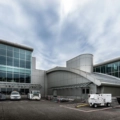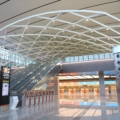

Overview of Kalamazoo Battle Creek International Airport
Kalamazoo Battle Creek International Airport is a key regional airport serving Southwest Michigan, providing essential air connectivity for both leisure and business travelers. The airport is strategically positioned to serve the cities of Kalamazoo, Battle Creek, Portage, and surrounding communities, making it an important transportation hub in this part of the state. Due to its manageable size, modern facilities, and efficient passenger flow, the airport is often preferred by travelers who want a less congested alternative to larger Michigan airports.
The airport supports domestic air travel through multiple major airlines and plays a significant role in regional economic development by facilitating business travel, tourism, cargo movement, and employment opportunities. Over the years, Kalamazoo Battle Creek International Airport has focused on improving passenger experience by upgrading terminal facilities, enhancing security processes, and maintaining reliable ground transportation access. Its close proximity to major highways allows travelers to reach the terminal easily from nearby cities without long travel times.
In addition to commercial passenger services, the airport also supports general aviation, charter flights, and business jets. This multi-purpose functionality makes the airport valuable not only for scheduled airline travelers but also for corporate aviation and private charter operations. The airport’s role extends beyond transportation, as it contributes to regional connectivity, supports local businesses, and strengthens Southwest Michigan’s link to national air networks.
Airport Identity and Regional Importance
Kalamazoo Battle Creek International Airport is commonly referred to by travelers and aviation authorities using its airport code, which helps identify it in flight schedules, booking systems, and air traffic operations. The airport primarily serves regional travel demands, connecting Southwest Michigan to major airline hubs where passengers can access wider national and international routes. Its location between Kalamazoo and Battle Creek allows it to serve a broader catchment area than a city-specific airport.
The airport is particularly important for travelers seeking convenient departures, shorter security lines, and easier parking access compared to large metropolitan airports. These factors make it attractive for frequent flyers, families, and business travelers alike. The airport also supports cargo operations and aviation-related services, further enhancing its role in the local economy.
Role in Passenger Travel and Airport Operations
From a passenger perspective, Kalamazoo Battle Creek International Airport is designed to offer a smooth and efficient travel experience. The terminal layout allows travelers to move quickly from check-in to security and onward to boarding gates. The airport maintains a balance between operational efficiency and passenger comfort by offering essential amenities, accessibility features, and clear wayfinding throughout the terminal.
Operationally, the airport functions as a regional connector, linking Southwest Michigan with major U.S. destinations through direct and connecting flights. It supports daily airline operations, airport security, ground handling, and maintenance services. The airport authority works in coordination with airlines, federal agencies, and local stakeholders to ensure safety, reliability, and service quality across all airport functions.
Key Facts at a Glance
| Detail | Information |
|---|---|
| Airport Name | Kalamazoo Battle Creek International Airport |
| Airport Type | Public International Airport |
| Primary Service Area | Kalamazoo, Battle Creek, Portage & Southwest Michigan |
| Airport Code (IATA) | AZO |
| State | Michigan |
| Ownership | Local / Regional Airport Authority |
| Major Functions | Commercial flights, general aviation, charter services |
| Passenger Focus | Domestic travel and regional connectivity |
Location, Address, and Geographic Setting of Kalamazoo Battle Creek International Airport
Kalamazoo Battle Creek International Airport is located in Southwest Michigan, positioned to efficiently serve multiple cities and surrounding communities. Its geographic placement allows convenient access for travelers coming from Kalamazoo, Battle Creek, Portage, and nearby townships, making it a practical regional airport rather than a city-restricted facility. The airport’s location supports both local and regional travel needs, reducing dependence on larger, more congested airports farther away.
The airport sits close to major road networks, which helps minimize travel time for passengers arriving by car. This strategic positioning is one of the key reasons the airport is widely used by business travelers, students, and families living across Southwest Michigan.
Airport Address and Administrative Location
The official address places the airport within Kalamazoo County, while its service area extends well beyond county limits. Being close to Portage, MI, the airport is easily reachable for travelers coming from residential and commercial zones surrounding Kalamazoo. The address is commonly used for navigation, ride-sharing pickups, freight deliveries, and official correspondence.
From an administrative perspective, the airport is governed by a regional authority, reinforcing its role as a shared infrastructure asset rather than a single-city airport. This structure allows it to serve both Kalamazoo and Battle Creek effectively.
Proximity to Nearby Cities and Towns
One of the major advantages of the airport’s location is its balanced distance from multiple urban centers. Travelers from Kalamazoo can typically reach the terminal within a short drive, while passengers from Battle Creek also benefit from reasonable travel times. Portage residents, in particular, enjoy very quick access due to the airport’s close proximity.
This central positioning increases the airport’s catchment area and contributes to stable passenger demand. It also makes the airport attractive for regional employers, educational institutions, and healthcare facilities that rely on efficient air connectivity.
Geographic Context and Accessibility
The airport is located in a relatively open area, which supports safe aircraft operations and allows room for runway infrastructure, terminal facilities, and future development. The surrounding terrain is typical of Southwest Michigan, with flat landscapes that support reliable year-round operations.
Accessibility is further enhanced by clear road signage and well-maintained approach routes. Travelers using navigation systems can easily locate the airport using its official name or airport code, reducing confusion and improving arrival efficiency.
Location Overview Table
| Location Detail | Information |
|---|---|
| State | Michigan |
| Region | Southwest Michigan |
| County | Kalamazoo County |
| Nearby Cities | Kalamazoo, Battle Creek, Portage |
| Area Type | Regional, multi-city service area |
| Road Access | Connected to major local highways |
| Common Use | Passenger travel, business aviation, logistics |
Airport Code and Official Identifiers of Kalamazoo Battle Creek International Airport
Every airport in the global aviation network is identified through a set of standardized codes that help airlines, air traffic controllers, booking platforms, and travelers recognize it accurately. Kalamazoo Battle Creek International Airport is no exception and is assigned multiple identifiers that serve different operational and commercial purposes. These codes are essential for flight bookings, baggage handling, navigation systems, and aviation safety.
Understanding these identifiers helps travelers read tickets correctly, track flights, and avoid confusion with similarly named airports in other regions.
IATA Airport Code and Its Use
The most commonly used identifier for Kalamazoo Battle Creek International Airport is its IATA code. This three-letter code is widely visible to passengers and is used on airline tickets, boarding passes, baggage tags, and online booking platforms. When travelers search for flights or check itineraries, this code ensures they are selecting the correct airport in Southwest Michigan.
The IATA code is designed to be simple and easy to recognize, making it especially useful for travelers who frequently book flights or compare routes across different airports.
ICAO Code and Aviation Operations
In addition to the IATA code, the airport also has an ICAO code, which is primarily used by pilots, air traffic controllers, and aviation authorities. This four-letter code plays a critical role in flight planning, air traffic management systems, weather reporting, and international aviation coordination.
While passengers may not see the ICAO code on their tickets, it is vital behind the scenes to ensure safe and organized aircraft movements, particularly during takeoff, landing, and en-route navigation.
FAA Identifier and Domestic Regulation
For operations within the United States, Kalamazoo Battle Creek International Airport is also assigned an FAA identifier. This code is used by the Federal Aviation Administration for regulatory, operational, and safety-related purposes. It is commonly referenced in flight plans, pilot briefings, and aviation databases across the country.
The FAA identifier is especially important for domestic flights, general aviation, and airport management activities within U.S. airspace.
Why Airport Codes Matter for Travelers
Airport codes are more than just abbreviations. They help prevent booking errors, streamline airport operations, and ensure that passengers, airlines, and ground services are all aligned. For travelers flying to or from Southwest Michigan, recognizing the correct airport code helps avoid confusion with other Michigan airports or nearby regional facilities.
Using the correct airport code also improves accuracy when checking flight status, arranging ground transportation, or booking hotels near the airport.
Airport Codes Reference Table
| Identifier Type | Code | Primary Usage |
|---|---|---|
| IATA Code | AZO | Tickets, bookings, baggage tags |
| ICAO Code | KAZO | Flight planning, air traffic control |
| FAA Identifier | AZO | U.S. aviation regulation & operations |
Terminal Layout and Airport Infrastructure
Kalamazoo Battle Creek International Airport features a single, modern passenger terminal designed to handle regional passenger volumes efficiently while maintaining a comfortable travel experience. The airport’s terminal layout focuses on simplicity, clear navigation, and reduced walking distances, which is especially beneficial for first-time travelers, families, elderly passengers, and business travelers on tight schedules.
The compact design allows passengers to move smoothly from curbside drop-off to check-in, security screening, and boarding gates without unnecessary complexity. This streamlined layout is one of the reasons many travelers prefer using this airport over larger, busier hubs in Michigan.
Passenger Terminal Design and Flow
The terminal is organized to support a logical passenger flow. Check-in counters, self-service kiosks, and baggage drop areas are positioned close to the main entrance, allowing travelers to complete pre-security procedures quickly. After check-in, passengers proceed to a centralized security screening area that serves all departing flights.
Beyond security, the airside area includes waiting lounges, boarding gates, and passenger amenities arranged to minimize congestion. Clear signage throughout the terminal helps passengers easily locate gates, restrooms, food options, and service desks.
Boarding Gates and Airside Facilities
The airport operates with a limited number of gates appropriate for regional and narrow-body aircraft. This gate configuration supports efficient aircraft turnaround times and helps maintain on-time performance. Boarding procedures are generally straightforward due to shorter walking distances and less crowding compared to major international airports.
Airside facilities are designed to meet essential passenger needs, including seating areas, charging points, and clear boarding announcements. The controlled scale of operations allows airport staff to provide more personalized assistance when required.
Accessibility and Passenger Support Features
Accessibility is an important part of the airport’s infrastructure planning. The terminal is equipped with ramps, elevators, accessible restrooms, and designated assistance areas to support passengers with reduced mobility. Wheelchair services and airline assistance options are available upon request, ensuring compliance with accessibility standards.
The airport also supports travelers with families by offering stroller-friendly pathways and seating arrangements suitable for group travel. These features contribute to an inclusive and traveler-friendly environment.
Infrastructure Supporting Airport Operations
Beyond passenger-facing spaces, the airport includes essential infrastructure such as aircraft aprons, taxiways, maintenance areas, and administrative facilities. These operational zones support daily airline activities, aircraft servicing, fueling, and safety inspections. The airport’s infrastructure is designed to accommodate current traffic levels while allowing flexibility for future upgrades or service expansion.
The surrounding airfield layout supports reliable operations throughout the year, including during adverse weather conditions common in Michigan. This operational resilience is a key factor in maintaining consistent flight schedules.
Terminal and Infrastructure Overview Table
| Component | Description |
|---|---|
| Number of Terminals | Single passenger terminal |
| Gate Type | Regional and narrow-body aircraft gates |
| Check-in Facilities | Airline counters and self-service kiosks |
| Security Screening | Centralized TSA screening area |
| Accessibility | Ramps, elevators, accessible restrooms |
| Airfield Infrastructure | Runways, taxiways, aircraft aprons |
| Operational Areas | Maintenance, fueling, administration |
Airlines Operating at Kalamazoo Battle Creek International Airport
Kalamazoo Battle Creek International Airport is served by a select group of major U.S. airlines that focus on providing reliable regional and domestic connectivity. The airline mix at the airport is designed to connect Southwest Michigan with key national hubs, allowing passengers to access a wide range of onward destinations across the United States through one-stop connections.
Rather than operating as a high-volume international gateway, the airport functions as a regional connector, prioritizing frequency, convenience, and network access over sheer route volume. This airline strategy aligns well with the travel needs of business travelers, students, families, and residents of Kalamazoo, Battle Creek, and nearby cities.
Major Commercial Airlines Serving the Airport
The airport is primarily served by legacy and low-cost carriers that maintain regular scheduled services to major hub airports. These hubs act as transfer points where passengers can connect to domestic and international routes operated by the same airline or its partners.
Airlines operating at the airport typically offer multiple daily flights on select routes, helping travelers choose flexible departure times while maintaining operational efficiency.
Hub Connectivity and Route Strategy
Most airline services from Kalamazoo Battle Creek International Airport are structured around hub-and-spoke routing. This means flights are scheduled to connect passengers to larger airports where extensive route networks are available. From these hubs, travelers can reach destinations across the U.S. and, in some cases, international locations.
This routing strategy reduces the need for long-distance ground travel to larger airports and allows Southwest Michigan travelers to begin their journeys closer to home.
Seasonal and Demand-Based Services
Airline schedules at the airport may vary based on seasonal demand, travel trends, and airline network adjustments. During peak travel periods such as holidays or summer months, airlines may increase flight frequencies or adjust schedules to meet passenger demand. Conversely, some routes may operate with reduced frequency during off-peak seasons.
These changes are typically driven by passenger demand, regional travel patterns, and airline fleet availability.
Airline Operations and Passenger Experience
Due to the airport’s manageable size, airline operations are generally efficient, with shorter boarding times and less congestion at gates. Passengers often benefit from quicker check-in processes and more direct interaction with airline staff. This operational environment contributes positively to the overall travel experience, particularly for travelers who prefer smaller, less crowded airports.
Airlines operating at the airport also coordinate closely with airport management to maintain on-time performance and smooth ground handling operations.
Airlines Overview Table
| Airline Type | Service Focus | Connectivity Role |
|---|---|---|
| Major Legacy Carriers | Scheduled domestic flights | Connections to major U.S. hubs |
| Low-Cost / Regional Airlines | Cost-efficient regional travel | Affordable access to hub airports |
| Charter / Special Services | Limited or seasonal operations | Business and private travel needs |
Flights, Destinations, and Air Connectivity
Kalamazoo Battle Creek International Airport plays a vital role in connecting Southwest Michigan to major air travel networks across the United States. The airport’s flight operations are designed to support efficient domestic travel by offering scheduled services to key hub airports, where passengers can easily transfer to a wide range of onward destinations. This connectivity model allows travelers to access national and limited international routes without the need to travel long distances by road to larger airports.
The airport primarily handles domestic passenger flights, with schedules tailored to meet the needs of business travelers, students, families, and regional commuters. Flight frequency and destination availability are aligned with regional demand, ensuring a balance between convenience and operational efficiency.
Domestic Flight Network and Popular Routes
Flights from Kalamazoo Battle Creek International Airport typically connect passengers to major U.S. airline hubs. These hubs serve as gateways to extensive airline networks, allowing travelers to reach destinations across the country through one-stop connections. Popular routes are often selected based on business travel demand, population movement, and regional economic activity.
Because of its regional focus, the airport emphasizes reliability and consistency over a large number of direct destinations. This approach helps maintain stable schedules and dependable service for frequent flyers.
Flight Scheduling and Frequency
Airline schedules at the airport are structured to provide multiple daily departures on select routes, especially during peak travel hours such as early mornings and late afternoons. This scheduling strategy benefits travelers who need flexibility for same-day business trips or convenient connections.
Flight frequency may change depending on seasonal travel trends, airline network adjustments, and passenger demand. During holiday seasons or high-demand periods, airlines may increase capacity or adjust departure times to accommodate higher passenger volumes.
Arrivals, Departures, and Passenger Flow
Arrivals and departures at the airport are generally well-coordinated due to the airport’s scale and operational efficiency. Short taxi times, streamlined boarding processes, and manageable gate operations contribute to smoother aircraft movements. Passengers often experience quicker boarding and deplaning compared to larger airports.
Flight status information, including arrival and departure times, is made available through airline channels and airport information systems, helping travelers stay informed and plan their journeys effectively.
Flight Delays and Operational Reliability
Like all airports in the region, Kalamazoo Battle Creek International Airport can experience occasional flight delays due to weather conditions, air traffic constraints, or airline operational factors. However, the airport’s relatively uncongested airspace and efficient ground operations often help minimize prolonged delays.
Passengers are encouraged to monitor flight status updates in advance and allow adequate time for airport procedures, particularly during winter months when weather conditions in Michigan can impact schedules.
Flights and Connectivity Overview Table
| Aspect | Details |
|---|---|
| Flight Type | Primarily domestic passenger flights |
| Connectivity Model | Hub-based connections to major U.S. airports |
| Peak Travel Times | Morning and late afternoon departures |
| Schedule Flexibility | Multiple daily flights on select routes |
| Delay Factors | Weather, air traffic, airline operations |
| Passenger Experience | Shorter boarding and taxi times |
Parking Facilities and Options at Kalamazoo Battle Creek International Airport
Parking at Kalamazoo Battle Creek International Airport is designed to be simple, accessible, and traveler-friendly, catering to short trips, extended stays, and frequent flyers alike. Unlike large metropolitan airports where parking can be time-consuming and confusing, this airport offers clearly marked parking areas located close to the terminal, allowing passengers to move quickly between their vehicles and the check-in area.
The parking system supports both convenience and efficiency, making it suitable for business travelers on tight schedules as well as families traveling with luggage. Clear signage and straightforward entry and exit points help reduce congestion and improve overall traffic flow within the airport grounds.
Short-Term Parking and Quick Access Areas
Short-term parking is ideal for passengers who are dropping off or picking up travelers, or those taking brief trips. These parking spaces are typically located nearest to the terminal building, minimizing walking distance and saving time. The layout allows drivers to enter, park, and exit with minimal delays.
This option is commonly used by travelers attending short meetings, greeting arriving passengers, or handling quick airport visits without extended stays.
Long-Term and Extended Parking Options
For travelers planning multi-day trips, long-term parking areas provide a cost-effective solution while maintaining reasonable proximity to the terminal. These parking zones are designed to accommodate vehicles safely for extended periods, offering peace of mind to travelers leaving their cars behind.
Long-term parking is frequently used by vacation travelers, students, and business professionals who prefer driving to the airport rather than arranging alternative transportation.
Economy and Value-Focused Parking Choices
In addition to short- and long-term options, the airport also offers value-oriented parking areas that prioritize affordability. These spaces may be located slightly farther from the terminal but still provide convenient access via clearly defined walking routes.
Economy parking appeals to cost-conscious travelers who want to reduce overall travel expenses while still parking within airport property.
Parking Accessibility and Safety Features
Parking facilities at the airport are designed with accessibility and security in mind. Designated accessible parking spaces are available near terminal entrances, supporting travelers with mobility needs. Well-lit parking areas, clear lane markings, and regular monitoring contribute to a safe parking environment.
The airport’s manageable size allows for easier navigation, reducing stress for drivers unfamiliar with the layout.
Parking Overview Table
| Parking Type | Best For | Key Benefit |
|---|---|---|
| Short-Term Parking | Pick-ups, drop-offs, short trips | Closest access to terminal |
| Long-Term Parking | Multi-day travel | Cost-effective extended stays |
| Economy Parking | Budget-focused travelers | Lower rates with airport access |
| Accessible Parking | Passengers with mobility needs | Convenient terminal proximity |
| General Safety | All users | Well-lit and clearly marked areas |
Transportation and Driving Directions
Kalamazoo Battle Creek International Airport is easily accessible by road and offers multiple ground transportation options that suit different travel needs. Its location near key highways allows travelers from Kalamazoo, Battle Creek, Portage, and surrounding communities to reach the terminal with minimal travel time. The airport’s ground access setup emphasizes convenience, clear routing, and reliable connections for both local and visiting passengers.
Because the airport serves a regional catchment area, private vehicles remain the most commonly used mode of transport. However, additional options such as taxis, ride-share services, and rental cars provide flexibility for travelers who prefer not to drive themselves.
Driving Directions from Kalamazoo and Nearby Areas
Travelers coming from downtown Kalamazoo can typically reach the airport within a short drive by following well-marked local roads that connect to the airport access routes. The approach roads are designed to handle regular passenger traffic without heavy congestion, even during peak travel hours.
From Portage, the airport is particularly convenient due to its close proximity. Clear signage along main roads helps drivers navigate directly to the terminal entrance, reducing the chances of missed turns or delays.
Access from Battle Creek and Regional Highways
Passengers traveling from Battle Creek can access the airport by using major regional highways that link the two cities. The drive is generally straightforward, making the airport a practical choice for Battle Creek residents who want an alternative to larger airports farther away.
Regional highway connectivity also supports travelers arriving from other parts of Southwest Michigan. The airport’s location allows drivers to avoid dense urban traffic, which contributes to predictable travel times.
Public Transportation, Taxis, and Ride-Share Services
While public transportation options are more limited compared to major metropolitan airports, taxis and ride-share services provide reliable alternatives to driving. These services offer direct drop-off and pickup at the terminal, making them convenient for travelers without access to a personal vehicle.
Ride-share pickup zones are typically located near the terminal entrance, ensuring quick transitions between ground transport and airport facilities.
Rental Cars and On-Site Vehicle Access
Rental car services available at the airport allow travelers to transition seamlessly from air travel to road travel. This option is especially useful for visitors arriving from other regions who need flexible transportation during their stay in Southwest Michigan.
Road access within the airport grounds is clearly organized, with designated lanes for passenger drop-off, pickup, parking access, and rental car returns.
Transportation and Access Overview Table
| Transportation Option | Suitable For | Key Advantage |
|---|---|---|
| Private Vehicle | Local and regional travelers | Fast and flexible access |
| Driving from Kalamazoo | City residents | Short and direct route |
| Driving from Battle Creek | Regional travelers | Highway-connected access |
| Taxi Services | Non-driving passengers | Door-to-terminal convenience |
| Ride-Share Services | App-based users | Quick pickup and drop-off |
| Rental Cars | Visiting travelers | Full travel flexibility |
Car Rental Services at Kalamazoo Battle Creek International Airport
Car rental services at Kalamazoo Battle Creek International Airport provide travelers with a convenient and flexible transportation option immediately upon arrival. These services are especially useful for visitors traveling to Southwest Michigan for business, tourism, education, or family visits. The airport’s compact layout allows passengers to transition quickly from baggage claim to rental car pickup without the long waits or complex procedures often found at larger airports.
Having on-site car rental facilities helps travelers maintain control over their schedules and explore the surrounding region comfortably.
On-Site Car Rental Facilities and Providers
The airport hosts multiple nationally recognized car rental companies that operate directly from the terminal area. Rental counters are typically located within or adjacent to the terminal, allowing arriving passengers to complete the rental process efficiently. Vehicles are usually parked nearby, minimizing walking distance and simplifying pickup and return procedures.
This setup is designed to support both short-term and long-term rentals, depending on the traveler’s itinerary.
Rental Process and Passenger Convenience
Renting a car at the airport is a straightforward process. Travelers can either reserve vehicles in advance through online platforms or arrange rentals upon arrival, subject to availability. Advance bookings are often preferred during peak travel periods, as they help ensure vehicle availability and may offer better pricing options.
Clear signage and staff assistance make the rental experience smooth, even for first-time visitors to the airport.
Benefits of Airport-Based Car Rentals
Airport-based car rentals offer several advantages over off-site rental locations. Immediate access to vehicles reduces the need for shuttle services and saves time, particularly for travelers arriving late at night or on tight schedules. The proximity to major roads and highways also allows drivers to begin their journeys without delay.
This option is especially beneficial for business travelers and families who need reliable transportation from the moment they land.
Return Procedures and Vehicle Drop-Off
Vehicle return processes are designed to be quick and efficient. Designated return areas are clearly marked within the airport grounds, allowing drivers to drop off vehicles without confusion. After returning the vehicle, passengers can easily access the terminal for departure flights.
This streamlined process helps reduce stress and supports on-time flight departures.
Car Rental Services Overview Table
| Aspect | Description |
|---|---|
| Location | On-site, near terminal |
| Rental Type | Short-term and long-term rentals |
| Booking Options | Advance reservation and walk-in |
| Pickup Process | Close proximity to terminal |
| Return Process | Clearly marked airport return zones |
| Best For | Business travelers, visitors, families |
Hotels Near Kalamazoo Battle Creek International Airport
Hotels near Kalamazoo Battle Creek International Airport cater to a wide range of travelers, including business professionals, early-morning flyers, families, and visitors attending events in Southwest Michigan. The area surrounding the airport offers multiple accommodation choices that balance convenience, comfort, and accessibility, allowing guests to stay close to the terminal without sacrificing essential amenities.
Staying near the airport is especially beneficial for travelers with early departures or late arrivals, as it reduces commute time and minimizes travel-related stress. Many nearby hotels are also positioned close to major roads, making them practical for guests who plan to explore Kalamazoo, Battle Creek, or Portage during their stay.
Airport-Area Hotels and Convenience Stays
Hotels located closest to the airport focus on quick access and functional comfort. These properties typically offer essential services such as free parking, complimentary breakfast, and business-friendly facilities. Their proximity to the terminal makes them a preferred option for overnight stays, flight crews, and short business trips.
These hotels are also commonly used by travelers facing flight delays or schedule changes, as they provide easy and fast accommodation solutions near the airport.
Business and Mid-Range Accommodation Options
Mid-range hotels near the airport are designed to support longer stays and business travel. These properties often include meeting spaces, fitness centers, and work-friendly rooms. Their location allows guests to commute easily between the airport, downtown Kalamazoo, and nearby commercial districts.
Business travelers frequently choose these hotels due to their balance of comfort, professional amenities, and predictable service standards.
Budget-Friendly and Extended Stay Choices
For cost-conscious travelers, budget hotels and extended-stay accommodations are available within a short driving distance of the airport. These options are suitable for students, families, or travelers planning longer visits who want to manage lodging expenses efficiently.
Extended-stay properties may offer kitchen facilities and laundry services, making them ideal for guests staying multiple days or weeks.
Hotel Location Benefits and Local Access
Most hotels near the airport are strategically positioned to offer easy access to restaurants, shopping centers, and local attractions. This allows travelers to rest comfortably while remaining connected to nearby services and entertainment options.
The surrounding area supports both quiet overnight stays and convenient access to urban amenities, depending on the traveler’s preference.
Hotels Near the Airport Overview Table
| Hotel Category | Ideal For | Key Advantage |
|---|---|---|
| Airport-Adjacent Hotels | Early departures, late arrivals | Closest proximity to terminal |
| Mid-Range Business Hotels | Corporate travelers | Business amenities & comfort |
| Budget Hotels | Cost-conscious travelers | Affordable nightly rates |
| Extended-Stay Properties | Long visits | Kitchen and laundry facilities |
| Area Accessibility | All guests | Easy access to city & highways |
Jobs and Employment Opportunities at Kalamazoo Battle Creek International Airport
Kalamazoo Battle Creek International Airport plays an important role as a regional employer, supporting a wide range of aviation and non-aviation job opportunities. Employment at the airport extends beyond airline operations and includes roles in administration, security, maintenance, customer service, and ground handling. These jobs contribute to the local economy and provide stable employment for residents of Kalamazoo, Battle Creek, Portage, and nearby communities.
The airport’s employment ecosystem is supported by multiple organizations, including airlines, airport management authorities, federal agencies, service contractors, and private aviation operators.
Airport Authority and Administrative Roles
The airport authority oversees daily operations, long-term planning, and regulatory compliance. Administrative positions typically involve airport management, finance, communications, operations planning, and facility coordination. These roles focus on maintaining safety standards, improving passenger experience, and supporting sustainable airport growth.
Administrative jobs often require experience in aviation management, public administration, or business operations and provide opportunities for long-term career development.
Airline and Ground Operations Jobs
Airlines operating at the airport offer various customer-facing and operational roles. These include positions such as gate agents, ticketing staff, baggage handlers, and ramp agents. Ground operations staff are responsible for ensuring aircraft are serviced, loaded, and prepared for departure efficiently and safely.
These roles are well-suited for individuals interested in aviation careers or those seeking shift-based employment with hands-on responsibilities.
Security, Safety, and Federal Positions
Security roles at the airport are typically associated with federally regulated agencies responsible for passenger screening and airside security. These positions focus on maintaining safety protocols, monitoring access points, and ensuring compliance with aviation security regulations.
Additional safety-related roles may include emergency response staff, fire services, and airfield operations personnel, all of whom contribute to the airport’s operational readiness.
Maintenance, Technical, and Support Services
The airport also employs professionals in maintenance and technical support roles. These positions involve maintaining terminal facilities, airfield infrastructure, lighting systems, and operational equipment. Support services such as cleaning, concessions management, and customer assistance further enhance the overall airport experience.
These jobs are essential to keeping airport operations running smoothly on a daily basis.
How and Where to Apply for Airport Jobs
Job opportunities are typically posted through airline career portals, airport authority websites, and government employment platforms. Some roles are filled through contracted service providers that operate on airport property. Applicants are encouraged to monitor official sources regularly and meet role-specific requirements such as background checks or certifications.
Employment Overview Table
| Job Category | Example Roles | Key Focus |
|---|---|---|
| Airport Authority | Administration, planning, management | Airport operations & governance |
| Airline Staff | Gate agents, ramp agents | Passenger and aircraft services |
| Security & Safety | Screening officers, emergency staff | Safety and compliance |
| Maintenance & Technical | Facility technicians, airfield staff | Infrastructure upkeep |
| Support Services | Cleaning, concessions, assistance | Passenger experience |
Airport Facilities, Photos, and Passenger Experience at Kalamazoo Battle Creek International Airport
Kalamazoo Battle Creek International Airport is designed to deliver a comfortable, efficient, and stress-free passenger experience, particularly for travelers who value shorter wait times and easy navigation. While the airport does not aim to compete with large international hubs in size, it focuses strongly on functionality, cleanliness, and traveler convenience. This balance makes it a preferred choice for regional passengers flying in and out of Southwest Michigan.
From arrival to departure, the airport emphasizes smooth passenger flow, helpful services, and well-maintained facilities that support both first-time travelers and frequent flyers.
Terminal Facilities and Passenger Amenities
The passenger terminal offers a range of essential amenities intended to support comfort during pre-flight and post-arrival periods. Seating areas are thoughtfully distributed throughout the terminal, allowing passengers to wait comfortably near gates or common areas. Power outlets and charging stations are available to support travelers who need to stay connected during their journey.
Restroom facilities are clean, modern, and conveniently located across the terminal. These facilities are regularly maintained to meet hygiene and accessibility standards, contributing positively to overall passenger satisfaction.
Dining, Refreshments, and Convenience Services
Food and beverage options at the airport are designed to meet basic traveler needs without overwhelming the terminal space. Passengers can access quick-service dining options and refreshment areas suitable for breakfast, snacks, and light meals. These services are particularly useful for travelers with short connection windows or early-morning departures.
Convenience services such as vending machines and retail kiosks offer travelers access to travel essentials, reading material, and last-minute necessities.
Passenger Photos and Visual Experience
Photos of Kalamazoo Battle Creek International Airport commonly highlight its clean terminal interiors, compact gate areas, and calm atmosphere. Unlike crowded mega-airports, images often show uncluttered seating spaces, organized check-in counters, and clear signage. These visuals reflect the airport’s emphasis on simplicity and passenger comfort.
Exterior photos typically showcase the terminal building, runway views, and surrounding open landscapes, reinforcing the airport’s regional character and ease of access.
Accessibility and Inclusive Travel Experience
The airport places strong emphasis on accessibility for passengers with mobility needs. Facilities include ramps, elevators, accessible restrooms, and clearly marked assistance points. Airlines and airport staff provide support services such as wheelchair assistance upon request, ensuring compliance with accessibility regulations.
Family-friendly features, such as spacious walkways and seating areas, help accommodate travelers with children and luggage.
Passenger Services and Information Support
Information desks, clear wayfinding signage, and public announcements help guide passengers throughout the terminal. The airport’s smaller size allows staff to offer more personalized assistance compared to large airports, which enhances the overall traveler experience.
Flight information displays provide real-time updates on arrivals and departures, helping passengers plan their movements efficiently.
Cleanliness, Atmosphere, and Travel Comfort
One of the most commonly noted aspects of the passenger experience is the airport’s calm and orderly environment. Reduced congestion, shorter security queues, and efficient boarding processes contribute to lower stress levels for travelers. The airport’s atmosphere is particularly appealing to those who prefer a quieter travel experience.
Consistent maintenance and attention to detail further enhance traveler comfort and satisfaction.
Facilities and Passenger Experience Overview Table
| Facility / Feature | Description |
|---|---|
| Seating Areas | Comfortable, well-distributed throughout terminal |
| Restrooms | Clean, accessible, regularly maintained |
| Charging Stations | Available near gates and common areas |
| Dining Options | Quick-service food and refreshments |
| Retail & Convenience | Travel essentials and vending services |
| Accessibility | Ramps, elevators, assistance services |
| Passenger Information | Flight displays, signage, staff support |
| Terminal Atmosphere | Calm, organized, low congestion |
| Visual Experience | Clean interiors, simple layout |
Airport News, Developments, and Operational Updates
Kalamazoo Battle Creek International Airport regularly undergoes operational updates and infrastructure improvements aimed at maintaining safety, efficiency, and a positive passenger experience. News related to the airport typically focuses on service adjustments, facility enhancements, airline schedule changes, and regional aviation developments. These updates reflect the airport’s role as a growing regional connector for Southwest Michigan.
Airport-related news is important for travelers, businesses, and local residents because it provides insight into how services evolve over time and how changes may affect travel planning, employment, or regional connectivity.
Infrastructure Improvements and Facility Upgrades
Over the years, the airport has invested in maintaining and modernizing its facilities. Infrastructure-related updates often include terminal enhancements, runway maintenance, safety system upgrades, and improvements to passenger amenities. These projects are usually planned to minimize disruption to daily operations while ensuring compliance with aviation safety standards.
Such developments help extend the airport’s operational lifespan and support reliable airline service throughout the year.
Airline Service Changes and Schedule Updates
Airline-related news commonly includes changes to flight schedules, route adjustments, or modifications in service frequency. These changes are typically driven by passenger demand, seasonal travel patterns, or airline network strategies. While some routes may experience temporary reductions, others may see increased frequency during peak travel periods.
Staying informed about airline updates helps travelers plan trips more efficiently and adjust expectations regarding connectivity.
Operational Alerts and Disruptions
Occasionally, the airport may experience operational disruptions due to weather conditions, maintenance activities, or unforeseen events. In such cases, official communications focus on safety, timely information sharing, and minimizing inconvenience to passengers.
Weather-related alerts are particularly relevant in Michigan, where winter conditions can occasionally impact flight schedules. The airport’s operational teams coordinate closely with airlines and aviation authorities to manage such situations effectively.
Community Impact and Regional Aviation Role
Airport news also highlights the airport’s contribution to regional economic activity and community development. Announcements related to employment growth, partnerships, or aviation programs demonstrate how the airport supports local industries and workforce development.
Community-focused updates reinforce the airport’s position as a shared regional asset serving both Kalamazoo and Battle Creek.
Airport News and Updates Overview Table
| Update Category | Typical Focus | Relevance to Travelers |
|---|---|---|
| Infrastructure Projects | Terminal and runway upgrades | Improved safety and comfort |
| Airline Announcements | Route and schedule changes | Travel planning awareness |
| Operational Alerts | Weather or maintenance disruptions | Real-time travel adjustments |
| Safety & Compliance | Regulatory and security updates | Passenger confidence |
| Community Developments | Jobs and regional impact | Economic and local benefits |
Passenger Reviews and Traveler Feedback
Passenger reviews and traveler feedback provide valuable insight into the real-world experience at Kalamazoo Battle Creek International Airport. Feedback from frequent flyers, first-time travelers, business passengers, and families helps highlight the airport’s strengths as well as areas where improvements may be needed. Overall, reviews tend to reflect the airport’s role as a convenient, calm, and easy-to-navigate regional airport.
Because of its smaller size and efficient layout, many passengers compare the experience favorably to larger, busier airports in the region.
Common Positive Feedback from Travelers
A recurring theme in passenger reviews is appreciation for the airport’s short lines and quick processing times. Travelers often note that check-in, security screening, and boarding are significantly faster compared to major international airports. This efficiency is especially valued by business travelers and those with early-morning flights.
Passengers also frequently mention the friendly and helpful nature of airport and airline staff. The ability to receive personalized assistance contributes positively to overall satisfaction.
Areas of Improvement Mentioned by Passengers
While reviews are generally positive, some travelers note limitations that are typical of regional airports. These may include a smaller selection of dining and shopping options, limited nonstop destinations, or fewer flight choices during off-peak hours. However, many reviewers acknowledge these factors as reasonable trade-offs for convenience and reduced congestion.
Occasional weather-related delays are also mentioned, particularly during winter months, although passengers often recognize that such delays are not unique to this airport.
Business Traveler and Family Experience
Business travelers often highlight the airport’s predictable travel experience and efficient turnaround times. The ability to arrive closer to departure time without long security queues is seen as a major advantage. Families appreciate the manageable terminal size, which makes traveling with children and luggage less stressful.
These experiences reinforce the airport’s reputation as a practical choice for regional travel.
Overall Passenger Satisfaction Trends
Overall satisfaction trends indicate that travelers value the airport for its ease of use, accessibility, and calm environment. Many reviews suggest that passengers are likely to choose this airport again for future trips, particularly when traveling within the Midwest or connecting through major hubs.
The airport’s focus on operational efficiency and passenger comfort plays a key role in sustaining positive traveler sentiment.
Passenger Feedback Summary Table
| Feedback Aspect | Common Traveler Comments |
|---|---|
| Check-in & Security | Fast processing, short lines |
| Staff Interaction | Friendly and helpful service |
| Terminal Size | Easy to navigate, less crowded |
| Amenities | Adequate but limited options |
| Flight Options | Reliable hub connections |
| Overall Experience | Calm, efficient, traveler-friendly |
Airport Statistics and Traffic Overview
Kalamazoo Battle Creek International Airport functions as an important regional air travel hub for Southwest Michigan, and its traffic statistics reflect steady demand from both leisure and business travelers. While the airport does not handle volumes comparable to major international gateways, its passenger and aircraft movement data demonstrate consistent utilization driven by regional connectivity needs.
Airport statistics help travelers, planners, and local stakeholders understand how the airport performs over time and how it compares with other regional airports in Michigan.
Passenger Traffic Trends
Passenger traffic at the airport is largely influenced by regional population, business activity, and airline network strategies. Annual passenger numbers typically fluctuate based on broader economic conditions, airline schedules, and seasonal travel demand. Peak travel periods usually align with holidays, summer travel months, and major regional events.
Despite being a regional airport, passenger throughput remains stable due to reliable hub connections and repeat usage by local travelers who prefer shorter travel times and reduced congestion.
Aircraft Movements and Flight Activity
Aircraft movements include scheduled commercial flights, general aviation operations, charter services, and business aviation traffic. The airport’s airfield is designed to accommodate this mix efficiently, supporting regular airline schedules while also serving private and corporate aircraft.
This diversified activity profile contributes to balanced airfield usage throughout the year rather than extreme peaks concentrated in short periods.
Comparison with Other Michigan Airports
Within Michigan’s aviation network, Kalamazoo Battle Creek International Airport is categorized as a mid-sized regional airport. It complements larger airports by offering localized access and reducing travel pressure on major hubs. Travelers from Southwest Michigan often choose this airport to avoid long drives and crowded terminals elsewhere.
Its role is particularly important in providing reliable access to national airline networks for communities that might otherwise rely on distant airports.
Economic and Regional Impact
Traffic statistics also reflect the airport’s contribution to the regional economy. Passenger movement supports tourism, education, healthcare access, and business operations. Aircraft activity generates employment across airlines, airport operations, ground services, and support industries.
Consistent traffic levels indicate sustained relevance and ongoing demand for air services in the region.
Airport Statistics Overview Table
| Metric Category | Overview |
|---|---|
| Passenger Volume | Steady regional demand with seasonal peaks |
| Flight Operations | Mix of commercial, charter, and general aviation |
| Peak Travel Periods | Holidays, summer months |
| Regional Ranking | Mid-sized regional airport in Michigan |
| Economic Contribution | Supports jobs, tourism, and business travel |
| Traffic Stability | Consistent year-round utilization |
Private Jet and Charter Services
Kalamazoo Battle Creek International Airport also supports private aviation and charter flight operations, making it an important access point for business travelers, executives, and organizations that require flexible and time-efficient air travel. In addition to scheduled commercial flights, the airport accommodates corporate jets, air taxis, medical flights, and other non-scheduled aviation activities.
Private aviation plays a complementary role at the airport by serving travelers whose needs are not always met by standard airline schedules.
Business Aviation and Corporate Travel
Corporate and business travelers often choose private or charter flights to reduce travel time and maintain greater control over departure schedules. The airport’s infrastructure supports business aviation by offering suitable runways, aircraft parking areas, and ground handling services required for private jet operations.
These services are particularly valuable for companies operating in Southwest Michigan that rely on quick access to regional and national business centers.
Charter Flight Services and Flexibility
Charter services at the airport allow travelers to arrange flights based on personalized schedules and destinations. This flexibility is useful for group travel, special events, urgent business trips, or destinations not directly served by commercial airlines.
Charter flights can be arranged for both short regional hops and longer domestic routes, depending on aircraft availability and traveler requirements.
Fixed Base Operator Support and Ground Services
Private aviation operations are supported through dedicated ground service providers that assist with aircraft handling, fueling, parking, and passenger coordination. These services ensure that private and charter flights operate smoothly and efficiently without interfering with commercial airline operations.
Ground service support also enhances safety and turnaround efficiency for private aircraft.
Typical Users of Private and Charter Services
Private jet and charter services are commonly used by corporate executives, medical transport providers, sports teams, and high-net-worth individuals. These travelers prioritize privacy, time efficiency, and direct routing, which private aviation can provide more effectively than commercial flights.
The airport’s ability to support these users adds to its versatility and regional importance.
Private Aviation Overview Table
| Aspect | Description |
|---|---|
| Service Type | Private jets and charter flights |
| Primary Users | Business travelers, medical flights, executives |
| Scheduling | On-demand and flexible |
| Ground Support | Aircraft handling, fueling, parking |
| Route Flexibility | Regional and domestic destinations |
| Operational Benefit | Time efficiency and privacy |
Frequently Asked Questions (FAQ)
Below are some of the most commonly asked questions about Kalamazoo Battle Creek International Airport, based on traveler queries, search trends, and passenger concerns. These answers are written to help first-time visitors, frequent flyers, and local travelers quickly find accurate and practical information.
What is the airport code for Kalamazoo Battle Creek International Airport?
The airport code used for bookings, tickets, and baggage tags is AZO. This code helps travelers correctly identify the airport when searching for flights or checking flight status.
Where is Kalamazoo Battle Creek International Airport located?
The airport is located in Southwest Michigan, within Kalamazoo County. It serves the cities of Kalamazoo, Battle Creek, Portage, and nearby communities and is easily accessible by major local roads and highways.
Does the airport offer domestic flights only?
Yes, the airport primarily handles domestic flights. Most routes connect passengers to major U.S. airline hubs, where onward national and international connections are available.
What parking options are available at the airport?
The airport offers short-term, long-term, and economy parking options. These parking areas are clearly marked, well-lit, and located close to the terminal for convenient access.
Are car rental services available at the airport?
Yes, car rental services are available on-site. Travelers can rent vehicles directly from the airport, making it easy to continue their journey across Southwest Michigan.
How early should I arrive before my flight?
Due to the airport’s smaller size and efficient operations, passengers are generally advised to arrive 60–90 minutes before departure for domestic flights, depending on airline guidance and travel season.
Are there hotels near Kalamazoo Battle Creek International Airport?
Yes, several hotels are located near the airport, offering options for overnight stays, business travel, and early-morning departures. These range from budget accommodations to mid-range business hotels.
Does the airport support private jets and charter flights?
Yes, the airport supports private jet and charter operations, including business aviation, medical flights, and on-demand charter services.
Can flights be delayed due to weather?
Like many airports in Michigan, flights may occasionally be delayed due to weather conditions, especially during winter. However, the airport’s efficient operations often help minimize extended delays.
Is the airport suitable for families and elderly travelers?
Yes, the airport is considered family-friendly and accessible, with a compact terminal layout, short walking distances, and assistance services available upon request.