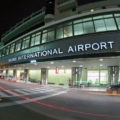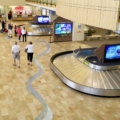

Introduction to Ninoy Aquino International Airport (NAIA / MNL)
Ninoy Aquino International Airport, commonly referred to as NAIA, is the primary gateway to the Philippines and one of Southeast Asia’s busiest international airports. Located in Pasay and Parañaque within Metro Manila, this airport plays a crucial role in connecting the Philippines to major destinations across Asia, the Middle East, North America, and Europe. It serves as the main hub for Philippine Airlines, Cebu Pacific, and AirAsia Philippines, supporting millions of travelers every year.
NAIA is named after Benigno “Ninoy” Aquino Jr., a national hero whose legacy is deeply tied to the country’s history. Over the years, the airport has evolved into a key travel and economic landmark, facilitating tourism, commerce, and international mobility. Despite its high passenger volume and infrastructure challenges, ongoing modernization continues to enhance traveler convenience, improve airport systems, and boost operational capacity.
As a multi-terminal complex, NAIA consists of Terminal 1, Terminal 2, Terminal 3, and Terminal 4, each catering to different airlines and passenger needs. Because of this unique structure, the airport requires travelers to be aware of their designated terminal before arrival to avoid confusion and delays. NAIA stands out for its combination of international and domestic services, making it the central point of entry for both foreign tourists and local travelers exploring the country’s 7,000+ islands.
Beyond flight operations, the airport is surrounded by major hotels, entertainment centers, business hubs, and transportation links that provide seamless connectivity to key areas like Makati, Bonifacio Global City (BGC), Manila Bay, and Quezon City. This strategic location makes NAIA not just a transportation hub but also a practical starting point for business trips, vacations, and regional travel.
Travelers at NAIA can expect a diverse airport experience combining Philippine hospitality, accessible facilities, cultural representations, and essential travel services. From lounges and restaurants to duty-free shops, terminal transfers, and updated arrival and departure systems, NAIA continues to expand offerings to meet global aviation standards. The airport also serves as the main operational center for thousands of aviation professionals, ground staff, and service providers who ensure continuous operations around the clock.
As the Philippines pushes forward with tourism growth and airport improvements, NAIA remains an essential infrastructure pillar—bridging the country to the world and giving millions of passengers their first and last impressions of the archipelago. With its terminals spread across a large urban area, NAIA offers a unique travel landscape shaped by culture, modernization, and the dynamic movement of both local and international flights.
Location, Directions, and Complete Map Guide for Ninoy Aquino International Airport (NAIA / MNL)
Ninoy Aquino International Airport occupies a strategic position in Metro Manila, spread across the boundaries of Pasay City and Parañaque City. Its central location makes it easily accessible from major commercial and residential hubs, including Makati, Bonifacio Global City (BGC), Manila Bay, and Quezon City. Because Manila is a dense metro area with heavy traffic flow, understanding the airport’s surroundings, travel times, and access points is essential for smoother travel planning.
The official airport code, MNL, represents the primary international gateway of the Philippines. NAIA lies approximately 7 km from Makati, 12 km from Manila City proper, and 8 km from Pasay City center, making it one of the most conveniently positioned airports in Southeast Asia for business and leisure travelers.
NAIA’s proximity to key destinations like SM Mall of Asia, Newport World Resorts, Solaire Resort, Makati CBD, and MOA Arena enhances its accessibility and provides travelers with abundant pre-flight or layover activities. Major expressways, including Skyway, NAIA Expressway (NAIAx), South Luzon Expressway (SLEX), and Roxas Boulevard, make the airport reachable through multiple routes. These routes help manage traffic flow between the airport and various parts of Metro Manila, reducing congestion and improving travel time predictability.
Travelers entering the airport can do so from several main access points: NAIA Road, Domestic Road, Andrews Avenue, and Skyway/NAIA Expressway, each connecting to different terminals. These direct links allow faster access to Terminals 1, 2, 3, and 4.
Because each terminal is located in a different part of the airport complex, familiarizing yourself with the correct route can save significant time, especially during peak hours when Manila traffic tends to surge. Ride-hailing services such as Grab, public buses, P2P buses, yellow taxis, white taxis, and hotel shuttles commonly serve the area, offering diverse transport options for all types of travelers.
To help travelers plan effectively, the table below highlights key distances and estimated travel times from major Manila locations to NAIA under normal traffic and peak-hour conditions.
Distance & Travel Time Chart to NAIA from Major Locations
| Starting Point | Approx. Distance to NAIA | Travel Time (Normal) | Travel Time (Peak Hours) | Primary Route |
|---|---|---|---|---|
| Makati (Ayala Center) | 6–7 km | 15–20 mins | 25–45 mins | Skyway / SLEX → NAIAx |
| Bonifacio Global City (BGC) | 8–10 km | 20–25 mins | 35–55 mins | Lawton Ave → SLEX → NAIAx |
| Manila City (Ermita / Malate) | 8–12 km | 20–30 mins | 40–60 mins | Roxas Blvd → NAIA Road |
| Quezon City (QC Circle) | 20–25 km | 40–55 mins | 60–90 mins | Skyway → NAIAx |
| Pasay City Center | 4–5 km | 10–15 mins | 20–30 mins | Andrews Ave / Domestic Road |
| Parañaque City (BF Homes) | 10–11 km | 25–30 mins | 40–60 mins | SLEX → NAIAx |
| SM Mall of Asia (MOA) | 5–6 km | 10–15 mins | 20–35 mins | Diokno Blvd → NAIA Road |
| Newport City (Pasay) | 1–2 km | 5–10 mins | 10–20 mins | Andrews Ave |
| Mandaluyong | 10–12 km | 25–35 mins | 45–70 mins | EDSA → Skyway |
| Ortigas Center | 14–16 km | 30–45 mins | 60–90 mins | C5 / EDSA → Skyway |
How to Reach NAIA (All Terminals)
By Private Car or Taxi
Most travelers prefer taxis, Grab, or private cars for convenience. NAIA Expressway (NAIAx) offers direct flyover access to Terminals 1, 2, and 3, significantly cutting down travel time.
By Grab (Ride-Hailing)
Grab is widely used in Manila. Pick-up and drop-off points are well-marked at each terminal, and surge pricing typically occurs during late nights and rush hours.
By P2P (Point-to-Point) Bus
P2P buses connect NAIA to hubs like Alabang, Makati, Cubao, and Clark. They offer luggage space, air-conditioning, and fixed schedules, making them ideal for budget-conscious travelers.
By Public Buses & Jeepneys
Affordable options for local commuters, though less convenient for tourists due to multiple transfers and crowded routes.
By Airport Shuttles
Many hotels near NAIA provide scheduled shuttle services for guests. This is particularly convenient for late-night or early-morning flights.
By Car Rentals
Several rental companies operate inside and near NAIA, offering sedan, SUV, and van options. Pre-booking guarantees better rates and availability.
Google Maps & Navigation Tips
- Always search “NAIA Terminal 1/2/3/4” instead of “NAIA” to get the most accurate drop-off point.
- Use apps like Waze and Google Maps for real-time traffic updates.
- During heavy rains, traffic may double, so plan buffer time accordingly.
- Flights departing from Terminal 3 typically have smoother access due to modern road connections.
NAIA Terminal Access Notes
- Terminal 1 and Terminal 2 are accessible via NAIA Road.
- Terminal 3 is best accessed via Andrews Avenue or NAIA Expressway.
- Terminal 4 is on Domestic Road, near the old domestic airport area.
Complete Overview of NAIA Terminals 1, 2, 3, and 4
Ninoy Aquino International Airport is composed of four major terminals, each serving different airlines, flight types, and passenger categories. Understanding the function, layout, and facilities of each terminal is essential because NAIA is not a single connected building like many modern airports. Instead, terminals are spread out across separate locations, requiring travelers to know exactly where their flight operates to avoid confusion and delays.
Each terminal has a distinct purpose:
- Terminal 1 handles most international airlines.
- Terminal 2 serves Philippine Airlines (PAL) exclusively for both international and domestic routes.
- Terminal 3 is the newest and largest terminal, hosting a mix of international and domestic flights.
- Terminal 4 serves low-cost carriers and domestic propeller flights.
Because NAIA terminals are not physically connected, passengers must travel via road to transfer between terminals. Shuttle buses and taxis operate throughout the day, but travel time varies due to Manila traffic. The airport authority recommends allowing additional time—especially during peak hours—to ensure smooth transit between terminals.
Below is a complete breakdown of each terminal, covering airlines served, facilities, services, and key highlights.
Terminal 1 — NAIA’s Primary International Gateway
Terminal 1, one of the oldest airport terminals in Southeast Asia, mainly accommodates international flights from foreign airlines. Despite its age, consistent renovations have improved passenger facilities, check-in areas, lounges, and baggage handling systems.
Airlines Operating at Terminal 1
- Saudia
- Japan Airlines
- Emirates
- Etihad Airways
- Korean Air
- China Airlines
- Malaysian Airlines
- And other major international carriers
Key Features of Terminal 1
- Dedicated international departure and arrival areas
- Modernized immigration halls
- Upgraded baggage carousels
- Duty-free shops and local souvenir stores
- Multiple lounges: PAGSS Lounge, Marhaba Lounge
- Money exchange counters and ATMs
- Restaurants offering Filipino and international cuisine
Terminal 1 is favored by long-haul carriers due to its established infrastructure and operational flow. Renovation efforts continue to make the terminal more efficient and comfortable for travelers.
Terminal 2 — The Philippine Airlines Terminal
Terminal 2, also known as the Centennial Terminal, is exclusively used by Philippine Airlines (PAL). It manages both inbound and outbound flights, including domestic and international services.
Airlines Operating at Terminal 2
- Philippine Airlines (Full service)
Key Features of Terminal 2
- Separate wings for domestic and international flights
- Priority check-in counters for Mabuhay Miles members
- Quick access to PAL lounges
- Efficient boarding gates and baggage systems
- Dedicated customer service desks for special assistance
- Shorter queues compared to other terminals due to single-airline usage
Terminal 2 is considered one of the smoother-operating terminals because all services are centralized around Philippine Airlines, allowing more organized and predictable passenger flow.
Terminal 3 — The Largest and Most Modern Terminal
Terminal 3 is the newest, biggest, and most advanced among NAIA’s terminals. It serves a mix of domestic and international flights and is known for providing the most comfortable travel experience thanks to its spacious layout and modern amenities.
Airlines Operating at Terminal 3
- Cebu Pacific
- AirAsia Philippines
- All Nippon Airways (ANA)
- Cathay Pacific (some flights)
- Emirates (assorted operations)
- KLM
- Singapore Airlines
- Qatar Airways
- Jetstar Asia
Key Features of Terminal 3
- High-capacity check-in halls
- Wide selection of restaurants, cafés, and fast-food chains
- Multiple international lounges including PAGSS, Skyview, Marhaba
- Expansive duty-free shopping area
- Kids’ play area and modern restrooms
- Direct link to Newport City via Runway Manila footbridge
- Spacious waiting areas with power outlets
Terminal 3 is generally preferred by travelers due to better facilities, clearer signage, and smoother movement.
Terminal 4 — Domestic Low-Cost Carrier Terminal
Terminal 4, the oldest and smallest terminal, handles short-haul domestic flights—mostly operated by low-cost carriers. It is often referred to as the Old Domestic Terminal.
Airlines Operating at Terminal 4
- Cebgo
- AirSwift
- SkyJet (when operational)
- Other small domestic carriers
Key Features of Terminal 4
- Compact layout with short walking distances
- Designed for quick domestic departures
- Basic facilities (few dining options and small waiting area)
- Efficient for short trips and minimal luggage passengers
Terminal 4 is functional and fast-moving, but due to its size, it gets congested during peak domestic travel seasons.
Terminal Comparison Table for NAIA (1, 2, 3, and 4)
| Terminal | Primary Use | Airlines Served | Facilities Quality | Best For | Notable Features |
|---|---|---|---|---|---|
| Terminal 1 | International Flights | Major foreign airlines | Medium (upgraded) | Long-haul travel | Duty-free shops, multiple lounges |
| Terminal 2 | PAL Domestic & International | Philippine Airlines | Medium-High | PAL loyal passengers | Efficient PAL-only operations |
| Terminal 3 | International + Domestic | Cebu Pacific, AirAsia, ANA, Emirates, etc. | High (modern) | Comfort & convenience | Large dining area, Runway Manila link |
| Terminal 4 | Domestic Short-Haul | Cebgo, AirSwift, small carriers | Basic | Quick domestic trips | Very small terminal, fast boarding |
Traveler Tips for Choosing the Right Terminal
- Always check your airline assignment, not destination, to know your terminal.
- International flights from foreign carriers mostly use Terminal 1 and Terminal 3.
- All Philippine Airlines flights operate exclusively from Terminal 2.
- Domestic travelers using Cebu Pacific or AirAsia should head to Terminal 3.
- If you’re flying on a small domestic airline, it will likely depart from Terminal 4.
Arrivals and Departures at Ninoy Aquino International Airport (NAIA / MNL)
Arrivals and departures at Ninoy Aquino International Airport operate 24/7 across all four terminals, serving thousands of domestic and international passengers daily. Due to Manila’s dense air traffic and the airport’s multi-terminal structure, understanding how arrival and departure processes work can greatly improve the travel experience. Each terminal manages its own set of airline operations, and passengers must head directly to the correct terminal, whether for pick-up, drop-off, or flight boarding.
Flight movements at NAIA are influenced by weather conditions, runway capacity, and operational flow, which occasionally cause delays—especially during peak travel seasons. To manage this, NAIA provides real-time flight status updates via airport monitors, airline apps, and online trackers. Passengers are strongly encouraged to monitor their flight status starting several hours before arrival or departure.
Arrival Procedures Overview
International arrivals typically go through immigration verification, baggage retrieval, and customs screening. Terminal 1, Terminal 2, and Terminal 3 all have designated arrival sections equipped with immigration counters, visa services, baggage carousels, and customs lanes. Domestic arrivals are faster because they skip immigration and customs, allowing passengers to exit quickly through the arrivals hall.
Departure Procedures Overview
Departure processes vary slightly depending on the terminal and airline, but all passengers must undergo check-in, security screening, and immigration clearance for international flights. NAIA advises arriving at least 3 hours before an international flight and 2 hours before a domestic flight, especially during peak periods when queue times can be longer.
For international departures, terminals offer dedicated waiting lounges, duty-free shopping, and food outlets where travelers can relax before boarding. Domestic departure halls provide similar conveniences, though on a smaller scale depending on the terminal.
Factors That Affect NAIA Arrival & Departure Times
- Weather disruptions (monsoon rains, typhoons)
- Manila air traffic congestion
- Aircraft rotation delays
- Terminal crowding during holiday seasons
- Enhanced security checks
Because Manila experiences frequent traffic congestion on the roads leading to NAIA, passengers should always factor in additional travel time to avoid missing their flights.
NAIA Recommended Arrival Times Before Departure
| Flight Type | Recommended Check-In Time | Reason for Timing |
|---|---|---|
| International Flights | At least 3 hours before departure | Immigration queues, security clearance, larger passengers volume |
| Domestic Flights | At least 2 hours before departure | Faster processing but can still experience long queues |
| Holiday/Peak Season | Add 1 extra hour | High volume of passengers and road traffic |
| Late-night/Early-morning flights | 2–2.5 hours | Reduced traffic but occasional staffing limitations |
Live Flight Status Tracking
Passengers can track flight arrivals and departures from several sources:
Online Resources
- NAIA official website
- Airline mobile apps (Philippine Airlines, Cebu Pacific, AirAsia)
- Flight tracking websites like FlightAware and Flightradar24
On-Site Airport Monitors
Each terminal displays updated flight information on digital boards found near immigration areas, check-in counters, and departure gates.
Arrival Halls at NAIA
Arrival halls include designated spaces for:
- Baggage claim
- Customs areas
- Currency exchange booths
- SIM card kiosks
- Airport taxi stands
- Pick-up lanes for Grab and hotel shuttles
Key Notes for International Arrivals
- Prepare passports and arrival forms before reaching immigration counters.
- Duty-free purchases may be subject to customs checks.
- Expect queue variations based on time of day and flight volume.
Key Notes for Domestic Arrivals
- Baggage claim is usually fast unless multiple flights arrive at the same time.
- Arrival exits lead directly to road transport pick-up zones.
Departure Halls at NAIA
Departure halls are organized by terminal, with spacious waiting areas, food outlets, retail shops, and lounges. Security screening includes X-ray checks, baggage inspection, and immigration control for international flights.
Important Reminders for International Departures
- Ensure passports are valid for at least six months.
- Liquids must follow the 100ml rule for carry-ons.
- Some airlines close check-in counters 45 minutes before departure.
Important Reminders for Domestic Departures
- Bring a valid ID (e.g., passport, driver’s license, government ID).
- Check baggage allowance based on airline rules (Cebu Pacific, PAL, AirAsia have different policies).
NAIA Departure & Arrival Peak Hours Table
| Time Period | Arrival Congestion Level | Departure Congestion Level | Notes |
|---|---|---|---|
| 4:00 AM – 7:00 AM | Medium | High | Early morning international departures |
| 7:00 AM – 10:00 AM | High | High | Multiple domestic + international operations |
| 10:00 AM – 2:00 PM | Medium | Medium | Fewer overlapping flights |
| 2:00 PM – 6:00 PM | High | High | Busiest window for domestic travel |
| 6:00 PM – 10:00 PM | Medium | High | Long-haul flights start departing |
| 10:00 PM – 2:00 AM | Low–Medium | Low–Medium | Smoothest period, ideal for travel |
Traveler Tips for Smooth Arrivals & Departures
- Always double-check your terminal number before leaving for the airport.
- Track your flight regularly, especially during rainy or typhoon seasons.
- Avoid last-minute arrival—Manila road traffic can be unpredictable.
- Use Grab for reliable transportation and quicker pick-ups.
- Carry essentials (power bank, printed tickets, IDs) to avoid delays at checkpoints.
- For international arrivals, keep immigration documents easily accessible.
- If transiting between terminals, allow extra time due to road-based transfers.
Airport Services and Facilities at Ninoy Aquino International Airport (NAIA / MNL)
Ninoy Aquino International Airport provides a wide range of passenger services and facilities designed to support travelers at every stage of their journey. As the Philippines’ main international gateway, NAIA continuously upgrades its systems to offer smoother passenger flow, greater convenience, and better accessibility. Each of the four terminals offers essential airport amenities such as check-in counters, lounges, baggage services, dining establishments, and shopping outlets, but the level of service varies depending on terminal size and passenger volume.
NAIA’s services include immigration processing, security screening, baggage handling, medical assistance, Wi-Fi connectivity, currency exchange, ATMs, transport counters, duty-free shops, airline lounges, and customer service desks. These facilities ensure that both domestic and international travelers have access to what they need—from basic travel requirements to comfort services like relaxation areas and dining choices.
The airport is designed with separate arrival and departure halls, allowing efficient movement of passengers and clear directional signage. While NAIA is known for crowded peak seasons, improvements in facility management, digital systems, and terminal renovations have helped streamline overall operations. Below is a detailed breakdown of the key services and facilities offered across NAIA Terminals 1, 2, 3, and 4.
Check-In & Security Services
Check-In Counters
Each terminal has multiple rows of check-in counters supported by both airline staff and self-check-in kiosks.
- Terminal 1: Primarily international airline counters
- Terminal 2: Dedicated Philippine Airlines check-in lobby (domestic and international zones)
- Terminal 3: Largest check-in hall with automated kiosks
- Terminal 4: Basic manual check-in counters for small domestic airlines
Security Screening
Security screening at NAIA follows standard global aviation procedures:
- Baggage X-ray inspection
- Metal detector scanning
- Secondary inspection for flagged items
- Liquids & gels restrictions for carry-ons
Passengers should allow additional time during peak hours due to longer queues.
Immigration & Customs Facilities
Immigration Services
International passengers must undergo immigration clearance upon arrival and departure. Counters are located after security checks for departures and before baggage claim for arrivals. Filipino citizens, foreign nationals, and OFWs (Overseas Filipino Workers) have separate counters for efficient processing.
Customs Screening
Customs officers inspect declared goods, baggage, and duty-free purchases. Travelers must complete the BOC arrival form when bringing in restricted or high-value items.
Baggage Services
Baggage Carousels
Each terminal has multiple baggage carousels supported by digital display screens indicating flight numbers.
- Terminal 3 has the highest number of carousels
- Terminal 4 has limited baggage space
Lost & Found Assistance
Lost or delayed baggage inquiries can be made at airline-specific service desks located near the baggage claim.
Baggage Wrapping
Plastic baggage wrapping services are available to protect luggage from damage and tampering.
Currency Exchange & Banking Facilities
Currency Exchange Counters
Foreign exchange booths are available in each terminal, both before and after immigration. Rates vary by terminal and provider.
ATMs
Automated Teller Machines are available 24/7 near departure halls, arrival exits, and public concourses.
Banking Services
Some terminals feature micro-banking kiosks to support financial transactions for international travelers.
Wi-Fi & Connectivity Services
Free Wi-Fi is available across all terminals, though connection strength may vary. Travelers can also purchase:
- Local SIM cards
- Pocket Wi-Fi rentals
- Data plans
These are available at booths in arrival halls, particularly in Terminal 1 and Terminal 3.
Dining Options & Food Courts
Restaurants & Cafés
Terminals offer a combination of local Filipino cuisine and international fast-food chains.
- Terminal 3 hosts the widest selection, including coffee shops, bakeries, full-service restaurants, and quick-service outlets.
Food Courts
Terminal 3 has a multi-level food court with budget-friendly meals and popular chains.
24/7 Options
Select cafés and convenience stores remain open around the clock to serve passengers during late-night flights.
Shopping & Duty-Free Stores
Duty-Free Philippines
Duty-free shops are located in departure and arrival zones of Terminals 1, 2, and 3. Items include:
- Perfumes
- Chocolates
- Alcohol
- Electronics
- Local souvenirs
Retail Stores
Travel essentials, clothing, books, gifts, and specialty items are available across terminals.
Airport Lounges
Premium lounges are located in Terminals 1, 2, and 3. These lounges offer:
- Comfortable seating
- Complimentary meals
- Showers
- Charging ports
- Wi-Fi
- Quiet areas
Lounges may accept passengers through airline status, lounge memberships, or paid entry.
Medical & Emergency Services
Each terminal includes a medical clinic staffed with trained personnel for:
- First aid
- Emergency medical care
- Passenger assistance in medical distress
Ambulances and rapid-response teams are on standby for urgent situations.
Prayer Rooms & Quiet Spaces
Dedicated prayer rooms are available for different faiths, providing a peaceful environment for reflection and worship.
Baby Care & Family Services
Facilities for families include:
- Baby changing rooms
- Family waiting areas
- Priority lanes for pregnant women and travelers with children
- Stroller-friendly pathways (especially in Terminal 3)
Accessibility Services
NAIA supports travelers with disabilities by providing:
- Wheelchair assistance
- Priority check-in counters
- Accessible restrooms
- Ramps and elevators
- Airline escort services for elderly passengers
Information Desks & Customer Support
Information desks are available near entrances, departure halls, arrival areas, and boarding gates to assist passengers with:
- Terminal navigation
- Flight information
- Lost items
- Transport options
Overview Table of Key Services Across NAIA Terminals
| Service Category | Terminal 1 | Terminal 2 | Terminal 3 | Terminal 4 |
|---|---|---|---|---|
| Check-In Counters | International airlines | Philippine Airlines | Largest & modern | Basic domestic |
| Security Screening | Standard | Efficient | High-capacity | Basic |
| Immigration | Yes (Intl) | Yes (Intl) | Yes (Intl) | No |
| Customs | Yes | Yes | Yes | Minimal |
| Baggage Services | Multiple carousels | Organized | Largest system | Limited |
| Duty-Free Shops | Available | Limited | Extensive | None |
| Dining Options | Moderate | Few | Extensive | Very limited |
| Lounges | Multiple | PAL lounges | Several premium lounges | None |
| Wi-Fi | Yes | Yes | Strongest | Yes |
| Transport Links | Taxis, Grab | Taxis, Grab | Best connectivity | Limited |
Airport Lounges at Ninoy Aquino International Airport (NAIA / MNL)
Ninoy Aquino International Airport offers a variety of airport lounges across Terminals 1, 2, and 3, giving passengers a comfortable space to relax, dine, work, or freshen up before their flights. While NAIA’s terminals differ significantly in size and modernization, lounge facilities have steadily improved over the years, especially in Terminal 3, which has the widest selection of premium lounges with international-grade amenities.
Lounges at NAIA are accessible through airline membership programs, frequent flyer status, business-class or first-class ticket purchases, lounge memberships such as Priority Pass, DragonPass, and selected credit cards. Passengers can also choose to purchase lounge access at the counter, depending on availability.
Each lounge offers essential comforts such as complimentary food and drinks, Wi-Fi, charging stations, quiet seating zones, and restroom facilities. Some lounges also include showers, private meeting areas, and panoramic views of airport operations. Below is a detailed breakdown of lounges available at each terminal and what passengers can expect from them.
Terminal 1 Lounges
Terminal 1, which handles mainly international flights, features several lounges catering to premium travelers and those seeking comfort before departure. Over time, the terminal has undergone extensive upgrades, which also improved the lounge environments.
Popular Lounges in Terminal 1
- PAGSS Lounge (Philippine Airport Ground Support Solutions)
Offers complimentary meals, Wi-Fi, comfortable seating, business facilities, and beverages. - Marhaba Lounge
Known for international-standard service with showers, snacks, hot meals, and relaxing interiors. - Japan Airlines Sakura Lounge (for JAL passengers)
Exclusive to JAL business-class travelers and elite members.
What To Expect in T1 Lounges
- Modern interiors after renovations
- A mix of buffet dining and à la carte snacks
- Charging ports and workspace areas
- Soft beverages and selected alcoholic drinks
- Priority access for business-class and elite passengers
Terminal 2 Lounges (Philippine Airlines Terminal)
Terminal 2 is exclusively used by Philippine Airlines (PAL) for both domestic and international operations. Lounge access is therefore focused on PAL passengers, with specific lounges catering to domestic and international travelers.
Popular Lounges in Terminal 2
- Mabuhay Lounge (International)
Offers full meals, premium seating, quiet rooms, business amenities, and dedicated service for PAL’s upper-tier travelers. - Mabuhay Lounge (Domestic)
A more compact lounge with snacks, beverages, and productivity areas for domestic passengers.
What To Expect in T2 Lounges
- Quiet and sophisticated ambiance
- Priority access for PAL Business Class & Mabuhay Miles Elite/Premier Elite
- Hot meals, snacks, unlimited beverages
- Shower facilities (international lounge)
- Peaceful workspaces for business travelers
Terminal 3 Lounges — The Newest and Widest Selection
Terminal 3 offers the most extensive collection of lounges at NAIA. It serves both domestic and international flights and features lounges accessible via airline memberships, Priority Pass, DragonPass, and eligible credit cards.
Popular Lounges in Terminal 3
- PAGSS Lounge (International Departures)
Spacious lounge with full meals, Wi-Fi, showers, and a cozy interior ideal for long layovers. - Marhaba Lounge
High-quality service with elegant seating, international buffet, and premium amenities. - Skyview Lounge
Offers panoramic views of the airside along with comfortable seating and good dining options. - Plaza Premium Lounge (when operational)
Known for premium services such as showers, cooked dishes, and a relaxing atmosphere.
Domestic Departure Lounges in Terminal 3
- Select PAGSS lounges serve domestic passengers on Cebu Pacific and AirAsia flights.
What To Expect in T3 Lounges
- The most modern lounge facilities in all of NAIA
- Stronger Wi-Fi and larger seating capacity
- Wide selection of food and beverages
- Showers and relaxation areas
- Credit card lounge access availability
- Longer operating hours due to high terminal traffic
Terminal 4 Lounges
Terminal 4 is the smallest and oldest terminal at NAIA, used by low-cost and domestic carriers.
There are no premium lounges in Terminal 4, although there are seating areas, cafés, and convenience stores for waiting passengers.
NAIA Lounges Comparison Table
| Terminal | Lounge Name | Access Type | Facilities Offered | Ideal For |
|---|---|---|---|---|
| Terminal 1 | PAGSS Lounge | Airline status, Priority Pass, walk-in | Hot meals, drinks, Wi-Fi, comfortable seating | International travelers needing rest |
| Terminal 1 | Marhaba Lounge | Paid access, airline partners | Showers, meals, beverages, Wi-Fi | Transit passengers & long-haul flights |
| Terminal 1 | Sakura Lounge | JAL premium passengers | Exclusive dining, private seating | JAL business-class travelers |
| Terminal 2 | Mabuhay Lounge (Intl) | PAL Business, Elite members | Full meals, showers, quiet zone | Philippine Airlines international passengers |
| Terminal 2 | Mabuhay Lounge (Domestic) | PAL Business, Elite members | Snacks, drinks, workspaces | Domestic PAL travelers |
| Terminal 3 | PAGSS Lounge | Priority Pass, DragonPass, walk-in | Buffet, showers, Wi-Fi | International flights from T3 |
| Terminal 3 | Marhaba Lounge | Paid entry, memberships | Premium meals, drinks, comfortable seating | Travelers seeking premium comfort |
| Terminal 3 | Skyview Lounge | Priority Pass, select cards | Airside views, snacks, drinks | Leisure & business travelers |
| Terminal 4 | — | — | Basic seating, cafés | Short domestic flights |
Traveler Tips for Using Lounges at NAIA
- Check your boarding gate after entering the lounge—Terminal 3 gates can be far from lounge locations.
- Priority Pass, DragonPass, and certain bank cards often grant free entry during non-peak hours.
- Lounges may have time limits during high traffic, especially for walk-in guests.
- If traveling on a long-haul flight, choose lounges that offer shower facilities for maximum comfort.
- International travelers departing from Terminal 3 get the best experience due to superior lounge quality and variety.
Hotels Inside & Near Ninoy Aquino International Airport (NAIA / MNL)
Ninoy Aquino International Airport is surrounded by a wide range of hotels that cater to travelers seeking convenience, comfort, and proximity to the terminals. Whether you have an early morning flight, a long layover, or simply prefer staying close to the airport, Manila offers numerous accommodation options—from budget-friendly rooms to luxury five-star hotels.
The hotels near NAIA are strategically located around Pasay, Parañaque, and Newport City, providing quick access to Terminals 1, 2, 3, and 4. Many of these hotels offer free shuttle services, airport transfers, 24/7 check-in, and amenities such as pools, gyms, restaurants, and business centers. Some hotels are directly connected to Terminal 3 via Runway Manila, a pedestrian bridge, making them exceptionally convenient for international travelers.
Because Manila traffic can be unpredictable, many travelers choose to stay near NAIA to ensure stress-free transfers and timely departures. Below is a complete, detailed guide to hotels located inside the airport complex, connected to terminals, and within a short driving distance.
Hotels Inside or Directly Connected to the Airport
These hotels offer the highest level of convenience because they are either connected to the terminals or within walking distance.
Hotel Options Directly Connected to Terminal 3
- Belmont Hotel Manila
Located in Newport City, Belmont connects directly to Terminal 3 via Runway Manila. It offers modern rooms, a rooftop pool, fitness center, and 24-hour front desk. - Savoy Hotel Manila
Another stylish hotel in Newport City, also connected to Terminal 3. Savoy features contemporary rooms, a spa, meeting rooms, and multiple dining options.
These hotels allow passengers to walk safely from the terminal to the hotel without needing taxis or shuttles, making them ideal for late-night arrivals or early-morning flights.
Hotels Near Terminals 1 & 2
These hotels are ideal for travelers flying on Philippine Airlines (Terminal 2) or other international carriers using Terminal 1.
- Manila Airport Hotel
Located very close to Terminal 1, offering basic but convenient accommodation with shuttle services. - Nobu Hotel Manila (City of Dreams Manila)
A luxury hotel with Japanese-inspired interiors, located 5–10 minutes from both terminals. Features premium dining, spa facilities, and casino access. - Hyatt Regency Manila
Also part of City of Dreams Manila, ideal for upscale travelers wanting high-end amenities and dining options before their flight.
Hotels Near Terminal 4
Terminal 4, the domestic low-cost carrier terminal, has limited direct connections, but several hotels in Pasay and Parañaque are just a few minutes away.
- DG Budget Hotel Salem
A popular budget choice with clean rooms, located near domestic routes and casino establishments. - RedDoorz & OYO Hotels near NAIA
Affordable accommodations offering basic rooms for short stays and quick access to Terminal 4.
Top Hotels Within 5–10 Minutes of NAIA
These hotels serve a wide range of guests and are accessible via short taxi or Grab rides.
- Solaire Resort & Casino
A premium, five-star luxury resort featuring expansive rooms, fine dining, an oceanfront pool area, and a world-class casino. - Okada Manila
One of the grandest hotels in Metro Manila, located 10–15 minutes from NAIA. Offers luxury rooms, restaurants, casino entertainment, and a large fountain show. - Golden Phoenix Hotel Manila
Located near SM Mall of Asia, offering stylish rooms and competitive pricing. - Holiday Inn Express Manila (Newport City)
A reliable mid-range hotel ideal for business travelers and short layovers. - The Heritage Hotel Manila
Located along Roxas Boulevard, offering spacious rooms, a classic hotel environment, and quick access to major Manila attractions.
Hotels for Budget Travelers
For travelers prioritizing affordability and accessibility, several budget hotels near NAIA provide comfortable stays without high costs.
- Red Planet Aseana City
Clean rooms, essential amenities, and proximity to shopping and dining areas. - Go Hotels (Various Branches)
Known for standardized rooms and low pricing. - Urban Travellers Hotel
Ideal for overnight stays with basic facilities and easy access to transportation.
Best Hotels for Luxury Travelers
For those who want premium accommodations close to the airport:
- Okada Manila
Five-star luxury with world-class entertainment and dining. - Solaire Resort
Known for elegance, premium rooms, and upscale experiences. - Nobu Hotel Manila
A refined Japanese-inspired hotel within the City of Dreams complex.
Hotel Comparison Table Near NAIA
| Hotel Name | Distance to Airport | Closest Terminal | Hotel Type | Amenities Offered |
|---|---|---|---|---|
| Belmont Hotel Manila | Walking distance (via Runway Manila) | Terminal 3 | Mid-range | Rooftop pool, gym, shuttle, 24/7 support |
| Savoy Hotel Manila | Walking distance via Runway Manila | Terminal 3 | Mid-range | Restaurant, spa, lounge, shuttle |
| Holiday Inn Express Manila | 3–5 mins | Terminal 3 | Mid-range | Breakfast, business center, free Wi-Fi |
| Nobu Hotel Manila | 5–7 mins | Terminal 1 & 2 | Luxury | Spa, fine dining, casino access |
| Hyatt Regency Manila | 7 mins | Terminal 1 & 2 | Luxury | Pool, restaurants, airport shuttle |
| Manila Airport Hotel | 2 mins | Terminal 1 | Budget | Shuttle service, basic amenities |
| DG Budget Hotel Salem | 5 mins | Terminal 4 | Budget | Basic rooms, near dining areas |
| Okada Manila | 12 mins | All terminals | Luxury | Casino, lake show, premium rooms |
| Solaire Resort Manila | 10 mins | All terminals | Luxury | Pool, high-end restaurants, entertainment |
| Golden Phoenix Hotel | 12 mins | Terminal 3 | Mid-range | Gym, free Wi-Fi, near MOA |
Tips for Choosing the Right Hotel Near NAIA
- Pick Belmont or Savoy if flying through Terminal 3 for maximum convenience.
- Choose Manila Airport Hotel for fast access to Terminal 1.
- Business travelers love Holiday Inn Express for its reliable comfort and location.
- For luxury stays, Okada, Solaire, and Nobu Hotel offer the best high-end experiences.
- Budget travelers should consider DG Budget Hotel or Red Planet Aseana.
Transportation Options from Ninoy Aquino International Airport (NAIA / MNL)
Transportation at Ninoy Aquino International Airport is diverse, offering everything from premium private transfers to budget-friendly public transport services. Because NAIA is spread across four terminals and located in one of the busiest metropolitan areas in Southeast Asia, choosing the right mode of transport can greatly affect your travel time and comfort.
Travelers arriving at NAIA can choose from taxis, Grab ride-hailing services, P2P buses, airport buses, hotel shuttles, jeepneys (for local commuters), and car rental services. Each option varies in terms of pricing, convenience, and travel flexibility. For international tourists or business travelers, Grab and airport taxis are typically the most reliable choices, while domestic travelers and locals often prefer P2P buses for economical, point-to-point travel.
NAIA has transportation counters at each terminal, along with dedicated pick-up points, clear signage, and staff to help direct passengers. Terminals 1, 2, and 3 have the most organized transport systems, whereas Terminal 4 has more basic pick-up areas due to its smaller size. Below is a detailed breakdown of all available transportation options and what travelers should expect.
Taxi Services at NAIA
Yellow Airport Taxis (Official Airport Taxis)
These taxis are regulated by the airport and offer fixed-meter rates ensuring safe and reliable service.
- Slightly more expensive than regular city taxis
- Located outside all arrival halls
- Ideal for tourists and first-time visitors
White Metered Taxis (City Taxis)
White taxis are cheaper than yellow taxis but operate on meter-based fares without airport regulation.
- More affordable
- Greater availability
- Best for experienced Manila travelers who know typical routes/prices
Coupon Taxis
Coupon taxis offer fixed rates based on destination zones.
- Good for passengers with heavy luggage
- Transparent pricing
- Taxi coupons available at terminals’ transport desks
Grab (Ride-Hailing Service)
Grab is the most popular and convenient ride-hailing service around NAIA.
- App-based booking
- Clear fare estimates
- Multiple vehicle categories (GrabCar, Premium, 6-seater)
- Dedicated pick-up areas at each terminal
Why Grab is Recommended
- Safe and reliable
- Transparent pricing
- Drivers familiar with Manila’s traffic patterns
- Ideal for both solo travelers and groups
P2P (Point-to-Point) Bus Services
P2P buses offer direct, affordable routes from NAIA to major areas of Metro Manila.
Common destinations include:
- Makati (Glorietta 5)
- Robinsons Galleria Ortigas
- Cubao (Araneta Center)
- Alabang
- Clark International Airport (Pampanga)
Advantages of P2P Buses
- Fixed schedules
- Guaranteed seating
- Affordable pricing
- Air-conditioned and luggage-friendly
Airport Loop Buses & Public Buses
Public buses operate along NAIA Road, connecting passengers to MRT/LRT stations and Manila’s main highways.
These are ideal for budget-conscious travelers and locals familiar with the routes.
Common Bus Destinations
- Baclaran
- Pasay Rotonda
- EDSA Taft
- Manila City Proper
- Parañaque Integrated Terminal Exchange (PITX)
Hotel Shuttle Services
Many hotels near the airport offer free or paid shuttle services.
These are particularly convenient for passengers staying at:
- Belmont Hotel
- Savoy Hotel
- Holiday Inn Express
- Solaire Resort
- Nobu Hotel
- Hyatt Regency
Shuttles typically operate on a scheduled basis and require advance booking.
Car Rentals at NAIA
Car rental companies are available inside and outside the terminals, offering sedans, SUVs, and vans.
Popular Car Rental Agencies
- Avis
- Hertz
- Europcar
- Budget Car Rental
- Local companies offering bilingual drivers
Car rentals are ideal for travelers who need flexibility for intercity travel or longer stays in Manila.
Jeepneys & Local Transport
Jeepneys are the most iconic Filipino public transport vehicles.
Foreign travelers rarely use them at the airport due to:
- Multiple transfers
- Limited luggage space
- Complex routes
They remain a practical option for local commuters.
Transportation Fare & Travel Time Table from NAIA
| Transport Type | Approximate Cost (PHP) | Travel Time to Makati | Convenience Level | Best For |
|---|---|---|---|---|
| Yellow Airport Taxi | 300–600 | 20–35 mins | High | Tourists, first-time visitors |
| White City Taxi | 200–400 | 20–35 mins | Medium | Budget travelers familiar with Manila |
| GrabCar (Regular) | 250–500 (variable) | 20–35 mins | Very High | Solo & business travelers |
| GrabCar (Premium / 6-Seater) | 500–1,200 | 20–35 mins | Very High | Families & groups |
| P2P Bus | 80–200 | 30–45 mins | High | Budget-conscious travelers |
| Hotel Shuttle | Free–300 | 5–15 mins | High | Hotel guests |
| Car Rentals | 2,000–4,000/day | N/A | Very High | Long-term travelers |
| Jeepneys | 10–20 | 40–60 mins | Low | Local commuters |
Tips for Choosing the Best Transportation
- Use Grab during peak hours for guaranteed pick-up without haggling.
- Coupon taxis are best for heavy luggage and fixed fare clarity.
- P2P buses are ideal for affordable, direct travel without transfers.
- Avoid unofficial taxis—always use designated airport transport options.
- For families or group travelers, Grab 6-seater or private vans offer more comfort.
- If traveling late at night, choose Grab or hotel shuttles for safety and convenience.
Airlines Operating at Ninoy Aquino International Airport (NAIA / MNL)
Ninoy Aquino International Airport serves as the central aviation hub of the Philippines, connecting Manila to hundreds of domestic and international destinations. Its four terminals host a wide variety of airlines, ranging from full-service international carriers to regional low-cost airlines. Understanding which airlines operate in each terminal is essential for both arriving and departing passengers, especially since NAIA’s terminals are not physically connected.
NAIA handles flights across Asia, the Middle East, North America, and Europe, making it one of Southeast Asia’s busiest gateways. Philippine Airlines, Cebu Pacific, and AirAsia Philippines dominate domestic and regional travel, while major international carriers from Japan, South Korea, Middle East, and Southeast Asia connect travelers to worldwide destinations.
This section provides a complete and detailed list of airlines operating at NAIA Terminal 1, Terminal 2, Terminal 3, and Terminal 4. It also highlights the types of operations—international, domestic, long-haul, regional, charter, and low-cost.
Airlines Operating at Terminal 1 (International Terminal)
Terminal 1 is home to many international airlines. Over the years, it has been the primary gateway for long-haul and regional carriers.
Major Airlines in Terminal 1
- Japan Airlines (JAL)
- Korean Air
- China Airlines
- Saudia (Saudi Arabian Airlines)
- Etihad Airways
- Emirates
- Malaysian Airlines
- Thai Airways
- Garuda Indonesia
- Asiana Airlines
- Royal Brunei Airlines
- Jetstar Japan
- Air China
- China Southern Airlines
- EVA Air
Terminal 1 concentrates on international operations, especially flights to the Middle East, Northeast Asia, and Europe.
Airlines Operating at Terminal 2 (Philippine Airlines Terminal)
Terminal 2 exclusively hosts Philippine Airlines (PAL) and its subsidiary PAL Express.
Philippine Airlines Operations at Terminal 2
- PAL International Flights
Flights to USA, Canada, Middle East, Australia, Japan, South Korea, Singapore, and more. - PAL Domestic Flights
Major routes include Cebu, Davao, Bacolod, Iloilo, Cagayan de Oro, and General Santos.
Terminal 2 operates like a dedicated airline terminal, making the travel experience smoother for passengers flying only with Philippine Airlines.
Airlines Operating at Terminal 3 (Largest and Most Modern Terminal)
Terminal 3 is the busiest and most advanced terminal, handling a combination of major international carriers and leading low-cost airlines.
International Airlines in Terminal 3
- All Nippon Airways (ANA)
- Singapore Airlines
- Cathay Pacific (some flights)
- Qatar Airways
- Emirates (select operations)
- KLM Royal Dutch Airlines
- Delta Air Lines (codeshare operations)
- United Airlines (as applicable)
Domestic Low-Cost Carriers in Terminal 3
- Cebu Pacific
- Cebgo
- AirAsia Philippines
Terminal 3 offers the best facilities and the widest selection of airlines, making it the most preferred terminal among travelers.
Airlines Operating at Terminal 4 (Domestic Terminal)
Terminal 4 is the smallest and handles mainly domestic routes served by regional and budget carriers.
Airlines in Terminal 4
- Cebgo (propeller aircraft routes)
- AirSWIFT
- SkyJet Airlines (when operating)
- Other small domestic/regional carriers
This terminal is ideal for short-haul domestic flights but offers limited amenities.
Complete NAIA Airlines Terminal Assignment Table
| Airline | Terminal | Type of Operations |
|---|---|---|
| Philippine Airlines (PAL) | Terminal 2 | Domestic & International |
| PAL Express | Terminal 2 | Domestic |
| Cebu Pacific | Terminal 3 | Domestic & International |
| Cebgo | Terminal 3 & Terminal 4 | Domestic |
| AirAsia Philippines | Terminal 3 | Domestic & International |
| All Nippon Airways (ANA) | Terminal 3 | International |
| Singapore Airlines | Terminal 3 | International |
| Cathay Pacific | Terminal 3 (select flights) | International |
| Emirates | Terminal 1 & Terminal 3 | International |
| Etihad Airways | Terminal 1 | International |
| Saudia | Terminal 1 | International |
| Japan Airlines (JAL) | Terminal 1 | International |
| Korean Air | Terminal 1 | International |
| Asiana Airlines | Terminal 1 | International |
| Malaysia Airlines | Terminal 1 | International |
| China Airlines | Terminal 1 | International |
| China Southern Airlines | Terminal 1 | International |
| Air China | Terminal 1 | International |
| EVA Air | Terminal 1 | International |
| Royal Brunei Airlines | Terminal 1 | International |
| KLM Royal Dutch Airlines | Terminal 3 | International |
| Delta Air Lines | Terminal 3 (codeshare) | International |
| United Airlines | Terminal 3 (as applicable) | International |
| Jetstar Asia | Terminal 2 or 3 (based on scheduling) | International |
| AirSWIFT | Terminal 4 | Domestic |
| SkyJet | Terminal 4 (when active) | Domestic |
Key Notes for Travelers
- Always verify your airline’s current terminal assignment, as NAIA frequently updates airline locations due to operational adjustments.
- Domestic passengers flying Cebu Pacific or AirAsia should expect departures from Terminal 3, while small propeller flights usually depart from Terminal 4.
- All Philippine Airlines flights remain exclusively in Terminal 2, making transfers simpler for PAL passengers.
- International travelers should allow enough time for check-in and immigration clearance, especially at Terminal 1 and Terminal 3, which handle the majority of global traffic.
Shopping, Dining & Duty-Free Options at Ninoy Aquino International Airport (NAIA / MNL)
Ninoy Aquino International Airport offers a growing selection of shopping and dining experiences across its four terminals, providing passengers with convenient options before boarding their flights. While the range of amenities varies from terminal to terminal, NAIA continues to expand its food courts, retail areas, and duty-free shopping zones to match international standards.
Terminal 3 stands out as the most modern and well-equipped terminal, offering multiple levels of dining outlets, coffee shops, convenience stores, and duty-free boutiques. Terminal 1 has improved significantly after recent renovations, while Terminal 2 offers a streamlined but more limited selection due to its exclusive operations for Philippine Airlines. Terminal 4 provides basic options for short domestic flights but lacks the retail variety found in the larger terminals.
Below is a comprehensive guide to NAIA’s shopping, dining, and duty-free options.
Dining Options at NAIA
Dining at the airport includes a mix of Filipino cuisine, fast-food chains, international dining brands, cafés, bakeries, and casual snacks. Prices may vary depending on the terminal and outlet.
Terminal 1 Dining Options
Terminal 1 features a selection of local and international food choices—mostly upgraded after renovation efforts.
Common options include:
- Filipino dishes (rice meals, noodles, snacks)
- Cafés and bakeries
- Fast-food outlets
- Small restaurants located post-security
These outlets are suitable for international travelers seeking quick meals or light refreshments.
Terminal 2 Dining Options
Terminal 2 has a smaller but efficient selection of dining outlets tailored for Philippine Airlines passengers.
Expect:
- Grab-and-go counters
- Coffee shops
- Small fast-food outlets
- Snack kiosks
This terminal focuses more on flow efficiency, so dining choices are limited but convenient.
Terminal 3 Dining Options (Most extensive)
Terminal 3 boasts the widest range of restaurants and cafés among all the NAIA terminals. Passengers can enjoy:
- Multi-level food courts
- Popular fast-food chains
- Coffee shops (with extended operating hours)
- Ramen shops, Filipino food stalls, and global cuisine
- Bars and lounge-style eateries
Many outlets remain open 24/7 to accommodate early-morning and late-night flights.
Terminal 4 Dining Options
Terminal 4 offers the least variety, suitable for quick domestic departures.
Available options include:
- Small snack counters
- Coffee stalls
- Sandwich and pastry kiosks
- Convenience stores
Shopping Options at NAIA
Shopping at NAIA includes duty-free shops, convenience stores, fashion boutiques, gifts, travel essentials, and local souvenir shops.
Duty-Free Shopping (Terminals 1, 2 & 3)
Duty-Free Philippines operates stores across the main terminals offering:
- Chocolates
- Perfumes & fragrances
- Liquor & tobacco
- Luxury brands
- Electronics
- Local souvenirs
- Travel essentials
These shops are accessible both upon arrival and before departure.
Retail Stores
Across terminals, passengers will find:
- Clothing brands
- Jewelry and accessory stores
- Cabins for electronics and gadgets
- Bookstores and stationery
- Gift & souvenir stalls
Terminal 3 has the most comprehensive retail offerings.
Convenience Stores
For last-minute purchases, all terminals have convenience stores selling:
- Snacks and drinks
- Toiletries
- Travel accessories
- SIM cards
- Over-the-counter medicines
Duty-Free Shopping Experience
Duty-Free Philippines is known for competitive pricing on chocolates, perfumes, cosmetics, liquor, and local delicacies. Passengers arriving from international flights often shop at arrival duty-free stores, which are located immediately after customs areas.
Key features of NAIA duty-free shopping:
- Accepts major credit cards and multiple currencies
- Seasonal promos during holidays and travel peaks
- Wide collection of international and local brands
Best Food Choices at NAIA for Travelers
Passengers seeking a memorable pre-flight meal can enjoy:
- Filipino favorites (adobo, sinigang, lechon meals)
- Japanese ramen and sushi shops
- Chinese and Asian fusion restaurants
- International fast-food chains
- Bakeries offering pastries and freshly brewed coffee
Terminal 3 in particular offers a wide selection for all types of travelers—from business professionals needing a quiet café to families wanting full meals before a long flight.
NAIA Shopping & Dining Comparison Table
| Terminal | Dining Options | Shopping Variety | Duty-Free Availability | Best For |
|---|---|---|---|---|
| Terminal 1 | Moderate (Filipino + International) | Good | Yes | International travelers |
| Terminal 2 | Limited but efficient | Minimal | Yes | PAL passengers needing quick meals |
| Terminal 3 | Extensive, multi-level food courts | Excellent (best in NAIA) | Yes | All travelers, especially long layovers |
| Terminal 4 | Very limited | Minimal | No | Short domestic trips |
Tips for Dining & Shopping at NAIA
- Terminal 3 offers the best variety and is ideal for passengers with long layovers.
- Duty-free prices are generally consistent, but alcohol and chocolate deals vary by season.
- Arrive early if you want to dine before flights, especially during peak hours.
- For international travelers, shop after immigration for better deals.
- SIM cards are best purchased at arrival halls, where telco kiosks offer bundled data packages.
Parking, Car Rentals & Drop-Off Points at Ninoy Aquino International Airport (NAIA / MNL)
Ninoy Aquino International Airport provides multiple parking zones, car rental options, and organized drop-off areas across its four terminals to ensure smooth traffic flow and convenience for both passengers and private vehicle operators. Because Manila is one of the busiest cities in Southeast Asia, NAIA’s parking and vehicle systems have been designed to accommodate high passenger volumes while giving travelers flexible choices for short-term and long-term stays.
Each terminal has its own designated parking lots, with varying capacities, rates, and distances from terminal entrances. Parking areas are monitored by security personnel and equipped with CCTV surveillance for additional safety. Travelers can choose between terminal front parking, remote parking lots, multi-level parking buildings (available at Terminal 3), and overnight parking facilities.
Car rental services also operate across the main terminals, allowing travelers to book self-drive or chauffeur-driven vehicles. Several international and local rental companies have counters inside terminal arrival halls, offering sedans, SUVs, vans, and long-term rental options. Additionally, clear drop-off lanes at every terminal ensure that families, private vehicles, taxis, and ride-hailing drivers can unload passengers efficiently.
Below is a complete, detailed guide to NAIA’s parking options, rental services, and designated drop-off points.
Parking Facilities at NAIA
Parking at NAIA is categorized into Short-Term Parking, Long-Term Parking, and Multi-Level Parking, depending on the terminal.
Terminal 1 Parking
Terminal 1 offers open-air parking lots located just a short walk from the terminal building.
Best For: International passengers needing quick access to departure or arrival areas.
Parking Features:
- Open-air parking
- Ideal for drop-off and short stays
- Moderate daily rates
Terminal 2 Parking
Terminal 2 parking lots are located near the departure and arrival wings of Philippine Airlines.
Best For: PAL passengers on domestic and international flights.
Parking Features:
- Large ground-level parking areas
- Suitable for overnight parking
- Easy access to both wings of the terminal
Terminal 3 Parking (Most Advanced Parking System)
Terminal 3 has the most extensive parking facilities, including a multi-level parking building connected to the terminal via a pedestrian walkway.
Best For: Travelers needing secure overnight parking or long-term parking.
Parking Features:
- Multi-level covered parking
- 24/7 security and CCTV
- Direct access to Terminal 3
- High capacity for private vehicles and car rentals
Terminal 4 Parking
As the smallest terminal, Terminal 4 has limited open-air parking spaces.
Best For: Short domestic flights with quick turnover.
Parking Features:
- Basic parking areas
- Limited slots
- Street-side parking for fast drop-offs
NAIA Parking Rates Overview
Parking rates vary by terminal and duration of stay. Below is an approximate guide:
| Parking Type | Estimated Rate (PHP) | Ideal For |
|---|---|---|
| Short-Term Parking | ₱40–₱60 per hour | Quick drop-offs or pick-ups |
| Daily Parking | ₱300–₱400 per day | 1-2 day trips |
| Long-Term Parking | ₱350–₱450 per day | Extended trips or vacations |
| Multi-Level Parking (T3) | ₱50 per hour / ₱350–₱400 daily | Secure overnight parking |
Rates may vary depending on airport operator updates and seasonal adjustments.
Car Rental Services at NAIA
Car rental counters are located inside the arrival halls of Terminals 1, 2, and 3. Travelers can choose from international brands or local rental companies, with options for self-drive or chauffeured vehicles.
Major Car Rental Companies at NAIA
- Avis
- Budget Car Rental
- Hertz Philippines
- Europcar
- Diamond Rent-A-Car
- Viajero Rent-A-Car
- Local rental agencies with driver options
Rental Car Features
- Sedans, SUVs, minivans, and luxury vehicles
- GPS or navigation assistance
- Optional insurance packages
- 24-hour hotlines for customer support
- Chauffeur-driven cars for corporate or tourist use
Why Choose Car Rental at NAIA?
- Flexibility for intercity travel (Cavite, Laguna, Batangas, Pampanga)
- Ideal for business travelers and families
- No need to depend on taxis or public transport
- Affordable long-term rental rates
Drop-Off and Pick-Up Points at NAIA
Each terminal has dedicated lanes for quick and convenient unloading and loading of passengers. Clear signages guide drivers to the correct gate.
Terminal 1 Drop-Off Zones
- Located directly in front of the departure entrance
- Traffic personnel manage flow during peak hours
- Ideal for international departures
Terminal 2 Drop-Off Zones
- Separate domestic and international wings with their own driveways
- PAL staff available for assistance
- Smooth and fast passenger unloading
Terminal 3 Drop-Off Zones
- Multi-lane driveway for private cars, taxis, Grab, and shuttles
- Covered walkways
- Terminal 3’s wide driveway reduces congestion, even during peak flight times
Terminal 4 Drop-Off Zones
- Small drop-off zone in front of the terminal
- Short walking distance to entrance
- Ideal for quick domestic turnarounds
Parking & Car Rental Comparison Table
| Category | Terminal 1 | Terminal 2 | Terminal 3 | Terminal 4 |
|---|---|---|---|---|
| Parking Capacity | Medium | Medium-High | Very High | Low |
| Parking Type | Open-air | Open-air | Multi-level + open-air | Open-air |
| Best For | Intl. passengers | PAL travelers | Long-term parking | Domestic flyers |
| Car Rentals Available | Yes | Yes | Yes (largest selection) | Limited |
| Drop-Off Convenience | High | High | Very High | Medium |
| Security Level | Good | Good | Excellent | Basic |
Tips for Parking & Vehicle Use at NAIA
- Terminal 3 is the best choice for long-term, secure parking.
- If flying Philippine Airlines, park at Terminal 2 for quick access.
- Avoid parking in unofficial or street-side areas for safety reasons.
- For faster pick-ups, coordinate with passengers via messaging apps to meet at pre-agreed zones.
- Car rental bookings are cheaper when made online in advance rather than walk-in requests.
- During holidays, parking lots fill quickly—arrive early to secure a slot.
Airport Tips for First-Time Travelers at Ninoy Aquino International Airport (NAIA / MNL)
Traveling through Ninoy Aquino International Airport for the first time can feel overwhelming due to its multi-terminal layout, busy passenger traffic, and the fast-paced environment of Metro Manila. However, with the right preparation and understanding of airport procedures, first-time travelers can experience a smooth and stress-free journey. NAIA, despite its size and varied terminal conditions, offers several services that help support passengers from check-in to boarding or from arrival to exit.
This section provides detailed, practical advice designed to help travelers navigate NAIA confidently—whether they are international tourists, OFWs returning home, or domestic travelers exploring different regions of the Philippines.
Identify Your Terminal Before Traveling
NAIA has four separate terminals located in different areas around the airport complex.
- Terminal 1: International flights of many foreign carriers
- Terminal 2: Philippine Airlines (PAL) only
- Terminal 3: Mixed domestic and international flights
- Terminal 4: Small domestic carriers
Tip:
Always double-check your terminal using:
- Your boarding pass
- Airline confirmation email
- Airline website or hotline
Incorrect terminal arrivals can cause delays, as traffic between terminals is unpredictable.
Arrive Early to Avoid Delays
Due to heavy road traffic in Manila and long airport queues, arriving early is essential.
Recommended Arrival Times:
- International flights: Arrive 3 hours before departure
- Domestic flights: Arrive 2 hours before departure
- Holiday seasons: Add an extra 1 hour
Arriving early provides ample time for check-in, baggage drop, security checks, and immigration processing.
Use Grab for Reliable Transportation
Ride-hailing services like Grab are the safest and most reliable way to get to the airport.
Passengers should avoid unregulated taxis and ensure they meet drivers in designated pick-up zones.
Advantages of Grab:
- Transparent pricing
- Safer than street taxis
- Easy communication and map tracking
- Multiple seat and vehicle options
Prepare All Travel Documents Before Entering the Airport
Keeping documents organized will speed up airport procedures.
For International Travel:
- Passport valid for 6 months
- Boarding pass
- Visa (if required)
- If applicable: arrival cards, vaccination documents, travel insurance
For Domestic Travel:
- Government-issued ID
- Mobile or printed boarding pass
- Booking confirmation number
Be Aware of Security & Baggage Rules
NAIA follows standard aviation guidelines for safety and luggage inspection.
- Liquids in hand-carry must be 100ml or less
- Remove laptops/tablets at security checkpoints
- Avoid restricted items such as sharp objects or flammable materials
- Wrap check-in luggage to prevent damage or tampering
Extra Tip:
NAIA baggage wrapping services are available in Terminal 1, 2, and 3.
Plan for Terminal Transfers Carefully
Since NAIA terminals are not connected internally, travelers must use roads to move between terminals.
- Shuttle buses are available but may take time during heavy traffic
- Taxi or Grab is faster for immediate transfers
- Allow 30–60 minutes for inter-terminal movement
Know Where to Eat, Shop, and Relax
Food and retail options differ across terminals, with Terminal 3 offering the most variety.
Best Terminal for Food & Shopping:
- Terminal 3: Multi-level food courts and extensive retail
- Terminal 1: Good mix of restaurants and duty-free shops
- Terminal 2: Limited options; best to eat beforehand if needed
- Terminal 4: Very limited choices
Use Airport Lounges for Comfort
Lounges offer relaxation, free meals, Wi-Fi, and comfortable seating.
- Terminal 3 has the largest number of premium lounges
- Terminal 2 lounges cater to PAL business travelers
- Terminal 1 has several upgraded international lounges
Tip:
Many credit cards and memberships (Priority Pass, DragonPass) offer discounted or free lounge entry.
Stay Connected with Free Wi-Fi & SIM Card Options
Free Wi-Fi is available in all terminals, though speeds vary.
For better connectivity, purchase local SIM cards from:
- Globe Telecom
- Smart Communications
- DITO Telecommunity
SIM card booths are available at arrival halls in Terminal 1 and Terminal 3.
Manage Currency Exchange Wisely
Foreign travelers should exchange a small amount of money at the airport for immediate expenses.
However, better rates are often found in Manila city areas like:
- Makati
- Ermita
- Mall of Asia (MOA)
Pack Essentials for Manila Weather
The Philippines has tropical weather year-round.
- Keep a compact umbrella or raincoat handy
- Wear light, breathable clothing
- Bring a water bottle (refill after security)
During monsoon season (June to September), expect possible flight delays due to heavy rains.
Be Mindful of Peak Airport Hours
Avoid traveling during peak congestion times if possible.
The busiest hours at NAIA are:
- 6:00 AM – 10:00 AM
- 3:00 PM – 9:00 PM
Lines at check-in, immigration, and security may be significantly longer during these windows.
Stay Aware of Safety & Airport Etiquette
- Keep belongings close, especially in crowded terminals
- Use official airport taxis or Grab only
- Follow signage to avoid missing gates or counters
- Maintain polite communication with airport staff—Manila airport workers are known for their hospitality
Quick Tips Summary Table for First-Time Travelers
| Category | Important Tips |
|---|---|
| Terminal Identification | Always confirm your terminal before leaving home |
| Arrival Time | 3 hrs (Intl), 2 hrs (Dom), +1 hr during holidays |
| Transport to Airport | Use Grab or official airport taxis |
| Documents | Bring passport/ID, boarding pass, visas |
| Security Rules | Follow the 100ml liquid rule, remove electronics |
| Terminal Transfers | Allow 30–60 minutes; NAIA terminals are not connected |
| Dining & Shopping | Terminal 3 has the best options |
| Lounges | Available in T1, T2, T3; ideal for long layovers |
| Connectivity | Free Wi-Fi + SIM card booths in arrivals |
| Weather | Prepare for hot or rainy conditions |
| Safety | Keep valuables secure and use trusted transport |
NAIA Photos, Images & Terminal Maps Overview
Visual references play a crucial role in helping travelers understand the layout, structure, and key areas of Ninoy Aquino International Airport. Since NAIA’s four terminals operate independently and differ significantly in design, capacity, and facilities, having access to accurate airport images and maps can greatly assist passengers in planning their movements—whether navigating check-in counters, locating gates, finding transport areas, or preparing for terminal transfers.
Many first-time visitors rely heavily on maps to determine where to check in, which gates serve specific airlines, and how to access amenities such as lounges, restaurants, duty-free shops, and baggage claim areas. NAIA provides terminal maps through its official channels, showing detailed layouts of arrival and departure zones, as well as ground transportation areas. Additionally, photos of inside and outside terminal spaces help travelers visualize walking paths, entrance points, drop-off lanes, and various service areas.
Below is a comprehensive explanation of NAIA’s terminal layouts, key zones, and visual features, along with an organized comparison to help travelers understand what to expect in each terminal.
Terminal 1 Photos & Map Description
Terminal 1 is one of the oldest structures within the NAIA complex and serves numerous international carriers. Photos of Terminal 1 typically highlight:
- A modernized façade after renovation
- A spacious departure hall with check-in counters arranged in rows
- Immigration lines leading to security areas
- Large waiting areas with seating and duty-free shops
- Arrival halls with baggage carousels and customs checkpoints
Terminal 1 Map Overview
A typical Terminal 1 map includes:
- Departure Level: Check-in counters, airline service desks, immigration, and gates.
- Arrival Level: Baggage claim, customs, and exit points.
- Transport Area: Taxi bays, bus stops, Grab pick-up zones.
Terminal 1 maps clearly separate arrival and departure flows for ease of movement.
Terminal 2 Photos & Map Description
Terminal 2 is the dedicated terminal for Philippine Airlines (PAL) and its subsidiary, PAL Express. Images of this terminal usually show:
- A clean, streamlined building with separate wings for domestic and international operations
- Check-in counters labeled for PAL passengers
- Retail kiosks, cafés, and lounges arranged along concourses
- Arrival sections equipped with baggage claims designated for PAL domestic and international flights
Terminal 2 Map Overview
Typical Terminal 2 maps display:
- Domestic Wing: Gates and check-in counters for local flights
- International Wing: Immigration, gates, and departure waiting areas
- Service Zones: PAL ticketing, lounges, and information counters
This terminal is easier to navigate due to PAL-only operations.
Terminal 3 Photos & Map Description
Terminal 3 is the largest and most modern terminal in the NAIA network. Photos of Terminal 3 highlight:
- Multi-level architecture with spacious halls
- A central atrium filled with restaurants, cafés, and shopping outlets
- Wide check-in areas serving Cebu Pacific, AirAsia, and foreign airlines
- Multiple lounges including airline lounges and membership-based lounges
- Long corridors leading to multiple gates for both domestic and international flights
Terminal 3 Map Overview
Maps of this terminal emphasize:
- Ground Floor: Arrivals, baggage claim, customs, transport areas
- Second & Third Levels: Check-in counters, departure zones, lounges
- Food Courts & Retail Zones: Located near the central atrium
- Multi-Level Parking Integration: Connected via walkways
Terminal 3 maps provide the best visual clarity due to its organized design.
Terminal 4 Photos & Map Description
Terminal 4 is the smallest terminal with a simple layout catering to short domestic flights. Photos typically show:
- A compact building with minimalistic interiors
- Basic check-in counters
- A small waiting area with limited seating
- Quick access to boarding gates
Terminal 4 Map Overview
Key elements on a Terminal 4 map include:
- Check-In Counters near the entrance
- Waiting Area adjacent to boarding doors
- Baggage Claim Zone at the rear
- Transport Area outside the main entrance
This terminal is ideal for fast boarding but lacks the amenities found in larger terminals.
NAIA Terminal Comparison Through Photos & Layout
| Terminal | Typical Photos Show | Map Highlights | Overall Layout Complexity |
|---|---|---|---|
| Terminal 1 | Renovated halls, long check-in lines, duty-free shops | Departure/arrival separation, transport bays | Medium |
| Terminal 2 | PAL-exclusive branding, clean concourses | Domestic & international wings | Easy |
| Terminal 3 | Multi-level modern design, large retail areas | Multi-level structure, lounges, gates, parking | High |
| Terminal 4 | Very basic interiors, small crowds | Simple one-level terminal | Very Easy |
Benefits of Using NAIA Maps Before Traveling
Using NAIA’s maps helps travelers:
- Avoid wrong terminals
- Locate check-in counters quickly
- Navigate security and immigration efficiently
- Identify lounges and amenities beforehand
- Understand walking distances between gates
- Plan transportation and pick-up points
- Reduce confusion caused by NAIA’s multi-terminal setup
Where to Access Official NAIA Maps
Travelers can view updated terminal maps through:
- NAIA’s official government-managed airport website
- Airline mobile apps (especially PAL, Cebu Pacific, AirAsia)
- Airport information desks at all terminals
- Terminal signage and digital display boards
These maps regularly update to reflect renovations and operational changes.
Lounges at Ninoy Aquino International Airport (NAIA / MNL)
Lounges at Ninoy Aquino International Airport play an important role in enhancing the travel experience, especially for passengers on long-haul flights, business travelers, families, and those with extended layovers. Each terminal at NAIA offers a different set of lounges, ranging from premium airline-operated spaces to independent lounges accessible through membership programs such as Priority Pass, DragonPass, LoungeKey, or through one-time paid entry.
Since NAIA’s terminals vary widely in size, design, and passenger capacity, the lounges differ significantly in terms of comfort, food selection, amenities, and operational hours. Terminal 3 hosts the largest number of lounges, including both airline lounges and independent lounges, while Terminal 4—being the smallest and oldest facility—does not have any formal lounges.
This section provides a complete breakdown of all lounges available at each terminal, their features, services, access conditions, and the general traveler experience.
Lounges at Terminal 1 (International Terminal)
Terminal 1 has undergone significant upgrades in recent years, improving its lounge quality and traveler comfort. Most lounges cater to major international airlines but also accept membership programs.
Major Lounges in Terminal 1
- Mabuhay Lounge (Philippine Airlines – International)
- Located near international departure gates
- Offers buffet meals, showers, beverages, workspaces, and Wi-Fi
- PAGSS Lounge
- Accessible through Priority Pass and airline partnerships
- Features snacks, drinks, Wi-Fi, and business areas
- Various Airline Lounges
- For carriers such as Japan Airlines, Korean Air, and Cathay Pacific
- Usually exclusive to premium cabin passengers
Typical Lounge Features (Terminal 1)
- Comfortable seating and quiet spaces
- Business centers for corporate travelers
- Hot and cold food selections
- Dedicated shower suites
- Fast Wi-Fi and charging ports
Terminal 1’s lounges are ideal for long-haul travelers flying to the Middle East, North America, or Europe.
Lounges at Terminal 2 (Philippine Airlines Terminal)
Terminal 2 is exclusive to Philippine Airlines and PAL Express, so lounges here cater primarily to PAL’s premium passengers.
Main Lounges in Terminal 2
- Mabuhay Lounge (Domestic)
- Located near domestic PAL gates
- Offers snacks, pastries, coffee, juices, and quiet seating
- Mabuhay Lounge (International)
- More spacious than the domestic lounge
- Buffet meals, bar service, showers, Wi-Fi, and dedicated workspaces
Who Can Access Terminal 2 Lounges?
- PAL Business Class passengers
- PAL Elite and Premier Elite members
- Select credit card holders (depending on partnerships)
- Flying international via PAL with lounge entitlements
Terminal 2’s lounges are known for their consistent service and quiet environment due to PAL-exclusive operations.
Lounges at Terminal 3 (Largest Selection of Lounges in NAIA)
Terminal 3 offers the widest range of lounge options due to its role as a hub for Cebu Pacific, AirAsia, and several major international airlines. Passengers have access to both airline-operated lounges and independent pay-per-use lounges.
Popular Lounges in Terminal 3
- Pacific Club Lounge
- Accepts Priority Pass, DragonPass
- Offers meals, beverages, rest areas, and showers
- Marhaba Lounge
- Premium international lounge
- Features global buffet selections, soft drinks, rest zones, and strong Wi-Fi
- Airline Lounges
- Singapore Airlines SilverKris Lounge
- Cathay Pacific Lounge (if operational)
- Emirates and ANA lounge access for eligible premium passengers
Terminal 3 Lounge Experience
- Modern interiors with comfortable seating
- Shower facilities for transit passengers
- High-quality food and beverage options
- Dedicated quiet zones for resting
- Charging stations and private workstations
Terminal 3 is ideal for travelers who want premium comfort before international departures.
Lounges at Terminal 4
Terminal 4 does not offer any official lounges due to its small size and domestic-only operations. The terminal is used for quick turnarounds, with passengers encouraged to arrive close to boarding times.
Terminal-Wise Lounge Comparison Table
| Terminal | Available Lounges | Access Options | Shower Facilities | Ideal For |
|---|---|---|---|---|
| Terminal 1 | Mabuhay Lounge, PAGSS Lounge, airline lounges | Priority Pass, business class, select cards | Yes | International long-haul passengers |
| Terminal 2 | PAL Mabuhay Domestic & International | PAL Business Class, PAL Elite, invite-only | Yes (international) | PAL domestic & international flyers |
| Terminal 3 | Pacific Club, Marhaba Lounge, airline lounges | Priority Pass, credit cards, paid entry | Yes | Travelers seeking comfort & relaxation |
| Terminal 4 | None | N/A | No | Short domestic flights |
What to Expect in NAIA Lounges
- Complimentary food and beverages
- Stronger Wi-Fi compared to general terminal areas
- Charging outlets and work-friendly spaces
- Sofas, recliners, and quiet ambiance
- Shower access in select lounges
- Staff assistance
- Flight information screens
Tips for Lounge Use at NAIA
- Check lounge eligibility before arriving (airline, membership, or pay-per-use).
- Use lounges in Terminal 3 if you have a long layover—they offer the best comfort.
- Avoid arriving too early for lounges with maximum stay limits (2–3 hours).
- Bring your digital membership card or credit card that offers lounge access.
- For early morning flights, confirm lounge opening hours.
Nearby Hotels & Airport Accommodation at Ninoy Aquino International Airport (NAIA / MNL)
Finding the right accommodation near Ninoy Aquino International Airport is essential for travelers with early-morning departures, late-night arrivals, long layovers, or connecting flights between terminals. Fortunately, NAIA is surrounded by a wide range of hotels—from luxury airport-connected hotels to budget-friendly inns and transit accommodations. Many hotels offer airport shuttle services, quick access to Terminals 1, 2, and 3, and amenities designed for short or overnight stays.
The hotels near NAIA cater to different types of passengers: business travelers seeking comfort and meeting facilities, families needing spacious rooms, tourists in transit between destinations, and travelers preparing for long-haul flights. Some hotels are located directly within the airport complex, while others sit along Newport City, Pasay, and Parañaque—the key districts surrounding the terminals.
This section provides a complete overview of the best hotels near Ninoy Aquino International Airport, categorized by location, service level, distance, and suitability.
Hotels Directly Near or Connected to NAIA
These hotels offer the closest access to airport terminals and are extremely popular with transit passengers.
Belmont Hotel Manila (Near Terminal 3)
Belmont is located across Terminal 3 and connected via an elevated walkway.
Features:
- Rooftop swimming pool
- Fitness gym
- Restaurant and café
- Airport shuttle service
- 24/7 security
Best For: Overnight stay before or after flights.
Savoy Hotel Manila (Near Terminal 3)
Savoy is another modern airport hotel in Newport City.
Features:
- Contemporary rooms
- Multiple dining options
- Swimming pool and spa
- Shuttle to Terminal 3
Best For: Business travelers and transit passengers.
Holiday Inn Express Manila Newport City (Terminal 3 area)
A well-known airport hotel offering comfort and convenience.
Features:
- Clean, modern rooms
- Complimentary breakfast
- Airport shuttle
Best For: Families needing reliable accommodation.
Luxury Hotels Close to NAIA
Ideal for travelers looking for premium comfort, business facilities, or a hotel-resort experience.
Solaire Resort & Casino (Pasay)
A luxury hotel and entertainment complex near NAIA.
Features:
- High-end suites
- Fine dining restaurants
- Casino and events center
- Luxury spa and pool
Best For: Luxury travelers or business events.
Okada Manila
One of the premier luxury resorts in Manila.
Features:
- Lavish rooms and villas
- World-class dining
- Casino and entertainment arenas
- Lagoon pools and spa services
Best For: Leisure travelers and long layovers.
City of Dreams Manila (Nobu Hotel, Hyatt, Nuwa)
A multi-hotel entertainment destination.
Features:
- Multiple luxury hotels
- Restaurants and retail
- Casino and lounge bars
Best For: Travelers wanting resort-style comfort near the airport.
Mid-Range Hotels Near NAIA
Popular choice for travelers looking for comfort at reasonable prices.
The Heritage Hotel Manila
Features:
- Spacious rooms
- Restaurant and bar
- Quick access to Terminal 1 and 2
Best For: Overnight stays and family trips.
Hotel 101 Manila
Features:
- Affordable rates
- Clean, modern rooms
- Pool and restaurant
Best For: Budget-conscious travelers.
Golden Phoenix Hotel Manila
Features:
- Contemporary rooms
- Walking distance to Mall of Asia
- Near NAIA Road
Best For: Travelers combining business and leisure.
Budget Hotels & Inns Near NAIA
Suitable for short stays, layovers, and travelers needing quick access to terminals.
Red Planet Aseana
Features:
- Budget-friendly
- Clean and compact rooms
- Near Terminal 1 and Terminal 2
Best For: Travelers with late-night arrivals.
DG Budget Hotel
Features:
- Simple rooms
- Excellent location
- Affordable pricing
Best For: Backpackers and short layovers.
Tambo/ Baclaran Budget Accommodations
Numerous small inns and guesthouses serve transit passengers.
Best For: Quick and cheap overnight stays.
Transit Hotels Inside NAIA (Terminal-Based Sleeping Options)
While NAIA does not have a full-service hotel inside the terminal buildings, it does offer sleeping pods and transit lounges that allow passengers to rest without leaving the airport.
Wings Transit Lounge (Terminal 3)
Features:
- Sleeping pods
- Shower rooms
- Buffet snacks
- Massage services
Best For: Long layovers and budget rest options.
Airline Lounges with Rest Areas
Some lounges in Terminal 3 and Terminal 1 include quiet zones for napping.
Hotel Comparison Table Near NAIA
| Hotel Name | Distance from NAIA | Terminal Access | Hotel Type | Ideal For |
|---|---|---|---|---|
| Belmont Hotel Manila | 2–5 mins | Terminal 3 | Mid-Luxury | Quick stay, families |
| Savoy Hotel Manila | 5 mins | Terminal 3 | Mid-Luxury | Business travelers |
| Holiday Inn Express | 5 mins | Terminal 3 | Mid-Range | Families & couples |
| Nobu / Hyatt / Nuwa (COD) | 10 mins | T1, T2, T3 | Luxury | Resort-style stays |
| Okada Manila | 10 mins | T1, T2, T3 | Luxury | Vacation travelers |
| Solaire Resort | 10 mins | T1, T2 | Luxury | Premium leisure |
| Heritage Hotel | 8 mins | T1, T2 | Mid-Range | Overnight stays |
| Red Planet Aseana | 8 mins | T1, T2 | Budget | Late arrivals |
| DG Budget Hotel | 5 mins | T4 | Budget | Transit travelers |
Tips for Booking Hotels Near NAIA
- Book airport hotels (Belmont, Savoy, HIE) if your flight arrives after midnight.
- For long layovers, choose Wings Transit Lounge inside Terminal 3.
- Luxury travelers should consider Okada or Solaire for full relaxation.
- Always check shuttle availability beforehand—some hotels require advance booking.
- Avoid peak holiday prices by booking early.
Airlines, Destinations & Flight Routes from Ninoy Aquino International Airport (NAIA / MNL)
Ninoy Aquino International Airport serves as the primary gateway to the Philippines, connecting Manila to hundreds of domestic and international destinations across Asia, the Middle East, North America, and Oceania. With four terminals handling over 40 million passengers annually, NAIA is home to a diverse network of airlines operated by both local and foreign carriers.
This section gives a detailed overview of the destinations served from NAIA—including domestic routes, major international routes, airline hubs, and long-haul travel corridors. Understanding these routes helps travelers plan their journeys more efficiently, especially when choosing flights, travel times, and connecting destinations.
Domestic Destinations from NAIA
The Philippines is an archipelago of more than 7,000 islands, making air travel the fastest and most convenient way to move between regions. NAIA offers extensive domestic coverage through Philippine Airlines, Cebu Pacific, Cebgo, and AirAsia Philippines.
Most Popular Domestic Destinations
- Cebu (CEB) – Tourism hub, beaches, and business district
- Davao (DVO) – Cultural center of Mindanao
- Iloilo (ILO) – Heritage sites and food destination
- Bacolod (BCD) – Home of the MassKara Festival
- Cagayan de Oro (CGY) – Gateway to Northern Mindanao
- General Santos (GES) – Tuna capital of the Philippines
- Puerto Princesa (PPS) – Access point to Palawan and Underground River
- Kalibo (KLO) – Main airport for Boracay
- Tagbilaran / Bohol (TAG) – Beaches, Chocolate Hills, Panglao
Other Domestic Destinations Served by NAIA
Zamboanga, Dumaguete, Roxas, Legazpi, Laoag, Clark, Tuguegarao, Cotabato, Butuan, Dipolog, Pagadian, Surigao, and many more.
Domestic flights depart mainly from Terminal 3 and Terminal 4, while Terminal 2 handles PAL’s domestic routes.
International Destinations from NAIA
NAIA connects the Philippines to key international cities and travel hubs.
Top International Routes
- Tokyo (NRT/HND), Japan
- Seoul (ICN), South Korea
- Hong Kong (HKG)
- Singapore (SIN)
- Bangkok (BKK)
- Dubai (DXB)
- Doha (DOH)
- Jeddah & Riyadh (Saudi Arabia)
- Kuala Lumpur (KUL)
- Taipei (TPE)
These are among the busiest routes in Asia, often operated by multiple carriers.
Long-Haul International Routes
Long-haul flights connect Manila to North America, Australia, and the Middle East.
North America
Operated mainly by Philippine Airlines:
- Los Angeles (LAX)
- San Francisco (SFO)
- New York (JFK)
- Toronto (YYZ)
- Vancouver (YVR)
These routes are essential for Filipino communities abroad.
Australia
- Sydney (SYD)
- Melbourne (MEL)
- Brisbane (varies by season)
Europe
While NAIA has no direct flights to Europe operated by Philippine Airlines, European airlines such as KLM operate flights via intermediate stops (e.g., Taipei).
Middle East
Key routes served by Middle Eastern carriers include:
- Dubai (DXB) – Emirates, Cebu Pacific
- Abu Dhabi (AUH) – Etihad
- Doha (DOH) – Qatar Airways
- Jeddah (JED) – Saudia
- Riyadh (RUH) – Saudia
Airlines & Destination Network Table (Selected Overview)
| Region | Key Destinations | Airlines Operating |
|---|---|---|
| Domestic (Philippines) | Cebu, Davao, Iloilo, Bacolod, Puerto Princesa, Kalibo | PAL, PAL Express, Cebu Pacific, Cebgo, AirAsia |
| East Asia | Tokyo, Osaka, Seoul, Beijing, Shanghai, Hong Kong, Taipei | ANA, JAL, Korean Air, Asiana, Cathay Pacific, China Airlines, EVA Air |
| Southeast Asia | Singapore, Bangkok, Kuala Lumpur, Ho Chi Minh | Singapore Airlines, Thai Airways, AirAsia, Cebu Pacific, PAL |
| Middle East | Dubai, Abu Dhabi, Doha, Riyadh, Jeddah | Emirates, Etihad, Qatar Airways, Saudia |
| North America | Los Angeles, San Francisco, New York, Toronto, Vancouver | Philippine Airlines |
| Oceania | Sydney, Melbourne, Brisbane | Philippine Airlines |
| South Asia | Delhi, Mumbai via connecting flights | Various foreign carriers |
Airline Hub Operations at NAIA
Three major Philippine aviation companies maintain significant operations at NAIA:
Philippine Airlines (PAL) – Terminal 2
- Flag carrier
- Long-haul international and domestic flights
- Known for premium cabin services
Cebu Pacific – Terminal 3
- Largest low-cost airline
- Extensive domestic network
- International routes across Asia
AirAsia Philippines – Terminal 3
- Low-cost carrier
- Popular routes to Southeast Asia and Philippine destinations
Seasonal & Special Routes
During peak travel seasons (Holy Week, Christmas, Summer), airlines operate additional flights to:
- Boracay (Kalibo/Caticlan)
- Bohol
- Cebu
- Davao
- Hong Kong
- Tokyo
- Dubai
Charter flights may also be operated for:
- Pilgrimage tours
- Group travel
- Seasonal tourism campaigns
Connecting Flights & Transit Tips
- NAIA’s terminals are not internally connected, so allow 30–60 minutes if changing terminals.
- Most long-haul passengers connecting to domestic flights will transfer between Terminal 1/3 and Terminal 2.
- Cebu Pacific and AirAsia do not provide checked-through baggage on separate ticket bookings.
Why NAIA Is a Strategic Aviation Hub
- Located in Metro Manila, center of the Philippines
- Serves as home base for Philippine Airlines and Cebu Pacific
- Crucial for domestic tourism & island connectivity
- Essential for OFW (Overseas Filipino Workers) travel to Middle East and North America
- Continues expanding routes as tourism demand increases
Frequently Asked Questions (FAQs) About Ninoy Aquino International Airport (NAIA / MNL)
Travelers often have many questions about navigating Ninoy Aquino International Airport due to its multi-terminal setup, heavy traffic flow, and varied airline operations. This section provides clear, detailed answers to the most common inquiries—from terminal information and transportation options to baggage concerns, flight procedures, and airport services. These FAQs are designed to help both first-time and returning travelers experience a smooth journey through NAIA.
What are the four terminals of NAIA and what flights do they handle?
NAIA consists of Terminal 1, Terminal 2, Terminal 3, and Terminal 4, each serving different airlines and flight types.
- Terminal 1: International flights of most foreign airlines.
- Terminal 2: Exclusive hub for Philippine Airlines (PAL) and PAL Express (domestic + international).
- Terminal 3: Largest terminal; handles Cebu Pacific, AirAsia, and several international carriers.
- Terminal 4: Oldest and smallest terminal; handles small domestic carriers.
How early should I arrive at NAIA before my flight?
- International flights: Arrive 3 hours before departure.
- Domestic flights: Arrive 2 hours before departure.
- During holiday seasons, peak travel dates, or bad weather, add an extra 1 hour.
How do I know which terminal my airline uses?
Check your ticket, booking confirmation, or visit your airline’s website.
Since NAIA’s terminals are not connected, confirming your terminal is essential to avoid delays.
Is there free Wi-Fi available at NAIA?
Yes, all terminals provide free public Wi-Fi, although connectivity may vary depending on crowd volume and terminal conditions.
How can I transfer between terminals at NAIA?
NAIA terminals are connected by airport shuttle buses, taxis, and Grab.
Terminal transfers typically take 15 to 45 minutes, depending on traffic.
Are there lounges at each terminal?
Yes, except terminal 4.
- Terminal 1: Mabuhay Lounge, PAGSS Lounge, airline lounges
- Terminal 2: PAL Mabuhay Lounges (Domestic & International)
- Terminal 3: Pacific Club, Marhaba Lounge, SilverKris Lounge, and more
- Terminal 4: No lounges available
Can I sleep overnight inside NAIA?
Yes. Terminals 1, 2, and 3 have designated resting areas. Terminal 3 also has sleeping pods and Wings Transit Lounge.
Terminal 4 is not ideal for overnight stays due to limited space.
Is NAIA open 24/7?
Yes, all terminals operate 24/7, though certain check-in counters, restaurants, and shops follow specific opening hours.
Are there hotels within walking distance of the airport?
Yes. The closest hotels to NAIA include:
- Belmont Hotel
- Savoy Hotel
- Holiday Inn Express
All located near Terminal 3, accessible via walkways or short shuttles.
How much is a taxi or Grab ride from NAIA to Makati or Manila?
Approximate fares:
- GrabCar: ₱250–₱500
- Yellow Airport Taxi: ₱300–₱600
- White Metered Taxi: ₱200–₱400
Travel time: 20–40 minutes depending on traffic.
Which SIM card should I buy at NAIA?
Globe, Smart, and DITO offer SIM cards at arrival halls. Globe and Smart have the widest coverage nationwide.
Does NAIA offer duty-free shopping?
Yes. Duty-free stores are available in Terminals 1, 2, and 3, offering chocolates, liquor, perfumes, souvenirs, and local products.
Is NAIA a safe airport?
Yes, NAIA has 24/7 security personnel, CCTV systems, and regulated access points.
However, passengers should stay alert and avoid unsolicited helpers or unregistered taxis.
Are there restaurants inside NAIA?
All major terminals have restaurants, cafés, and food stalls.
Terminal 3 offers the most extensive dining selection, including international and local cuisine.