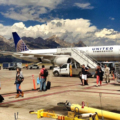

Overview of Tucson International Airport
Tucson International Airport is the primary commercial airport serving the city of Tucson and the surrounding southern Arizona region. It plays a vital role in connecting residents, business travelers, military personnel, and tourists to major cities across the United States. Known for its manageable size, efficient operations, and traveler-friendly layout, the airport offers a smooth travel experience compared to larger hub airports.
Located in southern Tucson, the airport serves as a key transportation gateway for Pima County and nearby communities. It supports both passenger and cargo operations and is especially important for regional connectivity within Arizona. Tucson International Airport also supports tourism to southern Arizona, including visitors traveling to the Sonoran Desert, Saguaro National Park, and nearby historic and cultural destinations.
From an aviation standpoint, the airport is an important regional asset. It accommodates major U.S. airlines, regional carriers, and military-related aviation activities, reflecting its strategic importance within Arizona’s air transportation network. Its infrastructure is designed to balance commercial passenger demand with operational efficiency, making it one of the most accessible airports in the state.
Location and Address
Tucson International Airport is situated on South Tucson Boulevard, just a short drive from downtown Tucson. Its location allows easy access from major roadways and nearby neighborhoods, making it convenient for both local residents and visitors arriving from outside the city. The airport’s proximity to central Tucson reduces travel time and simplifies ground transportation planning.
The airport’s address is well-recognized and frequently used for navigation, ride-sharing services, and logistics planning. Its placement in southern Tucson also supports quick access to surrounding suburbs and regional highways.
Airport Code and Identification
The official airport code for Tucson International Airport is TUS. This three-letter code is used across airline booking systems, baggage tags, flight schedules, and travel documentation. TUS is widely recognized by domestic and international travelers and is an essential identifier when searching for flights to or from Tucson.
Ownership and Role in Arizona Aviation
Tucson International Airport is owned and operated by the Tucson Airport Authority, a non-profit organization responsible for managing airport operations, development, and long-term planning. The airport plays a significant role in Arizona’s aviation ecosystem by supporting passenger travel, air cargo, general aviation, and military operations.
Beyond commercial flights, the airport contributes to regional economic development by supporting jobs, tourism, and business connectivity. It complements larger airports in Arizona by providing an efficient alternative for travelers heading to southern parts of the state, reducing congestion at major hubs while maintaining high service standards.
Airport Quick Facts
| Detail | Information |
|---|---|
| Airport Name | Tucson International Airport |
| Airport Code | TUS |
| City | Tucson |
| State | Arizona |
| Address | 7250 S Tucson Blvd, Tucson, AZ |
| Terminals | Main Terminal (Multiple Concourses) |
Is Tucson an International Airport?
Tucson International Airport is officially designated as an international airport, even though the majority of its scheduled passenger flights operate within the United States. The “international” status refers to the airport’s capability to handle international air traffic, rather than the volume of daily international commercial flights. This designation is common among many U.S. airports that are equipped to process international arrivals when required.
The airport’s international classification allows it to support a wide range of aviation activities beyond standard domestic passenger service. These include international charter flights, private and corporate aviation, military-related movements, and special international operations. As a result, Tucson International Airport meets the technical and regulatory requirements needed to be considered an international airport.
What Makes Tucson an International Airport?
An airport is classified as “international” when it has the infrastructure and authorization to handle flights arriving from outside the United States. Tucson International Airport fulfills this requirement through its facilities, security protocols, and coordination with federal agencies. While scheduled commercial international routes may be limited or seasonal, the airport remains fully capable of managing international arrivals when they occur.
This status is particularly important for private aviation, military operations, and charter services, which may operate international flights on a non-daily basis. It also provides flexibility for future expansion of international passenger services if demand increases.
Customs and International Arrival Capability
Tucson International Airport is equipped to support international arrivals through U.S. Customs and Border Protection (CBP) services. These services are typically available for pre-approved flights, charter operations, and specific international arrivals rather than regular commercial schedules.
When international flights arrive, passengers are processed through designated customs procedures, including passport control, security screening, and baggage inspection. These capabilities ensure compliance with U.S. immigration and customs regulations, even if international passenger traffic is not part of the airport’s daily operations.
The airport’s customs readiness reinforces its international designation and allows it to function as a point of entry into the United States under appropriate circumstances.
Historical Context of International Status
The international status of Tucson International Airport has historical roots tied to regional aviation needs, military presence, and cross-border connectivity. Located in southern Arizona, relatively close to the U.S.–Mexico border, the airport has long supported aviation activities that extend beyond purely domestic travel.
Over time, the airport evolved to meet federal requirements for international operations, supporting military flights, cargo movements, and private aviation. While commercial international routes have varied depending on airline demand and market conditions, the airport has retained its international designation due to its infrastructure and operational readiness.
Today, this status positions Tucson International Airport as a strategically flexible facility, capable of supporting future international travel opportunities while continuing to serve as a key domestic airport for southern Arizona.
Tucson International Airport – International Status Overview
| Aspect | Details |
|---|---|
| International Designation | Yes |
| Regular International Commercial Flights | Limited / Seasonal |
| Customs & Border Protection Capability | Available for approved flights |
| Type of International Operations | Charter, private, military, special arrivals |
| Strategic Importance | Supports regional and cross-border aviation needs |
Tucson International Airport Terminals
Tucson International Airport features a streamlined and passenger-friendly terminal layout designed to make navigation simple for both first-time visitors and frequent travelers. Unlike large multi-terminal hub airports, Tucson International Airport operates primarily from a single main terminal, which is organized into multiple concourses. This compact design reduces walking distances, minimizes confusion, and allows passengers to move efficiently from check-in to their departure gates.
The terminal structure supports a smooth travel experience, with clearly marked signage, centralized security screening, and convenient access to essential services such as dining, restrooms, and airline counters. Because all concourses are connected within the same terminal building, passengers do not need to use shuttle trains or buses to reach their gates, making the airport especially convenient for travelers with tight connections or limited mobility.
Terminal Layout and Concourse Design
The main terminal at Tucson International Airport is divided into concourses that handle departures and arrivals for different airlines. After passing through the central security checkpoint, passengers can easily access all concourses on the airside without exiting the secure area. This layout helps streamline passenger flow and reduces congestion during peak travel times.
Check-in counters for airlines are located in the public landside area of the terminal, close to ticketing, baggage drop, and information desks. Once through security, travelers can access gates, dining options, and retail services without navigating complex terminal transitions. The airport’s design emphasizes clarity, efficiency, and ease of movement.
Airlines Operating Within the Terminal
All major passenger airlines operating at Tucson International Airport are accommodated within the main terminal and its concourses. Each airline is assigned specific gate areas, allowing for organized boarding processes and efficient aircraft turnaround. This centralized setup also simplifies connections between airlines, as passengers do not need to transfer between separate terminal buildings.
The terminal layout supports both major U.S. carriers and regional airlines, with gate assignments adjusted based on flight schedules and operational needs. This flexible arrangement allows the airport to handle varying passenger volumes while maintaining smooth boarding and arrival processes.
Passenger Flow and Accessibility
Passenger flow at Tucson International Airport is designed to minimize delays and bottlenecks. The centralized security screening area feeds directly into the concourse network, allowing for steady movement during busy periods. Clear wayfinding signs guide passengers to gates, restrooms, dining areas, and exits, reducing stress and confusion.
The terminal is fully accessible, with elevators, ramps, and designated assistance services available for passengers with reduced mobility. The compact terminal layout also makes it easier for travelers to navigate the airport without extensive walking, contributing to a more comfortable overall experience.
Terminal Overview and Airlines
| Terminal / Concourse | Primary Use | Airlines Served |
|---|---|---|
| Main Terminal | Passenger check-in, security, arrivals | All airlines operating at Tucson International Airport |
| Concourse Areas | Departures and arrivals | Major U.S. and regional carriers |
| Central Security Area | Passenger screening | All departing passengers |
Airlines Operating at Tucson International Airport
Tucson International Airport is served by a mix of major U.S. airlines and regional carriers that collectively provide reliable domestic air connectivity for southern Arizona. The airport’s airline network focuses primarily on domestic routes, linking Tucson with major hubs and key cities across the United States. These connections make it easy for passengers to access national and international destinations through one-stop transfers at larger airports.
The airline operations at Tucson International Airport are structured to meet the travel needs of both leisure and business passengers. Daily flights connect Tucson to major metropolitan areas, while regional services support shorter routes within the western and central United States. This balanced airline presence ensures consistent service throughout the year, with additional capacity added during high-demand travel periods.
Major and Regional Airlines
Several well-known U.S. airlines operate regular flights from Tucson International Airport, offering a range of service levels and fare options. Major carriers provide direct connections to large hub airports, enabling onward travel to domestic and international destinations. Regional airlines complement these services by operating shorter routes and feeder flights that connect Tucson to nearby cities and airline hubs.
This combination of major and regional airlines allows the airport to maintain frequent departures while serving a wide range of travel preferences, from full-service airlines to low-cost options.
Domestic Route Focus
The vast majority of flights operating at Tucson International Airport are domestic. These routes typically connect Tucson with key cities such as Phoenix, Dallas, Denver, Los Angeles, and other major transportation hubs. From these hubs, passengers can easily transfer to international flights operated by the same or partner airlines.
This domestic focus reflects the airport’s role as a regional gateway rather than a primary international hub. By concentrating on strong domestic connectivity, the airport ensures dependable service and competitive flight schedules for travelers in southern Arizona.
Seasonal and Limited-Time Routes
In addition to year-round routes, Tucson International Airport also supports seasonal and limited-time services. These routes are often introduced during peak travel seasons, such as winter holidays or periods of increased tourism. Seasonal flights may connect Tucson with popular leisure destinations or add extra capacity on existing routes to accommodate higher passenger demand.
Seasonal route availability can vary each year depending on airline schedules and market demand, so travelers are encouraged to check current flight offerings when planning their trips.
Airlines and Destinations Overview
| Airline | Type | Primary Destinations Served |
|---|---|---|
| American Airlines | Major Carrier | Dallas, Phoenix, Los Angeles and hub connections |
| Delta Air Lines | Major Carrier | Atlanta, Salt Lake City and connecting hubs |
| United Airlines | Major Carrier | Denver, Chicago and other major hubs |
| Southwest Airlines | Major Carrier | Multiple domestic destinations across the U.S. |
| Alaska Airlines | Major Carrier | West Coast cities and seasonal routes |
| Regional Carriers | Regional Airlines | Short-haul and feeder routes to nearby hubs |
Flights, Arrivals & Departures
Tucson International Airport manages a steady flow of daily flights, with arrivals and departures scheduled throughout the day to support both business and leisure travel. The airport’s flight operations are primarily domestic, connecting Tucson to major U.S. cities and airline hubs. Thanks to its manageable size and efficient layout, passengers generally experience smooth processing for both arriving and departing flights.
Travelers using Tucson International Airport benefit from clear flight information systems and easy access to real-time updates. Whether you are picking up a passenger, catching a departing flight, or tracking delays, the airport provides multiple ways to stay informed about current flight status.
How to Check Arrivals and Departures
Passengers can check arrivals and departures at Tucson International Airport through several reliable sources. Real-time flight status information is available on airline websites, mobile apps, and airport information displays located throughout the terminal. These platforms provide up-to-date details on scheduled times, gate assignments, delays, and cancellations.
Inside the terminal, digital display boards are positioned near check-in areas, security checkpoints, and gate zones. These displays allow travelers to quickly confirm their flight status without needing to visit an airline counter. For those picking up arriving passengers, flight tracking tools help estimate landing times and baggage claim availability.
Peak Travel Times
Peak travel periods at Tucson International Airport typically occur during early morning and late afternoon hours, when multiple departures and arrivals are scheduled close together. These timeframes are popular with business travelers and passengers connecting through major airline hubs.
Seasonal increases in passenger volume are common during holidays, spring travel months, and winter tourism seasons, when visitors travel to southern Arizona for its mild climate. During these busy periods, security lines and gate areas may experience higher congestion, making early arrival at the airport especially important.
Flight Delays and Travel Tips
While Tucson International Airport generally operates efficiently, flight delays can occur due to weather conditions, aircraft availability, or air traffic control restrictions at connecting hubs. Weather-related delays are less frequent compared to other regions, but seasonal storms and high winds can occasionally affect schedules.
To reduce the impact of potential delays, travelers are advised to monitor their flight status before arriving at the airport and to arrive with sufficient time for check-in and security screening. For departures, arriving at the airport at least two hours before scheduled departure is recommended, especially during peak travel periods.
Arrivals and Departures Overview
| Category | Key Information |
|---|---|
| Arrivals | Real-time tracking available via airlines and terminal displays |
| Departures | Check-in and gate details updated throughout the day |
| Peak Times | Early mornings and late afternoons |
| Seasonal Traffic | Higher during holidays and winter travel season |
| Delay Management | Monitor flight status and arrive early |
Tucson International Airport Parking
Parking at Tucson International Airport is designed to be simple, accessible, and suitable for both short visits and extended trips. The airport offers multiple parking options located close to the terminal, allowing travelers to choose based on duration, convenience, and budget. Clear signage, well-maintained lots, and straightforward payment systems make parking one of the most convenient aspects of traveling through Tucson International Airport.
Whether you are dropping off a passenger, parking for a business trip, or leaving your vehicle for several days, the airport provides clearly defined parking facilities that reduce walking time and eliminate the need for off-site shuttles in most cases. Compared to larger hub airports, parking at Tucson International Airport is generally more affordable and less congested.
Short-Term Parking Options
Short-term parking at Tucson International Airport is ideal for passengers picking up or dropping off travelers or for short visits to the terminal. These parking areas are located closest to the terminal building, allowing quick access to ticketing, baggage claim, and arrivals areas.
Short-term parking is commonly used for stays lasting a few hours and is well-suited for drivers who value proximity over cost. Clearly marked pedestrian walkways connect the parking areas directly to the terminal entrance, making it easy to move between the parking lot and the airport building.
Long-Term and Economy Parking
For travelers leaving their vehicles for several days or longer, Tucson International Airport offers long-term and economy parking options. These parking areas are designed for affordability while still maintaining reasonable access to the terminal.
Long-term parking is typically located slightly farther from the terminal than short-term parking but remains within walking distance for most travelers. Economy parking provides the most cost-effective option and is popular with vacation travelers and extended-stay passengers. These lots are well-lit, regularly monitored, and clearly marked to ensure vehicle safety and ease of use.
Long-term and economy parking areas are especially convenient for travelers who prefer on-airport parking without relying on third-party facilities.
Park and Fly Convenience
Park and Fly services at Tucson International Airport are designed to support travelers who want a seamless transition from their vehicle to their flight. With on-site parking options located near the terminal, travelers can park their cars and walk directly to check-in without the need for additional transportation.
This Park and Fly setup is particularly useful for early morning departures or late-night arrivals, as it reduces wait times and simplifies airport access. The airport’s parking layout ensures that travelers can quickly reach the terminal while keeping parking costs manageable.
Parking Tips for Travelers
Choosing the right parking option at Tucson International Airport depends on travel duration and convenience preferences. Short-term parking is best for brief visits, while long-term and economy parking provide better value for multi-day trips. During peak travel seasons and holidays, parking areas can fill quickly, so arriving early is recommended to secure a preferred spot.
Travelers should also review posted parking rates and payment methods before arrival to ensure a smooth experience. Most parking facilities support multiple payment options, making entry and exit efficient.
Parking Types, Rates, and Walking Distance
| Parking Type | Best For | Typical Cost Range | Walking Distance to Terminal |
|---|---|---|---|
| Short-Term Parking | Pick-up, drop-off, short visits | Higher hourly rates | Very close |
| Long-Term Parking | Multi-day trips | Moderate daily rates | Short walk |
| Economy Parking | Budget-conscious travelers | Lowest daily rates | Longer walk |
| Park and Fly | Quick terminal access | Varies by duration | Walkable access |
Car Rental at Tucson International Airport
Car rental at Tucson International Airport is a convenient and popular option for travelers who want flexibility while exploring Tucson and the surrounding areas of southern Arizona. The airport hosts multiple well-known rental car companies, all operating on-site, which allows passengers to pick up their vehicles shortly after arriving. This setup eliminates the need for off-airport shuttles and makes the rental process faster and more efficient.
Rental car facilities are located within easy reach of the main terminal, with clear signage guiding passengers from baggage claim to the rental car counters. Because Tucson International Airport is compact compared to major hub airports, travelers can typically complete the rental process and be on the road within a short time after landing.
On-Site Car Rental Process
After arriving at Tucson International Airport and collecting checked baggage, passengers can follow the posted signs directing them to the rental car area. Major rental agencies maintain dedicated service counters where travelers can complete paperwork, verify reservations, and receive vehicle keys.
Once the rental agreement is finalized, customers are directed to nearby parking areas where rental vehicles are staged. Airport staff and rental company representatives are usually available to assist with directions, vehicle selection, and any questions related to the rental agreement. The close proximity of rental facilities to the terminal significantly reduces wait times and simplifies the pickup process.
Rental Car Return Instructions
Returning a rental car at Tucson International Airport is straightforward. Drivers are guided by clearly marked road signs leading to the designated rental car return area. Each rental company has specific drop-off lanes or parking sections, allowing for quick and organized vehicle returns.
Upon arrival at the return area, travelers follow instructions provided by the rental agency, which may include vehicle inspection, mileage confirmation, and key drop-off. After completing the return, passengers can easily walk back to the terminal or access nearby check-in areas, making the process efficient even for early morning or late-night departures.
Tips for Finding Cheap Car Rentals
To secure affordable car rental rates at Tucson International Airport, travelers are encouraged to book in advance, especially during peak travel seasons. Comparing prices across multiple rental companies can help identify the best value, as rates may vary depending on vehicle type, rental duration, and demand.
Choosing economy or compact vehicles often results in lower rental costs and better fuel efficiency. Travelers should also check whether their airline, credit card, or travel membership offers rental discounts. Avoiding last-minute bookings and carefully reviewing insurance options can further help keep overall rental costs down.
Car Rental Companies and Location
| Rental Company | Location | Notes |
|---|---|---|
| Enterprise | On-site rental facility | Wide vehicle selection |
| Hertz | On-site rental facility | Business and leisure options |
| Avis | On-site rental facility | Short-term and long-term rentals |
| Budget | On-site rental facility | Budget-friendly options |
| Alamo | On-site rental facility | Popular for family travel |
| Dollar | On-site rental facility | Competitive pricing |
Hotels Near Tucson International Airport
Hotels near Tucson International Airport provide convenient accommodation options for travelers who want to stay close to the terminal before an early departure or after a late arrival. The area surrounding the airport features a mix of airport-focused hotels and nearby properties that cater to business travelers, families, and leisure visitors. Staying near the airport helps reduce commute time and simplifies travel planning, especially for short stays or overnight layovers.
Most hotels in this area are located within a short driving distance of the terminal and offer easy access via major roads. Many properties are designed to accommodate travelers with flight schedules in mind, offering flexible check-in times, early breakfast options, and transportation services to and from the airport.
Airport Hotels and Nearby Accommodation
Several hotels are situated close to Tucson International Airport, making them ideal for travelers who prioritize convenience. These airport hotels are often chosen by passengers with early morning flights, airline crew members, and business travelers attending short meetings in Tucson. Their proximity to the airport allows guests to minimize travel time and avoid city traffic.
Nearby accommodation options also extend slightly beyond the immediate airport area, providing additional choices for travelers who want a quieter environment or access to nearby dining and shopping areas. These hotels remain close enough to the airport to offer practical travel benefits without sacrificing comfort.
Budget and Premium Stay Options
Hotels near Tucson International Airport range from budget-friendly properties to more premium accommodations. Budget hotels focus on affordability and essential amenities, making them suitable for travelers looking for a cost-effective overnight stay. These properties typically offer comfortable rooms, free parking, and basic services without additional luxury features.
Premium hotels in the area provide enhanced comfort, larger rooms, upgraded amenities, and business-friendly services. These hotels may include on-site dining, meeting spaces, fitness centers, and enhanced customer service, appealing to business travelers and guests seeking a more comfortable experience.
Shuttle Services and Transportation Convenience
Many hotels near Tucson International Airport offer complimentary airport shuttle services, adding to their convenience. These shuttles operate on scheduled routes or on-demand and allow guests to travel between the hotel and the terminal without needing a personal vehicle or rental car.
Shuttle availability varies by property, so travelers are advised to confirm service hours and pickup locations in advance. Hotels without shuttle services are still easily accessible by taxi, rideshare, or short drives, ensuring that all nearby accommodations remain well-connected to the airport.
Hotels Near Tucson International Airport Overview
| Hotel Name | Distance from Airport | Shuttle Service | Price Range |
|---|---|---|---|
| Airport Area Hotel (Example) | Within 1 mile | Yes | Budget |
| Nearby Business Hotel (Example) | 1–2 miles | Yes | Mid-range |
| Premium Airport Hotel (Example) | 2–3 miles | Yes | Premium |
| Budget Motel Near Airport (Example) | 2–4 miles | Limited | Budget |
Airport Transportation Options
Tucson International Airport offers a variety of transportation options that make traveling to and from the airport simple and convenient. Whether passengers prefer ridesharing services, traditional taxis, public transportation, or driving their own vehicle, the airport is well connected to Tucson and nearby areas. These options allow travelers to choose transportation based on cost, comfort, and travel time.
The airport’s location in southern Tucson provides direct access to major roads, making it easy to reach from downtown, surrounding neighborhoods, and nearby cities. Clear signage and designated pickup areas help ensure smooth ground transportation operations.
Uber and Lyft Rideshare Services
Uber and Lyft are widely available at Tucson International Airport and are among the most popular transportation choices for passengers. Designated rideshare pickup areas are clearly marked outside the terminal, allowing travelers to quickly connect with their drivers after arriving.
Rideshare services offer flexible pricing based on distance, demand, and time of day. They are especially convenient for solo travelers, short trips, or passengers who do not want to rent a car. For departures, Uber and Lyft drivers can drop passengers off directly at the terminal entrance, making the process fast and efficient.
Taxi Services
Traditional taxi services are also available at Tucson International Airport. Taxi stands are located near the terminal exits, providing easy access for arriving passengers who prefer not to use mobile apps. Taxis operate on metered fares, and rates typically vary based on destination and traffic conditions.
Taxis are a reliable option for travelers who want immediate transportation without waiting for rideshare availability. They are also useful for travelers unfamiliar with ridesharing apps or those carrying larger amounts of luggage.
Public Transportation
Public transportation options connect Tucson International Airport with various parts of the city. Local bus services operate routes that serve the airport, providing an affordable option for budget-conscious travelers. While public transport may take longer than taxis or rideshares, it offers a cost-effective way to reach downtown Tucson and other neighborhoods.
Passengers using public transportation should review route schedules and service hours in advance, as frequency and availability may vary depending on the time of day and day of the week.
Driving Directions and Road Access
For travelers driving to Tucson International Airport, the airport is easily accessible via major roadways. Clear directional signs guide drivers to terminal entrances, parking areas, and rental car facilities. The airport’s road layout is designed to support smooth traffic flow, even during peak travel times.
Drivers should allow extra time during busy travel periods and follow posted signs for passenger drop-off and parking. Using navigation apps can help travelers select the fastest route based on real-time traffic conditions.
Tucson International Airport Map & Directory
Tucson International Airport is designed to be easy to navigate, and its maps and directory system play a major role in ensuring a smooth passenger experience. Because the airport primarily operates from a single main terminal, travelers can quickly understand the layout without dealing with complex terminal changes or long transfers. Airport maps and directories help passengers locate gates, airline counters, services, dining options, and essential facilities with minimal effort.
For first-time visitors, families, elderly travelers, and passengers with limited connection times, the airport’s clear layout combined with effective wayfinding tools significantly reduces travel stress. Reviewing the terminal map in advance or upon arrival allows passengers to plan their movement efficiently and avoid unnecessary backtracking.
Terminal Maps and Layout Details
Terminal maps at Tucson International Airport provide a complete visual overview of the airport’s interior and exterior layout. These maps show the location of airline check-in counters, security screening areas, concourses, departure gates, baggage claim, and ground transportation zones. Maps are available through official airport resources and are also displayed on signage throughout the terminal.
The airport’s compact structure means that once passengers pass through the central security checkpoint, all concourses and gates are accessible within the secure area. Terminal maps clearly mark walking paths, restrooms, elevators, escalators, and accessible routes, helping passengers estimate walking time and choose the most efficient route to their gate.
Airport Directory and Services Listing
The airport directory serves as a centralized guide to all services available at Tucson International Airport. It lists airlines, restaurants, retail outlets, restrooms, ATMs, lounges, lost and found, medical assistance, and accessibility services. Directories are placed in visible, high-traffic areas such as near entrances, security checkpoints, and main corridors.
Using the directory helps passengers quickly identify where specific services are located, such as airline ticket offices, rental car access points, or dining options near particular gates. This reduces dependency on airport staff for directions and allows travelers to move confidently through the terminal.
Navigation Tips for a Smooth Airport Experience
To navigate Tucson International Airport efficiently, passengers should follow overhead directional signage, which clearly indicates gates, exits, and services. Color-coded signs and large lettering make it easy to identify concourse directions and essential facilities at a glance.
Passengers with connecting flights or limited time should consult terminal maps immediately after clearing security to identify the shortest route to their gate. Travelers arriving at the airport can use signage to quickly locate baggage claim, ground transportation, and parking areas without confusion. Allowing a few extra minutes to review the map can significantly improve overall airport flow and comfort.
Key Areas Identified on Airport Maps
| Area | What You’ll Find | Why It’s Important |
|---|---|---|
| Ticketing & Check-In | Airline counters, baggage drop | Starting point for departures |
| Security Screening | TSA checkpoints | Access to all concourses |
| Concourse Areas | Departure gates, seating | Boarding and waiting areas |
| Baggage Claim | Arrival carousels | Luggage pickup |
| Dining & Retail | Restaurants, cafés, shops | Food and shopping options |
| Ground Transportation | Rideshare, taxis, shuttles | Exit and onward travel |
| Rental Car Access | On-site rental facilities | Vehicle pickup and return |
| Passenger Services | Restrooms, ATMs, lost & found | Comfort and assistance |
Restaurants & Food at Tucson International Airport
Tucson International Airport offers a thoughtfully selected range of dining and food options designed to serve travelers throughout the day. While the airport is smaller than major hub airports, its food and beverage outlets focus on convenience, quality, and regional character. Passengers can find options for quick snacks, full meals, and beverages without needing to leave the secure area.
Dining locations are positioned to be easily accessible from departure gates and seating areas, allowing travelers to eat comfortably while keeping an eye on boarding announcements. The airport’s food services cater to early morning departures, midday travelers, and evening flights, making it easy to grab something regardless of flight time.
Dining Options Across the Terminal
Most restaurants and food outlets at Tucson International Airport are located post-security, which is especially convenient for departing passengers. This allows travelers to clear security first and then relax with food or drinks without worrying about re-entering screening lines.
The airport provides a mix of cafés, casual eateries, bars, and grab-and-go counters. These options are suitable for solo travelers, families, and business passengers who may want anything from a quick coffee to a sit-down meal. Seating areas near dining outlets make it easy to eat while waiting for boarding.
Local and Regional Food Presence
A key highlight of food at Tucson International Airport is the inclusion of local and regional brands that reflect southern Arizona’s culinary culture. These dining spots often feature Southwestern-inspired menus, local beverages, and regional flavors, giving visitors a taste of Tucson without leaving the airport.
Local dining options are popular with both visitors and residents, helping the airport stand out from generic food courts commonly found at larger airports. This regional focus enhances the overall travel experience and adds a sense of place to the terminal.
Operating Hours and Availability
Restaurant hours at Tucson International Airport are generally aligned with flight schedules. Many food outlets open early in the morning to accommodate first departures and remain open through peak afternoon and evening travel periods. Some locations may close during slower hours or late at night, depending on passenger volume.
Because operating hours can vary, travelers with very early or late flights are advised to check availability upon arrival or plan accordingly. Vending machines and limited grab-and-go options may still be accessible during off-peak hours.
Restaurants and Food Options Overview
| Restaurant Name | Terminal Area | Cuisine / Type |
|---|---|---|
| Local Café (Example) | Main Terminal | Coffee, breakfast items |
| Southwestern Eatery (Example) | Main Terminal | Regional & Southwestern |
| Bar and Grill (Example) | Main Terminal | American cuisine |
| Quick-Service Counter (Example) | Main Terminal | Snacks and fast food |
| Beverage Lounge (Example) | Main Terminal | Drinks and light bites |
Airport Facilities & Services
Tucson International Airport offers a comprehensive range of facilities and passenger services designed to make travel comfortable, efficient, and accessible for all types of travelers. Despite being a regional airport, it provides many of the essential amenities found at larger airports, while maintaining a simpler and less crowded environment. These services support passengers before departure, during layovers, and upon arrival, ensuring a smooth end-to-end airport experience.
Facilities at Tucson International Airport are thoughtfully distributed throughout the terminal, with clear signage directing passengers to key services. Whether travelers need connectivity, assistance, cash access, or a quiet place to relax, the airport’s services are designed to meet practical travel needs without unnecessary complexity.
WiFi and Digital Connectivity
Free WiFi is available throughout Tucson International Airport and covers all public areas, including gate seating, dining zones, baggage claim, and common waiting areas. The wireless network allows passengers to browse the internet, check emails, stream content, and manage travel plans from their personal devices.
This connectivity is particularly useful for business travelers who need to work while waiting for flights, as well as leisure travelers who want to stay connected with family or access entertainment during layovers. The WiFi service is easy to access and does not require complicated login procedures.
Lost and Found Services
Lost and Found services at Tucson International Airport assist passengers in recovering items misplaced within public areas of the terminal. Items such as phones, wallets, documents, and personal belongings found in common spaces are handled through designated airport channels.
Travelers who lose items inside the terminal are encouraged to report them as soon as possible, providing details such as location, time, and item description. Items lost on aircraft or within secured airline areas are typically managed by the respective airline, and passengers may need to contact airline customer service directly for recovery.
Accessibility and Passenger Assistance
Tucson International Airport is fully accessible and compliant with accessibility standards to support passengers with disabilities or reduced mobility. The terminal includes elevators, ramps, wide corridors, accessible restrooms, and clearly marked pathways to ensure barrier-free movement throughout the airport.
Wheelchair assistance can be requested through airlines in advance or upon arrival. The airport also accommodates service animals and provides designated relief areas. Clear signage, courteous staff, and a compact terminal layout make navigation easier for elderly travelers and those requiring additional assistance.
ATMs, Lounges, and Comfort Amenities
ATMs are conveniently located throughout the terminal, allowing passengers to withdraw cash before departure or after arrival. These machines are positioned near high-traffic areas, making them easy to access without disrupting travel flow.
Passenger lounges and quieter seating zones provide a more relaxed environment for travelers who want to work, rest, or avoid crowded gate areas. Lounge access may be available through airline memberships, credit cards, or paid entry options, depending on the facility. In addition to lounges, the airport offers comfortable seating areas with charging stations for electronic devices.
Airport Facilities and Services Overview
| Facility / Service | Availability | Purpose |
|---|---|---|
| Free WiFi | Throughout terminal | Internet access and connectivity |
| Lost & Found | Public terminal areas | Recovery of misplaced items |
| Accessibility Services | Terminal-wide | Support for passengers with disabilities |
| ATMs | Multiple locations | Cash withdrawal |
| Passenger Lounges | Limited access | Quiet seating and comfort |
| Charging Stations | Gate and seating areas | Device charging |
| Information Desks | Terminal areas | Passenger assistance |
Tucson International Airport Weather
Weather at Tucson International Airport is one of the major advantages for travelers flying through southern Arizona. The airport is located in a desert climate zone, which means clear skies, low humidity, and minimal weather-related disruptions for most of the year. Compared to airports in colder or coastal regions, Tucson experiences far fewer cancellations or long delays caused by snow, fog, or severe storms.
Understanding seasonal weather patterns can help travelers choose the best travel months, plan flight schedules more confidently, and prepare for temperature changes when arriving or departing from the airport.
Seasonal Weather Conditions in Tucson
Tucson experiences four distinct seasonal patterns, each with its own impact on travel.
- Spring (March–May) brings warm days, cool nights, and very low rainfall. This is one of the most pleasant times of the year, with stable flying conditions and comfortable temperatures.
- Summer (June–September) is characterized by high daytime temperatures. Mid-to-late summer also marks the monsoon season, during which short but intense thunderstorms can occur, usually in the afternoon or evening.
- Fall (October–November) offers cooler temperatures and dry conditions, making it another ideal travel period with minimal weather interruptions.
- Winter (December–February) is mild compared to most U.S. regions. Temperatures remain comfortable, rainfall is low, and snowfall at the airport is extremely rare.
Impact of Weather on Flights and Travel
Weather-related delays at Tucson International Airport are generally uncommon. The dry climate and flat terrain help maintain consistent flight operations throughout the year. However, during the summer monsoon season, brief delays may occur due to lightning, heavy rainfall, or strong winds. These weather events are typically short-lived and rarely cause prolonged disruptions.
High temperatures during summer months can also influence aircraft performance. Airlines may occasionally adjust flight schedules or limit aircraft weight during peak heat hours to maintain safety standards. Winter weather rarely affects operations, making Tucson a reliable airport during colder months when other regions experience snow-related delays.
Best Months to Fly Through Tucson International Airport
The best months to fly through Tucson International Airport are generally March to May and October to November. These periods offer mild temperatures, low rainfall, and excellent flying conditions. Winter months are also popular with travelers seeking warmer weather, as flight reliability remains high.
Summer travel is still common but may require extra planning due to high temperatures and occasional storm activity. Travelers flying during summer afternoons should monitor flight status closely during monsoon season.
Tucson International Airport Weather Overview
| Season | Average Conditions | Rainfall Level | Travel Impact |
|---|---|---|---|
| Spring (Mar–May) | Warm days, cool nights | Very low | Excellent travel conditions |
| Summer (Jun–Sep) | Very hot, monsoon storms | Moderate | Occasional short delays |
| Fall (Oct–Nov) | Mild and dry | Low | Ideal for travel |
| Winter (Dec–Feb) | Mild, cooler evenings | Low | Minimal disruptions |
Photos & Passenger Experience
Photos and passenger feedback offer a clear picture of what travelers can expect at Tucson International Airport. As a regional airport, it is often praised for its clean facilities, calm atmosphere, and ease of movement, which stand out when compared to larger, more crowded airports. Visual content shared by travelers commonly highlights the airport’s organized layout, well-maintained interiors, and uncluttered gate areas.
Passenger experience at Tucson International Airport is shaped by efficiency rather than scale. The airport focuses on delivering a smooth journey from curb to gate, which is reflected in both traveler photos and reviews. For many passengers, the airport’s simplicity and functionality are its biggest strengths.
Terminal Cleanliness and Overall Ambience
Terminal cleanliness is one of the most consistently mentioned positives in passenger feedback. Public spaces such as check-in areas, seating zones, restrooms, and baggage claim are regularly cleaned and well maintained. Photos taken inside the terminal often show tidy floors, clear seating arrangements, and uncluttered walkways.
The airport’s interior design prioritizes practicality, with adequate lighting and open spaces that prevent the terminal from feeling crowded even during busy travel hours. This clean and organized environment contributes to a more relaxed travel experience, especially for passengers waiting for early-morning or delayed flights.
Ease of Navigation for Passengers
Ease of navigation is a major advantage of Tucson International Airport and is frequently highlighted in passenger reviews. The single-terminal setup, short walking distances, and clear signage make it easy for travelers to find airline counters, security checkpoints, gates, and services without confusion.
Photos of the airport often capture wide corridors, visible directional signs, and centralized amenities, all of which reduce stress for first-time visitors. Travelers with limited connection times, elderly passengers, and families with children particularly benefit from the airport’s straightforward layout.
Passenger Reviews and Travel Experience Summary
Overall passenger reviews of Tucson International Airport tend to emphasize efficiency, friendly staff, and shorter wait times. Many travelers note that security screening is generally faster than at major hub airports, contributing to a smoother departure experience.
While some passengers mention that dining and shopping options are more limited compared to larger airports, this is often viewed as a reasonable trade-off for faster movement and reduced congestion. The general consensus from reviews is that Tucson International Airport offers a comfortable, low-stress travel environment that prioritizes convenience and reliability.
Passenger Experience Overview
| Experience Aspect | Passenger Feedback Summary |
|---|---|
| Terminal Cleanliness | Regularly praised for being clean and well maintained |
| Navigation & Layout | Easy to navigate with short walking distances |
| Security Experience | Typically quicker and less crowded |
| Staff & Service | Generally described as helpful and professional |
| Overall Atmosphere | Calm, efficient, and traveler-friendly |
Jobs & Careers at Tucson International Airport
Tucson International Airport is not only a key transportation hub for southern Arizona but also an important employment center for the region. The airport supports a wide range of jobs across aviation, operations, customer service, security, maintenance, and commercial services. These roles contribute directly to the airport’s daily functioning and long-term development, making careers at the airport appealing to individuals with diverse skill sets and professional backgrounds.
Employment opportunities at Tucson International Airport are available year-round, with additional hiring often occurring during peak travel seasons or when airlines expand services. Jobs range from entry-level positions to specialized and management roles, offering both short-term employment and long-term career growth opportunities within the aviation industry.
Types of Jobs Available at the Airport
Job roles at Tucson International Airport cover multiple operational areas. Entry-level positions are commonly found in passenger services, baggage handling, cleaning, food and retail services, and ground support. These roles are essential to daily airport operations and often serve as a gateway into the aviation industry.
More specialized positions include aircraft maintenance, airport operations, safety and compliance, information technology, and facilities management. Administrative and management roles are also available with airport authorities and airlines, focusing on planning, finance, human resources, and operational oversight. Security-related roles are critical as well, requiring background checks and, in some cases, additional certifications.
Employers and Organizations Hiring at TUS
Multiple organizations are responsible for hiring at Tucson International Airport. Airlines operating at the airport employ staff for customer service, flight operations support, and maintenance. Ground handling companies manage ramp services, baggage operations, and aircraft support functions.
The Tucson Airport Authority oversees airport management and infrastructure, offering positions related to operations, planning, engineering, and administration. In addition, food service providers, retail operators, security companies, and government agencies employ staff within the airport environment, creating a diverse employment ecosystem.
How to Apply for Jobs at Tucson International Airport
Applying for jobs at Tucson International Airport typically involves checking official employer websites or recognized job portals. Airlines and service providers post openings directly on their career pages, while the Tucson Airport Authority lists available positions related to airport management and operations.
Applicants should carefully review job requirements, as some roles may require background checks, security clearances, drug testing, or specific certifications. Preparing a targeted resume and being available for in-person or virtual interviews can improve the chances of securing employment. Seasonal roles may have shorter hiring timelines, so timely applications are recommended.
Job Categories and Hiring Entities
| Job Category | Typical Roles | Hiring Entities |
|---|---|---|
| Customer & Passenger Services | Ticketing, gate agents, customer support | Airlines, service contractors |
| Ramp & Ground Operations | Baggage handling, aircraft support | Ground handling companies |
| Security & Safety | Screening, compliance, safety roles | Security firms, government agencies |
| Maintenance & Facilities | Building maintenance, technical support | Airport authority, contractors |
| Administrative & Management | Operations, HR, finance, planning | Tucson Airport Authority, airlines |
| Retail & Food Services | Restaurants, shops, concessions | Airport vendors and franchise operators |
Nearby Airports & Distance Guide
Tucson International Airport serves as the primary air gateway for southern Arizona, but travelers may also consider nearby regional and major airports depending on flight availability, pricing, or destination options. Understanding the distance and travel time to alternative airports helps passengers make informed decisions, especially when comparing flight schedules, fares, or airline networks.
Nearby airports can be useful for travelers seeking additional nonstop routes, international connections, or alternative departure times. However, distance, driving time, and ground transportation costs should be carefully weighed when choosing an airport other than Tucson International Airport.
Major Nearby Airports
The closest major airport to Tucson is Phoenix Sky Harbor International Airport, which functions as Arizona’s largest aviation hub. Phoenix Sky Harbor offers a wider range of domestic and international routes, making it a common alternative for travelers seeking more flight options or competitive fares.
Other regional airports may serve niche or limited routes, but Tucson International Airport remains the most convenient option for travelers based in and around Tucson due to its proximity and ease of access.
Regional Airport Options
Smaller regional airports within driving distance of Tucson may be considered for specific routes or charter operations. These airports typically handle limited commercial traffic and may focus on general aviation or seasonal services. While they can offer convenience for certain travelers, they usually provide fewer airline choices compared to Tucson International Airport.
For most passengers, the trade-off between additional driving time and expanded flight options determines whether a nearby airport is worth considering.
Driving Time and Travel Considerations
When evaluating nearby airports, travelers should account for driving time, traffic conditions, and parking availability. Longer drives may increase travel fatigue and transportation costs, particularly for early morning or late-night flights. In many cases, the convenience of Tucson International Airport outweighs the benefits of traveling farther for alternative flights.
Navigation apps can help estimate real-time travel duration, especially for trips to Phoenix or other distant airports. Planning extra buffer time is recommended when departing from an airport outside Tucson.
Nearby Airports and Distance Overview
| Airport Name | City | Approximate Distance from Tucson | Estimated Drive Time |
|---|---|---|---|
| Tucson International Airport (TUS) | Tucson, AZ | Local | Local access |
| Phoenix Sky Harbor International Airport (PHX) | Phoenix, AZ | ~120 miles | 1.5–2 hours |
| Phoenix-Mesa Gateway Airport (AZA) | Mesa, AZ | ~135 miles | 2–2.5 hours |
| Yuma International Airport (YUM) | Yuma, AZ | ~240 miles | 4–4.5 hours |
Final Travel Tips & Summary
Tucson International Airport offers a convenient, efficient, and traveler-friendly experience for anyone flying to or from southern Arizona. Its manageable size, clear terminal layout, and reliable services make it a preferred choice for both frequent flyers and first-time travelers. Compared to larger hub airports, Tucson International Airport allows passengers to move through check-in, security, and boarding with less stress and shorter wait times.
Helpful Travel Tips for Tucson International Airport
Arriving at the airport with adequate time before departure is one of the best ways to ensure a smooth experience. While security lines are typically shorter than at major airports, arriving at least two hours early for domestic flights provides enough buffer during peak travel hours or busy seasons. Early morning and late afternoon tend to be the busiest times, so travelers flying during these periods should plan accordingly.
Parking at Tucson International Airport is generally straightforward, but choosing the right parking option can save time and money. Short-term parking works well for quick visits, while long-term and economy parking are better suited for multi-day trips. Travelers using rental cars should allow extra time for vehicle return during busy periods.
For ground transportation, rideshare services such as Uber and Lyft offer flexibility and convenience, especially for short trips. Travelers relying on public transportation or hotel shuttles should confirm schedules in advance to avoid delays, particularly for early or late flights.
Final Thoughts on Tucson International Airport
Tucson International Airport serves as a reliable gateway to southern Arizona, supporting tourism, business travel, and regional connectivity. Its clean facilities, easy navigation, and efficient operations contribute to a positive passenger experience. While the airport’s primary focus is domestic travel, its international designation and operational flexibility position it well for future growth.
Whether you are traveling for business, leisure, or a quick regional trip, Tucson International Airport provides a practical and comfortable travel environment. With proper planning and awareness of airport services, travelers can expect a smooth and hassle-free journey through one of Arizona’s most accessible airports.
Frequently Asked Questions (FAQs) About Tucson International Airport
What city is Tucson International Airport located in?
Tucson International Airport is located in Tucson, Arizona, on South Tucson Boulevard. It serves the city of Tucson and the surrounding southern Arizona region.
What is the full address of Tucson International Airport?
The full address of Tucson International Airport is 7250 S Tucson Blvd, Tucson, AZ. This address is commonly used for navigation, ride-sharing services, and deliveries.
Does Tucson International Airport have international flights?
Tucson International Airport has the capability to handle international flights, but regular scheduled international commercial flights are limited. International operations are more common for charter, private, and special-purpose flights.
How big is Tucson International Airport?
Tucson International Airport is considered a medium-sized regional airport. It is smaller than major hub airports, which helps reduce congestion and makes navigation easier for passengers.
Is Tucson International Airport easy to navigate?
Yes, Tucson International Airport is known for its easy navigation. The single-terminal layout, short walking distances, and clear signage make it simple for passengers to move through the airport.
How long does security take at Tucson International Airport?
Security wait times at Tucson International Airport are generally shorter than at larger airports. During non-peak hours, security screening can be completed quickly, though wait times may increase during early mornings and holidays.
What terminal is my airline at Tucson International Airport?
All airlines operate from the main terminal at Tucson International Airport. After passing through security, passengers can access all concourse areas without changing terminals.
Does Tucson International Airport have free WiFi?
Yes, free WiFi is available throughout Tucson International Airport, including gate areas, dining zones, and public seating spaces.
Are there restaurants after security at Tucson International Airport?
Yes, most restaurants and food outlets at Tucson International Airport are located after the security checkpoint, allowing passengers to dine while waiting for their flights.
Can I sleep at Tucson International Airport?
While Tucson International Airport is not designed as a sleeping airport, passengers may find seating areas suitable for short rest periods. Nearby airport hotels are recommended for overnight stays.
What transportation options are available late at night?
Uber, Lyft, and taxi services are typically available late at night at Tucson International Airport. Availability may vary, so travelers are advised to check ride options in advance for very late arrivals.
Is public transportation available from Tucson International Airport?
Yes, public transportation services connect the airport with parts of Tucson. However, service frequency and hours may be limited compared to taxis or rideshare options.
Does Tucson International Airport have lounges?
Tucson International Airport offers lounge and quiet seating options. Access may depend on airline policies, memberships, or credit card benefits.
Is Tucson International Airport good for first-time flyers?
Yes, the airport’s compact size, clear signage, and efficient operations make it a good choice for first-time flyers or travelers who prefer a simpler airport experience.
Does Tucson International Airport experience many delays?
Flight delays at Tucson International Airport are generally less frequent compared to larger airports. Weather-related delays are uncommon, though summer monsoon storms can occasionally affect schedules.