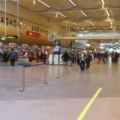

Busan Airport Overview
Busan Airport, officially known as Gimhae International Airport, is the main air gateway serving Busan and the surrounding southeastern region of South Korea. The airport is commonly called Busan Airport because it is located on the western side of Busan, even though its official name comes from the nearby city of Gimhae. Its airport code is PUS, while its ICAO code is RKPK.
Gimhae International Airport handles both domestic and international flights and serves business travelers, tourists, families, and residents travelling across South Korea and other parts of Asia. The airport has separate domestic and international terminal facilities, making it easier for passengers to identify the correct check-in, arrival, and departure area.
The airport is located in Daejeo 2-dong, Gangseo-gu, Busan. It was relocated to its current site in August 1976 after the earlier Busan airport facilities became insufficient for growing passenger demand. A newer international terminal later opened in October 2007 to support expanding international operations.
Passengers using Busan Gimhae International Airport can access flight schedules, arrivals and departures, public transportation, parking information, car rental services, airport facilities, and passenger assistance through the airport’s official information services.
Quick Introduction to Gimhae International Airport
Gimhae International Airport is an important transportation hub for Busan, Gimhae, and nearby areas of South Gyeongsang Province. It connects Busan with major domestic destinations such as Seoul and Jeju, along with international destinations across East and Southeast Asia.
The airport is particularly important for visitors travelling to Busan’s well-known districts and attractions, including Haeundae, Seomyeon, Nampo-dong, Gwangalli, Busan Station, and the coastal areas of the city. Passengers can continue their journey using the Busan–Gimhae Light Rail Transit, local buses, intercity buses, taxis, rental cars, or private airport transfer services.
Although the airport is officially named Gimhae International Airport, travelers may find several different names used online, including:
- Busan Airport
- Busan Gimhae Airport
- Busan Gimhae International Airport
- Gimhae Airport
- Gimhae International Airport Busan South Korea
- Korea Busan Airport
All these names generally refer to the same airport.
Why Is the Airport Code PUS?
The airport code PUS is associated with Busan’s older English spelling, “Pusan.” Even though the city’s official Romanized spelling is now Busan, the airport continues to use PUS as its IATA code.
Passengers should look for PUS when checking airline tickets, baggage tags, booking confirmations, departure boards, and flight schedules. This is particularly useful because searching only for “Gimhae” may sometimes cause confusion with the nearby city rather than the airport itself.
Busan Airport Quick Facts
| Airport information | Details |
|---|---|
| Official name | Gimhae International Airport |
| Common name | Busan Airport |
| IATA airport code | PUS |
| ICAO airport code | RKPK |
| Country | South Korea |
| City served | Busan |
| Location | Daejeo 2-dong, Gangseo-gu, Busan |
| Airport type | Public and military-use international airport |
| Main passenger terminals | Domestic Terminal and International Terminal |
| Main flight types | Domestic and international flights |
| Opening at current location | August 1976 |
| New international terminal opening | October 2007 |
| Local time zone | Korea Standard Time, UTC+9 |
| Main ground transport options | Light rail, local bus, intercity bus, taxi, rental car and private transfer |
| Airport operator | Korea Airports Corporation |
| Official airport website | Korea Airports Corporation’s Gimhae International Airport website |
The airport’s official website provides information about flight schedules, passenger procedures, public transport, airport directions, parking availability, parking fees, facilities, car rental services, and terminal assistance.
Domestic and International Operations
Busan Gimhae International Airport is divided into two main passenger areas: the Domestic Terminal and the International Terminal.
The Domestic Terminal handles flights travelling between Busan and destinations within South Korea. The International Terminal is used for flights between Busan and overseas destinations. Passengers should always confirm the correct terminal before travelling to the airport because check-in desks, immigration services, baggage collection areas, and boarding gates are located according to the type of flight.
Domestic Terminal
The Domestic Terminal serves passengers travelling within South Korea. Domestic air travel is commonly used for routes where flying provides a faster alternative to long-distance road or rail travel.
Facilities in and around the Domestic Terminal may include airline check-in counters, baggage services, information desks, restaurants, cafés, shops, ATMs, passenger waiting areas, transport information, and rental-car services. The official airport facility directory also lists services such as luggage assistance and pharmacy access within the airport complex.
International Terminal
The International Terminal handles overseas arrivals and departures. International passengers use this terminal for airline check-in, security screening, immigration, customs procedures, baggage collection, and international boarding.
The international terminal also includes passenger services such as information counters, dining outlets, convenience facilities, shopping, currency-related services, luggage support, and other travel assistance. Travelers should allow additional time before an international flight because immigration and security procedures may take longer during busy periods.
Importance of Busan Airport for Travelers
Busan is South Korea’s second-largest city and one of the country’s most important tourism, business, logistics, and coastal destinations. Gimhae International Airport gives travelers direct access to the city and the wider southeastern region without requiring them to arrive through Seoul.
For international tourists, the airport provides a convenient starting point for visiting Busan’s beaches, markets, cultural areas, shopping districts, hotels, and transport hubs. For domestic travelers, it provides air connections between Busan and other major parts of South Korea.
The airport is also connected to Busan’s public transport network, helping passengers continue towards central Busan and other districts after arrival. The availability of buses, light rail, taxis, rental cars, and airport transfer services gives travelers several options based on their budget, luggage, arrival time, and final destination.
What Travelers Should Know Before Arriving
Passengers should check the following information before travelling through Busan Airport:
- Confirm whether the flight uses the Domestic or International Terminal.
- Check the latest departure or arrival schedule.
- Keep the airport code PUS available when checking tickets or transport information.
- Review the operating hours of buses and rail services.
- Allow extra time during weekends, public holidays, and peak travel periods.
- Confirm airline baggage and check-in requirements before departure.
- Check live parking availability when arriving by private car.
- Keep the address written in Korean or English when using a taxi.
Because airport schedules, transportation times, parking conditions, and airline operations can change, passengers should verify time-sensitive details through the airport or transport operator before beginning their journey.
Busan Airport Terminals
Busan Airport, officially known as Gimhae International Airport (PUS), operates two dedicated passenger terminals: the Domestic Terminal and the International Terminal. Each terminal is designed to handle different types of flights, allowing passengers to move through check-in, security, boarding, and baggage claim more efficiently.
Although the terminals are located within the same airport complex, they are separate buildings. Travelers should always confirm their departure terminal before arriving at the airport, especially if they are connecting between domestic and international flights.
The airport is well signposted in both Korean and English, making it easier for international visitors to find airline counters, boarding gates, transportation services, and passenger facilities.
Terminal Overview
| Terminal | Flight Type | Main Services |
|---|---|---|
| Domestic Terminal | Domestic flights within South Korea | Check-in, baggage claim, security screening, restaurants, cafés, shops, car rental, public transportation |
| International Terminal | International arrivals and departures | Check-in, immigration, customs, duty-free shopping, currency exchange, lounges, baggage claim |
The two terminals offer modern passenger facilities and are connected by airport transportation services, making transfers between them relatively straightforward.
Domestic Terminal
The Domestic Terminal handles flights to destinations across South Korea. It serves passengers traveling for business, leisure, education, and family visits.
Several airlines operate domestic services from this terminal, with frequent flights to major destinations such as Seoul (Gimpo Airport) and Jeju Island. Domestic passengers generally experience shorter check-in and boarding procedures compared with international travelers.
Facilities Available in the Domestic Terminal
Passengers can access a variety of services before departure or after arrival, including:
- Airline check-in counters
- Self-service check-in kiosks
- Security screening
- Baggage claim area
- Passenger information desk
- Convenience stores
- Restaurants and cafés
- ATMs
- Restrooms
- Baby care rooms
- Medical assistance
- Charging stations
- Taxi stand
- Bus stops
- Car rental services
These facilities are designed to provide a comfortable travel experience while helping passengers complete airport procedures efficiently.
Domestic Airlines
Several Korean airlines operate domestic flights from Busan Airport. While airline schedules may change seasonally, passengers commonly find services operated by:
| Airline | Popular Domestic Routes |
|---|---|
| Korean Air | Seoul (Gimpo), Jeju |
| Asiana Airlines | Seoul (Gimpo), Jeju |
| Air Busan | Jeju and selected domestic destinations |
| Jin Air | Jeju |
| Jeju Air | Jeju |
| T’way Air | Domestic leisure routes |
Flight schedules vary throughout the year, so passengers should confirm departure times with their airline before traveling.
International Terminal
The International Terminal is dedicated to overseas arrivals and departures. It accommodates travelers flying between Busan and destinations across East Asia and Southeast Asia, with seasonal services to additional international cities.
Passengers departing from this terminal complete airline check-in, baggage drop, immigration clearance, security screening, and customs procedures before reaching the departure gates.
International arrivals pass through immigration, collect checked baggage, clear customs, and then proceed to the public arrivals area.
Facilities Available in the International Terminal
The International Terminal provides a broader range of passenger services to support international travel.
These include:
- Airline check-in counters
- Immigration checkpoints
- Customs inspection
- Security screening
- International departure gates
- Arrival baggage claim
- Currency exchange services
- Duty-free shopping
- Restaurants
- Coffee shops
- Convenience stores
- Airport lounges
- Information counters
- SIM card services
- Free Wi-Fi
- Charging stations
- Luggage trolleys
- Medical facilities
- Taxi rank
- Bus connections
Many of these facilities operate throughout the day, although individual shop and restaurant hours may vary depending on flight schedules.
International Airlines
Busan Airport serves numerous international airlines connecting Busan with destinations across Asia.
Some airlines that have operated international services include:
| Airline | Typical Destinations |
|---|---|
| Air Busan | Japan, China, Southeast Asia |
| Korean Air | Japan and other Asian destinations |
| Jeju Air | Japan, Thailand, Vietnam and more |
| Jin Air | Japan and Southeast Asia |
| T’way Air | Regional Asian destinations |
| China Eastern Airlines | China |
| China Southern Airlines | China |
| VietJet Air | Vietnam |
| Philippine Airlines | Philippines |
| EVA Air | Taiwan |
Airlines and destinations may change depending on seasonal demand and airline schedules.
Terminal Layout
Both passenger terminals are designed to make navigation straightforward for domestic and international travelers.
Generally, each terminal includes:
Departure Level
Passengers departing from Busan Airport will typically find:
- Airline check-in counters
- Self-service kiosks
- Baggage drop areas
- Security screening
- Immigration (International Terminal)
- Restaurants
- Shops
- Boarding gates
- Passenger lounges
Arrival Level
Passengers arriving at the airport can usually access:
- Baggage claim belts
- Customs (International Terminal)
- Arrival hall
- Information desks
- Currency exchange
- Public transportation
- Taxi stands
- Car rental counters
- Airport bus stops
Airport signs are displayed in Korean and English to assist both local and international travelers.
Walking Between the Terminals
The Domestic Terminal and International Terminal are separate buildings within the airport complex. Because they are not directly connected by a single indoor concourse, passengers should allow additional time if they need to move between terminals.
Travel time between the terminals depends on the chosen method of transportation and the amount of luggage being carried. Travelers making connections should carefully check airline instructions regarding terminal changes.
Airport Shuttle Between Terminals
To help passengers move between terminals, Busan Airport provides a shuttle bus service operating within the airport complex.
The shuttle is particularly useful for:
- Travelers connecting between domestic and international flights
- Passengers meeting arriving family members
- Visitors parking near one terminal but departing from another
- Airline staff and airport employees
Passengers should check the latest shuttle operating hours upon arrival, as schedules may vary depending on airport operations.
Passenger Tips for Using the Correct Terminal
Choosing the correct terminal before arriving at the airport can save time and reduce unnecessary stress.
Before traveling:
- Verify your airline and departure terminal on your ticket.
- Check whether your flight is domestic or international.
- Arrive early, especially for international departures.
- Allow additional time if transferring between terminals.
- Follow airport signs for check-in, security, baggage claim, and transportation.
- Confirm terminal information again if your airline has recently changed its schedule.
Planning ahead helps ensure a smoother airport experience and allows more time to enjoy the facilities available before your flight.
Airlines Operating at Busan Airport
Busan Airport (Gimhae International Airport) is one of South Korea’s busiest airports, serving millions of passengers each year through a combination of domestic and international flights. The airport connects Busan with major cities across South Korea while also providing direct services to destinations throughout East Asia and Southeast Asia.
A mix of full-service and low-cost airlines operate from Busan Airport, giving travelers a wide range of flight options for business trips, holidays, and connecting journeys. Airline schedules and destinations may change depending on the season, travel demand, and airline operations, so passengers should always verify the latest information before traveling.
Major Airlines at Busan Airport
Several Korean and international airlines operate regular passenger services from Busan Airport.
| Airline | Type | Primary Operations |
|---|---|---|
| Air Busan | Low-cost carrier | Domestic and international routes |
| Korean Air | Full-service | Domestic and international flights |
| Asiana Airlines | Full-service | Domestic services and selected international routes |
| Jeju Air | Low-cost carrier | Domestic and regional international routes |
| Jin Air | Low-cost carrier | Domestic and Asian destinations |
| T’way Air | Low-cost carrier | Domestic and international services |
| Eastar Jet | Low-cost carrier | Domestic and seasonal routes |
| China Eastern Airlines | Full-service | China routes |
| China Southern Airlines | Full-service | China routes |
| Air China | Full-service | Selected China services |
| VietJet Air | Low-cost carrier | Vietnam routes |
| Philippine Airlines | Full-service | Philippines routes |
| EVA Air | Full-service | Taiwan routes |
| Jin Air | Low-cost carrier | Japan and Southeast Asia |
The exact airlines operating at the airport may vary throughout the year as carriers introduce new routes or adjust seasonal schedules.
Domestic Airlines
Domestic flights are an essential part of Busan Airport’s operations, offering convenient connections to major cities within South Korea. These services are particularly popular with business travelers and visitors heading to destinations that are quicker to reach by air than by road.
Airlines Serving Domestic Routes
The following airlines commonly operate domestic flights from Busan Airport:
- Korean Air
- Asiana Airlines
- Air Busan
- Jeju Air
- Jin Air
- T’way Air
- Eastar Jet (seasonal routes)
Passengers should check their airline’s terminal information before arriving, as check-in procedures and boarding gates are located within the Domestic Terminal.
Popular Domestic Destinations
Some of the busiest domestic routes include:
| Destination | Typical Flight Time |
|---|---|
| Seoul (Gimpo Airport) | 1 hour |
| Jeju Island | 1 hour |
| Ulsan (limited services) | Seasonal |
| Other domestic destinations | Varies |
Flights to Seoul and Jeju are among the busiest routes, with multiple departures available throughout the day.
International Airlines
Busan Airport serves numerous international destinations across Asia. Many airlines operate direct flights, making Busan an important gateway for travelers visiting South Korea without flying through Seoul.
The International Terminal handles all overseas arrivals and departures, including immigration, customs, and security procedures.
Airlines Serving International Routes
Passengers may find services operated by:
- Air Busan
- Korean Air
- Jeju Air
- Jin Air
- T’way Air
- China Eastern Airlines
- China Southern Airlines
- Air China
- VietJet Air
- EVA Air
- Philippine Airlines
- Other seasonal international carriers
Depending on the travel season, charter airlines may also operate additional services.
Popular International Destinations
Busan Airport offers flights to many cities across East and Southeast Asia.
| Country | Popular Destinations |
|---|---|
| Japan | Tokyo, Osaka, Fukuoka, Sapporo |
| China | Shanghai, Beijing, Qingdao, Yanji |
| Taiwan | Taipei |
| Vietnam | Ho Chi Minh City, Hanoi, Da Nang |
| Philippines | Manila |
| Thailand | Bangkok |
| Hong Kong | Hong Kong |
| Macau | Macau |
| Singapore | Seasonal services |
Some routes operate daily, while others are available several times a week or only during peak travel seasons.
Air Busan at Busan Airport
Air Busan is one of the airport’s largest airline operators and has its main hub at Gimhae International Airport.
The airline offers an extensive network of domestic and international services, connecting Busan with destinations throughout South Korea, Japan, China, Taiwan, Vietnam, the Philippines, Thailand, and other Asian countries.
Because Air Busan operates a significant number of departures from the airport, passengers often benefit from frequent flight options and convenient schedules.
Domestic vs International Flight Operations
Understanding which terminal your airline uses can help reduce confusion on the day of travel.
| Flight Type | Terminal | Main Passenger Procedures |
|---|---|---|
| Domestic Flights | Domestic Terminal | Check-in, security screening, boarding |
| International Flights | International Terminal | Check-in, immigration, customs, security, boarding |
Passengers transferring between domestic and international flights should allow sufficient time for terminal transfers, baggage collection (if required), and immigration procedures.
Airline Check-in Information
Most airlines at Busan Airport provide multiple check-in options to make the departure process more convenient.
Check-in Options
Depending on the airline, passengers may be able to use:
- Traditional staffed check-in counters
- Self-service check-in kiosks
- Online check-in
- Mobile boarding passes
- Baggage drop counters
International travelers should ensure they have the necessary travel documents, including passports, visas (if required), and any additional entry documentation for their destination.
Recommended Arrival Times
To allow enough time for check-in and airport procedures, passengers should generally plan to arrive:
| Flight Type | Recommended Arrival Time |
|---|---|
| Domestic flights | 1.5 to 2 hours before departure |
| International flights | 2.5 to 3 hours before departure |
During holidays, weekends, and peak travel seasons, additional time may be needed due to increased passenger numbers.
Tips for Choosing the Right Airline
When selecting an airline from Busan Airport, travelers should consider several factors beyond ticket price.
Some useful points to compare include:
- Flight schedules
- Baggage allowance
- On-time performance
- Direct versus connecting flights
- Seat selection options
- In-flight services
- Refund and cancellation policies
- Loyalty or frequent flyer programs
Business travelers may prioritize flexible schedules, while leisure travelers often compare fares and baggage policies before booking.
Before You Fly
Before heading to Busan Airport, passengers should remember to:
- Confirm the airline and departure terminal.
- Complete online check-in if available.
- Review baggage restrictions.
- Verify passport validity for international travel.
- Check for any schedule updates or gate changes.
- Arrive early during busy travel periods.
Preparing in advance helps ensure a smoother check-in experience and reduces the likelihood of delays before departure.
Flights at Busan Airport
Busan Airport (Gimhae International Airport) operates a wide range of domestic and international flights throughout the year, making it one of South Korea’s busiest aviation hubs. The airport serves millions of passengers annually by connecting Busan with major cities across South Korea and numerous destinations throughout Asia.
Whether you’re flying for business, tourism, education, or visiting family, Busan Airport offers frequent departures, modern passenger facilities, and convenient transportation links to help make your journey smoother.
Flight schedules vary depending on the airline, season, and destination. While popular domestic routes operate multiple times daily, some international services are scheduled several times a week or seasonally.
Domestic Flights
Domestic flights from Busan Airport provide fast and convenient travel to major cities across South Korea. These services are especially popular with business travelers and tourists who want to reduce travel time compared with road or rail transport.
Most domestic flights depart from the Domestic Terminal, where passengers can complete check-in, security screening, and boarding procedures.
Popular Domestic Routes
| Destination | Airport Code | Approximate Flight Time |
|---|---|---|
| Seoul (Gimpo) | GMP | 1 hour |
| Jeju | CJU | 1 hour |
| Ulsan* | USN | Seasonal |
| Other domestic destinations | Varies | Depends on route |
*Some domestic routes may operate seasonally or with limited frequency depending on airline schedules.
Flights between Busan and Seoul (Gimpo Airport) are among the busiest in the country, with multiple departures available throughout the day. Jeju Island is another highly popular destination, especially during weekends, holidays, and the summer travel season.
Airlines Operating Domestic Flights
Passengers traveling within South Korea can typically choose from:
- Air Busan
- Korean Air
- Asiana Airlines
- Jeju Air
- Jin Air
- T’way Air
- Eastar Jet (selected routes)
The availability of airlines and destinations may change throughout the year.
International Flights
The International Terminal handles all international arrivals and departures at Busan Airport.
Passengers flying internationally complete additional procedures such as immigration, customs, passport control, and security screening before boarding their flights.
Busan Airport provides direct connections to many destinations across East Asia and Southeast Asia, making it a convenient alternative to connecting through Seoul for many travelers.
Popular International Destinations
| Country | Major Destinations |
|---|---|
| Japan | Tokyo, Osaka, Fukuoka, Sapporo |
| China | Shanghai, Beijing, Qingdao, Yanji |
| Taiwan | Taipei |
| Vietnam | Ho Chi Minh City, Hanoi, Da Nang |
| Thailand | Bangkok |
| Philippines | Manila |
| Hong Kong | Hong Kong |
| Macau | Macau |
| Singapore | Seasonal services |
International destinations and flight frequencies may vary depending on airline schedules, travel demand, and government regulations.
International Airlines
Several full-service and low-cost airlines operate international flights from Busan Airport.
These commonly include:
- Air Busan
- Korean Air
- Jeju Air
- Jin Air
- T’way Air
- China Eastern Airlines
- China Southern Airlines
- Air China
- EVA Air
- VietJet Air
- Philippine Airlines
Additional seasonal or charter airlines may also operate during peak holiday periods.
Flight Schedule Information
Passengers can check real-time flight information before arriving at the airport to stay updated on departure times, arrivals, gate assignments, delays, and cancellations.
Departure Information
Before leaving for the airport, travelers should verify:
- Scheduled departure time
- Check-in counter
- Boarding gate
- Terminal information
- Airline notifications
- Security waiting times
Checking these details in advance helps avoid unnecessary delays and ensures a smoother airport experience.
Arrival Information
Passengers meeting friends or family at Busan Airport should monitor:
- Flight arrival time
- Arrival terminal
- Baggage claim area
- Flight delays
- Customs processing status (international arrivals)
Live arrival information is especially useful for international flights, where immigration and customs processing times can vary.
Popular Flight Routes from Busan Airport
Some of the airport’s busiest routes include domestic services as well as international destinations across Asia.
| Route | Flight Type | Approximate Duration |
|---|---|---|
| Busan – Seoul (Gimpo) | Domestic | 1 hour |
| Busan – Jeju | Domestic | 1 hour |
| Busan – Tokyo | International | 2 hours |
| Busan – Osaka | International | 1 hour 30 minutes |
| Busan – Fukuoka | International | 1 hour |
| Busan – Taipei | International | 2 hours 30 minutes |
| Busan – Bangkok | International | 5 to 6 hours |
| Busan – Ho Chi Minh City | International | 5 hours |
| Busan – Manila | International | 4 hours |
Actual flight times may vary depending on weather conditions, air traffic, and airline operations.
Seasonal Flights
Some destinations are served only during specific travel seasons.
Airlines may introduce additional flights during:
- Summer holidays
- Winter holidays
- Cherry blossom season
- Korean national holidays
- Lunar New Year
- Chuseok holiday period
Seasonal flights provide additional capacity to meet increased passenger demand during busy travel periods.
Charter Flights
Busan Airport also accommodates charter flights operated by airlines, travel agencies, sports teams, and tour operators.
These flights may not appear in regular airline schedules and often operate for special events, group tours, or seasonal travel programs.
Tips for Booking Flights from Busan Airport
When planning your journey, consider the following recommendations:
- Book tickets early for popular travel dates.
- Compare baggage allowances before purchasing a ticket.
- Check whether your flight departs from the Domestic or International Terminal.
- Review visa and passport requirements for international destinations.
- Arrive at the airport with sufficient time for check-in and security procedures.
- Sign up for airline notifications to receive updates about schedule changes.
Planning ahead can help travelers secure better flight options and reduce last-minute travel stress.
Flight Check-in and Boarding Process
Although procedures vary slightly by airline, most passengers follow a similar process before departure.
Domestic Flights
Typical steps include:
- Arrive at the Domestic Terminal.
- Complete check-in or use a self-service kiosk.
- Drop checked baggage.
- Pass through security screening.
- Proceed to the assigned boarding gate.
- Board the aircraft when called.
Domestic passengers generally experience quicker airport procedures because immigration and customs clearance are not required.
International Flights
International departures usually involve additional steps:
- Arrive at the International Terminal.
- Complete airline check-in.
- Drop checked baggage.
- Pass through immigration.
- Complete security screening.
- Visit duty-free shops or airport lounges if desired.
- Proceed to the departure gate.
- Board the aircraft.
Passengers should always keep their passport, boarding pass, and travel documents readily available throughout the departure process.
Travel Tips Before Your Flight
To enjoy a smooth experience at Busan Airport, remember to:
- Confirm your flight status before leaving for the airport.
- Check your airline’s baggage allowance and prohibited items.
- Carry identification and travel documents in your hand luggage.
- Arrive early during weekends and holiday periods.
- Double-check your boarding gate, as gate assignments can occasionally change.
- Keep some local currency or a payment card available for airport purchases and transportation after arrival.
Taking a few minutes to prepare before your trip can help make your departure from Busan Airport more efficient and enjoyable.
Busan Airport Transportation
Busan Airport offers several transportation options for passengers travelling between Gimhae International Airport and central Busan. Travelers can use the Busan–Gimhae Light Rail Transit, airport limousine bus, local city bus, intercity bus, taxi, rental car, hotel shuttle, or private airport transfer.
The best option depends on the passenger’s destination, budget, arrival time, luggage, and comfort requirements. Light rail is generally suitable for travelers looking for an economical and traffic-free journey, while taxis and private transfers provide direct transportation to hotels and private addresses.
The airport’s public transport facilities are positioned close to the passenger terminals. From the Domestic Terminal, passengers can reach the bus ticket area near Gate 4, the taxi stand across the road, and Airport Station by crossing from Gate 1.
Transportation Options at a Glance
| Transportation option | Best for | Approximate journey type | Main advantage |
|---|---|---|---|
| Busan–Gimhae Light Rail | Solo travelers and budget-conscious passengers | Airport to metro connection | Affordable and avoids road traffic |
| Airport limousine bus | Haeundae, Gijang, Seomyeon and Bujeon passengers | Direct or limited-stop bus | Comfortable with luggage |
| Local city bus | Travelers staying near a bus route | Multiple city stops | Low-cost transportation |
| Intercity bus | Passengers travelling beyond Busan | Airport to nearby cities | Reduces the need to enter central Busan |
| Taxi | Families, groups and travelers with luggage | Direct door-to-door journey | Convenient and flexible |
| Private airport transfer | Pre-planned hotel or address travel | Reserved door-to-door journey | Driver and vehicle arranged in advance |
| Rental car | Regional trips and flexible itineraries | Self-drive | Freedom to travel outside the city |
| Airport terminal shuttle | Movement between terminals and airport parking | Internal airport transfer | Free terminal and parking connection |
Journey times and fares can change because of traffic, service revisions, operating hours, and the passenger’s final destination. Travelers should confirm current schedules before departure.
Busan–Gimhae Light Rail Transit
The Busan–Gimhae Light Rail Transit is one of the most practical ways to travel from Busan Airport to the city’s metro network. The airport is served by Gimhae International Airport Station, commonly shown as Airport Station on transport maps.
Passengers can use the light rail and transfer to:
- Busan Metro Line 2 at Sasang Station
- Busan Metro Line 3 at Daejeo Station
These connections allow travelers to continue towards Seomyeon, Haeundae, Gwangalli, central Busan, and other areas covered by the metro system. The official airport guidance confirms transfers to Line 2 at Sasang and Line 3 at Daejeo.
How to Reach Airport Station
Airport Station is within walking distance of the terminal buildings. Airport guidance indicates that the light rail station is located across from the passenger terminal area, with signs directing travelers towards the station. For passengers requiring accessible directions, the airport describes Airport Station as approximately 30 metres to the right after crossing from Gate 3.
Travelers should follow the signs marked:
- Light Rail Transit
- Airport Station
- 부산김해경전철
- 공항역
Signs are generally displayed in Korean and English.
How to Travel to Central Busan by Light Rail
A typical light-rail journey involves the following steps:
- Walk from the terminal to Airport Station.
- Purchase a single-journey ticket or use a compatible transportation card.
- Board the light rail in the appropriate direction.
- Transfer at Sasang Station for Busan Metro Line 2 or at Daejeo Station for Line 3.
- Continue by metro to the station nearest the final destination.
For many central and eastern Busan destinations, transferring at Sasang Station to Line 2 is the most common route.
Light Rail Connections for Popular Areas
| Destination | Typical rail connection |
|---|---|
| Sasang | Direct light rail journey |
| Seomyeon | Light rail to Sasang, then Metro Line 2 |
| Haeundae | Light rail to Sasang, then Metro Line 2 |
| Gwangalli | Light rail to Sasang, then Metro Line 2 |
| Daejeo | Direct light rail journey |
| Busan Station | Light rail and metro transfer, with an additional Line 1 connection |
| Nampo-dong | Light rail and metro transfer to Line 1 |
The exact journey time depends on the transfer point, waiting time, and final station.
Advantages of Using the Light Rail
The light rail is useful because it:
- Avoids road congestion
- Connects directly with Busan’s metro system
- Offers predictable journey times
- Is suitable for passengers carrying light or moderate luggage
- Provides an economical alternative to a taxi
- Serves both Busan and Gimhae areas
However, travelers with several large suitcases, young children, or limited mobility may find a direct taxi or private transfer more comfortable.
Airport Bus Services
Several types of airport buses serve Gimhae International Airport. Depending on the route, passengers may use a local city bus, airport limousine bus, regional bus, or intercity service.
Bus routes and operating times may be revised, so passengers should check the route display, destination board, and latest timetable before boarding.
Airport Limousine Bus
Airport limousine buses provide comfortable connections between Gimhae International Airport and important areas of Busan. These buses generally offer more luggage space and fewer stops than standard city buses.
Busan reorganized its airport limousine network in 2025, introducing services for the Haeundae–Gijang and Seomyeon–Bujeon corridors. The city subsequently published updated service information for these routes.
The main limousine routes include:
| Limousine route | Main areas served |
|---|---|
| Airport Limousine 1 | Gijang, Haeundae, Centum City and Gimhae Airport |
| Airport Limousine 2 | Bujeon, Seomyeon and Gimhae Airport |
A January 2026 Busan city update continued to identify Airport Limousine 1 as the Haeundae–Gijang service.
Because timetables and stops can change, travelers should verify the current route on the airport or Busan city transport website before relying on a specific departure.
Airport Limousine Bus to Haeundae and Gijang
The Haeundae–Gijang route is useful for passengers staying near:
- Haeundae Beach
- Jangsan
- Centum City
- BEXCO
- Marine City
- Gijang
- Hotels and resorts along the eastern Busan coast
Published route information has included stops near Haeundae Beach, Dongbaekseom, Park Hyatt Busan, BEXCO and Shinsegae Centum City before continuing to the airport.
This option may be easier than the metro for travelers with luggage because it can reduce the number of transfers.
Airport Limousine Bus to Seomyeon and Bujeon
The Seomyeon–Bujeon route provides access to one of Busan’s busiest commercial and accommodation districts.
It may suit passengers staying near:
- Seomyeon
- Bujeon Station
- Central shopping districts
- Hotels around Seomyeon
- Metro Line 1 and Line 2 connections
Travelers should confirm the nearest stop to their hotel instead of assuming the bus stops directly outside every property.
Buying an Airport Bus Ticket
Depending on the service, passengers may be able to pay using:
- A transportation card
- A credit or debit card
- An advance reservation
- An airport ticket counter
- An approved mobile booking system
The airport’s Korean-language transport guidance places a bus ticket facility near Domestic Terminal Gate 4.
Payment rules differ by route. Some airport limousine services may not accept cash, so passengers should check the operator’s instructions before boarding. The city’s 2025 service notice stated that limousine tickets could be reserved or paid for using a credit card or transportation card, with no cash payment.
Local City Buses
Local city buses connect the airport with different neighborhoods and transport interchanges across Busan. These services are usually cheaper than airport limousine buses, but they may make more stops and provide less dedicated luggage space.
Local buses are most suitable for passengers who:
- Know the stop closest to their accommodation
- Are carrying limited luggage
- Are comfortable using public transportation
- Are travelling during regular operating hours
- Want a low-cost journey
Using a Local Bus from Busan Airport
Before boarding, passengers should:
- Check the bus number and destination.
- Confirm the direction of travel.
- Verify that the route stops near the final destination.
- Prepare a transportation card or accepted payment method.
- Monitor stop announcements or use a navigation application.
Bus stop names may appear in Korean and English, but travelers should save the Korean name of their destination in case they need assistance.
Intercity Buses
Intercity buses connect Gimhae International Airport with destinations outside central Busan. These services may be useful for travelers continuing towards nearby cities and regional destinations without first travelling into the city centre.
Depending on current operations, intercity bus connections may serve parts of:
- Gimhae
- Changwon
- Ulsan
- Gyeongju
- Geoje
- South Gyeongsang Province
Routes, ticketing systems, and departure intervals can change. Passengers should check the airport transport desk or official route finder for the latest information.
Free Airport Shuttle Bus
Gimhae International Airport operates a free internal shuttle connecting passenger terminals and airport parking facilities.
The airport’s published shuttle route includes:
- P3 long-term and cargo parking area
- International Terminal
- Domestic Terminal
The official airport transport page describes the shuttle as free and operating at regular intervals during airport operating hours.
When to Use the Airport Shuttle
The free shuttle is useful for:
- Moving between the Domestic and International terminals
- Reaching the long-term parking area
- Returning to a vehicle parked in P3
- Transferring when dropped at the wrong terminal
- Passengers who prefer not to walk with luggage
Travelers should not confuse this internal airport shuttle with a city hotel shuttle or airport limousine bus.
Taxi Services
Taxi stands are available outside the airport terminals. A taxi offers direct transportation to hotels, railway stations, tourist districts, residences, and business locations.
The official airport site provides designated taxi-stop information for the International Terminal, while general airport guidance places taxi boarding areas across the road from the terminal exits.
Types of Taxis
Passengers may encounter:
- Standard taxis
- Deluxe taxis
- Large or jumbo taxis
- Accessible taxis
- Pre-arranged private vehicles
A large taxi may be more practical for groups or travelers carrying several suitcases.
Estimated Taxi Travel Times
| Destination | Approximate travel time |
|---|---|
| Sasang | 15–25 minutes |
| Seomyeon | 25–40 minutes |
| Busan Station | 30–45 minutes |
| Nampo-dong | 35–50 minutes |
| Gwangalli | 40–55 minutes |
| Haeundae | 45–70 minutes |
| Gijang | 60–90 minutes |
These estimates are indicative only. Traffic can significantly affect travel times, especially during rush hour, weekends, holidays, and poor weather.
Taxi Tips
- Use the official taxi stand outside the terminal.
- Show the destination in Korean when possible.
- Confirm that the meter is running.
- Ask whether tolls or other charges apply.
- Keep the hotel telephone number available.
- Consider a larger vehicle when travelling as a group.
- Allow extra time for journeys during peak traffic.
Private Airport Transfers
A private airport transfer provides pre-arranged transportation from Busan Airport to a hotel, residence, station, port, or other destination.
This option is suitable for:
- Families with children
- Business travelers
- Groups
- Passengers with heavy luggage
- Late-night arrivals
- First-time visitors
- Travelers requiring a larger vehicle
The passenger usually provides the flight number, arrival time, terminal, destination, number of travelers, and luggage requirements when arranging the transfer.
Benefits of a Private Transfer
A private transfer may offer:
- Pre-arranged pickup
- Direct transportation
- A vehicle selected for the group size
- Reduced uncertainty after arrival
- Assistance with luggage
- Clear pickup instructions
- Less dependence on public transport schedules
Travelers should carefully review waiting-time rules, cancellation terms, pickup procedures, and what is included in the quoted price.
Hotel Shuttle Services
Some hotels provide scheduled or on-request airport transportation. This service is not available at every property and may require an advance reservation.
Before relying on a hotel shuttle, confirm:
- Whether the service is free or paid
- Whether advance booking is required
- The pickup location
- Operating hours
- Luggage limits
- Whether the service covers both terminals
- The hotel’s contact number
A hotel shuttle can be convenient, but its timetable may be less flexible than a taxi or private transfer.
Car Rental at Busan Airport
Rental cars are available for travelers who plan to explore Busan, Gimhae, South Gyeongsang Province, or South Korea’s southern coastal region.
A rental car may be useful for visiting destinations that are difficult to reach by metro or bus. However, driving in central Busan can involve heavy traffic, paid parking, and unfamiliar road systems.
Before Renting a Car
Travelers should check:
- Driving-licence requirements
- International driving permit requirements
- Minimum driver age
- Insurance coverage
- Deposit and payment rules
- Toll-road payment
- Fuel policy
- Vehicle return location
- Parking availability at the accommodation
Passengers should also confirm whether the rental desk is located inside the terminal or requires a shuttle to an off-airport office.
Choosing the Best Transportation Option
The right transport option depends on the passenger’s priorities.
Choose Light Rail When
- You want an affordable journey.
- Your destination is close to a metro station.
- You want to avoid road traffic.
- You are travelling with manageable luggage.
Choose an Airport Bus When
- Your accommodation is close to a limousine or city-bus stop.
- You prefer fewer transfers.
- You are travelling towards Haeundae, Gijang, Seomyeon or Bujeon.
- You have luggage but do not require door-to-door service.
Choose a Taxi or Private Transfer When
- You have heavy luggage.
- You are travelling with children or elderly passengers.
- Your flight arrives late.
- Your destination is not near a metro station.
- You prefer a direct journey.
Transportation Tips for Arriving Passengers
Before leaving the arrivals hall:
- Confirm the exact address of your destination.
- Check the latest public transport timetable.
- Identify the correct terminal exit and pickup point.
- Compare the number of transfers required.
- Make sure your payment card or transportation card is accepted.
- Avoid relying on an old online timetable.
- Keep enough time for traffic when returning to the airport.
- Use only official taxi, bus, shuttle, or transfer pickup points.
Busan Airport is well connected to the city, but choosing the right option in advance can make the onward journey faster, easier, and more comfortable.
Busan Airport Parking Guide
Busan Airport (Gimhae International Airport) provides several parking options for passengers who prefer to travel by private vehicle. The airport has parking facilities for short stays, long-term parking, rental cars, and visitors picking up or dropping off passengers.
Parking areas are located near the airport terminals, allowing travelers to access departure and arrival areas conveniently. Before driving to the airport, passengers should check the latest parking availability, operating conditions, and fee information because rates and regulations may change depending on airport policies and seasonal demand.
Busan Airport Parking Facilities Overview
| Parking Area | Suitable For | Main Purpose |
|---|---|---|
| Domestic Terminal Parking | Domestic passengers | Short-term and passenger parking |
| International Terminal Parking | International passengers | Short-term and international flight parking |
| Long-Term Parking Area (P3) | Extended trips | Long-duration vehicle storage |
| Rental Car Parking Area | Rental vehicle users | Car collection and return |
| Disabled Parking Spaces | Eligible passengers | Accessible parking near terminals |
The airport provides both short-term and long-term parking options to meet different traveler needs.
Parking Areas at Busan Airport
Busan Airport has dedicated parking spaces serving both passenger terminals. Travelers should check their airline terminal before selecting a parking area to reduce walking distance.
Domestic Terminal Parking
The Domestic Terminal parking area is mainly used by passengers travelling on domestic flights.
It is suitable for:
- Short trips
- Passenger drop-off and pickup
- Domestic travelers
- Visitors meeting arriving passengers
Passengers should allow extra time for parking during busy travel periods, weekends, and public holidays.
International Terminal Parking
The International Terminal parking area serves travelers departing on or arriving from overseas flights.
It provides convenient access to:
- International check-in counters
- Departure areas
- Arrival halls
- Baggage claim facilities
Travelers flying internationally should consider arriving earlier because parking, check-in, security, and immigration procedures can require additional time.
Long-Term Parking
Passengers leaving their vehicle for several days can use the airport’s long-term parking facilities.
Long-term parking is useful for:
- Extended holidays
- Business trips
- Overseas travel
- Long-duration stays
The long-term parking area, including P3 parking facilities, is connected to the passenger terminals through the airport’s free shuttle bus service. (airport.co.kr)
Busan Airport Parking Fees
Parking charges depend on:
- Parking location
- Vehicle type
- Parking duration
- Passenger terminal
- Applicable discounts
A typical parking fee structure may include:
| Parking Duration | General Charging Method |
|---|---|
| Short stay | Hourly parking rates |
| Daily parking | Maximum daily charge applies |
| Long-term parking | Reduced rates for extended stays |
| Overnight parking | Calculated according to parking rules |
Passengers should confirm current rates before travel because airport parking fees may be updated.
Free Parking Shuttle Service
Passengers parking in long-term areas can use the airport shuttle service to reach the passenger terminals.
The shuttle service helps travelers avoid walking long distances while carrying luggage.
Parking Shuttle Route
The internal airport shuttle generally connects:
- Long-term parking areas
- International Terminal
- Domestic Terminal
The service is designed for:
- Passengers with heavy luggage
- Families
- Elderly travelers
- Travelers leaving vehicles for multiple days
Passengers should arrive early enough to allow time for parking, shuttle transfer, and terminal check-in.
Short-Term Parking at Busan Airport
Short-term parking is ideal for passengers who are:
- Picking up arriving travelers
- Dropping off family members
- Staying for a short visit
- Parking for a few hours
Short-term parking is usually closer to terminal entrances, making it more convenient for quick airport visits.
Long-Term Parking at Busan Airport
Long-term parking is recommended for travelers who need to leave their vehicle at the airport while travelling.
It is suitable for:
- International vacations
- Extended business trips
- Students travelling overseas
- Long-duration airport stays
Before using long-term parking, travelers should:
- Note their parking location.
- Keep the parking ticket or payment information safe.
- Save shuttle pickup locations.
- Allow extra time when returning to collect the vehicle.
- Check operating hours of shuttle services.
Parking Discounts and Special Rates
Busan Airport may provide parking discounts for eligible passengers.
Discount categories can include:
- Disabled passengers
- National merit recipients
- Multi-child families
- Low-emission vehicles
- Other qualifying groups
Travelers should prepare the required documents or vehicle registration details to apply for available discounts.
Electric Vehicle Parking
Passengers travelling with electric vehicles should check available charging facilities before arriving.
Electric vehicle parking services may include:
- Charging stations
- Designated EV spaces
- Charging information areas
Availability can vary depending on demand and maintenance schedules.
Accessible Parking Facilities
Busan Airport provides accessible parking spaces for eligible passengers.
These facilities are designed to support:
- Travelers with mobility needs
- Passengers using wheelchairs
- Elderly travelers
- Families requiring additional assistance
Accessible parking spaces are generally positioned closer to terminal entrances for easier access.
Passengers requiring additional airport assistance should contact their airline or airport service desk before arrival.
Motorcycle and Alternative Vehicle Parking
Travelers arriving by motorcycle or other smaller vehicles should check designated parking areas before entering the airport complex.
Parking rules may differ from standard passenger vehicles, and availability can depend on airport regulations.
Parking Tips Before Leaving Your Vehicle
To make parking at Busan Airport easier, travelers should:
- Check parking availability before departure.
- Arrive early during peak travel periods.
- Confirm the correct terminal parking area.
- Take a photo of the parking location.
- Keep parking tickets safely.
- Remove valuable items from the vehicle.
- Confirm shuttle bus locations when using long-term parking.
- Check return procedures before leaving the airport.
Alternative Options to Airport Parking
Passengers who do not want to park at the airport can consider other transportation options.
| Option | Best For |
|---|---|
| Airport bus | Budget travelers |
| Light rail | Travelers using public transport |
| Taxi | Direct airport access |
| Private transfer | Families and groups |
| Hotel shuttle | Hotel guests with available service |
| Rental car return service | Rental vehicle users |
Choosing between parking and other transportation options depends on the length of the trip, number of passengers, luggage amount, and travel schedule.
For travelers leaving Busan for several days, comparing parking costs with taxi or airport transfer options can help determine the most convenient and economical choice.
Busan Airport Facilities and Services
Busan Airport (Gimhae International Airport) provides a wide range of passenger facilities and services designed to make travel more convenient for domestic and international passengers. From free Wi-Fi and information desks to luggage services, restaurants, shopping areas, and family facilities, the airport offers essential amenities for travelers before departure and after arrival.
The facilities available may differ between the Domestic Terminal and International Terminal. Passengers should check the terminal information before looking for specific services, especially when travelling internationally.
Busan Airport Facilities Overview
| Facility or Service | Availability | Purpose |
|---|---|---|
| Free Wi-Fi | Domestic and International Terminals | Internet access for passengers |
| Information desks | Both terminals | Travel assistance and airport guidance |
| ATMs | Both terminals | Cash withdrawal services |
| Currency exchange | International Terminal | Foreign currency services |
| Restaurants and cafés | Both terminals | Food and beverages |
| Convenience stores | Both terminals | Travel essentials and snacks |
| Duty-free shops | International Terminal | Tax-free shopping |
| Luggage services | Airport areas | Luggage assistance and storage |
| Charging stations | Passenger areas | Device charging |
| Baby care rooms | Both terminals | Family assistance |
| Medical services | Airport facilities | Emergency support |
| Lost and found | Airport service area | Lost item assistance |
| Wheelchair assistance | Both terminals | Accessibility support |
Free Wi-Fi at Busan Airport
Free Wi-Fi is available throughout passenger areas at Gimhae International Airport, allowing travelers to stay connected before and after their flights.
Passengers can use airport Wi-Fi for:
- Checking flight schedules
- Contacting family or hotels
- Using navigation applications
- Booking transportation
- Accessing travel documents
- Communicating through messaging apps
International visitors may find airport Wi-Fi especially useful when they have not yet purchased a local SIM card or activated international roaming.
Tips for Using Airport Wi-Fi
Travelers should:
- Connect before leaving the airport.
- Avoid sharing sensitive information on public networks.
- Keep offline copies of important travel documents.
- Download maps before travelling to areas with limited connectivity.
Information Desks and Passenger Assistance
Information desks at Busan Airport help travelers with general airport-related questions.
Staff can assist passengers with information about:
- Flight schedules
- Airport facilities
- Transportation options
- Terminal directions
- Lost items
- General travel guidance
International passengers can receive assistance in multiple languages, depending on staff availability.
ATMs and Banking Services
ATMs are available at Busan Airport for passengers who need local currency or cash services.
Travelers can use ATMs for:
- Korean won withdrawals
- Banking transactions
- Emergency cash access
International travelers should inform their bank before travelling to avoid issues with overseas card usage.
Currency Exchange Services
Currency exchange services are available for passengers who need to convert foreign currency into South Korean won.
Travelers may need Korean currency for:
- Local buses
- Small shops
- Street markets
- Transportation cards
- Small purchases outside tourist areas
While many businesses in Busan accept cards, carrying some Korean won can be helpful.
Restaurants and Cafés
Busan Airport provides dining options for passengers looking for meals, snacks, drinks, or coffee before their flight.
Food options may include:
- Korean cuisine
- Fast food
- Cafés
- Bakeries
- Convenience stores
- Light snacks
Passengers with international flights may prefer arriving earlier to enjoy airport dining before boarding.
Popular Food Choices Before Departure
Travelers can find:
- Korean meals
- Rice-based dishes
- Noodles
- Coffee and beverages
- Bakery products
- Quick takeaway food
Availability and opening hours may vary depending on terminal location and flight schedules.
Shopping at Busan Airport
Passengers can shop at various retail outlets throughout the airport.
Shopping options may include:
- Duty-free stores
- Korean souvenirs
- Travel essentials
- Convenience stores
- Beauty products
- Snacks and gifts
International passengers can access duty-free shopping after completing security and immigration procedures.
Duty-Free Shopping
The International Terminal provides duty-free shopping facilities for eligible international passengers.
Popular duty-free categories include:
- Cosmetics
- Perfumes
- Korean skincare products
- Fashion items
- Electronics
- Alcohol and gifts
Passengers should check duty-free purchase limits and destination regulations before buying restricted items.
Luggage Services
Travelers arriving at or departing from Busan Airport can access luggage-related services.
These may include:
- Luggage storage
- Baggage carts
- Baggage assistance
- Lost luggage support
Luggage services are especially useful for passengers with long layovers, early arrivals, or late departures.
Lost and Found Service
If passengers lose personal belongings at the airport, they should contact the airport lost and found service as soon as possible.
Travelers should provide:
- Description of the lost item
- Location where it was lost
- Approximate time
- Flight information (if applicable)
- Contact details
Items lost on aircraft should usually be reported directly to the airline.
Charging Stations
Charging stations are available in passenger waiting areas, allowing travelers to recharge:
- Smartphones
- Tablets
- Laptops
- Other electronic devices
Passengers should carry their own charging cables and adapters, especially when travelling internationally.
Baby Care and Family Facilities
Busan Airport provides facilities to support passengers travelling with infants and young children.
Family-friendly services may include:
- Baby care rooms
- Nursing areas
- Changing facilities
- Family rest spaces
Parents travelling with children should identify these facilities after arriving at the terminal.
Medical Services
Medical assistance is available at the airport for passengers who require basic healthcare support or emergency assistance.
Passengers can seek help for:
- Minor injuries
- Sudden illness
- Travel-related medical concerns
Travelers with existing medical needs should carry necessary medication and medical documents during their journey.
Prayer and Quiet Areas
Travelers looking for a quiet place during their airport visit may find designated rest areas within the airport facilities.
Availability of specific religious or quiet spaces may vary, so passengers requiring dedicated facilities should check with the airport information desk.
Smoking Areas
Smoking is restricted to designated areas at Busan Airport.
Passengers should only smoke in approved smoking zones and follow airport regulations to avoid penalties.
Convenience Stores
Convenience stores inside the airport provide useful items for travelers, including:
- Snacks
- Drinks
- Toiletries
- Travel accessories
- SIM-related items
- Basic daily necessities
These stores are useful for passengers who need last-minute items before boarding.
SIM Cards and Mobile Services
International travelers may need mobile connectivity after arriving in South Korea.
SIM card and communication services can help passengers access:
- Mobile internet
- Navigation apps
- Translation services
- Transportation information
- Online booking platforms
Travelers should compare options based on:
- Length of stay
- Data requirements
- Phone compatibility
- Coverage needs
Accessibility Services
Busan Airport provides facilities to support passengers with reduced mobility or additional assistance requirements.
Accessibility services may include:
- Wheelchair assistance
- Accessible restrooms
- Priority support
- Elevator access
- Assistance counters
Passengers requiring special assistance should contact their airline before travel to arrange support.
Passenger Lounges
Airport lounges provide a more comfortable waiting environment for eligible travelers.
Depending on availability, lounge facilities may include:
- Comfortable seating
- Wi-Fi access
- Drinks and snacks
- Work areas
- Charging points
Access rules depend on airline status, ticket class, membership programs, or paid entry options.
Business and Work Facilities
Business travelers can use airport facilities to complete work before departure.
Useful services may include:
- Wi-Fi connectivity
- Charging areas
- Quiet seating
- Business lounges
- Workspaces
Passengers with important meetings should plan enough time before boarding.
Travel Tips for Using Airport Facilities
To make the most of Busan Airport services:
- Arrive early to explore facilities before your flight.
- Check terminal-specific services before arrival.
- Keep important documents accessible.
- Carry a payment card and some Korean won.
- Download necessary travel apps before leaving the airport.
- Use information desks if you need directions.
- Confirm opening hours for restaurants and shops.
With its range of passenger services, Busan Airport provides a convenient environment for travelers throughout their journey, whether they are arriving in Busan, connecting to another destination, or preparing for an international departure.
Shopping and Dining at Busan Airport
Busan Airport (Gimhae International Airport) provides a variety of shopping and dining options for passengers before departure, after arrival, or during airport waiting time. Travelers can find Korean food, cafés, convenience stores, duty-free shops, and retail outlets offering travel essentials, souvenirs, and popular Korean products.
The shopping and dining experience differs between the Domestic Terminal and International Terminal. International passengers will find additional duty-free shopping options after completing security and immigration procedures.
Shopping Options at Busan Airport
The airport offers several shopping facilities designed to meet the needs of both domestic and international travelers. Whether passengers need last-minute travel items, gifts, snacks, or Korean products, the airport provides convenient retail options.
Duty-Free Shopping at Busan Airport
International passengers departing from Busan Airport can access duty-free shopping facilities after completing the required departure procedures.
Duty-free stores allow travelers to purchase a range of products, including:
| Product Category | Popular Items |
|---|---|
| Beauty products | Korean skincare, cosmetics, beauty items |
| Fashion | Accessories, clothing, luxury goods |
| Food products | Korean snacks, packaged foods, souvenirs |
| Electronics | Travel gadgets and accessories |
| Gifts | Traditional Korean products and souvenirs |
| Alcohol and tobacco | Available according to airport regulations |
Duty-free shopping is especially popular among international visitors who want to purchase Korean brands before leaving South Korea.
Tips for Duty-Free Shopping
Passengers should remember:
- Carry a valid passport and boarding information.
- Check destination customs rules before purchasing restricted products.
- Allow enough time before boarding.
- Keep receipts for purchased items.
- Confirm duty-free collection procedures if required.
Convenience Stores at Busan Airport
Convenience stores are available throughout the airport and provide useful items for passengers who need quick purchases.
Travelers can buy:
- Snacks
- Drinks
- Water
- Toiletries
- Travel accessories
- Chargers and cables
- Basic medicines
- Newspapers and magazines
- Korean souvenirs
These stores are particularly useful for passengers arriving late, waiting for transportation, or needing essential items before leaving the airport.
Souvenir Shopping
Visitors often use Busan Airport to purchase gifts representing South Korea and Busan.
Popular souvenir choices include:
- Korean snacks
- Traditional food products
- Local gifts
- Beauty products
- Character goods
- Small travel items
Passengers with limited time in Busan can purchase gifts at the airport before departure.
Restaurants and Cafés at Busan Airport
Busan Airport offers dining facilities where passengers can enjoy meals, beverages, and snacks before their flights.
Food options include Korean cuisine, international dishes, cafés, bakeries, and quick-service restaurants.
Korean Food Options
Travelers visiting Busan often want to experience Korean cuisine before leaving the city. Airport restaurants may offer popular Korean dishes such as:
- Rice-based meals
- Noodles
- Soups
- Korean snacks
- Traditional dishes
These options allow visitors to enjoy local flavors even with limited time.
Cafés and Coffee Shops
Coffee shops at Busan Airport provide convenient options for passengers waiting for flights.
Travelers can purchase:
- Coffee
- Tea
- Cold beverages
- Bakery items
- Light snacks
Cafés are useful for passengers arriving early or waiting before boarding.
Quick Meals and Snacks
For travelers with limited time, quick-service food options are available.
These may include:
- Fast food
- Sandwiches
- Bakery products
- Packaged meals
- Takeaway drinks
Passengers should consider dining before reaching the boarding gate, especially during busy periods when walking time may increase.
Dining by Terminal
| Terminal | Available Dining Options |
|---|---|
| Domestic Terminal | Restaurants, cafés, convenience stores, snack outlets |
| International Terminal | Korean food, cafés, restaurants, duty-free area food options |
Restaurant availability and operating hours may change depending on flight schedules and airport operations.
Food Services for International Travelers
International passengers can find dining facilities before departure and after completing airport procedures.
Useful options include:
- Korean meals before international flights
- Coffee before boarding
- Snacks for long journeys
- Drinks and refreshments
Travelers with dietary requirements should check restaurant menus or ask staff about available options.
Where to Eat Before a Flight
Choosing where to eat depends on the passenger’s schedule.
Before Check-In
Passengers may prefer eating before completing check-in if they:
- Have a long wait before departure.
- Are meeting family members.
- Want more dining choices.
After Security Screening
Eating after security can be convenient because passengers can remain closer to their boarding gates.
This is recommended for:
- International flights
- Busy travel periods
- Passengers with limited boarding time
Shopping and Dining Tips
To enjoy shopping and dining at Busan Airport:
- Arrive early if you want to explore stores and restaurants.
- Check terminal location before searching for facilities.
- Keep enough time for security and boarding procedures.
- Carry a payment card and some Korean won.
- Check duty-free restrictions for your destination.
- Avoid waiting until the last minute to buy food before boarding.
Best Time to Use Airport Shops and Restaurants
The busiest periods at Busan Airport are usually:
- Morning departure hours
- Evening arrival periods
- Weekends
- Korean public holidays
- Summer vacation periods
Passengers travelling during peak times should allow extra time for:
- Restaurant queues
- Shopping
- Security screening
- Boarding procedures
Shopping and Dining Experience for Travelers
Busan Airport provides a convenient combination of practical shopping, Korean products, and dining facilities. While it is smaller than major airports such as Seoul Incheon, it offers enough services for passengers to comfortably wait before domestic and international flights.
For travelers arriving in Busan, the airport provides essential convenience stores and food options before continuing their journey into the city. For departing passengers, shopping and dining facilities provide a final opportunity to purchase Korean products, enjoy local food, and prepare for their flight.
Hotels Near Busan Airport
Travelers arriving at or departing from Busan Airport (Gimhae International Airport) have several accommodation options nearby. Staying close to the airport can be useful for passengers with early morning departures, late-night arrivals, long layovers, business trips, or short stays in Busan.
Although there are limited hotels located directly inside the airport complex, many hotels are available in nearby areas such as Gimhae, Sasang, Seomyeon, and central Busan. These areas provide convenient access to the airport through the Busan–Gimhae Light Rail Transit, airport buses, taxis, and private transfers.
Best Areas to Stay Near Busan Airport
Choosing the right area depends on your travel plans, flight timing, and preferred attractions.
| Area | Approximate Distance from Airport | Best For |
|---|---|---|
| Gimhae | 10–15 km | Travelers wanting to stay close to the airport |
| Sasang | 8–10 km | Budget travelers and public transport connections |
| Seomyeon | 15 km | Shopping, nightlife, and central Busan access |
| Busan Station | 17 km | Train connections and city sightseeing |
| Haeundae | 25–30 km | Beach hotels and tourist attractions |
| Gwangalli | 22 km | Coastal views and restaurants |
Hotels Near Gimhae International Airport
Hotels close to Busan Airport are suitable for travelers who want a quick transfer before or after a flight.
Common hotel categories near the airport include:
- Business hotels
- Budget accommodations
- Airport-area hotels
- Guesthouses
- Mid-range hotels
Many nearby properties offer convenient access to:
- Airport transportation
- Restaurants
- Shopping areas
- Public transport stations
- Business districts
Staying in Gimhae
Gimhae is the closest city area to Busan Airport and can be a practical choice for travelers who prioritize airport convenience.
The area is suitable for:
- Early morning flights
- Late-night arrivals
- Short business trips
- Travelers avoiding central Busan traffic
Advantages of staying in Gimhae include:
- Shorter airport transfer times
- Lower accommodation costs compared with tourist areas
- Easy access to local transportation
- A quieter environment
However, travelers planning to explore Busan’s main attractions may prefer staying closer to central areas.
Staying in Sasang
Sasang is one of the most convenient areas for airport access because it connects directly with the airport light rail system.
It is a popular choice for:
- Budget travelers
- Backpackers
- Travelers using public transportation
- Passengers connecting to regional buses
Sasang provides access to:
- Bus terminals
- Metro connections
- Restaurants
- Shopping areas
The connection between Gimhae Airport and Sasang makes this area one of the easiest places to stay without using a taxi.
Staying in Seomyeon
Seomyeon is one of Busan’s busiest commercial districts and a popular accommodation area.
It is suitable for travelers who want:
- Shopping
- Restaurants
- Nightlife
- Easy metro access
- A central location for sightseeing
Although Seomyeon is farther from the airport than Gimhae or Sasang, transportation connections make the journey convenient.
Travelers can reach Seomyeon using:
- Busan–Gimhae Light Rail Transit
- Bus transfers
- Taxi
- Private airport transfer
Staying Near Busan Station
Busan Station is a convenient area for visitors who plan to travel beyond the city.
It is ideal for:
- KTX train travelers
- Visitors taking day trips
- Business travelers
- First-time visitors exploring Busan
The area offers:
- Hotels at different price levels
- Restaurants
- Shopping
- Rail connections
Travelers can connect between the airport and Busan Station using public transport or taxi services.
Staying in Haeundae
Haeundae is one of Busan’s most famous tourist areas, known for its beach, hotels, restaurants, and entertainment options.
It is popular among:
- International tourists
- Families
- Beach travelers
- Leisure visitors
However, Haeundae is located farther from Busan Airport compared with central districts. Travelers staying here should allow extra time for airport transfers, especially during busy traffic periods.
Airport Hotel Transfer Options
Passengers staying near Busan Airport can use several transportation methods.
| Transfer Option | Approximate Journey | Best For |
|---|---|---|
| Taxi | 15–60 minutes depending on location | Convenience and luggage |
| Light Rail + Metro | 30–60 minutes | Budget travelers |
| Airport Bus | Route dependent | Travelers near bus stops |
| Private Transfer | Direct journey | Families and groups |
| Hotel Shuttle | Depends on property | Guests with shuttle service |
Tips for Choosing a Busan Airport Hotel
Before booking accommodation, travelers should consider:
Flight Timing
Passengers with:
- Early morning departures
- Late-night arrivals
- International flights
may benefit from staying closer to the airport.
Transportation Access
Check whether the hotel is close to:
- Airport station
- Bus stops
- Metro stations
- Taxi pickup areas
A hotel with good transport connections can make airport travel easier.
Luggage Considerations
Travelers with large suitcases may prefer:
- Direct taxi access
- Elevator availability
- Hotel luggage storage
- Short walking distances from transport stations
Sightseeing Plans
If your main purpose is exploring Busan, staying in central areas may provide a better experience than staying directly near the airport.
Popular sightseeing areas include:
- Haeundae Beach
- Seomyeon
- Nampo-dong
- Gwangalli
- Busan Station area
Early Morning Flight Tips
For passengers with early flights from Busan Airport:
- Check transportation operating hours in advance.
- Consider staying closer to the airport.
- Confirm taxi availability.
- Prepare travel documents the night before.
- Allow enough time for check-in and security.
Public transport schedules may not always match very early departures, making a taxi or private transfer a practical option.
Late-Night Arrival Tips
Passengers arriving late at night should consider:
- Checking hotel check-in times.
- Confirming airport transfer availability.
- Booking accommodation with 24-hour reception if needed.
- Preparing the hotel address in Korean for taxi drivers.
Airport Hotels vs City Hotels
| Option | Advantages | Considerations |
|---|---|---|
| Airport-area hotel | Faster airport access | Farther from attractions |
| Sasang hotel | Excellent transport connections | Limited tourist atmosphere |
| Seomyeon hotel | Central location and nightlife | Longer airport journey |
| Haeundae hotel | Beach and tourist attractions | Longer transfer time |
Choosing the Right Accommodation
The best hotel location near Busan Airport depends on your travel priorities:
- Choose Gimhae for maximum airport convenience.
- Choose Sasang for easy public transportation.
- Choose Seomyeon for central city access.
- Choose Busan Station for train connections.
- Choose Haeundae for beaches and tourism.
By selecting the right area, travelers can reduce airport stress while enjoying a comfortable stay in Busan.
Accessibility Services at Busan Airport
Busan Airport (Gimhae International Airport) provides a range of accessibility services to support passengers with reduced mobility, elderly travelers, passengers travelling with infants, and anyone who requires additional assistance during their airport journey.
The airport is designed to help passengers move comfortably through check-in areas, security checkpoints, boarding zones, arrival halls, and transportation facilities. Travelers who need special assistance are encouraged to contact their airline before departure so arrangements can be made in advance.
Accessibility services are available across both the Domestic Terminal and International Terminal, although specific facilities may vary depending on the location.
Accessibility Facilities at Busan Airport
| Accessibility Service | Availability | Purpose |
|---|---|---|
| Wheelchair assistance | Both terminals | Support for passengers with reduced mobility |
| Accessible elevators | Airport facilities | Easier movement between floors |
| Priority assistance | Passenger service areas | Additional support during airport procedures |
| Accessible restrooms | Both terminals | Facilities designed for mobility needs |
| Reserved parking spaces | Parking areas | Convenient vehicle access |
| Family facilities | Both terminals | Support for travelers with children |
| Information desks | Passenger areas | Travel guidance and assistance |
Wheelchair Assistance at Busan Airport
Passengers who require wheelchair assistance can request support during their airport journey.
Assistance may include:
- Movement from check-in counters to departure gates
- Help during boarding procedures
- Support after arrival
- Assistance collecting baggage
- Guidance through airport facilities
Passengers should request wheelchair assistance through their airline before travelling. Airlines usually coordinate with airport service teams to ensure support is available at the required time.
How to Request Special Assistance
Travelers requiring assistance should follow these steps:
- Inform the airline when booking the flight or before departure.
- Provide details about mobility requirements.
- Arrive at the airport with sufficient time before the flight.
- Contact the airline counter or airport information desk upon arrival.
- Follow staff instructions throughout the journey.
Early communication helps ensure a smoother airport experience.
Accessible Parking at Busan Airport
Busan Airport provides designated parking spaces for passengers who qualify for accessible parking.
These spaces are designed to offer:
- Easier access to terminal entrances
- Reduced walking distance
- More convenient vehicle access
Passengers should display the required permits or documentation when using accessible parking facilities.
Travelers using long-term parking should check whether accessible spaces and shuttle services are available before leaving their vehicle.
Accessible Transportation to Busan Airport
Passengers with accessibility requirements can choose from several transportation options.
| Transportation Option | Accessibility Benefits |
|---|---|
| Taxi | Direct door-to-door travel |
| Private airport transfer | Vehicle selection and planned assistance |
| Airport shuttle | Internal airport movement |
| Light rail | Public transport connection |
| Bus services | Low-cost transportation options |
For travelers with wheelchairs, large mobility equipment, or special requirements, private transportation may provide additional comfort and convenience.
Assistance for Elderly Travelers
Older passengers may benefit from planning their airport journey in advance.
Helpful recommendations include:
- Request assistance before arrival.
- Allow extra time for check-in and security procedures.
- Choose transportation with fewer transfers.
- Keep medication and important documents easily accessible.
- Ask airport staff for directions when needed.
Busan Airport staff and airline representatives can provide guidance throughout the travel process.
Family Facilities at Busan Airport
Travelers with young children can use family-friendly facilities available throughout the airport.
These may include:
- Baby care rooms
- Nursing areas
- Changing facilities
- Family rest areas
- Accessible restrooms
Families should identify these facilities after arriving at the terminal, especially before long flights.
Traveling with Infants and Children
Parents travelling through Busan Airport should consider:
- Arriving earlier than usual.
- Preparing snacks and essential items.
- Checking stroller policies with the airline.
- Using baby care facilities before boarding.
- Keeping important child-related documents accessible.
Families may also prefer direct transportation options such as taxis or private transfers when travelling with multiple bags and children.
Accessible Airport Transportation Connections
Passengers requiring additional support should consider their transportation choice carefully after arriving at Busan Airport.
Light Rail
The Busan–Gimhae Light Rail provides an affordable connection between the airport and the wider Busan transport network.
Passengers using wheelchairs or mobility equipment should check station accessibility and transfer requirements before travelling.
Airport Bus
Airport buses can be convenient for passengers travelling to areas served by direct routes. However, accessibility features may vary by vehicle type and route.
Taxi and Private Transfer
For many passengers requiring additional support, taxis and private transfers offer the easiest option because they provide:
- Direct travel
- Less walking
- Assistance with luggage
- Flexible pickup locations
Medical Assistance at Busan Airport
Passengers who experience health concerns while at the airport can seek medical assistance.
Medical support may help with:
- Minor injuries
- Sudden illness
- Travel-related health issues
- Emergency situations
Travelers with medical conditions should carry:
- Required medication
- Doctor’s documents if necessary
- Emergency contact information
- Travel insurance details
Accessibility Tips Before Flying from Busan Airport
Passengers requiring assistance should:
- Notify the airline in advance.
- Arrive earlier than standard recommended times.
- Keep identification and travel documents accessible.
- Inform airport staff about specific requirements.
- Confirm transportation arrangements before arrival.
- Check terminal details before travelling.
Accessibility Tips for International Travelers
International passengers should also consider:
- Saving important addresses in Korean and English.
- Carrying translation support if needed.
- Confirming airport assistance availability before arrival.
- Checking accessibility at connecting airports.
- Keeping emergency contacts available.
Making Travel Easier at Busan Airport
With proper planning, passengers with mobility needs, elderly travelers, and families can have a comfortable experience at Gimhae International Airport.
The combination of airport assistance services, accessible facilities, transportation options, and passenger support systems helps make Busan Airport easier to navigate for travelers with different requirements.
Busan Airport Travel Tips for First-Time Visitors
Traveling through Busan Airport (Gimhae International Airport) is generally straightforward, but first-time visitors can make their journey smoother by preparing important details before arrival. Knowing the correct terminal, transportation options, airport procedures, and local travel information can help reduce waiting time and avoid common travel problems.
Whether you are arriving in Busan for a holiday, business trip, or connecting journey, a little preparation can make your airport experience more comfortable.
Before Arriving at Busan Airport
Before travelling to Gimhae International Airport, passengers should check essential information related to their flight and transportation.
Important things to confirm include:
- Flight departure or arrival time
- Airline information
- Domestic or international terminal
- Baggage allowance
- Transportation route to the airport
- Required travel documents
- Airport facilities available
Flight schedules and airport services may change, so passengers should always check the latest updates before travelling.
Check Your Terminal Before Travel
One of the most important things to confirm before arriving at Busan Airport is the correct terminal.
The airport has two main passenger terminals:
| Terminal | Used For |
|---|---|
| Domestic Terminal | Flights within South Korea |
| International Terminal | Flights to and from overseas destinations |
Passengers should check their airline confirmation carefully because arriving at the wrong terminal may cause unnecessary delays.
Arrive Early for Your Flight
The recommended arrival time depends on whether you are travelling domestically or internationally.
| Flight Type | Suggested Arrival Time |
|---|---|
| Domestic flights | Around 1.5–2 hours before departure |
| International flights | Around 2.5–3 hours before departure |
Extra time may be needed during:
- Weekends
- Public holidays
- Summer vacation periods
- Lunar New Year holidays
- Chuseok holiday periods
- Peak international travel seasons
Arriving early allows enough time for check-in, baggage drop, security screening, immigration, and finding the boarding gate.
Keep Important Documents Ready
Travelers should keep essential documents easily accessible throughout their airport journey.
These may include:
- Passport
- Boarding pass
- Flight confirmation
- Visa documents (if required)
- Hotel details
- Travel insurance information
- Transportation details
International passengers should avoid placing important documents inside checked luggage.
Download Useful Travel Apps
Before arriving in South Korea, travelers may find several apps helpful for navigating Busan.
Useful tools include:
- Map and navigation apps
- Translation apps
- Public transportation apps
- Airline apps
- Currency conversion apps
- Accommodation apps
Downloading these before leaving the airport Wi-Fi area can be helpful.
Getting from Busan Airport to the City
First-time visitors have several transportation choices after arriving at Gimhae International Airport.
| Transportation | Best For |
|---|---|
| Light Rail | Budget travelers and metro users |
| Airport bus | Travelers heading to direct routes |
| Taxi | Convenience and luggage |
| Private transfer | Families and groups |
| Rental car | Regional exploration |
Passengers should choose transportation based on:
- Destination area
- Budget
- Number of bags
- Arrival time
- Number of travelers
Using Public Transportation for the First Time
Busan’s public transportation system is efficient, but visitors unfamiliar with the city should prepare in advance.
Helpful tips:
- Save your destination name in Korean.
- Check the nearest station or bus stop.
- Purchase a transportation card if using public transport frequently.
- Keep some Korean won available.
- Confirm the last train or bus time if arriving late.
Transportation Card for Busan Travel
A transportation card can make travelling around Busan easier.
It can be useful for:
- Bus services
- Metro journeys
- Some convenience store purchases
- Public transportation transfers
Travelers who plan to explore multiple areas of Busan may find a transportation card more convenient than buying individual tickets.
Language Tips at Busan Airport
Although many airport signs are available in English, travelers may still experience language differences outside the airport.
Useful preparation includes:
- Saving hotel addresses in Korean.
- Keeping destination names written in Korean.
- Using translation applications.
- Carrying accommodation details.
Taxi drivers and local transport staff may understand common tourist destinations, but having the Korean address can make communication easier.
Currency and Payment Tips
South Korea is highly card-friendly, but carrying some Korean won can still be useful.
Cash may help with:
- Small purchases
- Local markets
- Some transportation services
- Emergency situations
Travelers should consider:
- Informing their bank before international travel.
- Checking overseas card fees.
- Keeping a backup payment method.
Tips for International Arrivals
Passengers arriving on international flights should follow the arrival process:
- Follow signs to immigration.
- Complete immigration procedures.
- Collect checked baggage.
- Complete customs procedures.
- Enter the arrivals hall.
- Choose transportation to your destination.
Passengers should keep arrival documents ready until all airport procedures are complete.
Tips for Domestic Travelers
Domestic passengers usually experience faster airport procedures because immigration and customs are not required.
Travelers should still:
- Confirm the Domestic Terminal.
- Complete airline check-in.
- Check baggage restrictions.
- Arrive early during busy periods.
- Monitor boarding announcements.
Traveling with Large Luggage
Passengers carrying large bags should consider their transportation option carefully.
Best choices may include:
- Taxi
- Private airport transfer
- Airport limousine bus
The light rail and local buses are affordable but may require additional walking and transfers.
Late-Night Arrivals at Busan Airport
Passengers arriving late should check transportation availability before landing.
Important points:
- Confirm the last light rail service.
- Check airport bus schedules.
- Consider booking a taxi or private transfer.
- Confirm hotel check-in hours.
- Save emergency contact numbers.
Late-night planning is especially important for international visitors unfamiliar with Busan.
Early Morning Departures
For early flights:
- Check transportation operating hours.
- Prepare luggage the night before.
- Consider staying near the airport.
- Book transportation in advance if needed.
- Allow extra time for airport procedures.
Common Mistakes to Avoid
First-time visitors can avoid common issues by remembering:
Arriving at the Wrong Terminal
Always check whether your flight uses the Domestic or International Terminal.
Depending Only on Cash
Many services accept cards or transportation cards, but having some Korean won is useful.
Ignoring Transportation Timetables
Bus and rail schedules may change, especially late at night.
Leaving Too Little Time
International flights require more time due to immigration and security procedures.
Not Saving Hotel Information
Keeping your hotel name and address in Korean can help when using taxis.
Best Tips for a Smooth Busan Airport Experience
For a comfortable journey:
- Check flight information before leaving.
- Arrive early.
- Keep documents accessible.
- Choose transportation before landing.
- Save important addresses.
- Carry a payment option that works internationally.
- Ask airport staff if you need help.
With good preparation, Busan Airport provides a convenient starting point for exploring Busan, South Korea, and the surrounding region.
Nearby Attractions from Busan Airport
Busan Airport (Gimhae International Airport) provides convenient access to some of South Korea’s most popular coastal attractions, cultural landmarks, shopping districts, and entertainment areas. Travelers arriving at the airport can reach many of Busan’s famous destinations within a short journey by public transportation, taxi, or private transfer.
Whether you are visiting Busan for a short city break or a longer holiday, the airport serves as a practical starting point for exploring beaches, markets, historical sites, and modern attractions.
Popular Attractions Near Busan Airport
| Attraction | Location | Approximate Travel Time from Airport | Best For |
|---|---|---|---|
| Gamcheon Culture Village | Saha-gu, Busan | 45–60 minutes | Culture, photography, local history |
| Jagalchi Market | Jung-gu, Busan | 35–50 minutes | Seafood, local experiences |
| BIFF Square | Jung-gu, Busan | 35–50 minutes | Shopping and street food |
| Busan Tower | Yongdusan Park | 40–50 minutes | City views |
| Haeundae Beach | Haeundae-gu | 45–70 minutes | Beaches and tourism |
| Gwangalli Beach | Suyeong-gu | 40–60 minutes | Coastal views and nightlife |
| Busan Station | Dong-gu | 30–45 minutes | Transport connections |
| Taejongdae Resort Park | Yeongdo-gu | 50–70 minutes | Nature and coastal scenery |
| Songdo Beach | Seo-gu | 40–60 minutes | Beach activities |
| BEXCO Convention Center | Haeundae-gu | 45–60 minutes | Events and business travel |
Travel times depend on traffic conditions, transportation method, and the time of day.
Gamcheon Culture Village
Gamcheon Culture Village is one of Busan’s most recognizable attractions and a popular destination for international visitors. The hillside neighborhood is known for colorful houses, narrow streets, murals, art installations, and traditional village scenery.
The area offers visitors opportunities to:
- Explore local art spaces
- Take photographs
- Visit small cafés and shops
- Discover cultural exhibitions
- Walk through historic streets
Travelers arriving at Busan Airport can reach Gamcheon Culture Village by combining public transportation with a short walk or taxi ride.
Why Visit Gamcheon Culture Village?
The village is popular because it combines:
- Traditional Korean neighborhood culture
- Modern art projects
- Scenic viewpoints
- Local cafés
- Unique souvenir shops
It is especially popular among first-time visitors looking for a memorable Busan experience.
Haeundae Beach
Haeundae Beach is one of South Korea’s most famous beaches and a major tourist destination in Busan. Located on the city’s eastern coastline, it attracts visitors throughout the year.
The area is known for:
- Sandy beaches
- Ocean views
- Hotels and resorts
- Restaurants
- Cafés
- Shopping streets
- Seasonal festivals
Although Haeundae is farther from Busan Airport compared with central districts, it remains one of the most visited destinations for travelers arriving through Gimhae International Airport.
Getting from Busan Airport to Haeundae
Travelers can reach Haeundae using:
- Airport limousine bus services
- Light rail and metro connections
- Taxi
- Private airport transfer
The best option depends on luggage, budget, and travel timing.
Jagalchi Market
Jagalchi Market is Korea’s largest seafood market and one of Busan’s most famous cultural attractions.
Visitors can experience:
- Fresh seafood
- Traditional Korean market culture
- Local restaurants
- Waterfront views
- Seafood preparation areas
The market is located near Nampo-dong and is often combined with visits to nearby attractions such as BIFF Square and Busan Tower.
Why Visit Jagalchi Market?
It is ideal for travelers who want to experience:
- Authentic Busan food culture
- Local daily life
- Fresh seafood dishes
- Traditional market atmosphere
BIFF Square
BIFF Square is a popular entertainment and shopping area located near Jagalchi Market.
The area is famous for:
- Street food
- Shopping
- Cinema culture
- Restaurants
- Night markets
Visitors can try popular Korean snacks and explore one of Busan’s busiest downtown areas.
Popular foods include:
- Ssiat hotteok (seed-filled Korean sweet pancake)
- Korean street snacks
- Seafood dishes
- Local desserts
Busan Tower and Yongdusan Park
Busan Tower is located inside Yongdusan Park and offers panoramic views of the city.
Visitors can enjoy:
- City skyline views
- Harbor scenery
- Photography opportunities
- A relaxing park environment
The attraction is located near Nampo-dong, making it easy to combine with shopping and food experiences.
Gwangalli Beach
Gwangalli Beach is another famous coastal destination in Busan, known for its beautiful views of the Gwangan Bridge.
The area is popular among:
- Couples
- Young travelers
- Food lovers
- Night-time visitors
Visitors can enjoy:
- Beach walks
- Cafés
- Restaurants
- Night views
- Coastal scenery
Gwangalli is especially popular after sunset when the bridge lights create a scenic atmosphere.
Busan Station
Busan Station is one of the city’s most important transportation hubs.
It connects travelers with:
- KTX high-speed trains
- Local trains
- Metro services
- Bus routes
Passengers arriving at Busan Airport who plan to travel to other Korean cities often use Busan Station as their next connection point.
Why Visit Busan Station Area?
The surrounding area offers:
- Hotels
- Restaurants
- Shopping
- Easy transport connections
It is also a convenient place to stay for travelers planning day trips outside Busan.
Taejongdae Resort Park
Taejongdae is a natural coastal attraction located on Yeongdo Island.
The park is known for:
- Rocky cliffs
- Ocean views
- Walking trails
- Lighthouse scenery
- Natural landscapes
It provides a different experience from Busan’s beaches and city attractions.
Songdo Beach
Songdo Beach is one of Busan’s historic coastal attractions and offers a combination of beach activities and modern facilities.
Visitors can enjoy:
- Coastal walks
- Cable car rides
- Ocean views
- Restaurants
- Family-friendly activities
The attraction is suitable for travelers who want a relaxed coastal experience.
BEXCO Convention Center
BEXCO is one of Busan’s major business and event venues.
It hosts:
- International exhibitions
- Conferences
- Trade shows
- Cultural events
- Entertainment programs
Business travelers arriving at Busan Airport often choose accommodations near BEXCO or Haeundae due to its proximity to the convention area.
Day Trips from Busan Airport
Travelers with extra time can explore destinations beyond central Busan.
Possible day trips include:
| Destination | Approximate Travel Time | Highlights |
|---|---|---|
| Gyeongju | 1.5–2 hours | Historic sites and temples |
| Geoje Island | 1.5–2 hours | Coastal scenery |
| Tongyeong | 2 hours | Harbor views and islands |
| Changwon | 45–60 minutes | Parks and cultural attractions |
| Ulsan | 1–1.5 hours | Industrial city and coastal areas |
Travelers planning regional trips may find rental cars or private transfers more convenient than public transportation.
Tips for Visiting Attractions from Busan Airport
Before leaving the airport:
- Check the location of your destination.
- Confirm public transportation routes.
- Consider travel time during rush hours.
- Keep hotel and attraction addresses saved.
- Carry comfortable walking shoes.
- Plan attractions according to location to save travel time.
Best Attractions Based on Travel Style
| Traveler Type | Recommended Attractions |
|---|---|
| First-time visitors | Haeundae, Gamcheon Culture Village, Jagalchi Market |
| Food lovers | Jagalchi Market, BIFF Square, Gwangalli |
| Beach lovers | Haeundae, Gwangalli, Songdo |
| Families | Haeundae, Songdo, Taejongdae |
| Photographers | Gamcheon Culture Village, Busan Tower, Gwangalli Bridge |
| Business travelers | BEXCO, Busan Station, Seomyeon |
Busan Airport provides easy access to the city’s most popular attractions, allowing visitors to begin exploring South Korea’s coastal capital shortly after arrival.
Busan Airport Arrival and Departure Guide
Understanding the arrival and departure process at Busan Airport (Gimhae International Airport) can help travelers save time and move through the airport more efficiently. The process differs depending on whether you are arriving on an international flight, domestic flight, or preparing for departure.
The airport provides clear passenger signs, information desks, transportation connections, and essential facilities to support travelers throughout their journey.
Arriving at Busan Airport
Passengers arriving at Busan Airport follow different procedures depending on whether their flight is domestic or international.
International passengers complete additional steps, including immigration and customs procedures, while domestic travelers can usually exit the airport faster after collecting their baggage.
International Arrival Process
Passengers arriving on international flights generally follow these steps:
| Step | Process |
|---|---|
| 1 | Follow arrival signs after leaving the aircraft |
| 2 | Complete immigration procedures |
| 3 | Collect checked baggage |
| 4 | Pass through customs |
| 5 | Enter the arrival hall |
| 6 | Choose transportation to your destination |
The International Terminal manages overseas arrivals and provides facilities such as baggage claim areas, information counters, currency exchange services, and transportation access.
Immigration at Busan Airport
International passengers must complete immigration procedures before entering South Korea.
Travelers should prepare:
- Passport
- Arrival documents (if required)
- Visa or entry authorization (if required)
- Other requested travel documents
During busy periods, immigration queues may take longer, so passengers should allow enough time before making onward transportation arrangements.
Baggage Collection
After immigration clearance, passengers proceed to the baggage claim area.
Travelers should:
- Check flight information screens for the correct baggage belt.
- Confirm baggage tags before leaving.
- Report missing luggage immediately.
- Keep airline baggage receipts until luggage is collected.
If baggage does not arrive, passengers should contact their airline’s baggage service desk.
Customs Procedures
After collecting baggage, international passengers proceed through customs.
Passengers may need to declare:
- Restricted goods
- High-value items
- Certain food products
- Agricultural products
- Large amounts of currency
Travelers should check South Korea’s customs regulations before arrival.
Arrivals Hall Facilities
After completing arrival procedures, passengers enter the public arrivals area.
Facilities available may include:
- Information desks
- Currency exchange
- Convenience stores
- SIM card services
- Transportation counters
- Taxi stands
- Bus stops
- Rental car counters
This is the main area where passengers begin their journey into Busan or nearby regions.
Domestic Arrival Process
Domestic passengers usually have a simpler arrival process because immigration and customs procedures are not required.
Typical steps include:
- Exit the aircraft.
- Follow signs to baggage claim.
- Collect luggage.
- Enter the arrival hall.
- Continue using transportation services.
Domestic travelers can quickly connect to buses, taxis, the light rail system, or private transportation.
Transportation After Arrival
After leaving the arrivals area, passengers can choose from several transportation options.
| Transportation Option | Suitable For |
|---|---|
| Busan–Gimhae Light Rail | Budget travelers |
| Airport bus | Direct route passengers |
| Taxi | Travelers with luggage |
| Private transfer | Families and groups |
| Rental car | Regional travel |
Travelers should choose transportation based on:
- Final destination
- Arrival time
- Budget
- Amount of luggage
- Number of passengers
Departing from Busan Airport
Passengers departing from Busan Airport should confirm their terminal, airline, and check-in requirements before arriving.
The departure process differs between domestic and international flights.
Domestic Departure Process
Domestic passengers usually follow these steps:
| Step | Process |
|---|---|
| 1 | Arrive at Domestic Terminal |
| 2 | Complete airline check-in |
| 3 | Drop baggage if required |
| 4 | Pass security screening |
| 5 | Proceed to boarding gate |
| 6 | Board the aircraft |
Domestic departures are generally faster because passengers do not need immigration clearance.
International Departure Process
International passengers should allow more time because additional procedures are required.
Typical steps include:
| Step | Process |
|---|---|
| 1 | Arrive at International Terminal |
| 2 | Complete airline check-in |
| 3 | Drop checked baggage |
| 4 | Complete immigration |
| 5 | Pass security screening |
| 6 | Visit duty-free shops or lounges |
| 7 | Proceed to boarding gate |
Passengers should keep passports and boarding passes easily accessible throughout the departure process.
Check-In at Busan Airport
Passengers can complete check-in through different methods depending on the airline.
Available options may include:
- Airline check-in counters
- Self-service kiosks
- Online check-in
- Mobile boarding passes
- Baggage drop counters
Travelers should confirm their airline’s check-in deadline before arriving.
Recommended Check-In Timing
| Flight Type | Recommended Airport Arrival |
|---|---|
| Domestic flights | Around 1.5–2 hours before departure |
| International flights | Around 2.5–3 hours before departure |
Passengers travelling during holidays or peak periods should consider arriving earlier.
Security Screening
Security screening is required before entering departure areas.
Passengers should prepare by:
- Removing prohibited items from hand luggage.
- Following liquid restrictions.
- Keeping electronics accessible if required.
- Following airport staff instructions.
Security waiting times can increase during busy travel periods.
Boarding at Busan Airport
After completing all departure procedures, passengers should proceed to their boarding gate.
Travelers should:
- Check gate information screens.
- Listen for boarding announcements.
- Arrive at the gate before boarding closes.
- Keep boarding documents ready.
Gate changes may occasionally occur, so passengers should continue checking airport displays.
Tips for a Smooth Arrival Experience
First-time visitors can make arrival easier by:
- Saving their hotel address before landing.
- Checking transportation options in advance.
- Keeping some Korean currency available.
- Downloading translation and navigation apps.
- Confirming airport pickup locations.
- Checking public transport operating hours.
Tips for a Smooth Departure Experience
Before leaving Busan Airport:
- Confirm your terminal.
- Check your flight status.
- Arrive early.
- Prepare travel documents.
- Check baggage restrictions.
- Keep enough time for security and immigration.
- Monitor boarding information.
Common Arrival and Departure Mistakes
Travelers can avoid common problems by:
Going to the Wrong Terminal
Always verify whether your flight uses the Domestic Terminal or International Terminal.
Arriving Too Late
International flights require additional time for immigration and security procedures.
Not Checking Transportation Hours
Late-night arrivals may have fewer public transport options.
Forgetting Important Documents
Keep passports, boarding passes, and travel confirmations accessible.
Making Your Busan Airport Journey Easier
Busan Airport provides a smooth travel experience when passengers understand the basic arrival and departure procedures. Checking terminal information, preparing documents, and choosing transportation in advance can help travelers move through the airport confidently.
Whether arriving for a holiday or departing after exploring Busan, proper preparation makes the airport experience faster, easier, and more comfortable.
Busan Airport Timetable and Flight Schedule Information
Busan Airport (Gimhae International Airport) provides flight schedule information for passengers travelling to and from Busan. Travelers can check departure times, arrival information, airline operations, and route availability before planning their journey.
The airport handles both domestic and international flights, with schedules changing depending on airline operations, seasonal demand, weather conditions, and travel periods. Passengers should always confirm the latest flight information with their airline before arriving at the airport.
Busan Airport Flight Schedule Overview
The airport timetable includes information about:
- Flight arrivals
- Flight departures
- Airline names
- Flight numbers
- Destination airports
- Arrival and departure times
- Terminal information
- Flight status updates
Passengers can use this information to plan airport transfers, hotel check-in times, and onward travel arrangements.
Busan Airport Schedule Information
| Schedule Type | Information Available |
|---|---|
| Departures | Flight number, airline, destination, departure time, terminal, gate information |
| Arrivals | Flight number, airline, origin airport, arrival time, baggage information |
| Domestic flights | Routes within South Korea |
| International flights | Overseas destinations across Asia and beyond |
| Flight status | Delays, cancellations, schedule changes |
Flight information may change throughout the day, so passengers should check real-time updates before travelling.
Busan Airport Departure Schedule
Departure information helps passengers plan their journey before leaving for the airport.
Travelers should check:
- Scheduled departure time
- Airline check-in counter
- Departure terminal
- Boarding gate
- Security waiting times
- Possible delays
Domestic Departure Schedule
Domestic flights from Busan Airport connect passengers with destinations within South Korea.
Common domestic routes include:
| Route | Airport Code | Flight Type |
|---|---|---|
| Busan to Seoul (Gimpo) | PUS–GMP | Domestic |
| Busan to Jeju | PUS–CJU | Domestic |
Domestic schedules are usually frequent on popular routes, especially between Busan and Seoul or Jeju.
International Departure Schedule
International departures connect Busan with destinations across Asia.
Popular international routes include:
| Destination | Region |
|---|---|
| Tokyo | Japan |
| Osaka | Japan |
| Fukuoka | Japan |
| Taipei | Taiwan |
| Bangkok | Thailand |
| Hanoi | Vietnam |
| Ho Chi Minh City | Vietnam |
| Manila | Philippines |
| Shanghai | China |
International schedules may vary depending on the season and airline operations.
Busan Airport Arrival Schedule
Arrival schedules help passengers waiting for family members, arranging airport pickups, or planning transportation after landing.
Arrival information includes:
- Expected arrival time
- Airline details
- Origin airport
- Flight status
- Baggage claim information
Tracking Arrivals at Busan Airport
Passengers can monitor arrivals to check whether a flight is:
- On time
- Delayed
- Cancelled
- Landed
This is especially useful for:
- Airport pickups
- Hotel transfers
- Private transportation services
- Connecting travel arrangements
How to Check Busan Airport Flight Timetable
Travelers can check Busan Airport schedules through:
Airport Official Website
The official airport website provides updated flight information, including arrivals and departures.
Airline Website or App
Airlines provide the most accurate updates regarding:
- Flight delays
- Schedule changes
- Boarding information
- Cancellation notices
Airport Information Displays
Passengers already inside the airport can check electronic flight information screens located throughout the terminals.
These displays show:
- Departure gates
- Arrival times
- Boarding announcements
- Flight status
Factors That Can Affect Busan Airport Schedules
Flight schedules can change because of several factors.
Weather Conditions
Weather events such as:
- Heavy rain
- Strong winds
- Storms
- Poor visibility
may cause delays or cancellations.
Seasonal Travel Demand
During busy periods, airlines may add extra flights or adjust schedules.
Peak travel periods include:
- Summer holidays
- Korean national holidays
- Lunar New Year
- Chuseok
- Year-end holidays
Airline Operations
Airlines may change routes because of:
- Passenger demand
- Aircraft availability
- Operational requirements
- Seasonal planning
Recommended Arrival Time Based on Flight Schedule
Passengers should plan their airport arrival according to their flight type.
| Flight Type | Recommended Arrival Time |
|---|---|
| Domestic departure | 1.5–2 hours before flight |
| International departure | 2.5–3 hours before flight |
| Peak travel periods | Additional time recommended |
Travelers should also consider transportation time from their accommodation to Busan Airport.
Busan Airport Night and Early Morning Flights
Passengers travelling on early morning or late-night flights should plan transportation carefully.
Before travelling, check:
- First light rail service time
- Last bus departure
- Taxi availability
- Private transfer options
- Hotel check-out arrangements
Public transportation availability may be limited outside normal operating hours.
Tips for Checking Busan Airport Schedules
To avoid travel problems:
- Check your flight status before leaving your hotel.
- Confirm the terminal location.
- Download your airline app.
- Keep your flight number available.
- Check airport updates during bad weather.
- Arrive early during busy travel periods.
Busan Airport Timetable for Connecting Travelers
Passengers connecting through Busan Airport should allow enough time between flights.
Connection planning should consider:
- Terminal location
- Baggage transfer requirements
- Immigration procedures
- Security checks
- Possible delays
International and domestic connections may require additional time because passengers may need to collect baggage and complete separate procedures.
Understanding Flight Numbers at Busan Airport
Flight numbers help passengers identify their aircraft information on airport screens.
A flight number usually includes:
- Airline code
- Number assigned by the airline
- Departure destination
- Arrival destination
Passengers should use the flight number when checking airport timetable information.
Best Practices Before Travelling Through Busan Airport
For a smoother airport experience:
- Check schedules one day before travel.
- Confirm again on the day of departure.
- Leave enough time for airport transportation.
- Monitor airline notifications.
- Keep digital and printed copies of travel details.
Checking the Busan Airport timetable in advance helps passengers manage their journey better and reduces the risk of missing flights due to unexpected changes.
Busan Airport Transportation Tickets and Fares
Travelers using Busan Airport (Gimhae International Airport) can choose from several transportation options, including airport buses, light rail, taxis, private transfers, and rental cars. Each option has different ticketing methods, payment systems, and fare structures depending on the destination and service provider.
Understanding how to buy transportation tickets and how fares work can help passengers choose the most convenient option after arriving in Busan.
Transportation Ticket Options at Busan Airport
Passengers can purchase transportation tickets or pay fares using different methods depending on the type of transport.
| Transportation Type | Ticket or Payment Method | Suitable For |
|---|---|---|
| Busan–Gimhae Light Rail | Single tickets or transportation cards | Budget travelers |
| Airport limousine bus | Transportation cards, cards, or approved ticket methods | Direct airport routes |
| Local buses | Transportation cards or accepted payment methods | City travel |
| Taxi | Meter fare, card payment, cash | Door-to-door travel |
| Private airport transfer | Advance booking payment | Families and groups |
| Rental car | Rental agreement payment | Independent travel |
Payment methods and accepted cards may differ by operator, so travelers should check before boarding.
Busan Airport Bus Tickets
Airport buses are a popular option for travelers who want direct connections between the airport and major areas of Busan.
Passengers may use:
- Transportation cards
- Credit or debit cards
- Online reservations (where available)
- Airport ticket counters
- Operator-specific payment methods
The available payment method depends on the bus route and operator.
Airport Limousine Bus Tickets
Airport limousine buses provide comfortable transportation between Busan Airport and areas such as Haeundae, Gijang, Seomyeon, and Bujeon.
Passengers should confirm:
- Current route availability
- Ticket purchase location
- Accepted payment methods
- Departure times
- Bus stop location
The airport provides transport information counters and ticket facilities to assist passengers with airport bus services.
Where to Buy Airport Bus Tickets
Passengers can usually purchase airport bus tickets from:
- Airport transportation counters
- Designated ticket machines
- Bus ticket areas
- Approved online booking platforms
The location of ticket services depends on the terminal and bus route.
Airport Bus Fare Information
Bus fares depend on:
- Destination
- Route type
- Bus operator
- Passenger category
- Service level
Typical factors affecting fares include:
| Factor | Effect on Fare |
|---|---|
| Longer distance | Higher fare |
| Airport limousine service | Usually higher than local bus |
| Local city bus | Lower-cost option |
| Transportation card use | May offer transfer benefits |
Travelers should check the latest fare information because prices can change.
Busan–Gimhae Light Rail Ticket
The Busan–Gimhae Light Rail is one of the most affordable transportation choices from Busan Airport.
Passengers can travel using:
- Single journey tickets
- Transportation cards
- Rechargeable travel cards
The light rail connects the airport with Busan’s wider metro system through transfer stations.
Using a Transportation Card
A transportation card is a convenient option for visitors staying in Busan.
It can be used for:
- Light rail journeys
- Bus services
- Metro travel
- Some convenience store payments
Popular transportation cards used in South Korea include:
- T-money Card
- Cashbee Card
These cards allow passengers to transfer between different public transport services more easily.
Taxi Fare from Busan Airport
Taxi fares from Gimhae International Airport depend on:
- Destination
- Distance travelled
- Traffic conditions
- Taxi type
- Additional charges
Passengers pay according to the taxi meter system.
Estimated Taxi Costs to Popular Areas
| Destination | Approximate Travel Time | Estimated Fare Range |
|---|---|---|
| Gimhae | 20–30 minutes | Varies by route |
| Sasang | 15–25 minutes | Varies by traffic |
| Seomyeon | 25–40 minutes | Varies by traffic |
| Busan Station | 30–45 minutes | Varies by traffic |
| Nampo-dong | 35–50 minutes | Varies by traffic |
| Haeundae | 45–70 minutes | Higher due to distance |
Taxi fares can increase due to:
- Traffic delays
- Expressway tolls
- Late-night surcharges
- Larger vehicle requirements
Passengers should use official taxi stands located outside the airport terminals.
Private Airport Transfer Pricing
Private airport transfers operate differently from taxis because they are usually booked in advance.
Pricing may depend on:
- Vehicle type
- Number of passengers
- Destination distance
- Pickup time
- Waiting time
- Additional services
Common vehicle options include:
| Vehicle Type | Suitable For |
|---|---|
| Sedan | Solo travelers or couples |
| SUV | Small families with luggage |
| Van | Groups and larger luggage |
| Premium vehicles | Business travelers |
Private transfers are often preferred by travelers who want a fixed arrangement before arriving in Busan.
Rental Car Costs at Busan Airport
Rental car prices vary depending on:
- Vehicle category
- Rental duration
- Insurance selection
- Season
- Company availability
Passengers should compare:
- Daily rental rate
- Insurance coverage
- Fuel policy
- Deposit requirements
- Additional driver fees
A rental car may be useful for exploring areas outside central Busan where public transport connections are limited.
How to Pay for Transportation at Busan Airport
Travelers can use several payment methods depending on the service.
Common payment options include:
- Korean won cash
- Credit cards
- Debit cards
- Transportation cards
- Mobile payment options (where supported)
International visitors should confirm whether their preferred payment method works before travelling.
Tips for Buying Transportation Tickets
To avoid problems:
- Check ticket requirements before boarding.
- Keep some Korean won available.
- Purchase tickets from official counters or machines.
- Confirm the correct destination before boarding.
- Check the latest timetable.
- Keep your ticket until the journey is complete.
Choosing the Most Cost-Effective Transportation Option
The cheapest option is not always the most convenient. Travelers should consider their priorities.
| Traveler Type | Recommended Option |
|---|---|
| Solo traveler | Light rail or local bus |
| Budget traveler | Public transportation |
| Family with luggage | Taxi or private transfer |
| Business traveler | Taxi or private transfer |
| First-time visitor | Airport bus or private transfer |
| Group travelers | Private transfer or large taxi |
Money-Saving Tips for Airport Transportation
Passengers can reduce transportation costs by:
- Using public transportation cards.
- Comparing bus and rail routes.
- Avoiding unnecessary taxi transfers.
- Traveling during normal operating hours.
- Checking whether hotel shuttles are available.
- Booking group transfers when traveling with multiple people.
Before Leaving Busan Airport
Before choosing transportation:
- Confirm your destination address.
- Check the latest route information.
- Compare travel time and cost.
- Consider luggage requirements.
- Choose the option that best matches your travel style.
With several transportation choices available, Busan Airport allows travelers to balance convenience, travel time, and budget when planning their journey into Busan and surrounding areas.
Busan Airport Route Guide: Popular Routes and Connections
Busan Airport (Gimhae International Airport) connects travelers with Busan city, nearby regions, and major domestic and international destinations. The airport’s transportation network includes airport buses, light rail connections, taxis, and private transfers, making it possible to reach different parts of Busan based on budget, travel time, and convenience.
Understanding popular routes from Busan Airport helps travelers choose the best transportation option after arrival or before departure.
Busan Airport to Busan City Centre
Busan city centre is one of the most common destinations for passengers arriving at Gimhae International Airport.
Popular central areas include:
- Seomyeon
- Busan Station
- Nampo-dong
- Jagalchi Market
- Gwangalli
- Haeundae
Travelers can reach these areas using public transport, buses, taxis, or private airport transfers.
Busan Airport to Seomyeon
Seomyeon is one of Busan’s main commercial and transportation districts. It is popular among tourists because of its restaurants, shopping areas, nightlife, and central location.
| Transport Option | Approximate Journey |
|---|---|
| Light Rail + Metro | 35–45 minutes |
| Taxi | 25–40 minutes |
| Airport bus (route dependent) | Varies |
Best Option for Seomyeon
The light rail and metro combination is usually a practical choice for budget travelers, while taxis are more convenient for passengers carrying large luggage.
Busan Airport to Busan Station
Busan Station is a major transportation hub connecting travelers with KTX high-speed trains and other rail services.
This route is commonly used by:
- Travelers continuing to Seoul
- Visitors taking regional trips
- Business travelers
- Passengers staying near the station
| Transport Option | Approximate Journey |
|---|---|
| Taxi | 30–45 minutes |
| Light Rail + Metro | 45–60 minutes |
| Private transfer | 30–45 minutes |
Passengers with heavy luggage may prefer a direct taxi or private transfer.
Busan Airport to Haeundae Beach
Haeundae is one of Busan’s most famous tourist areas, known for beaches, hotels, restaurants, and coastal attractions.
Travel options include:
- Airport limousine bus
- Taxi
- Light rail and metro connection
- Private airport transfer
| Transport Option | Approximate Journey |
|---|---|
| Taxi | 45–70 minutes |
| Airport limousine bus | Route dependent |
| Public transportation | 60+ minutes |
The airport limousine bus can be convenient because it reduces the number of transfers compared with metro travel.
Busan Airport to Gwangalli Beach
Gwangalli Beach is popular for its restaurants, cafés, nightlife, and views of Gwangan Bridge.
Travel options include:
| Transport Option | Approximate Journey |
|---|---|
| Taxi | 40–60 minutes |
| Light Rail + Metro | 50–70 minutes |
| Private transfer | 40–60 minutes |
Travelers visiting in the evening should allow additional time because coastal areas can become busy.
Busan Airport to Nampo-dong and Jagalchi Market
Nampo-dong is a central sightseeing area near several famous attractions, including:
- Jagalchi Market
- BIFF Square
- Busan Tower
- Yongdusan Park
| Transport Option | Approximate Journey |
|---|---|
| Taxi | 35–50 minutes |
| Light Rail + Metro | 50–60 minutes |
This area is popular among first-time visitors because many attractions are located close together.
Busan Airport to Sasang
Sasang is one of the easiest destinations to reach from Busan Airport because it connects directly with the airport light rail system.
Sasang provides access to:
- Bus terminals
- Metro Line 2
- Regional transportation connections
| Transport Option | Approximate Journey |
|---|---|
| Light Rail | 10–15 minutes |
| Taxi | 15–25 minutes |
For travelers continuing to other cities by bus, Sasang can be a convenient transfer point.
Busan Airport to Gimhae City
Gimhae is located near the airport and is suitable for passengers visiting nearby attractions, business locations, or local accommodations.
| Transport Option | Approximate Journey |
|---|---|
| Light Rail | 20–30 minutes |
| Taxi | 20–30 minutes |
The airport’s connection with Gimhae makes it convenient for both local residents and visitors.
Busan Airport to Changwon
Changwon is an important city in South Gyeongsang Province and a common destination for business travelers.
Travel options include:
- Intercity buses
- Taxi
- Private transfer
- Rental car
| Transport Option | Approximate Journey |
|---|---|
| Taxi/private transfer | 45–60 minutes |
| Bus | Route dependent |
Passengers should check current regional bus schedules before travelling.
Busan Airport to Ulsan
Ulsan is located northeast of Busan and is known as an industrial and coastal city.
Travel options include:
- Intercity bus
- Taxi
- Private transfer
- Rental car
| Transport Option | Approximate Journey |
|---|---|
| Private transfer | 60–90 minutes |
| Bus | Depends on route |
Travel time may increase during peak traffic periods.
Busan Airport to Gyeongju
Gyeongju is a popular cultural destination known for historical sites, temples, and UNESCO World Heritage locations.
Visitors may travel from Busan Airport using:
- Bus connections
- Rental cars
- Private transfers
| Transport Option | Approximate Journey |
|---|---|
| Private transfer | 1.5–2 hours |
| Public transport | Longer depending on connections |
A private vehicle can be more convenient for travelers carrying luggage or visiting multiple sites.
Busan Airport to Geoje Island
Geoje Island is a popular coastal destination known for beaches, islands, and scenic landscapes.
Travelers can reach Geoje using:
- Bus connections
- Rental cars
- Private transfers
| Transport Option | Approximate Journey |
|---|---|
| Private transfer | 1.5–2 hours |
| Public transport | Depends on route |
Travelers planning coastal trips may find a rental car useful.
Busan Airport to Busan Port
Busan Port is important for passengers using ferries and cruise services.
Travelers heading to the port can use:
- Taxi
- Public transport
- Private transfer
| Transport Option | Approximate Journey |
|---|---|
| Taxi | 30–45 minutes |
| Public transport | 45–60 minutes |
Passengers with cruise luggage often prefer direct transportation.
Busan Airport Route Comparison
| Route | Best Transport Choice | Reason |
|---|---|---|
| Airport to Seomyeon | Light rail + metro | Affordable and convenient |
| Airport to Haeundae | Airport bus or taxi | Fewer transfers |
| Airport to Busan Station | Taxi or metro | Major transport connection |
| Airport to Sasang | Light rail | Fast connection |
| Airport to Gimhae | Light rail or taxi | Nearby destination |
| Airport to Changwon | Transfer or bus | Regional connection |
| Airport to Gyeongju | Private transfer or rental car | Easier sightseeing |
Tips for Choosing Airport Routes
Before selecting a route from Busan Airport:
- Consider your final destination.
- Check luggage requirements.
- Compare travel time and cost.
- Review public transport operating hours.
- Consider traffic conditions.
- Book private transport in advance if arriving late.
Planning Your Journey from Busan Airport
Busan Airport’s location allows travelers to easily reach both city attractions and nearby regions. Whether you prefer affordable public transportation or a direct private transfer, understanding the available routes can help you choose the most suitable option for your trip.
Planning transportation before arrival can make the transition from the airport to your destination faster, easier, and more comfortable.
Busan Airport Frequently Asked Questions (FAQs)
Travelers searching for Busan Airport, Busan Gimhae International Airport, or Gimhae International Airport Busan South Korea often have questions about airport location, transportation, terminals, flights, facilities, and travel procedures.
Below are some of the most common questions passengers ask before using Busan Airport.
What is the official name of Busan Airport?
The official name of Busan Airport is Gimhae International Airport. It is commonly called Busan Airport because it serves Busan city and the surrounding southeastern region of South Korea.
The airport uses the IATA code PUS and the ICAO code RKPK.
Is Busan Airport the same as Gimhae International Airport?
Yes. Busan Airport, Gimhae Airport, and Gimhae International Airport all refer to the same airport.
Although the airport is commonly associated with Busan, its official name comes from the nearby city of Gimhae.
Where is Busan Airport located?
Busan Airport is located in Gangseo-gu, Busan, South Korea.
The airport is positioned west of central Busan and provides easy access to areas such as:
- Seomyeon
- Busan Station
- Haeundae
- Gwangalli
- Nampo-dong
- Gimhae
What is the airport code for Busan Airport?
The IATA code for Busan Airport is PUS.
Travelers should use PUS when:
- Booking flights
- Checking airline schedules
- Searching airport transportation
- Confirming tickets
How far is Busan Airport from downtown Busan?
Busan Airport is approximately 15–20 km from central Busan areas, depending on the destination.
Approximate travel times:
| Destination | Travel Time |
|---|---|
| Sasang | 15–25 minutes |
| Seomyeon | 25–40 minutes |
| Busan Station | 30–45 minutes |
| Nampo-dong | 35–50 minutes |
| Haeundae | 45–70 minutes |
Travel time depends on traffic conditions and transportation type.
How do I get from Busan Airport to the city?
Travelers can reach Busan city using:
- Busan–Gimhae Light Rail Transit
- Airport limousine buses
- Local buses
- Taxi services
- Private airport transfers
- Rental cars
The best option depends on your destination, budget, luggage, and arrival time.
Does Busan Airport have an airport bus?
Yes. Busan Airport operates different bus services, including airport limousine buses and local bus connections.
Airport buses connect passengers with areas such as:
- Haeundae
- Gijang
- Seomyeon
- Bujeon
- Other parts of Busan
Passengers should check the latest bus timetable before travelling.
Is there a limousine bus from Busan Airport?
Yes. Busan Airport offers airport limousine bus services connecting the airport with important areas of Busan.
These services are designed for passengers who want more comfortable transportation with fewer stops compared with regular city buses.
Popular limousine routes include connections towards:
- Haeundae
- Gijang
- Seomyeon
- Bujeon
How much does the airport bus from Busan Airport cost?
Airport bus fares depend on:
- Route distance
- Bus type
- Destination
- Operator
Passengers should confirm current ticket prices because fares and payment methods may change.
Is there a train from Busan Airport?
Busan Airport does not have a conventional railway station, but it is connected through the Busan–Gimhae Light Rail Transit system.
Passengers can use the light rail to connect with Busan Metro lines at:
- Sasang Station
- Daejeo Station
This provides access to many areas of Busan.
How do I get from Busan Airport to Haeundae Beach?
Travelers can reach Haeundae Beach from Busan Airport by:
- Airport limousine bus
- Taxi
- Light rail and metro
- Private airport transfer
A taxi or private transfer is usually the most convenient option for passengers with luggage.
Does Busan Airport have two terminals?
Yes. Busan Airport has two main passenger terminals:
| Terminal | Flight Type |
|---|---|
| Domestic Terminal | Flights within South Korea |
| International Terminal | Overseas flights |
Passengers should confirm their terminal before arriving at the airport.
How early should I arrive at Busan Airport?
Recommended arrival times are:
| Flight Type | Suggested Arrival Time |
|---|---|
| Domestic flights | 1.5–2 hours before departure |
| International flights | 2.5–3 hours before departure |
Passengers should arrive earlier during holidays and busy travel periods.
Which airlines fly from Busan Airport?
Several domestic and international airlines operate from Busan Airport, including:
- Air Busan
- Korean Air
- Asiana Airlines
- Jeju Air
- Jin Air
- T’way Air
- VietJet Air
- EVA Air
- China Eastern Airlines
- Other seasonal carriers
Airlines and destinations change based on schedules and demand.
What destinations can I fly to from Busan Airport?
Busan Airport serves domestic and international destinations.
Popular routes include:
Domestic
- Seoul (Gimpo)
- Jeju Island
International
- Tokyo
- Osaka
- Fukuoka
- Taipei
- Bangkok
- Hanoi
- Ho Chi Minh City
- Manila
- Shanghai
Does Busan Airport provide free Wi-Fi?
Yes. Free Wi-Fi is available in passenger areas throughout Busan Airport.
Travelers can use Wi-Fi for:
- Checking flights
- Contacting hotels
- Using navigation apps
- Booking transportation
Are there restaurants at Busan Airport?
Yes. Busan Airport has restaurants, cafés, convenience stores, and food outlets.
Passengers can find:
- Korean food
- Snacks
- Coffee shops
- Quick meals
- Drinks
Food options vary between the Domestic and International Terminals.
Does Busan Airport have duty-free shops?
Yes. Duty-free shopping is available for eligible international passengers after completing security and immigration procedures.
Popular products include:
- Korean cosmetics
- Skincare products
- Souvenirs
- Gifts
- Electronics
- Fashion items
Is parking available at Busan Airport?
Yes. Busan Airport provides parking facilities for travelers.
Parking options include:
- Short-term parking
- Long-term parking
- Terminal parking areas
- Accessible parking spaces
Passengers should check current parking fees before travelling.
Can I rent a car at Busan Airport?
Yes. Rental car services are available for travelers who want to explore Busan and nearby regions independently.
A rental car can be useful for visiting:
- Coastal areas
- Gyeongju
- Geoje Island
- Rural destinations
Travelers should confirm driving requirements before renting a vehicle.
Are taxis available at Busan Airport?
Yes. Taxi stands are available outside the airport terminals.
Taxi services are suitable for:
- Families
- Groups
- Travelers with heavy luggage
- Late-night arrivals
Passengers should use official taxi stands located at the airport.
Is Busan Airport open 24 hours?
Airport facilities and terminal access may not operate the same way throughout the night.
Passengers with late-night arrivals or early morning departures should confirm:
- Airline check-in times
- Transportation availability
- Airport facility opening hours
What is the best transportation option from Busan Airport?
The best option depends on your situation.
| Traveler Type | Recommended Option |
|---|---|
| Budget traveler | Light rail |
| Tourist with luggage | Airport bus or taxi |
| Family traveler | Taxi or private transfer |
| Business traveler | Private transfer or taxi |
| Group traveler | Large taxi or transfer |
Can I store luggage at Busan Airport?
Busan Airport provides luggage-related services for passengers.
Available services may include:
- Luggage assistance
- Storage options
- Baggage support
Travelers should confirm availability and operating hours before arrival.
Is Busan Airport suitable for international travelers?
Yes. Busan Airport welcomes international travelers and provides:
- English airport signs
- International flights
- Currency services
- Transportation options
- Passenger assistance
It is one of the main gateways for visitors exploring South Korea’s southern region.
What should I know before visiting Busan Airport?
Before travelling through Busan Airport:
- Check your terminal.
- Confirm your flight schedule.
- Plan transportation in advance.
- Save your hotel address.
- Arrive early.
- Keep travel documents ready.
Preparing before arrival helps create a smoother and more comfortable airport experience.