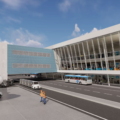

Cape Town Airport: Complete Airport Overview
Cape Town Airport, officially known as Cape Town International Airport (CPT), is the primary international gateway to Cape Town and the Western Cape region of South Africa. Located around 20 kilometers (12 miles) from Cape Town’s city center, the airport connects millions of domestic and international travelers each year to destinations across Africa, Europe, the Middle East, and other global regions. As South Africa’s second-busiest airport after Johannesburg’s O.R. Tambo International Airport, it plays a significant role in supporting tourism, business travel, and cargo operations.
Managed by Airports Company South Africa (ACSA), Cape Town International Airport is recognized for its modern infrastructure, efficient passenger services, and well-connected transport options. The airport features a central terminal building that seamlessly links the domestic and international terminals, making transfers between flights straightforward. Travelers can also access a wide range of amenities, including restaurants, cafés, duty-free shopping, airline lounges, banking facilities, car rental services, airport hotels, and free Wi-Fi.
Whether you’re visiting Cape Town for its famous landmarks, embarking on a safari adventure, or traveling for business, Cape Town Airport offers a convenient and organized travel experience. Its proximity to major attractions such as Table Mountain, the V&A Waterfront, and the Cape Winelands makes it an ideal arrival point for exploring one of South Africa’s most popular destinations.
Cape Town Airport at a Glance
| Airport Information | Details |
|---|---|
| Official Airport Name | Cape Town International Airport |
| Common Name | Cape Town Airport |
| IATA Airport Code | CPT |
| ICAO Airport Code | FACT |
| Airport Type | International |
| Operator | Airports Company South Africa (ACSA) |
| Location | Matroosfontein, Cape Town, Western Cape, South Africa |
| Distance from Cape Town City Centre | Approximately 20 km (12 miles) |
| Time Zone | South Africa Standard Time (SAST, UTC+2) |
| Number of Terminals | Domestic Terminal, International Terminal, connected by a Central Terminal |
| Primary Hub For | South African Airways, FlySafair, Airlink |
| Annual Passenger Traffic | More than 10 million passengers annually (varies by year) |
| Major Flight Types | Domestic, Regional, and International |
| Popular Domestic Routes | Johannesburg, Durban, Gqeberha, George, East London |
| Popular International Routes | London, Amsterdam, Dubai, Doha, Frankfurt, Addis Ababa |
| Ground Transportation | Car rentals, airport shuttles, taxis, ride-hailing services, private transfers |
| Airport Parking | Short-term, long-term, shaded, and premium parking |
| On-site Facilities | Restaurants, cafés, duty-free shops, lounges, ATMs, currency exchange, free Wi-Fi, baggage services |
Why Cape Town Airport Is Important
Cape Town Airport is one of Africa’s busiest aviation hubs and serves as the main gateway to South Africa’s Western Cape Province. Every year, it welcomes leisure travelers exploring Cape Town’s beaches, mountains, wine regions, and wildlife, as well as business travelers attending conferences and corporate events. Its extensive network of domestic and international flights makes it an essential link between South Africa and destinations worldwide.
The airport has earned recognition for its passenger-friendly design, clean facilities, and operational efficiency. The integrated terminal layout allows travelers to move easily between domestic and international departures while enjoying a variety of shopping, dining, and relaxation options before boarding their flights.
Key Highlights of Cape Town Airport
- South Africa’s second-busiest international airport.
- Conveniently located about 20 minutes from Cape Town city centre under normal traffic conditions.
- Offers direct domestic, regional, and long-haul international flights.
- Modern terminal building with connected domestic and international sections.
- Wide selection of airport lounges, restaurants, retail stores, and duty-free shopping.
- Multiple transport choices including airport transfers, shuttle services, taxis, ride-hailing apps, and car rental companies.
- Accessible facilities for passengers with reduced mobility and families traveling with children.
Who Uses Cape Town Airport?
Cape Town International Airport serves a diverse range of travelers throughout the year. During the Southern Hemisphere summer months, the airport experiences a significant increase in international visitors arriving for holidays and cruises. Domestic travel also remains strong, with frequent flights connecting Cape Town to Johannesburg, Durban, Gqeberha, and other major South African cities.
Business professionals, tourists, students, conference delegates, and transit passengers all rely on Cape Town Airport for its efficient connections and comprehensive passenger services. Its strategic location and growing route network continue to make it one of the most important aviation hubs in Southern Africa.
Cape Town Airport Code Explained
If you’re booking a flight, checking your boarding pass, tracking luggage, or searching for flight information online, you’ll often come across airport codes instead of the full airport name. Cape Town International Airport is identified by internationally recognized aviation codes that help airlines, airports, and travelers communicate accurately.
The most commonly used code is CPT, which appears on airline tickets, baggage tags, flight schedules, airport displays, and travel booking websites. Another important identifier is the ICAO code FACT, which is mainly used by pilots, air traffic controllers, and aviation professionals for flight planning and airport operations.
Understanding these airport codes can help travelers avoid confusion when booking flights or checking travel information.
Cape Town Airport Codes at a Glance
| Code Type | Airport Code | Purpose |
|---|---|---|
| IATA Code | CPT | Used by airlines, booking websites, baggage tags, and passengers |
| ICAO Code | FACT | Used for air traffic control, flight operations, and aviation systems |
| Airport Name | Cape Town International Airport | Official airport name |
| Country | South Africa | International destination identifier |
What Does the CPT Airport Code Mean?
The IATA code CPT is the official three-letter airport code assigned to Cape Town International Airport by the International Air Transport Association (IATA). This code is recognized worldwide and is used throughout the travel industry.
Travelers will see CPT in many places, including:
- Flight bookings
- Electronic tickets
- Boarding passes
- Baggage claim tags
- Airport arrival and departure boards
- Flight tracking websites
- Airline mobile apps
For example, a flight from London to Cape Town may be displayed as:
LHR → CPT
Similarly, a domestic flight from Johannesburg would appear as:
JNB → CPT
Knowing the airport code makes it easier to search for flights and identify the correct destination when multiple airports serve the same country or region.
Where You’ll See the CPT Code
- Airline reservation systems
- Airport departure screens
- Online travel agencies
- Digital boarding passes
- Printed luggage tags
- Flight confirmation emails
- Airport information displays
What Is the ICAO Code FACT?
Cape Town Airport’s ICAO code is FACT.
Unlike the IATA code, the ICAO code is mainly used behind the scenes in aviation. It is assigned by the International Civil Aviation Organization (ICAO) and supports safe and standardized flight operations around the world.
Pilots, airlines, dispatch centers, and air traffic controllers use the ICAO code for:
- Flight planning
- Navigation systems
- Air traffic communication
- Weather reports
- Operational documentation
Most passengers will rarely need the ICAO code, but it plays an essential role in the airport’s daily operations.
Difference Between IATA and ICAO Codes
| Feature | IATA Code (CPT) | ICAO Code (FACT) |
|---|---|---|
| Number of Characters | 3 | 4 |
| Used By | Travelers and airlines | Pilots and aviation professionals |
| Appears on Tickets | Yes | No |
| Used for Flight Booking | Yes | No |
| Used in Flight Operations | Limited | Yes |
| Seen on Baggage Tags | Yes | Rarely |
Why Airport Codes Are Important
Airport codes provide a simple and standardized way to identify airports around the world. Since many cities have more than one airport, using a unique code helps eliminate confusion during booking, baggage handling, and flight operations.
For travelers flying to South Africa, using CPT ensures they are selecting Cape Town International Airport rather than another airport in the country.
Airport codes also make it easier to:
- Compare flight options across airlines.
- Search for airport transfers and shuttle services.
- Book hotels near the airport.
- Reserve rental cars.
- Track arriving and departing flights.
- Check baggage routing.
Quick Facts About Cape Town Airport Code
- CPT is the official IATA airport code.
- FACT is the official ICAO airport code.
- The airport serves both domestic and international flights.
- The CPT code appears on every airline ticket, boarding pass, and baggage tag for flights to and from Cape Town.
- Using the correct airport code helps travelers book the right flights and avoid confusion when planning their journey.
Cape Town Airport Terminals
Cape Town International Airport has an integrated terminal complex designed to handle domestic and international passengers in one connected area. The airport includes a Domestic Terminal, an International Terminal, and a shared Central Terminal Building that links the two sections.
The Central Terminal Building is the main processing area for departing passengers. It contains check-in facilities and provides access to domestic and international departure areas. This connected layout makes it easier for passengers to move between different parts of the airport without leaving the terminal complex.
The terminal buildings are arranged across multiple levels. Clear directional signs guide passengers to check-in counters, security screening, immigration, boarding gates, baggage claim areas, shops, restaurants, lounges, and ground transportation services.
Cape Town Airport Terminal Overview
Terminal Area Main Purpose Key Passenger Facilities Central Terminal Building Shared processing area connecting domestic and international sections Check-in counters, information services, shops, restaurants and access to departures Domestic Terminal Flights operating within South Africa Domestic arrivals, departures, baggage claim and boarding gates International Terminal International and selected regional flights Immigration, customs, duty-free shopping, international arrivals and departures Arrivals Level Receiving arriving passengers Baggage collection, transport desks, meeting areas and ground transportation access Departures Level Processing departing passengers Check-in, security screening, boarding gates, lounges and retail facilities Transport Plaza Ground transportation and vehicle services Car rental access, shuttle areas, authorised taxi services and parking connections Central Terminal Building
The Central Terminal Building is the main connecting point between the domestic and international sides of Cape Town Airport. Opened as part of the airport’s modernization programme, it created a more integrated passenger experience by bringing major departure processes into a shared facility.
Most departing passengers begin their airport journey in this building. After entering the terminal, travelers can check the flight information displays, locate their airline counter, complete check-in, drop off baggage and proceed toward the appropriate security or immigration area.
The Central Terminal Building also provides access to several passenger services, including:
- Airline check-in counters
- Flight information displays
- Customer service facilities
- Restaurants and cafés
- Retail stores
- Banking and cash facilities
- Ground transportation desks
- Pedestrian links to parking and car rental areas
Check-In Area
Cape Town Airport uses a centralised check-in arrangement for departing flights. Passengers should confirm their airline’s counter number on the airport information screens because counter allocations may vary according to the airline, destination and departure time.
Travelers who have checked in online may still need to visit a bag-drop counter when carrying checked luggage. Passengers with only cabin baggage may be able to proceed directly to security, subject to their airline’s instructions and document requirements.
During busy travel periods, passengers should allow additional time for check-in, baggage processing, security screening and immigration.
Moving Between Terminal Areas
The domestic and international sections are connected through the Central Terminal Building. Passengers can generally walk between the sections by following airport signs.
Travelers connecting between domestic and international flights may need to:
- Collect their checked baggage, depending on the airline and ticket arrangement.
- Follow signs toward domestic or international connections.
- Complete another check-in or bag-drop process when required.
- Pass through security screening.
- Complete immigration procedures when entering or leaving South Africa.
Passengers traveling on separate tickets should allow more connection time because their baggage may not be transferred automatically.
Domestic Terminal
The Domestic Terminal handles flights between Cape Town and destinations within South Africa. Common domestic connections include Johannesburg, Durban, Gqeberha, George, East London and other regional cities.
Domestic passengers use the shared check-in facilities before proceeding through security to the domestic departures area. The terminal includes seating areas, boarding gates, airline service points, shops, food outlets and passenger lounges.
Domestic Departures
After completing check-in and baggage drop, domestic passengers proceed through security screening. Travelers should keep their boarding passes and identification documents readily available.
Inside the domestic departures area, passengers can access:
- Boarding gates
- Flight information screens
- Restaurants and cafés
- Convenience stores
- Retail outlets
- Airline and independent lounges
- Restrooms
- Seating and charging areas
Gate numbers can change, so passengers should continue checking the flight information screens even after reaching the departure area.
Domestic Arrivals
Passengers arriving on domestic flights proceed from the aircraft to the baggage claim area. Travelers with checked luggage should check the information screens for their assigned baggage carousel.
The Domestic Arrivals area provides access to airport information services and ground transportation options. The official airport information desk is located in Domestic Arrivals and operates 24 hours a day.
After collecting their luggage, passengers can follow signs toward:
- Car rental facilities
- Authorised taxi services
- Shuttle pickup areas
- Ride-hailing collection points
- Private transfer meeting areas
- Parking facilities
International Terminal
The International Terminal handles flights arriving from or departing for destinations outside South Africa. It includes dedicated immigration, passport control, customs, baggage processing and international security facilities.
International passengers should arrive early enough to complete airline check-in, baggage drop, security screening and immigration. Processing times may be longer during peak travel periods or when several long-haul flights depart close together.
International Departures
International travelers normally begin at the Central Terminal Building before proceeding toward the international departures area.
The general departure process includes:
- Checking in with the airline.
- Dropping off checked baggage.
- Passing through security screening.
- Completing passport control.
- Proceeding to the international departures area.
- Checking the boarding gate and boarding time.
Once airside, travelers may find duty-free shopping, restaurants, cafés, lounges and other passenger services. The airport’s international terminal is also undergoing phased infrastructure improvements intended to expand apron capacity, commercial areas, lounges, immigration processing and bussing-gate facilities.
International Arrivals
International passengers follow signs to passport control after leaving the aircraft. Travelers must present the required passport and travel documents to immigration officials.
After immigration, passengers proceed to baggage claim and then pass through customs. Travelers should declare restricted or taxable items when required by South African customs regulations.
Once passengers enter the public arrivals area, they can access:
- Passenger meeting points
- Shuttle representatives
- Taxi and transport desks
- Car rental services
- Private transfer drivers
- Airport information services
- Parking connections
Shuttle representatives generally meet passengers near the arrivals terminals, while authorised airport taxi services can be arranged through transport kiosks and the domestic arrivals desk in the Central Terminal Building.
Terminal Levels and Passenger Flow
Cape Town Airport’s terminal complex is arranged over several levels, with different areas used for arrivals, check-in, departures and passenger services.
Although the exact walking route depends on the airline and gate, the general passenger flow is straightforward.
Passenger Journey Typical Route Domestic Departure Terminal entrance → check-in or bag drop → security → domestic departures → boarding gate International Departure Terminal entrance → check-in or bag drop → security → passport control → international departures → boarding gate Domestic Arrival Aircraft → domestic arrivals → baggage claim → public arrivals area International Arrival Aircraft → immigration → baggage claim → customs → public arrivals area Domestic-to-International Connection Domestic arrival → baggage or transfer process → international check-in → security and immigration → departure gate International-to-Domestic Connection Immigration → baggage claim → customs → domestic check-in or transfer process → security → departure gate Check-In Level
The check-in level serves as the starting point for most departing passengers. Travelers can locate airline counters using overhead signs and flight information screens.
Passengers should check that their baggage complies with the airline’s weight, size and restricted-item rules before arriving at the counter. Oversized baggage, sports equipment and special items may require separate handling.
Departures Level
The departures level includes access to security checkpoints, passport control for international travelers, boarding gates and airside facilities.
Passengers should pay attention to boarding announcements and display screens because some gates may require additional walking time or bus transportation to the aircraft.
Arrivals Level
The arrivals level contains baggage claim facilities and access to the public meeting area. Transportation providers, hotel shuttle representatives and private drivers may meet arriving passengers in designated areas.
Travelers should arrange a clear meeting point in advance, especially during busy arrival periods.
Airport Information and Directional Signs
Cape Town International Airport uses overhead signs, flight information screens and terminal maps to help passengers navigate the airport. Important areas are clearly marked, including:
- Domestic Departures
- International Departures
- Domestic Arrivals
- International Arrivals
- Check-In
- Security
- Passport Control
- Baggage Claim
- Customs
- Lounges
- Parking
- Car Rental
- Ground Transportation
Passengers who need assistance can visit the information desk in Domestic Arrivals. The desk provides airport and flight-related guidance and operates throughout the week, 24 hours a day.
Terminal Facilities
The connected terminal complex includes practical services for both arriving and departing passengers.
Food and Drink
Travelers can find restaurants, cafés, takeaway counters and snack outlets in public and airside areas. Available options may differ between domestic and international sections.
Shopping
The airport provides general retail stores, travel essentials, gifts and duty-free shopping in eligible international areas. Store availability and operating hours may depend on daily flight schedules.
Passenger Lounges
Domestic and international lounge facilities are available for eligible passengers. Access may be provided through an airline ticket, frequent-flyer membership, lounge programme or paid entry, depending on the lounge’s rules.
Wi-Fi and Charging Facilities
Passengers can use airport internet services and may find charging points in selected seating and lounge areas. Travelers should keep their devices charged before boarding, particularly when using electronic boarding passes.
Accessibility Services
The terminal complex includes facilities intended to support passengers with reduced mobility and other assistance needs. These may include accessible entrances, ramps, lifts, restrooms and designated parking areas.
Passengers requiring wheelchair support or help moving through the terminal should request assistance from their airline before the day of travel.
Terminal Tips for Travelers
Before Arriving at the Airport
- Check whether your flight is domestic or international.
- Confirm your airline, flight number and departure time.
- Complete online check-in when available.
- Review your airline’s baggage restrictions.
- Keep identification and travel documents easily accessible.
Inside the Terminal
- Check the flight information screens after entering.
- Follow the signs for the correct departure area.
- Allow extra time during weekends, holidays and peak seasons.
- Recheck your boarding gate because it may change.
- Ask the information desk for assistance when needed.
For Connecting Passengers
- Confirm whether baggage is checked through to the final destination.
- Check whether another boarding pass is required.
- Allow time for immigration and customs when connecting internationally.
- Follow connection signs rather than proceeding directly to the public exit.
- Contact airline staff immediately when a delayed flight affects the connection.
Cape Town Airport’s connected terminal design makes navigation relatively straightforward, but passengers should still arrive with sufficient time and follow the latest airline and airport directions throughout their journey.
Cape Town Airport Terminals
Cape Town International Airport has an integrated terminal complex designed to handle domestic and international passengers in one connected area. The airport includes a Domestic Terminal, an International Terminal, and a shared Central Terminal Building that links the two sections.
The Central Terminal Building is the main processing area for departing passengers. It contains check-in facilities and provides access to domestic and international departure areas. This connected layout makes it easier for passengers to move between different parts of the airport without leaving the terminal complex.
The terminal buildings are arranged across multiple levels. Clear directional signs guide passengers to check-in counters, security screening, immigration, boarding gates, baggage claim areas, shops, restaurants, lounges, and ground transportation services.
Cape Town Airport Terminal Overview
Terminal Area Main Purpose Key Passenger Facilities Central Terminal Building Shared processing area connecting domestic and international sections Check-in counters, information services, shops, restaurants and access to departures Domestic Terminal Flights operating within South Africa Domestic arrivals, departures, baggage claim and boarding gates International Terminal International and selected regional flights Immigration, customs, duty-free shopping, international arrivals and departures Arrivals Level Receiving arriving passengers Baggage collection, transport desks, meeting areas and ground transportation access Departures Level Processing departing passengers Check-in, security screening, boarding gates, lounges and retail facilities Transport Plaza Ground transportation and vehicle services Car rental access, shuttle areas, authorised taxi services and parking connections Central Terminal Building
The Central Terminal Building is the main connecting point between the domestic and international sides of Cape Town Airport. Opened as part of the airport’s modernization programme, it created a more integrated passenger experience by bringing major departure processes into a shared facility.
Most departing passengers begin their airport journey in this building. After entering the terminal, travelers can check the flight information displays, locate their airline counter, complete check-in, drop off baggage and proceed toward the appropriate security or immigration area.
The Central Terminal Building also provides access to several passenger services, including:
- Airline check-in counters
- Flight information displays
- Customer service facilities
- Restaurants and cafés
- Retail stores
- Banking and cash facilities
- Ground transportation desks
- Pedestrian links to parking and car rental areas
Check-In Area
Cape Town Airport uses a centralised check-in arrangement for departing flights. Passengers should confirm their airline’s counter number on the airport information screens because counter allocations may vary according to the airline, destination and departure time.
Travelers who have checked in online may still need to visit a bag-drop counter when carrying checked luggage. Passengers with only cabin baggage may be able to proceed directly to security, subject to their airline’s instructions and document requirements.
During busy travel periods, passengers should allow additional time for check-in, baggage processing, security screening and immigration.
Moving Between Terminal Areas
The domestic and international sections are connected through the Central Terminal Building. Passengers can generally walk between the sections by following airport signs.
Travelers connecting between domestic and international flights may need to:
- Collect their checked baggage, depending on the airline and ticket arrangement.
- Follow signs toward domestic or international connections.
- Complete another check-in or bag-drop process when required.
- Pass through security screening.
- Complete immigration procedures when entering or leaving South Africa.
Passengers traveling on separate tickets should allow more connection time because their baggage may not be transferred automatically.
Domestic Terminal
The Domestic Terminal handles flights between Cape Town and destinations within South Africa. Common domestic connections include Johannesburg, Durban, Gqeberha, George, East London and other regional cities.
Domestic passengers use the shared check-in facilities before proceeding through security to the domestic departures area. The terminal includes seating areas, boarding gates, airline service points, shops, food outlets and passenger lounges.
Domestic Departures
After completing check-in and baggage drop, domestic passengers proceed through security screening. Travelers should keep their boarding passes and identification documents readily available.
Inside the domestic departures area, passengers can access:
- Boarding gates
- Flight information screens
- Restaurants and cafés
- Convenience stores
- Retail outlets
- Airline and independent lounges
- Restrooms
- Seating and charging areas
Gate numbers can change, so passengers should continue checking the flight information screens even after reaching the departure area.
Domestic Arrivals
Passengers arriving on domestic flights proceed from the aircraft to the baggage claim area. Travelers with checked luggage should check the information screens for their assigned baggage carousel.
The Domestic Arrivals area provides access to airport information services and ground transportation options. The official airport information desk is located in Domestic Arrivals and operates 24 hours a day.
After collecting their luggage, passengers can follow signs toward:
- Car rental facilities
- Authorised taxi services
- Shuttle pickup areas
- Ride-hailing collection points
- Private transfer meeting areas
- Parking facilities
International Terminal
The International Terminal handles flights arriving from or departing for destinations outside South Africa. It includes dedicated immigration, passport control, customs, baggage processing and international security facilities.
International passengers should arrive early enough to complete airline check-in, baggage drop, security screening and immigration. Processing times may be longer during peak travel periods or when several long-haul flights depart close together.
International Departures
International travelers normally begin at the Central Terminal Building before proceeding toward the international departures area.
The general departure process includes:
- Checking in with the airline.
- Dropping off checked baggage.
- Passing through security screening.
- Completing passport control.
- Proceeding to the international departures area.
- Checking the boarding gate and boarding time.
Once airside, travelers may find duty-free shopping, restaurants, cafés, lounges and other passenger services. The airport’s international terminal is also undergoing phased infrastructure improvements intended to expand apron capacity, commercial areas, lounges, immigration processing and bussing-gate facilities.
International Arrivals
International passengers follow signs to passport control after leaving the aircraft. Travelers must present the required passport and travel documents to immigration officials.
After immigration, passengers proceed to baggage claim and then pass through customs. Travelers should declare restricted or taxable items when required by South African customs regulations.
Once passengers enter the public arrivals area, they can access:
- Passenger meeting points
- Shuttle representatives
- Taxi and transport desks
- Car rental services
- Private transfer drivers
- Airport information services
- Parking connections
Shuttle representatives generally meet passengers near the arrivals terminals, while authorised airport taxi services can be arranged through transport kiosks and the domestic arrivals desk in the Central Terminal Building.
Terminal Levels and Passenger Flow
Cape Town Airport’s terminal complex is arranged over several levels, with different areas used for arrivals, check-in, departures and passenger services.
Although the exact walking route depends on the airline and gate, the general passenger flow is straightforward.
Passenger Journey Typical Route Domestic Departure Terminal entrance → check-in or bag drop → security → domestic departures → boarding gate International Departure Terminal entrance → check-in or bag drop → security → passport control → international departures → boarding gate Domestic Arrival Aircraft → domestic arrivals → baggage claim → public arrivals area International Arrival Aircraft → immigration → baggage claim → customs → public arrivals area Domestic-to-International Connection Domestic arrival → baggage or transfer process → international check-in → security and immigration → departure gate International-to-Domestic Connection Immigration → baggage claim → customs → domestic check-in or transfer process → security → departure gate Check-In Level
The check-in level serves as the starting point for most departing passengers. Travelers can locate airline counters using overhead signs and flight information screens.
Passengers should check that their baggage complies with the airline’s weight, size and restricted-item rules before arriving at the counter. Oversized baggage, sports equipment and special items may require separate handling.
Departures Level
The departures level includes access to security checkpoints, passport control for international travelers, boarding gates and airside facilities.
Passengers should pay attention to boarding announcements and display screens because some gates may require additional walking time or bus transportation to the aircraft.
Arrivals Level
The arrivals level contains baggage claim facilities and access to the public meeting area. Transportation providers, hotel shuttle representatives and private drivers may meet arriving passengers in designated areas.
Travelers should arrange a clear meeting point in advance, especially during busy arrival periods.
Airport Information and Directional Signs
Cape Town International Airport uses overhead signs, flight information screens and terminal maps to help passengers navigate the airport. Important areas are clearly marked, including:
- Domestic Departures
- International Departures
- Domestic Arrivals
- International Arrivals
- Check-In
- Security
- Passport Control
- Baggage Claim
- Customs
- Lounges
- Parking
- Car Rental
- Ground Transportation
Passengers who need assistance can visit the information desk in Domestic Arrivals. The desk provides airport and flight-related guidance and operates throughout the week, 24 hours a day.
Terminal Facilities
The connected terminal complex includes practical services for both arriving and departing passengers.
Food and Drink
Travelers can find restaurants, cafés, takeaway counters and snack outlets in public and airside areas. Available options may differ between domestic and international sections.
Shopping
The airport provides general retail stores, travel essentials, gifts and duty-free shopping in eligible international areas. Store availability and operating hours may depend on daily flight schedules.
Passenger Lounges
Domestic and international lounge facilities are available for eligible passengers. Access may be provided through an airline ticket, frequent-flyer membership, lounge programme or paid entry, depending on the lounge’s rules.
Wi-Fi and Charging Facilities
Passengers can use airport internet services and may find charging points in selected seating and lounge areas. Travelers should keep their devices charged before boarding, particularly when using electronic boarding passes.
Accessibility Services
The terminal complex includes facilities intended to support passengers with reduced mobility and other assistance needs. These may include accessible entrances, ramps, lifts, restrooms and designated parking areas.
Passengers requiring wheelchair support or help moving through the terminal should request assistance from their airline before the day of travel.
Terminal Tips for Travelers
Before Arriving at the Airport
- Check whether your flight is domestic or international.
- Confirm your airline, flight number and departure time.
- Complete online check-in when available.
- Review your airline’s baggage restrictions.
- Keep identification and travel documents easily accessible.
Inside the Terminal
- Check the flight information screens after entering.
- Follow the signs for the correct departure area.
- Allow extra time during weekends, holidays and peak seasons.
- Recheck your boarding gate because it may change.
- Ask the information desk for assistance when needed.
For Connecting Passengers
- Confirm whether baggage is checked through to the final destination.
- Check whether another boarding pass is required.
- Allow time for immigration and customs when connecting internationally.
- Follow connection signs rather than proceeding directly to the public exit.
- Contact airline staff immediately when a delayed flight affects the connection.
Cape Town Airport’s connected terminal design makes navigation relatively straightforward, but passengers should still arrive with sufficient time and follow the latest airline and airport directions throughout their journey.
Cape Town Airport Terminals
Cape Town International Airport has an integrated terminal complex designed to handle domestic and international passengers in one connected area. The airport includes a Domestic Terminal, an International Terminal, and a shared Central Terminal Building that links the two sections.
The Central Terminal Building is the main processing area for departing passengers. It contains check-in facilities and provides access to domestic and international departure areas. This connected layout makes it easier for passengers to move between different parts of the airport without leaving the terminal complex.
The terminal buildings are arranged across multiple levels. Clear directional signs guide passengers to check-in counters, security screening, immigration, boarding gates, baggage claim areas, shops, restaurants, lounges, and ground transportation services.
Cape Town Airport Terminal Overview
Terminal Area Main Purpose Key Passenger Facilities Central Terminal Building Shared processing area connecting domestic and international sections Check-in counters, information services, shops, restaurants and access to departures Domestic Terminal Flights operating within South Africa Domestic arrivals, departures, baggage claim and boarding gates International Terminal International and selected regional flights Immigration, customs, duty-free shopping, international arrivals and departures Arrivals Level Receiving arriving passengers Baggage collection, transport desks, meeting areas and ground transportation access Departures Level Processing departing passengers Check-in, security screening, boarding gates, lounges and retail facilities Transport Plaza Ground transportation and vehicle services Car rental access, shuttle areas, authorised taxi services and parking connections Central Terminal Building
The Central Terminal Building is the main connecting point between the domestic and international sides of Cape Town Airport. Opened as part of the airport’s modernization programme, it created a more integrated passenger experience by bringing major departure processes into a shared facility.
Most departing passengers begin their airport journey in this building. After entering the terminal, travelers can check the flight information displays, locate their airline counter, complete check-in, drop off baggage and proceed toward the appropriate security or immigration area.
The Central Terminal Building also provides access to several passenger services, including:
- Airline check-in counters
- Flight information displays
- Customer service facilities
- Restaurants and cafés
- Retail stores
- Banking and cash facilities
- Ground transportation desks
- Pedestrian links to parking and car rental areas
Check-In Area
Cape Town Airport uses a centralised check-in arrangement for departing flights. Passengers should confirm their airline’s counter number on the airport information screens because counter allocations may vary according to the airline, destination and departure time.
Travelers who have checked in online may still need to visit a bag-drop counter when carrying checked luggage. Passengers with only cabin baggage may be able to proceed directly to security, subject to their airline’s instructions and document requirements.
During busy travel periods, passengers should allow additional time for check-in, baggage processing, security screening and immigration.
Moving Between Terminal Areas
The domestic and international sections are connected through the Central Terminal Building. Passengers can generally walk between the sections by following airport signs.
Travelers connecting between domestic and international flights may need to:
- Collect their checked baggage, depending on the airline and ticket arrangement.
- Follow signs toward domestic or international connections.
- Complete another check-in or bag-drop process when required.
- Pass through security screening.
- Complete immigration procedures when entering or leaving South Africa.
Passengers traveling on separate tickets should allow more connection time because their baggage may not be transferred automatically.
Domestic Terminal
The Domestic Terminal handles flights between Cape Town and destinations within South Africa. Common domestic connections include Johannesburg, Durban, Gqeberha, George, East London and other regional cities.
Domestic passengers use the shared check-in facilities before proceeding through security to the domestic departures area. The terminal includes seating areas, boarding gates, airline service points, shops, food outlets and passenger lounges.
Domestic Departures
After completing check-in and baggage drop, domestic passengers proceed through security screening. Travelers should keep their boarding passes and identification documents readily available.
Inside the domestic departures area, passengers can access:
- Boarding gates
- Flight information screens
- Restaurants and cafés
- Convenience stores
- Retail outlets
- Airline and independent lounges
- Restrooms
- Seating and charging areas
Gate numbers can change, so passengers should continue checking the flight information screens even after reaching the departure area.
Domestic Arrivals
Passengers arriving on domestic flights proceed from the aircraft to the baggage claim area. Travelers with checked luggage should check the information screens for their assigned baggage carousel.
The Domestic Arrivals area provides access to airport information services and ground transportation options. The official airport information desk is located in Domestic Arrivals and operates 24 hours a day.
After collecting their luggage, passengers can follow signs toward:
- Car rental facilities
- Authorised taxi services
- Shuttle pickup areas
- Ride-hailing collection points
- Private transfer meeting areas
- Parking facilities
International Terminal
The International Terminal handles flights arriving from or departing for destinations outside South Africa. It includes dedicated immigration, passport control, customs, baggage processing and international security facilities.
International passengers should arrive early enough to complete airline check-in, baggage drop, security screening and immigration. Processing times may be longer during peak travel periods or when several long-haul flights depart close together.
International Departures
International travelers normally begin at the Central Terminal Building before proceeding toward the international departures area.
The general departure process includes:
- Checking in with the airline.
- Dropping off checked baggage.
- Passing through security screening.
- Completing passport control.
- Proceeding to the international departures area.
- Checking the boarding gate and boarding time.
Once airside, travelers may find duty-free shopping, restaurants, cafés, lounges and other passenger services. The airport’s international terminal is also undergoing phased infrastructure improvements intended to expand apron capacity, commercial areas, lounges, immigration processing and bussing-gate facilities.
International Arrivals
International passengers follow signs to passport control after leaving the aircraft. Travelers must present the required passport and travel documents to immigration officials.
After immigration, passengers proceed to baggage claim and then pass through customs. Travelers should declare restricted or taxable items when required by South African customs regulations.
Once passengers enter the public arrivals area, they can access:
- Passenger meeting points
- Shuttle representatives
- Taxi and transport desks
- Car rental services
- Private transfer drivers
- Airport information services
- Parking connections
Shuttle representatives generally meet passengers near the arrivals terminals, while authorised airport taxi services can be arranged through transport kiosks and the domestic arrivals desk in the Central Terminal Building.
Terminal Levels and Passenger Flow
Cape Town Airport’s terminal complex is arranged over several levels, with different areas used for arrivals, check-in, departures and passenger services.
Although the exact walking route depends on the airline and gate, the general passenger flow is straightforward.
Passenger Journey Typical Route Domestic Departure Terminal entrance → check-in or bag drop → security → domestic departures → boarding gate International Departure Terminal entrance → check-in or bag drop → security → passport control → international departures → boarding gate Domestic Arrival Aircraft → domestic arrivals → baggage claim → public arrivals area International Arrival Aircraft → immigration → baggage claim → customs → public arrivals area Domestic-to-International Connection Domestic arrival → baggage or transfer process → international check-in → security and immigration → departure gate International-to-Domestic Connection Immigration → baggage claim → customs → domestic check-in or transfer process → security → departure gate Check-In Level
The check-in level serves as the starting point for most departing passengers. Travelers can locate airline counters using overhead signs and flight information screens.
Passengers should check that their baggage complies with the airline’s weight, size and restricted-item rules before arriving at the counter. Oversized baggage, sports equipment and special items may require separate handling.
Departures Level
The departures level includes access to security checkpoints, passport control for international travelers, boarding gates and airside facilities.
Passengers should pay attention to boarding announcements and display screens because some gates may require additional walking time or bus transportation to the aircraft.
Arrivals Level
The arrivals level contains baggage claim facilities and access to the public meeting area. Transportation providers, hotel shuttle representatives and private drivers may meet arriving passengers in designated areas.
Travelers should arrange a clear meeting point in advance, especially during busy arrival periods.
Airport Information and Directional Signs
Cape Town International Airport uses overhead signs, flight information screens and terminal maps to help passengers navigate the airport. Important areas are clearly marked, including:
- Domestic Departures
- International Departures
- Domestic Arrivals
- International Arrivals
- Check-In
- Security
- Passport Control
- Baggage Claim
- Customs
- Lounges
- Parking
- Car Rental
- Ground Transportation
Passengers who need assistance can visit the information desk in Domestic Arrivals. The desk provides airport and flight-related guidance and operates throughout the week, 24 hours a day.
Terminal Facilities
The connected terminal complex includes practical services for both arriving and departing passengers.
Food and Drink
Travelers can find restaurants, cafés, takeaway counters and snack outlets in public and airside areas. Available options may differ between domestic and international sections.
Shopping
The airport provides general retail stores, travel essentials, gifts and duty-free shopping in eligible international areas. Store availability and operating hours may depend on daily flight schedules.
Passenger Lounges
Domestic and international lounge facilities are available for eligible passengers. Access may be provided through an airline ticket, frequent-flyer membership, lounge programme or paid entry, depending on the lounge’s rules.
Wi-Fi and Charging Facilities
Passengers can use airport internet services and may find charging points in selected seating and lounge areas. Travelers should keep their devices charged before boarding, particularly when using electronic boarding passes.
Accessibility Services
The terminal complex includes facilities intended to support passengers with reduced mobility and other assistance needs. These may include accessible entrances, ramps, lifts, restrooms and designated parking areas.
Passengers requiring wheelchair support or help moving through the terminal should request assistance from their airline before the day of travel.
Terminal Tips for Travelers
Before Arriving at the Airport
- Check whether your flight is domestic or international.
- Confirm your airline, flight number and departure time.
- Complete online check-in when available.
- Review your airline’s baggage restrictions.
- Keep identification and travel documents easily accessible.
Inside the Terminal
- Check the flight information screens after entering.
- Follow the signs for the correct departure area.
- Allow extra time during weekends, holidays and peak seasons.
- Recheck your boarding gate because it may change.
- Ask the information desk for assistance when needed.
For Connecting Passengers
- Confirm whether baggage is checked through to the final destination.
- Check whether another boarding pass is required.
- Allow time for immigration and customs when connecting internationally.
- Follow connection signs rather than proceeding directly to the public exit.
- Contact airline staff immediately when a delayed flight affects the connection.
Cape Town Airport’s connected terminal design makes navigation relatively straightforward, but passengers should still arrive with sufficient time and follow the latest airline and airport directions throughout their journey.
Airlines Operating at Cape Town Airport
Cape Town International Airport is one of Africa’s busiest aviation hubs and serves as a major gateway to South Africa. The airport offers an extensive network of domestic, regional, and long-haul international flights operated by both full-service and low-cost airlines.
Passengers can fly from Cape Town to major cities across South Africa, neighboring African countries, Europe, the Middle East, Asia (via connecting hubs), and North America through partner airlines. Whether you’re traveling for business, leisure, or connecting to another destination, Cape Town Airport provides a wide choice of airlines and flight schedules throughout the year.
The airport also experiences seasonal increases in international services, particularly during the Southern Hemisphere summer, when additional airlines and routes are introduced to meet tourism demand.
Airlines at Cape Town Airport Overview
Category Details Airport Type Domestic, Regional and International Total Airlines Multiple domestic and international carriers Main Domestic Routes Johannesburg, Durban, Gqeberha, George, East London, Bloemfontein Main International Routes London, Amsterdam, Dubai, Doha, Frankfurt, Addis Ababa, Istanbul Airline Types Full-service, low-cost, regional and international airlines Seasonal Flights Available during peak tourism seasons Cargo Airlines Dedicated cargo operators also use the airport Domestic Airlines
Cape Town Airport is one of South Africa’s busiest domestic airports. Frequent daily flights connect Cape Town with major cities and regional destinations, making it convenient for both business and leisure travelers.
Some of the leading domestic airlines operating from Cape Town Airport include:
Airline Popular Destinations Airlink Johannesburg, Durban, Gqeberha, George, Kimberley, Nelspruit and regional destinations FlySafair Johannesburg, Durban, George, East London, Port Elizabeth and other South African cities South African Airways (SAA) Johannesburg and selected domestic routes CemAir Bloemfontein, Margate, Plettenberg Bay and seasonal destinations Lift Johannesburg and Durban Domestic flight schedules may vary depending on the season, airline operations, and passenger demand.
Most Popular Domestic Routes
Cape Town Airport handles thousands of domestic passengers every day. Some of the busiest routes include:
- Cape Town to Johannesburg
- Cape Town to Durban
- Cape Town to Gqeberha (Port Elizabeth)
- Cape Town to George
- Cape Town to East London
- Cape Town to Bloemfontein
- Cape Town to Kimberley
- Cape Town to Nelspruit
These routes are served by multiple daily departures, providing travelers with flexible scheduling options.
International Airlines
Cape Town International Airport is an important international gateway connecting South Africa with destinations across Europe, Africa, and the Middle East.
Several international airlines operate direct services, while others provide one-stop connections through major global hubs.
Some of the airlines serving international destinations include:
Airline Main Hub or Destination British Airways London Emirates Dubai Qatar Airways Doha Turkish Airlines Istanbul KLM Royal Dutch Airlines Amsterdam Lufthansa Frankfurt Ethiopian Airlines Addis Ababa Air France Paris (seasonal or via partner services) Virgin Atlantic London (seasonal services) United Airlines Seasonal services to the United States (subject to schedule) Airline operations and routes can change throughout the year, especially during seasonal travel periods.
Popular International Routes
Travelers flying from Cape Town Airport can access numerous direct and connecting international destinations.
Some of the most popular routes include:
Destination Typical Flight Type London Direct Amsterdam Direct Dubai Direct Doha Direct Frankfurt Direct Istanbul Direct Addis Ababa Direct Johannesburg (for onward international connections) Domestic connection Passengers traveling to North America, Asia, or Australia often connect through international hubs such as Dubai, Doha, Istanbul, Amsterdam, Frankfurt, or London.
Seasonal Flight Services
Cape Town is one of Africa’s leading tourist destinations, attracting millions of visitors each year. During the peak travel season, airlines often increase flight frequencies or introduce seasonal routes to accommodate higher passenger demand.
Seasonal services may include additional flights from:
- Europe
- United Kingdom
- Middle East
- Selected African cities
Travelers planning to fly during holiday periods should book early, as flights may fill quickly.
Benefits of Seasonal Flights
- More destination choices
- Increased flight frequency
- Better connection options
- Greater flexibility when planning trips
Airline Check-In Information
Most airlines operating at Cape Town Airport offer multiple check-in options to make the travel process more convenient.
Passengers can usually choose from:
- Online check-in
- Mobile app check-in
- Airport check-in counters
- Self-service kiosks (available for selected airlines)
Travelers should verify their airline’s check-in requirements before arriving at the airport, as opening and closing times vary between domestic and international flights.
Airline Lounges
Several airlines provide lounge access for eligible passengers traveling from Cape Town Airport.
Access may be available through:
- Business Class tickets
- First Class tickets
- Frequent flyer membership
- Airline loyalty programs
- Lounge membership programs
- Paid day passes (at selected lounges)
Airport lounges generally offer:
- Comfortable seating
- Complimentary refreshments
- Wi-Fi
- Charging stations
- Business workspaces
- Flight information displays
Code-Share and Connecting Flights
Many airlines operating from Cape Town Airport participate in international code-share agreements. This allows passengers to book journeys involving multiple airlines under one itinerary.
Benefits of code-share flights include:
- Easier baggage transfers
- Single ticket for multiple flights
- Coordinated flight schedules
- Improved international connectivity
Travelers making international connections should always confirm baggage transfer policies and minimum connection times with their airline.
Tips Before Flying
- Check your airline’s terminal and check-in counter before arriving.
- Complete online check-in whenever possible to save time.
- Arrive at least 2 hours before domestic flights and 3 hours before international departures.
- Review baggage allowances and restricted items in advance.
- Monitor your flight status for any schedule changes before leaving for the airport.
With a wide selection of domestic and international airlines, frequent departures, and connections to major cities around the world, Cape Town International Airport provides travelers with convenient access to South Africa and global destinations throughout the year.
Cape Town Airport Arrivals and Departures
Cape Town International Airport operates hundreds of domestic and international arrivals and departures every week, connecting travelers to destinations across South Africa, Africa, Europe, and the Middle East. The airport is designed to efficiently manage passenger flow with separate arrival and departure areas while maintaining a connected terminal complex.
Whether you’re flying from Cape Town, meeting arriving passengers, or tracking a flight, understanding how arrivals and departures work can help make your airport experience smoother. Flight information is updated throughout the day, allowing passengers to monitor schedules, gate changes, delays, and baggage claim details.
Cape Town Airport Flight Information
Flight Service Details Domestic Arrivals Available daily from major South African cities Domestic Departures Frequent departures throughout the day International Arrivals Direct and connecting flights from global destinations International Departures Flights to Africa, Europe, the Middle East, and beyond Flight Information Displays Located throughout the terminal Online Flight Status Available through airlines and the airport website Boarding Gates Assigned before departure and may change if required Domestic Arrivals
Passengers arriving on domestic flights follow clearly marked signs to the Domestic Arrivals area after leaving the aircraft. Those with checked baggage can collect their luggage from the designated baggage carousel displayed on the flight information screens.
Once baggage has been collected, passengers enter the public arrivals hall where they can access:
- Car rental desks
- Airport shuttle services
- Ride-hailing pickup points
- Taxi services
- Private transfer meeting areas
- Airport information desk
- Parking facilities
Domestic arrivals generally involve fewer formalities, as passengers are not required to pass through immigration or customs.
What to Expect After Landing
The domestic arrival process usually includes:
- Aircraft disembarkation.
- Walking to the arrivals hall.
- Collecting checked baggage.
- Exiting into the public arrivals area.
- Meeting friends, family, or transport providers.
Passengers traveling with cabin baggage only can often leave the terminal more quickly.
International Arrivals
International passengers arriving at Cape Town Airport follow a different process due to border control requirements.
After leaving the aircraft, travelers proceed to:
- Passport control (immigration)
- Baggage claim
- Customs inspection
- Public arrivals hall
Passengers should keep their passport, visa (if required), and other travel documents ready for inspection by immigration authorities.
After clearing customs, travelers can continue to the arrivals area where transportation services and airport facilities are available.
International Arrival Process
Step Description Arrival Aircraft lands and passengers disembark Immigration Passport and travel document checks Baggage Claim Collect checked luggage Customs Goods declaration if required Public Arrivals Access transport and meeting areas Travelers should allow additional time during busy travel periods, as immigration processing may take longer when several international flights arrive within a short period.
Domestic Departures
Passengers departing on domestic flights should arrive at the airport at least 2 hours before departure.
The departure process typically includes:
- Airline check-in or baggage drop
- Security screening
- Access to the domestic departures area
- Waiting at the assigned boarding gate
Inside the departure lounge, passengers can enjoy restaurants, cafés, retail stores, lounges, and charging stations while waiting for their flight.
Domestic Departure Checklist
- Complete online check-in if available.
- Confirm baggage allowance.
- Carry a valid photo ID.
- Arrive early during weekends and holidays.
- Monitor departure screens for gate updates.
International Departures
International passengers should arrive at Cape Town Airport at least 3 hours before their scheduled departure.
The departure process includes additional security and immigration procedures before boarding.
Typical steps include:
- Airline check-in.
- Baggage drop.
- Security screening.
- Passport control.
- Duty-free shopping and airport lounges.
- Boarding at the assigned gate.
Because international travel involves document verification, travelers should ensure they have all required passports, visas, and travel documents before arriving at the airport.
Flight Information Displays
Cape Town Airport provides digital flight information screens throughout the terminal.
These displays provide real-time information including:
- Flight numbers
- Airline names
- Departure and arrival times
- Boarding gates
- Check-in counters
- Flight status
- Delays
- Final boarding announcements
Passengers should regularly check these screens, as gate assignments and boarding times may change.
Information Available on Flight Displays
Information Available Flight Number ✓ Airline ✓ Scheduled Time ✓ Estimated Time ✓ Boarding Gate ✓ Check-In Counter ✓ Flight Status ✓ Baggage Carousel ✓ (Arrivals) Baggage Claim
Checked baggage is delivered to designated baggage carousels after each arriving flight.
Passengers should verify the carousel number using the information screens before waiting for their luggage.
If baggage does not arrive or is damaged, travelers should report the issue immediately to their airline’s baggage service desk before leaving the arrivals area.
Tips for Faster Baggage Collection
- Check the baggage carousel number on arrival screens.
- Keep your baggage claim tag until you leave the airport.
- Clearly label your luggage for easy identification.
- Report missing or damaged baggage immediately.
Flight Delays and Schedule Changes
Flight schedules can occasionally change due to weather, operational requirements, air traffic control restrictions, or airline decisions.
Before traveling to Cape Town Airport, passengers should:
- Check their airline’s website or mobile app.
- Review flight status before leaving home or the hotel.
- Sign up for airline notifications if available.
- Allow extra travel time during peak travel periods.
Meeting Arriving Passengers
Friends and family meeting arriving travelers can wait in the public arrivals hall after passengers have completed baggage collection and, for international flights, customs and immigration procedures.
To make the meeting process easier:
- Confirm the flight number and arrival time.
- Monitor live flight status for delays.
- Agree on a meeting point inside the arrivals hall.
- Use short-term parking if waiting for an extended period.
Departure Tips for a Smooth Journey
Before Leaving for the Airport
- Confirm your flight status.
- Complete online check-in when available.
- Prepare passports and travel documents.
- Check baggage weight and airline restrictions.
At the Airport
- Follow signs to your airline’s check-in counter.
- Monitor flight information displays regularly.
- Arrive at your boarding gate before boarding begins.
- Keep your boarding pass and identification easily accessible.
Cape Town International Airport’s well-organized arrivals and departures process, modern passenger facilities, and real-time flight information systems help travelers move through the airport efficiently, whether they are arriving in South Africa or beginning their next journey.
Transportation From Cape Town Airport
Cape Town International Airport is connected to central Cape Town and other destinations in the Western Cape through several ground transportation options. Passengers can choose from airport shuttles, authorised taxis, private transfers, ride-hailing services, rental cars, hotel shuttles, and private vehicles.
The best option depends on the traveler’s destination, group size, luggage, arrival time, and preferred level of comfort. Visitors staying in Cape Town city centre generally travel by private transfer, taxi, shuttle, or ride-hailing service, while travelers planning to explore the Cape Winelands, Garden Route, or other parts of the Western Cape may prefer to rent a car.
Official airport information lists car hire, shuttle services, and taxi or cab services among the main transport choices available to passengers. Shuttle representatives meet travelers in the arrivals terminal, while rental car facilities are positioned near the Transport Plaza and Central Terminal Building.
Cape Town Airport Transport Options
Transport Option Approximate Travel Time to City Centre Best For Main Consideration Private airport transfer 20–30 minutes Families, business travelers and first-time visitors Usually arranged in advance Airport shuttle 25–45 minutes Solo travelers, couples and hotel guests May involve multiple stops Authorised taxi 20–30 minutes Travelers needing an immediate ride Confirm the estimated fare Ride-hailing service 20–30 minutes App users and light travelers Pickup area and availability may vary Rental car 20–30 minutes Road trips and independent travel Driver must be comfortable with local roads Hotel shuttle 20–40 minutes Guests staying at participating hotels Must often be booked in advance Private vehicle 20–30 minutes Local residents and people meeting passengers Parking or pickup rules apply Travel times are estimates and can increase during weekday rush hours, holiday periods, roadworks, or adverse weather.
Private Airport Transfers
A private airport transfer provides a direct journey between Cape Town Airport and a hotel, residence, business address, or tourist destination. These services are usually booked before arrival, and the driver meets the passenger at an agreed location in or near the arrivals area.
Private transfers are particularly useful for:
- Families with children
- Business travelers
- Groups carrying several bags
- First-time international visitors
- Passengers arriving late at night
- Travelers going directly to the Cape Winelands or another town
- Passengers who want a fixed pickup arrangement
How a Private Transfer Works
After booking, the traveler normally receives confirmation containing the pickup time, meeting point, vehicle details, and contact information.
The process generally involves:
- The passenger completes immigration, baggage collection, and customs when arriving internationally.
- The traveler enters the public arrivals area.
- The driver or representative meets the passenger at the confirmed location.
- The passenger is assisted to the vehicle.
- The journey continues directly to the requested destination.
Travelers should provide an accurate flight number when arranging a transfer so the operator can follow the scheduled arrival and make suitable pickup arrangements.
Benefits of a Prearranged Transfer
- Direct transport to the destination
- No need to search for a vehicle after landing
- Suitable vehicle size can be selected in advance
- Easier travel with children or large luggage
- Useful for unfamiliar or distant destinations
- Clear meeting instructions before arrival
Passengers should confirm whether waiting time, parking charges, child seats, additional stops, and oversized luggage are included in the quoted service.
Cape Town Airport Shuttle Services
Airport shuttle services operate between Cape Town International Airport and destinations in Cape Town and other parts of the Western Cape. According to the airport’s official transport information, shuttle vehicles use the international inner lane, and service representatives meet passengers from the arrivals terminals.
Shuttles may operate as either shared or private services.
Shared Shuttle
A shared shuttle carries passengers who may be traveling to different hotels or addresses. It is often more affordable than a private vehicle, but the journey can take longer because of additional pickups or drop-offs.
Shared shuttles are suitable for:
- Solo travelers
- Budget-conscious visitors
- Passengers with flexible schedules
- Travelers staying in common tourist areas
Private Shuttle
A private shuttle is reserved for one passenger or group. It usually provides a more direct journey and can be useful for families, groups, or travelers carrying extra baggage.
Private shuttles may serve:
- Cape Town city centre
- V&A Waterfront
- Sea Point
- Camps Bay
- Stellenbosch
- Franschhoek
- Paarl
- Somerset West
- Other Western Cape destinations
What to Check Before Booking a Shuttle
- Whether the service is shared or private
- The pickup meeting point
- Number of included bags
- Waiting-time policy
- Child-seat availability
- Operating hours
- Number of scheduled stops
- Cancellation and amendment rules
Taxi Services at Cape Town Airport
Authorised taxi services are available for passengers who need transport after arriving at Cape Town Airport. These services can be useful when a traveler has not booked a transfer in advance.
Passengers should use recognised airport transport providers and avoid accepting unsolicited transport offers from unknown individuals inside or outside the terminal.
Taking a Taxi From the Airport
The usual process is:
- Follow airport signs toward ground transportation.
- Locate the authorised taxi or transport service point.
- Provide the destination address.
- Ask for an estimated fare or pricing method.
- Confirm the payment options before leaving.
- Keep personal belongings with you during the journey.
Travelers should have the full address of their hotel or accommodation ready, especially when the property has a similar name to another hotel in the city.
Taxi Travel Tips
- Use an authorised provider.
- Confirm the fare before departure.
- Ask whether card payment is accepted.
- Keep the driver or vehicle details when possible.
- Do not leave luggage unattended.
- Avoid sharing personal travel details with unofficial operators.
Ride-Hailing Services
Ride-hailing apps are commonly used by visitors traveling between Cape Town Airport and the city. Passengers request a vehicle through the app and follow the airport’s current instructions to the designated collection area.
Pickup arrangements can change because of airport traffic rules or operational updates. Travelers should therefore check the instructions shown in the app after requesting a ride.
Using a Ride-Hailing App
- Complete baggage collection and enter the public arrivals area.
- Open the ride-hailing app.
- Enter the exact destination.
- Confirm the pickup point displayed in the app.
- Check the vehicle registration, driver name, and vehicle model.
- Only enter the vehicle after confirming the details.
When Ride-Hailing May Be Suitable
- The passenger already has mobile data or Wi-Fi access.
- The destination is within Cape Town or nearby suburbs.
- The traveler can manage their luggage independently.
- The passenger is familiar with app-based transport.
Demand-based pricing may apply during busy periods, major events, poor weather, or late-night arrivals.
Car Rental at Cape Town Airport
Renting a car can be practical for travelers planning to explore Cape Town and the wider Western Cape independently. The airport’s official website states that nine car rental agencies currently operate at Cape Town International Airport. The rental facilities are situated in front of the Transport Plaza and Central Terminal Building and can be reached through pedestrian subways on either side of the terminal.
A rental car may be especially useful for journeys to:
- Stellenbosch
- Franschhoek
- Paarl
- Hermanus
- Cape Point
- Simon’s Town
- West Coast
- Garden Route
Documents Commonly Required
Car rental companies may ask for:
- A valid driving licence
- Passport or national identification
- Credit card in the main driver’s name
- Booking confirmation
- International Driving Permit when applicable
- Proof of age where required
Requirements vary by company, vehicle type, driver nationality, and rental conditions.
Before Leaving the Rental Facility
Travelers should:
- Inspect the vehicle for existing damage.
- Photograph scratches or dents.
- Check the fuel policy.
- Confirm the return location.
- Understand toll, deposit, and insurance conditions.
- Ask for emergency contact details.
- Confirm whether additional drivers are registered.
- Check the spare tyre and safety equipment where possible.
Hotel Shuttle Services
Some hotels near Cape Town Airport and within the city offer scheduled or on-request airport shuttle services. These may be complimentary, chargeable, or included in selected room packages.
Passengers should contact the hotel before arrival to confirm:
- Whether a shuttle is available
- The operating hours
- The pickup point
- Whether advance booking is required
- The cost
- Luggage limits
- Whether the service is private or shared
Hotels should not be assumed to operate a continuous shuttle unless this is clearly confirmed in the reservation.
Driving From Cape Town Airport
Cape Town International Airport is connected to the city primarily through the N2 highway. Under normal traffic conditions, the drive to central Cape Town commonly takes around 20–30 minutes.
The route is generally straightforward, but travelers unfamiliar with the area should use a reliable navigation system and remain aware of changing traffic conditions.
General Driving Directions to Central Cape Town
- Leave the airport using the marked exit roads.
- Follow signs toward the N2 and Cape Town.
- Continue toward the city.
- Use the correct exit for the final destination.
- Follow local road signs or navigation instructions to the hotel or address.
Driving Tips for International Visitors
- Vehicles drive on the left side of the road in South Africa.
- Seat belts should be worn by all occupants.
- Keep doors locked and valuables out of sight.
- Avoid using a mobile phone while driving.
- Follow local speed limits.
- Plan fuel stops for longer journeys.
- Avoid stopping in unfamiliar areas to check directions.
- Use secure parking where available.
Pickup and Drop-Off Areas
Cape Town Airport has designated areas for dropping off departing passengers and collecting arriving passengers. Drivers should follow signs carefully because stopping restrictions and access arrangements may differ between areas.
The airport has identified a Pick and Go area on the ground floor of Parkade P1. Official information states that this area is intended for passenger collection rather than long-term parking and allows a limited initial collection period before charges apply.
Dropping Off a Passenger
Drivers should:
- Follow signs for departures or drop-off.
- Prepare luggage before reaching the stopping area.
- Avoid leaving the vehicle unattended.
- Move away promptly after the passenger exits.
- Use parking when additional time is needed.
Collecting an Arriving Passenger
Drivers should:
- Check the flight’s actual arrival time.
- Allow time for baggage collection and immigration.
- Agree on a meeting point.
- Use short-term parking when waiting.
- Avoid circling the terminal repeatedly.
Transportation to Popular Destinations
Destination Approximate Distance Typical Driving Time Cape Town city centre 20 km 20–30 minutes V&A Waterfront 22 km 25–35 minutes Sea Point 24 km 30–40 minutes Camps Bay 28 km 35–45 minutes Century City 20 km 20–30 minutes Stellenbosch 33 km 30–40 minutes Somerset West 30 km 25–40 minutes Paarl 58 km 45–60 minutes Franschhoek 72 km 60–75 minutes Hermanus 105 km 90–120 minutes These are planning estimates rather than guaranteed journey times. Traffic, weather, accidents, roadworks, and peak-season demand can significantly affect travel duration.
Choosing the Best Transport Option
Best for First-Time Visitors
A prearranged private transfer or recognised shuttle can provide a simple arrival experience, particularly for passengers who do not know the city.
Best for Budget Travelers
A shared shuttle may reduce the cost, although it may take longer because of multiple stops.
Best for Families and Groups
A private transfer or larger rental vehicle can offer enough space for passengers, luggage, and child seats.
Best for Independent Road Trips
A rental car is generally more practical for travelers visiting several destinations outside central Cape Town.
Best for Business Travelers
A prearranged private vehicle offers a direct journey and may reduce uncertainty after arrival.
Safety and Planning Tips
Before Traveling
- Save the full destination address.
- Confirm the transport provider and pickup instructions.
- Keep the driver or operator’s contact details.
- Share arrival information with the accommodation provider.
- Check whether mobile data will be available after landing.
After Arriving
- Use official transport channels.
- Verify the driver and vehicle before entering.
- Keep luggage and valuables secure.
- Avoid accepting rides from unknown individuals.
- Ask airport staff for help when uncertain.
- Inform someone of the expected arrival time at the destination.
Cape Town Airport offers several ways to reach the city and surrounding destinations. Planning the journey before landing, confirming the meeting point, and selecting a recognised transport provider can help make the transfer safer and more convenient.
Car Rental at Cape Town Airport
Car rental at Cape Town Airport is a practical option for travelers who want to explore the city, the Cape Winelands, coastal areas, and other parts of the Western Cape independently. Hiring a vehicle gives passengers greater flexibility than relying on fixed shuttle schedules or arranging separate transfers for every journey.
Cape Town International Airport currently has nine car rental agencies operating from a dedicated rental facility. The car rental area is located in front of the Transport Plaza and Central Terminal Building. Passengers can reach it through pedestrian subways positioned on either side of the terminal, avoiding the need to cross busy airport roads.
Advance reservations are recommended during weekends, school holidays, summer months, and major events, when demand for rental vehicles can be higher.
Cape Town Airport Car Rental Overview
Rental Information Details Rental location In front of the Transport Plaza and Central Terminal Building Access from terminal Via pedestrian subways on either side of the terminal Number of agencies Nine listed by the airport Vehicle options Economy, compact, sedan, SUV, luxury, people carrier and commercial vehicles Booking methods Online reservation, telephone booking or airport counter Typical documents Driving licence, identification, payment card and booking confirmation Driving side Left-hand side of the road Best for Road trips, families, groups and travelers visiting several destinations Return process Follow rental-car return signs and the provider’s instructions Car Rental Companies at Cape Town International Airport
The official airport directory lists a range of local and international rental providers. These include Avis Budget Group, Europcar, First Car Rental, BLUU Car Rental, Hertz, SANI, Tempest, Woodford, and Capital Car Hire. Several providers advertise 24-hour service, while others operate within stated daily hours.
Car Rental Provider Airport-Listed Operating Hours Avis Budget Group 24-hour service Europcar 24-hour service First Car Rental 24-hour service BLUU Car Rental 24-hour service Hertz 24-hour service SANI 24-hour service Tempest Car Hire 24-hour service Woodford 07:30–23:00 daily Capital Car Hire 05:00–23:00 daily Operating hours can change. Travelers arriving very early or late should confirm counter availability directly with the selected provider before travel.
How to Collect a Rental Car
Passengers should follow the signs for car rental after leaving the arrivals area. The dedicated facility is outside the main terminal complex but is connected by pedestrian subways.
The collection process generally involves:
- Walking from arrivals to the car rental facility.
- Locating the selected provider’s counter.
- Presenting the required documents.
- Reviewing the rental agreement and insurance terms.
- Paying or confirming the security deposit.
- Inspecting the vehicle before departure.
- Recording existing scratches, dents, or other damage.
- Confirming the fuel and vehicle-return policies.
Travelers should allow additional time when collecting a vehicle during peak periods, especially when several flights arrive close together.
Documents Commonly Required
The exact requirements depend on the provider, driver’s age, nationality, and vehicle category. Most companies commonly request:
- A valid driving licence
- A passport or national identity document
- A payment card in the main driver’s name
- A rental confirmation or reservation number
- An International Driving Permit when required
- Details of any additional drivers
The driving licence should normally be valid for the entire rental period. Travelers whose licence is not printed in English may be asked to provide an official translation or International Driving Permit.
Age and Driver Requirements
Many rental companies apply a minimum driver age. Young-driver fees may be charged to renters below a certain age, while some premium or larger vehicles may have a higher minimum-age requirement.
Before reserving, check:
- Minimum and maximum driver age
- Young-driver surcharge
- Length of time the licence must have been held
- Additional-driver fees
- Restrictions for luxury or specialist vehicles
Types of Rental Vehicles Available
Cape Town Airport car hire companies generally offer several vehicle categories. The right choice depends on the number of passengers, luggage, planned route, and budget.
Vehicle Type Suitable For Main Consideration Economy car Solo travelers and couples Limited luggage space Compact car City driving and shorter trips Easy to park Sedan Business travel and small families Comfortable for longer drives SUV Families and longer regional journeys Higher fuel use Luxury vehicle Premium or corporate travel Higher deposit and rental cost People carrier Groups and large families Confirm luggage capacity Automatic vehicle Drivers unfamiliar with manual transmission May cost more Commercial vehicle Equipment or larger loads Special rental conditions may apply Travelers planning to drive mainly within Cape Town may prefer a compact vehicle because it is easier to park. An SUV or larger car may be more comfortable for long-distance travel or groups carrying several bags.
Car Rental Prices and Additional Charges
The cost of car rental at Cape Town Airport varies according to the company, rental dates, vehicle category, driver’s age, insurance selection, and booking demand.
A quoted daily rate may not represent the final total. Travelers should review the full price breakdown before confirming a reservation.
Charges That May Affect the Final Price
- Security deposit
- Insurance or damage-waiver upgrades
- Young-driver fees
- Additional-driver charges
- Child-seat rental
- GPS or navigation device
- One-way rental fee
- Late-return charges
- Additional mileage
- Fuel charges
- Toll or administration fees
- Cross-border travel permission
- Airport-related charges
A lower advertised rate may have stricter mileage, deposit, or insurance conditions. Comparing the complete rental terms is more useful than comparing only the headline price.
Understanding Car Rental Insurance
Car rental agreements usually include some level of basic protection, but the renter may remain responsible for an excess if the vehicle is damaged or stolen.
Common protection options may include:
- Collision damage waiver
- Theft protection
- Windscreen and tyre cover
- Personal accident protection
- Third-party liability
- Reduced-excess cover
Travelers should check whether personal travel insurance or a payment-card benefit already provides rental-car coverage. However, external insurance may require the renter to pay the rental company first and claim reimbursement later.
Questions to Ask About Insurance
- What is the damage excess?
- Does the cover include tyres and glass?
- Are the roof and underbody covered?
- Is theft protection included?
- Are gravel or unsealed roads excluded?
- What happens after an accident?
- Which documents are required for a claim?
Fuel Policies
Rental providers use different fuel policies. The most common arrangement is full-to-full, where the vehicle is collected with a full tank and must be returned full.
Other policies may involve:
- Prepaid fuel
- Same-level return
- Fuel charged by the rental company
- Refuelling service fees
Passengers should check the fuel gauge at collection and keep the final fuel receipt if required. Returning the car without the agreed fuel level can lead to additional charges.
Inspecting the Vehicle Before Driving
A careful inspection can help prevent disputes when the vehicle is returned.
Before leaving the rental area:
- Walk around the entire vehicle.
- Photograph or record existing damage.
- Check wheels, tyres, mirrors, and glass.
- Inspect the roof and bumpers.
- Confirm the fuel level.
- Check the recorded mileage.
- Test the lights and indicators.
- Make sure the air conditioning works.
- Confirm that the spare tyre or repair kit is present.
- Ask the provider to record any unlisted damage.
Photographs should be clear and time-stamped where possible.
Driving in Cape Town and South Africa
South Africa follows left-hand traffic rules, and the steering wheel is normally on the right side of the vehicle. International visitors should take additional care at intersections, roundabouts, and when entering major roads.
Basic Driving Rules
- Drive on the left.
- Wear seat belts.
- Follow posted speed limits.
- Do not use a handheld phone while driving.
- Carry the required licence and rental documents.
- Avoid driving under the influence of alcohol.
- Keep a safe distance from other vehicles.
- Follow traffic-light and road-sign instructions.
Travelers unfamiliar with left-side driving may prefer an automatic vehicle to reduce the number of tasks requiring attention.
Driving From the Airport
The N2 is the main highway connecting Cape Town Airport with the city. Signs direct vehicles toward central Cape Town and other regional roads.
Before leaving the rental facility:
- Enter the destination into the navigation app.
- Review the first part of the route.
- Secure all luggage.
- Adjust mirrors and seats.
- Confirm the vehicle’s fuel type.
- Avoid stopping immediately outside the airport to check directions.
Safety Tips for Rental-Car Users
Visitors should follow general urban-driving precautions, particularly when carrying luggage or valuables.
While Driving
- Keep doors locked.
- Keep windows closed in slow-moving traffic.
- Store bags in the boot rather than on seats.
- Avoid displaying phones, cameras, or wallets.
- Do not stop for unknown people.
- Use well-lit fuel stations.
- Follow reliable navigation routes.
- Avoid unfamiliar isolated roads at night.
When Parking
- Use secure or monitored parking.
- Do not leave valuables inside the car.
- Check that doors and windows are locked.
- Keep rental documents and passports with you.
- Avoid leaving luggage visible.
- Park close to entrances in busy public areas.
Driving to Popular Destinations
A rental car makes it easier to visit attractions outside the city centre.
Destination Approximate Distance From Cape Town Airport Typical Driving Time Cape Town city centre 20 km 20–30 minutes V&A Waterfront 22 km 25–35 minutes Camps Bay 28 km 35–45 minutes Stellenbosch 33 km 30–40 minutes Somerset West 30 km 25–40 minutes Paarl 58 km 45–60 minutes Franschhoek 72 km 60–75 minutes Simon’s Town 50 km 50–70 minutes Hermanus 105 km 90–120 minutes Cape Point Approximately 70 km 75–100 minutes Travel times depend on traffic, weather, road conditions, and stops along the route.
One-Way and Cross-Border Rentals
Some companies allow travelers to collect a vehicle at Cape Town Airport and return it at another location. A one-way fee may apply depending on the route and provider.
Travel outside South Africa may require:
- Advance written permission
- Cross-border documentation
- Additional insurance
- A cross-border fee
- Restrictions on certain vehicle types
- Specific return arrangements
Travelers should never take a rental vehicle across an international border without written approval from the provider.
Returning a Rental Car
Passengers should allow enough time to refuel the car, locate the rental return area, complete the inspection, and walk back to the terminal.
The usual return process includes:
- Refuelling according to the agreed policy.
- Removing all personal belongings.
- Following signs for rental-car returns.
- Parking in the provider’s designated area.
- Recording the fuel level and mileage.
- Completing a return inspection.
- Returning the keys.
- Keeping the final receipt or return confirmation.
After-Hours Return
Some providers offer key-drop facilities for returns outside counter hours. Travelers should confirm:
- Where the vehicle must be parked
- Where the keys should be left
- When responsibility for the vehicle ends
- Whether photographs are required
- How the final invoice will be issued
Until the vehicle is formally checked, the renter may remain responsible for damage or additional charges under the rental agreement.
Tips for Finding Suitable Car Hire
Reserve Early
Booking early can provide a wider choice of vehicles, especially during the December and January holiday period.
Compare Full Terms
Review deposits, mileage, fuel policies, insurance, and cancellation rules instead of focusing only on the daily rate.
Choose the Right Vehicle Size
Make sure the boot can hold all luggage without leaving bags visible on the seats.
Check Transmission Type
Manual vehicles are common, so travelers who require an automatic car should reserve one specifically.
Confirm Operating Hours
Late-night or early-morning arrivals should be checked against the rental counter’s opening hours.
Allow Time for Return
Return the vehicle earlier than the airline’s minimum check-in time to account for fuel stops, inspection, and the walk to the terminal.
Car hire at Cape Town International Airport offers flexibility for both city travel and longer trips across the Western Cape. Comparing the full rental terms, selecting the right vehicle, and inspecting it carefully before departure can help travelers avoid unnecessary costs and enjoy a smoother driving experience.
Hotels Near Cape Town Airport
Cape Town International Airport is surrounded by several accommodation options that are suitable for travelers looking for convenience, short overnight stays, business trips, early morning departures, or late-night arrivals. Staying near the airport can save valuable travel time and reduce the stress of arranging transportation, especially for passengers with connecting flights or early departures.
The area around Cape Town Airport includes dedicated airport hotels, budget-friendly lodges, business hotels, and accommodation options with shuttle services. Some properties are located within minutes of the terminal, while others are situated in nearby suburbs such as Matroosfontein, Airport Industria, and surrounding areas.
Travelers searching for Cape Town airport hotels, hotels near Cape Town International Airport, or accommodation close to Cape Town Airport can choose from a variety of options based on budget, facilities, and travel requirements.
Cape Town Airport Hotel Overview
Hotel Category Best For Main Benefits Airport hotels Early flights and overnight stays Short distance from terminal and convenient access Budget hotels Cost-conscious travelers Affordable accommodation near the airport Business hotels Corporate travelers Workspaces, meeting facilities and quick airport access Hotels with airport shuttle Travelers without transport Easier transfers between hotel and terminal City hotels Longer Cape Town visits Better access to attractions and restaurants Luxury hotels Premium travelers Higher comfort levels and additional services Hotels Closest to Cape Town International Airport
Several hotels are located close to Cape Town Airport, making them popular choices for passengers who need accommodation before or after a flight.
These hotels are particularly useful for:
- Early morning departures
- Late evening arrivals
- Flight delays
- Short business trips
- Passengers with long layovers
- Travelers who prefer staying near transport links
Hotel Verde Cape Town Airport
Hotel Verde Cape Town Airport is one of the best-known airport hotels near Cape Town International Airport. It is located within a short distance of the terminal and is designed specifically for travelers seeking convenient airport accommodation.
The hotel is popular among passengers because of its location, airport-focused services, and facilities designed for short and extended stays.
Hotel Verde Cape Town Airport Features
Feature Details Location Near Cape Town International Airport Suitable For Airport stopovers, business travelers and early flights Accommodation Type Airport hotel Transport Access Airport shuttle service available Facilities Restaurant, fitness facilities, business services and guest amenities Best Advantage Quick access to the airport terminal Travelers staying at Hotel Verde can benefit from reduced transfer time compared with hotels located in central Cape Town.
Road Lodge Cape Town International Airport
Road Lodge Cape Town International Airport is a budget-friendly accommodation option located close to Cape Town Airport. It is commonly chosen by travelers who need a simple and convenient place to stay before catching a flight.
The hotel focuses on practical accommodation with essential services for short stays.
Road Lodge Cape Town International Airport Features
Feature Details Hotel Type Budget airport accommodation Best For Short stays and overnight travelers Location Benefit Close to Cape Town Airport Suitable Travelers Solo travelers, couples and business guests Main Advantage Affordable airport access This type of accommodation is suitable for passengers who prioritize location and convenience over extensive hotel facilities.
City Lodge Hotel Cape Town International Airport
City Lodge Hotel Cape Town International Airport provides another accommodation option for travelers who want to stay close to the airport. It combines airport convenience with additional hotel services suitable for business and leisure travelers.
City Lodge Airport Hotel Features
Feature Details Location Near Cape Town International Airport Suitable For Business trips, overnight stays and airport connections Accommodation Style Full-service hotel Facilities Guest rooms, dining options and business facilities Main Advantage Easy airport access Hotels Near Cape Town Airport Comparison
Hotel Approximate Location Best For Key Benefit Hotel Verde Cape Town Airport Near airport Early flights and business travelers Airport-focused services Road Lodge Cape Town International Airport Near airport Budget stays Affordable accommodation City Lodge Cape Town International Airport Near airport Business and leisure travelers Comfortable airport stay Hotels in Cape Town city centre Central Cape Town Longer vacations Close to attractions V&A Waterfront hotels Waterfront area Tourists Dining, shopping and sightseeing Distances and travel times may vary depending on traffic and the exact hotel location.
Hotels With Airport Shuttle Services
Many travelers prefer hotels that provide airport shuttle services because they offer a simple connection between accommodation and the terminal.
A hotel shuttle can be useful for:
- Guests arriving late at night
- Travelers carrying heavy luggage
- Families with children
- Business travelers with tight schedules
- Passengers unfamiliar with Cape Town
Before booking, travelers should confirm:
- Shuttle operating hours
- Pickup location at the airport
- Whether the service is complimentary or paid
- Whether advance booking is required
- Travel time between hotel and terminal
Choosing the Best Cape Town Airport Hotel
The best hotel near Cape Town Airport depends on the purpose of your trip.
For Early Morning Flights
Airport hotels are usually the most convenient choice because they reduce the risk of traffic delays and allow travelers to reach check-in areas quickly.
For Late-Night Arrivals
Passengers arriving late may prefer staying close to the airport rather than traveling into the city after a long journey.
For Business Travelers
Business travelers may prefer hotels offering:
- Meeting rooms
- Workspaces
- Business services
- Reliable Wi-Fi
- Easy airport access
For Tourists Visiting Cape Town
Travelers staying several days in Cape Town may prefer accommodation closer to attractions such as:
- V&A Waterfront
- Table Mountain
- Camps Bay
- Sea Point
- Long Street
However, airport hotels can still be useful for the first or final night of a trip.
Hotels Near Cape Town Airport vs City Centre Hotels
Factor Airport Hotels City Centre Hotels Distance to airport Very close Further away Best for Flights and short stays Tourism and sightseeing Transfer time Shorter Longer depending on traffic Access to attractions Limited Better Restaurants and nightlife Fewer options More choices Convenience for early flights Excellent Requires earlier departure Tips for Booking Hotels Near Cape Town Airport
Check Airport Shuttle Availability
Not every nearby hotel offers a free shuttle, so confirm transport arrangements before booking.
Consider Your Flight Time
For flights departing early in the morning, staying closer to the airport can make travel easier.
Confirm Check-In and Check-Out Times
Late arrivals or early departures may require flexible hotel policies.
Check Luggage Storage Options
Some hotels provide luggage storage for travelers arriving before check-in or leaving after check-out.
Consider Your Full Itinerary
If you plan to explore Cape Town attractions for several days, staying in the city centre may be more convenient than staying near the airport.
Accommodation Near Cape Town Airport for Different Travelers
Traveler Type Recommended Hotel Location Early morning departure Airport hotel Late-night arrival Hotel near terminal Business trip Airport or business district hotel Long holiday City centre or waterfront hotel Road trip start Airport hotel with parking Family travel Hotel with shuttle and larger rooms Budget traveler Affordable airport lodge Frequently Asked Questions About Cape Town Airport Hotels
How far are hotels from Cape Town Airport?
Many airport hotels are located within a few minutes of Cape Town International Airport, while hotels in central Cape Town are usually around 20–30 minutes away by car.
Is there a hotel inside Cape Town Airport?
Cape Town International Airport does not have a traditional hotel located inside the terminal building, but several airport hotels are located very close to the airport.
Which is the closest hotel to Cape Town Airport?
Hotel Verde Cape Town Airport and other nearby airport accommodation options are among the closest choices for travelers needing quick access to the terminal.
Do Cape Town Airport hotels provide shuttle services?
Some hotels near the airport offer shuttle services, but availability, schedules, and fees vary by property.
Are there cheap hotels near Cape Town Airport?
Yes, travelers can find budget accommodation options near Cape Town Airport, including airport lodges and affordable hotels designed for short stays.
Staying near Cape Town International Airport can make travel more convenient, especially for passengers with early departures, late arrivals, or short stopovers. With options ranging from budget lodges to full-service airport hotels, travelers can choose accommodation that matches their schedule, comfort needs, and budget.
Cape Town Airport Lounges
Cape Town International Airport offers several airport lounges where travelers can relax, work, enjoy refreshments, and spend time comfortably before their flights. Lounges are available in both the domestic and international departure areas and provide a quieter alternative to the main terminal seating areas.
Airport lounges are especially useful for passengers with long waiting times, business travelers who need a workspace, and travelers looking for additional comfort before departure. Depending on the lounge, access may be available through airline tickets, frequent flyer programs, lounge memberships, premium travel cards, or paid entry.
Cape Town International Airport Lounge Overview
Lounge Information Details Airport Cape Town International Airport Lounge Locations Domestic and International Departure Areas Available For Eligible airline passengers, lounge members and paid-access travelers Main Services Seating, refreshments, Wi-Fi, charging facilities and work areas Best For Long layovers, business travelers and passengers seeking comfort Access Methods Airline class benefits, loyalty programs, lounge memberships and paid entry Why Use a Lounge at Cape Town Airport?
Airport lounges provide a more comfortable environment compared with standard terminal waiting areas. Travelers can enjoy a quieter space while waiting for boarding announcements or flight departures.
Common lounge benefits include:
- Comfortable seating areas
- Complimentary snacks and beverages
- High-speed Wi-Fi
- Charging points
- Workspaces
- Flight information displays
- Newspapers and magazines (availability varies)
- Quiet areas for relaxation
For international travelers with longer waiting times, lounges can make the airport experience more convenient and relaxing.
Domestic Lounges at Cape Town Airport
Domestic lounges serve passengers traveling within South Africa. They are located after security screening, allowing eligible passengers to relax after completing the check-in and security process.
Domestic lounges are commonly used by travelers flying on routes such as:
- Cape Town to Johannesburg
- Cape Town to Durban
- Cape Town to George
- Cape Town to Gqeberha
- Cape Town to East London
Domestic Lounge Facilities
Facility Availability Comfortable seating Available Wi-Fi Available Refreshments Available Charging points Available Flight information Available Work-friendly areas Available in selected lounges Passengers should confirm lounge eligibility before arriving because access rules differ depending on airline, ticket type, and membership status.
International Lounges at Cape Town Airport
International lounges are designed for passengers traveling outside South Africa. These lounges provide a more relaxed environment before international departures and are located within the international departures area.
International passengers may use lounges before flights to destinations such as:
- London
- Amsterdam
- Dubai
- Doha
- Frankfurt
- Istanbul
- Addis Ababa
International Lounge Facilities
International airport lounges generally offer:
- Comfortable waiting areas
- Food and beverage options
- Wi-Fi access
- Business facilities
- Charging stations
- Relaxation areas
- Flight information screens
The services available may vary depending on the lounge operator and operating hours.
Who Can Access Cape Town Airport Lounges?
Lounge access depends on the individual lounge policy. Some passengers receive complimentary access, while others may need to purchase entry.
Common access methods include:
Business Class and First Class Passengers
Passengers traveling in premium cabins may receive lounge access as part of their airline ticket benefits.
Frequent Flyer Members
Members of airline loyalty programs may receive lounge access depending on their membership level and airline partnership.
Lounge Membership Programs
Travelers with independent lounge memberships can often access participating lounges regardless of their airline class.
Premium Bank Cards
Some premium credit and travel cards provide airport lounge benefits. Travelers should check their card terms before visiting.
Paid Lounge Access
Some lounges allow passengers to purchase entry, subject to availability and operating rules.
How to Find Lounges at Cape Town Airport
Passengers should follow airport signs after completing security screening. Lounge locations are generally marked throughout the departure areas.
The basic process is:
- Complete airline check-in.
- Pass through security screening.
- Follow signs toward departure gates and lounges.
- Present your boarding pass and access confirmation.
- Enter the lounge if eligibility requirements are met.
Travelers should allow enough time to enjoy the lounge while still reaching their boarding gate before departure.
Lounge Services and Facilities
Food and Drinks
Most airport lounges provide complimentary refreshments. Options may include:
- Snacks
- Hot beverages
- Soft drinks
- Light meals
- Breakfast items during morning hours
Food availability depends on the lounge, operating hours, and flight schedules.
Wi-Fi and Work Facilities
Business travelers often use airport lounges because they provide a quieter environment for working before a flight.
Facilities may include:
- Wireless internet access
- Charging stations
- Tables and work areas
- Comfortable seating
Relaxation Areas
Passengers waiting for long periods can benefit from:
- Quiet seating areas
- Comfortable chairs
- Less crowded surroundings
- A peaceful place away from busy terminal areas
Cape Town Airport Lounge Access Tips
Check Eligibility Before Arrival
Lounge access rules vary, so confirm whether your ticket, airline status, membership, or payment card provides access.
Arrive Early
International travelers should allow enough time for check-in, security, immigration, and lounge visits.
Keep Your Boarding Pass Ready
Most lounges require passengers to show:
- Boarding pass
- Passport (for international travel)
- Lounge membership card or access confirmation
Check Operating Hours
Some lounges operate according to flight schedules and may close during quieter periods.
Confirm Guest Rules
If traveling with companions, check whether guests are included or whether additional fees apply.
Cape Town Airport Lounges vs Regular Waiting Areas
Feature Airport Lounge Regular Terminal Area Seating comfort Higher Standard seating Food and drinks Usually included Purchased separately Wi-Fi access Available Available but may be shared Quiet environment More peaceful More crowded Work facilities Better suited Limited Cost May require eligibility or payment Free access Are Cape Town Airport Lounges Worth It?
Airport lounges can be worthwhile for travelers who have long waiting times, early arrivals, delayed flights, or business needs. They provide additional comfort and convenience compared with waiting in general terminal areas.
They may be particularly useful for:
- International travelers with long connections
- Business travelers needing workspace
- Families wanting a quieter waiting area
- Passengers arriving early for flights
- Travelers who value comfort before departure
For short domestic journeys with minimal waiting time, a lounge may not be necessary, but for longer airport stays, it can significantly improve the travel experience.
Cape Town International Airport lounges provide travelers with comfortable spaces, useful facilities, and a more relaxed environment before flying. Whether accessing a lounge through airline benefits, membership programs, or paid entry, passengers can enjoy additional convenience before their journey begins.
Shopping and Dining at Cape Town Airport
Cape Town International Airport offers a wide range of shopping and dining options for passengers traveling through its domestic and international terminals. From quick snacks and coffee before a flight to duty-free shopping and last-minute travel essentials, the airport provides convenient services for both arriving and departing travelers.
The airport’s retail and food outlets are located across public and restricted areas, allowing passengers to purchase meals, beverages, gifts, electronics, travel items, and local products before boarding their flights.
Whether you are arriving in Cape Town, waiting for a connecting flight, or preparing for departure, the airport provides several options to make your journey more comfortable.
Cape Town Airport Shopping and Dining Overview
Service Category Available Options Restaurants Full-service restaurants, cafés, fast-food outlets and takeaway options Coffee Shops Coffee, beverages and quick snacks Duty-Free Shopping International retail products, fragrances, cosmetics and gifts Convenience Stores Travel essentials, snacks and personal items Local Products South African gifts, souvenirs and specialty items Electronics Travel accessories and device-related products Location Domestic and international terminal areas Payment Methods Major cards and local payment options (availability varies by store) Restaurants and Cafés at Cape Town Airport
Passengers can find various food and beverage outlets throughout Cape Town Airport. Options range from quick takeaway meals to sit-down dining areas where travelers can relax before their flights.
Dining options are available in both public and airside areas, allowing passengers to eat before check-in or after completing security procedures.
Types of Food Available
Travelers can typically find:
- Coffee and breakfast options
- Sandwiches and light meals
- Fast-food choices
- South African-inspired food
- Snacks and desserts
- Hot and cold beverages
- Grab-and-go meals
Dining Options for Different Travelers
Traveler Type Suitable Dining Choice Short connection Quick-service cafés and takeaway outlets Early morning flight Coffee shops and breakfast options Family travelers Restaurants with seating areas Business travelers Cafés with comfortable seating and Wi-Fi access International passengers Airside restaurants after security Cafés and Coffee Shops
Coffee shops at Cape Town Airport are popular among passengers arriving early for flights or waiting for boarding announcements.
They provide convenient options for:
- Coffee
- Tea
- Cold drinks
- Pastries
- Breakfast items
- Quick snacks
For travelers with early morning departures, stopping at a café before boarding can be a convenient way to start the journey.
Duty-Free Shopping at Cape Town Airport
International passengers can access duty-free shopping areas after completing security and passport control procedures.
Duty-free stores offer a selection of products that are popular with international travelers, including:
- Perfumes and cosmetics
- Alcohol and confectionery
- Luxury products
- Travel gifts
- Souvenirs
- South African specialty products
Availability may vary depending on flight schedules, operating hours, and destination regulations.
Duty-Free Shopping Tips
Before purchasing duty-free products, travelers should:
- Check airline baggage restrictions.
- Confirm destination customs rules.
- Keep receipts until reaching the final destination.
- Consider liquid restrictions for connecting flights.
- Pack purchases securely.
Passengers connecting through another airport should pay attention to liquid regulations, as some duty-free items may need additional handling during security checks.
Shops and Retail Stores
Cape Town Airport includes several retail stores offering products for both convenience and leisure shopping.
Common Retail Categories
Store Type Products Available Travel Shops Chargers, adapters, headphones, travel accessories Convenience Stores Snacks, drinks, newspapers and essentials Gift Shops Souvenirs and local products Fashion Stores Clothing and accessories Specialty Shops Regional products and unique gifts Travelers who forgot essential items before departure can often find basic travel supplies within the terminal.
South African Souvenirs and Local Products
Many visitors use their airport visit as an opportunity to purchase gifts representing South Africa.
Popular items include:
- Local crafts
- Artwork
- Traditional gifts
- Food products
- Specialty beverages
- Regional souvenirs
These products can be convenient for travelers who did not have time to shop elsewhere in Cape Town.
Shopping Areas by Terminal
Cape Town Airport shopping facilities are spread across different passenger areas.
Area Shopping Access Public terminal areas Travel essentials, convenience products and services Domestic departures Retail shops, snacks and passenger services International departures Duty-free shopping and international retail Arrivals area Convenience services and passenger assistance Passengers should complete important purchases before reaching the boarding gate, as some stores may be located only in specific areas.
Family-Friendly Dining and Shopping
Families traveling through Cape Town Airport can find services designed to make journeys easier.
Useful options include:
- Quick meals for children
- Snack outlets
- Comfortable seating areas
- Baby-changing facilities nearby
- Convenience stores for last-minute items
Parents traveling with children should allow additional time for meals, shopping, and moving through security procedures.
Dining Before Domestic Flights
Domestic passengers usually have access to cafés, restaurants, and takeaway options after passing through security.
Popular reasons travelers choose to eat before domestic flights include:
- Limited food options during shorter flights
- Early morning departures
- Long waiting periods before boarding
- Business travel schedules
Passengers should check their boarding time before settling into a restaurant to avoid missing announcements.
Dining Before International Flights
International passengers often have more time before boarding because of additional procedures such as passport control and security checks.
Recommended timing:
- Complete check-in first.
- Pass security and immigration.
- Locate the boarding gate.
- Then choose dining or shopping options nearby.
Passengers should remember that boarding gates may require additional walking time, so they should avoid waiting too far away from their assigned gate.
Payment and Currency Information
Most airport stores and restaurants accept common payment methods, including:
- Credit cards
- Debit cards
- Contactless payments
- South African rand payments
International travelers may also find currency exchange facilities and ATMs within the terminal.
Travelers should keep some local currency available for small purchases, although card payments are widely accepted.
Tips for Shopping and Dining at Cape Town Airport
Arrive Early
Passengers who want to shop or enjoy a meal should arrive with enough time before departure.
Check Your Boarding Time
Always monitor flight information screens before leaving the shopping or dining area.
Keep Receipts
Receipts may be required for duty-free purchases or warranty purposes.
Consider Connection Time
Passengers with connecting flights should allow enough time for:
- Walking between areas
- Security checks
- Immigration procedures
- Boarding requirements
Purchase Essentials Before Boarding
Items such as:
- Water
- Snacks
- Chargers
- Travel accessories
- Personal items
are easier to purchase before reaching the boarding gate.
Cape Town Airport Shopping and Dining for Different Travelers
Traveler Recommended Options Business traveler Coffee shops, quiet seating and quick meals Tourist Souvenirs, local products and duty-free shopping Family traveler Restaurants, snacks and convenience stores International visitor Duty-free shops and local gifts Short connection passenger Quick-service food outlets Cape Town International Airport provides a balanced mix of shopping and dining facilities, allowing passengers to enjoy convenient meals, purchase travel essentials, and explore local products before continuing their journey. Whether traveling domestically or internationally, the airport’s retail and food options help create a more comfortable passenger experience.
Airport Services and Facilities at Cape Town Airport
Cape Town International Airport provides a wide range of passenger services and facilities designed to make travel easier, safer, and more comfortable. From free Wi-Fi and banking services to medical assistance, family facilities, accessibility support, and passenger information desks, the airport offers essential amenities for both domestic and international travelers.
The airport serves millions of passengers every year, so facilities are designed to support different types of travelers, including business passengers, families, tourists, elderly travelers, and passengers with reduced mobility.
Whether you are arriving in Cape Town, waiting for a departure, or connecting between flights, knowing what services are available can help you plan your airport experience more efficiently.
Cape Town Airport Facilities Overview
Facility Availability Wi-Fi Available for passengers Information Desk Available 24 hours ATMs Available throughout terminal areas Currency Exchange Available Restaurants and Cafés Available in terminal areas Airport Lounges Domestic and international lounges available Car Rental Services Available Parking Facilities Short-term and long-term parking available Medical Assistance Available Lost and Found Services Available Family Facilities Available Accessibility Services Available Baby Care Facilities Available Charging Points Available in selected areas Shopping Retail and duty-free options available Free Wi-Fi at Cape Town Airport
Internet access is an important facility for modern travelers, especially those arriving from international destinations or waiting for connecting flights.
Cape Town Airport provides Wi-Fi services that allow passengers to:
- Check flight information
- Contact family members
- Access travel documents
- Use navigation apps
- Arrange airport transfers
- Complete online travel requirements
- Stay connected while waiting
Travelers should connect to the official airport network and follow the instructions provided on their devices.
Tips for Using Airport Wi-Fi
- Connect soon after arriving if you need transport assistance.
- Download important documents before traveling.
- Keep airline apps updated for flight notifications.
- Avoid accessing sensitive accounts on public networks unless using secure connections.
Airport Information Desk
The airport information desk helps passengers with general airport-related questions and guidance. It can assist travelers who need information about terminals, facilities, transportation, and airport services.
The information desk is particularly useful for:
- First-time visitors
- International travelers
- Passengers needing directions
- Families requiring assistance
- Travelers looking for transport information
Services Provided by Information Desks
Service Support Available Terminal directions Yes Airport facility information Yes General passenger assistance Yes Transport guidance Yes Flight-related guidance Available Lost and found guidance Available Passengers can approach airport staff if they are unsure about where to go after arrival.
ATMs and Banking Services
Cape Town Airport provides banking facilities and ATMs for passengers who need access to cash or financial services.
Travelers can use these facilities for:
- South African rand withdrawals
- Cash requirements after arrival
- Travel payments
- Currency-related needs
International visitors should inform their bank before traveling to avoid card restrictions.
Currency Exchange
Currency exchange services are available for international travelers who need to convert money after arriving in South Africa.
Common reasons passengers use currency exchange facilities include:
- Paying for local transport
- Purchasing small items
- Managing travel expenses
- Obtaining local currency
Travelers should compare exchange rates and fees before exchanging large amounts of money.
Medical Services and Emergency Assistance
Cape Town Airport provides access to medical assistance for passengers who require urgent support during their journey.
Medical services can assist with:
- Passenger illness
- Minor injuries
- Emergency situations
- Health-related concerns
Travelers with existing medical needs should carry necessary medication and medical documentation during their journey.
Health Tips for Travelers
- Keep essential medication in hand luggage.
- Carry prescriptions when required.
- Stay hydrated during long journeys.
- Seek airport assistance if feeling unwell.
- Inform airline staff about special medical requirements before flying.
Lost and Found Services
Losing personal belongings during travel can be stressful, and Cape Town Airport provides support for passengers trying to recover misplaced items.
Items commonly reported include:
- Mobile phones
- Wallets
- Passports
- Bags
- Electronic devices
- Travel documents
What To Do If You Lose an Item
- Note where the item was last seen.
- Contact the relevant airline if the item was left on the aircraft.
- Report the loss to airport lost property services.
- Provide detailed information about the item.
- Keep any reference number provided.
Passengers should avoid placing valuable items in checked baggage whenever possible.
Family Facilities at Cape Town Airport
Traveling with children can require additional planning. Cape Town Airport provides facilities designed to support families and make journeys more comfortable.
Family-friendly services may include:
- Baby-changing facilities
- Family restrooms
- Child-friendly areas
- Accessible seating
- Food options suitable for children
Tips for Families Traveling Through Cape Town Airport
- Arrive early to allow extra time.
- Keep snacks and essential items accessible.
- Carry children’s travel documents separately.
- Check airline baggage rules for baby equipment.
- Plan restroom breaks before boarding.
Baby Changing and Parent Facilities
Parents traveling with infants can access baby-care facilities within the terminal.
Useful items to carry include:
- Diapers
- Baby wipes
- Feeding supplies
- Extra clothing
- Required medication
Parents should check the airport layout or ask staff for the nearest family facilities.
Accessibility Services for Passengers
Cape Town Airport is designed to support passengers with reduced mobility and additional assistance requirements.
Accessibility features may include:
- Wheelchair assistance
- Accessible entrances
- Elevators
- Ramps
- Accessible parking
- Special assistance services
Passengers requiring additional support should contact their airline before travel to arrange assistance.
Traveling With Reduced Mobility
Passengers should:
- Request assistance before the travel date.
- Arrive early.
- Inform airline staff about specific requirements.
- Keep medical documents available if needed.
- Allow additional time during boarding procedures.
Charging Stations and Device Facilities
Many travelers rely on electronic devices during their journey. Cape Town Airport provides charging options in selected passenger areas.
Passengers can use charging facilities for:
- Smartphones
- Tablets
- Laptops
- Electronic travel documents
Travelers should carry their own charging cables and adapters, especially when traveling internationally.
Prayer and Quiet Areas
Travelers may require quiet spaces for personal reflection or prayer during their airport journey.
Passengers can ask airport staff for guidance regarding available quiet areas and suitable locations.
Parking Facilities
Cape Town Airport provides several parking options for passengers and visitors.
Parking options include:
- Short-term parking
- Long-term parking
- Covered parking
- Premium parking areas
Choosing the Right Parking Option
Parking Type Best For Short-term parking Passenger pickup and quick visits Long-term parking Extended trips Covered parking Weather protection Premium parking Convenience and faster terminal access Passengers should check current parking availability and pricing before arriving.
Car Rental Facilities
Car rental services are available at Cape Town Airport for travelers who want independent transportation.
Rental facilities provide access to:
- Economy cars
- SUVs
- Family vehicles
- Luxury vehicles
- Automatic vehicles
Passengers can find rental counters and vehicle collection areas near the airport transport facilities.
Smoking Areas
Smoking regulations apply throughout airport buildings. Passengers should use designated smoking areas and follow airport instructions.
Smoking outside approved locations may result in penalties.
Pet Travel Facilities
Passengers traveling with animals should contact their airline before arriving at the airport.
Pet travel requirements may include:
- Health certificates
- Airline approval
- Suitable carriers
- Additional documentation
- Import or export requirements
Rules vary depending on the destination and airline.
Business Facilities
Business travelers can use several airport services to remain productive while traveling.
Useful facilities include:
- Airport lounges
- Wi-Fi access
- Charging points
- Quiet seating areas
- Meeting facilities at selected hotels nearby
Business travelers should consider arriving early to complete airport procedures without rushing.
Cape Town Airport Facilities for Different Travelers
Traveler Type Useful Facilities International visitors Currency exchange, Wi-Fi, information desk Business travelers Lounges, charging points, Wi-Fi Families Baby facilities, restaurants, accessible services Elderly passengers Assistance services, elevators, information desks Long layover passengers Lounges, dining, shopping and Wi-Fi Road trip travelers Car rental services and parking Tips for Using Cape Town Airport Facilities
Before Arrival
- Download airline apps and travel documents.
- Save hotel and transfer details.
- Carry essential medication in hand luggage.
- Check available airport services.
During Your Airport Visit
- Ask airport staff if you need assistance.
- Keep valuables secure.
- Monitor flight information screens.
- Allow enough time for security and boarding.
- Use official airport services whenever possible.
Cape Town International Airport provides a complete range of passenger facilities that support a smooth travel experience. From essential services such as Wi-Fi, banking, and transport assistance to comfort-focused amenities like lounges and family facilities, the airport is equipped to meet the needs of both local and international travelers.
Parking at Cape Town Airport
Cape Town International Airport provides several parking options for passengers, visitors, and people collecting or dropping off travelers. The airport offers short-term parking, long-term parking, shaded parking, and premium parking facilities located close to the terminal buildings.
Whether you are leaving your vehicle during a holiday, picking up a family member, or dropping someone off for a flight, choosing the right parking option can make your airport visit more convenient.
The parking areas are connected to the terminal through pedestrian routes, and clear airport signage helps drivers find the correct parking zone. Travelers should allow extra time for parking, walking to the terminal, and completing check-in procedures, especially during busy travel periods.
Cape Town Airport Parking Overview
Parking Option Best For Main Benefit Short-term parking Passenger pickup and quick visits Convenient access to terminal areas Long-term parking Multi-day trips Suitable for extended stays Shaded parking Travelers wanting vehicle protection Protects vehicles from weather conditions Premium parking Passengers seeking convenience Located closer to terminal facilities Pick-up and drop-off areas Passenger collection and departure Designed for quick airport visits Short-Term Parking at Cape Town Airport
Short-term parking is designed for passengers who need to stay at the airport for a limited period. It is commonly used by:
- People collecting arriving passengers
- Family members dropping off travelers
- Visitors meeting passengers
- Short business visits
This parking option provides easier access to terminal areas compared with longer-stay parking facilities.
Best Uses for Short-Term Parking
Short-term parking is suitable when:
- You are waiting for an arriving passenger.
- You need to enter the terminal briefly.
- You are assisting elderly travelers or passengers with additional needs.
- You need extra time before departure.
Travelers leaving vehicles for several days should consider long-term parking options instead, as short-term parking is generally intended for brief stays.
Long-Term Parking at Cape Town Airport
Long-term parking is suitable for travelers leaving their vehicles at the airport while away on business trips, holidays, or extended journeys.
It is commonly used by:
- Domestic travelers
- International travelers
- Frequent flyers
- Business passengers
- Families going on longer trips
Before choosing long-term parking, passengers should check:
- Current availability
- Daily rates
- Maximum stay periods
- Transfer arrangements to the terminal
Pick-Up and Drop-Off Areas
Cape Town Airport provides designated areas for passenger collection and departure drop-offs.
These areas are designed to keep traffic moving efficiently around the terminal.
Dropping Off Passengers
Drivers dropping off passengers should:
- Follow airport signs toward departures.
- Stop only in designated areas.
- Help passengers unload luggage quickly.
- Avoid leaving the vehicle unattended.
- Move away after the passenger has entered the terminal.
Passengers needing additional assistance may require more time, so drivers should consider using short-term parking instead of waiting in drop-off areas.
Collecting Arriving Passengers
Drivers collecting passengers should:
- Confirm the flight arrival time.
- Check whether the flight has landed.
- Allow time for baggage collection.
- Use designated pickup areas.
- Avoid stopping in restricted zones.
International passengers may require additional time due to immigration, baggage collection, and customs procedures.
Pick and Go Collection Area
Cape Town Airport provides a designated Pick and Go area for passenger collection. This facility is designed for drivers who need to collect arriving passengers without using traditional parking areas.
The area is located on the ground floor of Parkade P1. Drivers should follow airport signs and use the designated collection area rather than stopping in restricted terminal lanes.
Parking Areas Near Terminal Buildings
Cape Town Airport parking facilities are positioned to provide convenient access to the terminal complex.
Parking Area Suitable For Parkade facilities Short and medium stays Long-stay parking areas Extended trips Premium areas Faster terminal access Pick-up zones Passenger collection Walking distances vary depending on the parking location and terminal entrance.
Parking for Passengers With Reduced Mobility
Accessible parking spaces are available for passengers who require additional assistance.
Travelers should look for:
- Designated accessible parking bays
- Accessible routes to terminal entrances
- Lifts and ramps
- Passenger assistance services
Passengers requiring additional airport assistance should contact their airline before travel.
Motorcycle Parking
Travelers arriving by motorcycle should check current airport parking arrangements before their journey, as designated motorcycle parking availability and locations may change.
Electric Vehicle Considerations
As electric vehicle use continues to increase, airport parking facilities may introduce additional charging options. Travelers using electric vehicles should check current availability before arriving.
Parking Payment Options
Parking payment methods may include:
- Card payments
- Cash payments (where available)
- Automated payment stations
- Digital payment options
Passengers should keep parking tickets or payment confirmation until they exit the parking area.
Tips for Parking at Cape Town Airport
Arrive Early
Allow enough time for:
- Finding a parking space
- Walking to the terminal
- Completing check-in
- Passing through security
Choose the Correct Parking Type
Select parking based on your travel duration:
Travel Duration Recommended Parking Less than a few hours Short-term parking Several days Long-term parking Quick passenger collection Pick-up area Premium convenience Close terminal parking Keep Your Parking Information
Before leaving your vehicle:
- Note the parking area.
- Save your parking location.
- Keep your parking ticket.
- Take a photo of the parking section if needed.
Avoid Leaving Valuables Inside Vehicles
Travelers should avoid leaving:
- Passports
- Electronics
- Bags
- Cash
- Travel documents
visible inside parked vehicles.
Parking During Peak Travel Periods
Cape Town Airport can become busier during:
- December and January holidays
- Easter periods
- School holidays
- Major events
- Summer tourism season
During these periods:
- Arrive earlier than usual.
- Consider reserving transport instead of driving.
- Check parking availability.
- Allow additional time for terminal access.
Parking for Rental Cars
Rental car users should follow the instructions provided by their rental company when returning vehicles.
The general process includes:
- Following airport signs for rental car returns.
- Parking in the assigned rental area.
- Completing the vehicle inspection.
- Returning keys according to company instructions.
- Walking or using airport connections to reach the terminal.
Parking Tips for International Travelers
International passengers should consider:
- Longer check-in times.
- Passport control procedures.
- Additional security screening.
- Larger luggage requirements.
Allowing extra time for parking and terminal navigation can help avoid last-minute stress.
Cape Town Airport provides flexible parking solutions for different passenger needs, from quick pickups to extended trips. Choosing the right parking option, arriving early, and following airport signs can help ensure a smooth start or end to your journey.
Security, Customs and Travel Requirements at Cape Town Airport
Cape Town International Airport follows strict security, immigration, and customs procedures to ensure safe and efficient passenger movement. Travelers departing from or arriving at the airport should understand the required steps, documents, and restrictions before beginning their journey.
The process differs depending on whether you are traveling on a domestic flight within South Africa or an international flight to another country. International passengers need to complete additional procedures, including passport control and customs clearance.
Preparing documents in advance, arriving early, and following airport instructions can help passengers move through the airport more smoothly.
Cape Town Airport Security and Customs Overview
Process Applies To Purpose Check-in Domestic and international passengers Flight confirmation and baggage processing Security screening All departing passengers Passenger and baggage safety checks Passport control International travelers Immigration verification Customs clearance International arrivals and selected departures Control of goods entering or leaving South Africa Baggage screening Checked and cabin luggage Safety and regulatory compliance Airport Security Screening
Security screening is required for all passengers departing from Cape Town Airport. The process ensures that passengers, baggage, and aircraft remain secure.
Before reaching the boarding area, travelers must pass through security checkpoints where cabin baggage and personal items are inspected.
Security Screening Process
The typical security process includes:
- Presenting your boarding pass.
- Placing cabin baggage and personal items on the screening belt.
- Removing restricted items when required.
- Passing through the security scanner.
- Collecting belongings after screening.
- Proceeding toward the departure area.
Passengers should follow instructions from airport security staff to avoid delays.
Items Commonly Checked During Security
Security staff may inspect:
- Hand luggage
- Electronic devices
- Liquids and gels
- Personal belongings
- Travel documents
- Items that appear unusual during screening
Travelers should check their airline and destination requirements before packing.
Cabin Baggage Rules
Cabin baggage requirements are determined by individual airlines, but travelers should follow general airport security guidelines.
Passengers should:
- Pack liquids according to airline and security rules.
- Keep important documents in hand luggage.
- Protect fragile electronics.
- Remove prohibited items before arriving at security.
- Follow airline size and weight limits.
Common Cabin Baggage Items to Keep Accessible
- Passport
- Boarding pass
- Medication
- Electronic devices
- Chargers
- Travel documents
- Valuable items
Restricted and Prohibited Items
Passengers should avoid carrying prohibited items in cabin or checked baggage.
Examples of restricted items may include:
- Weapons
- Explosive materials
- Dangerous chemicals
- Certain sharp objects
- Items restricted by airline or destination regulations
Rules can vary depending on the airline and destination country.
Travelers should check official airline guidance before packing if they are unsure about an item.
Domestic Travel Security Process
Passengers flying within South Africa follow a simpler process compared with international travelers.
Domestic passengers generally need to:
- Arrive at the airport.
- Complete airline check-in.
- Drop checked baggage if required.
- Pass through security screening.
- Proceed to the domestic departure area.
- Board the aircraft.
Domestic travelers do not normally need to complete passport control.
International Departure Process
International passengers traveling from Cape Town Airport must complete additional procedures before boarding.
The general process includes:
- Airline check-in.
- Baggage drop.
- Security screening.
- Passport control.
- Access to international departures.
- Boarding gate confirmation.
Passengers should keep passports, visas, and required travel documents easily accessible throughout the process.
Immigration and Passport Control
International travelers arriving at or departing from Cape Town Airport must complete immigration procedures.
Immigration officers verify:
- Passport validity
- Visa requirements
- Entry permissions
- Travel documentation
Passengers should ensure their passport meets the destination country’s requirements before traveling.
Tips for Faster Immigration Processing
- Keep documents ready before reaching the counter.
- Remove passports from bags before joining the queue.
- Complete required arrival forms when applicable.
- Answer immigration questions clearly.
- Follow instructions from officers.
Customs Procedures for International Arrivals
After arriving on an international flight, passengers must complete customs procedures before entering South Africa.
The arrival process usually includes:
- Immigration clearance.
- Baggage collection.
- Customs declaration if required.
- Exit into the arrivals hall.
Travelers should understand what items must be declared before arrival.
Customs Declaration
Passengers may need to declare:
- Certain food products
- Agricultural items
- Large amounts of currency
- Commercial goods
- Restricted items
Failure to declare required items may result in penalties.
Customs Tips for Travelers
- Check South African import regulations before packing.
- Keep receipts for valuable purchases.
- Declare items when required.
- Avoid carrying restricted goods.
- Ask customs officers if unsure.
Travel Documents Required
The documents required depend on the passenger’s nationality, destination, and travel purpose.
Common travel documents include:
Document Purpose Passport International identification Visa (if required) Permission to enter destination country Boarding pass Flight access Travel insurance documents Emergency support Accommodation details Useful for immigration checks Return or onward ticket May be required by authorities Domestic travelers may only need valid identification and flight documentation depending on airline requirements.
Visa Requirements
Visa requirements vary depending on:
- Traveler nationality
- Destination country
- Length of stay
- Purpose of travel
Passengers should check visa requirements well before departure to avoid travel disruptions.
Airlines may deny boarding if required travel documents are missing.
Security Tips for Travelers
Before Arriving at the Airport
- Check airline baggage rules.
- Confirm required travel documents.
- Remove prohibited items from luggage.
- Pack liquids correctly.
- Arrive early.
During Security Checks
- Follow staff instructions.
- Keep boarding passes available.
- Place electronics separately if required.
- Avoid carrying unnecessary items.
After Security
- Confirm your boarding gate.
- Monitor flight information screens.
- Keep personal belongings secure.
- Arrive at the gate before boarding time.
Arrival Tips for International Visitors
Passengers arriving at Cape Town Airport should:
- Keep passports accessible.
- Follow immigration signs.
- Collect baggage before leaving the arrivals area.
- Complete customs procedures correctly.
- Arrange transport before exiting the terminal.
International visitors should also keep their accommodation details available, especially when visiting South Africa for tourism.
Traveling With Special Items
Passengers carrying special items should confirm airline rules before arriving.
Examples include:
- Sports equipment
- Musical instruments
- Medical equipment
- Large electronics
- Baby equipment
Additional documentation or handling arrangements may be required.
Security and Customs for Families
Families traveling with children should prepare additional documents and allow extra time.
Helpful tips include:
- Keep children’s documents together.
- Carry essential items in cabin baggage.
- Arrive earlier than usual.
- Prepare snacks and entertainment for waiting periods.
- Confirm airline rules for child equipment.
How Early Should You Arrive at Cape Town Airport?
Recommended arrival times depend on flight type:
Flight Type Recommended Arrival Time Domestic flight Around 2 hours before departure International flight Around 3 hours before departure Peak travel periods Additional time recommended Travelers should allow extra time during holidays, weekends, and busy tourism seasons.
Common Mistakes to Avoid
Passengers can reduce delays by avoiding these common issues:
- Arriving too late for check-in.
- Carrying prohibited items.
- Forgetting required travel documents.
- Packing restricted liquids incorrectly.
- Not checking visa requirements.
- Ignoring airline baggage limits.
- Leaving important documents in checked baggage.
Tips for First-Time Travelers at Cape Town Airport
Traveling through Cape Town International Airport for the first time can feel unfamiliar, especially for international visitors arriving in South Africa. Understanding the airport layout, transportation options, check-in process, and local travel practices can make the journey easier and more comfortable.
Cape Town Airport is designed with clear passenger signs, connected terminal areas, and a wide range of services. However, planning ahead is especially helpful during busy travel periods, international arrivals, early morning departures, and holiday seasons.
Whether you are visiting Cape Town for tourism, business, or a connecting journey, these practical tips can help you navigate the airport confidently.
Cape Town Airport Travel Tips Overview
Travel Situation Recommended Advice First visit to Cape Town Learn the airport layout and transport options before arrival International arrival Keep passport and travel documents accessible Early morning flight Consider staying at a nearby airport hotel Peak season travel Arrive earlier and allow extra processing time Renting a car Check driving rules and rental requirements in advance Airport transfer Confirm pickup details before landing Family travel Prepare extra time for baggage and movement through terminals Long layover Use lounges, restaurants, shopping and airport facilities Before Arriving at Cape Town Airport
A smooth airport experience starts before you leave your accommodation. Preparing important documents, checking flight information, and arranging transportation can reduce stress during your journey.
Check Your Flight Status
Flight schedules can change due to weather, airline operations, or other circumstances. Before leaving for the airport:
- Check your airline’s website or mobile app.
- Confirm departure or arrival times.
- Check your terminal information.
- Review any airline notifications.
- Confirm baggage requirements.
Passengers should avoid relying only on the original booking time because schedules can change.
Prepare Your Travel Documents
Keep essential documents easily accessible, especially for international travel.
Important documents may include:
- Passport
- Visa documents (if required)
- Boarding pass
- Travel insurance details
- Hotel reservation information
- Rental car confirmation
- Airport transfer details
Keeping documents in your cabin bag rather than checked luggage can help avoid delays.
Arrive Early for Your Flight
One of the most important airport tips is allowing enough time before departure.
Recommended arrival times:
Flight Type Suggested Arrival Time Domestic flight Around 2 hours before departure International flight Around 3 hours before departure Peak holiday periods Allow additional time Extra time may be needed for:
- Long check-in queues
- Baggage drop
- Security screening
- Passport control
- Finding your boarding gate
Understand Cape Town Airport Layout
Cape Town International Airport has a connected terminal design with domestic and international sections linked through the Central Terminal Building.
Passengers should understand the difference between:
- Domestic Departures
- International Departures
- Domestic Arrivals
- International Arrivals
- Baggage claim areas
- Transport zones
Checking the airport map before arrival can help first-time travelers move more confidently.
Keep Your Luggage Organized
Organized luggage makes airport procedures faster.
Helpful packing tips:
- Keep travel documents in an easy-to-reach pocket.
- Label checked bags clearly.
- Keep valuable items in cabin baggage.
- Carry essential medication with you.
- Pack chargers and adapters separately.
- Keep a change of clothes in hand luggage for long journeys.
For international travelers, keeping important items accessible can make immigration and security procedures easier.
Plan Your Airport Transportation
Cape Town Airport is located approximately 20 km from the city centre. Travelers should decide how they will reach their accommodation before arriving.
Available transport options include:
- Private airport transfers
- Airport shuttles
- Taxis
- Ride-hailing services
- Rental cars
- Hotel transfers
Planning transport in advance is especially useful for:
- Late-night arrivals
- Families
- Travelers unfamiliar with Cape Town
- Passengers carrying large luggage
Using Airport Transfers
Pre-booked airport transfers can provide a simple arrival experience, especially for first-time visitors.
Before your journey:
- Confirm pickup instructions.
- Save the driver or company contact details.
- Provide accurate flight information.
- Confirm passenger and luggage details.
- Check meeting point instructions.
After arrival, complete immigration and baggage collection before meeting your driver.
Using Ride-Hailing Services
Ride-hailing services are popular among travelers arriving at Cape Town Airport.
Tips for using these services:
- Ensure your phone has internet access.
- Confirm the correct pickup location.
- Check vehicle details before entering.
- Avoid accepting unofficial offers.
- Keep your luggage secure.
Pickup areas may change, so always follow the instructions shown in the app.
Renting a Car at Cape Town Airport
A rental car is a good option for travelers planning to explore beyond Cape Town city centre.
Before driving away:
- Inspect the vehicle.
- Record existing damage.
- Confirm fuel policy.
- Check insurance details.
- Understand return instructions.
Remember that South Africa drives on the left side of the road.
Driving Tips for International Visitors
Visitors unfamiliar with South African roads should keep these points in mind:
- Drive on the left.
- Follow speed limits.
- Keep valuables out of sight.
- Use secure parking.
- Avoid using a phone while driving.
- Plan longer journeys during daylight hours.
- Use reliable navigation apps.
A rental car is especially useful for visiting:
- Stellenbosch
- Franschhoek
- Cape Point
- Hermanus
- Garden Route destinations
Money and Payment Tips
Cape Town Airport provides ATMs and currency exchange services, but travelers should plan their payment options before arriving.
Helpful tips:
- Inform your bank about international travel.
- Carry a small amount of South African rand.
- Keep backup payment methods.
- Check foreign transaction fees.
- Avoid exchanging large amounts without comparing rates.
Most major airport businesses accept card payments.
Mobile Connectivity Tips
International visitors may need mobile data after landing.
Before arrival:
- Check international roaming options.
- Consider purchasing a local SIM card.
- Download offline maps.
- Save important addresses.
- Install transport apps.
Having internet access can make it easier to:
- Contact accommodation providers.
- Book transportation.
- Navigate Cape Town.
- Check flight updates.
Traveling With Children
Families traveling through Cape Town Airport should plan additional time.
Helpful family travel tips:
- Arrive earlier than usual.
- Keep children’s documents accessible.
- Carry snacks and entertainment.
- Pack essential baby items in hand luggage.
- Confirm airline rules for child equipment.
- Use family facilities when needed.
Handling Long Layovers
Passengers with longer waiting times can use airport facilities to stay comfortable.
Available options include:
- Airport lounges
- Restaurants
- Cafés
- Shopping areas
- Wi-Fi services
- Charging stations
Travelers should monitor their boarding time while using airport facilities.
Peak Travel Period Advice
Cape Town experiences high tourist demand during summer months and holiday periods.
Busy periods may include:
- December and January holidays
- School vacation periods
- Easter holidays
- Major city events
During these times:
- Arrive earlier.
- Expect longer queues.
- Reserve rental cars early.
- Book airport hotels in advance.
- Confirm airport transfer availability.
Safety Tips at Cape Town Airport
Cape Town Airport is a major international airport, but travelers should still follow normal travel precautions.
Recommended practices:
- Keep valuables secure.
- Do not leave bags unattended.
- Use official transport services.
- Avoid displaying expensive items unnecessarily.
- Keep important documents safe.
- Stay aware of your surroundings.
Common Mistakes First-Time Travelers Make
Avoid these common issues:
Arriving Too Late
Long queues at check-in or security can cause unnecessary stress.
Not Checking Transport Options
Waiting until arrival to arrange transport may create delays, especially during busy periods.
Forgetting Travel Documents
Keep passports and important documents accessible.
Ignoring Baggage Rules
Airlines have different baggage allowances, so check before traveling.
Not Allowing Time for International Procedures
International flights require additional time for immigration and security.
Quick Tips Before Leaving Cape Town Airport
For departing passengers:
- Confirm your boarding gate.
- Check flight updates.
- Keep your boarding pass ready.
- Arrive at the gate before boarding time.
- Double-check personal belongings before leaving.
For arriving passengers:
- Confirm transport arrangements.
- Collect all luggage.
- Keep airport receipts and documents.
- Save accommodation details.
- Follow official airport signs.
Final Travel Checklist for Cape Town Airport
Before Travel Completed Flight status checked ✓ Passport and documents prepared ✓ Transport arranged ✓ Baggage requirements checked ✓ Hotel details saved ✓ Payment options prepared ✓ Mobile connectivity arranged ✓ Airport arrival time planned ✓ Cape Town International Airport offers a convenient and modern travel experience, but good preparation can make your journey even smoother. By understanding airport procedures, planning transportation, and allowing enough time, first-time travelers can enjoy a stress-free start or end to their Cape Town adventure.
Popular Routes From Cape Town Airport
Cape Town International Airport serves as an important connection point between South Africa and destinations across Africa, Europe, and the Middle East. The airport operates a wide range of domestic and international routes, making it one of the most connected airports in Southern Africa.
Travelers use Cape Town Airport for business trips, holidays, family visits, and connecting journeys. Domestic routes provide frequent connections to major South African cities, while international routes connect Cape Town with global travel hubs.
Flight availability can change depending on airline schedules, seasonal demand, and operational changes. Travelers should always check current airline schedules before planning their journey.
Cape Town Airport Route Overview
Route Type Popular Destinations Travel Purpose Domestic Johannesburg, Durban, George, Gqeberha, East London Business and domestic travel Regional Africa Addis Ababa, Windhoek, Mauritius and other African destinations Regional connections Europe London, Amsterdam, Frankfurt, Istanbul Tourism and international travel Middle East Dubai, Doha Long-haul connections Connecting Routes Johannesburg and international hubs Global onward travel Domestic Flights From Cape Town Airport
Domestic flights are among the busiest services at Cape Town International Airport. Regular connections operate between Cape Town and major cities throughout South Africa.
These routes are popular with both business travelers and tourists who combine Cape Town with other South African destinations.
Cape Town to Johannesburg
The route between Cape Town and Johannesburg is one of the busiest domestic air routes in South Africa.
Travelers use this route for:
- Business trips
- Connecting international flights
- Tourism
- Visiting family and friends
Johannesburg serves as a major aviation hub, allowing passengers to connect onward to destinations across Africa and worldwide.
Route Flight Type Main Purpose Cape Town (CPT) → Johannesburg (JNB) Domestic Business, tourism and international connections Cape Town to Durban
The Cape Town to Durban route connects two major South African coastal cities.
This route is popular among:
- Holiday travelers
- Business passengers
- Domestic tourists
Durban provides access to KwaZulu-Natal attractions, beaches, and regional destinations.
Cape Town to George
The Cape Town to George route is commonly used by travelers exploring the Garden Route.
Passengers use this connection for:
- Coastal holidays
- Golf trips
- Nature tourism
- Regional travel
Cape Town to Gqeberha (Port Elizabeth)
This route connects Cape Town with the Eastern Cape region.
It is useful for:
- Business travel
- Family visits
- Regional tourism
Cape Town to East London
The East London route provides another important connection between the Western Cape and Eastern Cape.
It supports:
- Domestic tourism
- Business movement
- Regional travel
International Routes From Cape Town Airport
Cape Town International Airport provides direct international services to several major cities. These routes are especially popular during the peak tourism season when international visitors travel to South Africa.
Cape Town to London
London is one of the most important international connections from Cape Town Airport.
The route is popular because of:
- Strong tourism demand
- Business connections
- Large South African communities in the UK
- Connections to other European destinations
Travelers can access London airports through scheduled international services depending on airline operations.
Cape Town to Amsterdam
The Amsterdam route connects Cape Town with the Netherlands and wider Europe.
Passengers use this connection for:
- European holidays
- Business travel
- Connecting flights across Europe
Amsterdam also acts as an important aviation hub for onward journeys.
Cape Town to Dubai
Dubai provides a major connection between South Africa and destinations across:
- Asia
- Middle East
- Australia
- Other international regions
Many travelers use Dubai connections when traveling beyond Europe.
Cape Town to Doha
Doha is another major international hub connecting Cape Town with destinations worldwide.
Passengers can connect through Doha to:
- Asia
- Middle East
- Europe
- Other global destinations
Cape Town to Frankfurt
Frankfurt provides access to Germany and wider European destinations.
This route supports:
- Tourism
- Business travel
- International connections
Cape Town to Istanbul
Istanbul connects South Africa with Turkey and many destinations across Europe and Asia.
It is useful for travelers seeking alternative international connections.
Regional African Routes
Cape Town Airport also connects with selected destinations across Africa.
Regional flights support:
- Business travel
- Tourism
- Regional connectivity
- International connections
Popular African connections may include:
Destination Region Johannesburg South Africa Addis Ababa Ethiopia Windhoek Namibia Mauritius Indian Ocean region Routes and airline schedules may change depending on demand and seasonal operations.
Connecting Through Cape Town Airport
Some travelers use Cape Town Airport as part of a longer journey involving domestic and international connections.
Common connection examples include:
- International arrival → Domestic South African destination
- Domestic arrival → International departure
- Cape Town → Johannesburg → Global destination
Passengers making connections should consider:
- Whether baggage is checked through.
- Whether they need to collect and re-check luggage.
- Immigration requirements.
- Minimum connection time.
- Terminal walking distance.
Best Routes for Tourists Visiting South Africa
Many international visitors combine Cape Town with other South African destinations.
Popular travel combinations include:
Travel Combination Reason Cape Town + Johannesburg City sightseeing and international connections Cape Town + Garden Route Coastal road trip Cape Town + Safari destinations Wildlife experiences Cape Town + Winelands Food and wine tourism Cape Town + Durban Beaches and coastal travel Seasonal Flight Changes
Cape Town experiences strong seasonal tourism patterns. During peak travel months, airlines may adjust schedules or add additional services.
Seasonal changes may include:
- More European flights
- Increased weekly frequencies
- Additional holiday routes
- Greater aircraft capacity
Travelers visiting during peak seasons should check schedules early and plan accommodation and transportation in advance.
Tips for Booking Flights From Cape Town Airport
Compare Different Departure Times
Multiple airlines may operate similar routes, so travelers can compare:
- Departure times
- Arrival times
- Baggage allowance
- Connection options
- Travel duration
Check Airport Codes
When booking flights, confirm the correct airport codes:
City Airport Code Cape Town CPT Johannesburg JNB Durban DUR London Heathrow LHR Amsterdam AMS Dubai DXB Doha DOH Frankfurt FRA Consider Connection Time
When connecting through another airport:
- Allow enough transfer time.
- Check terminal changes.
- Confirm baggage procedures.
- Review immigration requirements.
Popular Flight Search Terms Related to Cape Town Airport
Travelers commonly search for:
- Cape Town airport flights
- Cape Town international airport departures
- Cape Town airport arrivals
- Flights from Cape Town Airport
- Cape Town to Johannesburg flights
- Cape Town international flights
- Cape Town airport airlines
- Cape Town airport schedule
Future Travel Planning From Cape Town Airport
Cape Town Airport continues to play an important role in South Africa’s tourism and aviation network. With strong domestic connectivity and growing international demand, the airport remains a key gateway for travelers exploring South Africa and connecting to destinations around the world.
Whether traveling within South Africa or flying internationally, Cape Town Airport provides convenient routes, multiple airline options, and connections suitable for different types of travelers.
Nearby Attractions From Cape Town Airport
Cape Town International Airport provides easy access to some of South Africa’s most famous attractions, including iconic mountains, beaches, cultural landmarks, and wine regions. Located in the Western Cape, the airport serves as the starting point for many travelers exploring Cape Town and surrounding destinations.
Most major attractions can be reached by car, private transfer, taxi, or rental vehicle. Travel times vary depending on traffic conditions, especially during peak hours, weekends, and holiday periods.
For visitors arriving at Cape Town Airport, planning nearby attractions in advance can help make the most of their stay in one of South Africa’s most popular tourist destinations.
Cape Town Airport Attractions Overview
Attraction Distance From Cape Town Airport Approximate Travel Time Best For Cape Town City Centre Around 20 km 20–30 minutes Shopping, history and sightseeing Table Mountain Around 24 km 30–40 minutes Views, nature and hiking V&A Waterfront Around 22 km 25–35 minutes Dining, shopping and entertainment Camps Bay Beach Around 28 km 35–45 minutes Beaches and sunsets Clifton Beaches Around 29 km 35–45 minutes Relaxation and coastal views Kirstenbosch Botanical Garden Around 25 km 35–45 minutes Nature and gardens Stellenbosch Around 33 km 30–40 minutes Wine tourism and food Franschhoek Around 72 km 60–75 minutes Wine estates and countryside Cape Point Around 70 km 75–100 minutes Scenic landscapes Hermanus Around 105 km 90–120 minutes Coastline and whale watching Travel times are approximate and depend on traffic, weather, and road conditions.
Cape Town City Centre
Cape Town’s city centre is one of the most popular destinations for visitors arriving through Cape Town Airport. The area combines historic landmarks, restaurants, museums, shopping streets, and cultural attractions.
The city centre is located approximately 20 km from the airport and is easily accessible by airport transfer, taxi, rental car, or shuttle service.
Things To Do in Cape Town City Centre
Visitors can explore:
- Company’s Garden
- Greenmarket Square
- Cape Town museums
- Historical buildings
- Local restaurants
- Shopping areas
- Cultural attractions
The city centre is also a convenient base for travelers planning to visit Table Mountain, the waterfront, and nearby beaches.
Table Mountain
Table Mountain is one of Cape Town’s most recognizable landmarks and a major attraction for visitors from around the world.
Located near the city centre, the mountain offers panoramic views of:
- Cape Town
- Atlantic coastline
- Table Bay
- Surrounding mountains
Travelers can reach Table Mountain from Cape Town Airport by rental car, private transfer, or taxi.
Visiting Table Mountain
Popular activities include:
- Taking the cableway
- Hiking trails
- Photography
- Enjoying views from the summit
- Exploring nearby nature areas
Visitors should check weather conditions before visiting because strong winds or poor visibility can affect cableway operations.
V&A Waterfront
The Victoria & Alfred Waterfront is one of Cape Town’s most visited attractions. Located near the harbor, it combines shopping, dining, entertainment, and waterfront experiences.
The attraction is around 22 km from Cape Town Airport.
Highlights of V&A Waterfront
Visitors can enjoy:
- Waterfront restaurants
- Shopping centres
- Boat tours
- Harbor views
- Museums
- Entertainment venues
- Local markets
The V&A Waterfront is suitable for:
- Families
- Couples
- First-time visitors
- Cruise passengers
- Travelers looking for dining and shopping options
Camps Bay Beach
Camps Bay is one of Cape Town’s most famous coastal destinations. Known for its sandy beach, ocean views, and dramatic mountain backdrop, it is especially popular during the summer months.
The beach is approximately 28 km from Cape Town Airport.
Activities at Camps Bay
Visitors can enjoy:
- Beach walks
- Sunset views
- Restaurants and cafés
- Coastal photography
- Relaxing by the ocean
Camps Bay is often combined with visits to nearby attractions such as Clifton Beaches and the Twelve Apostles mountain range.
Clifton Beaches
Clifton is known for its beautiful beaches and clear Atlantic Ocean views. The area is divided into several small beaches, each offering a different atmosphere.
It is a popular choice for:
- Beach lovers
- Photographers
- Couples
- Travelers looking for scenic coastal areas
The journey from Cape Town Airport usually takes around 35–45 minutes depending on traffic.
Kirstenbosch National Botanical Garden
Kirstenbosch is one of the world’s most famous botanical gardens and is located on the eastern slopes of Table Mountain.
The garden is known for:
- Indigenous South African plants
- Walking trails
- Mountain scenery
- Seasonal flowers
- Outdoor concerts
It is an excellent destination for travelers who enjoy nature and peaceful outdoor spaces.
Why Visit Kirstenbosch?
Visitors can experience:
- Native plant collections
- Scenic walking routes
- Bird watching
- Photography opportunities
- Relaxing gardens
Stellenbosch
Stellenbosch is one of South Africa’s most famous wine regions and a popular day-trip destination from Cape Town.
Located approximately 33 km from the airport, Stellenbosch is known for:
- Historic architecture
- Wine estates
- Restaurants
- Art galleries
- Mountain scenery
Things To Do in Stellenbosch
Visitors can enjoy:
- Wine tasting
- Vineyard tours
- Local cuisine
- Cycling routes
- Historical walking tours
Travelers planning to visit multiple wine estates may prefer renting a car or arranging a private transfer.
Franschhoek
Franschhoek is another well-known destination in the Cape Winelands. It is famous for its scenic landscapes, luxury accommodation, and food experiences.
The town is approximately 72 km from Cape Town Airport.
Franschhoek Highlights
Popular experiences include:
- Wine farms
- Fine dining restaurants
- Mountain views
- Boutique shops
- Scenic drives
Many visitors combine Stellenbosch and Franschhoek as part of a Cape Winelands itinerary.
Cape Point
Cape Point is located within the Table Mountain National Park area and is known for dramatic coastal scenery.
The journey from Cape Town Airport takes longer than central attractions but is popular among visitors looking for a full-day experience.
Cape Point Experiences
Visitors can enjoy:
- Ocean viewpoints
- Scenic coastal roads
- Hiking trails
- Wildlife viewing
- Photography
Cape Point is often combined with:
- Boulders Beach
- Simon’s Town
- Chapman’s Peak Drive
Boulders Beach
Boulders Beach is famous for its African penguin colony and is one of the most unique attractions near Cape Town.
Located near Simon’s Town, it provides visitors with the opportunity to see penguins in their natural environment.
Why Visit Boulders Beach?
Visitors can experience:
- Penguin viewing areas
- Coastal scenery
- Family-friendly activities
- Wildlife photography
It is a popular stop when traveling toward Cape Point.
Hermanus
Hermanus is a coastal town known internationally for whale watching and beautiful ocean landscapes.
Located approximately 105 km from Cape Town Airport, it is a longer journey but worth visiting for travelers with extra time.
Hermanus Activities
Popular experiences include:
- Whale watching
- Coastal walks
- Scenic viewpoints
- Seafood restaurants
- Outdoor activities
Best Attractions Near Cape Town Airport by Travel Type
Traveler Type Recommended Attractions First-time visitors Table Mountain, V&A Waterfront, City Centre Families V&A Waterfront, Boulders Beach, Kirstenbosch Nature lovers Table Mountain, Kirstenbosch, Cape Point Beach travelers Camps Bay, Clifton, Boulders Beach Wine lovers Stellenbosch, Franschhoek Photography enthusiasts Cape Point, Table Mountain, coastal routes Short stay visitors V&A Waterfront and City Centre Tips for Visiting Attractions From Cape Town Airport
Plan Travel Time Carefully
Cape Town traffic can become busy during:
- Morning commuting hours
- Evening rush hours
- Holiday seasons
- Major events
Allow extra time when traveling between attractions and the airport.
Choose the Right Transport
For city attractions:
- Taxi
- Ride-hailing services
- Private transfers
For wine regions and coastal routes:
- Rental car
- Private tours
- Scheduled transfers
Check Weather Conditions
Cape Town weather can change quickly. Before visiting outdoor attractions:
- Check forecasts.
- Carry suitable clothing.
- Wear comfortable shoes.
- Prepare for wind conditions.
Consider Your Flight Schedule
Travelers with limited time should avoid visiting distant attractions immediately before a flight. Keep enough time for:
- Returning to the airport
- Returning rental cars
- Security checks
- Boarding procedures
Cape Town Airport provides an excellent starting point for exploring the Western Cape. From iconic landmarks such as Table Mountain and the V&A Waterfront to scenic wine regions and coastal destinations, travelers can experience a wide variety of attractions within easy reach of the airport.
Frequently Asked Questions About Cape Town Airport
What is the airport code for Cape Town?
The airport code for Cape Town International Airport is CPT. This three-letter IATA code is used on airline tickets, flight booking websites, baggage tags, and airport information systems.
The ICAO code for Cape Town Airport is FACT, which is mainly used by pilots, air traffic controllers, and aviation professionals for flight operations.
What is the official name of Cape Town Airport?
The official name is Cape Town International Airport. It is commonly referred to as Cape Town Airport and serves as the main airport for Cape Town and the Western Cape region of South Africa.
Where is Cape Town Airport located?
Cape Town International Airport is located in Matroosfontein, Western Cape, South Africa, approximately 20 kilometers from Cape Town city centre.
Its location provides convenient access to popular areas including:
- Cape Town city centre
- V&A Waterfront
- Table Mountain
- Camps Bay
- Stellenbosch
- Cape Winelands
How far is Cape Town Airport from the city centre?
Cape Town Airport is approximately 20 km (12 miles) from Cape Town city centre.
The average journey time is:
Destination Approximate Travel Time Cape Town city centre 20–30 minutes V&A Waterfront 25–35 minutes Camps Bay 35–45 minutes Stellenbosch 30–40 minutes Travel times depend on traffic conditions and time of day.
Is Cape Town Airport international?
Yes, Cape Town International Airport is an international airport serving domestic, regional, and international flights.
The airport connects Cape Town with destinations across:
- Africa
- Europe
- Middle East
- Other international regions through connecting flights
How many terminals does Cape Town Airport have?
Cape Town Airport has an integrated terminal complex consisting of:
- Domestic Terminal
- International Terminal
- Central Terminal Building
The Central Terminal Building connects the domestic and international sections and contains major passenger processing facilities.
How early should I arrive at Cape Town Airport?
Passengers should generally arrive:
Flight Type Recommended Arrival Time Domestic flights Around 2 hours before departure International flights Around 3 hours before departure Travelers should allow additional time during:
- Holiday seasons
- Peak tourist months
- Weekends
- Busy departure periods
Does Cape Town Airport have free Wi-Fi?
Yes, Cape Town Airport provides Wi-Fi access for passengers.
Travelers can use airport internet services for:
- Checking flight updates
- Contacting family or transport providers
- Accessing travel documents
- Using online services
Are there hotels near Cape Town Airport?
Yes, several hotels are located close to Cape Town International Airport.
Popular airport accommodation options include:
- Hotel Verde Cape Town Airport
- Road Lodge Cape Town International Airport
- City Lodge Hotel Cape Town International Airport
These hotels are suitable for:
- Early morning flights
- Late-night arrivals
- Business trips
- Short airport stays
Is there a hotel inside Cape Town Airport?
Cape Town Airport does not have a traditional hotel located inside the terminal building. However, several airport hotels are located very close to the airport and provide convenient access to the terminals.
Does Cape Town Airport have car rental services?
Yes, car rental services are available at Cape Town International Airport.
Passengers can rent vehicles from several local and international providers offering:
- Economy cars
- Compact vehicles
- SUVs
- Luxury vehicles
- Family vehicles
The rental facility is located near the Transport Plaza and Central Terminal Building.
Can I rent a car at Cape Town Airport?
Yes, travelers can rent a car directly from Cape Town Airport.
A rental car is a popular choice for visitors planning trips to:
- Stellenbosch
- Franschhoek
- Cape Point
- Hermanus
- Garden Route destinations
Travelers should carry the required documents and check rental conditions before booking.
Does Cape Town Airport have airport transfers?
Yes, Cape Town Airport offers several transportation options, including:
- Private airport transfers
- Airport shuttle services
- Taxis
- Ride-hailing services
- Hotel transfers
Private transfers are especially useful for first-time visitors, families, and travelers carrying multiple bags.
Is Uber available at Cape Town Airport?
Yes, ride-hailing services are available at Cape Town Airport.
Passengers should:
- Request the ride through the official app.
- Follow the pickup instructions shown.
- Confirm vehicle and driver details before entering.
Pickup locations may change, so travelers should follow current airport guidance.
Does Cape Town Airport have lounges?
Yes, Cape Town International Airport has airport lounges in domestic and international departure areas.
Lounge access may be available through:
- Business Class tickets
- Airline loyalty programs
- Lounge memberships
- Premium travel cards
- Paid access options
Facilities may include:
- Comfortable seating
- Refreshments
- Wi-Fi
- Charging facilities
- Work areas
Are there restaurants at Cape Town Airport?
Yes, Cape Town Airport has several restaurants, cafés, and food outlets.
Passengers can find:
- Coffee shops
- Quick meals
- Snacks
- Restaurants
- Beverage options
Dining facilities are available in different terminal areas.
Does Cape Town Airport have duty-free shopping?
Yes, international passengers can access duty-free shopping after completing security and passport control.
Duty-free stores offer products such as:
- Perfumes
- Cosmetics
- Gifts
- Confectionery
- Travel products
- Local souvenirs
What airlines fly from Cape Town Airport?
Many domestic and international airlines operate from Cape Town Airport.
Domestic airlines include carriers such as:
- Airlink
- FlySafair
- South African Airways
- CemAir
- Lift
International airlines provide connections to destinations such as:
- London
- Amsterdam
- Dubai
- Doha
- Frankfurt
- Istanbul
Airline schedules change regularly, so passengers should check current flight information.
What are the busiest routes from Cape Town Airport?
Some of the busiest routes include:
Route Type Cape Town to Johannesburg Domestic Cape Town to Durban Domestic Cape Town to George Domestic Cape Town to London International Cape Town to Amsterdam International Cape Town to Dubai International Does Cape Town Airport have parking?
Yes, Cape Town Airport provides several parking options, including:
- Short-term parking
- Long-term parking
- Premium parking
- Passenger pickup areas
Travelers should choose parking based on their length of stay and requirements.
Can I get a shuttle from Cape Town Airport to the city?
Yes, airport shuttle services operate between Cape Town Airport and destinations across the city.
Shuttles can be:
- Shared
- Private
- Hotel-operated
Passengers should confirm pickup points and booking requirements before traveling.
Is Cape Town Airport open 24 hours?
Cape Town Airport operates flights and passenger services throughout the day, but individual facilities such as restaurants, shops, and rental counters may have different operating hours.
Passengers traveling late at night or early morning should confirm specific service availability.
How do I get from Cape Town Airport to V&A Waterfront?
Travelers can reach V&A Waterfront from Cape Town Airport by:
- Private transfer
- Taxi
- Ride-hailing service
- Rental car
- Shuttle
The journey is approximately 22 km and usually takes around 25–35 minutes depending on traffic.
How do I get from Cape Town Airport to Stellenbosch?
Stellenbosch is approximately 33 km from Cape Town Airport.
Travel options include:
- Rental car
- Private transfer
- Taxi
- Shuttle service
The journey usually takes around 30–40 minutes under normal traffic conditions.
Is Cape Town Airport safe for travelers?
Cape Town International Airport is a major international airport with standard security procedures and passenger services.
Travelers should still follow normal precautions:
- Keep valuables secure.
- Use official transport providers.
- Do not leave bags unattended.
- Follow airport signs and instructions.
What should I do if my baggage is lost at Cape Town Airport?
If your baggage does not arrive:
- Contact your airline’s baggage service desk.
- Provide your baggage claim tag.
- Report the missing luggage immediately.
- Keep the reference number provided by the airline.
Passengers should report baggage issues before leaving the airport.
Can I exchange currency at Cape Town Airport?
Yes, currency exchange facilities are available at Cape Town Airport.
International travelers can exchange money for South African rand and access banking services through available facilities.
What is the best way to travel from Cape Town Airport?
The best transport option depends on your needs:
Traveler Type Recommended Option First-time visitor Private airport transfer Budget traveler Shuttle service Business traveler Private transfer or taxi Family group Private vehicle or larger transfer Road trip traveler Rental car Solo traveler Ride-hailing service or shuttle Final Cape Town Airport Travel Tip
Cape Town International Airport is designed to provide a convenient experience for both local and international travelers. Planning transportation, checking flight details, arriving early, and understanding airport facilities can help ensure a smoother journey through one of South Africa’s busiest airports.
Cape Town Airport Guide (CPT): Terminals, Flights, Hotels & Transport