
Quick Overview: Fiumicino Airport (FCO)
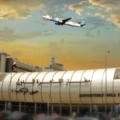
Fiumicino Airport, officially known as Leonardo da Vinci International Airport, is the primary international gateway to Rome and the busiest airport in Italy. Located approximately 30 kilometers (19 miles) southwest of Rome’s city center, the airport serves millions of passengers every year and acts as a major hub for both domestic and international travel across Europe and beyond.
As one of Europe’s leading airports, Fiumicino (FCO) is well-known for its modern infrastructure, efficient transport connections, and wide range of passenger services. Whether you’re arriving in Rome for tourism, business, or connecting to another destination, the airport offers a seamless travel experience with multiple terminals, extensive airline connectivity, and convenient access to the city via train, taxi, bus, or private transfer.
The airport is named after Leonardo da Vinci, the famous Italian inventor and artist, and reflects Italy’s global connectivity with hundreds of routes operated by major airlines. With continuous upgrades, improved passenger services, and high rankings in European airport awards, Fiumicino Airport is considered one of the best airports for travel in Southern Europe.
Fiumicino Airport – Key Facts & Overview
| Factor | Details |
|---|---|
| Official Name | Leonardo da Vinci International Airport |
| Common Name | Fiumicino Airport |
| IATA Code | FCO |
| ICAO Code | LIRF |
| Location | Fiumicino, Rome, Italy |
| Distance from Rome City Centre | ~30 km / 19 miles |
| Year Opened | 1961 |
| Airport Type | International |
| Operator | Aeroporti di Roma (ADR) |
| Passenger Traffic | 45–50+ million annually |
| Number of Terminals | 2 Main Terminals (T1 & T3) |
| Main Hub For | ITA Airways |
| Major Airlines | Ryanair, Lufthansa, Emirates, Air France, Delta |
| Runways | 3 Operational runways |
| Airport Size | ~16 km² |
| Best For | International & long-haul flights |
Why Fiumicino Airport is Important
Fiumicino Airport plays a crucial role in connecting Rome to the rest of the world. It is not only Italy’s busiest airport but also one of the top airports in Europe in terms of passenger traffic and global connectivity. The airport serves as a central hub for ITA Airways and operates flights to major cities across Europe, North America, Asia, and the Middle East.
Its strategic location near Rome makes it the preferred airport for international travelers visiting iconic attractions such as the Colosseum, Vatican City, and Trevi Fountain. Compared to Rome’s secondary airport (Ciampino), Fiumicino handles the majority of long-haul and full-service airline operations, making it the most important airport for global travelers.
What to Expect at FCO Airport
Travelers passing through Fiumicino Airport can expect:
- Modern terminals with clear signage and easy navigation
- Efficient security and immigration processes
- A wide range of transport options including trains, taxis, buses, and private transfers
- Extensive shopping, dining, and duty-free options
- Premium services such as lounges, fast-track security, and personal shopping
With its combination of convenience, connectivity, and passenger-friendly services, Fiumicino Airport offers a well-rounded travel experience for both first-time visitors and frequent flyers.
Fiumicino Airport Terminals Guide
Rome Fiumicino Airport (FCO) is designed to handle a high volume of international and domestic passengers efficiently through a streamlined terminal system. While the airport previously had multiple terminals, today it mainly operates with Terminal 1 (T1) and Terminal 3 (T3), both of which are modern, well-equipped, and connected for easy passenger movement.
Understanding how these terminals are structured can help you navigate the airport smoothly, especially during arrivals, departures, or connecting flights.
Overview of Terminals at FCO Airport
| Terminal | Primary Use | Key Airlines | Passenger Type |
|---|---|---|---|
| Terminal 1 (T1) | Domestic & Schengen flights | ITA Airways, Lufthansa, Air France | Short-haul / European travelers |
| Terminal 3 (T3) | International & Non-Schengen flights | Emirates, Delta, American Airlines, Qatar Airways | Long-haul / International travelers |
Terminal 1 (T1) – Domestic & Schengen Flights
Terminal 1 primarily handles domestic flights within Italy and short-haul flights within the Schengen Area. It serves as a key base for ITA Airways and several European airlines.
Passengers traveling within Europe will most likely depart from or arrive at Terminal 1. The terminal is designed for quick processing, making it ideal for short-haul travelers.
Key Features of Terminal 1:
- Efficient check-in and security process
- Direct access to Schengen departure gates
- Shops, cafes, and essential travel services
- Easy connections to other terminals
Terminal 3 (T3) – International & Long-Haul Flights
Terminal 3 is the largest and busiest terminal at Fiumicino Airport, handling the majority of international and intercontinental flights. This includes flights to destinations in North America, Asia, the Middle East, and other non-Schengen countries.
It also incorporates areas previously used by older terminals, making it a large and comprehensive space for global travel.
Key Features of Terminal 3:
- Extensive check-in counters for international airlines
- Passport control and immigration facilities
- Wide range of duty-free shopping and dining options
- Access to premium lounges and fast-track services
- Gates dedicated to long-haul departures
How to Move Between Terminals
Fiumicino Airport is designed for smooth connectivity between terminals. Passengers can easily move between Terminal 1 and Terminal 3 through:
- Clearly marked walking paths
- Internal shuttle connections in certain areas
- Signage available in multiple languages
For connecting flights, the airport ensures a relatively seamless transfer experience, although international connections may require passing through security or passport control again.
Terminal Experience & Passenger Flow
The terminal layout at FCO is optimized to reduce congestion and improve passenger flow. Terminal 3 handles most of the heavy international traffic, while Terminal 1 ensures faster processing for regional travel.
In general:
- Short-haul travelers benefit from faster boarding and minimal procedures
- Long-haul travelers have access to more services, lounges, and duty-free areas
- Transit passengers can navigate between terminals without leaving the airport
What This Means for Travelers
Knowing your terminal in advance can save time and reduce stress. As a rule of thumb:
- If you’re flying within Europe → Terminal 1
- If you’re flying internationally → Terminal 3
However, it’s always recommended to check your airline and boarding pass before heading to the airport, as terminal assignments may vary.
This terminal structure makes Fiumicino Airport efficient, easy to navigate, and suitable for both short trips and long-haul international travel.
Fiumicino Airport Map & Layout (Navigation Guide)
Understanding the layout of Fiumicino Airport (FCO) is essential for a smooth and stress-free travel experience, especially since it is one of the busiest airports in Europe. The airport is designed with a modern and efficient structure, allowing passengers to move easily between terminals, gates, security areas, and transport connections.
Fiumicino Airport primarily operates through Terminal 1 and Terminal 3, which are connected through internal walkways and clearly marked signage. Despite the size of the airport, navigation is relatively simple thanks to well-organized zones, multilingual signs, and a logical passenger flow system.
Overall Airport Layout
The airport is divided into key functional zones that every traveler will pass through:
| Area | Description |
|---|---|
| Check-in Area | Located at the entrance of each terminal where passengers drop off baggage and receive boarding passes |
| Security Control | Mandatory screening area before entering departure gates |
| Departure Gates | Boarding areas divided into Schengen and Non-Schengen zones |
| Arrivals Area | Baggage claim, customs, and exit area for arriving passengers |
| Transit Area | Dedicated pathways for connecting passengers between flights |
| Shopping & Dining Zones | Duty-free stores, restaurants, cafes, and retail outlets across terminals |
| Transport Hub | Train station, taxi stands, bus terminals, and car rental services |
Terminal Layout Explained
Each terminal at Fiumicino Airport is structured to handle specific types of flights while maintaining a consistent layout for easy navigation.
Terminal 1 Layout
Terminal 1 is compact and optimized for short-haul travel. After entering the terminal, passengers move through check-in, security, and directly into the departure gates area. The walking distances are shorter compared to Terminal 3, making it ideal for quick connections and domestic flights.
Terminal 3 Layout
Terminal 3 is significantly larger and designed to accommodate international traffic. It includes multiple sections such as check-in zones, passport control, and extended gate areas. This terminal also connects to satellite gate areas, where some long-haul flights depart.
Passengers in Terminal 3 may need to walk longer distances, but moving walkways and clear signage make navigation manageable.
Key Zones Inside the Airport
To better understand how the airport works, here is a simplified breakdown of the main zones and what to expect:
| Zone | What You’ll Find | Travel Tip |
|---|---|---|
| Check-in Zone | Airline counters, baggage drop, self-check-in kiosks | Arrive early during peak hours |
| Security Zone | Screening for passengers and carry-on luggage | Use fast track if available |
| Immigration (T3 only) | Passport control for international travel | Keep documents ready |
| Gate Areas | Boarding gates divided by flight zones | Check gate screens regularly |
| Retail & Dining | Duty-free, cafes, restaurants, shopping | Ideal for waiting time |
| Baggage Claim | Carousel belts for luggage collection | Screens show belt numbers |
| Exit & Transport | Taxi, train, bus, and car rental access | Follow “To & From” signage |
Airport Map Navigation Tips
Even without a physical map, navigating Fiumicino Airport is straightforward if you follow these tips:
- Follow clearly marked signs for “Departures,” “Arrivals,” and “Gates”
- Use digital screens located throughout the airport to check flight status and gate numbers
- Allow extra walking time in Terminal 3 due to its size
- For connecting flights, follow “Transit” signs instead of exiting the airport
- Use airport staff or information desks if you are unsure about directions
Movement Between Terminals and Gates
Fiumicino Airport is built to support smooth passenger movement:
- Terminals are connected by internal corridors and walking paths
- Some international gates are located in satellite areas, accessible via internal transit systems
- Walking is the primary mode of movement, but escalators, elevators, and moving walkways are available
- Transit passengers can move between flights without exiting the airport, depending on their itinerary
What Makes FCO Easy to Navigate
Compared to many large international airports, Fiumicino offers a well-organized layout that reduces confusion:
- Logical terminal structure (T1 and T3 separation)
- Clear signage in English and Italian
- Centralized transport hub for easy arrivals and departures
- Efficient passenger flow from entry to boarding
Summary of Airport Layout
| Feature | Details |
|---|---|
| Number of Main Terminals | 2 (Terminal 1 and Terminal 3) |
| Layout Type | Linear with connected terminals |
| Navigation Difficulty | Easy to Moderate |
| Walking Distance | Short in T1, Longer in T3 |
| Signage | Multilingual and clearly visible |
| Internal Connectivity | Walkways and transit systems |
| Passenger Flow | Well-structured and efficient |
By understanding the layout of Fiumicino Airport, travelers can save time, avoid confusion, and move confidently from check-in to boarding or from arrival to city transport. Whether you are arriving, departing, or connecting, the airport’s structure is designed to make your journey as smooth as possible.
Flights, Departures & Arrivals at Fiumicino Airport (FCO)
Fiumicino Airport (FCO) operates as the main international gateway to Rome, handling hundreds of daily flights across Europe, North America, Asia, and the Middle East. With a wide network of airlines and destinations, the airport offers a well-organized system for departures and arrivals, ensuring a smooth experience for both departing and arriving passengers.
Whether you are catching a flight, picking someone up, or tracking a journey, understanding how departures and arrivals work at FCO can save time and help you plan more efficiently.
Overview of Flight Operations at FCO
| Factor | Details |
|---|---|
| Total Annual Passengers | 45–50+ million |
| Daily Flights | 800+ flights (approx.) |
| Main Hub Airline | ITA Airways |
| Major Airlines | Emirates, Delta, Lufthansa, Ryanair, Air France |
| Flight Types | Domestic, Schengen, International |
| Peak Hours | Morning (6 AM – 10 AM), Evening (5 PM – 9 PM) |
| Busiest Terminal | Terminal 3 (International flights) |
Departures at Fiumicino Airport
Departing from Fiumicino Airport is generally smooth and well-structured. Passengers are guided through a step-by-step process that includes check-in, security screening, and boarding.
Departure Process
| Step | What to Do |
|---|---|
| Check-in | Use airline counters or self-service kiosks |
| Baggage Drop | Drop checked luggage at designated counters |
| Security Check | Screening of passengers and carry-on items |
| Passport Control (T3) | Required for non-Schengen flights |
| Boarding Gate | Follow screens for gate information |
Passengers are advised to arrive:
- 2 hours before short-haul flights
- 3 hours before international flights
Terminal 1 typically handles domestic and Schengen departures, while Terminal 3 manages international and long-haul flights.
Arrivals at Fiumicino Airport
Arriving at FCO is straightforward, with clear signage guiding passengers from the aircraft to baggage claim and exit areas.
Arrival Process
| Step | What to Expect |
|---|---|
| Disembarkation | Exit aircraft and follow arrival signs |
| Passport Control | Required for international arrivals |
| Baggage Claim | Collect luggage from assigned carousel |
| Customs | Pass through customs control if required |
| Exit | Access transport options (taxi, train, bus) |
After exiting, passengers can easily reach the airport’s transport hub, which connects directly to Rome city center and nearby destinations.
Real-Time Flight Information
Fiumicino Airport provides real-time updates on:
- Flight departures and arrivals
- Gate changes
- Delays and cancellations
- Security wait times
Screens are located throughout the terminals, allowing passengers to check their flight status at any time. Travelers can also track flights online before arriving at the airport to stay updated.
Popular Destinations from FCO Airport
Fiumicino Airport connects Rome to major cities worldwide. Some of the most popular routes include:
| Region | Popular Destinations |
|---|---|
| Europe | Paris, London, Madrid, Amsterdam |
| North America | New York, Boston, Toronto |
| Middle East | Dubai, Doha, Abu Dhabi |
| Asia | Delhi, Tokyo, Seoul |
This global connectivity makes FCO one of the most important aviation hubs in Europe.
Peak Travel Times & Tips
Fiumicino Airport experiences heavy traffic during certain hours and seasons. Understanding peak times can help you avoid delays:
- Morning and evening are the busiest periods
- Summer months and holidays see higher passenger volume
- Security and immigration queues may be longer during peak hours
Helpful Tips:
- Arrive early to avoid last-minute stress
- Check your flight status before leaving for the airport
- Use online check-in to save time
- Follow airport screens for real-time updates
Security & Waiting Time Insights
FCO Airport is known for relatively efficient security processing. In many cases:
- Security wait times are short during non-peak hours
- Fast-track options are available for quicker access
- Staff and signage help guide passengers efficiently
However, during peak hours or busy seasons, it is always safer to allow extra time.
What This Means for Travelers
Fiumicino Airport offers a well-managed system for both departures and arrivals, supported by modern infrastructure and real-time information. Whether you’re leaving Rome or arriving for the first time, the airport ensures a smooth and organized travel experience.
Transportation from Fiumicino Airport to Rome City Centre
Getting from Fiumicino Airport (FCO) to Rome city centre is easy, with multiple transport options available to suit different budgets, travel styles, and time preferences. Whether you’re looking for the fastest route, the cheapest option, or the most comfortable door-to-door service, the airport is well connected to central Rome and nearby areas.
The distance between Fiumicino Airport and Rome city centre is approximately 30 km (19 miles), and travel time can range from 30 minutes to over 1 hour, depending on the mode of transport and traffic conditions.
Quick Comparison: Best Ways to Get from FCO to Rome
| Transport Option | Average Time | Price (One Way) | Best For |
|---|---|---|---|
| Leonardo Express Train | 30 minutes | €14–€15 | Fastest and direct city access |
| Regional Train (FL1) | 45–60 minutes | €8 | Budget travelers |
| Airport Bus | 45–75 minutes | €5–€7 | Cheapest option |
| Taxi | 30–40 minutes | €50 fixed fare | Convenience and comfort |
| Private Transfer | 30–40 minutes | €60–€90+ | Premium, hassle-free travel |
Leonardo Express – Fastest Way to Reach Rome
The Leonardo Express is the most popular and fastest way to travel from Fiumicino Airport to Rome Termini Station, the main railway hub in the city.
- Travel time: 30 minutes (non-stop)
- Frequency: Every 15–30 minutes
- Price: Around €14–€15 per person
- Operating hours: Early morning to late evening
This train runs directly from the airport to Termini Station without any stops, making it the best option for travelers who want a quick and reliable connection to central Rome.
Best for: First-time visitors, tourists with luggage, and those staying near Termini.
Regional Train (FL1) – Cheapest Train Option
The FL1 regional train is a more affordable alternative to the Leonardo Express. It connects the airport with several stations in Rome, but does not stop at Termini.
- Travel time: 45–60 minutes
- Price: Around €8 per person
- Stops: Trastevere, Ostiense, Tiburtina, Tuscolana
This option is ideal for travelers staying in areas outside central Rome or near metro connections.
Best for: Budget travelers and those staying in Trastevere or Tiburtina.
Airport Buses – Cheapest Way to Travel
Several bus companies operate routes between Fiumicino Airport and Rome city centre, including services to Termini Station.
- Travel time: 45–75 minutes (depending on traffic)
- Price: €5–€7 per person
- Popular operators: Terravision, SIT Bus, Schiaffini
Buses are the cheapest option, but they can be slower due to traffic conditions.
Best for: Budget-conscious travelers with flexible schedules.
Taxi – Fixed Fare Convenience
Taxis offer a direct and comfortable way to travel from the airport to your hotel or destination in Rome.
- Travel time: 30–40 minutes
- Price: €50 fixed fare (within central Rome)
- Capacity: Up to 4 passengers with luggage
The fixed fare system ensures transparency, but it’s always recommended to confirm the price before starting your journey.
Best for: Families, groups, or travelers with heavy luggage.
Private Transfers – Most Comfortable Option
Private airport transfers provide a premium, door-to-door service with a driver waiting at the arrivals gate.
- Travel time: 30–40 minutes
- Price: €60–€90+ depending on vehicle type
- Includes: Meet-and-greet service, luggage assistance
This is the most convenient option, especially after long international flights, as it eliminates waiting time and navigation challenges.
Best for: Business travelers, luxury travelers, and hassle-free arrivals.
Which Transport Option Should You Choose?
| If You Want… | Best Option |
|---|---|
| Fastest route | Leonardo Express |
| Cheapest option | Airport Bus |
| Balanced cost & convenience | Regional Train (FL1) |
| Door-to-door comfort | Taxi |
| Premium experience | Private Transfer |
Travel Tips for Getting to Rome from FCO
- Book train or bus tickets in advance during peak season
- Avoid rush hours if using buses or taxis
- Follow airport signs for “Train,” “Bus,” or “Taxi” after arrival
- Keep cash or card ready for transport payments
- Confirm taxi fares before starting the ride
What This Means for Travelers
Fiumicino Airport offers one of the most efficient transport networks among European airports. Whether you prioritize speed, cost, or comfort, there is a suitable option for every type of traveler. The Leonardo Express remains the top choice for most visitors, while buses and regional trains provide excellent alternatives for those on a budget.
Airport Transfers & Best Travel Options from Fiumicino Airport
When arriving at Fiumicino Airport (FCO), choosing the right transfer option can make a big difference
start section 7
Airport Transfers & Best Travel Options from Fiumicino Airport
When arriving at Fiumicino Airport (FCO), choosing the right transfer option can significantly impact your overall travel experience. While public transport like trains and buses are widely available, many travelers prefer airport transfer services for their convenience, reliability, and door-to-door comfort—especially after long international flights.
This section focuses on the best transfer options, helping you decide based on your budget, travel style, and level of comfort.
Quick Comparison: Airport Transfer Options
| Transfer Type | Travel Time | Price Range | Comfort Level | Best For |
|---|---|---|---|---|
| Private Transfer | 30–40 minutes | €60–€90+ | ⭐⭐⭐⭐⭐ | Hassle-free, premium travel |
| Taxi | 30–40 minutes | €50 fixed | ⭐⭐⭐⭐ | Quick and direct rides |
| Shuttle Transfer | 45–70 minutes | €20–€35 | ⭐⭐⭐ | Budget + convenience |
| Ride-sharing (if available) | 30–45 minutes | €40–€70 | ⭐⭐⭐⭐ | Flexible pricing |
Private Airport Transfers – Most Convenient Option
Private transfers are considered the easiest and most comfortable way to travel from Fiumicino Airport to your hotel or destination in Rome.
With this option, a professional driver meets you directly at the arrivals hall, often holding a sign with your name. You are then escorted to a private vehicle and taken straight to your destination without any delays or stops.
Key Benefits:
- Door-to-door service
- No waiting time
- Fixed pricing (no surprises)
- Ideal after long-haul flights
- Assistance with luggage
This is especially useful for first-time visitors, families, or business travelers who want a smooth and stress-free arrival.
Taxi Transfers – Fixed Fare & Easy Access
Taxis are readily available outside the arrivals terminal and offer a simple way to reach central Rome.
- Fixed fare: €50 (within central Rome)
- Travel time: 30–40 minutes
- No pre-booking required
While taxis are convenient, it’s always recommended to:
- Use official white taxis only
- Confirm the fixed fare before starting the journey
Best for: Travelers who want a quick ride without pre-booking.
Shuttle Transfers – Shared & Budget-Friendly
Shared shuttle services are a good middle-ground option between private transfers and public transport. These services operate between the airport and key locations in Rome, including hotels and central drop-off points.
- Lower cost than private transfers
- Shared with other passengers
- May include multiple stops
Best for: Budget travelers who still want a more comfortable option than buses.
Ride-Sharing Services – Flexible Option
Ride-sharing services (where available) offer a flexible and app-based alternative to taxis. Pricing can vary depending on demand, time of day, and traffic conditions.
- Easy booking via mobile apps
- Variable pricing
- Pickup points at the airport
Best for: Tech-savvy travelers looking for flexibility.
How to Choose the Best Transfer Option
| Traveler Type | Recommended Option |
|---|---|
| First-time visitor | Private transfer |
| Budget traveler | Shuttle or bus |
| Family / group | Taxi or private transfer |
| Business traveler | Private transfer |
| Solo traveler | Train or shuttle |
Booking Tips for Airport Transfers
- Book in advance during peak seasons to secure availability
- Choose fixed-price options to avoid hidden charges
- Check reviews before selecting a transfer service
- Confirm pickup location and timing after landing
- Keep your driver’s contact details handy
Why Airport Transfers Are a Popular Choice
Compared to public transport, airport transfers provide a more relaxed and personalized experience. You don’t have to worry about navigating unfamiliar routes, handling luggage on crowded trains, or dealing with language barriers.
For many travelers, especially those arriving late at night or traveling with family, a pre-booked airport transfer is the safest and most convenient way to start their journey in Rome.
What This Means for Travelers
Fiumicino Airport offers a wide range of transfer options, but the best choice depends on your priorities. If convenience and comfort matter most, private transfers and taxis are the top options. If you’re looking to save money, shuttle services provide a balanced alternative.
Choosing the right transfer ensures a smooth transition from the airport to your destination, allowing you to begin your Rome trip without stress.
Parking, Car Rental & Access at Fiumicino Airport
Fiumicino Airport (FCO) offers a wide range of parking options, car rental services, and easy road access, making it convenient for both short-term visitors and long-term travelers. Whether you’re driving to the airport, renting a car for your trip, or planning your drop-off and pick-up, the airport infrastructure is designed to ensure smooth and efficient access.
Located just outside Rome, Fiumicino Airport is well connected by highways and major roads, allowing quick access to and from the city center and surrounding regions.
Parking Options at Fiumicino Airport
FCO provides multiple parking facilities tailored to different needs, including short stays, long-term parking, and premium options close to the terminals.
| Parking Type | Distance to Terminal | Price Range | Best For |
|---|---|---|---|
| Short-Term Parking | Walking distance | €3–€6 per hour | Pick-up & drop-off |
| Long-Term Parking | Shuttle or short walk | €10–€25 per day | Travelers on extended trips |
| Covered Parking | Close to terminals | €20–€35 per day | Added vehicle protection |
| Executive / Premium Parking | Very close to terminal | €30–€50+ per day | Business travelers |
Short-Term Parking (Kiss & Fly)
Short-term parking areas are ideal for quick stops, such as dropping off or picking up passengers.
- Located near terminal entrances
- Easy access for arrivals and departures
- Suitable for stays under a few hours
Tip: Use designated drop-off zones to avoid unnecessary parking fees.
Long-Term Parking
Long-term parking is the best option for travelers leaving their vehicle at the airport for multiple days.
- More affordable daily rates
- Shuttle services available to terminals
- Secure parking areas
This option is popular among travelers going on vacations or business trips.
Covered & Premium Parking
For added convenience and security, covered and premium parking options are available:
- Located very close to terminals
- Protection from weather conditions
- Faster access to check-in areas
These options are ideal for travelers who prioritize convenience and time.
Car Rental Services at FCO Airport
Fiumicino Airport hosts a wide range of international and local car rental companies, making it easy to rent a vehicle upon arrival.
| Rental Feature | Details |
|---|---|
| Rental Location | Dedicated car rental area near terminals |
| Available Companies | Hertz, Avis, Europcar, Sixt, Locauto, and more |
| Vehicle Types | Economy, luxury, SUVs, vans |
| Booking Options | Online reservation or on-arrival booking |
| Pickup Process | Quick and organized with clear signage |
Benefits of Renting a Car
- Freedom to explore Rome and surrounding regions
- Convenient for visiting nearby attractions like Ostia, Tivoli, or countryside areas
- Ideal for long-distance travel across Italy
However, driving in central Rome can be challenging due to traffic restrictions and limited parking, so it’s often recommended for travel outside the city.
Road Access & Connectivity
Fiumicino Airport is directly connected to Rome and other regions via major highways:
| Route | Description |
|---|---|
| A91 Motorway (Rome–Fiumicino) | Main route connecting airport to city center |
| A12 Highway | Connects to coastal and northern regions |
| Local Roads | Access to nearby towns and districts |
Travel time to central Rome is typically 30–40 minutes, depending on traffic conditions.
Pick-Up & Drop-Off Zones
The airport has clearly marked areas for passenger pick-up and drop-off:
- Located directly outside terminal buildings
- Easy access for taxis, private cars, and ride services
- Short waiting times recommended to avoid congestion
Travel Tips for Parking & Car Access
- Book parking online in advance to get better rates
- Arrive early during peak travel seasons
- Follow airport signage for parking zones
- Check traffic conditions before heading to the airport
- Keep parking tickets and payment methods ready
What This Means for Travelers
Fiumicino Airport offers flexible and well-organized parking and car rental options, making it easy for travelers to access the airport by road. Whether you need quick drop-off access, long-term parking, or a rental car for your journey, FCO provides solutions that cater to every type of traveler.
With strong road connectivity and multiple service options, getting to and from the airport by car is both convenient and efficient.
Shopping, Dining & Duty-Free at Fiumicino Airport
Fiumicino Airport (FCO) offers a premium shopping and dining experience, making it much more than just a transit point. Whether you want to enjoy authentic Italian cuisine, grab a quick coffee before your flight, or shop for luxury brands and duty-free products, the airport provides a wide range of options across its terminals.
Inspired by leading European airports, FCO combines convenience with a high-quality retail experience, allowing travelers to relax, explore, and make the most of their time before departure or after arrival.
Overview of Shopping & Dining Experience
| Category | What You’ll Find | Best For |
|---|---|---|
| Duty-Free Shops | Perfumes, cosmetics, alcohol, tobacco | Tax-free shopping |
| Fashion & Luxury | Italian and international brands | Premium shopping |
| Food & Restaurants | Italian cuisine, cafes, fast food | Dining before flights |
| Cafes & Coffee Shops | Espresso bars, bakeries | Quick snacks |
| Specialty Stores | Gifts, souvenirs, books | Last-minute purchases |
Duty-Free Shopping at FCO
Fiumicino Airport features extensive duty-free shopping areas, particularly in Terminal 3, where international passengers can take advantage of tax-free purchases.
Travelers can shop for:
- Perfumes and cosmetics
- Alcohol and tobacco
- Luxury goods and accessories
- Italian gourmet products
Duty-free stores are located after security and offer competitive prices, especially for international travelers.
Fashion & Retail Stores
FCO is known for its strong focus on fashion and retail, with a mix of global and Italian brands available throughout the terminals.
- High-end fashion brands and boutiques
- Jewelry and watch stores
- Accessories and travel essentials
- Eyewear and beauty products
This makes the airport a great place for last-minute shopping or even planned purchases before departure.
Dining Options – From Italian Cuisine to Fast Food
Fiumicino Airport offers a wide variety of dining options to suit every taste and schedule.
| Dining Type | Examples | Ideal For |
|---|---|---|
| Italian Restaurants | Pasta, pizza, wine bars | Authentic local experience |
| International Cuisine | Asian, continental options | Variety seekers |
| Fast Food | Burgers, sandwiches | Quick meals |
| Cafes | Coffee, pastries, snacks | Light refreshments |
Travelers can enjoy traditional Italian dishes, including fresh pasta, pizza, and espresso, or opt for quick-service meals if they are short on time.
Cafes & Coffee Culture
Italy is famous for its coffee, and Fiumicino Airport reflects that with numerous cafes and espresso bars across terminals.
- Fresh Italian espresso and cappuccino
- Pastries and baked goods
- Quick takeaway options
These cafes are perfect for relaxing before boarding or grabbing a quick energy boost.
Pre-Order & Online Shopping Options
Some airport services allow travelers to:
- Pre-order products online
- Reserve items in advance
- Pick up purchases at the airport
This helps save time and ensures availability, especially during busy travel periods.
Shopping & Dining Locations by Terminal
| Terminal | Key Highlights |
|---|---|
| Terminal 1 | Cafes, basic retail, quick dining |
| Terminal 3 | Duty-free, luxury shopping, full dining experience |
Terminal 3 offers the most extensive selection, especially for international travelers.
Travel Tips for Shopping & Dining
- Shop after security to access duty-free deals
- Allow extra time to explore stores and restaurants
- Check terminal information for available options
- Use takeaway options if you are short on time
- Compare prices before purchasing high-value items
What This Means for Travelers
Fiumicino Airport provides a complete shopping and dining experience that enhances your journey. Whether you want to enjoy Italian cuisine, relax with a coffee, or explore luxury brands, the airport offers something for every traveler.
This combination of retail, food, and convenience makes waiting time at FCO more enjoyable and productive.
Facilities & Services at Fiumicino Airport
Fiumicino Airport (FCO) is designed to offer a comfortable, efficient, and passenger-friendly experience with a wide range of facilities and services available across its terminals. Whether you are traveling for business, leisure, or with family, the airport provides everything you need—from lounges and WiFi to special assistance and premium services.
These facilities are spread across Terminal 1 and Terminal 3, with Terminal 3 offering the most extensive range of services for international travelers.
Overview of Key Facilities at FCO Airport
| Facility | Availability | Best For |
|---|---|---|
| Airport Lounges | Terminal 1 & 3 | Comfort, relaxation, business travelers |
| Free WiFi | Entire airport | Staying connected |
| Special Assistance | All terminals | Elderly & disabled passengers |
| Fast Track Security | Selected areas | Saving time |
| Information Desks | Throughout airport | Travel guidance |
| Medical Services | Available 24/7 | Emergencies |
| Luggage Services | Storage & wrapping | Convenience |
| Family Services | Baby care rooms | Families with children |
Airport Lounges – Relax Before Your Flight
Fiumicino Airport offers a variety of lounges where passengers can relax in a quiet and comfortable environment before boarding.
Lounge Features:
- Comfortable seating areas
- Complimentary food and beverages
- WiFi and charging stations
- Workspaces for business travelers
- Shower facilities (in select lounges)
Access is available through:
- Business or first-class tickets
- Lounge memberships
- Paid entry options
Free WiFi & Connectivity
FCO Airport provides free WiFi throughout all terminals, allowing passengers to stay connected while waiting for their flights.
- Easy login process
- Available in seating areas, lounges, and dining zones
- Suitable for browsing, messaging, and light work
Charging stations are also available across terminals for mobile devices and laptops.
Special Assistance Services
The airport offers dedicated support for passengers with reduced mobility or special needs.
Services include:
- Wheelchair assistance
- Priority boarding and security access
- Assistance from arrival to departure
Passengers are advised to request assistance in advance through their airline for a smoother experience.
Fast Track Security – Save Time
Fast-track services are available for passengers who want to skip long security queues.
- Priority access to security screening
- Available for business travelers or paid upgrade
- Ideal during peak travel hours
This service helps reduce waiting time and improves overall travel efficiency.
Information Desks & Passenger Support
Information desks are located throughout the airport to assist travelers with:
- Flight information
- Directions داخل the airport
- Transport guidance
- General travel queries
Staff members are available to provide support in multiple languages.
Medical & Emergency Services
Fiumicino Airport is equipped with medical facilities to handle emergencies and provide basic healthcare support.
- 24/7 medical assistance
- Emergency response teams
- First aid services
This ensures safety and support for all passengers during their journey.
Luggage Services
Travelers can take advantage of various baggage-related services:
- Luggage storage facilities
- Baggage wrapping services
- Lost and found assistance
These services are particularly useful for long layovers or when exploring the city before departure.
Family & Child-Friendly Facilities
FCO Airport caters to families traveling with children by providing:
- Baby care rooms
- Changing facilities
- Comfortable waiting areas
These services help make travel easier and more convenient for families.
Additional Services at FCO
| Service | Details |
|---|---|
| Currency Exchange | Available in all terminals |
| ATMs | Easily accessible throughout airport |
| Prayer Rooms | Quiet spaces for reflection |
| Business Services | Meeting rooms and workspaces |
| Pet Services | Assistance for traveling with animals |
What This Means for Travelers
Fiumicino Airport offers a wide range of facilities and services designed to enhance passenger comfort and convenience. From premium lounges and fast-track security to essential services like WiFi and medical assistance, the airport ensures a smooth and enjoyable travel experience.
Whether you’re waiting for a connecting flight or preparing for departure, FCO provides everything you need to travel with ease.
Train Station & Rail Connectivity at Fiumicino Airport
Fiumicino Airport (FCO) is one of the best-connected airports in Europe when it comes to rail transport. The airport has its own dedicated train station, making it extremely convenient for travelers to reach Rome city centre and other major destinations across Italy without relying on road transport.
Located within the airport complex, the train station is easily accessible from both Terminal 1 and Terminal 3 via covered walkways and clear signage. This seamless integration between air and rail travel makes FCO a preferred choice for both domestic and international passengers.
Overview of Rail Connectivity at FCO
| Feature | Details |
|---|---|
| Train Station Name | Fiumicino Aeroporto |
| Location | داخل airport complex (near terminals) |
| Main Operator | Trenitalia |
| Key Routes | Rome Termini, Trastevere, Tiburtina |
| Travel Frequency | Every 15–30 minutes |
| Connectivity Type | Direct & regional rail |
Leonardo Express – Direct Train to Rome Termini
The Leonardo Express is the fastest and most direct train connecting Fiumicino Airport to Rome’s main railway station, Termini.
- Travel time: 30 minutes (non-stop)
- Frequency: Every 15–30 minutes
- Price: Around €14–€15
- Operating hours: Early morning to late evening
This train departs directly from the airport station and arrives at Termini without any intermediate stops, making it the most efficient option for travelers heading to central Rome.
Best for: Tourists, first-time visitors, and those staying near Termini.
Regional Train (FL1 Line) – Budget-Friendly Option
The FL1 regional train is a more affordable alternative that connects the airport to multiple stations in Rome and nearby areas.
- Travel time: 45–60 minutes
- Price: Around €8
- Key stops: Trastevere, Ostiense, Tiburtina, Tuscolana
Unlike the Leonardo Express, this train does not stop at Termini, but it connects well with Rome’s metro system and other transport options.
Best for: Budget travelers and those staying outside central Rome.
High-Speed & Long-Distance Rail Connections
Fiumicino Airport is also connected to Italy’s high-speed rail network through nearby stations. From Rome Termini or Tiburtina, travelers can easily connect to cities such as:
- Florence
- Milan
- Naples
- Bologna
This makes FCO not just an airport, but a major transportation hub for exploring Italy.
Train Station Facilities
The airport train station is well-equipped to handle a high volume of passengers and offers:
- Ticket counters and self-service machines
- Digital screens displaying train schedules
- Waiting areas
- Easy access to platforms
- Assistance services for travelers
How to Reach the Train Station from Terminals
Passengers can reach the train station easily:
- Follow signs for “Train” or “Railway Station” داخل the airport
- Walk through covered pedestrian walkways
- Travel time from terminals: 5–10 minutes walking
The route is clearly marked, making it easy even for first-time visitors.
Quick Comparison: Train Options from FCO
| Train Type | Destination | Time | Price | Stops |
|---|---|---|---|---|
| Leonardo Express | Rome Termini | 30 min | €14–€15 | Non-stop |
| Regional Train (FL1) | Trastevere, Tiburtina | 45–60 min | €8 | Multiple stops |
Travel Tips for Using Trains at FCO
- Buy tickets in advance to avoid queues
- Validate your ticket before boarding (if required)
- Check platform numbers on digital screens
- Keep luggage secure, especially during peak hours
- Use Leonardo Express for faster and simpler travel
What This Means for Travelers
Fiumicino Airport’s direct rail connectivity makes it one of the most convenient airports for reaching Rome and other Italian cities. Whether you choose the fast Leonardo Express or the more affordable regional train, the airport provides reliable and efficient options for every type of traveler.
For many visitors, taking the train is the easiest and most efficient way to start their journey in Rome.
Travel Tips for Using Fiumicino Airport (FCO)
Traveling through Fiumicino Airport can be smooth and stress-free if you plan ahead and understand how the airport works. As one of Europe’s busiest airports, FCO handles a large number of passengers daily, so knowing a few practical tips can help you save time, avoid confusion, and improve your overall travel experience.
Whether you are arriving, departing, or connecting, these tips will help you navigate the airport efficiently.
General Travel Tips
| Tip | Why It Matters |
|---|---|
| Arrive early | Avoid last-minute stress and long queues |
| Check terminal in advance | Terminals may vary by airline |
| Use online check-in | Saves time at the airport |
| Follow airport signage | Easy navigation داخل terminals |
| Keep documents ready | Faster security and immigration process |
Tips for Departing Passengers
If you are flying out of Fiumicino Airport, preparation is key to a smooth departure.
- Arrive at least 2 hours early for domestic flights and 3 hours early for international flights
- Check your terminal (T1 or T3) before leaving for the airport
- Use self-check-in kiosks if available to reduce waiting time
- Keep your boarding pass and passport easily accessible
- Allow extra time during peak travel seasons
Pro Tip: Use fast-track security if available to skip long queues.
Tips for Arriving Passengers
After landing at FCO, follow these tips to exit the airport quickly and efficiently:
- Follow signs for Arrivals and Baggage Claim
- Check baggage carousel numbers on screens
- Prepare for passport control if arriving from outside Schengen
- Follow signs for transport options like train, taxi, or bus
Pro Tip: Pre-book your transfer or train ticket to avoid delays after arrival.
Tips for Connecting Flights
If you have a layover or connecting flight at Fiumicino Airport:
- Follow “Transit” signs instead of exiting the airport
- Check if you need to pass through security again
- Allow enough time between flights (especially international connections)
- Monitor departure screens for gate updates
Pro Tip: For short connections, stay within the same terminal if possible.
Security & Immigration Tips
Security and passport control are generally efficient at FCO, but delays can happen during peak hours.
- Remove electronics and liquids before reaching security
- Keep liquids within allowed limits (100ml rule)
- Have your passport and boarding pass ready
- Use priority lanes if eligible
Baggage & Luggage Tips
| Tip | Benefit |
|---|---|
| Label your luggage clearly | Avoid mix-ups |
| Use luggage wrapping services | Extra protection |
| Keep essentials in carry-on | Useful in case of delays |
| Check baggage allowance | Avoid extra fees |
Transport & Arrival Planning Tips
- Decide your transport option (train, taxi, transfer) before arrival
- Follow signs for “To & From” to reach transport areas
- Avoid unofficial taxi services
- Carry some cash or card for transport payments
Money-Saving Tips
- Use regional trains or buses for cheaper transport
- Book tickets online in advance
- Avoid last-minute purchases at the airport
- Compare prices before shopping in duty-free stores
Safety & Convenience Tips
- Keep personal belongings secure at all times
- Use official airport services only
- Stay updated with flight information on airport screens
- Ask airport staff for help if needed
What This Means for Travelers
Fiumicino Airport is well-organized and traveler-friendly, but being prepared can make your journey even smoother. By following these simple tips, you can avoid common travel issues, save time, and enjoy a more relaxed airport experience.
Whether you’re visiting Rome for the first time or traveling frequently, these practical insights will help you navigate FCO with confidence.
Awards, Rankings & Why Fiumicino Airport is One of Europe’s Best Airports
Fiumicino Airport (FCO) is not only the busiest airport in Italy but also one of the highest-rated airports in Europe. Over the years, it has received multiple international awards and recognitions for its infrastructure, passenger services, innovation, and overall travel experience.
These awards highlight the airport’s commitment to quality, efficiency, and continuous improvement, making it a preferred choice for millions of travelers worldwide.
Key Awards & Global Rankings
Fiumicino Airport consistently ranks among the top airports globally and within Europe due to its high service standards and passenger satisfaction.
| Award / Recognition | Ranking / Achievement | Year / Frequency |
|---|---|---|
| Skytrax World Airport Awards | Top 10 Airports Worldwide | Recent years |
| ACI Europe Best Airport Award | Best Airport in Europe (Large Category) | Multiple years |
| ACI ASQ (Airport Service Quality) | High customer satisfaction ratings | Ongoing |
| 5-Star COVID Safety Rating | Recognized for safety measures | Post-pandemic |
| Best Airport in Southern Europe | Frequent winner | Multiple years |
What Makes Fiumicino Airport Award-Winning
FCO stands out due to several key factors that contribute to its high rankings and global reputation:
1. Passenger Experience & Comfort
The airport focuses heavily on delivering a seamless and comfortable experience for travelers. From efficient security checks to spacious terminals and premium lounges, every aspect is designed to reduce stress and improve convenience.
2. Modern Infrastructure & Innovation
Fiumicino Airport has invested significantly in upgrading its terminals, technology, and facilities. Features such as digital information systems, automated check-in, and improved passenger flow management help maintain efficiency even during peak hours.
3. Wide Range of Services
The airport offers a comprehensive range of services including shopping, dining, lounges, and special assistance. These services cater to both leisure and business travelers, enhancing overall satisfaction.
4. Connectivity & Global Reach
With flights connecting to major cities across Europe, North America, Asia, and the Middle East, FCO serves as a key international hub. Its strong connectivity plays a major role in its global recognition.
5. Cleanliness & Safety Standards
Fiumicino Airport is known for maintaining high standards of cleanliness and safety, which has been especially important in recent years. These measures contribute to a secure and pleasant travel environment.
Why Travelers Prefer Fiumicino Airport
| Factor | Why It Matters |
|---|---|
| Efficient operations | Faster check-in and security |
| Modern facilities | Comfortable travel experience |
| Strong transport links | Easy access to Rome |
| High safety standards | Reliable and secure environment |
| Award-winning service | Trusted by global travelers |
Continuous Improvement & Future Growth
Fiumicino Airport continues to invest in:
- Terminal expansions
- Sustainable infrastructure
- Digital innovation
- Passenger experience enhancements
These improvements ensure that the airport remains competitive and continues to rank among the best in Europe and the world.
What This Means for Travelers
Choosing Fiumicino Airport means traveling through one of Europe’s most reliable and well-managed airports. Its consistent recognition in global rankings reflects its commitment to quality, efficiency, and passenger satisfaction.
For travelers, this translates into a smoother journey, better services, and a more enjoyable airport experience from arrival to departure.
Rome Airports Comparison: Fiumicino (FCO) vs Ciampino (CIA)
Rome is served by two main airports: Fiumicino Airport (FCO) and Ciampino Airport (CIA). While both airports handle domestic and international flights, they differ significantly in terms of size, connectivity, airlines, and overall travel experience.
Understanding the difference between these two airports can help you choose the best option depending on your travel needs, budget, and destination.
Quick Comparison: FCO vs Ciampino Airport
| Factor | Fiumicino Airport (FCO) | Ciampino Airport (CIA) |
|---|---|---|
| Full Name | Leonardo da Vinci International Airport | Giovan Battista Pastine Airport |
| Distance from Rome | ~30 km (19 miles) | ~15 km (9 miles) |
| Airport Type | Major international hub | Secondary / low-cost airport |
| Passenger Traffic | 45–50+ million annually | ~5–6 million annually |
| Terminals | 2 main terminals (T1, T3) | 1 terminal |
| Main Airlines | ITA Airways, Emirates, Delta | Ryanair, Wizz Air |
| Flight Types | Domestic, Schengen, long-haul | Mostly European & budget flights |
| Transport Options | Train, taxi, bus, private transfer | Bus, taxi, limited train access |
| Travel Time to City | 30–40 minutes | 20–30 minutes |
| Best For | International travel | Budget flights |
Fiumicino Airport (FCO) – Main International Gateway
Fiumicino Airport is the largest and busiest airport in Italy, handling the majority of international and long-haul flights.
Key Advantages:
- Extensive global connectivity
- Direct train access (Leonardo Express)
- Modern infrastructure and services
- Wide range of airlines and destinations
Best for:
- International travelers
- Business travelers
- Long-haul flights
Ciampino Airport (CIA) – Budget-Friendly Alternative
Ciampino Airport is smaller and mainly serves low-cost airlines and short-haul European routes.
Key Advantages:
- Closer to Rome city center
- Often cheaper flight options
- Less crowded than FCO
Limitations:
- Limited facilities and services
- No direct train connection
- Fewer international routes
Best for:
- Budget travelers
- Short European trips
Which Airport Should You Choose?
| If You Want… | Best Airport |
|---|---|
| International flights | Fiumicino (FCO) |
| Budget airline tickets | Ciampino (CIA) |
| Better facilities & services | Fiumicino (FCO) |
| Shorter distance to city | Ciampino (CIA) |
| Direct train access | Fiumicino (FCO) |
Final Recommendation
For most travelers visiting Rome, Fiumicino Airport (FCO) is the better choice due to its superior connectivity, modern facilities, and efficient transport options. It is especially ideal for international arrivals and those looking for a smooth travel experience.
However, if you are traveling on a budget within Europe, Ciampino Airport (CIA) can be a convenient and cost-effective alternative.
FAQs About Fiumicino Airport (FCO)
Below are some of the most commonly asked questions about Fiumicino Airport, designed to help travelers quickly find clear and useful information before their journey.
What is the airport code for Fiumicino Airport?
The airport code for Fiumicino Airport is FCO. It is also officially known as Leonardo da Vinci International Airport.
How far is Fiumicino Airport from Rome city centre?
Fiumicino Airport is located approximately 30 km (19 miles) southwest of Rome city centre. Travel time typically ranges from 30 to 45 minutes, depending on the mode of transport.
What is the fastest way to get from Fiumicino Airport to Rome?
The fastest way to reach central Rome is the Leonardo Express train, which takes about 30 minutes and runs directly to Rome Termini Station without any stops.
What is the cheapest way to travel from FCO to Rome?
The cheapest option is usually the airport bus, with fares starting from around €5–€7. Regional trains are also an affordable alternative at around €8.
How many terminals does Fiumicino Airport have?
Fiumicino Airport mainly operates with two terminals: Terminal 1 and Terminal 3. Terminal 1 handles domestic and Schengen flights, while Terminal 3 handles international and long-haul flights.
Is there a train station at Fiumicino Airport?
Yes, Fiumicino Airport has its own train station called Fiumicino Aeroporto, located داخل the airport complex and easily accessible from the terminals.
Are taxis available at Fiumicino Airport?
Yes, official taxis are available outside the arrivals area. There is a fixed fare of €50 for travel between the airport and central Rome.
Can I pre-book airport transfers from FCO?
Yes, private airport transfers can be booked in advance. These services offer door-to-door transportation with a driver meeting you at the arrivals hall.
Is Fiumicino Airport open 24 hours?
Yes, Fiumicino Airport operates 24 hours a day, although some shops, restaurants, and services may have limited hours.
Which airport is better in Rome: Fiumicino or Ciampino?
Fiumicino Airport (FCO) is the better option for most travelers due to its larger size, better connectivity, and more facilities. Ciampino Airport is mainly used by low-cost airlines.
Does Fiumicino Airport have free WiFi?
Yes, free WiFi is available throughout the airport terminals, allowing passengers to stay connected during their journey.
How early should I arrive at FCO Airport?
It is recommended to arrive:
- 2 hours before domestic flights
- 3 hours before international flights
This allows enough time for check-in, security, and boarding.
What This Means for Travelers
These FAQs cover the most important aspects of traveling through Fiumicino Airport. Whether you’re planning your arrival, departure, or transfer, having these answers in advance can help you travel more confidently and efficiently.