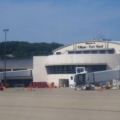

Overview of Rapid City Regional Airport (RAP)
Rapid City Regional Airport, commonly known by its airport code RAP, is the primary commercial aviation gateway serving Rapid City, South Dakota, and the wider Black Hills region. The airport plays a critical role in connecting western South Dakota to major cities across the United States, supporting both tourism and regional economic activity. Due to its proximity to world-famous attractions such as Mount Rushmore, Badlands National Park, and Custer State Park, the airport sees a steady mix of leisure travelers, business passengers, and seasonal visitors throughout the year.
Located approximately 10 miles southeast of downtown Rapid City, the airport offers convenient access to the city as well as surrounding towns in Pennington County. Its strategic position makes it the most important air transport hub in western South Dakota, handling scheduled commercial flights, general aviation operations, and limited charter services. Travelers searching for rapid city regional airport south dakota or rapid city regional airport rapid city sd are typically looking for comprehensive airport information, flight connectivity, parking details, or onward transportation options, all of which make this airport a central travel point in the region.
Regional Importance and Catchment Area
Rapid City Regional Airport serves not only Rapid City but also a large rural catchment area across western South Dakota, northeastern Wyoming, and parts of Nebraska and Montana. Many smaller towns in the Black Hills region rely on RAP as their nearest commercial airport, making it a vital transportation link for residents who would otherwise need to drive several hours to larger hubs.
The airport’s importance increases significantly during peak travel seasons, particularly in late spring and summer, when tourism to national parks and historical monuments surges. During these periods, passenger traffic rises due to increased flight frequencies and seasonal routes operated by major U.S. airlines.
Airport Code, Identity, and Official Naming
The official airport code for Rapid City Regional Airport is RAP, which is widely used for flight bookings, baggage tags, and airline schedules. Travelers often search for variations such as rapid city regional airport RAP or RAP Rapid City Regional Airport when planning trips or checking flight status. The airport is operated by the City of Rapid City and functions as a publicly owned, civil-use airport designed to meet both regional and national aviation standards.
Passenger Experience and Operational Scope
Although not a large international hub, Rapid City Regional Airport is designed to provide a smooth and efficient passenger experience. The airport operates with a single main terminal, allowing travelers to navigate check-in, security screening, and boarding areas without long walking distances. This compact layout is especially convenient for first-time visitors and travelers unfamiliar with the area.
From an operational standpoint, the airport supports:
- Scheduled domestic passenger flights
- Regional airline services connecting to major hubs
- General aviation and private aircraft operations
- Cargo handling on a limited scale
The combination of commercial and general aviation services ensures that RAP remains flexible and responsive to regional transportation needs.
Key Facts and Quick Information
The following table provides a high-level snapshot of Rapid City Regional Airport for quick reference:
| Airport Detail | Information |
|---|---|
| Official Name | Rapid City Regional Airport |
| Airport Code | RAP |
| City Served | Rapid City |
| State | South Dakota |
| Distance from Downtown | Approx. 10 miles southeast |
| Primary Role | Commercial passenger airport for western South Dakota |
| Terminal Count | Single passenger terminal |
| Operating Authority | City of Rapid City |
| Major Travel Purpose | Tourism, business travel, regional connectivity |
Why Rapid City Regional Airport Matters for Travelers
For most visitors traveling to the Black Hills region, Rapid City Regional Airport is the first and last point of contact. Its manageable size, direct access to ground transportation, and connections to major U.S. hubs make it a practical alternative to larger, more congested airports. Whether travelers are arriving for sightseeing, business meetings, or family visits, RAP functions as a reliable and essential entry point into western South Dakota.
This overview sets the foundation for understanding the airport’s role, structure, and significance. In the next sections, detailed information about location, terminal layout, airlines, flights, parking, and transportation options will be explored to give travelers a complete picture of how to plan their journey through Rapid City Regional Airport efficiently.
Location, Address, and Directions to Rapid City Regional Airport
Rapid City Regional Airport is strategically located to provide fast and convenient access to Rapid City and the wider Black Hills region. Its position southeast of the city center allows travelers to avoid heavy urban traffic while still remaining close to downtown hotels, business districts, and major tourist attractions. Many users searching for where is Rapid City Regional Airport or directions to Rapid City Regional Airport are typically looking for clear driving routes, exact address details, and travel-time estimates—this section addresses those needs in detail.
Exact Address and Geographic Setting
The airport is situated along Terminal Road in Rapid City, South Dakota, a well-marked access route designed specifically for airport traffic. The surrounding area is largely open and low-density, which helps reduce congestion during peak arrival and departure times. This location also allows for smooth connections to regional highways leading toward Mount Rushmore, Keystone, Custer, and Badlands National Park.
Distance From Key Areas
Rapid City Regional Airport is close enough to downtown to make transfers quick, yet far enough to operate efficiently without city restrictions. Travelers can generally expect short driving times compared to many metropolitan airports.
| Starting Point | Approximate Distance | Typical Drive Time |
|---|---|---|
| Downtown Rapid City | 10 miles | 15–20 minutes |
| Rapid City City Center Hotels | 9–12 miles | 15–25 minutes |
| Mount Rushmore National Memorial | ~35 miles | 45–55 minutes |
| Keystone, SD | ~30 miles | 40–50 minutes |
| Badlands National Park (Entrance) | ~55 miles | 1–1.25 hours |
Driving Directions by Major Routes
Most visitors reach the airport by private vehicle, rental car, taxi, or rideshare. The road network around the airport is straightforward, making navigation relatively simple even for first-time visitors.
From Downtown Rapid City
Travelers coming from downtown Rapid City typically head southeast, following clearly marked signs for the airport. The route involves city roads transitioning into airport access roads, with minimal complex intersections.
From Interstate and Regional Highways
Drivers arriving from outside the city often connect via major regional highways before merging onto local roads that lead directly to Terminal Road. Signage for the airport is visible well in advance, helping reduce confusion and last-minute lane changes.
Terminal Road Access and Traffic Flow
Terminal Road serves as the primary access point for all passenger traffic entering the airport. It is designed to support:
- Passenger drop-off and pick-up
- Airport parking access
- Rental car facility entry
- Shuttle and commercial vehicle movement
Because Terminal Road is dedicated largely to airport use, traffic congestion is generally lower than in central city areas, even during busy travel periods.
Public Transport and Ride Services Access
While Rapid City does not have extensive public transit directly serving the airport, travelers can still access ground transportation through:
- Taxi services operating in Rapid City
- Rideshare platforms offering direct airport pickups
- Hotel-arranged shuttle services in select cases
These options are commonly used by visitors without private vehicles or those staying at nearby hotels.
Location Overview Summary Table
The table below summarizes key location-related details for quick reference:
| Location Detail | Information |
|---|---|
| Airport Address Area | Terminal Road, Rapid City, SD |
| Direction From City Center | Southeast of downtown Rapid City |
| Average Downtown Travel Time | 15–20 minutes |
| Primary Access Road | Terminal Road |
| Closest Major City | Rapid City |
| Regional Coverage | Black Hills region, western South Dakota |
Practical Tips for First-Time Visitors
Travelers unfamiliar with Rapid City often find the airport location easy to navigate due to clear road signage and relatively light traffic. Allowing a small buffer for weather conditions—especially during winter months—is recommended, as snow or ice can occasionally affect driving times. Planning routes in advance is particularly helpful for early morning departures or late-night arrivals.
This detailed understanding of the airport’s location and access routes helps travelers plan ground transportation efficiently. The next section will focus on terminal information and airport layout, offering insight into what passengers can expect once they arrive at Rapid City Regional Airport.
Terminal Information and Airport Layout at Rapid City Regional Airport
The terminal at Rapid City Regional Airport is designed to be compact, efficient, and easy to navigate, making it particularly convenient for travelers who prefer smaller, less congested airports. Unlike large multi-terminal hubs, this airport operates with a single main passenger terminal, which helps reduce walking distances and simplifies the overall travel experience. Passengers moving through check-in, security, and boarding areas can typically do so without confusion or excessive transit time.
Single-Terminal Design and Passenger Flow
The airport’s single-terminal configuration means that all commercial passenger operations are centralized in one building. This layout allows arriving and departing passengers to move through the airport smoothly, with clear signage guiding them from curbside drop-off to gates. For travelers searching for rapid city regional airport directory or map of rapid city regional airport, this simplified structure is especially beneficial, as it eliminates the need to transfer between terminals.
Key advantages of the single-terminal design include:
- Faster check-in and boarding processes
- Easier navigation for first-time visitors
- Shorter walking distances between facilities
- Centralized access to services and amenities
Check-In Areas and Ticketing Counters
The terminal’s landside area includes airline ticketing counters positioned near the main entrance. These counters serve all airlines operating at the airport and are arranged to manage peak travel periods efficiently. Self-service kiosks are typically available for passengers who prefer faster check-in options, while staffed counters assist with baggage drop-off and special travel needs.
During busy travel seasons, especially summer months when tourism to the Black Hills increases, the terminal layout helps maintain orderly passenger flow without overcrowding.
Security Screening and Airside Layout
After check-in, passengers proceed to a centralized security screening area. Having a single security checkpoint simplifies airport operations and reduces confusion for travelers unfamiliar with the terminal. Once through security, passengers enter the airside concourse, where boarding gates, seating areas, and essential services are located.
The airside layout is designed to ensure:
- Clear visibility of boarding gates
- Adequate seating near gates
- Easy access to restrooms and concessions
Gates and Boarding Areas
Rapid City Regional Airport features a modest number of boarding gates, sufficient to handle scheduled domestic flights and regional connections. The proximity of gates to one another allows passengers to move easily between them if gate changes occur. Boarding announcements are clearly audible throughout the concourse, further supporting a stress-free boarding process.
Baggage Claim and Arrivals Area
The arrivals area is located on the lower level of the terminal, adjacent to the baggage claim section. Baggage carousels are positioned close to the exit, allowing arriving passengers to retrieve luggage quickly and proceed to ground transportation options such as rental cars, taxis, or rideshares. The compact nature of the terminal ensures minimal walking distance from aircraft to baggage claim.
Terminal Facilities Overview
The following table summarizes key terminal components and their general locations within the airport:
| Terminal Area | Description |
|---|---|
| Main Entrance | Passenger drop-off and terminal access |
| Ticketing & Check-In | Airline counters and self-service kiosks |
| Security Screening | Centralized checkpoint for all departures |
| Airside Concourse | Gates, seating, restrooms, concessions |
| Boarding Gates | Domestic flight departures |
| Baggage Claim | Arrivals area with luggage carousels |
| Ground Transport Access | Rental cars, taxis, rideshares, parking |
Accessibility and Passenger Convenience
The terminal is designed to accommodate passengers with reduced mobility, offering accessible entrances, restrooms, and seating areas. Clear signage and logical layout make it easier for travelers to move independently through the terminal. Families, elderly travelers, and those with special assistance needs often find the airport easier to navigate compared to larger, more complex terminals.
Understanding the Airport Layout Before You Travel
Knowing the terminal layout in advance helps travelers plan their airport experience more effectively. With its straightforward design and centralized facilities, Rapid City Regional Airport minimizes unnecessary delays and confusion. This layout supports efficient operations while maintaining a comfortable environment for passengers.
In the following section, detailed information about airlines operating at the airport will be covered, including which carriers serve Rapid City and the types of destinations they connect to from this regional hub.
Airlines Operating at Rapid City Regional Airport
Rapid City Regional Airport is served by several major U.S. airlines that connect western South Dakota to key domestic hubs across the country. Although the airport does not handle international commercial flights, its airline network is structured to provide efficient one-stop connections to hundreds of national and international destinations through larger hub airports. Travelers searching for airlines at Rapid City Regional Airport or what airlines fly into Rapid City Regional Airport are usually planning routes, checking baggage policies, or comparing flight options—this section addresses those needs in detail.
Major Airlines Serving the Airport
The airlines operating at the airport primarily focus on domestic routes, linking Rapid City with major metropolitan hubs. These hubs allow passengers to transfer easily to onward flights across the United States and abroad.
Commonly operating airlines include:
- Full-service carriers with hub connectivity
- Low-cost or hybrid airlines offering select routes
- Regional partners operating short-haul flights
Airline availability can vary slightly by season, with additional frequencies often introduced during peak tourism months.
Domestic Connectivity and Hub Access
Most flights from Rapid City Regional Airport are designed to connect passengers to large hub airports. From these hubs, travelers can access long-haul domestic routes and international services without needing to drive to a larger airport in another state.
Typical hub connections include:
- Midwest hubs offering nationwide coverage
- Western hubs supporting West Coast travel
- Central hubs providing efficient coast-to-coast transfers
This hub-based connectivity is a key reason travelers choose RAP over distant alternatives.
Seasonal and Year-Round Services
Airline schedules at Rapid City Regional Airport may change based on demand. During peak travel seasons—especially summer—airlines often increase flight frequencies or add temporary routes to support tourism traffic to the Black Hills region. In contrast, winter schedules may operate with reduced frequency but still maintain essential hub connections.
Understanding these seasonal patterns is useful for travelers booking flights well in advance or planning flexible itineraries.
Airlines Overview Table
The table below provides a general overview of airline operations at Rapid City Regional Airport. Specific destinations and schedules are subject to change based on airline planning and seasonal demand.
| Airline Type | Service Focus | Typical Connectivity |
|---|---|---|
| Major U.S. Carriers | Full-service domestic flights | Connections to national hubs |
| Regional Airline Partners | Short-haul and feeder routes | Transfers to mainline flights |
| Low-Cost / Hybrid Carriers | Select domestic routes | Limited but cost-focused options |
How to Confirm Airline Availability
Because airline routes and schedules can change, travelers are advised to:
- Check airline websites directly for the most up-to-date routes
- Review airport flight schedules before booking
- Confirm baggage and seating policies in advance
This is especially important for travelers flying during off-peak seasons or booking last-minute trips.
Why Airline Choice Matters at RAP
Choosing the right airline at Rapid City Regional Airport can significantly affect travel time, cost, and overall convenience. Passengers who select flights with strong hub connectivity often benefit from shorter layovers and more flexible rebooking options in case of delays. For this reason, understanding which airlines operate at the airport is an essential part of planning travel through RAP.
In the next section, detailed information about flights, arrivals, departures, and schedules at Rapid City Regional Airport will be covered, helping travelers understand how to track and manage their journeys more effectively.
Flights, Arrivals, and Departures at Rapid City Regional Airport
Flight operations at Rapid City Regional Airport are organized to support smooth domestic travel with reliable connections to major U.S. hubs. Travelers searching for flights to Rapid City Regional Airport, Rapid City Regional Airport arrivals, or Rapid City Regional Airport departures are typically looking for clear schedules, timing expectations, and an understanding of how flight activity works at this regional hub. This section provides a detailed, practical overview of how flights operate throughout the day.
Overview of Flight Operations
The airport handles scheduled domestic passenger flights operated by multiple U.S. carriers, with services timed to align with onward connections at hub airports. Flight activity is generally steady throughout the day, with peak periods occurring in the early morning and late afternoon when most departures and arrivals are scheduled.
Key characteristics of flight operations include:
- Domestic-only commercial passenger flights
- Hub-oriented schedules for easy connections
- Increased frequencies during peak tourist seasons
- Reduced but consistent services during off-peak months
Arrivals at the Airport
Arriving flights typically land throughout the day, depending on airline schedules and seasonal demand. Upon arrival, aircraft taxi directly to nearby gates due to the compact airfield layout, allowing passengers to deplane quickly. The short distance from gates to baggage claim helps minimize wait times for arriving travelers.
Passengers tracking Rapid City Regional Airport arrivals often want to know:
- Expected landing times
- Gate assignments
- Baggage claim availability
- Potential weather-related delays
Departures From the Airport
Departures from Rapid City Regional Airport are structured to support efficient check-in and boarding. Because the terminal is relatively small, passengers can usually arrive closer to departure time compared to larger airports, though early arrival is still recommended during busy travel seasons.
Those checking Rapid City Regional Airport departures commonly look for:
- Boarding times
- Gate information
- Check-in cutoff times
- Security screening expectations
Typical Daily Flight Schedule Pattern
While exact schedules vary by airline and season, flight activity generally follows a predictable pattern designed around hub connectivity.
| Time of Day | Typical Activity Level | Common Flight Purpose |
|---|---|---|
| Early Morning | Moderate to High | First departures to major hubs |
| Late Morning | Moderate | Midday arrivals and departures |
| Afternoon | Moderate | Connecting inbound flights |
| Late Afternoon / Evening | High | Return departures and hub connections |
| Late Night | Low | Limited or no scheduled flights |
Arrivals and Departures Summary Table
The table below provides a high-level comparison of arrival and departure activity for planning purposes:
| Category | Arrivals | Departures |
|---|---|---|
| Flight Type | Domestic | Domestic |
| Peak Time | Afternoon & Evening | Morning & Late Afternoon |
| Gate Distance | Short walking distance | Short walking distance |
| Baggage Handling | Fast due to small terminal | Not applicable |
| Seasonal Variation | Yes | Yes |
How to Check Flight Schedules and Updates
Travelers are encouraged to confirm flight details before heading to the airport, as schedules may change due to weather, operational needs, or airline adjustments. Checking official airline notifications and airport flight information systems helps ensure accurate planning.
For travelers with early-morning departures or late-evening arrivals, it is especially important to verify same-day schedules in advance, as regional airports can occasionally adjust operating hours based on demand.
Practical Planning Tips for Flights at RAP
- Arrive earlier during summer and holiday travel periods
- Allow additional buffer time during winter due to weather conditions
- Monitor airline notifications for gate or schedule changes
- Confirm baggage policies specific to your airline
Understanding how flights, arrivals, and departures are organized at Rapid City Regional Airport helps travelers plan more confidently and avoid unnecessary stress. The next section will focus specifically on flight status and tracking options, explaining how passengers can monitor real-time updates before and during their journey.
Flight Status and Real-Time Tracking at Rapid City Regional Airport
Checking flight status in advance is especially important when traveling through a regional airport, where weather conditions, aircraft rotations, or hub-related delays can affect schedules. Travelers searching for flight status Rapid City Regional Airport or Rapid City Regional Airport flight tracker are usually looking for accurate, real-time information to plan airport arrival times, ground transportation, or connecting travel. This section explains how flight tracking works at the airport and how passengers can stay informed.
Why Monitoring Flight Status Matters
Because Rapid City Regional Airport primarily operates hub-based domestic flights, delays at connecting airports can directly impact arrival and departure times. Monitoring flight status helps travelers:
- Avoid unnecessary waiting at the terminal
- Adjust pickup or drop-off schedules
- Prepare for delays caused by weather or air traffic
- Stay informed about gate or boarding changes
This is particularly useful for passengers traveling during winter months, when snow or low visibility may occasionally affect flight operations.
Types of Flight Status Information Available
Flight status data at the airport generally includes several key updates that are useful for both arriving and departing passengers.
Departure Status Details
Departure information typically shows:
- Scheduled departure time
- Estimated or actual departure time
- Gate assignment
- Delay or cancellation notices
Passengers checking departure status can use this information to decide when to arrive at the airport and when to proceed through security screening.
Arrival Status Details
Arrival information usually provides:
- Scheduled arrival time
- Estimated landing time
- Aircraft status (en route, landed, delayed)
- Baggage claim availability
This data is especially helpful for those meeting arriving passengers or arranging ground transportation.
Common Reasons for Flight Delays
Understanding why delays occur can help travelers manage expectations and plan accordingly.
| Delay Factor | Description |
|---|---|
| Weather Conditions | Snow, fog, or storms affecting Rapid City or hub airports |
| Air Traffic Control | Congestion at major hub airports |
| Aircraft Availability | Late inbound aircraft affecting outbound flights |
| Operational Adjustments | Airline schedule changes or crew requirements |
How to Track Flights Effectively
Passengers can track flights using multiple reliable sources. While airlines provide the most accurate updates for their own flights, airport flight information systems and third-party trackers also offer useful real-time data.
Best practices for tracking include:
- Checking airline mobile apps for push notifications
- Verifying updates on the day of travel
- Monitoring status changes close to departure or arrival time
Travelers with connecting flights should pay special attention to inbound aircraft status, as delays earlier in the route can cascade into later segments.
Flight Status Overview Table
The table below summarizes the main types of flight status information travelers should monitor:
| Status Type | What It Shows | Best Used For |
|---|---|---|
| Scheduled Time | Planned departure or arrival | Initial trip planning |
| Estimated Time | Updated timing based on conditions | Adjusting arrival at airport |
| Actual Time | Final confirmed time | Pickup and connection planning |
| Gate Information | Assigned boarding or arrival gate | Navigating the terminal |
| Delay Notices | Reasons and duration | Managing expectations |
Practical Tips for Staying Updated
- Begin checking flight status the evening before departure
- Recheck updates on the morning of travel
- Allow extra buffer time during peak seasons
- Stay alert to airline notifications for last-minute changes
By using real-time flight tracking tools and understanding how status updates work, travelers can reduce uncertainty and better manage their time at Rapid City Regional Airport. The next section will move on to parking options at the airport, including long-term and short-term parking details and typical pricing information.
Parking Options at Rapid City Regional Airport
Parking at Rapid City Regional Airport is designed to be simple, affordable, and close to the terminal, making it convenient for both short visits and longer trips. Travelers searching for rapid city regional airport parking, long term parking at Rapid City Regional Airport, or how much does parking cost at Rapid City Regional Airport are typically looking for clear pricing, walking distances, and payment options. This section explains the available parking facilities in detail to help travelers choose the best option for their needs.
Overview of Airport Parking Facilities
The airport provides on-site parking located within a short walking distance of the terminal building. Unlike large metropolitan airports, parking areas at this airport are easy to access and do not require shuttle transfers between lots and the terminal. This setup is particularly convenient for travelers with luggage, families, or tight schedules.
Parking facilities generally support:
- Short-term stays for drop-offs, pickups, and brief trips
- Long-term stays for multi-day travel
- Easy access to the terminal via clearly marked walkways
Short-Term Parking
Short-term parking is ideal for travelers who are picking up or dropping off passengers or those traveling for brief periods. These spaces are located closest to the terminal entrance, allowing quick access to check-in and arrivals areas.
Short-term parking is commonly used for:
- Passenger drop-off and pickup
- Business travelers on same-day or overnight trips
- Visitors accompanying travelers into the terminal
Long-Term Parking
Long-term parking is designed for travelers leaving their vehicles at the airport for several days. These spaces are typically positioned slightly farther from the terminal than short-term parking but remain within comfortable walking distance. Long-term parking is a popular choice for vacation travelers and those flying out for extended stays.
Benefits of long-term parking include:
- Lower daily rates compared to short-term parking
- Secure, designated parking areas
- Suitable for multi-day and week-long trips
Parking Rates and Cost Structure
Parking rates at the airport are generally considered reasonable compared to larger airports. While rates may change periodically, the overall cost structure is straightforward and transparent.
| Parking Type | Best For | Typical Use Case |
|---|---|---|
| Short-Term Parking | Hourly or short visits | Pickups, drop-offs, short trips |
| Long-Term Parking | Multi-day travel | Vacations, extended business trips |
Travelers planning extended trips often search specifically for rapid city regional airport parking rates or parking fees at Rapid City Regional Airport to estimate total travel costs in advance.
Payment Methods and Accessibility
Parking payment systems are designed to be user-friendly. Most travelers can expect:
- Automated payment kiosks
- Acceptance of major credit and debit cards
- Clearly posted instructions and rate signage
Accessible parking spaces are available near terminal entrances for passengers with reduced mobility, ensuring compliance with accessibility standards and convenient access to airport facilities.
Parking Tips for Travelers
To ensure a smooth parking experience, travelers are advised to:
- Arrive a little earlier during peak travel seasons
- Note parking lot signage when leaving the vehicle
- Keep parking tickets secure for easy exit
- Allow extra time during winter months due to weather conditions
Parking Summary Table
The table below summarizes key parking-related information for quick reference:
| Parking Feature | Details |
|---|---|
| On-Site Parking | Yes |
| Walking Distance to Terminal | Short and direct |
| Long-Term Parking Available | Yes |
| Short-Term Parking Available | Yes |
| Accessibility Parking | Available near terminal |
| Shuttle Required | No |
Understanding parking options at Rapid City Regional Airport allows travelers to plan ahead and avoid last-minute stress. The next section will cover car rental services at the airport, including available rental companies and tips for booking and pickup.
Car Rental Services at Rapid City Regional Airport
Car rental services at Rapid City Regional Airport provide travelers with a flexible and convenient way to explore Rapid City, the Black Hills, and nearby attractions such as Mount Rushmore, Custer State Park, and Badlands National Park. Many visitors searching for car rental Rapid City Regional Airport or rapid city regional airport car rentals prefer renting a vehicle directly at the airport to avoid waiting times and to begin their journey immediately after arrival.
On-Site Rental Car Facilities
The airport offers on-site rental car services, meaning travelers can access rental counters and vehicles without leaving airport property. Rental facilities are located close to the terminal, allowing arriving passengers to move quickly from baggage claim to their chosen rental provider. This setup is especially helpful for travelers with luggage or those arriving on late flights.
On-site car rental services typically support:
- Same-day vehicle pickup after arrival
- Easy drop-off before departure
- Short walking distance between terminal and parking areas
Major Car Rental Companies
Several nationally recognized rental car brands operate at the airport, giving travelers multiple options in terms of pricing, vehicle type, and rental policies. These providers generally offer a range of vehicles, from compact cars suitable for city driving to larger SUVs ideal for regional road trips.
Commonly available rental providers include:
- Hertz
- Alamo
- Enterprise
- National
- Avis
Travelers often search for brand-specific queries such as Hertz car rental Rapid City Regional Airport or Enterprise car rental Rapid City Regional Airport when comparing rates or loyalty benefits.
Vehicle Types and Rental Options
Rental fleets at the airport are designed to meet a wide variety of travel needs. Visitors exploring national parks or traveling with family often choose larger vehicles, while solo travelers and business visitors may opt for smaller, fuel-efficient cars.
Typical rental options include:
- Economy and compact cars
- Mid-size and full-size sedans
- SUVs and crossovers
- Limited availability of specialty vehicles, depending on season
Booking and Pickup Process
The rental process at Rapid City Regional Airport is straightforward and traveler-friendly. Most visitors either reserve vehicles online in advance or complete bookings upon arrival, subject to availability.
General pickup steps include:
- Proceeding to the rental counter after baggage claim
- Presenting a valid driver’s license and payment method
- Completing rental paperwork
- Collecting the vehicle from the designated parking area
Drop-off procedures are similarly simple, with clearly marked return areas near the terminal.
Rental Car Cost Considerations
Rental prices can vary based on demand, season, and vehicle type. Summer months often see higher demand due to tourism in the Black Hills region, while off-peak seasons may offer more competitive pricing.
| Cost Factor | Impact on Price |
|---|---|
| Travel Season | Higher rates during summer and holidays |
| Vehicle Type | SUVs and larger vehicles cost more |
| Rental Duration | Longer rentals may reduce daily cost |
| Advance Booking | Early reservations often lower rates |
Tips for Renting a Car at the Airport
To get the best value and avoid delays, travelers are encouraged to:
- Book rental vehicles in advance during peak seasons
- Compare rates across providers before arrival
- Review fuel and mileage policies carefully
- Inspect vehicles for damage before leaving the lot
Car Rental Overview Table
| Feature | Details |
|---|---|
| Rental Location | On-site at airport |
| Walking Distance from Terminal | Short |
| Major Brands Available | Yes |
| Vehicle Variety | Economy to SUV |
| Advance Booking Recommended | Yes, especially in summer |
Car rental services at Rapid City Regional Airport make it easy for travelers to explore the region independently and on their own schedule. The next section will focus on hotels near the airport, highlighting accommodation options suitable for early departures, late arrivals, and short stays.
Hotels Near Rapid City Regional Airport
Hotels near the airport are a practical choice for travelers with early departures, late arrivals, short stopovers, or business trips in the Rapid City area. Visitors searching for hotels near Rapid City Regional Airport or Rapid City Regional Airport hotels usually want accommodation that minimizes travel time while still offering comfort and reliable amenities. This section explains what travelers can expect when choosing hotels close to the airport and how to select the right option based on travel needs.
Why Stay Near the Airport
Staying close to the airport offers several advantages, especially for travelers on tight schedules. Hotels in the airport vicinity are typically located along major access roads, making it easy to reach the terminal without navigating city traffic.
Common reasons travelers choose nearby hotels include:
- Early morning or late-night flights
- Overnight layovers or short business trips
- Rental car convenience and easy highway access
- Reduced stress before departure
Typical Distance and Travel Time
Most hotels near the airport are located within a short driving distance, allowing travelers to reach the terminal quickly even during peak hours.
| Hotel Location Zone | Approximate Distance | Typical Drive Time |
|---|---|---|
| Immediate Airport Area | 2–5 miles | 5–10 minutes |
| Eastern Rapid City | 5–8 miles | 10–15 minutes |
| Downtown Rapid City | 9–12 miles | 15–25 minutes |
Types of Hotels Available
Accommodation options near the airport generally range from budget-friendly to mid-range hotels. These properties are designed to meet the needs of short-stay travelers while still offering essential services.
Common hotel categories include:
- Budget hotels for overnight stays
- Mid-range business hotels with work-friendly amenities
- Chain hotels offering consistent standards and loyalty programs
While luxury resorts are typically located farther from the airport, many travelers prefer the convenience and reliability of airport-area hotels.
Amenities Travelers Commonly Look For
Hotels near the airport often focus on practical amenities rather than resort-style features. These amenities are especially valuable for business travelers and families.
Frequently offered amenities include:
- Free parking
- Complimentary Wi-Fi
- Early check-in or late check-out options
- Breakfast services
- Easy access to major roads
Some hotels may also assist with transportation arrangements, such as coordinating taxis or providing information on airport access routes.
Choosing the Right Hotel Based on Your Trip
Selecting the right hotel depends on the length and purpose of the stay. Travelers on short trips often prioritize proximity, while those staying longer may prefer locations closer to downtown Rapid City.
| Travel Type | Recommended Hotel Location |
|---|---|
| Overnight or Short Stay | Immediate airport area |
| Business Travel | Airport area or eastern Rapid City |
| Leisure Trip | Downtown Rapid City or near attractions |
| Early Morning Departure | Closest available hotel |
Booking Tips for Airport-Area Hotels
To secure the best option, travelers are advised to:
- Book early during peak tourism months
- Confirm distance and driving time to the airport
- Check cancellation policies for flexible plans
- Read recent guest reviews for reliability
Hotel Stay Summary
Hotels near Rapid City Regional Airport provide convenience, time savings, and predictable comfort for travelers who value easy access to flights. Whether staying just one night or planning a short visit, choosing accommodation close to the airport can make travel smoother and more efficient. The next section will cover transportation and shuttle services available at the airport, helping travelers understand how to move between the terminal, hotels, and nearby destinations.
Transportation and Shuttle Services at Rapid City Regional Airport
Ground transportation options at Rapid City Regional Airport are designed to provide travelers with flexible and reliable ways to reach Rapid City, nearby hotels, and popular destinations across the Black Hills region. Passengers searching for Rapid City Regional Airport shuttle, airport shuttle service, or general transportation options are usually comparing convenience, cost, and travel time. This section explains the available choices in detail to help travelers plan their onward journey efficiently.
Airport Shuttle Services
Dedicated airport shuttle services operate on a limited but practical basis, often coordinated through local transportation providers or hotels. These services are commonly used by travelers who prefer not to drive or rent a car, particularly those staying at hotels that offer scheduled or on-demand transfers.
Shuttle services are typically suited for:
- Hotel-to-airport transfers
- Group travel
- Travelers with minimal luggage
Availability and schedules may vary depending on season and demand, so advance confirmation is recommended.
Taxi Services
Taxi services are a dependable transportation option at the airport, especially for travelers arriving without prior arrangements. Designated taxi pickup areas are located outside the terminal, allowing quick access after baggage claim.
Key characteristics of taxi services include:
- Direct transport to hotels or city locations
- Fixed or meter-based fares depending on provider
- No advance booking required in most cases
Taxis are commonly chosen for short trips into Rapid City or for travelers arriving late at night.
Rideshare Options
Rideshare services are available at Rapid City Regional Airport and are widely used by both residents and visitors. Pickup zones are clearly designated to ensure smooth traffic flow and passenger safety.
Rideshare services are popular because they:
- Offer app-based booking and fare estimates
- Provide cashless payment convenience
- Allow travelers to choose vehicle types
Travelers should confirm pickup locations within the app to avoid delays.
Public Transportation Considerations
Direct public transit service to the airport is limited. While local bus services operate within Rapid City, they may not provide frequent or direct routes to the terminal. As a result, most travelers rely on taxis, rideshares, shuttles, or rental cars for airport access.
Transportation Options Comparison Table
The table below compares common transportation options available at the airport:
| Transportation Type | Best For | Convenience Level | Booking Required |
|---|---|---|---|
| Shuttle Service | Hotel guests, groups | Moderate | Often yes |
| Taxi | Short trips, late arrivals | High | No |
| Rideshare | Flexible, app-based travel | High | Yes (via app) |
| Rental Car | Regional travel, sightseeing | Very High | Recommended |
| Public Transit | Budget travelers | Low | No |
Travel Time Estimates to Popular Destinations
Understanding approximate travel times helps travelers choose the right transportation option.
| Destination | Typical Travel Time |
|---|---|
| Downtown Rapid City | 15–20 minutes |
| Nearby Airport Hotels | 5–10 minutes |
| Mount Rushmore Area | 45–55 minutes |
| Keystone, SD | 40–50 minutes |
Practical Transportation Tips
- Pre-arrange transportation during peak tourism seasons
- Confirm hotel shuttle availability before booking accommodation
- Allow extra travel time during winter weather conditions
- Use rideshare apps for fare transparency
Transportation and shuttle services at Rapid City Regional Airport provide multiple ways for travelers to reach their destinations comfortably and efficiently. The next section will focus on travel from the airport to Mount Rushmore, including distance, routes, and recommended transport options for visitors heading to this iconic attraction.
Traveling From Rapid City Regional Airport to Mount Rushmore
One of the most common travel-related searches associated with the airport is Rapid City Regional Airport to Mount Rushmore. For many visitors, the airport serves as the primary arrival point for exploring this iconic national monument and the surrounding Black Hills region. Understanding the distance, travel time, and transportation options helps travelers plan a smooth and efficient journey from the airport to Mount Rushmore.
Distance and Approximate Travel Time
Mount Rushmore National Memorial is located southwest of Rapid City, making the airport a convenient starting point for visitors. The route between the airport and Mount Rushmore is scenic and well-maintained, passing through rolling landscapes and forested areas as travelers approach the Black Hills.
| Route Detail | Information |
|---|---|
| Approximate Distance | 35 miles |
| Average Drive Time | 45–55 minutes |
| Road Conditions | Paved highways and scenic routes |
| Traffic Levels | Generally light to moderate |
Travel times can vary slightly depending on season, weather, and traffic conditions, especially during peak summer months.
Best Transportation Options
Most travelers choose to rent a car when traveling from the airport to Mount Rushmore due to the flexibility and convenience it offers. However, other transportation options may also be suitable depending on travel preferences and group size.
Rental Car
Rental cars are the most popular option for this route. Having a personal vehicle allows travelers to:
- Travel directly without waiting for scheduled services
- Explore nearby attractions along the way
- Set their own pace and itinerary
This option is particularly useful for families, groups, or travelers planning to visit multiple sites in the Black Hills.
Shuttle and Tour Services
Some tour operators and private shuttle services offer transportation from Rapid City to Mount Rushmore, often as part of guided sightseeing tours. These services may be suitable for travelers who prefer not to drive or who want a structured tour experience.
Shuttle or tour services are best for:
- Travelers without rental cars
- Visitors interested in guided commentary
- Short visits focused mainly on Mount Rushmore
Taxi and Rideshare
While taxis and rideshare services can technically provide transportation to Mount Rushmore, they are generally less cost-effective for round trips due to the distance involved. These options are more practical for one-way travel or for reaching nearby locations within Rapid City.
Typical Route Overview
The drive from the airport usually involves traveling toward Rapid City and then continuing southwest into the Black Hills. The route is well-signposted, making navigation straightforward even for first-time visitors. Travelers should be aware that weather conditions can affect driving times, particularly during winter.
Travel Planning Tips
- Start early during peak tourist seasons to avoid crowds
- Check weather conditions before departure
- Allow extra time for scenic stops and photo opportunities
- Fuel up before leaving Rapid City, as services become less frequent closer to the monument
Route Summary Table
| Travel Option | Estimated Time | Convenience Level |
|---|---|---|
| Rental Car | 45–55 minutes | Very High |
| Shuttle / Tour | Varies by provider | Moderate |
| Taxi / Rideshare | 50–60 minutes | Low to Moderate |
Traveling from Rapid City Regional Airport to Mount Rushmore is straightforward and offers a scenic introduction to the Black Hills region. The next section will focus on airport facilities and passenger services, providing insight into dining, amenities, and overall traveler experience at the airport.
Airport Facilities and Passenger Services at Rapid City Regional Airport
Rapid City Regional Airport offers a range of essential facilities and passenger services designed to make travel comfortable and efficient. While the airport maintains a smaller footprint compared to major hubs, it provides all the key amenities travelers typically expect. Passengers searching for information related to food at Rapid City Regional Airport, general facilities, or overall passenger experience usually want to know what services are available before arriving at the terminal.
Dining and Food Options
Food and beverage services at the airport are limited but practical, focusing on quick meals, snacks, and refreshments. Dining areas are conveniently located within the terminal, allowing travelers to grab food before boarding or after arriving without leaving the secure area.
Dining services generally cater to:
- Passengers on short layovers
- Travelers with early morning or late afternoon flights
- Visitors seeking light meals or beverages
Menus typically include a mix of casual food options and grab-and-go items suitable for travelers on the move.
Retail and Convenience Services
Retail options within the terminal are modest and primarily geared toward traveler convenience. Passengers can usually find:
- Travel essentials
- Reading materials
- Snacks and beverages
- Souvenirs or local-themed items
These services are designed to meet basic needs rather than offer extensive shopping experiences.
Wi-Fi and Connectivity
Complimentary Wi-Fi is available throughout the terminal, allowing passengers to:
- Check emails and work remotely
- Monitor flight status updates
- Access travel documents and boarding passes
Connectivity is generally reliable due to the airport’s smaller size and lower congestion compared to larger airports.
Accessibility and Special Assistance
The airport is equipped to support passengers with disabilities and reduced mobility. Facilities are designed to meet accessibility standards and ensure ease of movement throughout the terminal.
Accessibility features typically include:
- Accessible entrances and restrooms
- Designated seating areas
- Assistance services upon request
Passengers requiring additional support are encouraged to notify their airline in advance to ensure smooth arrangements.
Family and Passenger Comfort Features
Families traveling with children and passengers seeking a relaxed environment often find the airport manageable and calm. Seating areas are spaced to avoid crowding, and the overall terminal atmosphere is quieter than larger airports.
Comfort-focused features include:
- Clean and well-maintained restrooms
- Comfortable seating near gates
- Climate-controlled indoor areas
Weather Considerations for Travelers
Weather in Rapid City can vary significantly by season, particularly during winter months. Passengers are advised to monitor local weather forecasts, as snow or ice may occasionally affect flight operations or ground transportation.
Checking weather conditions in advance helps travelers:
- Adjust arrival times
- Prepare for potential delays
- Dress appropriately for outdoor conditions
Facilities Overview Table
| Facility Type | Availability |
|---|---|
| Food and Beverage | Yes |
| Retail Shops | Limited |
| Free Wi-Fi | Available |
| Accessible Facilities | Available |
| Passenger Assistance | On request |
| Climate-Controlled Terminal | Yes |
Passenger Experience Summary
Rapid City Regional Airport focuses on efficiency, accessibility, and essential comfort rather than luxury amenities. Its straightforward layout and practical services make it especially suitable for travelers who value convenience and ease of navigation. In the next section, important airport information such as operating hours, contact details, and technical specifications will be covered to complete the airport overview.
Important Airport Information and Operational Details for Rapid City Regional Airport
This section brings together essential operational and reference information that travelers often search for when planning or confirming trips. Queries such as Rapid City Regional Airport code, Rapid City Regional Airport phone number, or is Rapid City Regional Airport open are typically made close to travel dates. Having these details in one place helps passengers avoid last-minute confusion and plan their journey with confidence.
Airport Code and Identification
Rapid City Regional Airport is officially identified by the IATA airport code RAP. This code is used universally across airline tickets, boarding passes, baggage tags, and flight-tracking systems. Travelers should always confirm that “RAP” appears on tickets and itineraries to avoid confusion with other regional airports.
Operating Hours and Accessibility
The airport generally operates in alignment with scheduled commercial flight activity. While terminal access and essential services are available around flight times, operating hours may vary slightly depending on daily schedules and seasonal demand.
Passengers often ask whether the airport remains open overnight. In most cases:
- Terminal access aligns with flight schedules
- Overnight access may be limited during periods with no scheduled flights
- Security screening operates based on airline departure times
Travelers with very early morning flights are advised to confirm terminal opening times in advance.
Contact Information and Airport Administration
For official inquiries, lost and found, or general assistance, passengers may need to contact airport administration or airline-specific offices. Having the correct contact details is particularly useful when dealing with delayed baggage, special assistance requests, or operational questions.
Runway and Airfield Information
The airport is equipped with runways capable of handling commercial passenger aircraft as well as general aviation traffic. Travelers searching for technical details such as how long is the Rapid City Regional Airport runway are often aviation enthusiasts or passengers curious about airport capacity.
Key airfield characteristics include:
- Runways suitable for narrow-body commercial aircraft
- Infrastructure designed for regional and national flight operations
- Support for both scheduled airlines and private aviation
Safety, Weather, and Seasonal Operations
Weather plays an important role in airport operations, especially during winter months in South Dakota. Snow, ice, and reduced visibility can occasionally affect flight schedules. The airport maintains standard safety and maintenance procedures to ensure runways and taxiways remain operational whenever possible.
Travelers are encouraged to:
- Monitor weather forecasts before departure
- Check flight status during winter travel
- Allow extra buffer time for ground transportation
Quick Reference Information Table
| Information Type | Details |
|---|---|
| Airport Name | Rapid City Regional Airport |
| Airport Code | RAP |
| Location | Rapid City, South Dakota |
| Primary Function | Domestic commercial airport |
| Terminal Count | One |
| Operating Hours | Based on flight schedules |
| Runway Use | Commercial and general aviation |
| Public Access | Yes |
Why This Information Matters
Knowing key operational details in advance helps travelers plan more effectively and reduces uncertainty on travel day. From confirming the correct airport code to understanding operating hours and weather considerations, these details complete the overall picture of what to expect when traveling through Rapid City Regional Airport.
This section concludes the core informational coverage of the airport. The remaining portion of the guide typically focuses on frequently asked questions, addressing common traveler concerns in a concise and practical format.
Frequently Asked Questions About Rapid City Regional Airport
This section addresses the most common questions travelers ask before flying into or out of the airport. These FAQs are designed to provide clear, quick answers and also help target People Also Ask (PAA) queries related to the airport.
What airlines fly into Rapid City Regional Airport?
Rapid City Regional Airport is served by several major U.S. airlines that operate domestic routes connecting the city to major hub airports. These hub connections allow travelers to reach a wide range of destinations across the United States and internationally with one stop. Airline availability may vary slightly by season.
What is the airport code for Rapid City Regional Airport?
The official airport code for Rapid City Regional Airport is RAP. This code is used on airline tickets, boarding passes, baggage tags, and flight tracking systems. Travelers should always confirm “RAP” when booking flights to ensure they are flying into the correct airport.
How far is Rapid City Regional Airport from downtown Rapid City?
The airport is located approximately 10 miles southeast of downtown Rapid City. Under normal traffic conditions, the drive typically takes 15 to 20 minutes, making it convenient for travelers staying in the city or nearby areas.
How far is Mount Rushmore from Rapid City Regional Airport?
Mount Rushmore National Memorial is about 35 miles from the airport. The drive usually takes 45 to 55 minutes, depending on traffic, weather, and route conditions. Renting a car is the most common and flexible way to make this trip.
Is Rapid City Regional Airport open 24 hours?
The airport generally operates based on scheduled flight activity. Terminal access and services are typically available around departure and arrival times, but overnight access may be limited when no flights are scheduled. Travelers with early morning flights should confirm terminal opening times in advance.
How much does parking cost at Rapid City Regional Airport?
Parking costs depend on whether travelers choose short-term or long-term parking. Long-term parking is generally more affordable for multi-day trips, while short-term parking is ideal for pickups, drop-offs, or brief stays. Rates are clearly posted at the airport and may change periodically.
Does Rapid City Regional Airport have rental car services?
Yes, the airport offers on-site car rental services from several major national rental companies. Rental counters and vehicles are located close to the terminal, allowing travelers to pick up and return cars conveniently without shuttle transfers.
Are there hotels near Rapid City Regional Airport?
Yes, there are multiple hotels located within a short driving distance of the airport. These hotels are popular with travelers who have early departures, late arrivals, or short stays. Downtown Rapid City also offers a wider range of accommodation options slightly farther from the airport.
Does the airport have food and dining options?
The airport provides limited but practical food and beverage options within the terminal. Travelers can find snacks, drinks, and light meals suitable for short waits or quick dining before flights. Options are designed for convenience rather than extensive dining.
How can I check flight status for Rapid City Regional Airport?
Flight status can be checked through airline websites, mobile apps, and airport flight information systems. Travelers are encouraged to monitor flight status on the day of travel, especially during winter months when weather conditions may affect schedules.