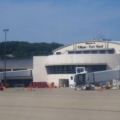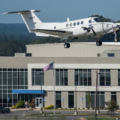

Overview of Roanoke–Blacksburg Regional Airport
Roanoke–Blacksburg Regional Airport, identified by the airport code ROA, is the primary commercial airport serving Roanoke city and the wider Southwest Virginia region. It functions as a key air transportation hub for residents, businesses, educational institutions, and healthcare networks located across this part of the state. The airport is designed to support domestic air travel with a strong focus on efficiency, accessibility, and regional connectivity rather than high-volume international operations.
Situated in Roanoke, Virginia, the airport provides essential air access for nearby communities such as Blacksburg, Salem, Christiansburg, and surrounding counties. Its presence significantly reduces the need for long-distance ground travel to larger metropolitan airports, making it a preferred choice for travelers seeking shorter check-in times, simpler terminal navigation, and quicker airport processing. The airport’s operational model prioritizes reliability and convenience, which aligns well with the needs of regional passengers.
Regional Importance and Service Area
Roanoke–Blacksburg Regional Airport plays a vital role in connecting Southwest Virginia to major U.S. cities through domestic airline networks. The airport supports a broad catchment area that includes residential populations, academic institutions, medical centers, and corporate offices. Due to its strategic location, ROA acts as a central access point for air travel in a region characterized by mountainous terrain and longer road travel times.
The airport’s proximity to Virginia Tech contributes significantly to its passenger demand. Students, faculty members, visiting researchers, and conference attendees rely on the airport throughout the year, creating consistent travel activity beyond seasonal tourism. This academic influence, combined with business and personal travel, ensures steady usage and reinforces the airport’s role as a dependable regional facility.
Airport Classification and Operational Role
Roanoke–Blacksburg Regional Airport operates as a public-use regional airport offering scheduled commercial passenger services. Its infrastructure is tailored to handle domestic flights using regional and narrow-body aircraft, supporting short- and medium-haul routes to major airline hubs. The airport is not designed for large-scale international traffic, which allows it to maintain streamlined operations and manageable passenger volumes.
Operational oversight is managed by a regional airport authority, ensuring compliance with federal aviation standards related to safety, security, and airfield management. The airport’s facilities are structured to support airline operations, ground services, and passenger processing in a controlled and efficient environment. This operational focus contributes to reduced congestion, shorter wait times, and a smoother overall travel experience compared to larger airports.
Role in Academic, Business, and Local Travel
A defining characteristic of Roanoke–Blacksburg Regional Airport is its close alignment with academic and professional travel patterns. The airport consistently serves travelers associated with higher education, healthcare, and research activities, particularly those connected to institutions in and around Blacksburg. These travel needs generate year-round demand, including predictable peak periods linked to academic calendars.
In addition to academic and business travelers, the airport is widely used by local residents for personal and leisure travel. Many passengers choose ROA specifically to avoid the complexity and extended travel time associated with larger airports located farther away. This blend of academic, business, and community usage shapes the airport’s identity as a practical and regionally focused air travel facility.
Key Airport Facts and Information
The table below provides a concise overview of essential factual details related to Roanoke–Blacksburg Regional Airport.
| Detail | Information |
|---|---|
| Airport Name | Roanoke–Blacksburg Regional Airport |
| Airport Code | ROA |
| City | Roanoke |
| State | Virginia |
| Country | United States |
| Airport Type | Public regional airport |
| Number of Terminals | Single passenger terminal |
| Primary Service Region | Southwest Virginia |
| Main Function | Domestic commercial air travel |
This foundational overview establishes the airport’s role, operational purpose, and regional importance.
Terminal Layout and Airport Map at Roanoke–Blacksburg Regional Airport
Roanoke–Blacksburg Regional Airport operates with a single, centralized passenger terminal, which is designed to keep airport navigation simple and time-efficient. Unlike large multi-terminal airports, the layout here allows passengers to move from curbside to gate with minimal walking distance and fewer decision points. This compact design is particularly beneficial for first-time travelers, elderly passengers, families, and those on tight schedules.
The terminal layout supports a smooth passenger flow, starting from ticketing and check-in, moving through security screening, and continuing directly to the departure gates. Arriving passengers follow a similarly straightforward path from aircraft arrival to baggage claim and ground transportation, reducing congestion and confusion.
Terminal Structure and Passenger Flow
The terminal at Roanoke–Blacksburg Regional Airport is organized to handle all commercial passenger activities within one building. This structure ensures that essential airport services are easily accessible without the need for shuttle systems or long internal transfers.
Passengers entering the terminal first encounter the check-in and ticketing area, where airline counters and self-service kiosks are located. After completing check-in, travelers proceed directly to the security screening checkpoint. Once through security, passengers have access to the departure gates, waiting areas, restrooms, and limited dining and service options.
Arriving passengers exit the aircraft into the same terminal structure, following clearly marked signage to the baggage claim area. Ground transportation services, including rental cars and pick-up zones, are located close to the terminal exit, minimizing walking distance.
Security Screening and Gate Access
Security screening at the airport is centralized within the terminal, allowing for efficient passenger processing. Because of the airport’s regional scale, security wait times are generally shorter compared to larger hubs, though they can vary during peak travel periods such as early mornings or university travel seasons.
After clearing security, passengers enter a secure concourse area where all departure gates are located. Gate areas are arranged to allow clear sightlines and easy movement between seating areas and boarding points. The absence of multiple concourses simplifies boarding announcements and reduces the risk of passengers missing flights due to navigation issues.
Accessibility and Passenger Convenience
The terminal layout is designed with accessibility in mind. Passenger pathways are generally level, signage is clear and readable, and essential services are positioned close together. This design supports travelers with mobility challenges as well as those traveling with children or heavy luggage.
Facilities such as restrooms, seating areas, and information counters are placed within short walking distances from the gates. The overall terminal experience prioritizes clarity, efficiency, and ease of movement rather than scale or architectural complexity.
Airport Map and Wayfinding
Although the terminal is compact, airport maps and directional signage play an important role in guiding passengers. Clear wayfinding signage helps travelers quickly identify key areas such as ticketing, security, gates, baggage claim, and exits. Because all major services are located within one terminal, most passengers can navigate the airport without needing to consult detailed maps.
For travelers unfamiliar with the airport, terminal maps are typically available online and within the terminal to provide an overview of the layout before arrival. These maps reinforce the airport’s straightforward design and help passengers plan their movement through the terminal efficiently.
Terminal Areas Overview
The table below summarizes the main functional areas within the terminal and their purpose.
| Terminal Area | Description |
|---|---|
| Ticketing and Check-in | Airline counters and self-service kiosks for passenger check-in |
| Security Screening | Centralized TSA security checkpoint for all departing passengers |
| Departure Gates | Gates located within a single secure concourse |
| Waiting Areas | Seating areas near gates for pre-boarding passengers |
| Baggage Claim | Designated area for arriving passengers to collect luggage |
| Ground Transportation Access | Direct access to rental cars, pick-up, and drop-off zones |
This terminal layout ensures that Roanoke–Blacksburg Regional Airport remains easy to navigate while supporting reliable passenger processing.
Airlines Operating at Roanoke–Blacksburg Regional Airport
Roanoke–Blacksburg Regional Airport supports scheduled commercial air service through a select group of domestic airlines that connect the region to major hub airports across the United States. Rather than offering a large number of point-to-point routes, the airport’s airline network is structured around hub connectivity. This allows passengers to access a wide range of national and international destinations with one convenient connection.
The airlines operating at the airport focus on reliability, frequency, and regional demand. These services are particularly important for business travelers, university communities, and residents who depend on consistent flight schedules rather than seasonal or charter operations.
Overview of Airline Services
Airlines at Roanoke–Blacksburg Regional Airport primarily operate regional and narrow-body aircraft suited for short- and medium-haul routes. These aircraft types align well with the airport’s runway infrastructure and passenger volume, enabling efficient turnaround times and dependable operations.
Flights from ROA are generally scheduled multiple times per day on key routes, ensuring travelers have flexibility when planning departures and connections. The presence of major airline brands also allows passengers to benefit from frequent-flyer programs, coordinated baggage handling, and integrated ticketing across broader airline networks.
Hub Connectivity and Route Structure
The airport’s airline network is designed to link Roanoke with major U.S. hub airports. From these hubs, passengers can continue onward to domestic and international destinations. This hub-and-spoke model is especially effective for a regional airport, as it maximizes destination access without requiring a large number of direct routes.
Through these hub connections, travelers from Roanoke–Blacksburg Regional Airport can reach cities across the United States with minimal layovers. This structure also supports early-morning departures and evening returns, which are important for same-day business travel and academic schedules.
Seasonal and Year-Round Operations
Most airline services at the airport operate year-round, providing consistent connectivity regardless of season. While flight frequencies may adjust slightly based on demand, core routes remain active throughout the year. Seasonal changes are typically reflected in flight schedules rather than complete route suspensions, ensuring dependable service for regular travelers.
The airport does not primarily rely on seasonal leisure routes, which contributes to schedule stability. This consistency benefits passengers who travel frequently and need predictable flight options.
Airlines Serving the Airport
The table below outlines the airlines that operate scheduled passenger flights at Roanoke–Blacksburg Regional Airport, along with the general nature of their services.
| Airline | Type of Service | Typical Route Pattern |
|---|---|---|
| American Airlines | Domestic scheduled service | Hub-connected regional routes |
| Delta Air Lines | Domestic scheduled service | Hub-based connections |
| United Airlines | Domestic scheduled service | Regional flights to major hubs |
These airlines provide the backbone of commercial air service at the airport, ensuring that passengers have access to multiple daily departures and a range of onward connections.
Role of Airlines in Regional Connectivity
The presence of major U.S. airlines at Roanoke–Blacksburg Regional Airport reinforces its role as a dependable regional gateway. Airline operations support not only passenger travel but also regional economic activity by enabling corporate mobility, academic collaboration, and tourism access.
By focusing on hub connectivity rather than high-volume direct routes, airlines operating at the airport maintain efficient operations while offering passengers extensive travel options. This balance of scale and connectivity defines the airline landscape at ROA.
Flights, Arrivals, and Departures at Roanoke–Blacksburg Regional Airport
Roanoke–Blacksburg Regional Airport manages scheduled domestic passenger flights with a strong emphasis on reliability, punctuality, and efficient turnaround. Flight operations at the airport are structured to meet the daily travel needs of business professionals, university communities, healthcare travelers, and local residents who rely on consistent air connectivity rather than high-frequency international services.
Because the airport operates as a regional hub, most flights are designed to connect passengers to major airline hubs. From these hubs, travelers can continue onward to destinations across the United States and internationally with a single connection.
Understanding Arrivals and Departures
Flight arrivals and departures at the airport follow a predictable daily pattern. Morning departures are particularly important, as they allow passengers to reach hub airports early in the day and make onward connections. Evening arrivals are similarly significant, supporting same-day return travel for business and academic purposes.
Arriving flights typically taxi directly to the terminal gates due to the airport’s compact airfield layout. This reduces arrival delays related to gate availability and contributes to faster deplaning and baggage handling. Departing flights benefit from simplified ground operations, allowing for timely boarding and departure sequences.
Flight Schedules and Frequency
Flight schedules at Roanoke–Blacksburg Regional Airport are designed around daily, year-round service rather than seasonal or charter-based operations. While frequencies may vary by route, most core connections operate multiple times per day, giving passengers flexibility when choosing departure and arrival times.
Schedules are periodically adjusted by airlines based on demand, aircraft availability, and operational considerations. These adjustments usually affect flight timing rather than eliminating routes altogether, ensuring ongoing connectivity for regular travelers.
Typical Flight Timing Patterns
- Early morning departures support same-day connections
- Midday flights serve flexible travel plans
- Evening arrivals align with business and academic travel schedules
Checking Arrivals and Departure Status
Passengers are advised to check live flight status before traveling to the airport, particularly during periods of adverse weather or peak travel demand. Airlines provide real-time updates through their official websites and mobile applications, while the airport also publishes arrival and departure information through its information systems.
Flight status checks are especially useful during winter months or periods of regional weather disruption, when arrival and departure times may be affected. Because the airport handles fewer flights than major hubs, updates are typically easier to track and interpret.
Delays and Operational Considerations
Delays at Roanoke–Blacksburg Regional Airport are most commonly influenced by weather conditions and upstream delays from hub airports rather than congestion at ROA itself. Since the airport does not experience heavy air traffic volume, ground delays and gate congestion are relatively uncommon.
When delays occur, they are usually managed efficiently due to the airport’s streamlined operations and close coordination between airlines and airport authorities. Passengers are encouraged to monitor airline notifications for the most accurate updates.
Overview of Flight Operations
The table below provides a general overview of flight operations at the airport.
| Aspect | Details |
|---|---|
| Flight Type | Domestic scheduled passenger flights |
| Route Structure | Hub-connected services |
| Peak Departure Period | Early morning |
| Peak Arrival Period | Evening |
| Seasonal Variations | Minor schedule adjustments |
| Common Delay Causes | Weather and hub-related delays |
The structured and predictable nature of flights, arrivals, and departures at Roanoke–Blacksburg Regional Airport makes it a dependable choice for regional air travel.
Parking Options and Parking Fees at Roanoke–Blacksburg Regional Airport
Parking at Roanoke–Blacksburg Regional Airport is designed to be straightforward and accessible, reflecting the airport’s regional scale and passenger-focused approach. Unlike large metropolitan airports where parking areas can be distant or complex, parking facilities at this airport are located close to the terminal, allowing travelers to move quickly from their vehicles to the check-in area.
The airport offers multiple parking options to accommodate short visits, extended trips, and different budget preferences. These options are clearly marked and structured to support both departing and arriving passengers without unnecessary walking or shuttle transfers.
Short-Term Parking
Short-term parking is intended for passengers who are being dropped off or picked up, as well as travelers who expect to park for a limited duration. This parking area is located closest to the terminal entrance, making it ideal for brief stays and quick terminal access.
Short-term parking is commonly used by:
- Passengers attending same-day trips
- Individuals accompanying travelers to the terminal
- Drivers waiting for arriving flights
Due to its proximity to the terminal, short-term parking typically carries a higher hourly rate compared to long-term options, but it provides maximum convenience.
Long-Term Parking
Long-term parking is designed for travelers leaving their vehicles at the airport for multiple days. This option offers a balance between affordability and convenience, with parking areas located a short walking distance from the terminal building.
Long-term parking is suitable for:
- Business travelers on multi-day trips
- Leisure travelers departing for extended vacations
- University-related travel with longer durations
The layout of the long-term parking area allows for easy access to the terminal without the need for shuttle transportation, which simplifies arrival and departure planning.
Economy and Extended Parking
For travelers seeking lower-cost parking solutions, economy or extended parking options are available. These areas are typically positioned slightly farther from the terminal but remain accessible with manageable walking distances.
Economy parking is best suited for:
- Long-duration travel
- Budget-conscious passengers
- Travelers planning ahead
Although economy parking involves a longer walk compared to short-term and long-term lots, it remains a practical option due to the airport’s compact footprint.
Accessibility and Special Parking Needs
Accessible parking spaces are available in all parking areas and are positioned close to terminal access points. These spaces are clearly designated and comply with accessibility regulations, ensuring convenient access for travelers with mobility needs.
Parking Fees and Payment Methods
Parking fees at Roanoke–Blacksburg Regional Airport are structured to reflect the type of parking selected and the length of stay. Rates may vary depending on whether parking is hourly, daily, or extended, and travelers are encouraged to review current pricing before arrival.
Payment methods typically include automated kiosks and exit gates that accept common payment options. Because parking facilities are airport-operated, fee collection is centralized and clearly communicated through on-site signage.
Parking Options Overview
The table below summarizes the primary parking options available at the airport.
| Parking Type | Best For | Proximity to Terminal |
|---|---|---|
| Short-Term Parking | Pick-up, drop-off, short visits | Closest |
| Long-Term Parking | Multi-day trips | Short walk |
| Economy Parking | Extended stays, lower cost | Slightly farther |
| Accessible Parking | Mobility needs | Designated close-access areas |
The parking system at Roanoke–Blacksburg Regional Airport emphasizes ease of use, clear access, and proximity to the terminal, making it well-suited for regional travelers.
Rental Cars and Ground Transportation at Roanoke–Blacksburg Regional Airport
Roanoke–Blacksburg Regional Airport offers practical and well-organized ground transportation options that align with the needs of regional travelers. Due to the airport’s compact size and single-terminal layout, passengers can transition from air travel to ground transportation quickly, without long walks, shuttle transfers, or complex wayfinding.
Ground transportation services at the airport are designed to support both short-distance local travel and longer regional journeys, including trips to nearby cities, universities, and business districts.
Rental Car Services at the Airport
On-site rental car services are available directly at the terminal, allowing arriving passengers to access vehicles shortly after collecting their baggage. Rental car counters are typically located within or immediately adjacent to the terminal, eliminating the need for off-site shuttle buses.
Rental cars are commonly used by:
- Business travelers visiting Roanoke and surrounding areas
- University visitors traveling to Blacksburg and nearby campuses
- Leisure travelers exploring Southwest Virginia
Vehicles available through airport rental agencies generally include economy, midsize, full-size, and SUV options, catering to different travel requirements and group sizes. Advance reservations are recommended during peak academic or business travel periods to ensure vehicle availability.
Rental Car Pickup and Return Process
The rental car pickup process at the airport is streamlined due to the proximity of parking areas to the terminal. After completing the rental agreement, passengers can access their vehicles within a short walking distance. This efficiency reduces total travel time and improves the overall arrival experience.
Returning a rental car is similarly straightforward. Designated return areas are clearly marked, allowing travelers to drop off vehicles and reach the terminal quickly for departures. Clear signage supports smooth traffic flow and minimizes confusion during peak hours.
Taxi and Rideshare Services
Taxi services operate at the airport and provide a convenient option for travelers who prefer not to drive. Taxis are commonly used for trips to downtown Roanoke, nearby hotels, and surrounding communities. Designated taxi pick-up zones are located near the terminal exit for easy access.
Rideshare services also operate at the airport, offering app-based transportation for passengers seeking flexible pickup options. Pickup locations are typically well-marked, and wait times are generally manageable due to lower congestion compared to larger airports.
Local and Regional Transportation Considerations
Public transportation options near the airport are limited compared to urban hubs, making rental cars and taxis the most practical choices for most travelers. For trips to destinations such as Blacksburg or Virginia Tech, ground transportation is essential due to the distance involved and the lack of direct rail connections.
Travelers planning onward journeys to nearby cities or rural areas are advised to arrange transportation in advance, particularly during late-night arrivals or early-morning departures.
Ground Transportation Options Overview
The table below outlines the primary ground transportation choices available at the airport.
| Transportation Type | Best Suited For | Key Advantage |
|---|---|---|
| Rental Cars | Business, academic, and leisure travel | Flexibility and independence |
| Taxi Services | Short to medium-distance trips | Direct point-to-point travel |
| Rideshare Services | App-based convenience | Flexible pickup options |
| Hotel Shuttles (limited) | Selected accommodations | Direct hotel access |
Ground transportation at Roanoke–Blacksburg Regional Airport prioritizes simplicity, proximity, and traveler convenience.
Distance and Drive Time to Major Locations from Roanoke–Blacksburg Regional Airport
Roanoke–Blacksburg Regional Airport is strategically located to provide convenient ground access to several important cities, academic institutions, and business centers in Southwest Virginia. Because the airport serves a largely regional catchment area, understanding typical driving distances and travel times is essential for travelers planning onward journeys after arrival.
Most destinations served by the airport are accessible by road, and travel times are generally predictable outside of peak traffic hours. The airport’s location near major highways supports efficient connectivity to nearby towns and institutions without the congestion commonly found around larger metropolitan airports.
Access to Roanoke and Surrounding Communities
Downtown Roanoke is located only a short drive from the airport, making ground transfers quick and straightforward. Travelers heading into the city for business meetings, hotel stays, or medical appointments can typically reach central Roanoke within minutes of leaving the terminal area.
Surrounding communities such as Salem and Christiansburg are also within reasonable driving distance, reinforcing the airport’s role as a regional gateway rather than a city-only facility. These short travel distances contribute to the airport’s appeal for travelers who prioritize convenience and time efficiency.
Travel to Virginia Tech and Blacksburg
One of the most common ground travel routes from Roanoke–Blacksburg Regional Airport is the journey to Virginia Tech in Blacksburg. The university generates steady passenger traffic throughout the year, including students, faculty, visiting researchers, and conference attendees.
The drive to Blacksburg involves travel through scenic mountain terrain and typically takes under an hour under normal conditions. This route is well-traveled and supported by clear road signage, making it manageable even for first-time visitors to the area.
Longer Regional Connections
Beyond Roanoke and Blacksburg, the airport also serves travelers heading to neighboring cities such as Lynchburg and areas near the Virginia–West Virginia border. These trips generally require longer driving times but remain practical due to the airport’s proximity to regional highway networks.
Travelers planning longer regional drives are advised to account for weather conditions, particularly during winter months, when mountain roads may be affected by snow or ice.
Distance and Drive Time Overview
The table below provides approximate driving distances and average travel times from Roanoke–Blacksburg Regional Airport to key destinations in the region.
| Destination | Approximate Distance | Average Drive Time |
|---|---|---|
| Downtown Roanoke | ~5 miles | 10–15 minutes |
| Salem, VA | ~12 miles | 20–25 minutes |
| Blacksburg, VA | ~40 miles | 45–55 minutes |
| Virginia Tech | ~40 miles | 45–55 minutes |
| Christiansburg, VA | ~35 miles | 40–50 minutes |
| Lynchburg, VA | ~75 miles | 1 hour 20 minutes |
These distances and drive times highlight the airport’s strong regional accessibility and its role in supporting both short urban transfers and longer academic or business-related travel.
Hotels and Motels Near Roanoke–Blacksburg Regional Airport
Travelers using Roanoke–Blacksburg Regional Airport have access to a range of hotels and motels located within a short driving distance of the terminal. These accommodations primarily cater to business travelers, academic visitors, airline crews, and passengers with early-morning departures or late-night arrivals. Because the airport is situated close to Roanoke’s commercial districts, lodging options are spread across nearby neighborhoods rather than concentrated directly on airport grounds.
Most accommodations near the airport offer quick road access, making them practical for travelers who prioritize convenience and reduced commute times.
Accommodation Options by Distance
Hotels and motels near the airport can generally be grouped by their distance from the terminal. Properties located within a few miles of the airport are often chosen for overnight stays tied to flight schedules, while those slightly farther away may appeal to travelers seeking broader amenities or proximity to downtown Roanoke.
Lodging within close range of the airport is especially useful for:
- Early-morning departures
- Late-night arrivals
- Short business trips
- University-related travel with tight schedules
Budget and Mid-Range Lodging
Budget and mid-range motels are commonly available within a short driving distance of the airport. These properties focus on essential amenities such as comfortable rooms, parking availability, and straightforward check-in processes. They are frequently selected by travelers seeking practical overnight accommodation without additional services.
Mid-range hotels near the airport typically offer enhanced amenities such as on-site dining, meeting spaces, and business services. These options are often preferred by corporate travelers and academic visitors attending conferences or events in the region.
Business and Extended-Stay Hotels
For travelers staying multiple nights, business-class and extended-stay hotels are available within the broader Roanoke area. These properties may be located slightly farther from the airport but provide added comfort, workspace facilities, and extended amenities suited for longer visits.
Extended-stay accommodations are commonly used by:
- Visiting faculty and researchers
- Project-based business travelers
- Medical professionals on temporary assignments
Hotel Access and Transportation
Most hotels and motels near Roanoke–Blacksburg Regional Airport are easily accessible by rental car, taxi, or rideshare services. While some properties may offer limited shuttle services, travelers are advised to confirm availability directly with their accommodation, as shuttle coverage can vary.
The airport’s proximity to major roads ensures that hotel transfers remain straightforward, even during peak travel periods.
Lodging Overview Near the Airport
The table below summarizes general lodging categories available near the airport and their suitability.
| Accommodation Type | Best For | Typical Distance from Airport |
|---|---|---|
| Budget Motels | Short stays, cost-conscious travelers | Within 5–7 miles |
| Mid-Range Hotels | Business and academic travel | Within 5–10 miles |
| Business Hotels | Corporate and conference stays | Within 8–12 miles |
| Extended-Stay Hotels | Longer visits and project-based travel | Within 10–15 miles |
The availability of diverse lodging options near Roanoke–Blacksburg Regional Airport ensures that travelers can find accommodations aligned with their travel purpose, schedule, and budget.
Jobs and Employment at Roanoke–Blacksburg Regional Airport
Roanoke–Blacksburg Regional Airport supports a range of employment opportunities connected to airport operations, airline services, and ground support activities. As a regional airport, its job ecosystem is smaller than that of major international hubs, but it plays an important role in providing stable, locally based employment across multiple functional areas.
Jobs associated with the airport are typically operational, service-oriented, or administrative in nature and are distributed between the airport authority, commercial airlines, and third-party service providers.
Types of Jobs Available at the Airport
Employment opportunities at the airport generally fall into several key categories, each supporting a different aspect of airport functionality.
Airport authority roles focus on managing and maintaining airport infrastructure and operations. These positions often include administrative staff, operations coordinators, maintenance personnel, and safety-related roles. Employees in these roles ensure compliance with aviation regulations and oversee day-to-day airport functioning.
Airline-related jobs are tied directly to the carriers operating scheduled flights at the airport. These roles may include customer service agents, gate agents, ramp agents, and ground operations staff. Airline positions are essential for passenger handling, baggage processing, and aircraft turnaround activities.
Ground Services and Support Roles
In addition to airport authority and airline employment, Roanoke–Blacksburg Regional Airport relies on ground service providers to support daily operations. These roles may involve baggage handling, aircraft servicing, cleaning services, and logistical support. Ground services staff work closely with airlines to maintain efficient and timely flight operations.
Security-related employment is another important component of airport staffing. These roles are responsible for passenger screening, access control, and maintaining secure areas within the terminal and airfield environment. Such positions typically require background checks and compliance with federal security standards.
Seasonal and Entry-Level Opportunities
While many airport jobs are year-round, certain positions may become available on a seasonal or part-time basis, depending on travel demand and operational needs. Entry-level roles are common in customer service and ground support, making the airport a potential starting point for individuals interested in aviation-related careers.
These positions often provide exposure to airport operations and can serve as pathways to more specialized roles within the aviation industry.
Where Airport Jobs Are Typically Posted
Job openings related to Roanoke–Blacksburg Regional Airport are commonly listed through:
- Airport authority employment pages
- Individual airline career portals
- Third-party ground service providers
- Local and regional job boards
Applicants are encouraged to review job requirements carefully, as airport roles may involve shift work, early-morning or late-night hours, and compliance with security clearance procedures.
Employment Overview at the Airport
The table below summarizes the primary employment categories associated with the airport.
| Employment Category | Typical Roles | Nature of Work |
|---|---|---|
| Airport Authority | Operations, maintenance, administration | Airport management and infrastructure |
| Airlines | Customer service, gate agents, ramp staff | Passenger and flight support |
| Ground Services | Baggage handling, aircraft servicing | Operational support |
| Security Services | Screening and access control | Safety and compliance |
Employment at Roanoke–Blacksburg Regional Airport contributes to the region’s aviation and service-sector workforce, offering opportunities across operations, customer service, and technical support.
Airport Facilities and Passenger Services at Roanoke–Blacksburg Regional Airport
Roanoke–Blacksburg Regional Airport provides a focused set of passenger facilities and services designed to support comfortable, efficient travel within a regional airport environment. Rather than offering extensive retail or luxury amenities, the airport prioritizes essential services that improve convenience, accessibility, and overall passenger experience.
Facilities are centrally located within the single terminal, allowing travelers to access services without long walks or complex navigation. This approach aligns with the airport’s emphasis on simplicity and time efficiency.
Dining and Refreshment Options
Food and beverage services at the airport are available within the secure area of the terminal. These options are designed to serve departing passengers who wish to grab a meal, snack, or beverage before boarding. While the selection is more limited compared to large hubs, offerings are structured to meet typical traveler needs during peak departure periods.
Dining services generally operate in coordination with flight schedules, ensuring availability during high-traffic times such as early mornings and late afternoons.
Passenger Seating and Waiting Areas
Seating areas are distributed throughout the terminal, particularly near departure gates. These waiting areas are designed to provide adequate space for passengers during boarding and delay periods. Clear sightlines to gates and boarding announcements help passengers remain informed without needing to move frequently within the terminal.
The compact terminal layout allows passengers to remain close to gates while still having access to restrooms and service counters.
Connectivity and Basic Amenities
Wireless internet access is available throughout the terminal, enabling passengers to stay connected while waiting for flights. Wi-Fi service supports common activities such as email access, work-related tasks, and general browsing, which is especially useful for business and academic travelers.
Additional basic amenities include restrooms located within short walking distance of gates and seating areas, as well as clearly marked information points for passenger assistance.
Accessibility and Passenger Assistance Services
Accessibility is an important component of the airport’s service design. Terminal pathways are generally level, and services are arranged to minimize physical barriers. Assistance services are available for passengers with reduced mobility, and airline staff can coordinate support for boarding and deplaning when requested in advance.
Signage throughout the terminal is clear and easy to understand, supporting passengers who may be unfamiliar with the airport or traveling for the first time.
Lost and Found and Information Services
Lost and found services are managed through airport or airline channels, depending on where an item was misplaced. Passengers who lose belongings within the terminal or on board an aircraft are advised to contact the appropriate service provider promptly to improve recovery chances.
Information counters and airline desks serve as primary contact points for passenger inquiries related to flights, baggage, and airport services. Due to the airport’s manageable size, travelers can typically receive assistance quickly.
Overview of Facilities and Services
The table below summarizes key facilities and passenger services available at the airport.
| Facility or Service | Description |
|---|---|
| Dining Options | Limited food and beverage services within the terminal |
| Seating Areas | Waiting areas located near departure gates |
| Wi-Fi Access | Available throughout the terminal |
| Restrooms | Conveniently located near gates and seating |
| Accessibility Services | Assistance for passengers with mobility needs |
| Lost and Found | Managed through airport or airline offices |
| Passenger Information | Provided via airline counters and service desks |
The facilities and services at Roanoke–Blacksburg Regional Airport are designed to support efficient, stress-free travel while meeting the essential needs of regional passengers.
Runways and Airport Operations at Roanoke–Blacksburg Regional Airport
Runway infrastructure and airfield operations at Roanoke–Blacksburg Regional Airport are designed to support safe, reliable domestic flight activity while accommodating the geographic and weather conditions of Southwest Virginia. As a regional airport, ROA focuses on operational efficiency and safety rather than high-capacity, long-haul aircraft movements.
The airport’s runway system supports scheduled commercial flights, general aviation, and operational flexibility during varying weather conditions, which is particularly important in a mountainous region.
Runway Configuration and Capabilities
Roanoke–Blacksburg Regional Airport operates with a limited number of runways, which is typical for regional airports of its size. These runways are engineered to handle regional jets and narrow-body aircraft used by domestic airlines, aligning with the airport’s route structure and airline operations.
The runway orientation is selected to optimize aircraft performance and safety based on prevailing wind patterns and terrain considerations. This helps reduce crosswind impact and supports consistent takeoff and landing operations throughout the year.
Aircraft Types and Operational Use
The runways at the airport are primarily used by:
- Regional jet aircraft operating scheduled passenger services
- Narrow-body aircraft serving hub-connected routes
- General aviation and charter aircraft
Because the airport does not serve wide-body or long-haul international aircraft, runway operations are generally predictable and well-managed. Aircraft movements are spaced to ensure smooth sequencing without the congestion experienced at larger hubs.
Weather Impact on Runway Operations
Weather is a key operational consideration for runway usage at Roanoke–Blacksburg Regional Airport. Seasonal weather patterns, particularly during winter months, can influence runway conditions and flight schedules. Snow, ice, and reduced visibility are managed through established procedures to maintain safe operations.
Runway maintenance activities such as snow removal, surface inspections, and condition monitoring are prioritized to minimize disruptions. These efforts help ensure that flights can resume promptly following weather-related interruptions.
Air Traffic and Ground Coordination
Air traffic operations at the airport are coordinated to maintain safe separation between arriving and departing aircraft. Due to the airport’s regional scale, air traffic volume is moderate, allowing for efficient ground movement and reduced taxi times.
Ground operations teams work closely with air traffic control and airline staff to manage runway availability, aircraft parking, and turnaround schedules. This coordination contributes to timely departures and arrivals, even during peak travel periods.
Runway and Operations Overview
The table below summarizes key aspects of runway infrastructure and airport operations.
| Operational Aspect | Details |
|---|---|
| Runway Purpose | Support domestic commercial and regional flights |
| Aircraft Compatibility | Regional jets and narrow-body aircraft |
| Traffic Volume | Moderate, regional-scale operations |
| Weather Considerations | Winter conditions and visibility management |
| Operational Focus | Safety, reliability, and efficiency |
Runway infrastructure and operational practices at Roanoke–Blacksburg Regional Airport ensure dependable air service for the region while maintaining high safety standards.
Weather, Delays, and Travel Tips at Roanoke–Blacksburg Regional Airport
Weather conditions play an important role in flight operations at Roanoke–Blacksburg Regional Airport due to its location in Southwest Virginia and the surrounding mountainous terrain. While the airport operates reliably throughout the year, seasonal weather patterns can influence flight schedules, runway conditions, and ground transportation planning. Understanding these factors helps travelers prepare more effectively and reduce travel-related stress.
Seasonal Weather Patterns Affecting the Airport
The airport experiences four distinct seasons, each with different operational considerations. Spring and fall generally offer stable flying conditions with minimal disruption, making them favorable periods for air travel. Summer months may bring thunderstorms, which can occasionally affect flight timing, particularly during afternoon and evening hours.
Winter is the most operationally sensitive season. Snowfall, freezing temperatures, and occasional ice accumulation can impact runway conditions and visibility. While the airport maintains winter operations protocols, weather-related delays are more likely during this period compared to other seasons.
Common Causes of Flight Delays
Delays at Roanoke–Blacksburg Regional Airport are most often influenced by external factors rather than congestion at the airport itself. Because ROA handles moderate air traffic volume, delays caused by runway crowding or gate shortages are relatively uncommon.
The most frequent causes of delays include:
- Weather conditions at the airport or along flight routes
- Delays originating from connecting hub airports
- Aircraft repositioning or maintenance requirements
When delays occur, airlines typically communicate updates directly to passengers through mobile alerts or service desks within the terminal.
Managing Weather-Related Disruptions
Airport operations teams actively monitor weather conditions and coordinate with airlines to minimize disruption. Runway inspections, surface treatments, and snow removal are conducted as needed to maintain safe operating conditions. These procedures help restore normal operations as quickly as possible following adverse weather events.
Passengers are encouraged to monitor local weather forecasts as well as conditions at their connecting airports, as delays can be caused by weather hundreds of miles away from Roanoke.
Practical Travel Tips for Passengers
Travelers using Roanoke–Blacksburg Regional Airport can reduce the likelihood of disruption by planning ahead and allowing flexibility in their itineraries.
Key travel tips include:
- Checking flight status before leaving for the airport
- Allowing extra time during winter months
- Booking early-morning departures when possible
- Keeping essential items in carry-on luggage
- Monitoring airline notifications for real-time updates
Passengers traveling to or from nearby universities or attending scheduled events should also consider peak travel periods, such as semester start and end dates, when flight demand may be higher.
Weather and Delay Overview
The table below summarizes how weather and operational factors typically affect travel at the airport.
| Factor | Impact on Travel |
|---|---|
| Winter Weather | Higher likelihood of delays due to snow or ice |
| Summer Storms | Occasional short-term schedule disruptions |
| Hub Airport Conditions | Indirect delays from connecting flights |
| Local Congestion | Generally minimal |
| Operational Response | Proactive weather monitoring and runway management |
By understanding local weather patterns and planning accordingly, travelers can navigate flights through Roanoke–Blacksburg Regional Airport with greater confidence and efficiency.
Reviews and Passenger Experience at Roanoke–Blacksburg Regional Airport
Passenger reviews and overall travel experience at Roanoke–Blacksburg Regional Airport generally reflect its identity as a convenient, easy-to-navigate regional airport. Feedback from travelers often focuses on operational simplicity, manageable terminal size, and shorter processing times compared to larger metropolitan airports. These characteristics shape the airport’s reputation among frequent flyers, university travelers, and local residents.
Because the airport serves a specific regional population, passenger expectations are typically centered on efficiency and reliability rather than extensive amenities or international services.
Common Themes in Passenger Feedback
Travelers frequently highlight the airport’s compact terminal layout as a key advantage. The ability to move quickly from parking or curbside drop-off to security screening and boarding gates is often cited as a positive aspect of the airport experience. This simplicity is especially valued by passengers traveling with tight schedules or those unfamiliar with large airport environments.
Another commonly mentioned benefit is the relative ease of security screening. With fewer passengers compared to major hubs, security wait times are generally shorter, contributing to a smoother departure process.
Positive Aspects of the Airport Experience
Passengers often describe several strengths when reviewing their experience at the airport:
- Straightforward terminal navigation
- Reduced congestion and crowding
- Proximity of parking areas to the terminal
- Efficient boarding and arrival processes
These factors make the airport particularly appealing to business travelers and academic visitors who prioritize time efficiency.
Areas Noted for Improvement
While reviews are largely positive, some passengers note limitations that are typical of regional airports. These observations are usually related to the limited number of dining and retail options within the terminal. Travelers accustomed to larger airports may find fewer choices for food or shopping during longer wait times.
Another commonly mentioned consideration is the smaller selection of direct flight routes. Because the airport relies on hub connectivity, some passengers experience layovers when traveling to certain destinations. However, this is generally understood as a characteristic of regional air service rather than a service shortcoming.
Overall Passenger Satisfaction
Despite these limitations, overall passenger satisfaction remains strong due to the airport’s emphasis on practicality and ease of use. Travelers who value predictable operations, shorter walking distances, and a less stressful airport environment often express a preference for using Roanoke–Blacksburg Regional Airport over larger, more congested alternatives.
The airport’s ability to consistently deliver a reliable regional travel experience contributes to positive repeat usage and favorable word-of-mouth within the community.
Summary of Passenger Experience
The table below summarizes common passenger feedback themes.
| Experience Aspect | Typical Passenger Feedback |
|---|---|
| Terminal Size | Compact and easy to navigate |
| Security Process | Generally quick and efficient |
| Parking Access | Convenient and close to terminal |
| Amenities | Limited but functional |
| Overall Experience | Efficient and low-stress |
Passenger reviews and experiences at Roanoke–Blacksburg Regional Airport reinforce its role as a dependable regional airport focused on efficiency and accessibility.
Frequently Asked Questions about Roanoke–Blacksburg Regional Airport
This section addresses some of the most common questions travelers search for when planning trips through the airport. These FAQs are designed to provide quick, clear answers based on general passenger needs and search behavior related to regional airports.
What is the airport code for Roanoke–Blacksburg Regional Airport?
The airport code for Roanoke–Blacksburg Regional Airport is ROA. This code is used for flight bookings, baggage tags, and airline schedules.
Is Roanoke–Blacksburg Regional Airport located in Roanoke or Blacksburg?
The airport is physically located in Roanoke, Virginia. It serves both Roanoke and Blacksburg, along with surrounding communities in Southwest Virginia, which is why both city names are included in the airport’s name.
How far is Roanoke–Blacksburg Regional Airport from Virginia Tech?
Virginia Tech is located in Blacksburg, approximately 40 miles from the airport. The average driving time is usually 45 to 55 minutes, depending on traffic and weather conditions.
What airlines operate flights from the airport?
The airport is served by major U.S. airlines offering domestic scheduled flights. These airlines primarily connect passengers to major hub airports, allowing onward travel to destinations across the United States and internationally with one connection.
Does the airport have more than one terminal?
No, the airport operates with a single passenger terminal. All airline check-in, security screening, departures, and arrivals take place within this one terminal building.
Are there rental car services available at the airport?
Yes, rental car services are available on-site at the airport. Rental car counters and vehicle pickup areas are located close to the terminal, making it convenient for arriving passengers to access ground transportation.
What parking options are available at the airport?
The airport offers multiple parking options, including short-term, long-term, and economy parking. Parking areas are located close to the terminal, allowing easy access without the need for shuttle transportation.
Does weather frequently cause delays at the airport?
Weather-related delays can occur, particularly during winter months due to snow or ice. However, delays are more commonly caused by weather conditions at connecting hub airports rather than congestion at the airport itself.
Is Roanoke–Blacksburg Regional Airport suitable for first-time flyers?
Yes, the airport is often considered well-suited for first-time flyers due to its compact layout, clear signage, and shorter processing times compared to larger airports.
How early should passengers arrive before a flight?
Passengers are generally advised to arrive at the airport at least 90 minutes before departure for domestic flights. During peak travel periods or winter weather conditions, allowing extra time is recommended.