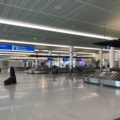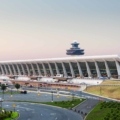

Rome Fiumicino Airport (FCO) – Detailed Overview
Rome Fiumicino Airport, widely known as Leonardo da Vinci International Airport, is the main airport in Rome, Italy and the primary gateway for international travelers visiting the country. When people search for rome airport or rome fiumicino airport, they are typically referring to this airport, as it handles the majority of long-haul and international traffic.
Strategically located in the coastal town of Fiumicino, this airport sits approximately 30 km (18 miles) from Rome city center, making it highly accessible for tourists, business travelers, and transit passengers. Thanks to its strong connectivity and infrastructure, Rome FCO serves as a major hub not only for Italy but also for travelers moving between Europe and other continents.
Opened in 1961 to replace the older Ciampino Airport as Rome’s main aviation hub, Fiumicino Airport has grown significantly over the decades. Today, it handles 40+ million passengers annually, making it one of the busiest airports in Europe. It is also the main hub for ITA Airways, Italy’s national airline, along with operations from major global carriers such as Delta, Emirates, Lufthansa, and Air France.
The airport is designed to offer a smooth passenger experience, with modern terminals, efficient security systems, and a wide range of services. Travelers can expect facilities such as duty-free shopping, international dining options, VIP lounges, fast-track security access, and seamless connections to transport networks. Whether you are arriving in Rome for a holiday or catching a connecting flight, the airport is built to handle high passenger volumes efficiently.
Rome Fiumicino Airport currently operates mainly through Terminal 1 and Terminal 3, which handle domestic, Schengen, and international flights. The terminals are well-signposted and connected, making navigation relatively easy even for first-time travelers. The airport also includes a dedicated railway station, parking facilities, car rental services, and multiple transfer options, ensuring travelers can quickly move to and from the city.
Rome Airport Overview Table
| Factor | Details |
|---|---|
| Airport Name | Rome Fiumicino Airport (Leonardo da Vinci International Airport) |
| Common Name | Rome Airport / Rome FCO Airport |
| IATA Code | FCO |
| ICAO Code | LIRF |
| City Code | ROM |
| Location | Fiumicino, Lazio, Italy |
| Distance from Rome | ~30 km (18 miles) southwest of Rome city center |
| Year Opened | 1961 |
| Terminals | Terminal 1 and Terminal 3 |
| Annual Passengers | 40+ million |
| Hub Airline | ITA Airways |
| Major Airlines | Delta, Emirates, Lufthansa, Air France, American Airlines |
| Airport Type | International Airport |
| Connectivity | Train, Bus, Taxi, Private Transfer, Car Rental |
| Facilities | Lounges, Duty-Free, Restaurants, Shopping, Fast Track, Parking |
Quick Summary
- Rome Fiumicino Airport (FCO) is the largest and busiest airport in Rome and Italy
- Also known as Leonardo da Vinci Airport Rome Italy
- Located about 30 km from Rome city center, with multiple transport options
- Handles international, domestic, and intercontinental flights
- Operates through Terminal 1 and Terminal 3
- Offers modern facilities, shopping, dining, lounges, and fast-track services
- Serves as a major hub for ITA Airways and global airlines
Terminals at Rome Fiumicino Airport (FCO)
Rome Fiumicino Airport is a large and well-organized international hub, and understanding its terminal structure can make your journey much smoother. The airport primarily operates through Terminal 1 and Terminal 3, which handle both domestic and international flights. These terminals are modern, clearly signposted, and connected within the airport complex, allowing passengers to move between them efficiently.
Each terminal at Rome Airport is designed based on airline alliances, destinations, and flight types. Whether you are traveling within Europe or flying long-haul, knowing your terminal in advance helps you plan check-in, security, and boarding without unnecessary delays.
Terminal 1 (T1)
Terminal 1 mainly handles domestic and Schengen-area flights, along with some international routes operated by selected airlines. It is commonly used by ITA Airways and other European carriers.
This terminal is generally less crowded compared to Terminal 3 and offers a more streamlined experience for short-haul travelers. You will find essential services such as check-in counters, security screening, restaurants, cafes, and shopping outlets.
Best for:
- Domestic flights within Italy
- Short-haul European routes
- Schengen-area travel
Terminal 3 (T3)
Terminal 3 is the largest and busiest terminal at Rome Fiumicino Airport. It handles long-haul international flights and a significant portion of non-Schengen traffic. Major global airlines such as Emirates, Delta, American Airlines, and other intercontinental carriers operate from this terminal.
T3 is equipped with extensive facilities, including premium lounges, duty-free shopping, a wide range of dining options, and additional security and passport control areas. Due to its size and passenger volume, travelers are advised to arrive earlier when departing from this terminal.
Best for:
- International long-haul flights
- Non-Schengen destinations
- Major global airlines
Terminal Overview Table
| Terminal | Main Use | Airlines | Facilities Available |
|---|---|---|---|
| Terminal 1 | Domestic & Schengen flights | ITA Airways, European carriers | Check-in, cafes, shopping, basic services |
| Terminal 3 | International & long-haul flights | Emirates, Delta, American Airlines | Lounges, duty-free, restaurants, fast-track, services |
What This Means for Travelers
- Always check your terminal before arriving at the airport to avoid last-minute confusion
- If you are flying internationally, you will most likely depart from Terminal 3
- For domestic or short European flights, Terminal 1 is commonly used
- Terminal 3 is larger and busier, so arrive at least 3 hours before departure
- Follow airport signage carefully, as Rome Fiumicino Airport is well-marked and easy to navigate
Rome Airport Map & Layout Guide
Understanding the Rome Fiumicino Airport map and layout is essential for navigating the airport smoothly, especially if you are traveling for the first time. As one of the busiest airports in Europe, FCO is large but well-organized, with clear signage and a logical structure that helps passengers move efficiently between terminals, gates, and services.
The airport is designed around a central terminal system, with Terminal 1 and Terminal 3 connected through internal walkways and corridors. This means you can move between key areas without exiting the airport, making transfers and navigation relatively easy compared to many other international airports.
Airport Layout Overview
Rome Fiumicino Airport is divided into key functional zones:
- Check-in Areas: Located inside each terminal, where passengers drop baggage and receive boarding passes
- Security & Passport Control: Clearly separated for Schengen and non-Schengen travelers
- Departure Gates: Organized into different boarding areas, depending on your destination
- Arrivals Area: Baggage claim, customs, and exit points are located on the ground level
- Transport Hub: Train station, taxi stands, bus stops, and car rental services are located just outside or within walking distance
The airport also includes dedicated areas for shopping, dining, lounges, and passenger services, all integrated within the terminal buildings.
Rome Airport Layout Table
| Area | Location / Details |
|---|---|
| Check-in Counters | Inside Terminal 1 and Terminal 3 |
| Security Check | After check-in, separated by flight zones |
| Passport Control | Required for non-Schengen flights (mainly in Terminal 3) |
| Boarding Gates | Distributed across terminals with clear signage |
| Arrivals Area | Ground level with baggage claim and customs |
| Train Station | Located within airport complex (walking distance from terminals) |
| Bus & Taxi Area | Outside arrivals area |
| Car Rental Zone | Office Tower area connected via pedestrian paths |
| Parking Areas | Multi-level parking near terminals |
| Shopping & Dining | Available across both terminals |
How to Navigate Rome Airport Easily
- Follow clear overhead signs for terminals, gates, and services
- Use the flight information screens to confirm your gate and terminal
- Allow extra time if your flight requires passport control (non-Schengen)
- Walking between areas is common, so be prepared for short distances on foot
- Airport staff and information desks are available throughout the terminals
What This Means for Travelers
- Rome Fiumicino Airport may seem large, but it is easy to navigate with proper planning
- Most facilities are within walking distance, so transfers between areas are manageable
- If you are connecting flights, staying inside the airport simplifies the process
- Arrive early to allow enough time for security, passport control, and walking distances
Arrivals, Departures & Flight Information at Rome Airport
Rome Fiumicino Airport (FCO) is a high-capacity international hub, handling thousands of arrivals and departures every day. Whether you are landing in Rome or catching a flight, understanding how the arrivals and departures system works can help you move through the airport quickly and avoid delays.
The airport operates with a well-structured system that separates arrivals and departures flows, along with dedicated zones for check-in, security screening, passport control, and boarding. Real-time flight information is displayed throughout the terminals, ensuring passengers stay updated on gate changes, delays, or boarding times.
Arrivals at Rome Fiumicino Airport
When you arrive at Rome Airport, the process is straightforward and organized:
- Disembarkation: Passengers exit the aircraft and follow signs toward arrivals
- Passport Control: Required for non-Schengen travelers (EU passengers may pass through faster lanes)
- Baggage Claim: Located in the arrivals hall, with screens indicating carousel numbers
- Customs Clearance: Green (nothing to declare) or red channel (items to declare)
- Exit to Transport Area: Taxi stands, train station access, buses, and private transfers
The arrivals area is well-equipped with services such as currency exchange, SIM card counters, information desks, and car rental offices.
Departures from Rome Airport
For departures, passengers should plan ahead to ensure a smooth experience:
- Check-in: Available at airline counters or self-service kiosks
- Baggage Drop: For checked luggage
- Security Screening: Mandatory for all passengers
- Passport Control: Required for non-Schengen flights
- Boarding Gates: Displayed on airport screens and updated regularly
Terminal 3 typically handles long-haul and international departures, so it may require more time due to additional security and passport checks.
Real-Time Flight Information
Rome Fiumicino Airport provides real-time updates across all terminals through:
- Digital flight information display screens
- Airline mobile apps and notifications
- Official airport website and live tracking systems
Passengers can check:
- Departure and arrival times
- Gate numbers
- Delays or cancellations
- Boarding status
Security wait times are also monitored, and in most cases, they are efficient, but during peak travel hours, queues can increase.
Flight Information Overview Table
| Process Stage | Key Details |
|---|---|
| Arrivals Flow | Passport control → baggage claim → customs → exit |
| Departures Flow | Check-in → baggage drop → security → passport control → boarding |
| Real-Time Updates | Available via screens, apps, and airport systems |
| Security Check Time | Usually fast but varies during peak hours |
| Recommended Arrival | 2 hours (Europe), 3 hours (international flights) |
What This Means for Travelers
- Always check your flight status before heading to the airport
- Arrive at least 2–3 hours early, especially for international flights
- Follow signage carefully to move between check-in, security, and gates
- Keep documents ready for passport control and security checks
- Monitor screens regularly for gate changes or delays
Airlines & Destinations at Rome Fiumicino Airport (FCO)
Rome Fiumicino Airport is one of Europe’s most important aviation hubs, offering extensive connectivity to destinations across Europe, North America, the Middle East, Asia, and beyond. As the main international airport in Rome, it serves as a base for both full-service airlines and global carriers, making it a key transit point for international travelers.
The airport functions as the primary hub for ITA Airways, Italy’s national airline, which operates a wide network of domestic and international routes. In addition to ITA Airways, Rome Airport hosts major airlines such as Delta Air Lines, Emirates, Lufthansa, Air France, American Airlines, British Airways, and many others. This strong airline presence ensures frequent departures and a wide range of travel options.
Fiumicino Airport connects Rome to major global cities including New York, London, Paris, Dubai, Tokyo, and more. It also offers extensive domestic connections within Italy, making it easy to travel between Rome and cities like Milan, Venice, Florence, and Naples.
Major Airlines at Rome Airport
Rome Fiumicino Airport is served by a mix of international, European, and domestic airlines:
- ITA Airways – Main hub airline with strong domestic and international network
- Delta Air Lines & American Airlines – Direct connections to the United States
- Emirates & Qatar Airways – Long-haul routes to the Middle East and Asia
- Lufthansa Group (Lufthansa, Swiss, Austrian) – Connections across Europe
- Air France & KLM – Strong European and global connectivity
- British Airways – Frequent flights to the UK and international hubs
- Low-cost carriers (on selected routes) – European short-haul destinations
Popular Destinations from Rome FCO
From Rome Airport, travelers can reach a wide variety of destinations:
- Europe: London, Paris, Madrid, Amsterdam, Berlin
- United States: New York, Boston, Miami, Los Angeles
- Middle East: Dubai, Doha, Abu Dhabi
- Asia: Tokyo, Seoul, Delhi
- Domestic Italy: Milan, Venice, Florence, Naples
This wide network makes Rome Fiumicino Airport a convenient hub for both direct travel and connecting flights.
Airlines & Destinations Overview Table
| Category | Details |
|---|---|
| Hub Airline | ITA Airways |
| International Airlines | Delta, Emirates, Lufthansa, Air France, American Airlines, British Airways |
| Regions Covered | Europe, North America, Middle East, Asia |
| Domestic Routes | Milan, Venice, Florence, Naples |
| Flight Type | Short-haul, long-haul, intercontinental |
| Connectivity Level | High – major global hub |
What This Means for Travelers
- Rome Fiumicino Airport offers global connectivity, making it easy to travel almost anywhere in the world
- You will find multiple airline options for the same route, allowing flexibility in pricing and timing
- Direct flights are available to major international cities, reducing the need for layovers
- Domestic flights within Italy are frequent and convenient for multi-city travel
- As a major hub, expect efficient connections but also busy terminals, especially during peak travel seasons
Transport – How to Get to and From Rome Airport (FCO)
Getting to and from Rome Fiumicino Airport (FCO) is simple thanks to a wide range of transport options including train, bus, taxi, and private transfers. Whether you are looking for the fastest option, the cheapest way, or the most comfortable ride, Rome Airport offers solutions for every type of traveler.
The airport is located around 30 km from Rome city center, and travel time typically ranges between 30 minutes to 1 hour, depending on the mode of transport and traffic conditions.
🚆 Train – Leonardo Express (Fastest Option)
The Leonardo Express is the most popular and fastest way to travel between Rome Airport and the city center. It connects directly to Roma Termini Station, which is the main railway hub in Rome.
- Runs every 15–30 minutes
- Travel time: ~30 minutes
- Price: ~€14–€18 per person
- No intermediate stops
There is also a regional train (FL1 line) that connects the airport to other stations like Trastevere and Tiburtina, which can be useful depending on your destination.
🚌 Bus – Budget-Friendly Option
Several bus operators run services between Rome Airport and the city center, including Terravision and SIT Bus Shuttle.
- Travel time: 45–60 minutes
- Price: ~€6–€8 per person
- Departures every 20–30 minutes
- Stops at Roma Termini
This is the cheapest option, but travel time may vary depending on traffic.
🚖 Taxi – Convenient Fixed Fare
Taxis are available directly outside the arrivals area and offer a simple door-to-door option.
- Flat fare: €48 to Rome city center
- Travel time: ~30–45 minutes
- Available 24/7
Official taxis are white and have a taxi sign on the roof. Always use authorized taxis to avoid overcharging.
🚗 Private Transfer – Comfort & Hassle-Free (Premium Option)
Private transfers are ideal for travelers who want a stress-free and comfortable experience, especially after a long flight.
- Driver meets you at arrivals
- Assistance with luggage
- Direct hotel drop-off
- Price: Higher than taxi but fixed and pre-booked
This option is best for families, business travelers, or those carrying heavy luggage.
🚘 Car Rental – Flexible Travel Option
If you plan to explore beyond Rome, renting a car at the airport is a good option. Rental agencies are located in dedicated areas connected to the terminals.
- Suitable for road trips across Italy
- Wide range of vehicles available
- Prices vary depending on demand and season
Transport Comparison Table
| Mode | Time | Cost | Best For |
|---|---|---|---|
| Leonardo Express | ~30 min | €14–€18 | Fastest city center connection |
| Regional Train | ~45 min | €8–€12 | Budget + alternative routes |
| Bus | 45–60 min | €6–€8 | Cheapest option |
| Taxi | 30–45 min | €48 fixed | Convenience & direct travel |
| Private Transfer | 30–45 min | Higher (€50+) | Comfort & hassle-free travel |
| Car Rental | Flexible | Varies | Exploring outside Rome |
What This Means for Travelers
- If you want the fastest and most reliable option, choose the Leonardo Express train
- For budget travel, buses are the most economical choice
- Taxis offer a fixed price and convenience, especially for groups
- Private transfers provide a premium, stress-free experience
- If you plan to travel beyond Rome, car rental gives maximum flexibility
Quick Tips
- Follow signs inside the airport to reach the train station directly from arrivals
- Book train or bus tickets in advance during peak travel seasons
- Always confirm taxi fares are fixed (€48 to central Rome)
- Allow extra time during rush hours if traveling by road
- Choose transport based on your luggage, budget, and arrival time
Rome Airport Transfers – Private & Shuttle Options
For travelers looking for a smooth, hassle-free journey, Rome Airport transfers are one of the most convenient ways to travel between Rome Fiumicino Airport (FCO) and the city. Unlike public transport, transfers provide door-to-door service, fixed pricing, and a more comfortable experience—especially after a long flight.
Airport transfer services in Rome typically include private cars, shared shuttles, and chauffeur-driven vehicles, catering to different budgets and travel needs. These services can be pre-booked online, ensuring that a driver is ready and waiting as soon as you arrive.
🚗 Private Airport Transfers (Most Comfortable Option)
Private transfers are the preferred choice for travelers who value comfort, privacy, and time efficiency.
- Driver meets you at the arrivals hall with a name sign
- Assistance with luggage
- Direct transfer to your hotel or destination
- No waiting time or multiple stops
This option is ideal for:
- Families with luggage
- Business travelers
- First-time visitors who want a stress-free arrival
🚐 Shared Shuttle Transfers (Budget-Friendly Alternative)
Shared shuttle services are a more affordable option compared to private transfers.
- Shared ride with other passengers
- Multiple stops depending on routes
- Pre-booked or available at the airport
While cheaper, this option may take longer due to additional stops along the way.
🚖 Hotel & Pre-Arranged Transfers
Many hotels in Rome offer airport pickup services, either complimentary or at an additional cost. These are usually pre-arranged and operate similarly to private transfers.
Travelers can also book transfers through:
- Travel agencies
- Tour operators
- Online platforms
Transfer Options Comparison Table
| Transfer Type | Price Range | Travel Time | Best For |
|---|---|---|---|
| Private Transfer | €50–€80+ | 30–45 min | Comfort, families, business travelers |
| Shared Shuttle | €15–€30 | 45–75 min | Budget travelers |
| Hotel Transfer | Varies | 30–60 min | Convenience with accommodation |
What This Means for Travelers
- Private transfers are the most convenient and reliable option, especially after long-haul flights
- Shared shuttles are a cost-effective alternative, but may take longer due to multiple stops
- Pre-booking ensures fixed pricing and availability, avoiding last-minute issues
- Transfers are ideal if you want to avoid navigating public transport with luggage
Quick Tips
- Book your transfer in advance to secure better prices and availability
- Confirm pickup details and driver contact information before arrival
- Look for drivers holding a name sign in the arrivals area
- Choose private transfers if arriving late at night or traveling with family
- Always verify what’s included (luggage, waiting time, tolls, etc.)
Car Rental at Rome Airport (FCO)
Renting a car at Rome Fiumicino Airport (FCO) is a great option for travelers who want flexibility and plan to explore destinations beyond Rome such as Florence, Tuscany, Naples, or the Amalfi Coast. The airport offers a wide range of car rental services, making it easy to pick up a vehicle immediately after arrival.
Car rental facilities at Rome Airport are located in a dedicated area known as the Office Tower, which is connected to the terminals via pedestrian walkways and shuttle services. Major international and local rental companies operate here, providing a variety of vehicles from budget cars to luxury options.
🚗 Car Rental Options at Rome Airport
You’ll find several well-known rental companies at Rome FCO, including:
- International brands like Hertz, Avis, Europcar, Sixt
- Local Italian providers offering competitive pricing
- Economy, SUV, family, and luxury vehicle options
Most rental counters are open throughout the day, and many offer 24-hour return services, which is useful for early or late flights.
💰 Pricing & Rental Costs
Car rental prices at Rome Airport vary depending on:
- Season (higher during peak tourist months)
- Vehicle type
- Rental duration
- Demand and availability
Typical starting prices:
- Economy cars: €30–€70 per day
- Mid-range vehicles: €70–€120 per day
- Luxury or SUVs: €120+ per day
Additional costs may include insurance, GPS, child seats, and fuel policies.
📍 Where to Pick Up Your Car
- Follow signs inside the terminal for “Car Rental” or “Autonoleggio”
- Walk or take a short shuttle to the Office Tower area
- Complete documentation and collect your vehicle
Returning the car is also straightforward, with clearly marked return zones near the rental area.
Car Rental Overview Table
| Factor | Details |
|---|---|
| Location | Office Tower area (connected to terminals) |
| Rental Companies | Hertz, Avis, Europcar, Sixt, local providers |
| Price Range | €30 – €120+ per day |
| Vehicle Types | Economy, Sedan, SUV, Luxury |
| Booking Options | Online in advance or at airport |
| Availability | High, but limited during peak season |
| Best For | Road trips, exploring outside Rome |
What This Means for Travelers
- Car rental is ideal if you plan to travel beyond Rome or explore rural areas
- Booking in advance helps you get better prices and vehicle availability
- Driving in central Rome can be challenging due to traffic and restricted zones (ZTL areas)
- Renting a car is more useful for day trips and intercity travel, rather than city use
Quick Tips
- Book your car rental in advance, especially during peak travel seasons
- Check if your hotel is inside a ZTL (restricted traffic zone) before driving
- Inspect the car carefully before pickup and return
- Choose full insurance coverage for peace of mind
- Use GPS or offline maps for easier navigation
Hotels Near Rome Airport (FCO)
If you have an early morning flight, late arrival, or short layover, staying at one of the hotels near Rome Airport (FCO) can save time and make your journey much more comfortable. Rome Fiumicino Airport offers a wide range of accommodation options, from luxury airport hotels to budget-friendly stays, all located within a short distance from the terminals.
Many travelers prefer airport hotels to avoid long transfers, especially when dealing with luggage or tight schedules. Some hotels are located within walking distance of the terminals, while others provide free shuttle services to and from the airport.
🏨 Types of Hotels Near Rome Airport
1. Airport Hotels (Walking Distance)
These hotels are located very close to the terminal buildings and are ideal for maximum convenience.
- Perfect for overnight stays or short layovers
- Easy access without needing transport
- Usually higher in price due to location
2. Shuttle Hotels (Nearby Area)
Hotels located within a few kilometers of the airport that offer shuttle services.
- More affordable than on-site hotels
- Shuttle services run frequently
- Suitable for both short and longer stays
3. Budget & Business Hotels
These are slightly farther from the airport but offer competitive pricing.
- Ideal for budget travelers
- Basic amenities with good connectivity
- Often located in Fiumicino town or surrounding areas
Hotel Options Near Rome Airport
| Hotel Name | Distance from Airport | Price Range | Key Features |
|---|---|---|---|
| Hilton Rome Airport | Walking distance | €180 – €300+ | Direct terminal access, luxury amenities |
| Hilton Garden Inn Rome Airport | ~5 minutes (shuttle) | €120 – €200 | Shuttle service, modern rooms |
| Best Western Hotel Rome Airport | ~10 minutes | €90 – €150 | Budget-friendly, airport shuttle |
| Hotel Tiber Fiumicino | ~10–15 minutes | €80 – €140 | Close to town, good value |
| Air Rooms Rome Airport | Inside terminal area | €150 – €250 | Located within airport complex |
What This Means for Travelers
- If you want maximum convenience, choose a hotel within or next to the airport
- For better pricing, consider hotels with free shuttle services
- Airport hotels are ideal for early departures or late-night arrivals
- Budget travelers can find good options slightly farther from the airport
Quick Tips
- Book your hotel in advance, especially during peak tourist seasons
- Confirm whether the hotel provides a free or paid shuttle service
- Choose a hotel based on your flight timing and luggage needs
- If staying in Rome city, consider travel time to the airport (30–60 minutes)
- Look for hotels offering breakfast and early check-out options
Parking at Rome Airport (FCO)
Rome Fiumicino Airport offers a wide range of parking options designed to suit different travel needs, whether you are dropping someone off, parking for a few hours, or leaving your car for several days. The airport provides short-term, long-term, and premium parking facilities, all located close to the terminals and easily accessible.
Parking at Rome Airport is well-organized, with clearly marked zones and the option to book parking online in advance, which often comes with discounted rates. This makes it convenient for both local travelers and those driving to the airport from nearby cities.
🚗 Types of Parking at Rome Airport
1. Short-Term Parking (Kiss & Go / Hourly Parking)
This option is ideal for quick stops such as dropping off or picking up passengers.
- Located very close to terminal entrances
- Charged on an hourly basis
- Suitable for stays of a few minutes to a few hours
2. Long-Term Parking (Multi-Day Parking)
Designed for travelers leaving their vehicles for several days or longer.
- More cost-effective than short-term parking
- Located slightly farther from terminals
- Shuttle services may be available
3. Covered Parking (Indoor Parking)
For those who want to protect their vehicle from weather conditions.
- Located in multi-level parking structures
- Higher cost compared to open parking
- Ideal for longer stays
4. Executive / Premium Parking
Premium parking options offer added convenience and proximity.
- Located closest to terminals
- Faster access to check-in areas
- Ideal for business travelers
Parking Overview Table
| Parking Type | Distance from Terminal | Price Range | Best For |
|---|---|---|---|
| Short-Term | Very close | High (hourly) | Pick-up and drop-off |
| Long-Term | Medium | Moderate | Multi-day travel |
| Covered Parking | Close to medium | Higher | Vehicle protection |
| Executive Parking | Closest | Premium | Business & quick access |
What This Means for Travelers
- Choose short-term parking if you are staying for just a few hours
- Use long-term parking for trips lasting several days to save money
- Covered parking is useful if you want to protect your vehicle
- Executive parking is best if you want fast and convenient terminal access
Quick Tips
- Book parking online in advance to get better rates and guaranteed availability
- Follow airport signs carefully to locate the correct parking area
- Keep your parking ticket safe for easy exit
- Allow extra time during peak travel periods
- Check if your parking option includes shuttle service to terminals
Shopping, Food & Services at Rome Airport (FCO)
Rome Fiumicino Airport is not just a transit hub—it offers a complete airport experience with a wide range of shopping, dining, and passenger services. Whether you have a short layover or extra time before your flight, the airport provides plenty of options to relax, eat, shop, or access essential services.
Both Terminal 1 and Terminal 3 are equipped with modern facilities, but Terminal 3 offers a wider selection due to its higher international traffic.
🛍️ Shopping at Rome Airport
Rome Airport features an extensive selection of duty-free shops, luxury brands, and travel essentials.
- Duty-free stores with perfumes, cosmetics, alcohol, and tobacco
- Luxury brands including fashion, jewelry, and accessories
- Italian specialty stores offering local products and souvenirs
- Bookstores, electronics shops, and travel essentials
Shopping areas are mainly located in the departure zones after security, allowing travelers to browse before boarding.
🍝 Food & Dining Options
The airport offers a variety of dining options, ranging from quick snacks to full-service restaurants.
- Italian cuisine including pasta, pizza, and espresso bars
- International restaurants and fast food outlets
- Cafés, bakeries, and gelato shops
- Wine bars and sit-down dining experiences
Most dining options are available in both terminals, with extended choices in Terminal 3.
🧳 Airport Services & Facilities
Rome Fiumicino Airport provides several services to enhance the passenger experience:
- VIP lounges for relaxation before flights
- Fast Track security for quicker access through checks
- Currency exchange and ATMs
- Free Wi-Fi throughout the airport
- Information desks and customer support
- Baggage services and lost & found
- Special assistance for passengers with reduced mobility
There are also services like personal shopping assistance, pet care facilities, and business lounges, making the airport suitable for all types of travelers.
Shopping, Food & Services Overview Table
| Category | Details |
|---|---|
| Shopping | Duty-free, luxury brands, souvenirs, travel essentials |
| Dining | Italian restaurants, fast food, cafés, wine bars |
| Lounges | VIP lounges with premium services |
| Connectivity | Free Wi-Fi available throughout airport |
| Financial | Currency exchange, ATMs |
| Passenger Help | Information desks, assistance services |
| Special Services | Fast Track, baggage services, accessibility support |
What This Means for Travelers
- You can shop, eat, and relax comfortably while waiting for your flight
- Terminal 3 offers more options for international travelers
- Duty-free shopping is available after security, so plan your time accordingly
- Lounges and fast-track services can improve your overall airport experience
Quick Tips
- Complete shopping after passing through security checkpoints
- Try Italian cafés for a quick and authentic pre-flight experience
- Use airport lounges if you have a long layover or early arrival
- Keep some time for dining, especially during peak travel hours
- Check terminal-specific options in advance if you have limited time
Step-by-Step Airport Guide – Arrivals & Departures at Rome Fiumicino Airport
Navigating a large international airport like Rome Fiumicino Airport (FCO) can feel overwhelming, especially for first-time travelers. This step-by-step guide will help you understand exactly what to expect during both arrival and departure, so you can move through the airport smoothly and confidently.
🛬 Arrival Process at Rome Airport
When you land at Rome Fiumicino Airport, follow these steps:
1. Exit the Aircraft
After landing, follow the signs for “Arrivals”. Airport staff and clear signage will guide you toward the terminal.
2. Passport Control
- Required for non-Schengen travelers
- EU/Schengen passengers usually have faster lanes
- Keep your passport and documents ready
3. Baggage Claim
- Check the screens for your flight number and baggage carousel
- Collect your checked luggage
4. Customs Clearance
- Choose Green Channel if you have nothing to declare
- Choose Red Channel if carrying restricted or declared items
5. Exit to Transport Area
Once you exit, you’ll find:
- Taxi stands
- Train station access
- Bus services
- Private transfer pickup points
🛫 Departure Process from Rome Airport
If you are flying out of Rome Fiumicino Airport, follow this step-by-step flow:
1. Arrive at the Airport
- 2 hours before European flights
- 3 hours before international flights
2. Check-in / Boarding Pass
- Use airline counters or self-service kiosks
- Drop off checked baggage if needed
3. Security Screening
- Mandatory for all passengers
- Remove liquids, electronics, and metal items
4. Passport Control (if applicable)
- Required for non-Schengen destinations
- Can take additional time during peak hours
5. Find Your Gate
- Check flight screens for gate number
- Follow signs to your boarding area
6. Boarding
- Arrive at the gate early
- Boarding usually starts 30–45 minutes before departure
Process Overview Table
| Stage | Arrival Process | Departure Process |
|---|---|---|
| Step 1 | Exit aircraft | Arrive at airport |
| Step 2 | Passport control | Check-in & baggage drop |
| Step 3 | Baggage claim | Security screening |
| Step 4 | Customs | Passport control (if required) |
| Step 5 | Exit to transport area | Proceed to gate |
| Final Step | Travel to city | Boarding |
What This Means for Travelers
- The airport process is structured and easy to follow, even for first-time visitors
- Arrivals are generally smooth, but passport control may take time during busy hours
- Departures require planning, especially for international flights with extra checks
- Following signs and checking screens regularly will help you avoid confusion
Quick Tips
- Keep your passport, boarding pass, and documents easily accessible
- Arrive early to allow time for security and passport control
- Check baggage rules to avoid delays at security
- Follow airport signage carefully—it is clear and well-organized
- If unsure, use information desks or ask airport staff
History of Rome Fiumicino Airport (FCO)
Rome Fiumicino Airport, officially known as Leonardo da Vinci International Airport, has played a central role in Italy’s aviation history since its opening in 1961. Built to replace the older and increasingly congested Ciampino Airport, Fiumicino was developed as a modern solution to handle the growing number of international travelers visiting Rome.
The airport is named after Leonardo da Vinci, the famous Italian polymath and inventor, symbolizing innovation and forward-thinking design. From its early years, Fiumicino Airport was intended to serve as Italy’s primary international gateway, connecting Rome with major cities around the world.
Early Development and Expansion
When it first opened, Rome Fiumicino Airport was designed to accommodate the rising demand for air travel during the post-war tourism boom. As international travel increased, the airport underwent multiple phases of expansion to improve capacity and infrastructure.
- 1960s–1980s: Initial growth and development of terminals and runways
- 1990s–2000s: Modernization projects, improved passenger services, and expansion of international routes
- Recent Years: Major upgrades including terminal renovations, enhanced security systems, and improved passenger experience
Today, Rome Fiumicino Airport is one of the busiest airports in Europe, handling tens of millions of passengers annually and continuously evolving to meet global travel demands.
Modern Infrastructure and Global Importance
Over the years, Fiumicino Airport has transformed into a major international hub, offering advanced facilities and high-quality services. It serves as the main base for ITA Airways and operates as a key connection point between Europe and other continents.
The airport is widely recognized for:
- Efficient terminal design
- Strong international connectivity
- High standards in passenger experience
- Continuous investment in innovation and sustainability
It has also received multiple awards for service quality, reinforcing its position as one of Europe’s leading airports.
History Overview Table
| Period | Key Developments |
|---|---|
| 1961 | Rome Fiumicino Airport officially opened |
| 1960s–1980s | Expansion of runways and terminal infrastructure |
| 1990s–2000s | Modernization and increased international connectivity |
| 2010s–Present | Upgrades in terminals, services, and passenger experience |
| Current Status | Major international hub and busiest airport in Italy |
What This Means for Travelers
- Rome Fiumicino Airport has evolved into a modern, world-class airport
- Continuous upgrades ensure a smooth and efficient travel experience
- As Italy’s main hub, it offers excellent global connectivity
- Its long history reflects reliability and importance in international travel
Travel Tips for Rome Fiumicino Airport (FCO)
Traveling through Rome Fiumicino Airport (FCO) can be smooth and efficient if you plan ahead and know what to expect. As one of Europe’s busiest airports, it handles a high volume of passengers daily, so small tips can make a big difference in saving time and avoiding stress.
Whether you are arriving, departing, or connecting, these practical tips will help you navigate Rome Airport like an experienced traveler.
🧭 Plan Your Arrival Time
- Arrive at least 2 hours before European flights
- Arrive 3 hours before international flights
- Terminal 3 can be busier, so allow extra time for security and passport control
🧳 Keep Documents Ready
- Always keep your passport, boarding pass, and ID easily accessible
- Be prepared for multiple checks, especially for international travel
- Have printed or digital copies of your travel documents
🚆 Choose the Right Transport Option
- Use the Leonardo Express train for the fastest connection to the city
- Book transfers in advance if you prefer a hassle-free experience
- Avoid last-minute decisions during peak hours
🛃 Be Prepared for Security & Passport Control
- Follow liquid rules (100 ml limit in hand luggage)
- Remove electronics and metal items during security checks
- Expect longer queues during holidays and peak seasons
🧭 Follow Airport Signage Carefully
- Rome Airport has clear and well-marked signs in English and Italian
- Check screens regularly for gate updates or changes
- Walk times between areas can vary, so don’t delay
🍝 Use Airport Facilities Smartly
- Complete shopping after security in duty-free areas
- Try quick cafés if you are short on time
- Use lounges for comfort during long layovers
🚖 Avoid Common Mistakes
- Always use official taxis with fixed fares (€48 to city center)
- Double-check your terminal and flight details before arrival
- Avoid unlicensed transport services outside the airport
Travel Tips Overview Table
| Tip Category | Recommendation |
|---|---|
| Arrival Time | 2–3 hours before departure |
| Documents | Keep passport and boarding pass ready |
| Transport | Use train for speed, taxi/transfer for convenience |
| Security | Follow liquid rules and allow extra time |
| Navigation | Follow signs and check screens regularly |
| Facilities | Use lounges, dining, and duty-free wisely |
| Safety | Use only authorized taxis and services |
What This Means for Travelers
- Proper planning helps you avoid delays and unnecessary stress
- Knowing airport procedures improves your overall travel experience
- Choosing the right transport and timing can save both time and money
- Being prepared ensures a smooth journey from arrival to departure
Quick Tips
- Download airline apps for real-time flight updates
- Travel light if possible to move faster through the airport
- Keep some local currency (€) for small expenses
- Charge your devices before arriving at the airport
- Stay updated on any travel or security regulations
Travel Guide – Rome City (What to Expect After Landing)
Arriving at Rome Fiumicino Airport (FCO) is just the beginning of your journey into one of the world’s most historic and beautiful cities. Rome, often called the “Eternal City,” is known for its rich history, stunning architecture, vibrant culture, and incredible food. Whether you are visiting for a few days or planning a longer stay, understanding the city will help you make the most of your trip.
🌍 About Rome
Rome is the capital of Italy and one of the most visited cities in the world. It offers a unique mix of ancient history and modern life, where landmarks like the Colosseum and Roman Forum exist alongside busy streets, cafés, and shopping areas.
- Population: ~2.8 million
- Language: Italian (English widely spoken in tourist areas)
- Currency: Euro (€)
- Time Zone: Central European Time (CET)
📍 Top Attractions in Rome
Once you arrive from Rome Airport to the city, there are several must-visit places:
- Colosseum – One of the most iconic landmarks of ancient Rome
- Vatican City – Home to St. Peter’s Basilica and the Sistine Chapel
- Trevi Fountain – Famous for the coin-throwing tradition
- Pantheon – A well-preserved ancient Roman temple
- Roman Forum – Ruins of ancient government buildings
These attractions are located relatively close to each other, making it easy to explore multiple sites in a single day.
🚇 Getting Around Rome
Rome has a well-connected transport system, but many areas are best explored on foot.
- Metro: Fast but limited coverage
- Buses & Trams: Cover most parts of the city
- Taxis & Ride Services: Convenient but more expensive
- Walking: Best way to explore central Rome
If you are traveling from Rome Airport to city center, the Leonardo Express train is the most efficient option.
🌤️ Weather in Rome
Rome has a Mediterranean climate, making it a year-round destination.
- Summer (June–August): Hot and busy (25–35°C)
- Spring (March–May): Pleasant and ideal for sightseeing
- Autumn (September–November): Comfortable weather with fewer crowds
- Winter (December–February): Mild and less crowded
🍝 Food & Dining in Rome
Rome is famous for its traditional Italian cuisine. Some must-try dishes include:
- Pasta Carbonara
- Cacio e Pepe
- Margherita Pizza
- Gelato (Italian ice cream)
You’ll find everything from street food to fine dining restaurants, especially near tourist areas.
Rome Travel Overview Table
| Category | Details |
|---|---|
| City Type | Historic capital city |
| Main Attractions | Colosseum, Vatican, Trevi Fountain, Pantheon |
| Transport | Metro, bus, taxi, walking |
| Best Time | Spring and Autumn |
| Currency | Euro (€) |
| Language | Italian (English common in tourist areas) |
| Food Highlights | Pasta, pizza, gelato |
What This Means for Travelers
- Rome is a walkable city, especially in the historic center
- Most attractions are close to each other, making planning easier
- Public transport is useful, but walking gives the best experience
- The city can be crowded during peak seasons, so plan accordingly
Quick Tips
- Wear comfortable shoes for walking on cobblestone streets
- Book major attractions in advance to avoid long queues
- Carry water, especially during summer months
- Be cautious of pickpockets in crowded tourist areas
- Try local restaurants away from main tourist spots for better food
FAQs About Rome Airport (FCO)
Here are answers to the most common questions travelers search for when planning their journey through Rome Fiumicino Airport (FCO). These FAQs are designed to give quick, clear, and useful information.
What is the main airport in Rome?
The main airport in Rome is Rome Fiumicino Airport (FCO), also known as Leonardo da Vinci International Airport. It handles most international and long-haul flights and is the busiest airport in Italy.
What is the Rome airport code?
The Rome airport code for Fiumicino is FCO.
- City code: ROM (covers all Rome airports)
- Secondary airport code: CIA (Ciampino Airport)
How far is Rome Airport from the city center?
Rome Fiumicino Airport is located about 30 km (18 miles) from Rome city center. Travel time is typically:
- 30 minutes by train (Leonardo Express)
- 30–45 minutes by taxi or private transfer
- 45–60 minutes by bus
How do I get from Rome Airport to the city?
You can travel from Rome Airport to the city using:
- Train (Leonardo Express) – fastest option
- Taxi – fixed fare (€48 to central Rome)
- Bus – cheapest option
- Private transfer – most comfortable
Which Rome airport is better: Fiumicino or Ciampino?
- Fiumicino (FCO) is better for international and long-haul flights
- Ciampino (CIA) is mainly used by low-cost airlines
For most travelers, Fiumicino Airport is the preferred choice due to better facilities and connectivity.
How early should I arrive at Rome Airport?
- 2 hours before European flights
- 3 hours before international flights
This allows enough time for check-in, security, and passport control.
Is there a train station at Rome Airport?
Yes, Rome Fiumicino Airport has a train station inside the airport complex. The Leonardo Express provides direct service to Roma Termini Station.
Are taxis from Rome Airport fixed price?
Yes, official taxis from Rome Airport to the city center have a fixed fare of €48. Always use authorized white taxis to avoid overcharging.
Are there hotels at Rome Airport?
Yes, there are several hotels near Rome Airport, including options within walking distance and hotels with shuttle services.
Can I rent a car at Rome Airport?
Yes, car rental services are available at Rome Fiumicino Airport, with multiple international and local providers located near the terminals.
What This Means for Travelers
- Most travelers will use Fiumicino Airport (FCO) for international travel
- Transport options are easy, reliable, and well-connected
- Planning ahead helps avoid confusion and saves time
- Understanding basics like airport code, distance, and transport makes your journey smoother