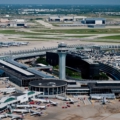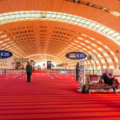

Overview of St. Louis Lambert International Airport
St. Louis Lambert International Airport is the primary international airport serving the Greater St. Louis metropolitan area and one of the most historically significant airports in the United States. Located in northwest St. Louis County, the airport plays a crucial role in regional, national, and limited international air connectivity. Known by its airport code STL, Lambert International Airport functions as a major gateway for travelers moving across the Midwest and beyond.
The airport supports millions of passengers annually and serves as a key transportation hub for business travelers, leisure tourists, students, and connecting passengers. Its strategic location allows easy access to downtown St. Louis, major suburbs, and neighboring states, making it an essential infrastructure asset for Missouri and the surrounding region.
Official Airport Name and Identity
St. Louis Lambert International Airport derives its name from Albert Bond Lambert, an early aviation pioneer. The airport is officially recognized by aviation authorities and airlines under the STL airport code. Over time, it has evolved from a pioneering airfield into a modern commercial airport with upgraded terminals, enhanced passenger services, and expanded airline operations.
The airport is commonly referred to by multiple variations in search and travel contexts, including Lambert Airport, Lambert STL, and St. Louis International Airport, all of which refer to the same aviation facility.
Airport Location and Regional Importance
The airport is situated in Hazelwood, Missouri, approximately 14 miles northwest of downtown St. Louis. Its location places it within convenient reach of major highways, business districts, universities, and residential areas. This accessibility makes the airport a preferred choice for travelers across eastern Missouri and parts of southern Illinois.
Lambert International Airport serves as a critical connector for:
- Corporate travel linked to St. Louis’s business and manufacturing sectors
- Tourism related to cultural landmarks, sports venues, and conventions
- Educational travel for students attending universities in the region
Role in the U.S. and Midwest Aviation Network
Within the Midwest aviation landscape, St. Louis Lambert International Airport functions as a high-capacity domestic airport with strong point-to-point connectivity. While it is no longer a primary airline hub in the traditional sense, it remains an important operational base for several major and low-cost airlines.
The airport supports:
- High-frequency domestic routes to major U.S. cities
- Regional connections across the Midwest and Southern United States
- Select international and seasonal routes depending on airline operations
Its infrastructure allows efficient passenger processing, aircraft handling, and intermodal transportation, including rail connectivity via MetroLink.
Domestic and International Operations
St. Louis Lambert International Airport primarily focuses on domestic air travel, with a wide network of nonstop routes across the United States. These routes cater to both business and leisure travelers, offering access to major economic centers, tourist destinations, and regional hubs.
International operations at the airport are limited but strategically important. Depending on the season and airline schedules, the airport may offer:
- International charter services
- Seasonal international flights
- Customs and border protection facilities for approved routes
The airport’s operational model emphasizes efficiency, passenger convenience, and adaptability to changing travel demand.
Key Facts and Airport Snapshot
| Attribute | Details |
|---|---|
| Official Name | St. Louis Lambert International Airport |
| Airport Code | STL |
| Location | Hazelwood, Missouri, United States |
| Distance from Downtown St. Louis | Approx. 14 miles |
| Primary Function | Domestic & limited international commercial aviation |
| Number of Terminals | Two passenger terminals |
| Major Connectivity | Midwest and nationwide U.S. routes |
St. Louis Lambert International Airport Code, Address & Basic Information
What Is the Airport Code of St. Louis Lambert International Airport
The official airport code for St. Louis Lambert International Airport is STL. This three-letter IATA code is used globally across airline schedules, boarding passes, baggage tags, booking platforms, and flight-tracking systems. Travelers searching for flights to or from St. Louis will almost always encounter the STL code when making reservations or checking flight status.
The STL code is also commonly used in travel apps, airport directories, and transportation services, making it an essential identifier for both domestic and international passengers navigating air travel to the St. Louis region.
Full Address of St. Louis Lambert International Airport
The airport’s official physical address is:
10701 Lambert International Blvd,
St. Louis, Missouri 63145, United States
This address is used for navigation, ride-sharing pickups, taxi services, logistics planning, and official correspondence. It is well-recognized across mapping platforms and GPS systems, ensuring accurate routing for passengers arriving by car, taxi, or shuttle.
City, County, and State Details
Although the airport is commonly associated with the city of St. Louis, it is geographically located in Hazelwood, a municipality in St. Louis County, Missouri. This distinction is important for administrative, legal, and logistical purposes, especially for travelers booking accommodations, ground transportation, or business services near the airport.
Being positioned in St. Louis County allows the airport to serve a broad regional population, including suburban communities and neighboring states such as Illinois. Its county-level placement also supports efficient highway access and public transit connectivity.
Airport Elevation and Geographic Setting
St. Louis Lambert International Airport sits at an elevation of approximately 618 feet (188 meters) above sea level. This elevation is typical for airports in the Midwest and supports stable year-round flight operations with minimal weather-related altitude challenges.
Geographically, the airport lies within the Mississippi River basin region, characterized by relatively flat terrain. This setting contributes to:
- Efficient runway construction and expansion
- Smooth aircraft approaches and departures
- Reliable ground transportation access
The surrounding landscape also supports large-scale airport infrastructure, including terminals, parking facilities, rental car centers, and rail connections.
Time Zone and Operational Region
The airport operates in the Central Time Zone (CT), which is critical for understanding flight schedules, layovers, and arrival or departure planning. All local departure and arrival times displayed at the airport follow Central Time, regardless of the traveler’s origin or destination.
This time zone placement makes STL Airport a convenient midpoint for travel between the eastern and western United States.
Basic Airport Information Snapshot
| Attribute | Details |
|---|---|
| Official Airport Code | STL |
| Full Airport Name | St. Louis Lambert International Airport |
| Street Address | 10701 Lambert International Blvd |
| City | Hazelwood |
| County | St. Louis County |
| State | Missouri |
| Country | United States |
| Elevation | Approx. 618 feet (188 meters) |
| Time Zone | Central Time Zone (CT) |
This section provides essential identification and geographic details that travelers, logistics providers, and aviation professionals rely on before moving deeper into terminal layouts, airline operations, transportation options, and passenger services at St. Louis Lambert International Airport.
Terminal Layout at St. Louis Lambert International Airport
Overview of Passenger Terminals
St. Louis Lambert International Airport operates with two main passenger terminals, designed to efficiently manage domestic air traffic while offering a clear separation of airline operations. The terminals are positioned on opposite sides of the airport complex and are not connected airside, meaning passengers must use ground transportation if transferring between terminals.
Each terminal is purpose-built to handle specific airline groups, helping reduce congestion and improve passenger flow. Clear signage, dedicated road access, and separate parking facilities make navigation straightforward for both departing and arriving travelers.
Terminal 1 at St. Louis Lambert International Airport
Terminal 1 is the largest and busiest terminal at the airport and handles the majority of domestic airline operations. It serves as the primary terminal for full-service and legacy carriers and accommodates a high volume of business and leisure travelers throughout the year.
Airlines Operating from Terminal 1
Terminal 1 is used by several major U.S. airlines, typically including legacy and network carriers. These airlines operate extensive domestic routes and limited international services depending on seasonal schedules and airline planning.
Passengers flying with full-service carriers, international connections, or alliance-based itineraries are most likely to depart from or arrive at Terminal 1.
Facilities and Passenger Services in Terminal 1
Terminal 1 offers a wide range of passenger amenities designed for comfort and convenience, including:
- Multiple security checkpoints to manage peak-hour traffic
- A broad selection of dining options, from quick-service outlets to sit-down restaurants
- Retail stores, newsstands, and travel essentials
- Airline lounges and business-friendly waiting areas
- Accessibility services and family-friendly facilities
The terminal layout supports efficient boarding and deplaning, with concourses arranged to minimize walking distances where possible.
Terminal 2 at St. Louis Lambert International Airport
Terminal 2 is primarily dedicated to low-cost and point-to-point airline operations, most notably serving as the main base for Southwest Airlines at STL Airport. This terminal is designed for high-frequency domestic flights and quick passenger turnaround.
Airlines Operating from Terminal 2
Terminal 2 is best known as the operational hub for Southwest Airlines at St. Louis Lambert International Airport. The terminal supports a large number of daily departures and arrivals, particularly to major U.S. cities and regional destinations.
Travelers flying with low-cost carriers or on short-haul domestic routes will most often use Terminal 2.
Terminal 2 Cell Phone Lot and Accessibility
A dedicated Terminal 2 cell phone lot is available for drivers picking up arriving passengers. This allows drivers to wait nearby without entering the terminal curbside area until passengers are ready for pickup, reducing congestion and improving traffic flow.
Terminal 2 also features:
- Streamlined security screening
- Simplified concourse layout
- Easy access to ground transportation and parking
Key Differences Between Terminal 1 and Terminal 2
| Feature | Terminal 1 | Terminal 2 |
|---|---|---|
| Primary Use | Full-service & legacy airlines | Low-cost airline operations |
| Major Airline Type | Network carriers | Southwest-focused |
| Passenger Volume | Higher overall volume | High-frequency domestic travel |
| Lounges | Available | Limited |
| Cell Phone Lot | Standard access | Dedicated Terminal 2 lot |
| International Processing | Available (as scheduled) | Not typical |
Terminal Navigation Tips for Travelers
Passengers should always confirm their departure terminal before arriving at the airport, as switching between terminals requires exiting the secure area and using public roads or airport shuttles. Arriving early is recommended, especially during peak travel periods, holidays, and early morning departures.
Understanding the terminal layout in advance helps travelers plan parking, ground transportation, and arrival times more efficiently before moving on to airline operations, destinations, and flight schedules in the next sections.
Airlines Operating at St. Louis Lambert International Airport
Overview of Airline Operations
St. Louis Lambert International Airport supports a diverse mix of full-service, low-cost, and regional airlines, making it one of the most accessible airports in the Midwest for point-to-point domestic travel. While the airport no longer functions as a traditional mega-hub, it maintains strong airline coverage with frequent daily departures to major U.S. cities and regional markets.
Airline operations at the airport are structured around the two terminals, with carriers assigned based on operational needs, passenger volume, and service model. This separation helps streamline check-in, security screening, and boarding processes.
Major Domestic Airlines at STL Airport
Several leading U.S. airlines operate extensive domestic networks from St. Louis Lambert International Airport. These carriers provide nonstop and connecting services to business hubs, leisure destinations, and major metropolitan areas across the country.
Full-service airlines typically offer:
- Multiple cabin classes
- Loyalty programs and alliance benefits
- Checked baggage and premium service options
These airlines play a key role in connecting St. Louis to coastal cities, central business districts, and major airline hubs.
Low-Cost and Point-to-Point Carriers
Low-cost airlines are a significant part of STL Airport’s traffic profile. These carriers focus on:
- High-frequency domestic routes
- Competitive pricing for leisure and short-haul travel
- Efficient turnaround and simplified service models
Point-to-point connectivity has made St. Louis Lambert International Airport especially popular for travelers seeking nonstop flights without passing through congested hub airports.
Regional and Commuter Airline Services
In addition to major carriers, regional airlines operate flights that connect St. Louis with smaller cities and regional destinations. These services are often operated on behalf of larger airlines and feed passengers into broader domestic networks.
Regional operations support:
- Short-distance business travel
- Access to smaller Midwest and Southern markets
- Seamless connections to long-haul domestic routes
International and Seasonal Airline Services
International airline operations at St. Louis Lambert International Airport are limited but strategic. Depending on airline scheduling and seasonal demand, the airport may offer:
- International charter flights
- Seasonal international routes
- Customs and border processing for approved services
International connectivity is generally designed to complement domestic operations rather than replace major coastal gateways.
Airline and Terminal Assignment Overview
| Airline Type | Typical Terminal | Service Focus |
|---|---|---|
| Full-Service U.S. Airlines | Terminal 1 | Nationwide domestic routes, limited international |
| Low-Cost Airlines | Terminal 2 | High-frequency domestic travel |
| Regional Airlines | Terminal 1 | Short-haul and feeder routes |
| Seasonal / Charter Airlines | Terminal 1 | Limited international or seasonal services |
How Airline Operations Impact Travelers
Understanding airline distribution across terminals helps passengers:
- Choose correct parking areas
- Arrive at the appropriate terminal on time
- Plan ground transportation more efficiently
Passengers are always advised to confirm airline and terminal details before travel, as assignments can change based on operational requirements.
This airline overview sets the foundation for the next section, which explores destinations, popular routes, and nonstop connectivity available from St. Louis Lambert International Airport.
Arrivals, Departures, and Flight Status at St. Louis Lambert International Airport
Checking Live Arrivals at the Airport
Passengers arriving at St. Louis Lambert International Airport can access real-time arrival information through official airport channels, airline platforms, and flight-tracking services. Live arrivals data typically includes scheduled landing time, estimated arrival updates, gate assignments, and baggage claim details.
Arrival information is especially useful for:
- Travelers coordinating ground transportation
- Friends and family picking up passengers
- Business travelers managing tight schedules
Most airlines serving the airport provide push notifications and mobile updates to keep passengers informed of any changes before landing.
Checking Departures from STL Airport
Departure information at the airport is updated continuously to reflect boarding times, gate changes, and delays. Travelers are encouraged to check departure status before leaving for the airport and again upon arrival at the terminal.
Departure listings generally display:
- Scheduled and estimated departure times
- Assigned terminal and gate
- Boarding status and announcements
Early-morning and evening departures tend to be the busiest, making advance status checks particularly important during peak travel periods.
Flight Delays, Cancellations, and Status Updates
Like most major U.S. airports, flight schedules at STL Airport can be affected by weather conditions, air traffic control restrictions, aircraft availability, or operational issues. When delays or cancellations occur, airlines typically provide updated status information directly to passengers via email, SMS, or mobile apps.
Travelers experiencing disruptions should:
- Monitor airline notifications closely
- Confirm rebooking options if needed
- Allow extra time during severe weather or holiday travel
Best Sources for Real-Time Flight Information
Reliable flight status information can be accessed through multiple official and third-party channels. These sources ensure accuracy and timely updates throughout the travel journey.
| Information Type | Recommended Source | Use Case |
|---|---|---|
| Live Arrivals | Airport website or airline app | Pickup planning |
| Departures & Gates | Airline mobile app | Boarding preparation |
| Delays & Cancellations | Airline notifications | Schedule adjustments |
| Flight Tracking | Flight-tracking platforms | In-transit monitoring |
Tips for Managing Arrivals and Departures Efficiently
Travelers can improve their airport experience by:
- Checking flight status before leaving home
- Arriving early during peak hours or adverse weather
- Using mobile boarding passes and airline apps
- Confirming terminal and gate details on arrival
Staying informed about arrivals and departures helps passengers navigate the airport smoothly and prepares them for the next stages of travel, including parking, ground transportation, and terminal services covered in upcoming sections.
Parking Options at St. Louis Lambert International Airport
Overview of Airport Parking Facilities
St. Louis Lambert International Airport offers a range of parking options designed to meet the needs of short-term visitors, long-term travelers, business passengers, and those picking up or dropping off travelers. Parking facilities are located near both terminals and are clearly marked, allowing drivers to choose the most convenient option based on travel duration and budget.
The airport’s parking system is structured to balance proximity to terminals with cost efficiency, making it suitable for everything from quick terminal visits to extended trips.
Short-Term Parking Options
Short-term parking is ideal for travelers who are:
- Picking up or dropping off passengers
- Attending brief airport meetings
- Parking for a few hours or a single day
These parking areas are located close to terminal entrances, minimizing walking distance and providing quick access to check-in counters and arrival halls. Short-term parking is especially convenient for business travelers and those accompanying passengers inside the terminal.
Long-Term Parking Options
Long-term parking is designed for travelers leaving their vehicles at the airport for multiple days. These facilities offer a cost-effective alternative to short-term parking while still providing reliable access to the terminals via shuttle services or pedestrian routes.
Long-term parking is commonly used by:
- Leisure travelers on extended trips
- International passengers
- Travelers seeking budget-friendly parking without off-site transfers
Economy and Off-Site Parking
Economy parking areas provide the most affordable on-airport parking solution. These lots are typically located farther from the terminals but are well-connected through frequent shuttle services that operate throughout the day and night.
Economy and off-site parking options are well-suited for:
- Long-duration travel
- Cost-conscious travelers
- Passengers comfortable with shuttle transfers
These options help reduce overall travel costs while maintaining dependable access to the airport terminals.
Parking Rates and Payment Methods
Parking rates at the airport vary depending on the type of parking facility and length of stay. Short-term parking generally carries higher hourly or daily rates, while long-term and economy parking options offer reduced daily pricing.
Payment methods typically include:
- Credit and debit cards
- Contactless payment options
- Automated ticketing systems
Travelers are encouraged to check current parking rates before arrival, as prices may change based on demand or airport policy updates.
Parking Accessibility and Special Services
Accessible parking spaces are available in all major parking facilities and are located close to terminal entrances or shuttle pickup points. These spaces are designed to accommodate travelers with mobility needs and comply with accessibility regulations.
Additional parking-related services may include:
- Clearly marked pedestrian pathways
- Shuttle buses equipped for accessibility
- Well-lit parking areas for safety and security
Parking Options Comparison
| Parking Type | Proximity to Terminals | Ideal For |
|---|---|---|
| Short-Term Parking | Very close | Pickups, drop-offs, short visits |
| Long-Term Parking | Moderate distance | Multi-day trips |
| Economy Parking | Farther away | Budget-conscious travelers |
| Off-Site Parking | Outside airport | Extended stays, lowest cost |
Tips for Choosing the Right Parking Option
Travelers can optimize their parking experience by:
- Selecting short-term parking for visits under a day
- Choosing long-term or economy parking for extended travel
- Arriving early during peak travel seasons
- Noting terminal-specific parking access before arrival
Understanding the available parking options allows passengers to plan arrivals and departures more efficiently before moving on to ground transportation, car rentals, and hotel accommodations in the next sections.
Ground Transportation from St. Louis Lambert International Airport
Overview of Ground Transportation Options
St. Louis Lambert International Airport is well connected to the St. Louis metropolitan area and surrounding regions through a variety of ground transportation options. Whether travelers are heading downtown, to nearby suburbs, or to neighboring cities, the airport offers reliable public transit and private transportation services to suit different budgets and travel needs.
Ground transportation facilities are clearly signed at both terminals, making transfers straightforward for arriving passengers.
MetroLink Light Rail Service
The MetroLink light rail system provides direct public transportation access between the airport and key areas of St. Louis. Stations are located at both Terminal 1 and Terminal 2, allowing passengers to board trains immediately after exiting the terminal.
MetroLink is commonly used by:
- Travelers heading to downtown St. Louis
- Daily commuters
- Budget-conscious passengers
The service connects the airport with major stops such as downtown business districts, entertainment areas, and regional transit hubs.
Train Connectivity to Chicago and Other Cities
While there is no direct intercity train service departing from the airport itself, travelers can conveniently connect to Amtrak services via downtown St. Louis stations. From there, rail routes are available to major cities, including Chicago.
This option is suitable for travelers who:
- Prefer rail travel for long-distance trips
- Want to avoid driving between cities
- Are connecting air and train journeys
MetroLink and taxi services provide easy transfers between the airport and Amtrak stations.
Airport Shuttles and Shared Transfers
Shared shuttle services operate between the airport and nearby hotels, business centers, and residential areas. These services are typically pre-booked and provide door-to-door convenience, especially for travelers with luggage.
Airport shuttles are ideal for:
- Hotel guests using complimentary shuttle services
- Group travelers
- Passengers seeking fixed-rate transportation
Shuttle pickup zones are designated outside each terminal to ensure smooth passenger flow.
Taxis and Ride-Sharing Services
Licensed taxis are readily available at both terminals and offer a straightforward option for travelers seeking direct transportation. Ride-sharing services also operate extensively at the airport, with clearly marked pickup areas to reduce curbside congestion.
These services are popular among:
- Business travelers
- Passengers arriving late at night
- Travelers with time-sensitive schedules
Fares typically vary based on distance, traffic conditions, and time of day.
Limo and Executive Transportation Services
For travelers seeking premium or corporate transportation, limousine and executive car services are available at the airport. These services offer advanced reservations, professional drivers, and higher-end vehicles.
Limo services are commonly used for:
- Corporate travel
- VIP guests
- Special events and formal occasions
Pickup arrangements are coordinated through designated airport zones or private service providers.
Ground Transportation Options Comparison
| Transportation Type | Best For | Key Advantage |
|---|---|---|
| MetroLink Light Rail | Downtown & city travel | Affordable and direct |
| Intercity Train (via Amtrak) | Travel to Chicago & beyond | Comfortable long-distance travel |
| Airport Shuttles | Hotels & groups | Fixed routes and pricing |
| Taxis & Ride-Sharing | Door-to-door travel | Convenience and flexibility |
| Limo Services | Business & VIP travel | Comfort and professionalism |
Tips for Choosing the Best Transportation Option
Travelers can select the most suitable option by:
- Using MetroLink for quick city access
- Booking shuttles in advance for hotels
- Choosing taxis or ride-sharing for direct routes
- Reserving limo services for business or formal travel
Understanding these transportation choices helps passengers plan smooth onward journeys before exploring car rentals, nearby hotels, and airport facilities in the following sections.
Car Rental Services at St. Louis Lambert International Airport
Overview of Car Rental Facilities
St. Louis Lambert International Airport provides comprehensive on-site car rental services, making it easy for travelers to begin their journeys immediately after arrival. Rental car facilities are designed to support both short-term city travel and longer regional road trips across Missouri and neighboring states.
Car rental operations at the airport are well-organized, with clear signage, dedicated pickup areas, and streamlined return procedures to minimize wait times and confusion for passengers.
On-Site Car Rental Companies at the Airport
Several major national and international car rental brands operate directly from the airport, offering a wide range of vehicles including economy cars, sedans, SUVs, minivans, and premium models. These providers cater to business travelers, families, and leisure tourists alike.
On-site rental companies typically offer:
- Daily, weekly, and long-term rental plans
- Flexible vehicle categories
- Loyalty program benefits
- Optional add-ons such as GPS, child seats, and insurance coverage
Enterprise Car Rental at St. Louis Lambert International Airport
Enterprise is one of the most commonly used car rental providers at the airport. Known for its extensive vehicle selection and customer-focused service, Enterprise serves travelers looking for reliable transportation for both business and leisure purposes.
Enterprise rental services are frequently chosen for:
- Corporate travel and extended stays
- Family travel requiring larger vehicles
- One-way rentals within the United States
Pickup and return processes are designed to be efficient, with staff available to assist customers throughout the rental experience.
Hertz, Avis, Alamo, and Other Rental Providers
In addition to Enterprise, travelers can choose from several other reputable rental companies operating at the airport. These providers offer competitive pricing, varied vehicle options, and nationwide coverage.
These brands are well-suited for:
- Travelers enrolled in rental loyalty programs
- Short-term business trips
- Budget-conscious renters comparing multiple options
Availability and pricing may vary depending on travel season, demand, and reservation timing.
Rental Car Pickup and Return Process
Rental car pickup locations are clearly marked within the airport’s ground transportation or rental car facility areas. Most companies require renters to present:
- A valid driver’s license
- A credit or debit card
- A confirmed reservation or booking reference
Vehicle return areas are conveniently located near airport access roads, allowing travelers to drop off vehicles and proceed directly to terminal check-in without unnecessary delays.
Tips for Renting a Car at STL Airport
Travelers can enhance their car rental experience by following a few practical tips:
- Book vehicles in advance to secure better rates
- Compare vehicle sizes based on luggage and passenger count
- Review insurance options before arrival
- Allow extra time for vehicle return during peak travel periods
Understanding rental terms, fuel policies, and mileage limits can help avoid unexpected charges and ensure a smooth experience.
Car Rental Options Comparison
| Rental Provider Type | Best For | Key Benefit |
|---|---|---|
| Major National Brands | Business & frequent travelers | Wide vehicle selection |
| Economy-Focused Providers | Budget travelers | Competitive pricing |
| Premium & SUV Rentals | Families & groups | Comfort and space |
| One-Way Rentals | Regional travel | Flexible drop-off locations |
Why Renting a Car Is Popular at STL Airport
Car rentals remain one of the most popular transportation choices for travelers arriving at St. Louis Lambert International Airport. The city’s layout, suburban spread, and access to highways make driving a practical option for reaching hotels, business centers, tourist attractions, and nearby cities.
This section prepares travelers for the next topic, which focuses on hotels near the airport and accommodation options for different travel needs.
Hotels Near St. Louis Lambert International Airport
Overview of Airport-Area Accommodations
Travelers using St. Louis Lambert International Airport have access to a wide range of hotels located within a short driving distance of the terminals. These accommodations cater to different traveler profiles, including business professionals, overnight transit passengers, families, and long-stay guests.
Most airport-area hotels are designed for convenience, offering quick access to terminals, highway connectivity, and amenities suited for short stays and early departures.
Hotels Within 1–2 Miles of the Airport
Hotels located closest to the airport are ideal for travelers with:
- Early-morning departures
- Late-night arrivals
- Short layovers or overnight stays
These properties typically focus on efficiency and comfort, with features such as complimentary airport shuttle services, early breakfast options, and soundproofed rooms to minimize aircraft noise.
Budget-Friendly Hotels Near the Airport
Budget and mid-range hotels near the airport provide affordable lodging without sacrificing basic comfort. These hotels are popular among:
- Leisure travelers
- Cost-conscious passengers
- Group and family travelers
Budget-friendly options often include free parking, Wi-Fi, and shuttle transportation, making them a practical choice for travelers looking to reduce overall trip costs.
Business and Full-Service Hotels
Business-class and full-service hotels near the airport are designed to support corporate travelers and conference guests. These hotels typically offer:
- Meeting and conference rooms
- On-site restaurants and lounges
- Fitness centers and business services
Their proximity to the airport and major highways makes them suitable for travelers attending meetings in St. Louis or nearby business districts.
Airport Hotel Shuttle Services
Many hotels in the airport area operate scheduled or on-demand shuttle services to and from the terminals. These shuttles provide added convenience for travelers without rental cars and help reduce the need for taxis or ride-sharing services.
Shuttle availability, operating hours, and reservation requirements vary by hotel, so travelers are advised to confirm details directly with their chosen property.
Hotel Distance and Category Overview
| Hotel Category | Approximate Distance from Airport | Best For |
|---|---|---|
| Airport Hotels | 0.5–1 mile | Overnight stays, early flights |
| Budget & Mid-Range Hotels | 1–3 miles | Cost-conscious travelers |
| Business & Full-Service Hotels | 2–5 miles | Corporate and extended stays |
| Extended-Stay Hotels | 3–6 miles | Long-term travelers |
Tips for Choosing the Right Airport Hotel
Travelers can select the most suitable hotel by:
- Prioritizing proximity for short stays or tight schedules
- Checking shuttle availability and operating hours
- Reviewing parking options for rental or personal vehicles
- Considering room amenities based on trip duration
Staying near the airport allows travelers to minimize commute time, reduce travel stress, and easily access flights, making airport-area hotels a practical choice before moving on to terminal facilities, dining, and passenger services in the next section.
Airport Facilities and Passenger Services
Overview of Passenger Amenities
St. Louis Lambert International Airport offers a wide range of passenger-focused facilities designed to improve comfort, efficiency, and accessibility for travelers. Services across both terminals support short visits, long layovers, business travel, and family journeys, ensuring a smooth airport experience from arrival to departure.
Facilities are distributed throughout terminals and concourses, with clear signage to help passengers locate essential services quickly.
Dining and Food Options
Passengers can find a variety of dining options that cater to different tastes, schedules, and dietary needs. Food outlets are available both before and after security checkpoints, allowing travelers to grab meals regardless of their arrival time.
Dining options typically include:
- Quick-service restaurants for grab-and-go meals
- Cafés and coffee shops for snacks and beverages
- Sit-down dining options in select concourses
These outlets are designed to serve travelers during early morning departures, peak lunch hours, and evening flights.
Shopping and Retail Stores
Retail facilities at the airport provide travelers with access to essentials and last-minute purchases. Shops are located throughout terminals and concourses and focus on convenience rather than large-scale retail.
Common retail offerings include:
- Travel essentials and toiletries
- Books, magazines, and snacks
- Gifts and souvenirs
- Electronics accessories and chargers
Retail stores are particularly useful for travelers who need items after clearing security.
Airport Lounges and Business Facilities
For travelers seeking a quieter and more comfortable environment, lounge and business facilities are available in designated areas of the airport. These spaces are commonly used by frequent flyers and business travelers.
Lounge and business amenities may include:
- Comfortable seating and workspaces
- Complimentary refreshments
- Charging stations and Wi-Fi access
- Quiet areas for work or relaxation
Access requirements vary by airline, ticket type, or membership program.
Wi-Fi, Charging Stations, and Work Areas
Free Wi-Fi is available throughout the airport, allowing passengers to stay connected while waiting for flights. Charging stations and power outlets are placed in seating areas, gates, and common spaces.
These facilities are especially valuable for:
- Business travelers working remotely
- Passengers managing mobile boarding passes
- Travelers with long layovers
Designated work areas help maintain productivity in a busy airport environment.
Accessibility and Special Assistance Services
The airport is equipped with accessibility features to support passengers with disabilities and special needs. These services are integrated across terminals to ensure compliance with accessibility standards.
Accessibility services include:
- Wheelchair assistance and accessible restrooms
- Elevators and ramps throughout terminals
- Visual and audio announcements
- Assistance for elderly passengers and families
Passengers requiring special assistance are encouraged to notify their airline in advance to ensure smooth coordination.
Family-Friendly Facilities
Travelers with children can benefit from family-oriented services designed to reduce stress during airport travel. These features support parents and guardians managing young passengers.
Family-friendly amenities typically include:
- Restrooms with changing stations
- Spacious seating areas
- Easy stroller navigation through terminals
These facilities help make travel more manageable for families passing through the airport.
Facilities and Services Overview
| Facility Type | Availability | Primary Benefit |
|---|---|---|
| Dining Options | All terminals | Meals and refreshments |
| Retail Stores | All concourses | Travel essentials |
| Lounges | Select areas | Comfort and productivity |
| Free Wi-Fi | Entire airport | Connectivity |
| Charging Stations | Terminals & gates | Device power |
| Accessibility Services | Airport-wide | Inclusive travel |
| Family Facilities | Terminals | Child-friendly travel |
How Facilities Enhance the Travel Experience
The range of facilities available at the airport helps passengers manage time efficiently, stay comfortable, and remain connected throughout their journey. These services support smooth transitions between flights and prepare travelers for the next stages of their trip, including airport navigation, security procedures, and onward travel covered in upcoming sections.
St. Louis Lambert International Airport Directory and Maps
Overview of Airport Directory Services
St. Louis Lambert International Airport maintains a comprehensive airport directory to help passengers locate terminals, gates, airlines, services, and facilities efficiently. The directory is especially useful for first-time travelers, passengers with tight connections, and those navigating the airport during peak travel periods.
Airport directories are designed to reduce confusion and improve passenger flow by clearly identifying key locations across both terminals.
Terminal Maps and Layout Guidance
Terminal maps provide a visual overview of the airport’s layout, including concourses, security checkpoints, boarding gates, restrooms, dining areas, and retail spaces. Separate maps are available for Terminal 1 and Terminal 2, reflecting their independent layouts and airline operations.
These maps help travelers:
- Plan walking routes within terminals
- Locate gates and amenities quickly
- Identify nearby dining or restroom facilities
- Understand security and exit points
Terminal maps are commonly displayed on digital screens and informational boards throughout the airport.
Airport Directory Listings and Key Locations
The airport directory typically includes categorized listings that allow passengers to quickly find essential services. These listings are organized by terminal and concourse for clarity.
Common directory categories include:
- Airline check-in counters and ticketing areas
- Boarding gates and concourses
- Baggage claim zones
- Dining and food outlets
- Retail and convenience stores
- Restrooms and family facilities
- Ground transportation and rental car areas
Clear labeling ensures travelers can move confidently through the airport without unnecessary delays.
Digital Navigation and Information Access
In addition to physical signage, digital navigation tools are widely used at the airport. These tools provide up-to-date information and interactive guidance, making it easier to adjust plans in real time.
Digital directory access supports:
- Mobile-friendly airport maps
- Real-time gate and service updates
- Searchable listings for shops and services
These tools are especially helpful for passengers using smartphones to navigate while on the move.
Navigation Tips for First-Time Travelers
Travelers unfamiliar with the airport can improve their experience by following a few simple navigation practices:
- Check terminal assignments before arrival
- Review terminal maps in advance
- Follow overhead signage for gates and services
- Allow extra time to locate amenities during busy periods
Understanding how to use the airport directory and maps helps passengers move smoothly through terminals and prepares them for security screening, boarding, and onward travel.
Directory and Map Overview
| Resource Type | Purpose | Best For |
|---|---|---|
| Terminal Maps | Visual layout guidance | Navigating terminals |
| Airport Directory | Service and facility listings | Finding amenities |
| Digital Maps | Interactive navigation | Real-time adjustments |
| Signage | On-site guidance | First-time visitors |
Effective use of the airport directory and maps enhances confidence and efficiency for travelers, setting the stage for the next sections covering airport history, passenger experience, and travel tips.
History of St. Louis Lambert International Airport
Early Development and Aviation Beginnings
St. Louis Lambert International Airport has one of the longest and most influential histories in American aviation. The airport’s origins date back to the early 20th century, when the site was established as a military and experimental airfield during the formative years of powered flight in the United States.
Originally known as Kinloch Field, the area played a critical role in early flight testing, pilot training, and aircraft experimentation. Its location and open terrain made it ideal for aviation development at a time when commercial air travel was still emerging.
Transition to a Commercial Airport
In the 1920s, the airfield was acquired by the City of St. Louis and transformed into a municipal airport. It was later renamed Lambert–St. Louis Municipal Airport, honoring Albert Bond Lambert, a prominent aviation advocate and balloonist.
During this period, the airport became:
- One of the first municipally owned airports in the United States
- A center for early commercial airline operations
- A key site for aircraft manufacturing and testing
Major aviation companies and airlines used the airport to expand early passenger and mail services, helping establish St. Louis as a national aviation center.
Role in U.S. Aviation History
St. Louis Lambert International Airport holds a unique place in aviation history due to its association with major milestones. The airport was closely linked to the early growth of commercial airlines and aircraft manufacturers, contributing to the rapid expansion of air travel across the country.
Notable historical contributions include:
- Early airline route development across the Midwest
- Aircraft production and testing activities
- Support for military aviation during wartime periods
These contributions positioned the airport as a foundational element of the U.S. aviation network.
Expansion and Modernization Era
As air travel demand increased in the mid-to-late 20th century, the airport underwent multiple expansion and modernization phases. New runways, terminals, and support facilities were developed to accommodate larger aircraft and growing passenger volumes.
Key developments during this era included:
- Construction of modern passenger terminals
- Introduction of jet-age infrastructure
- Expansion of parking, road access, and ground transportation
These upgrades allowed the airport to handle increased traffic while improving passenger comfort and operational efficiency.
Airline Hub Period and Industry Changes
For several decades, the airport served as a major airline hub, significantly boosting passenger numbers and national connectivity. During this time, St. Louis became a major transfer point for domestic air travel, with frequent flights linking the Midwest to coastal and southern destinations.
Industry changes, airline mergers, and shifting route strategies eventually altered the airport’s hub status. Despite this transition, the airport successfully adapted by focusing on point-to-point connectivity and attracting a diverse mix of airlines.
Present-Day Role and Legacy
Today, St. Louis Lambert International Airport continues to operate as a vital regional airport with a strong domestic network and a respected legacy in aviation history. Its long-standing contribution to flight innovation, commercial aviation, and regional development remains an important part of its identity.
The airport’s historical evolution reflects the broader story of American air travel—from experimental beginnings to a modern, passenger-focused transportation hub—setting the foundation for its current operations and future growth.
Passenger Reviews and Travel Experience at St. Louis Lambert International Airport
Overview of Traveler Feedback
Passenger reviews of St. Louis Lambert International Airport reflect a mix of positive experiences and constructive criticism, which is common for mid-to-large U.S. airports handling high volumes of domestic traffic. Overall, travelers often describe the airport as functional, easy to navigate, and well-suited for point-to-point travel across the United States.
Feedback generally focuses on terminal layout, ease of access, staff interactions, and the efficiency of airport services.
Common Positive Experiences Reported by Travelers
Many passengers highlight the airport’s manageable size and straightforward layout as a major advantage. Compared to larger hub airports, STL Airport is often perceived as less overwhelming and easier to navigate, especially for first-time visitors.
Frequently mentioned positives include:
- Relatively quick security screening during non-peak hours
- Clear signage and terminal organization
- Convenient MetroLink rail access from both terminals
- Friendly and helpful airport and airline staff
Travelers also appreciate the airport’s accessibility from surrounding suburbs and downtown St. Louis.
Common Complaints and Challenges
While overall feedback is generally balanced, some travelers report challenges during peak travel times. These issues are often situational rather than constant and tend to vary by terminal, airline, and time of day.
Commonly mentioned concerns include:
- Longer security lines during holidays and early mornings
- Limited dining and retail options compared to larger airports
- Terminal separation requiring ground transfer when switching airlines
- Occasional congestion during major travel periods
These concerns are typical of airports with high domestic traffic and limited international operations.
Business Traveler Perspective
Business travelers often view the airport favorably due to its efficiency and connectivity. The availability of rental cars, ground transportation, and business-friendly hotels near the airport contributes to a smooth travel experience.
Key benefits for business travelers include:
- Fast access to city business districts
- Efficient terminal layouts
- Availability of lounges and work-friendly spaces
These factors make STL Airport a practical choice for short business trips and regional travel.
Leisure and Family Traveler Experience
Leisure travelers and families generally find the airport convenient and easy to use. The airport’s size allows families to move through terminals without excessive walking, and basic family-friendly facilities help reduce travel stress.
Families often appreciate:
- Clear terminal navigation
- Manageable crowds outside peak times
- Proximity of parking and ground transportation
Overall Traveler Experience Summary
| Experience Aspect | General Passenger Sentiment |
|---|---|
| Ease of Navigation | Positive |
| Security Process | Mixed (varies by time) |
| Ground Transportation | Positive |
| Dining and Retail | Moderate |
| Staff Interaction | Generally Positive |
| Overall Convenience | Positive |
What Travelers Can Expect
Most passengers traveling through St. Louis Lambert International Airport can expect a functional, efficient, and relatively stress-free experience, particularly when traveling outside peak hours. While it may not offer the scale or luxury of major international hubs, the airport performs well in delivering reliable domestic air travel and essential passenger services.
Understanding common traveler experiences helps set realistic expectations and prepares passengers for the practical travel tips and frequently asked questions covered in the next sections.
Frequently Asked Questions About St. Louis Lambert International Airport
What is the airport code for St. Louis Lambert International Airport
The official airport code for St. Louis Lambert International Airport is STL. This code is used on airline tickets, boarding passes, baggage tags, flight schedules, and booking platforms. Travelers should always look for STL when searching for flights to or from the St. Louis area.
How many terminals does St. Louis Lambert International Airport have
The airport operates with two passenger terminals, Terminal 1 and Terminal 2. Each terminal serves different airlines and is located on opposite sides of the airport complex. The terminals are not connected airside, so passengers must use ground transportation if switching terminals.
Which airlines operate from Terminal 2 at STL Airport
Terminal 2 primarily serves low-cost and point-to-point airline operations. It is best known as the main operating terminal for Southwest Airlines at the airport, handling a high volume of domestic flights to major U.S. cities.
Is there a train connection from STL Airport to downtown St. Louis
Yes, the airport is directly connected to downtown St. Louis via the MetroLink light rail system. MetroLink stations are located at both Terminal 1 and Terminal 2, providing convenient and affordable public transportation to downtown, business districts, and major attractions.
Are there trains from St. Louis Lambert International Airport to Chicago
There is no direct intercity train departing from the airport itself. However, travelers can reach downtown St. Louis using MetroLink, taxi, or ride-sharing services and then connect to Amtrak trains that operate routes to Chicago and other major cities.
What parking options are available at STL Airport
The airport offers multiple parking options, including short-term, long-term, economy, and off-site parking. Each option varies in proximity to the terminals and pricing, allowing travelers to choose based on trip duration and budget.
Are there hotels near St. Louis Lambert International Airport
Yes, there are numerous hotels located within a few miles of the airport. These include budget-friendly hotels, full-service business hotels, and extended-stay properties. Many airport-area hotels also provide complimentary shuttle services to and from the terminals.
Does the airport offer car rental services on-site
St. Louis Lambert International Airport provides on-site car rental services through several major rental companies. Rental facilities are easily accessible from the terminals, making car rentals a popular choice for travelers exploring St. Louis and surrounding areas.
How early should I arrive at the airport before my flight
For domestic flights, passengers are generally advised to arrive at least two hours before departure. During peak travel periods, holidays, or early morning flights, arriving earlier can help avoid delays at security checkpoints.
Is St. Louis Lambert International Airport suitable for first-time travelers
Yes, many first-time travelers find the airport relatively easy to navigate due to its manageable size, clear signage, and straightforward terminal layout. Reviewing terminal information and flight details in advance further improves the travel experience.