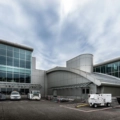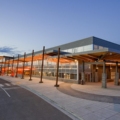

Introduction: Tulsa International Airport at a Glance
Tulsa International Airport is the primary commercial airport serving Tulsa and the surrounding regions of northeastern Oklahoma. It plays a critical role in connecting the city to major domestic hubs across the United States and supports both business and leisure travel throughout the region.
Located just a short drive from downtown Tulsa, the airport is designed to handle steady passenger traffic with a focus on efficiency, ease of navigation, and reliable airline connectivity. While it is classified as an international airport, most operations are domestic, with international services typically handled through connections at larger hub airports.
Tulsa International Airport is known for its compact terminal layout, relatively short security lines compared to major hub airports, and convenient access to parking, car rentals, hotels, and ground transportation. These factors make it a preferred airport for travelers looking for a smoother and less congested airport experience.
Where Tulsa International Airport Is Located
Tulsa International Airport is situated on the northeast side of Tulsa, Oklahoma. Its location allows quick access from the city center as well as nearby business districts, industrial areas, and residential neighborhoods. The airport is well connected by major roads, making it easily reachable for both local residents and visitors.
Travelers flying into Tulsa often use this airport as a gateway to:
- Tulsa city and suburbs
- Northeastern Oklahoma
- Business hubs and energy-sector offices
- Cultural attractions, events, and conferences
Importance of Tulsa International Airport in Oklahoma
Tulsa International Airport serves as one of the key aviation facilities in Oklahoma. It supports:
- Daily commercial passenger flights
- Corporate and private aviation
- Cargo and logistics operations
- Airport-related employment and services
The airport also contributes significantly to the local economy by enabling tourism, supporting business travel, and providing jobs across airline operations, security, maintenance, and airport administration.
Types of Travelers Using the Airport
Tulsa International Airport caters to a wide range of travelers, including:
- Business travelers commuting to major U.S. cities
- Leisure travelers visiting Tulsa and nearby destinations
- Families and students flying domestically
- Airport employees and airline crew members
Because of its manageable size, the airport is often preferred by travelers who want a simpler, less stressful alternative to large international hubs.
What Travelers Can Expect at Tulsa International Airport
Passengers arriving at or departing from Tulsa International Airport can generally expect:
- A single, easy-to-navigate terminal complex
- Clear signage and passenger-friendly layout
- Standard airline services and amenities
- Convenient access to parking and car rentals
- Nearby hotels and dining options
This balance of accessibility and functionality makes Tulsa International Airport an efficient travel point for both short trips and longer journeys.
Quick Facts About Tulsa International Airport
| Detail | Information |
|---|---|
| Airport Name | Tulsa International Airport |
| IATA Code | TUL |
| City Served | Tulsa, Oklahoma |
| Primary Function | Domestic commercial air travel |
| Terminal Structure | Single main terminal with multiple concourses |
| Distance from Downtown Tulsa | Approximately 6–7 miles |
| Major Services | Passenger flights, cargo, car rentals, parking |
Tulsa International Airport Code, Address & Contact Information
Airport Code and Its Importance
The official airport code for Tulsa International Airport is TUL. This three-letter IATA code is used globally to identify the airport in airline booking systems, boarding passes, baggage tags, and flight-tracking platforms.
Travelers commonly encounter the TUL code when:
- Searching for flights online
- Checking arrival and departure boards
- Tracking baggage during layovers
- Reviewing flight status or delays
Using the correct airport code is essential, especially when booking flights with multiple connections or comparing fares across airlines.
Official Address of Tulsa International Airport
Tulsa International Airport is located within the city limits of Tulsa, Oklahoma, making it easily accessible for both residents and visitors.
The official address is used for:
- GPS navigation and driving directions
- Rideshare and taxi drop-offs
- Hotel shuttle coordination
- Courier and cargo services
This address is also referenced for official correspondence and airport-related services.
City, State, and Regional Coverage
Tulsa International Airport primarily serves:
- Tulsa city and metropolitan area
- Northeastern Oklahoma
- Nearby towns and business districts
Due to its strategic location, the airport functions as a regional aviation hub for travelers who prefer not to use larger, more congested airports in neighboring states.
Airport Management and Operations Overview
The airport is managed by local aviation authorities responsible for:
- Daily airport operations
- Passenger safety and security
- Terminal maintenance
- Airline coordination
- Emergency response and safety divisions
Operational departments ensure compliance with federal aviation regulations while maintaining smooth passenger flow throughout the terminal.
When Travelers Need Airport Contact Information
Passengers may need airport contact details for situations such as:
- Lost and found inquiries
- Parking-related questions
- Flight disruption assistance
- Security or safety concerns
- General airport services
Having accurate address and identification details helps travelers resolve issues quickly and efficiently.
Key Identification Details at a Glance
| Detail | Information |
|---|---|
| Airport Name | Tulsa International Airport |
| IATA Airport Code | TUL |
| City | Tulsa |
| State | Oklahoma |
| Country | United States |
| Airport Type | Public international airport |
| Primary Role | Commercial passenger and cargo services |
Location, Directions & Distance Guide to Tulsa International Airport
Geographic Location of the Airport
Tulsa International Airport is located on the northeastern side of Tulsa, Oklahoma. Its placement outside the dense downtown core helps reduce traffic congestion while still allowing quick access to the city and surrounding areas. The airport’s location makes it convenient for travelers coming from residential neighborhoods, business districts, and nearby towns in northeastern Oklahoma.
The surrounding area mainly includes commercial zones, logistics facilities, hotels, and airport-support services, which helps streamline ground transportation, parking access, and rental car operations.
Distance From Downtown Tulsa
Tulsa International Airport is relatively close to the city center, making it an easy commute for both departing and arriving passengers. Under normal traffic conditions, the drive from downtown Tulsa to the airport is short and straightforward.
This close proximity is particularly useful for:
- Business travelers with tight schedules
- Early morning or late-night flights
- Hotel shuttle transfers
- Ride-hailing and taxi services
Major Roads and Highway Access
The airport is well connected to Tulsa’s road network and can be accessed via several major routes. These roads link the airport to downtown Tulsa, suburban areas, and interstate highways that serve the wider Oklahoma region.
Key access routes help travelers arriving from:
- Central Tulsa
- Northern and eastern suburbs
- Nearby cities and industrial areas
Clear road signage directs drivers toward airport entrances, parking facilities, and terminal drop-off zones.
Driving Directions to Tulsa International Airport
From Downtown Tulsa
Travelers driving from downtown Tulsa typically follow main arterial roads heading northeast toward the airport. The route is well marked and commonly used by taxis, rideshare drivers, and airport shuttles.
From Surrounding Cities
Visitors coming from nearby cities or towns can connect to Tulsa’s primary road network and follow airport signs once they approach the city limits. Most navigation apps automatically route drivers through the fastest available roads based on current traffic conditions.
Using GPS and Navigation Apps
Most travelers rely on GPS navigation apps such as Google Maps or Apple Maps when traveling to the airport. These apps provide:
- Real-time traffic updates
- Alternate routes during congestion
- Accurate terminal and parking directions
For best results, travelers should:
- Enter the full airport name or airport code
- Select the correct terminal or parking option
- Allow extra time during peak travel hours
Estimated Travel Distances and Times
| Starting Point | Approximate Distance | Estimated Drive Time |
|---|---|---|
| Downtown Tulsa | 6–7 miles | 10–15 minutes |
| Midtown Tulsa | 7–9 miles | 15–20 minutes |
| South Tulsa | 10–12 miles | 20–25 minutes |
| Nearby Suburbs | Varies | 20–35 minutes |
Travel times may vary depending on traffic, weather conditions, and time of day.
Terminal Information at Tulsa International Airport
Overview of the Terminal Structure
Tulsa International Airport operates with a single main terminal complex that is designed to be compact, efficient, and easy to navigate. Unlike large multi-terminal hub airports, Tulsa’s terminal layout allows passengers to move from curbside to gate with minimal walking time and clear wayfinding.
The terminal accommodates all airline operations, security screening, boarding gates, baggage claim, dining, and retail services within one connected facility.
Number of Terminals and Concourses
Tulsa International Airport has:
- One primary terminal
- Multiple concourses connected airside after security
This structure helps simplify:
- Airline check-in
- TSA screening
- Passenger transfers between gates
- Access to amenities and services
Passengers do not need to exit security to move between concourses, which makes connections faster and more convenient.
Terminal Layout Explained
Landside Areas
The landside portion of the terminal includes:
- Airline check-in counters
- Ticketing kiosks
- Baggage drop areas
- TSA security checkpoints
- Airport information desks
This area is accessible to both travelers and non-travelers.
Airside Areas
After clearing security, passengers enter the airside concourse areas, which include:
- Departure gates
- Airline lounges (where available)
- Restaurants and food outlets
- Retail shops
- Restrooms and seating areas
All concourses are connected, allowing easy access to gates regardless of airline.
Airline Check-In and Gate Assignments
Most airlines operate dedicated check-in counters within the main terminal. Gate assignments may vary depending on:
- Airline schedules
- Aircraft size
- Time of day
Flight information display screens throughout the terminal help passengers locate:
- Check-in counters
- Assigned departure gates
- Boarding times
- Gate changes
Terminal Map and Airport Directory
Tulsa International Airport provides a directory system that helps travelers locate:
- Gates and concourses
- Restrooms and family facilities
- Dining and shopping options
- Baggage claim areas
- Rental car desks
- Ground transportation exits
Travelers are encouraged to review the terminal map before arrival, especially during busy travel periods, to save time and reduce confusion.
Passenger Amenities Within the Terminal
The terminal is equipped with essential passenger amenities, including:
- Seating areas near gates
- Charging stations for electronic devices
- Food and beverage outlets
- Retail and convenience stores
- Accessibility services for passengers with reduced mobility
These amenities are distributed across the concourses to ensure convenience regardless of departure gate.
Terminal Access for Arrivals and Departures
Arriving Passengers
Arriving passengers typically:
- Deplane at assigned gates
- Proceed to baggage claim
- Exit to ground transportation and parking areas
Departing Passengers
Departing passengers follow a streamlined flow:
- Terminal entrance
- Airline check-in
- Security screening
- Gate access
Clear signage throughout the terminal guides passengers at every stage.
Terminal Information Summary
| Feature | Details |
|---|---|
| Terminal Count | One main terminal |
| Concourse Access | Multiple connected concourses |
| Security Screening | Centralized TSA checkpoints |
| Airline Operations | All airlines operate from the same terminal |
| Passenger Flow | Compact and easy to navigate |
| Accessibility | Elevators, ramps, and assistance services available |
Airlines Operating at Tulsa International Airport
Overview of Airline Operations
Tulsa International Airport is served primarily by major domestic airlines that connect Tulsa to key hub airports across the United States. These airline operations support business travel, leisure routes, and onward connections to international destinations via larger hub airports.
Airline services at the airport are structured to provide consistent daily departures, reliable schedules, and access to popular regional and national destinations.
Major Airlines Serving the Airport
Tulsa International Airport hosts several well-known U.S. airlines that operate regular scheduled flights. These airlines handle the majority of passenger traffic and offer connections to major cities.
Common airline categories include:
- Full-service legacy carriers
- Low-cost and hybrid airlines
- Regional airline partners
Each airline operates from designated check-in counters and assigned gates within the main terminal.
Domestic Flight Network
Most flights from Tulsa International Airport are domestic and focus on connecting passengers to major hubs such as:
- Dallas–Fort Worth
- Denver
- Atlanta
- Chicago
- Phoenix
From these hubs, travelers can easily connect to international flights operated by the same or partner airlines. This hub-and-spoke model allows Tulsa to maintain strong nationwide connectivity despite being a mid-sized airport.
Airline Check-In Counters and Boarding Areas
All airline check-in counters are located within the main terminal. Travelers will find:
- Clearly marked airline counters
- Self-service kiosks for faster check-in
- Baggage drop-off points near ticketing areas
After security screening, passengers can access all boarding gates regardless of airline, as the concourses are connected airside.
Direct Flights and Popular Routes
Tulsa International Airport offers a range of nonstop flights to high-demand destinations. These routes are especially popular with:
- Business travelers
- Weekend leisure travelers
- Passengers connecting to international flights
Direct routes may vary by season, airline demand, and operational changes, so travelers are advised to confirm availability when booking.
Airline Services and Passenger Experience
Airlines operating at the airport provide standard passenger services, including:
- Priority boarding options
- Loyalty program benefits
- Checked and carry-on baggage services
- Assistance for passengers with special needs
Customer service desks and airline representatives are available within the terminal to assist with flight changes, delays, and rebookings.
Airline Operations Summary
| Category | Details |
|---|---|
| Type of Airlines | Major U.S. domestic carriers |
| Flight Coverage | Primarily domestic routes |
| Hub Connections | Dallas, Denver, Atlanta, Chicago, Phoenix |
| Terminal Access | Single terminal, connected concourses |
| Check-In Facilities | Airline counters and self-service kiosks |
| International Access | Via connecting hub airports |
Flights at Tulsa International Airport: Arrivals, Departures & Flight Status
Overview of Flight Operations
Tulsa International Airport handles a steady volume of daily domestic flights, supporting both origin-and-destination travelers and those connecting through major U.S. hubs. Flight operations are designed to keep passenger movement smooth, with clearly displayed schedules, centralized security, and connected concourses that reduce transfer time between gates.
Passengers can monitor flights using airport display screens, airline apps, and third-party flight-tracking platforms to stay updated on schedules and changes.
Arrivals at Tulsa International Airport
How Arrivals Work
Arriving flights taxi to assigned gates within the connected concourses. After deplaning, passengers proceed to the centralized baggage claim area before exiting to ground transportation, parking, or hotel shuttles.
Baggage Claim Process
- Baggage carousels are clearly marked by flight number
- Airline staff assist with delayed or damaged baggage
- Oversized baggage has designated pickup points
Meeting Arriving Passengers
Designated public waiting areas near baggage claim allow greeters to meet arriving travelers comfortably without entering secure areas.
Keywords covered naturally: arrivals tulsa international airport, arriving flights tulsa international airport, tulsa international airport arrivals today
Departures from Tulsa International Airport
Recommended Arrival Time
For most domestic flights, passengers are advised to arrive:
- 90 minutes before departure for standard travel days
- 2 hours before departure during peak travel periods or holidays
Check-In and Boarding Flow
- Airline check-in and bag drop at ticketing level
- TSA security screening at centralized checkpoints
- Boarding announcements made at gates and on display screens
Gate assignments may change, so passengers should regularly check flight information displays.
Keywords covered naturally: tulsa international airport departures, tulsa international airport departures today, tulsa international airport arrivals and departures
Live Flight Status and Tracking
How to Check Flight Status
Travelers can check real-time flight status using:
- Airport flight information displays
- Airline mobile apps and websites
- Online flight-tracking tools
Status updates include:
- On-time departures and arrivals
- Gate changes
- Boarding status
- Cancellations
Common Causes of Delays
Delays may occur due to:
- Weather conditions affecting Tulsa or destination cities
- Air traffic control restrictions
- Aircraft maintenance or crew scheduling
Airport and airline staff provide assistance during extended delays, including rebooking and customer service support.
Keywords covered naturally: tulsa international airport flight status, tulsa international airport delays, flights out of tulsa international airport
Peak Travel Times and Busy Periods
Certain times of day and year experience higher passenger volume, including:
- Early morning departures
- Late afternoon and evening arrivals
- Holiday travel periods
- Major events or business conferences
Travelers flying during peak periods should allow extra time for parking, security screening, and boarding.
Flights Information Summary
| Category | Details |
|---|---|
| Flight Type | Primarily domestic |
| Arrivals Area | Centralized baggage claim |
| Departures Process | Single terminal, centralized security |
| Flight Status Access | Displays, airline apps, online trackers |
| Delay Causes | Weather, air traffic, operations |
| Peak Times | Mornings, evenings, holidays |
Parking at Tulsa International Airport
Overview of Parking Facilities
Tulsa International Airport offers multiple on-site parking options designed to accommodate short trips, long stays, and passenger pick-ups and drop-offs. The parking facilities are located close to the terminal, allowing travelers to move quickly between their vehicle and airline check-in areas.
Parking areas are clearly signed, well lit, and managed to support both daily commuters and long-term travelers.
Types of Parking Available
Short-Term Parking
Short-term parking is intended for:
- Picking up or dropping off passengers
- Brief airport visits
- Travelers accompanying passengers to the terminal
These parking areas are located closest to the terminal entrance, making them convenient for quick access.
Long-Term Parking
Long-term parking is suitable for travelers leaving their vehicles for several days. This option balances affordability with proximity and is commonly used by:
- Business travelers
- Vacation travelers
- Extended domestic trips
Economy Parking
Economy parking provides the most cost-effective solution for longer stays. While it may require a slightly longer walk or shuttle ride, it is ideal for travelers focused on budget-friendly parking.
Parking Rates and Payment Options
Parking rates vary based on:
- Duration of stay
- Parking type selected
- Demand during peak travel periods
Payment options typically include:
- Credit and debit cards
- Automated pay stations
- Exit lane payment systems
Travelers are encouraged to review current parking rates before arrival, especially during holidays or special events.
Best Parking Options Based on Travel Needs
For Short Visits
Short-term parking is the most convenient option when staying for only a few hours.
For Weekend or Week-Long Trips
Long-term or economy parking is generally more economical and widely used.
For Passenger Pick-Up
Short-term parking or designated waiting areas near the terminal are recommended to avoid congestion.
Parking Coupons and Discounts
From time to time, travelers may find:
- Promotional parking coupons
- Seasonal discounts
- Special rates through third-party parking providers
These offers are typically limited and may have specific terms, such as minimum stay duration or advance booking requirements.
Accessibility and Safety Features
Parking facilities include:
- Accessible parking spaces near terminal entrances
- Clearly marked pedestrian pathways
- Security patrols and surveillance systems
These features help ensure safety and ease of access for all passengers.
Parking Summary
| Parking Type | Best For | Proximity to Terminal |
|---|---|---|
| Short-Term Parking | Pick-up, drop-off, short visits | Closest |
| Long-Term Parking | Multi-day trips | Moderate |
| Economy Parking | Budget travelers, long stays | Farthest |
| Payment Methods | Cards and automated systems | Exit-based |
Car Rental Services at Tulsa International Airport
Overview of Car Rental Facilities
Car rental services at Tulsa International Airport are designed to provide quick and convenient access for travelers who prefer driving during their stay in Tulsa or nearby areas. Rental car operations are located on-site, allowing passengers to transition smoothly from baggage claim to vehicle pickup without leaving the airport premises.
These services are commonly used by:
- Business travelers attending meetings or conferences
- Tourists exploring Tulsa and surrounding Oklahoma regions
- Travelers on short or extended domestic trips
Location of Rental Car Counters
Rental car counters are positioned within the terminal area or immediately adjacent to baggage claim. Clear signage directs arriving passengers to:
- Rental company counters
- Customer service desks
- Vehicle pick-up areas
This layout minimizes walking distance and reduces wait times, especially during peak arrival hours.
Rental Car Pick-Up and Drop-Off Process
Vehicle Pick-Up
The typical pick-up process includes:
- Completing paperwork at the rental counter
- Verifying identification and payment method
- Receiving vehicle assignment and instructions
- Walking to the designated parking area
Vehicles are usually parked close to the terminal for added convenience.
Vehicle Return
Returning a rental car is straightforward and well marked. Travelers can:
- Follow airport signage for rental car return
- Park in the designated return lane
- Complete a quick inspection with rental staff
- Walk directly to the terminal for departure
Early returns and after-hours drop-offs are generally accommodated.
Rental Car Companies Operating at the Airport
Tulsa International Airport hosts several well-known car rental brands, giving travelers multiple options based on budget, vehicle preference, and rental duration.
Common providers include:
- Hertz
- Enterprise
- Avis
- Budget
- Alamo
- Dollar
- Thrifty
These companies offer a range of vehicles, from economy cars to SUVs and premium models.
Choosing the Right Rental Car
Travelers should consider the following factors when selecting a rental car:
- Length of stay
- Number of passengers
- Luggage requirements
- Driving distance and route type
Booking in advance often provides better pricing, especially during busy travel seasons.
Cheap and Budget-Friendly Car Rental Options
Budget-conscious travelers often look for:
- Economy-class vehicles
- Advance booking discounts
- Promotional rates during off-peak periods
Comparing rates across providers can help travelers find affordable options without sacrificing convenience.
Rental Car Services Summary
| Feature | Details |
|---|---|
| Rental Location | On-site at or near terminal |
| Vehicle Types | Economy, standard, SUV, premium |
| Major Providers | Hertz, Enterprise, Avis, Budget, Alamo, Dollar, Thrifty |
| Pick-Up Process | Counter service followed by on-site vehicle access |
| Return Process | Designated airport return lanes |
| Best For | Business travel, leisure trips, local driving |
Hotels Near Tulsa International Airport
Overview of Airport-Area Accommodation
Hotels near Tulsa International Airport are primarily designed to serve travelers who need quick access to flights, short overnight stays, or convenient lodging before early-morning departures and late-night arrivals. These hotels are typically located within a short driving distance of the terminal and are well connected by main roads.
Airport-area hotels are commonly used by:
- Business travelers with tight schedules
- Passengers on early departures or late arrivals
- Airline crew members
- Travelers using rental cars or hotel shuttles
Distance and Accessibility From the Terminal
Most hotels near the airport are located within 1 to 5 miles of the terminal. This close proximity helps reduce travel time and makes hotel transfers simple and predictable.
Key advantages of staying near the airport include:
- Short commute time to the terminal
- Reduced risk of missing flights due to traffic
- Easy access to parking, car rentals, and highways
Types of Hotels Available Near the Airport
Budget and Economy Hotels
Budget hotels near the airport are suitable for travelers looking for affordable overnight stays. These properties typically offer:
- Basic room amenities
- Free parking
- Complimentary Wi-Fi
- Quick check-in and check-out
They are commonly chosen for short stays or transit stops.
Business and Mid-Range Hotels
Mid-range hotels cater to business travelers and families by offering:
- Larger rooms
- On-site dining or breakfast options
- Meeting spaces
- Airport shuttle services
These hotels balance comfort with convenience and are popular for work-related travel.
Extended Stay Options
Some nearby hotels offer extended stay accommodations, which may include:
- Kitchenette facilities
- Laundry services
- Weekly or monthly rates
These are useful for travelers staying in Tulsa for longer durations.
Hotels With Airport Shuttle Services
Several hotels near the airport provide complimentary shuttle services to and from the terminal. Shuttle services are especially helpful for travelers who:
- Do not plan to rent a car
- Arrive late at night
- Prefer scheduled transportation
Shuttle availability, operating hours, and frequency may vary by hotel, so guests are advised to confirm details in advance.
Popular Hotels Near Tulsa International Airport
Commonly chosen airport-area hotels include well-known brands and local properties that cater specifically to air travelers. These hotels are recognized for their proximity, convenience, and traveler-friendly services.
Guests often select hotels based on:
- Distance from the terminal
- Shuttle availability
- Room rates
- Guest reviews
Choosing the Right Hotel Near the Airport
When selecting a hotel near the airport, travelers should consider:
- Flight departure or arrival time
- Transportation needs
- Length of stay
- Budget and comfort preferences
Booking early is recommended during peak travel periods, major events, or holidays, as airport-area hotels can fill up quickly.
Hotel Options Summary
| Category | Key Features | Best For |
|---|---|---|
| Budget Hotels | Affordable rates, basic amenities | Short stays, overnight transit |
| Mid-Range Hotels | Comfort, dining, shuttle services | Business and leisure travelers |
| Extended Stay Hotels | Kitchenettes, long-term pricing | Long visits and project stays |
| Shuttle Hotels | Airport transfers included | Travelers without rental cars |
Transportation Options at Tulsa International Airport
Overview of Ground Transportation
Tulsa International Airport provides multiple ground transportation options to help passengers travel between the airport, hotels, downtown Tulsa, and surrounding areas. These options are designed to accommodate different budgets, schedules, and travel preferences, making it easy for travelers to continue their journey after landing or reach the terminal for departure.
Ground transportation services are located just outside the terminal, with clear signage guiding passengers from baggage claim and arrivals areas.
Airport Shuttle Services
Shared Shuttle Services
Shared shuttle services are commonly used by:
- Hotel guests
- Business travelers
- Passengers traveling without rental cars
These shuttles typically operate on fixed routes between the airport and nearby hotels or business districts. Travel time may vary depending on the number of stops and traffic conditions.
Hotel Shuttle Services
Many airport-area hotels offer complimentary shuttle services for their guests. These shuttles usually:
- Operate on scheduled intervals
- Pick up passengers from designated curbside areas
- Require advance coordination with the hotel
Travelers staying near the airport are advised to confirm shuttle availability and hours directly with their hotel.
Taxi Services
Taxis are readily available at the airport and provide a direct, door-to-door transportation option. Taxi services are suitable for travelers who:
- Prefer fixed, metered fares
- Are traveling with multiple passengers or luggage
- Want immediate departure without waiting
Taxi pickup zones are clearly marked outside the terminal for arriving passengers.
Rideshare Services
Rideshare services such as app-based ride-hailing are widely used at the airport. These services allow travelers to:
- Request rides through mobile apps
- View estimated fares in advance
- Choose vehicle types based on group size
Designated rideshare pickup areas help reduce congestion and ensure smooth traffic flow around the terminal.
Public Transportation Options
Public transportation options may be available for travelers seeking a lower-cost alternative. These services typically connect the airport with:
- Downtown Tulsa
- Key transit hubs
- Major commercial areas
Public transit schedules and routes may be limited compared to taxis or rideshare services, so travelers should plan accordingly.
Transportation Accessibility and Assistance
Ground transportation services are designed to accommodate passengers with accessibility needs. Features may include:
- Wheelchair-accessible vehicles
- Priority pickup zones
- Assistance upon request
Passengers requiring special accommodations are encouraged to notify service providers in advance.
Choosing the Right Transportation Option
The best transportation option depends on factors such as:
- Destination distance
- Travel time and urgency
- Budget considerations
- Group size and luggage
Business travelers often prioritize speed and convenience, while leisure travelers may prefer cost-effective options.
Transportation Options Summary
| Transportation Type | Best For | Key Benefit |
|---|---|---|
| Airport Shuttle | Hotel guests, groups | Cost-effective and convenient |
| Hotel Shuttle | Overnight stays | Complimentary transfers |
| Taxi | Direct travel | Immediate, door-to-door service |
| Rideshare | Flexible travel | App-based booking and pricing |
| Public Transport | Budget travelers | Lower-cost option |
Food, Restaurants & Lounges at Tulsa International Airport
Overview of Dining Options
Tulsa International Airport offers a selection of food and beverage options designed to serve travelers before departure and after arrival. Dining outlets are located within the secure airside areas as well as in accessible terminal zones, allowing passengers to grab meals, snacks, or beverages at different stages of their journey.
Food services at the airport are planned to accommodate:
- Short layovers
- Early-morning departures
- Midday and evening flights
- Business and leisure travelers
Restaurants Inside the Terminal
Sit-Down Dining Options
Sit-down restaurants provide travelers with a relaxed dining experience before boarding. These outlets typically offer:
- Full meals
- Comfortable seating
- Table service or counter service depending on location
They are commonly chosen by travelers with extra time before boarding or those arriving early for their flights.
Quick-Service and Fast Food Options
Quick-service restaurants are ideal for travelers who are short on time. These outlets focus on:
- Fast preparation
- Grab-and-go meals
- Coffee and beverages
They are especially popular during peak morning and evening travel hours.
Food Availability by Time of Day
Food availability may vary depending on flight schedules and terminal operating hours.
Morning Hours
- Coffee shops and breakfast items
- Light meals for early departures
Afternoon and Evening Hours
- Hot meals and snacks
- Beverage service for departing passengers
Travelers with late-night or very early flights are advised to check operating hours in advance.
Airport Lounges
Escape Lounge Access
Tulsa International Airport features lounge access options designed for travelers seeking a quieter and more comfortable environment. Lounges typically provide:
- Comfortable seating
- Complimentary snacks and beverages
- Workspaces and charging points
Access may be available through airline status, lounge memberships, or one-time entry passes, depending on eligibility.
Dining Near the Airport
In addition to terminal dining, travelers may find restaurants located near the airport outside the terminal area. These are often used by:
- Passengers with longer layovers
- Hotel guests staying near the airport
- Travelers meeting friends or family before flights
Nearby dining options usually include casual restaurants, fast-food chains, and coffee shops.
Tips for Dining at the Airport
Travelers can improve their dining experience by:
- Allowing time for security screening before eating
- Checking restaurant hours during off-peak travel times
- Using mobile ordering where available
- Carrying snacks for late-night or early-morning flights
Food and Lounge Services Summary
| Category | What to Expect | Best For |
|---|---|---|
| Sit-Down Restaurants | Full meals, seating | Travelers with extra time |
| Quick-Service Food | Fast meals and snacks | Short layovers |
| Coffee & Beverages | Drinks and light bites | Early departures |
| Airport Lounges | Quiet space, refreshments | Business and frequent travelers |
| Nearby Restaurants | Off-airport dining | Longer waits or hotel stays |
TSA Security & Airport Operating Hours
Overview of Security Screening
Security screening at Tulsa International Airport is handled through centralized TSA checkpoints located within the main terminal. The security layout is designed to keep passenger movement organized and efficient while maintaining all federal aviation safety standards.
Most travelers experience relatively smooth security processing compared to larger hub airports, especially during non-peak hours.
TSA Security Checkpoints
Centralized Security Area
All departing passengers pass through a centralized TSA screening area before accessing the concourses. This setup helps:
- Reduce confusion about where to clear security
- Improve passenger flow during busy periods
- Make gate access easier once screening is complete
Clear signage guides passengers from airline check-in counters to the appropriate security lanes.
Standard TSA Screening Process
Passengers should be prepared to:
- Present valid government-issued identification
- Show boarding passes or mobile boarding credentials
- Remove prohibited items before screening
- Follow liquid and carry-on size regulations
TSA officers are available to assist passengers and answer questions during the screening process.
TSA Opening Times
Early Morning Screening
TSA security checkpoints typically open early in the morning to accommodate the first departures of the day. Early opening times are especially important for:
- Morning business flights
- Connecting flights via major hubs
- Travelers with early departure schedules
Because opening times may vary slightly based on flight schedules or operational needs, travelers are encouraged to confirm TSA hours in advance when flying early.
Recommended Arrival Time for Passengers
To avoid delays, passengers are generally advised to arrive at the airport:
- At least 90 minutes before domestic flights
- Up to 2 hours before departure during peak travel periods, holidays, or severe weather conditions
Arriving early allows enough time for check-in, security screening, and boarding without unnecessary stress.
Airport Operating Hours
Terminal Operating Hours
Tulsa International Airport operates in alignment with flight schedules. The terminal typically opens well before the first departure and remains open until the last scheduled arrival of the day.
Access to specific areas such as:
- Ticketing counters
- Security checkpoints
- Food outlets
may vary depending on the time of day and airline operations.
Late-Night and Early-Morning Travel Considerations
Passengers traveling late at night or early in the morning should note:
- Limited food and retail availability
- Reduced staffing levels
- Fewer transportation options during off-peak hours
Planning ahead helps ensure a smoother travel experience during these times.
Security and Hours Tips for Travelers
Travelers can reduce wait times and avoid issues by:
- Packing carry-on bags according to TSA rules
- Arriving earlier during holidays and weekends
- Monitoring flight status before leaving for the airport
- Checking airline and TSA updates during bad weather
TSA and Operating Hours Summary
| Category | Details |
|---|---|
| Security Provider | Transportation Security Administration (TSA) |
| Screening Location | Centralized terminal checkpoint |
| TSA Opening Time | Early morning, varies by flight schedule |
| Recommended Arrival | 90–120 minutes before departure |
| Terminal Hours | Based on daily flight operations |
| Peak Times | Early mornings, holidays, weekends |
Weather Conditions & Best Time to Travel Through Tulsa International Airport
Overview of Local Weather Patterns
Tulsa International Airport is located in a region that experiences distinct seasonal weather changes throughout the year. Weather conditions can influence flight schedules, airport operations, and overall travel experience, so understanding seasonal patterns helps travelers plan more effectively.
Tulsa’s climate includes hot summers, cool winters, and transitional spring and fall seasons, each bringing different travel considerations.
Seasonal Weather Breakdown
Spring Weather Conditions
Spring in Tulsa can be unpredictable, with:
- Mild to warm temperatures
- Occasional thunderstorms
- Rapid weather changes
This season may bring brief flight delays during storms, especially in the afternoon and evening.
Summer Weather Conditions
Summer months are typically:
- Hot and humid
- Characterized by high daytime temperatures
- Prone to occasional thunderstorms
Early morning and late evening flights are often preferred during summer to avoid heat-related travel discomfort.
Fall Weather Conditions
Fall is considered one of the most comfortable travel seasons, offering:
- Cooler temperatures
- Lower humidity
- Generally stable weather conditions
Flight schedules tend to be more reliable during this period, making it a popular time for both business and leisure travel.
Winter Weather Conditions
Winter weather may include:
- Cold temperatures
- Occasional snow or ice
- Reduced daylight hours
While heavy snowfall is less common, even light winter weather can cause delays due to safety precautions and aircraft de-icing.
Weather-Related Flight Delays
Weather-related delays may occur due to:
- Thunderstorms in spring and summer
- Ice or freezing conditions in winter
- Weather disruptions at connecting hub airports
Travelers should remember that delays may also be caused by weather at the destination or connecting city, even if conditions in Tulsa are clear.
Best Time of Year to Travel
The most favorable travel periods through the airport generally include:
- Late spring after peak storm season
- Early fall before winter weather begins
These periods offer a balance of comfortable weather and fewer disruptions.
Tips for Traveling During Severe Weather
Travelers can minimize disruptions by:
- Checking flight status before leaving for the airport
- Allowing extra travel time during storm seasons
- Packing essentials in carry-on luggage
- Booking morning flights when possible
Staying informed helps travelers respond quickly to changes caused by weather conditions.
Weather and Travel Summary
| Season | Typical Conditions | Travel Impact |
|---|---|---|
| Spring | Mild, storms possible | Occasional delays |
| Summer | Hot, humid | Heat and storm delays |
| Fall | Cool, stable | Best travel reliability |
| Winter | Cold, occasional ice | Possible de-icing delays |
Jobs, Careers & Airport Operations at Tulsa International Airport
Overview of Employment Opportunities
Tulsa International Airport supports a wide range of employment opportunities across aviation, operations, safety, and customer service. Jobs at the airport are not limited to airlines alone; they also include positions with airport authorities, security services, ground handling companies, retail vendors, and maintenance teams.
Because the airport operates daily flights and essential services, employment opportunities are available throughout the year in both full-time and part-time roles.
Types of Jobs Available at the Airport
Airline-Related Jobs
Airlines operating at the airport employ staff for roles such as:
- Customer service agents
- Gate and ticketing staff
- Baggage handlers
- Aircraft maintenance support
- Flight operations coordination
These positions are often tied to specific airlines and may require shift-based schedules.
Airport Authority and Operations Roles
The airport authority oversees daily operations and infrastructure management. Common roles include:
- Airport operations coordinators
- Facilities and maintenance staff
- Administrative and management positions
- Planning and compliance roles
These positions focus on keeping airport services running smoothly and safely.
Security and Safety Division Roles
Security and safety roles are essential to airport operations and may include:
- Security officers
- Safety compliance personnel
- Emergency response staff
- Operations support for safety divisions
Some roles require specialized training, certifications, or background checks due to regulatory requirements.
Retail, Food, and Service Jobs
Shops, restaurants, and service providers within the terminal employ staff such as:
- Food service workers
- Cashiers and retail associates
- Cleaning and janitorial staff
- Customer support personnel
These roles are often suitable for flexible schedules and part-time employment.
How to Apply for Jobs at the Airport
Airline Career Portals
Most airlines list open positions directly on their official career websites. Applicants typically apply online and complete interviews through the airline’s hiring process.
Airport Authority and Vendor Applications
Jobs related to airport operations, safety, and facilities are usually posted on:
- Airport authority career pages
- Local government job portals
- Contracted service provider websites
Applicants may need to meet additional compliance and background verification standards.
Working Environment and Shift Structure
Airport jobs often involve:
- Early morning or late-night shifts
- Weekend and holiday schedules
- Rotational or shift-based work hours
Employees benefit from working in a dynamic environment that supports aviation operations, customer service, and public safety.
Career Growth and Skill Development
Working at the airport can provide:
- Long-term career paths in aviation
- On-the-job training and certifications
- Exposure to airline and airport operations
- Opportunities to move into supervisory or management roles
Many employees begin in entry-level positions and progress through experience and training.
Employment and Operations Summary
| Category | Details |
|---|---|
| Job Types | Airline, operations, security, retail, maintenance |
| Employers | Airlines, airport authority, service vendors |
| Shift Structure | Rotational, early morning, late night |
| Entry-Level Roles | Customer service, baggage, retail |
| Skilled Roles | Operations, safety, maintenance |
| Career Growth | Training, promotion, long-term aviation careers |
Frequently Asked Questions About Tulsa International Airport
Is Tulsa International Airport an international airport?
Yes, Tulsa International Airport is officially designated as an international airport. While most flights are domestic, international travel is typically handled through connections at major U.S. hub airports.
What is the closest international airport to Tulsa, Oklahoma?
Tulsa International Airport is the primary international-designated airport serving Tulsa and northeastern Oklahoma. Travelers seeking a larger range of international nonstop flights usually connect through major hub airports in nearby states.
How early should I arrive at Tulsa International Airport?
For domestic flights, travelers are generally advised to arrive at least 90 minutes before departure. During holidays, weekends, or peak travel times, arriving up to 2 hours early is recommended.
Does Tulsa International Airport have long-term parking?
Yes, the airport provides multiple long-term parking options suitable for multi-day trips. These facilities are designed for extended stays and offer a balance of affordability and convenience.
Are airport shuttle services available?
Yes, airport shuttle services are available, primarily through nearby hotels and transportation providers. Many airport-area hotels offer complimentary shuttle service for their guests.
Does the airport operate 24 hours a day?
Terminal access and operations generally align with scheduled flight activity. While early-morning and late-night flights are supported, some services such as dining and retail may have limited hours.
Are there restaurants and lounges inside the airport?
Yes, travelers can find food, beverage, and lounge options inside the terminal. Availability may vary depending on the time of day and flight schedules.
Can I rent a car directly at the airport?
Yes, multiple major car rental companies operate on-site, allowing passengers to pick up and return vehicles conveniently at the airport.
Is Tulsa International Airport suitable for first-time flyers?
Yes, the airport’s compact layout, clear signage, and centralized services make it especially easy to navigate for first-time travelers.
FAQ Summary Table
| Question Topic | Key Information |
|---|---|
| Airport Type | International designation |
| Arrival Time | 90–120 minutes before departure |
| Parking | Short-term, long-term, economy |
| Shuttles | Hotel and third-party services |
| Dining | Available inside terminal |
| Car Rentals | On-site rental companies |
| Accessibility | Passenger-friendly layout |