
Davao Airport (Francisco Bangoy International Airport) Overview
Davao Airport, officially known as Francisco Bangoy International Airport (DVO), is the primary international airport serving Davao City and the wider Davao Region in the southern Philippines. Located in Barangay Sasa, approximately 8–10 kilometers (5–6 miles) from Davao City center, the airport serves as the main gateway to Mindanao for both domestic and international travelers. It plays a vital role in connecting the region with major Philippine cities such as Manila, Cebu, Clark, Iloilo, and Cagayan de Oro, while also supporting selected international routes.
Named after Francisco Bangoy, a former congressman from Davao, the airport is one of the busiest airports in the Philippines outside Metro Manila. It is managed by the Civil Aviation Authority of the Philippines (CAAP) and supports millions of passengers annually through modern passenger facilities, efficient terminal services, and continuous infrastructure improvements. Whether you are visiting Davao for business, leisure, or connecting to nearby destinations like Samal Island and Tagum, Davao Airport provides convenient access and a range of passenger amenities.
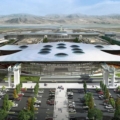
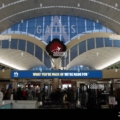
The airport features a modern passenger terminal designed to accommodate both domestic and international operations. Travelers can find airline check-in counters, baggage claim areas, immigration and customs services for international arrivals, dining options, retail shops, airport lounges, transportation services, and nearby hotel accommodations. With its strategic location and expanding aviation network, Davao Airport continues to strengthen tourism, trade, and economic development across Mindanao.
Davao Airport Quick Facts
| Airport Information | Details |
|---|---|
| Official Airport Name | Francisco Bangoy International Airport |
| Common Name | Davao Airport |
| IATA Airport Code | DVO |
| ICAO Airport Code | RPMD |
| Airport Type | International Public Airport |
| Country | Philippines |
| City Served | Davao City |
| Region | Davao Region, Mindanao |
| Airport Location | Barangay Sasa, Davao City |
| Distance from Davao City Center | Approximately 8–10 km (5–6 miles) |
| Airport Operator | Civil Aviation Authority of the Philippines (CAAP) |
| Airport Owner | Government of the Philippines |
| Time Zone | Philippine Time (PHT, UTC+8) |
| Elevation | Approximately 96 feet (29 meters) above sea level |
| Main Passenger Terminal | Single integrated passenger terminal |
| Domestic Flights | Yes |
| International Flights | Yes |
| Hub for Airlines | Cebu Pacific, Philippine Airlines, PAL Express |
| Runway | One asphalt runway capable of handling wide-body aircraft |
| Airport Services | Check-in counters, baggage claim, immigration, customs, ATMs, Wi-Fi, restaurants, lounges, retail shops, car rental, taxi services |
| Popular Destinations | Manila, Cebu, Clark, Iloilo, Cagayan de Oro, Singapore (seasonal/subject to airline schedules) |
Why Davao Airport Is Important
Davao Airport is the largest and busiest airport in Mindanao, serving as a critical transportation hub for both domestic and international travel. It supports tourism, agriculture, commerce, and business activities throughout southern Philippines while providing convenient air connectivity for millions of passengers every year.
The airport is particularly important for travelers visiting Davao City’s business districts, educational institutions, beaches, mountain resorts, and eco-tourism attractions. It also serves as the primary entry point for visitors heading to popular destinations such as Samal Island, Pearl Farm Beach Resort, Eden Nature Park, the Philippine Eagle Center, and other attractions across the Davao Region.
Who Uses Davao Airport?
Davao Airport welcomes a diverse range of travelers throughout the year, including:
- Domestic tourists exploring Mindanao.
- International visitors arriving in the southern Philippines.
- Business travelers attending conferences and corporate meetings.
- Overseas Filipino Workers (OFWs) traveling to and from Davao.
- Students and families visiting relatives.
- Travelers connecting to nearby islands and regional destinations.
Highlights of Davao Airport
Modern Passenger Terminal
The airport operates a spacious terminal equipped with modern passenger facilities, including airline check-in counters, security screening areas, baggage claim belts, immigration counters, comfortable waiting areas, and accessibility features.
Excellent Domestic Connectivity
Davao Airport offers frequent flights to major cities across the Philippines, making it one of the country’s most important domestic aviation hubs.
Gateway to Mindanao
As the main airport serving the Davao Region, it provides easy access to business centers, tourist attractions, beaches, mountain destinations, and neighboring provinces across Mindanao.
Convenient Ground Transportation
Passengers can easily travel between the airport and Davao City using airport taxis, ride-hailing services, private transfers, rental cars, hotel shuttles, and public transportation, ensuring convenient onward travel for both local and international visitors.
About Davao Airport
Francisco Bangoy International Airport, commonly known as Davao Airport, is the principal airport serving Davao City and the surrounding provinces of the Davao Region. It is one of the busiest airports in the Philippines and the busiest in Mindanao, handling millions of passengers each year. The airport connects southern Philippines with major domestic destinations while also supporting selected international services, making it an important gateway for tourism, business, trade, and regional development.
Located in Barangay Sasa, the airport is strategically positioned close to Davao City’s commercial districts, hotels, business centers, and tourist attractions. Its convenient location allows travelers to reach downtown Davao in approximately 20 to 30 minutes, depending on traffic conditions.
The airport has experienced significant growth over the years due to increasing passenger demand, expanding airline operations, and continuous improvements in infrastructure. Today, it serves both leisure and business travelers with modern facilities designed to provide a comfortable airport experience.
History of Davao Airport
The history of Davao Airport dates back to the early development of commercial aviation in Mindanao. Originally established as a small domestic airport, it gradually expanded as Davao City became an important economic and commercial center in southern Philippines.
The airport was later renamed Francisco Bangoy International Airport in honor of Francisco Bangoy, a respected public servant and former congressman from Davao. As passenger numbers continued to rise, the airport underwent several modernization projects to improve operational efficiency and accommodate larger aircraft.
Over the years, runway upgrades, terminal improvements, and enhanced passenger services have transformed the airport into one of the country’s leading regional aviation hubs.
Development and Expansion
To support growing passenger traffic and airline operations, Davao Airport has undergone continuous expansion and modernization. Infrastructure improvements have focused on increasing passenger capacity, improving terminal facilities, and enhancing operational safety.
Terminal Modernization
The passenger terminal has been upgraded to provide a more efficient travel experience with:
- Larger check-in areas
- Modern baggage handling systems
- Improved immigration and customs facilities
- Expanded departure lounges
- Additional commercial spaces
- Better passenger waiting areas
- Enhanced accessibility features
These improvements allow the airport to handle both domestic and international passengers more efficiently.
Runway Improvements
The airport’s runway has been strengthened and maintained to accommodate a wide range of aircraft, including narrow-body and wide-body commercial jets. Modern navigation equipment and air traffic management systems also help ensure safe and reliable flight operations throughout the year.
Future Development Plans
With passenger demand continuing to grow, additional airport development projects have been proposed to improve terminal capacity, upgrade facilities, enhance passenger comfort, and strengthen Davao Airport’s role as Mindanao’s primary aviation gateway.
Importance of Davao Airport
Davao Airport plays a significant role in connecting Mindanao with the rest of the Philippines and international destinations. It supports tourism, commerce, agriculture, education, healthcare, and investment by providing reliable air connectivity for residents and visitors.
The airport is particularly important for travelers visiting popular destinations across the Davao Region, including Samal Island, Tagum City, Mati, and nearby provinces.
Economic Contribution
The airport contributes significantly to the regional economy by supporting various industries, including:
| Sector | Contribution of Davao Airport |
|---|---|
| Tourism | Provides convenient access for domestic and international visitors. |
| Business | Supports corporate travel and investment opportunities across Mindanao. |
| Agriculture | Facilitates faster movement of agricultural products and related business activities. |
| Trade | Strengthens commercial connections between Davao and other Philippine cities. |
| Employment | Creates jobs through airlines, airport operations, retail businesses, transportation, and hospitality services. |
| Hospitality | Supports hotels, restaurants, tour operators, and local tourism businesses. |
Why Travelers Choose Davao Airport
Davao Airport is preferred by many travelers because of its efficient layout, modern facilities, and convenient access to the city. It serves as the primary gateway for exploring the natural attractions, cultural landmarks, and business opportunities of the Davao Region.
Some of the main reasons travelers choose Davao Airport include:
Convenient Location
The airport is situated close to Davao City’s central business district, making transfers to hotels, offices, shopping centers, and tourist attractions quick and convenient.
Strong Domestic Network
Frequent flights connect Davao with major cities such as Manila, Cebu, Clark, Iloilo, and Cagayan de Oro, offering travelers multiple daily travel options.
International Connectivity
The airport also supports international services, providing direct access to selected overseas destinations and convenient connections through major Philippine hubs.
Modern Passenger Facilities
Travelers benefit from a comfortable terminal equipped with restaurants, cafés, retail stores, ATMs, free Wi-Fi, charging stations, baggage services, airport lounges, and transportation options.
Interesting Facts About Davao Airport
Largest Airport in Mindanao
Davao Airport is the busiest airport in Mindanao in terms of passenger traffic and aircraft movements, making it one of the country’s most important regional airports.
Gateway to Southern Philippines
The airport serves as the main entry point for visitors exploring the Davao Region and nearby destinations, including Samal Island, Mount Apo, Eden Nature Park, and the Philippine Eagle Center.
Supports Domestic and International Travel
The airport handles both domestic and international flights, connecting Davao with key destinations across the Philippines and selected overseas markets.
Continuous Infrastructure Improvements
Ongoing modernization projects continue to improve passenger experience, operational efficiency, and the airport’s capacity to accommodate future growth in air travel.
Davao Airport Location
Davao Airport is located in Barangay Sasa, Davao City, Philippines. Its official name is Francisco Bangoy International Airport, and it serves as the main airport for Davao City and the surrounding areas of southeastern Mindanao.
The airport is positioned north of Davao City’s central business district and is accessible from major roads connecting Sasa, Buhangin, Lanang, and other parts of the city. Its location provides convenient access to hotels, shopping centres, business districts, seaports, and transport terminals.
Travel time between Davao Airport and central Davao City is usually around 20 to 40 minutes, depending on the destination, time of day, weather, and traffic conditions. Journeys may take longer during weekday rush hours and major public holidays.
Davao Airport Address and Location Details
| Location Information | Details |
|---|---|
| Official name | Francisco Bangoy International Airport |
| Common name | Davao Airport |
| Airport code | DVO |
| Airport location | Barangay Sasa, Davao City |
| Province/region | Davao Region |
| Island group | Mindanao |
| Country | Philippines |
| Approximate distance from central Davao City | Around 8–10 kilometres |
| Usual travel time to the city centre | Around 20–40 minutes |
| Nearby districts | Sasa, Lanang and Buhangin |
| Main road access | Carlos P. Garcia National Highway and nearby connecting roads |
| Map search term | Francisco Bangoy International Airport or Davao Airport DVO |
Where Is Davao Airport?
Davao Airport is situated in the northern part of Davao City. It is close to the Sasa and Lanang areas, which contain hotels, restaurants, shopping centres, offices, residential neighbourhoods, and transport connections.
The airport’s urban location makes it easier for passengers to reach different parts of the city without travelling a long distance. However, travel times can vary considerably because of traffic around major roads and commercial areas.
Passengers using online navigation tools can search for:
- Francisco Bangoy International Airport
- Davao International Airport
- Davao Airport DVO
- Davao Airport Sasa
- Davao City Airport
These search terms normally direct travellers to the main passenger terminal and airport entrance.
Distance from Davao Airport to Davao City
The approximate road distance from Davao Airport to central Davao City is between 8 and 12 kilometres, depending on the exact destination and route used.
| Destination | Approximate Travel Time | Common Transport Options |
|---|---|---|
| Davao City centre | 20–40 minutes | Taxi, ride-hailing service or private transfer |
| Lanang | 10–20 minutes | Taxi, ride-hailing service or hotel shuttle |
| Bajada | 20–35 minutes | Taxi, ride-hailing service or private vehicle |
| Matina | 30–50 minutes | Taxi, ride-hailing service or private transfer |
| Ecoland | 30–50 minutes | Taxi, ride-hailing service or private vehicle |
| Sasa Wharf | 10–20 minutes | Taxi, ride-hailing service or private transfer |
| Davao seaport area | 20–35 minutes | Taxi or private transfer |
The times shown are approximate. Passengers should allow additional time during peak traffic periods, heavy rain, roadworks, public events, and holiday travel seasons.
Nearby Areas and Landmarks
Several important neighbourhoods and commercial areas are located within a relatively short drive of Davao Airport.
Sasa
Sasa is the district where the airport is located. It provides access to local roads, residential areas, transport services, businesses, and the Sasa Wharf area.
Travellers continuing to Samal Island may pass through or travel near Sasa when heading toward a ferry or boat departure point.
Lanang
Lanang is one of the closest major commercial districts to Davao Airport. It has hotels, restaurants, shopping centres, offices, entertainment venues, and event facilities.
Many travellers choose accommodation in Lanang because it provides relatively convenient access to both the airport and the central parts of Davao City.
Buhangin
Buhangin is another nearby area with residential neighbourhoods, shops, local restaurants, schools, and road connections to other parts of the city.
Some affordable hotels, inns, guesthouses, and short-term accommodation options can be found around Buhangin and the surrounding districts.
Davao City Centre
Central Davao City contains government buildings, business establishments, shopping areas, restaurants, parks, hospitals, and cultural attractions. Passengers can reach the centre by taxi, private airport transfer, ride-hailing service, or a combination of public transport options.
How to Reach Davao Airport
Passengers can travel to Davao Airport using taxis, ride-hailing services, private transfers, hotel shuttles, rental cars, and public transport.
By Taxi
Taxis are widely used for journeys between Davao Airport and hotels, business districts, residential areas, and transport terminals. Passengers should confirm that the meter is being used or clarify the expected fare before starting the journey.
By Ride-Hailing Service
App-based ride-hailing services may operate in Davao City. Pickup procedures can change, so passengers should check the designated collection point shown in the app and follow airport signs.
By Private Airport Transfer
A pre-arranged private transfer is useful for first-time visitors, families, groups, business travellers, or passengers carrying several bags. The driver normally meets the passenger at an agreed location in or near the arrivals area.
By Hotel Shuttle
Some hotels near Davao Airport provide scheduled or request-based shuttle services. Availability, operating times, passenger limits, and additional charges vary by hotel and should be confirmed before arrival.
By Public Transport
Public transport may be available on roads outside or near the airport area. However, passengers may need to walk to a pickup point or change vehicles before reaching their final destination.
Travellers with heavy luggage, young children, mobility requirements, or late-night arrivals may find a taxi or pre-arranged transfer more practical.
Getting to Davao Airport from the City Centre
Travellers departing from central Davao City should leave sufficient time for road traffic, airport security, check-in, baggage drop, and possible queues.
During Normal Traffic
The journey may take approximately 20 to 35 minutes from many central locations.
During Peak Traffic
Travel time may increase to 40 minutes or longer, particularly during weekday mornings, late afternoons, evenings, public events, and holiday periods.
Before an Early-Morning Flight
Passengers should arrange transport in advance because public transport services may be limited and fewer vehicles may be available during the early hours.
Before an International Flight
International passengers should allow extra time for airline check-in, travel document checks, immigration, security screening, and boarding procedures.
Davao Airport Map and Navigation Tips
Using a digital map can help passengers estimate travel time, follow the correct road, and identify the most suitable entrance.
Search Using the Airport Code
Entering DVO Airport into a map or navigation application can help distinguish Davao Airport from hotels, businesses, and other places that use the word “airport” in their names.
Confirm the Passenger Terminal
Passengers should ensure that the selected map result leads to the main passenger terminal rather than an administrative office, cargo area, nearby hotel, or unrelated business.
Check Live Traffic Conditions
Traffic conditions can change quickly around Davao City. Checking the route before departure can help travellers identify congestion and leave earlier when necessary.
Save Important Details Offline
International visitors may not have mobile internet access immediately after landing. Saving the hotel address, transfer confirmation, airport location, and local contact information can make arrival easier.
Location Tips for First-Time Visitors
First-time passengers should keep the following points in mind:
- Use the airport code DVO when searching for flights or directions.
- Confirm whether airport pickup is included in the hotel reservation.
- Allow additional travel time during rush hour.
- Keep the complete accommodation address available for the driver.
- Use an official taxi queue or confirmed pickup area.
- Check ferry schedules separately when continuing to Samal Island.
- Avoid planning a tight connection between a flight and a ferry, bus, or onward transfer.
- Save important booking details before travelling.
- Confirm the correct terminal entrance with the airline or driver.
Davao Airport’s location within the city provides convenient access to many important districts. Planning the onward journey in advance can help passengers avoid delays and reach their hotel, ferry terminal, meeting point, or final destination more comfortably.
Davao Airport Terminal
Davao Airport operates a single modern passenger terminal that serves both domestic and international flights. Officially known as Francisco Bangoy International Airport, the terminal was designed to accommodate increasing passenger traffic while providing efficient airport services for travelers arriving in and departing from Davao City.
The terminal combines airline check-in facilities, immigration services, security screening, baggage claim areas, passenger waiting lounges, retail outlets, dining options, and transportation facilities under one roof. Its straightforward layout makes it relatively easy for first-time visitors to navigate between different airport services.
Although Davao Airport has one integrated passenger terminal, separate areas are designated for domestic and international operations to ensure smooth passenger processing.
Davao Airport Terminal Overview
| Terminal Information | Details |
|---|---|
| Number of Passenger Terminals | One integrated passenger terminal |
| Flight Operations | Domestic and International |
| Check-in Counters | Multiple airline-operated counters |
| Departure Areas | Separate domestic and international departure zones |
| Arrival Areas | Separate baggage claim and arrival halls |
| Immigration Services | Available for international passengers |
| Customs Inspection | Available for international arrivals |
| Security Screening | Required before entering departure areas |
| Accessibility | Elevators, ramps, wheelchairs, accessible restrooms |
| Passenger Facilities | Restaurants, cafés, retail stores, ATMs, lounges, Wi-Fi |
Passenger Terminal Layout
The passenger terminal is designed to provide a logical flow from entrance to boarding gates. Most travelers can easily move through the airport by following clearly marked directional signs available throughout the building.
Passengers generally follow these steps:
- Enter the terminal building.
- Proceed to airline check-in counters.
- Complete baggage drop (if applicable).
- Pass through security screening.
- Complete immigration procedures for international departures.
- Access the departure lounge.
- Wait at the assigned boarding gate.
- Board the aircraft.
Upon arrival, passengers move through immigration (for international flights), collect checked baggage, pass customs if required, and exit into the public arrivals area where transportation services are available.
Domestic Flight Terminal Services
Domestic flights account for the majority of passenger traffic at Davao Airport. Airlines operating domestic routes offer frequent services to major cities across the Philippines.
Check-in Facilities
Domestic passengers can complete:
- Airline check-in
- Self-service options (where available)
- Baggage drop
- Boarding pass collection
- Special assistance requests
Travelers are generally advised to arrive at least two hours before domestic departures to allow sufficient time for check-in and security procedures.
Security Screening
Before entering the departure lounge, all domestic passengers must undergo airport security screening, including:
- X-ray screening of carry-on baggage
- Walk-through metal detectors
- Additional inspection when required
Security procedures are designed to maintain passenger safety while minimizing delays.
Boarding Gates
After security screening, passengers enter the domestic departure lounge, where boarding gates are clearly displayed on airport information screens. Airlines typically announce boarding according to their individual procedures.
International Flight Facilities
Davao Airport also handles international operations, providing facilities that meet international aviation requirements.
Immigration Services
Passengers traveling on international flights complete immigration clearance before proceeding to their departure gate. Immigration officers verify travel documents, passports, visas (when required), and boarding passes.
Customs Services
International arriving passengers pass through customs inspection after collecting checked baggage. Customs officers may inspect luggage in accordance with Philippine customs regulations.
International Departure Lounge
International travelers have access to a dedicated departure waiting area equipped with seating, dining options, retail stores, charging points, and passenger amenities before boarding.
Arrival Facilities
Passengers arriving at Davao Airport can expect a well-organized arrival process designed to help them continue their journey efficiently.
Baggage Claim Area
Checked baggage is delivered through conveyor belts located inside the arrivals hall. Display screens indicate the appropriate baggage carousel for each arriving flight.
Arrival Hall
After exiting the secure area, passengers enter the public arrivals hall where they can access:
- Airport taxis
- Ride-hailing pick-up points
- Private transfers
- Hotel shuttle services
- Car rental counters
- Information desks
- Family and friends meeting areas
Check-in Counters
Airline check-in counters are located near the terminal entrance and are organized by airline. Flight information displays help passengers locate the correct counter quickly.
Services available at check-in include:
- Boarding pass issuance
- Checked baggage acceptance
- Seat selection (subject to airline policy)
- Travel document verification
- Special baggage processing
- Assistance for passengers with reduced mobility
Security and Passenger Screening
Passenger safety remains a priority at Davao Airport. Security screening is conducted before passengers enter restricted departure areas.
Carry-on Baggage Screening
All cabin baggage passes through X-ray screening equipment to ensure compliance with aviation security regulations.
Passenger Screening
Passengers walk through security scanners, and additional screening may be performed when necessary.
Restricted Items
Passengers should review airline baggage rules before arriving at the airport to avoid delays caused by prohibited or restricted items.
Passenger Waiting Areas
The departure lounges provide comfortable seating while passengers wait for boarding announcements.
Facilities available in the waiting areas may include:
- Seating areas
- Flight information displays
- Charging stations
- Restaurants and cafés
- Retail shops
- Free Wi-Fi access
- Restrooms
- Drinking water stations
Accessibility Features
The passenger terminal includes facilities designed to support travelers with reduced mobility and special requirements.
Wheelchair Assistance
Passengers requiring wheelchair assistance can request support through their airline before travel.
Elevators and Ramps
The terminal includes elevators and ramps to improve accessibility between different areas of the building.
Accessible Restrooms
Accessible restroom facilities are available throughout the passenger terminal.
Family Facilities
Families traveling with young children can access baby-changing facilities and comfortable waiting areas within the terminal.
Passenger Tips for Using the Terminal
Arrive Early
Allow sufficient time for check-in, baggage drop, security screening, and boarding procedures, particularly during holidays and peak travel periods.
Monitor Flight Information Screens
Regularly check airport information displays for updates regarding boarding gates, departure times, and any schedule changes.
Prepare Travel Documents
Keep passports, identification documents, boarding passes, and travel confirmations easily accessible throughout the airport process.
Follow Airport Signage
The terminal features clear directional signs leading passengers to airline counters, security checkpoints, immigration, baggage claim, transportation services, and airport exits.
Keep Essential Items Accessible
Store travel documents, medications, electronic devices, chargers, and valuables in your carry-on baggage to make security checks and boarding more convenient.
The modern passenger terminal at Davao Airport is designed to provide an efficient and comfortable travel experience for both domestic and international passengers. Its organized layout, essential passenger services, and accessibility features make it easier for travelers to move through the airport while beginning or ending their journey in Davao City.
Airlines Operating at Davao Airport
Davao Airport serves as one of the busiest aviation hubs in the Philippines, connecting Mindanao with major domestic cities and selected international destinations. Several full-service and low-cost airlines operate regular passenger flights from Francisco Bangoy International Airport, offering travelers a wide range of travel options for business, leisure, and connecting journeys.
The airport primarily handles domestic flights, with frequent services to Manila, Cebu, Clark, Iloilo, and other Philippine cities. Depending on airline schedules and market demand, international services are also available to selected overseas destinations.
Passengers are advised to check directly with their airline for the latest schedules, seasonal routes, baggage policies, and travel requirements before arriving at the airport.
Airlines Serving Davao Airport
| Airline | Flight Type | Popular Routes |
|---|---|---|
| Philippine Airlines (PAL) | Domestic & International | Manila, Cebu and selected international destinations |
| PAL Express | Domestic | Manila, Cebu, Clark and regional routes |
| Cebu Pacific | Domestic & International | Manila, Cebu, Clark, Iloilo and selected international destinations |
| Cebgo | Domestic | Regional destinations within the Philippines |
| Philippines AirAsia | Domestic | Manila and other selected domestic routes |
The airlines operating at Davao Airport may change or expand their services depending on passenger demand, seasonal schedules, and airline network planning.
Domestic Airlines
Domestic travel represents the majority of passenger traffic at Davao Airport. Multiple daily flights connect Davao City with key destinations across the Philippines, making it convenient for both business and leisure travelers.
Philippine Airlines (PAL)
Philippine Airlines is the country’s flag carrier and operates regular flights between Davao and several major cities. The airline offers both Economy Class and Business Class services on selected routes, along with onward connections through its domestic and international network.
Common services include:
- Multiple daily departures
- Connecting international flights via Manila
- Checked baggage options
- Frequent flyer benefits
- Premium passenger services
PAL Express
PAL Express operates regional and domestic flights on behalf of Philippine Airlines. It connects Davao with important cities while providing seamless transfers to the wider Philippine Airlines network.
Passengers traveling with PAL Express can often connect to international flights through Manila with a single booking.
Cebu Pacific
Cebu Pacific is one of the largest low-cost carriers in the Philippines and operates numerous daily flights from Davao Airport. The airline is popular among budget-conscious travelers due to its competitive fares and extensive domestic route network.
Passengers can choose from several optional services, including:
- Extra baggage allowance
- Seat selection
- Travel insurance
- In-flight meals
- Flexible booking options
Cebgo
Cebgo, a subsidiary of Cebu Pacific, provides regional domestic services connecting Davao with smaller airports across the country. These flights improve regional connectivity within Mindanao and nearby islands.
Philippines AirAsia
AirAsia operates selected domestic routes from Davao Airport, offering another affordable travel option for passengers flying within the Philippines. The airline is known for competitive pricing and regular promotional fares throughout the year.
International Airlines and Flights
Although Davao Airport primarily focuses on domestic operations, it also supports international flights to selected destinations. International services may vary depending on airline schedules, travel demand, and government aviation policies.
Travelers should always confirm current international routes before booking, as airlines periodically adjust their networks.
International Passenger Services
Passengers traveling internationally can access:
- Immigration counters
- Customs inspection
- International departure lounge
- Passport control
- Security screening
- Duty-free shopping (where available)
- Currency exchange facilities
Popular Domestic Destinations from Davao Airport
Davao Airport offers direct connections to many important cities throughout the Philippines.
| Destination | Flight Availability | Purpose of Travel |
|---|---|---|
| Manila | Multiple daily flights | Business, tourism and international connections |
| Cebu | Frequent daily services | Business, leisure and domestic transfers |
| Clark | Regular scheduled flights | Tourism and connecting flights |
| Iloilo | Scheduled services | Business and family travel |
| Cagayan de Oro | Regular domestic services | Regional travel |
| Bacolod | Selected flights | Tourism and business |
| Puerto Princesa | Seasonal or scheduled services | Tourism |
| Zamboanga | Domestic connections | Regional travel |
Routes and frequencies may change based on airline schedules and seasonal demand.
International Destinations
International services from Davao Airport may include direct or seasonal flights to selected overseas destinations.
| Destination | Typical Service |
|---|---|
| Singapore | Direct services (subject to airline schedules) |
| Other international destinations | Available through connecting flights via Manila, Cebu or Clark |
Many passengers also use Manila as a transfer point for long-haul international travel to Asia, Australia, Europe, the Middle East, and North America.
Airline Check-in Information
Passengers should check in according to their airline’s recommended arrival times.
Domestic Flights
For domestic departures, airlines generally recommend arriving at the airport at least two hours before the scheduled departure time.
International Flights
International passengers should normally arrive three hours before departure to allow sufficient time for document verification, immigration, baggage processing, and security screening.
Online Check-in
Most airlines operating at Davao Airport provide online check-in services through their websites or mobile apps. Online check-in can help reduce waiting times at the airport, especially for passengers traveling with carry-on baggage only.
Baggage Services
Each airline has its own baggage policy regarding:
- Cabin baggage allowance
- Checked baggage limits
- Excess baggage charges
- Oversized luggage
- Sports equipment
- Musical instruments
Passengers should review baggage rules before arriving at the airport to avoid additional fees or delays during check-in.
Connecting Flights from Davao Airport
Many travelers use Davao Airport to connect with domestic and international destinations through major Philippine aviation hubs.
Common connecting airports include:
- Ninoy Aquino International Airport (Manila)
- Mactan-Cebu International Airport
- Clark International Airport
These airports offer onward flights to destinations across Asia, the Middle East, Europe, Australia, and North America.
Tips for Flying from Davao Airport
Check Flight Status Before Leaving
Weather conditions, operational requirements, or airline scheduling changes may affect departure times. Checking your flight status before traveling to the airport can help avoid unnecessary waiting.
Review Baggage Allowance
Different airlines have different baggage policies. Confirm your allowance in advance, particularly if traveling with checked luggage or special equipment.
Keep Travel Documents Ready
Carry your identification, passport (for international flights), boarding pass, and travel confirmations in an easily accessible place throughout your journey.
Arrive Early During Peak Seasons
Holiday periods, weekends, and major festivals often increase passenger traffic. Allow extra time for check-in and security screening during these busy travel periods.
With multiple airlines, extensive domestic connectivity, and growing international services, Davao Airport offers travelers flexible flight options and convenient access to destinations across the Philippines and beyond.
Destinations Served by Davao Airport
Davao Airport provides direct air connections between Davao City and several major destinations in the Philippines. It also supports selected international services, although overseas routes may change according to airline planning, passenger demand, seasonal schedules, and government approvals.
Domestic flights form the largest part of the airport’s operations. Frequent services to major aviation hubs make it easier for passengers to reach other parts of the Philippines or connect to long-haul international flights.
Cebu Pacific confirms that it operates both domestic and international flights to and from Davao Airport. Philippine Airlines also includes Davao within its wider domestic and international network.
Davao Airport Route Overview
| Route Category | Main Travel Options |
|---|---|
| Major domestic routes | Manila, Cebu, Clark and other Philippine cities |
| Regional Philippine routes | Selected cities across Mindanao, the Visayas and Luzon |
| International services | Selected direct overseas routes, subject to current airline schedules |
| Connecting international routes | Connections through Manila, Cebu or Clark |
| Main passenger demand | Business, tourism, family visits and onward connections |
| Schedule frequency | Varies by airline, route, season and travel demand |
Domestic Destinations from Davao Airport
Davao Airport is an important domestic gateway, offering routes to key commercial and tourism centres across the Philippines.
Passengers can use direct services for point-to-point journeys or connect through larger hubs when travelling to destinations that do not have nonstop flights from Davao.
Davao to Manila
The Davao–Manila route is one of the airport’s most important domestic connections. Manila provides access to business districts, government offices, universities, medical centres, tourist attractions, and extensive onward flight connections.
Passengers connecting through Manila can travel to destinations across Asia, Australia, the Middle East, Europe, and North America.
The route is commonly used by:
- Business travellers
- Government employees
- Students
- Families
- International connecting passengers
- Overseas Filipino Workers
Because schedules and fares can vary throughout the day, passengers should compare departure times and check which Manila terminal their airline uses.
Davao to Cebu
Cebu is another major destination served from Davao Airport. The route is useful for both business and leisure travel and provides access to onward flights throughout the Visayas and other regions.
Travellers commonly use this route when visiting:
- Cebu City
- Mactan Island
- Bohol
- Dumaguete
- Iloilo
- Bacolod
- Other destinations in the central Philippines
Cebu may also serve as a practical alternative connection point for selected international journeys.
Davao to Clark
Flights between Davao and Clark provide access to Central Luzon and parts of northern Metro Manila. Clark International Airport also supports selected international services, allowing some passengers to avoid travelling through central Manila.
This route may be useful for travellers heading to:
- Angeles City
- Subic
- Pampanga
- Tarlac
- Northern Luzon
- International destinations served from Clark
Davao to Iloilo
Direct or scheduled services to Iloilo support travel between Mindanao and Western Visayas. The route is commonly used for business, education, family visits, and tourism.
Iloilo also offers onward access to nearby destinations such as Guimaras and other parts of Panay Island.
Davao to Cagayan de Oro
Air services between Davao and Cagayan de Oro may provide an alternative to long-distance road travel. Availability and frequency can vary, so passengers should check whether a direct flight operates on their chosen travel date.
Davao to Puerto Princesa
Flights to Puerto Princesa provide access to Palawan and its surrounding attractions. Current route availability may vary by season and airline schedule.
Passengers continuing to El Nido, Port Barton or other areas of Palawan should separately check onward transport times.
Davao to Boracay
Travellers heading to Boracay may fly to Caticlan or connect through another Philippine airport, depending on the schedule available.
AirAsia’s route information lists Davao and Caticlan-Boracay among searchable city pairs, although passengers should verify whether the selected itinerary is nonstop or includes a connection.
Popular Domestic Routes
| Route | Typical Travel Purpose | Onward Connection Opportunities |
|---|---|---|
| Davao to Manila | Business, tourism and international connections | Extensive domestic and international network |
| Davao to Cebu | Leisure, business and Visayas connections | Regional and selected international flights |
| Davao to Clark | Central and Northern Luzon travel | Selected international connections |
| Davao to Iloilo | Business, family visits and tourism | Guimaras and Panay Island |
| Davao to Puerto Princesa | Leisure and island tourism | Other parts of Palawan |
| Davao to Caticlan | Boracay holidays | Boat transfer to Boracay Island |
| Davao to Cagayan de Oro | Regional travel | Northern Mindanao destinations |
Routes shown in the table are examples of commonly searched or historically served journeys. Direct flight availability should always be confirmed for the intended travel date.
International Flights from Davao Airport
Davao Airport is classified as an international airport and includes immigration, customs, security, and passenger-processing facilities for overseas flights.
However, the number of direct international routes is usually smaller than its domestic network. Services may be introduced, suspended, resumed, or adjusted according to market conditions.
Davao to Singapore
Singapore has been one of the most notable international markets linked with Davao. Depending on current airline schedules, passengers may find direct services or connecting itineraries through Manila, Cebu, or another regional hub.
Singapore is an important connection point for travel to:
- Southeast Asia
- Australia
- Europe
- India
- The Middle East
- Other global destinations
Travellers should carefully check whether their itinerary is nonstop because booking platforms may also display one-stop or multi-stop options.
Other International Destinations
Search platforms may display journeys between Davao and destinations such as Kuala Lumpur, Seoul, Taipei, and Ho Chi Minh City. These results do not always indicate a nonstop service and may include one or more connections.
For example, AirAsia’s Davao destination page lists several domestic and international city pairs, including Kuala Lumpur, Singapore, Seoul and Taipei, but passengers must inspect the itinerary to confirm whether a direct flight operates on the selected date.
Direct and Connecting International Travel
Passengers departing from Davao have two main options for overseas journeys.
Direct International Flight
A direct flight is the simplest option when available. Passengers complete check-in, immigration, security, and boarding procedures at Davao Airport before flying to the overseas destination.
Connecting International Flight
When a nonstop route is unavailable, passengers can connect through:
- Manila
- Cebu
- Clark
- Singapore
- Another regional hub included in the itinerary
Connecting flights may offer more departure choices, but travellers should allow enough time for terminal changes, immigration procedures, baggage collection, and re-checking when required.
How to Check Current Destinations
Because airport routes can change, travellers should confirm services using reliable and current sources.
Check the Airline Website
The operating airline’s website provides the most relevant information about:
- Flight dates
- Departure times
- Route frequency
- Baggage allowance
- Fare conditions
- Travel requirements
- Schedule changes
Use the Airline Mobile App
Airline apps may provide live flight status, check-in options, boarding information, gate updates, and notifications.
Confirm Whether the Flight Is Direct
A route shown on a booking platform may include a connection even when it appears under the same city pair. Review the itinerary before payment and check:
- Number of stops
- Connection airport
- Total journey time
- Baggage transfer rules
- Terminal changes
- Visa or transit requirements
Recheck Before Travelling
Airline schedules may change after booking. Passengers should review their reservation again before leaving for the airport.
Flight Frequency and Seasonal Changes
Flight frequency at Davao Airport is influenced by:
- Passenger demand
- Public holidays
- School breaks
- Festivals
- Weather conditions
- Aircraft availability
- Airport maintenance
- Airline network decisions
Some routes operate several times each day, while others may run only on selected days or during particular seasons.
Choosing the Best Route
Choose a Direct Flight for Convenience
A nonstop service usually provides the simplest journey and reduces the risk of missed connections.
Compare Total Journey Time
A cheaper connecting flight may involve a much longer travel time. Compare the full itinerary rather than looking only at the ticket price.
Allow Enough Connection Time
When changing flights, allow sufficient time for delays, terminal transfers, security checks, immigration, and baggage procedures.
Check Baggage Arrangements
Passengers using separate tickets may need to collect their baggage and check it in again at the connecting airport.
Review Entry and Transit Rules
International travellers should check passport validity, visa requirements, immigration rules, and transit conditions before departure.
Travel Tips for Davao Airport Routes
- Confirm the current schedule directly with the airline.
- Check whether the flight is nonstop or connecting.
- Review the departure date carefully before payment.
- Compare baggage allowances between airlines.
- Arrive earlier during weekends and holiday periods.
- Allow additional time for international check-in and immigration.
- Monitor weather conditions during the rainy season.
- Keep onward flight details and accommodation information available.
- Avoid booking a tight connection on separate tickets.
- Recheck the flight status before travelling to the airport.
Davao Airport’s strong domestic network makes it an important gateway for travel across the Philippines. Its selected international services and connections through major hubs also give passengers access to a wider range of overseas destinations.
Davao Airport Arrivals, Departures and Flight Schedule
Davao Airport handles regular domestic flights and selected international services throughout the day. Passengers, people collecting arriving travellers, and those arranging onward transport should check the latest flight information before travelling to the airport.
Flight schedules can change because of weather, aircraft rotation, operational requirements, air traffic restrictions, or airline decisions. The most reliable information usually comes from the operating airline, the passenger’s booking confirmation, and the airport’s live flight information displays.
Flight Information Overview
| Flight Information | What Travellers Should Know |
|---|---|
| Arrivals | Check the airline, flight number, estimated arrival time and baggage claim information |
| Departures | Confirm check-in closing time, departure gate and boarding time |
| Domestic check-in | Arrive around two hours before departure |
| International check-in | Arrive around three hours before departure |
| Live updates | Use the airline website, mobile app or airport display screens |
| Possible schedule changes | Weather, operational issues, congestion and aircraft availability |
| Gate information | Confirm after security because gates may change |
| Baggage collection | Follow the baggage carousel shown on arrival screens |
| Delayed flights | Contact the airline for rebooking, assistance and updated departure information |
Davao Airport Arrivals
Passengers arriving at Davao Airport enter the arrivals area after leaving the aircraft. The exact process depends on whether the flight is domestic or international.
Domestic Arrival Process
Passengers arriving on a domestic flight generally follow these steps:
- Leave the aircraft and enter the terminal.
- Follow signs to the baggage claim area.
- Check the screen for the assigned baggage carousel.
- Collect checked luggage.
- Report missing or damaged baggage before leaving the secure area.
- Exit into the public arrivals hall.
- Continue by taxi, ride-hailing vehicle, private transfer, hotel shuttle or rental car.
Passengers travelling with cabin baggage only can usually proceed directly toward the public arrivals area after leaving the aircraft.
International Arrival Process
International arrivals usually complete additional border and customs procedures.
The normal process includes:
- Proceeding to immigration.
- Presenting a passport and other required travel documents.
- Collecting checked baggage.
- Completing customs procedures.
- Declaring restricted or taxable goods when necessary.
- Leaving the secure area through the arrivals hall.
International passengers should keep their passport, arrival documentation, accommodation address and onward travel information accessible.
Immigration at Davao Airport
Immigration counters process passengers arriving from or departing for international destinations. Processing times can vary depending on the number of flights, passenger volume and document requirements.
Documents Passengers May Need
International travellers may be asked to present:
- A valid passport
- A visa, when required
- A confirmed return or onward ticket
- Accommodation information
- Supporting travel documents
- Completed arrival or departure forms, where applicable
Entry requirements vary according to nationality, travel purpose and current government rules. Travellers should confirm the applicable requirements before departure.
Immigration Tips
To make the process easier:
- Keep travel documents together.
- Check passport validity before travelling.
- Complete required forms in advance when possible.
- Follow the signs for the correct immigration queue.
- Avoid using a mobile phone while speaking with an officer.
- Answer questions clearly and accurately.
- Keep onward transport and hotel details available.
Baggage Claim
Baggage claim areas are located after the arrival route inside the terminal. Information screens show which carousel is assigned to each flight.
Collecting Checked Baggage
Passengers should check the baggage tag before leaving the carousel area, especially when several bags look similar.
It is helpful to:
- Add a visible luggage tag.
- Keep the baggage receipt issued at check-in.
- Check the bag for damage.
- Count all luggage before leaving.
- Report a missing bag immediately.
Missing or Damaged Luggage
Passengers should contact the airline’s baggage assistance desk before leaving the secure arrivals area.
The airline may request:
- Boarding pass
- Baggage tag
- Flight number
- Description of the luggage
- Contact information
- Delivery address
- Photographs of damage
Leaving the airport before reporting the problem may make the claim process more difficult.
Meeting Arriving Passengers
Friends, relatives and drivers waiting for an arriving passenger should confirm the flight number rather than relying only on the scheduled time.
Arrival times can change, and a flight may land early or late.
Where to Wait
People collecting passengers should use the designated public meeting or pickup areas outside the secure arrivals zone.
They should:
- Monitor live flight status.
- Keep their mobile phone available.
- Agree on a clear meeting point.
- Allow time for baggage claim and immigration.
- Avoid blocking terminal entrances or vehicle lanes.
International passengers may take longer to exit because they must complete immigration, baggage collection and customs procedures.
Davao Airport Departures
Passengers departing from Davao Airport should arrive early enough to complete check-in, baggage drop, security screening and boarding.
International travellers must also complete immigration and document checks.
Domestic Departure Process
A typical domestic departure includes:
- Entering the terminal.
- Showing identification and flight details where required.
- Proceeding to the airline check-in counter.
- Dropping off checked baggage.
- Passing through security screening.
- Entering the domestic departure lounge.
- Checking the assigned gate.
- Boarding when called.
Passengers who have checked in online may still need to visit a counter if they have checked baggage, require document verification, or need special assistance.
International Departure Process
International passengers generally follow these steps:
- Check in with the airline.
- Present a passport and required travel documents.
- Drop off checked baggage.
- Complete applicable airport or travel formalities.
- Pass immigration.
- Complete security screening.
- Proceed to the international departure lounge.
- Monitor gate and boarding announcements.
- Board the aircraft.
International check-in may take longer because airlines must verify passports, visas, onward tickets and destination-entry requirements.
Recommended Airport Arrival Times
| Flight Type | Recommended Arrival Time |
|---|---|
| Domestic flight | Around 2 hours before departure |
| International flight | Around 3 hours before departure |
| Peak holiday travel | Add at least 30–60 minutes |
| Group travel | Arrive earlier for coordinated check-in |
| Passenger requiring assistance | Contact the airline in advance and arrive early |
| Oversized or special baggage | Allow extra time for processing |
These are general recommendations. Passengers should follow the specific instructions provided by their airline.
Airline Check-in
Check-in opening and closing times differ by airline and route. Arriving before the recommended time does not guarantee boarding if a passenger misses the airline’s final check-in or boarding deadline.
Check-in Counter
Passengers may need to use the counter for:
- Boarding pass issuance
- Checked baggage
- Passport verification
- Visa inspection
- Infant travel documents
- Special baggage
- Wheelchair assistance
- Seat or booking issues
Online Check-in
Online check-in may allow passengers to select a seat, receive a boarding pass and reduce time spent at the counter.
However, online check-in does not remove the need to:
- Arrive before the deadline
- Complete baggage drop
- Pass security
- Complete immigration
- Be at the gate before boarding closes
Security Screening
All departing passengers must pass through airport security before entering restricted gate areas.
Passengers are usually required to:
- Place cabin baggage on the X-ray belt.
- Remove restricted liquids or prohibited items.
- Place metal objects in a screening tray.
- Remove electronic devices if instructed.
- Pass through a passenger scanner.
- Cooperate with any additional inspection.
Rules for liquids, batteries, power banks, sharp objects and other restricted items can differ by airline and destination. Travellers should review the relevant policy before packing.
Boarding Gates and Departure Screens
After completing security and immigration procedures, passengers should check the terminal display screens for:
- Flight number
- Destination
- Scheduled departure
- Updated departure
- Boarding gate
- Boarding status
- Delay or cancellation information
Gate assignments can change. Passengers should continue checking the screen even after reaching the departure lounge.
Boarding Time
Boarding normally begins before the scheduled departure time and closes before the aircraft leaves.
Passengers should not wait until the departure time to go to the gate. A traveller who arrives after boarding closes may be denied boarding even if the aircraft is still visible.
Davao Airport Flight Schedule
The Davao Airport flight schedule includes departure and arrival times for domestic and international services. Routes and frequencies may change by season, day of the week and airline.
A schedule may show:
- Airline name
- Flight number
- Origin or destination
- Scheduled time
- Estimated time
- Gate
- Flight status
How to Check the Latest Flight Schedule
Airline Website
The airline website is useful for confirming whether a flight is scheduled and whether its time has changed.
Passengers should search using:
- Departure airport: Davao or DVO
- Destination
- Travel date
- Flight number
Airline Mobile Application
Mobile applications may provide:
- Live flight status
- Check-in notifications
- Gate changes
- Delay alerts
- Boarding reminders
- Booking management
Booking Confirmation
Passengers should review their latest booking email or electronic itinerary. Airlines may send an updated itinerary when a flight time changes.
Airport Information Displays
Screens inside the terminal provide current information for flights operating that day. These screens should be treated as the main reference for the latest gate and boarding status after arriving at the airport.
Flight Status Terms Explained
| Status | Meaning |
|---|---|
| Scheduled | The flight is planned to operate at the listed time |
| On time | No significant delay is currently expected |
| Delayed | Departure or arrival is later than scheduled |
| Boarding | Passengers should proceed to the assigned gate |
| Final call | Boarding is about to close |
| Departed | The aircraft has left the airport |
| Arrived | The aircraft has landed |
| Cancelled | The flight will not operate as planned |
| Diverted | The aircraft has landed at a different airport |
Delayed Flights
Flight delays can occur because of weather, late aircraft arrival, air traffic restrictions, technical inspections, crew availability or airport congestion.
Passengers experiencing a delay should:
- Monitor airline notifications.
- Check the departure screens.
- Stay near the assigned gate.
- Confirm whether meal or rebooking assistance is available.
- Inform transport providers or hotels.
- Avoid leaving the terminal without checking with the airline.
Cancelled Flights
When a flight is cancelled, the airline may provide rebooking, travel credit, refund options or passenger assistance depending on the ticket conditions and reason for cancellation.
Passengers should contact the operating airline rather than the airport for:
- Rebooking
- Refund requests
- Alternative flights
- Hotel assistance
- Baggage arrangements
- Missed connections
Weather and Flight Operations
Davao’s tropical weather can affect flight schedules, particularly during periods of heavy rain, thunderstorms, strong winds or reduced visibility.
Weather at the destination or at the aircraft’s previous airport can also cause delays, even when conditions in Davao appear normal.
Travellers should check flight status before leaving their hotel or home during severe weather.
Peak Travel Periods
The airport may be busier during:
- Christmas and New Year
- Holy Week
- School holidays
- Long weekends
- Major festivals
- Friday and Sunday travel periods
- Early-morning and evening departure waves
Passengers travelling during these periods should allow additional time for road traffic, check-in, security and baggage processing.
Practical Flight Information Tips
Use the Flight Number
Different flights may operate to the same destination. The flight number is the most accurate way to track a specific service.
Check More Than Once
Check the schedule when booking, one day before travel and again before leaving for the airport.
Keep Contact Details Updated
Make sure the airline has the correct email address and mobile number so that it can send schedule-change notifications.
Confirm Connections Carefully
Passengers with onward flights should check whether their baggage is transferred automatically and whether they need to change terminals or complete immigration.
Keep Essential Items in Cabin Baggage
Carry important items such as medication, documents, chargers, valuables and basic clothing in cabin baggage in case checked luggage is delayed.
Davao Airport’s arrivals and departures process is straightforward when passengers arrive early, prepare the required documents and regularly check flight updates. Confirming the latest schedule directly with the airline can reduce confusion and help travellers respond quickly to delays, gate changes or cancellations.
Davao Airport Facilities and Passenger Services
Davao Airport provides a range of essential facilities designed to support domestic and international passengers before departure, during connections, and after arrival. The terminal includes practical services such as seating areas, restrooms, ATMs, food outlets, retail stores, baggage assistance, information counters, accessibility support, and transport facilities.
The availability and operating hours of individual services may vary according to flight schedules, terminal operations, maintenance, and passenger demand. Travellers should confirm time-sensitive services directly with the airport, airline, or relevant provider before relying on them.
Airport Facilities Overview
| Facility or Service | Availability | Useful For |
|---|---|---|
| Passenger seating | Available in public and departure areas | Waiting before check-in or boarding |
| Flight information screens | Available throughout the terminal | Checking gates, delays and boarding status |
| Information counters | Available in designated terminal areas | General airport guidance |
| Wi-Fi | May be available in passenger areas | Messaging, browsing and travel updates |
| Charging points | Available in selected locations | Charging phones and small electronic devices |
| ATMs | Available within or near the terminal | Cash withdrawals |
| Currency exchange | Availability may be limited | International travellers |
| Restaurants and cafés | Available in selected areas | Meals, snacks and drinks |
| Retail shops | Available within the terminal | Travel essentials and souvenirs |
| Duty-free shopping | Available for eligible international passengers where operating | Tax-free products |
| Restrooms | Available throughout the terminal | General passenger use |
| Accessible facilities | Available in key passenger areas | Travellers with reduced mobility |
| Medical support | Basic assistance may be available | Minor medical concerns or emergencies |
| Lost and found | Managed through airport or airline personnel | Missing personal belongings |
| Baggage assistance | Available through airlines or ground handlers | Delayed, missing or damaged luggage |
| Car rental | Available through selected providers | Independent onward travel |
| Taxi and transfer areas | Located outside the arrivals zone | Transport to Davao City and nearby destinations |
Airport Information Counters
Information counters can assist passengers who need help finding terminal facilities, airline counters, transportation points, baggage services, restrooms, or departure gates.
Airport personnel may also provide general guidance regarding:
- Terminal directions
- Airline counter locations
- Passenger pickup areas
- Lost property procedures
- Accessibility services
- Ground transportation
- Public facilities
- Airport announcements
For airline-specific matters such as rebooking, baggage allowance, refunds, seat changes, or flight cancellation, passengers should contact the airline directly.
Wi-Fi at Davao Airport
Wi-Fi may be available in selected areas of the passenger terminal. It can help travellers check flight updates, contact family members, confirm hotel reservations, arrange onward transport, and access digital boarding passes.
Connection speed and coverage may vary depending on passenger volume and location inside the building.
Tips for Using Airport Wi-Fi
Passengers should:
- Confirm that they are connecting to an official network.
- Avoid entering sensitive banking information on an unsecured connection.
- Use mobile data for important transactions where possible.
- Keep offline copies of boarding passes and booking confirmations.
- Download maps and hotel addresses before travelling.
- Carry a portable charger in case device power is low.
International passengers should not rely entirely on airport Wi-Fi, especially when arranging urgent transport after landing.
Charging Stations
Charging points may be available in waiting areas, departure lounges, or near seating zones. The number of available sockets can be limited during busy periods.
Travellers should carry:
- A compatible charging cable
- A wall adapter
- A power bank that meets airline rules
- A plug adapter when required
Power banks must normally be carried in cabin baggage rather than checked luggage. Passengers should review their airline’s battery restrictions before travel.
ATMs and Banking Services
ATMs are available within or near Davao Airport, allowing passengers to withdraw Philippine pesos for transportation, food, tips, and other expenses.
ATM Tips
Before withdrawing cash:
- Check whether the machine displays additional fees.
- Use an ATM located in a visible, well-used area.
- Keep the card and receipt secure.
- Avoid accepting help from strangers.
- Inform the bank about international travel if necessary.
- Keep small notes for taxis and local purchases.
Some international cards may not work with every machine, so travellers should carry a backup payment method.
Currency Exchange
Currency exchange services may be available, but opening hours and currency selection can be limited.
International visitors may prefer to:
- Withdraw local currency from an ATM.
- Exchange a small amount at the airport.
- Compare rates before exchanging a large sum.
- Keep a bank card as a backup.
- Confirm whether their hotel or bank offers exchange services.
Passengers should avoid carrying more cash than necessary.
Restrooms and Washroom Facilities
Restrooms are located throughout the passenger terminal, including public areas, departure lounges, and arrival zones.
Facilities may include:
- Standard toilets
- Accessible cubicles
- Handwashing areas
- Baby-changing facilities
- Toilets near boarding gates
- Restrooms in the arrivals area
Passengers should use restroom facilities before boarding because access may be restricted during some stages of passenger processing.
Drinking Water
Drinking-water facilities may be available in selected parts of the terminal. Travellers can carry an empty reusable bottle through security and refill it after screening where a suitable station is available.
Passengers should not assume that every departure area has an accessible refill point. Purchasing bottled water after security may be necessary.
Medical Services and First Aid
Basic medical assistance may be available for passengers who feel unwell or experience a minor injury inside the terminal.
Airport staff can help contact medical personnel or emergency services when needed.
Passengers Carrying Medication
Travellers should:
- Keep essential medication in cabin baggage.
- Carry prescriptions or supporting documents where required.
- Pack enough medicine for the journey and possible delays.
- Store temperature-sensitive medicine correctly.
- Follow airline rules for liquid medication and needles.
- Inform the airline in advance about medical equipment.
Passengers with serious health conditions should consult a medical professional before flying.
Lost and Found
Personal belongings may be lost at security checkpoints, waiting areas, restrooms, airline counters, restaurants, shops, baggage claim, or transport pickup points.
The correct contact depends on where the item was lost.
Items Lost Inside the Terminal
Passengers should contact airport staff or the airport’s lost-property service and provide:
- A detailed description
- Date and approximate time
- Area where the item was last seen
- Flight number
- Contact information
- Identifying marks
- Photographs or proof of ownership, if available
Items Lost on the Aircraft
Items left on an aircraft are usually handled by the airline or its ground-services provider. Passengers should contact the operating airline as soon as possible.
Lost Checked Baggage
Missing checked luggage must be reported to the airline’s baggage desk before leaving the arrivals area.
Baggage Services
Airlines and their ground-handling partners manage checked baggage at Davao Airport.
Available assistance may include:
- Missing baggage reports
- Damaged baggage claims
- Baggage tracing
- Oversized luggage handling
- Special equipment processing
- Wheelchair and mobility-aid handling
Baggage Wrapping and Storage
Baggage-wrapping or luggage-storage services may not always be available. Travellers should verify current availability before depending on these facilities.
Passengers with long waits may find it more practical to use luggage storage offered by their hotel or another confirmed provider.
Special and Oversized Baggage
Passengers travelling with sports equipment, musical instruments, baby strollers, mobility aids, fragile items, or oversized luggage should contact their airline before departure.
Airline approval may be required for:
- Surfboards
- Bicycles
- Golf equipment
- Diving gear
- Large musical instruments
- Wheelchairs
- Medical devices
- Boxes or unusual luggage
Additional fees and special packing requirements may apply.
Passenger Assistance
Passengers who need additional support should request assistance from the airline before the day of travel.
This may include help for:
- Travellers with reduced mobility
- Senior citizens
- Passengers with visual or hearing impairments
- Unaccompanied minors
- Pregnant travellers
- Passengers with medical conditions
- Families with young children
Advance notice gives the airline and airport team more time to arrange the required support.
Wheelchair Services
Wheelchair assistance can normally be requested through the airline. Depending on the passenger’s needs, support may be provided from the terminal entrance to check-in, security, the departure gate, or the aircraft.
Passengers should explain whether they can:
- Walk short distances
- Climb aircraft stairs
- Transfer independently
- Use a standard airport wheelchair
- Travel with their own mobility equipment
Travellers using battery-powered wheelchairs should provide battery details before departure.
Family Facilities
Davao Airport serves many families travelling with infants and children. Useful facilities may include family waiting areas, accessible restrooms, baby-changing spaces, food outlets, and airline assistance.
Tips for Families
Families should:
- Arrive early.
- Keep snacks and essential baby supplies in cabin baggage.
- Carry spare clothing.
- Confirm stroller-handling rules with the airline.
- Keep children’s travel documents accessible.
- Use a clear meeting plan if family members become separated.
- Bring quiet activities for waiting periods.
Prayer and Quiet Areas
A prayer room or designated quiet space may be available within the terminal. Facilities and access conditions can change, so passengers should ask airport staff for the current location.
Travellers should respect posted rules and other users of the space.
Smoking Areas
Smoking is normally restricted inside airport buildings. Passengers should use only officially designated smoking areas where available.
Leaving the secure departure area to smoke may require passengers to pass through security again. International travellers should also consider immigration and boarding deadlines before leaving a controlled zone.
Mobile Phone and SIM Services
SIM cards or mobile-phone services may be available at selected retail points, though availability cannot be guaranteed at all times.
International travellers may arrange mobile access through:
- A local prepaid SIM
- An international roaming plan
- An eSIM
- Airport or hotel Wi-Fi
Passengers should compare data limits, network coverage, activation requirements, and validity periods before purchasing.
Information for Business Travellers
Business travellers may find airport Wi-Fi, charging points, waiting areas, lounges, cafés, and nearby hotels useful for working between flights.
To remain productive, travellers should carry:
- A charged laptop
- A portable power bank
- Offline copies of important files
- A mobile hotspot or data plan
- Headphones
- A backup charging cable
Sensitive business activity should not be conducted over an unsecured public network.
Passenger Comfort Tips
Carry Essential Items
Keep medication, documents, chargers, valuables, and one change of clothing in cabin baggage.
Dress for Air-Conditioned Areas
The terminal may feel cool compared with the outdoor climate. A light jacket can be useful during longer waits.
Bring a Reusable Bottle
An empty bottle can be carried through security and filled later where a drinking-water station is available.
Keep Small Cash Amounts
Cash may be useful for smaller purchases, transportation, and services where card payment is unavailable.
Monitor Boarding Information
Facilities can distract passengers during longer waits. Continue checking screens and listen for airline announcements.
Davao Airport provides the main services required for a comfortable journey, but availability may differ by terminal area and time of day. Travellers can reduce inconvenience by arriving prepared, keeping essential items accessible, and confirming important facilities in advance.
Restaurants, Cafés and Shopping at Davao Airport
Davao Airport offers a selection of food outlets, cafés, snack counters, convenience stores, souvenir shops, and retail services for passengers waiting for their flights. Dining options are available in selected public and departure areas of the terminal, although the number of outlets and their opening hours may vary according to flight schedules and passenger demand.
Travellers can usually find simple Filipino meals, rice dishes, grilled food, coffee, pastries, snacks, bottled drinks, and takeaway items. Recent airport guides also describe several casual eateries and souvenir shops inside the terminal, while individual businesses may change over time.
Passengers with dietary requirements, late-night departures, or early-morning flights should not assume that every restaurant will be open. Carrying a small snack or eating before arriving at the airport can be helpful.
Dining and Shopping Overview
| Facility | Typical Options | Best For |
|---|---|---|
| Restaurants | Filipino dishes, rice meals and grilled food | Full meals before departure |
| Cafés | Coffee, tea, pastries and light snacks | Short waits and refreshments |
| Snack counters | Sandwiches, packaged food and drinks | Quick takeaway purchases |
| Convenience stores | Water, snacks and travel essentials | Last-minute needs |
| Souvenir shops | Local products, gifts and Davao-themed items | Gifts and keepsakes |
| Duty-free retail | Selected products for eligible international passengers | International travel purchases |
| Nearby restaurants | Local and international dining outside the terminal | Longer waits or hotel stays |
Restaurants at Davao Airport
Passengers can find casual dining options in or near the terminal. These outlets generally focus on quick service because many customers are travelling on a limited schedule.
Available meals may include:
- Filipino rice dishes
- Grilled meat and seafood
- Noodles
- Soups
- Sandwiches
- Breakfast meals
- Light international dishes
- Packaged takeaway food
A recent facilities guide mentions outlets such as Suka at Sili Bar and Grill, Solomon’s Den, and Air Can-Anan, but airport businesses can close, relocate, or change their operating hours. Travellers should check what is currently open after entering the terminal.
Filipino Food
Local food outlets may serve familiar Filipino meals that are convenient for passengers looking for a filling meal before boarding.
Common choices may include:
- Rice with grilled meat
- Chicken dishes
- Pork dishes
- Seafood
- Noodles
- Local breakfast combinations
- Soups and snacks
Menus and prices vary between businesses.
Quick Meals
Passengers with limited time should choose food that can be prepared and served quickly. Takeaway meals may be useful when boarding is expected to begin soon, although passengers should confirm whether food can be brought into the gate area or onto the aircraft.
Cafés and Coffee Shops
Cafés inside Davao Airport provide coffee, tea, cold drinks, pastries, and light refreshments. They are useful for passengers working, meeting someone, or waiting between check-in and boarding.
Some airport guides mention cafés such as R and R’s Cuppa Lounge, Sky Go Cafe, and A’Den Cafe. These names should be treated as examples rather than a permanent directory because terminal concessions can change.
Typical Café Items
Passengers may find:
- Hot coffee
- Iced coffee
- Tea
- Fruit drinks
- Soft drinks
- Pastries
- Cakes
- Sandwiches
- Packaged snacks
Some cafés may also serve products inspired by Davao’s local food culture, including durian-flavoured drinks or desserts.
Food Before Security
Public terminal areas may have food and drink outlets that can be used by passengers, drivers, family members, and people waiting for arriving travellers.
Eating before security can be practical when:
- The departure area has limited choices.
- The passenger has a long check-in wait.
- Family members are accompanying the traveller.
- The flight departs very early or late.
- The passenger wants a larger meal.
Passengers should still allow sufficient time to complete security and reach the gate.
Food After Security
Selected cafés, snack counters, or restaurants may operate within secure departure areas. These are convenient for passengers who have already completed screening.
However, availability may differ between domestic and international departure zones.
Before ordering, passengers should:
- Check the boarding time.
- Confirm the gate location.
- Listen for announcements.
- Avoid ordering a meal that may take too long.
- Keep travel documents nearby.
- Return to the gate before boarding begins.
Early-Morning and Late-Night Dining
Food choices may be more limited during very early or late operating periods. Some outlets may open according to the day’s flight programme rather than remaining open continuously.
Travellers on early-morning or late-night flights should consider:
- Eating before leaving the hotel.
- Carrying permitted snacks.
- Buying water after security.
- Confirming whether the airline serves food.
- Checking lounge access where available.
- Asking the hotel to prepare a packed meal.
Food Prices at the Airport
Airport food may cost more than similar meals elsewhere in Davao City because businesses operate inside a controlled terminal environment.
The total cost depends on:
- Type of outlet
- Meal size
- Brand
- Location before or after security
- Packaged or freshly prepared food
- Additional drinks or snacks
Budget-conscious travellers can eat before reaching the airport or bring suitable food that complies with security and airline restrictions.
Dietary Requirements
Passengers with allergies, religious dietary requirements, vegetarian preferences, or medical diets should plan ahead because specialist options may be limited.
Vegetarian Travellers
Possible choices may include:
- Plain rice
- Vegetable dishes
- Bread and pastries
- Fruit
- Salads
- Noodles without meat
- Packaged snacks
Passengers should ask whether sauces or broths contain meat or seafood.
Food Allergies
Travellers with serious allergies should not rely solely on verbal descriptions. Cross-contact can occur in small kitchens or shared preparation areas.
They should:
- Carry suitable emergency medication.
- Bring safe snacks.
- Explain the allergy clearly.
- Check packaged-food labels.
- Avoid uncertain ingredients.
- Inform the airline when necessary.
Halal Food
Halal-certified food may not be available at every outlet. Muslim passengers should ask staff about ingredients and certification before ordering.
Shopping at Davao Airport
Retail shops inside the terminal may sell travel necessities, packaged food, souvenirs, local products, and small gifts.
The airport is not a large shopping destination, but its shops can be useful for last-minute purchases.
Travel Essentials
Passengers may be able to purchase items such as:
- Bottled water
- Packaged snacks
- Toiletries
- Tissues
- Face masks
- Basic medicines
- Mobile accessories
- Charging cables
- Reading material
- Small travel products
Availability varies, so essential medication and important travel items should be purchased before arriving at the airport.
Souvenirs and Local Products
Souvenir stores may offer products connected with Davao and Mindanao.
Common gift ideas may include:
- Davao-branded items
- Local handicrafts
- Keychains and magnets
- Shirts and bags
- Packaged sweets
- Coffee products
- Fruit-based products
- Locally made snacks
Some travellers look for durian products, chocolates, coffee, or other regional specialities before leaving Davao.
Carrying Food Products
Passengers should confirm whether food products can be taken:
- Through airport security
- In cabin baggage
- In checked luggage
- Into the destination country
Fresh fruit, meat, plants, and agricultural products may be restricted by customs or quarantine rules.
Duty-Free Shopping at Davao Airport
Duty-free shopping may be available to eligible international passengers where an authorised outlet is operating. The selection is generally expected to be smaller than at major international hubs.
Products may include:
- Fragrances
- Cosmetics
- Chocolates
- Packaged food
- Tobacco products
- Selected beverages
- Gifts
The exact range, prices, and operating hours can change.
Who Can Use Duty-Free Shops?
Access normally depends on:
- International passenger status
- Location of the outlet
- Passport and boarding pass
- Customs allowances
- Destination rules
Domestic passengers may not be eligible to purchase products sold under international duty-free conditions.
Duty-Free Allowances
A product being sold duty-free does not automatically mean that an unlimited quantity can be carried into another country.
Passengers should check:
- Customs allowances at the destination
- Age restrictions
- Liquid limits
- Tobacco allowances
- Alcohol allowances
- Rules for connecting airports
- Required receipts
Goods above the permitted allowance may need to be declared and taxed.
Payment Methods
Airport shops and restaurants may accept a combination of:
- Philippine pesos
- Credit cards
- Debit cards
- Mobile payments
- Selected international cards
Not every outlet will accept every payment method. Passengers should keep a small amount of cash as a backup.
International travellers should check whether their bank charges foreign transaction fees.
Shopping Tips for Travellers
Buy Essentials Before Security When Possible
Public-area shops may provide more time and flexibility, especially when the passenger has not yet entered a restricted zone.
Keep Receipts
Receipts can be helpful for duty-free purchases, customs declarations, returns, or damaged products.
Check Cabin Baggage Limits
A shopping bag may count toward the airline’s cabin baggage allowance.
Avoid Large Last-Minute Purchases
Bulky products can be difficult to carry and may create problems during boarding or connecting flights.
Confirm Food Restrictions
Fresh and agricultural products may be restricted at the destination.
Restaurants Near Davao Airport
Travellers with several hours before departure or an overnight stay may find a wider dining selection in nearby areas such as Sasa, Buhangin, and Lanang.
Nearby options can include:
- Hotel restaurants
- Filipino restaurants
- Fast-food outlets
- Chinese restaurants
- Cafés
- Bakeries
- Shopping-centre food courts
A number of restaurants and cafés operate near the airport, but travellers should consider traffic, security processing, and check-in deadlines before leaving the terminal area.
Tips for Eating Outside the Airport
Passengers should:
- Leave enough time to return.
- Check traffic conditions.
- Keep luggage secure.
- Confirm restaurant opening hours.
- Arrange reliable transportation.
- Avoid travelling far before an international flight.
- Return before the airline’s check-in deadline.
Practical Dining and Shopping Tips
- Eat before arriving when travelling very early or late.
- Carry a permitted snack for unexpected delays.
- Refill or purchase water after security.
- Check prices before ordering.
- Inform staff about food allergies.
- Do not leave the boarding area for a meal close to departure.
- Keep receipts for duty-free products.
- Confirm customs restrictions before buying food.
- Keep local cash for small purchases.
- Monitor boarding announcements while dining.
Davao Airport provides enough dining and retail options for basic passenger needs, but the selection is more limited than at a major international hub. Travellers who plan ahead, particularly those with dietary requirements or unusual flight times, can avoid unnecessary inconvenience.
Davao Airport Lounge
Davao Airport offers lounge facilities where eligible passengers can relax before their flight in a quieter and more comfortable environment. Airport lounges are designed for travelers who want additional comfort while waiting for boarding, providing seating, refreshments, workspaces, charging facilities, and other passenger services.
Lounge access depends on factors such as airline membership, travel class, lounge membership programs, or the purchase of a day pass where available. Since lounge operators, access policies, and opening hours may change, passengers should confirm availability before arriving at the airport.
Davao Airport Lounge Overview
| Feature | Details |
|---|---|
| Lounge Availability | Yes, selected passenger lounges |
| Access | Airline eligibility, lounge membership or paid entry (where available) |
| Main Users | Business travelers, premium passengers, frequent flyers and eligible cardholders |
| Typical Facilities | Comfortable seating, refreshments, Wi-Fi, charging stations, workspaces and televisions |
| Operating Hours | Vary according to flight schedules and lounge operator |
| Best For | Long layovers, early arrivals, business travel and international departures |
Who Can Access the Lounge?
Access to airport lounges is usually available through one or more of the following options.
Business and First Class Passengers
Passengers traveling in Business Class or First Class on participating airlines may receive complimentary lounge access as part of their ticket.
Benefits often include:
- Comfortable seating
- Complimentary refreshments
- Quiet waiting areas
- Priority customer service
- Business facilities
The exact benefits depend on the airline and ticket purchased.
Frequent Flyer Members
Elite members of airline loyalty programs may receive complimentary or discounted lounge access when flying on eligible flights.
Access conditions vary according to:
- Membership tier
- Airline partnership
- Flight type
- Destination
- Ticket class
Passengers should review their membership benefits before traveling.
Lounge Membership Programs
Some independent airport lounge programs provide access regardless of the airline being used.
Depending on the lounge operator, travelers may enter using:
- Annual lounge memberships
- Partner travel programs
- Eligible credit cards
- Digital membership applications
Availability depends on participation between the lounge operator and the membership provider.
Paid Lounge Access
Some airport lounges allow passengers to purchase access even if they are flying in Economy Class.
When available, paid access may include:
- Entry for a fixed number of hours
- Complimentary snacks and drinks
- Comfortable seating
- Internet access
- Charging facilities
Passengers should confirm availability in advance, particularly during busy travel periods.
Lounge Facilities
Although services may differ between operators, airport lounges generally provide a quieter environment than the public departure area.
Comfortable Seating
Lounges typically offer larger chairs, sofas, worktables, and quieter seating areas for passengers waiting before departure.
These areas are especially useful for:
- Business travelers
- Families
- Elderly passengers
- Travelers with long waiting times
Complimentary Food and Beverages
Many lounges provide light refreshments during the visit.
Typical offerings may include:
- Coffee
- Tea
- Soft drinks
- Bottled water
- Fruit juice
- Sandwiches
- Pastries
- Local snacks
- Light meals
The food selection depends on the lounge operator and time of day.
Wi-Fi Access
Most airport lounges provide Wi-Fi access for passengers who need to:
- Check emails
- Attend virtual meetings
- Browse the internet
- Download travel documents
- Contact family members
Connection speed may vary depending on passenger numbers.
Charging Stations
Charging outlets are commonly available near seating areas.
Passengers can recharge:
- Mobile phones
- Tablets
- Laptops
- Cameras
- Power banks (within airline safety guidelines)
Travelers should still carry their own charging cable and adapter.
Television and Reading Materials
Many lounges offer televisions displaying news, sports, or travel information, along with newspapers, magazines, or travel publications.
The available reading materials depend on the lounge operator.
Business Traveler Facilities
Passengers traveling for work may benefit from:
- Work desks
- Quiet seating
- Wi-Fi access
- Charging points
- Meeting-friendly environment
- Printing or business services (where available)
Business travelers with long waiting times often prefer lounges because they provide a quieter setting than the main departure hall.
Family-Friendly Features
Families traveling with children may appreciate the additional space available inside the lounge.
Some lounges may offer:
- Comfortable family seating
- Baby-changing facilities nearby
- Child-friendly snacks
- Television entertainment
- Quieter environment
Parents should continue supervising children throughout the visit.
How to Access the Lounge
Passengers planning to use the lounge should follow these general steps.
Confirm Eligibility
Before arriving at the airport, check whether lounge access is included with:
- Airline ticket
- Frequent flyer membership
- Credit card
- Lounge membership
- Travel package
Visit the Lounge Reception
Present the required documents, which may include:
- Boarding pass
- Passport or identification
- Membership card
- Credit card (if applicable)
Staff will confirm eligibility before granting access.
Purchase Entry (If Available)
If paid entry is offered, passengers can normally pay directly at the lounge reception, subject to available capacity.
Lounge Etiquette
Passengers should help maintain a comfortable environment for everyone by following basic etiquette.
Keep Noise to a Minimum
Use headphones for music or videos and avoid loud conversations.
Respect Seating Areas
Avoid placing luggage on additional seats when the lounge is busy.
Follow Food Policies
Take only reasonable portions and avoid wasting food.
Supervise Children
Parents should ensure children remain safe and considerate of other passengers.
Is Lounge Access Worth It?
Lounge access may be worthwhile for passengers who:
- Arrive at the airport early
- Have a long layover
- Need to work before departure
- Prefer a quieter environment
- Want complimentary refreshments
- Value additional comfort before boarding
For passengers with a short wait before departure, the public departure lounge may provide all the facilities they need.
Alternatives to the Airport Lounge
Passengers without lounge access can still make use of several terminal facilities, including:
- Public seating areas
- Cafés
- Restaurants
- Retail shops
- Charging stations
- Airport Wi-Fi
- Flight information screens
These facilities provide convenient options while waiting for boarding, although they may become crowded during peak travel periods.
Tips Before Visiting the Lounge
Check Opening Hours
Some lounges adjust their operating hours according to scheduled departures, so verify opening times before your visit.
Confirm Guest Policy
If traveling with family or colleagues, check whether guests are included or require an additional fee.
Arrive Early
Visiting the lounge before peak boarding times allows you to enjoy its facilities without rushing.
Keep Boarding Announcements in Mind
Although lounges often display flight information, passengers remain responsible for reaching their boarding gate on time.
Carry Essential Documents
Keep your passport, boarding pass, identification, and travel documents with you when moving around the lounge.
The lounge at Davao Airport provides eligible passengers with a more comfortable and relaxing environment before departure. Whether traveling for business or leisure, lounge facilities can make waiting for a flight more enjoyable through comfortable seating, refreshments, Wi-Fi access, and a quieter atmosphere compared with the main terminal.
Hotels Near Davao Airport
Whether you have an early morning departure, a late-night arrival, or a long layover, staying at a hotel near Davao Airport can make your journey more convenient. Several hotels, inns, serviced apartments, and guesthouses are located within a short drive of Francisco Bangoy International Airport, offering accommodation for every budget.
Most airport-area hotels are situated in Sasa, Lanang, and Buhangin, with many providing easy access to both the airport and Davao City’s business and shopping districts. Some properties also offer airport shuttle services, although availability, schedules, and additional charges vary by hotel.
Passengers should contact the hotel directly before arrival to confirm airport transfer availability, check-in times, and transportation arrangements.
Hotels Near Davao Airport Overview
| Hotel | Approximate Distance from Airport | Category | Airport Shuttle* | Best For |
|---|---|---|---|---|
| Park Inn by Radisson Davao | Around 3–4 km | Mid-range | Available on request (confirm with hotel) | Business and leisure travelers |
| DusitD2 Davao | Around 4 km | Luxury | Available (confirm before booking) | Premium travelers |
| Red Planet Davao | Around 4–5 km | Budget | Limited/Third-party transport | Budget travelers |
| Hop Inn Hotel Davao | Around 4–5 km | Budget | Taxi recommended | Short stays |
| Go Hotels Lanang – Davao | Around 5 km | Budget | Taxi or ride-hailing | Budget and business travelers |
| Waterfront Insular Hotel Davao | Around 4–5 km | Upscale | Available (confirm with hotel) | Families and leisure travelers |
| Acacia Hotel Davao | Around 5 km | Premium | Available on request | Business travelers |
*Airport shuttle availability may change. Always confirm directly with the hotel before booking.
Why Stay Near Davao Airport?
Choosing accommodation near the airport offers several advantages, particularly for travelers with tight flight schedules or short visits to Davao.
Benefits include:
- Short travel time to the terminal.
- Easier access for early morning departures.
- Convenient option after late-night arrivals.
- Reduced transportation costs.
- Quick access to restaurants and shopping areas.
- Convenient location for business meetings.
- Easy connections to Samal Island and nearby attractions.
Luxury Hotels Near Davao Airport
Travelers seeking premium accommodation can choose from several upscale hotels located within a few kilometers of the airport.
These hotels generally offer:
- Spacious guest rooms
- Swimming pools
- Fitness centers
- Full-service restaurants
- Business facilities
- Meeting rooms
- Concierge services
- Airport transfer arrangements (subject to availability)
DusitD2 Davao
DusitD2 Davao is one of the city’s leading luxury hotels. It offers modern rooms, multiple dining options, a swimming pool, wellness facilities, and meeting spaces suitable for both business and leisure travelers.
The hotel is located a short drive from Davao Airport and provides convenient access to Lanang’s commercial district.
Waterfront Insular Hotel Davao
Located near the waterfront, this long-established hotel offers tropical gardens, spacious accommodations, conference facilities, and easy access to both the airport and Davao City.
It is popular with:
- Families
- Business travelers
- Conference delegates
- Vacation visitors
Mid-Range Hotels
Mid-range hotels combine comfort, convenient locations, and reasonable prices.
Common amenities include:
- Air-conditioned rooms
- Free Wi-Fi
- Restaurants
- 24-hour reception
- Parking
- Business services
- Room service
Park Inn by Radisson Davao
Park Inn by Radisson is located close to shopping centers and commercial areas while remaining within a short drive of the airport.
Guests appreciate:
- Comfortable rooms
- Modern facilities
- Business-friendly services
- Restaurant
- Fitness center
- Convenient location
Budget Hotels Near Davao Airport
Budget accommodation is widely available for travelers who only need a clean and comfortable place to stay before or after a flight.
Budget hotels generally provide:
- Private rooms
- Air conditioning
- Wi-Fi
- Hot showers
- Basic amenities
- 24-hour front desk
Red Planet Davao
Red Planet is a popular budget hotel offering modern rooms and affordable rates. It provides good value for short stays and is conveniently located near shopping and dining options.
Hop Inn Hotel Davao
Hop Inn offers simple, modern accommodation suitable for solo travelers, couples, and business visitors looking for an economical stay near the airport.
Go Hotels Lanang – Davao
Go Hotels provides practical accommodation for travelers who prioritize affordability and convenience.
Family-Friendly Hotels
Families traveling with children often prefer hotels offering:
- Larger rooms
- Family suites
- Swimming pools
- Restaurants
- Children’s facilities
- Airport transportation
- Free parking
Many hotels in the Lanang area cater to family travelers because they are close to shopping malls, restaurants, and recreational attractions.
Business Hotels
Business travelers usually look for accommodation that provides:
- High-speed Wi-Fi
- Business centers
- Meeting rooms
- Conference facilities
- Early breakfast
- Airport accessibility
- Quiet workspaces
Hotels in Lanang and nearby commercial districts are particularly suitable for corporate travel.
Hotels with Airport Shuttle
Some hotels offer airport shuttle services for guests.
Before relying on a shuttle, confirm:
- Whether the service is complimentary.
- Shuttle operating hours.
- Advance reservation requirements.
- Pickup location.
- Number of passengers allowed.
- Additional charges.
- Contact number for arrival instructions.
If no shuttle is available, taxis and ride-hailing services are generally easy to arrange.
Alternative Accommodation Options
In addition to hotels, travelers can also find:
- Guesthouses
- Serviced apartments
- Hostels
- Bed and breakfasts
- Vacation rentals
- Airbnb properties
- Boutique hotels
These options may offer lower prices or longer-stay facilities such as kitchenettes and laundry services.
Choosing the Right Hotel
The best hotel depends on your travel plans, budget, and personal preferences.
For Early Morning Flights
Choose accommodation within 10–15 minutes of the airport to reduce travel stress before departure.
For Business Travel
Hotels with meeting rooms, business centers, reliable Wi-Fi, and airport accessibility are generally the most convenient.
For Family Vacations
Look for larger rooms, swimming pools, restaurants, and easy access to shopping malls and attractions.
For Budget Travelers
Budget hotels and guesthouses provide comfortable accommodation without unnecessary extras.
Booking Tips
Before confirming your reservation, compare:
- Total room price
- Taxes and service charges
- Breakfast inclusion
- Cancellation policy
- Airport shuttle availability
- Check-in and check-out times
- Guest reviews
- Distance from the airport
- Wi-Fi availability
- Parking facilities
Booking in advance is recommended during holidays, festivals, school vacations, and major events in Davao City.
Transportation Between Hotels and the Airport
Most travelers use:
- Airport taxis
- Ride-hailing services
- Hotel shuttle services
- Private airport transfers
- Rental cars
Travel time depends on traffic, but many airport-area hotels can be reached within approximately 10 to 20 minutes under normal road conditions.
Nearby Attractions from Airport Hotels
Staying near Davao Airport also provides convenient access to several attractions and commercial areas.
Popular nearby places include:
- SM Lanang Premier
- Abreeza Mall
- Davao Museum of History and Ethnography
- People’s Park
- Roxas Night Market
- Samal Island ferry terminals
- Crocodile Park
- Philippine Eagle Center (longer drive)
Tips for Staying Near Davao Airport
Reserve Early
Hotels close to the airport can fill quickly during weekends, holidays, and major events.
Confirm Airport Transfers
Do not assume a shuttle service is included with your booking. Verify the schedule and any additional charges directly with the hotel.
Consider Traffic Conditions
Although hotels may be only a few kilometers from the airport, travel times can increase during peak traffic hours.
Keep Hotel Contact Information
Save the hotel’s phone number and address before arriving so you can easily contact reception if needed.
Check Nearby Dining Options
Many airport-area hotels are located close to restaurants, cafés, convenience stores, and shopping centers, making it easy to find meals and essential travel supplies.
With accommodation ranging from budget guesthouses to luxury hotels, travelers arriving at or departing from Davao Airport can easily find a suitable place to stay. Choosing a hotel near the airport can help reduce travel time, improve convenience, and provide a comfortable start or end to your journey in Davao City.
Transportation from Davao Airport to Davao City
Davao Airport is located in the Sasa area, north of central Davao City. Passengers can travel from the airport to hotels, business districts, shopping centres, ferry terminals, and residential areas by taxi, ride-hailing service, private transfer, hotel shuttle, rental car, or local public transport.
The best option depends on the passenger’s budget, arrival time, luggage, group size, and final destination. Travel time can vary significantly because of road traffic, particularly during weekday mornings, late afternoons, weekends, and holiday periods.
Davao Airport Transportation Overview
| Transport Option | Approximate Travel Time to Central Davao | Best For | Main Consideration |
|---|---|---|---|
| Airport taxi | Around 25–45 minutes | First-time visitors and passengers with luggage | Use the official pickup area |
| Ride-hailing service | Around 25–45 minutes | Passengers using a mobile application | Pickup location and availability may vary |
| Private airport transfer | Around 25–45 minutes | Families, groups and business travellers | Advance booking is usually required |
| Hotel shuttle | Depends on hotel location | Guests staying at participating hotels | Must normally be arranged in advance |
| Rental car | Around 25–45 minutes | Independent travel around Davao and Mindanao | Traffic, parking and rental conditions |
| Public transport | Often longer | Budget travellers with light luggage | May require walking and vehicle changes |
Travel times are approximate and depend on the destination and current road conditions.
Taxi from Davao Airport
Taxis are one of the most convenient ways to travel from Davao Airport to Davao City. They are suitable for passengers carrying luggage, families, elderly travellers, and people arriving after a long flight.
Taxi pickup points are generally located outside the arrivals area. Passengers should follow the terminal signs or ask airport staff for the designated queue.
How to Take a Taxi
The normal process is:
- Leave the baggage claim and arrivals area.
- Follow signs to the official taxi pickup zone.
- Join the passenger queue where applicable.
- Tell the driver the exact hotel or destination.
- Confirm that the meter is being used where required.
- Keep small cash available for payment.
- Collect all belongings before leaving the vehicle.
Passengers should avoid accepting transport from unverified individuals approaching them inside or outside the terminal.
Taxi Fare Considerations
The total taxi fare depends on:
- Distance travelled
- Traffic conditions
- Waiting time
- Final destination
- Applicable airport or transport charges
- Late-night or local tariff rules, where relevant
Because traffic can increase the journey time, the final metered fare may be higher during busy periods.
Ride-Hailing Services
Ride-hailing applications may provide another convenient transport option from Davao Airport.
Passengers can use a mobile application to:
- Enter their destination
- View an estimated fare
- Select a vehicle category
- Track the assigned driver
- Share trip information
- Make cashless payment where available
Ride-Hailing Pickup
Airport pickup rules may require passengers to meet the driver at a designated location rather than directly outside the terminal doors.
Travellers should:
- Check the pickup instructions in the application.
- Confirm the vehicle registration number.
- Match the driver’s name and photograph.
- Avoid entering a different vehicle.
- Contact the driver through the application.
- Keep the booking active until pickup.
Mobile data or airport Wi-Fi may be needed to arrange the ride.
Private Airport Transfer
A private transfer provides pre-arranged transport between Davao Airport and a hotel, home, office, ferry terminal, or another destination.
This option is useful for:
- Families
- Business travellers
- Groups
- Passengers with several bags
- Travellers arriving at night
- Visitors unfamiliar with Davao
- Passengers requiring a larger vehicle
The driver may meet the passenger at a designated arrivals point and provide direct transportation to the destination.
Information Needed for Booking
Passengers may need to provide:
- Full name
- Arrival date
- Airline
- Flight number
- Scheduled arrival time
- Destination address
- Number of passengers
- Number of bags
- Child-seat requirements
- Accessibility requirements
Providing the flight number allows the transfer company to check delays and adjust pickup arrangements where this service is offered.
Hotel Airport Shuttle
Some hotels near Davao Airport provide airport pickup and drop-off services.
The shuttle may be:
- Complimentary
- Included with selected room packages
- Available for an additional fee
- Operated only at scheduled times
- Offered only with advance reservation
Passengers should contact the hotel before travelling and confirm:
- Pickup procedure
- Driver contact details
- Meeting point
- Operating hours
- Additional fees
- Maximum luggage allowance
- Waiting policy for delayed flights
A hotel listing that mentions airport transportation does not always mean the service is free or available at all hours.
Car Rental at Davao Airport
Rental cars are suitable for travellers who want flexibility when visiting Davao City, nearby provinces, coastal areas, or other destinations in Mindanao.
Car rental providers may operate from the airport, nearby offices, or through pre-arranged vehicle delivery.
Renting a Car
A passenger may need:
- A valid driving licence
- Passport or government-issued identification
- Credit or debit card
- Rental confirmation
- Security deposit
- Additional driver information
- International driving documentation, when applicable
Rental requirements differ between providers.
Rental Car Options
Available categories may include:
- Economy cars
- Compact cars
- Sedans
- SUVs
- Vans
- Multi-passenger vehicles
Families and groups should consider both passenger capacity and luggage space before choosing a vehicle.
Before Leaving the Rental Area
Check:
- Existing damage
- Fuel level
- Tyre condition
- Lights
- Air conditioning
- Emergency equipment
- Insurance coverage
- Return location
- Fuel policy
- Contact details for roadside assistance
Photographing the vehicle before departure can help document its condition.
Public Transportation
Public transport may be available on roads near the airport area, but it is generally less convenient than a taxi or direct transfer.
Passengers may need to:
- Walk from the terminal area
- Use a jeepney, bus, or other local vehicle
- Transfer between routes
- Carry luggage through crowded areas
- Ask local staff which route to take
This option is most suitable for experienced local travellers, passengers with light baggage, and those who are comfortable navigating Davao’s public transport system.
Davao Airport to Davao City Centre
Central Davao includes areas around downtown, People’s Park, Roxas Avenue, San Pedro Street, and nearby commercial districts.
The road journey generally takes around 25 to 45 minutes, but it may take longer during heavy traffic or poor weather.
Recommended Options
| Traveller Type | Recommended Transport |
|---|---|
| First-time visitor | Official taxi or pre-booked transfer |
| Solo budget traveller | Ride-hailing or public transport |
| Family with children | Private transfer or larger taxi |
| Business traveller | Hotel shuttle or private transfer |
| Group with luggage | Van transfer |
| Late-night arrival | Pre-arranged transfer or official taxi |
Davao Airport to Lanang
Lanang is one of the closest major commercial and hotel areas to the airport. It contains hotels, restaurants, offices, and shopping centres.
Travel time may be approximately 10 to 20 minutes under normal conditions.
Taxi, ride-hailing, hotel shuttle, and private transfer are all convenient options.
Davao Airport to Downtown Davao
The downtown area is farther south than Lanang and may require 30 to 45 minutes or more depending on traffic.
Passengers should allow extra time during:
- Morning commuter periods
- Afternoon and evening rush hours
- Fridays
- Holiday weekends
- Major city events
- Heavy rain
Davao Airport to Ecoland Bus Terminal
Passengers continuing by provincial bus may need to travel to the Ecoland transport terminal or another designated bus station.
A taxi or private transfer is usually the simplest option for passengers carrying luggage.
Before travelling, confirm:
- Correct bus terminal
- Bus operator
- Destination
- Departure time
- Ticket requirements
- Last service of the day
Bus terminals and route arrangements can change, so passengers should verify the current departure point with the operator.
Davao Airport to Samal Island
Samal Island is a popular destination near Davao City, but there is no direct road connection from the airport to most island resorts without using a ferry or boat transfer.
The journey normally involves:
- Travelling from Davao Airport to a ferry terminal or resort pickup point.
- Boarding a public ferry, vehicle ferry, speedboat, or resort boat.
- Continuing by road or hotel transfer after arriving on Samal Island.
Airport to Ferry Terminal
The nearest suitable departure point depends on:
- The resort location
- Type of ferry
- Passenger-only or vehicle service
- Time of arrival
- Weather conditions
- Hotel transfer arrangements
Passengers should confirm the correct ferry terminal before leaving the airport.
Transport Options to the Ferry
Travellers can use:
- Taxi
- Ride-hailing service
- Private transfer
- Resort shuttle
- Hotel-arranged vehicle
A pre-arranged resort transfer may be the easiest option for visitors unfamiliar with the ferry system.
Davao Airport to Samal Island Travel Time
The total journey can range from under one hour to several hours depending on:
- Airport traffic
- Ferry waiting time
- Boat schedule
- Weather
- Resort location
- Transfer connections
Passengers arriving late at night should check whether their chosen ferry or resort boat will still be operating.
Davao Airport to Tagum
Tagum is located north of Davao Airport. Travel may take approximately 1.5 to 2.5 hours depending on traffic and the selected route.
Transport options include:
- Private car
- Rental car
- Pre-booked transfer
- Taxi
- Bus connection
A direct private transfer is more convenient for passengers with luggage, while public bus services may be more economical.
Davao Airport to General Santos
General Santos is considerably farther from Davao Airport. The road journey may take approximately three to five hours depending on traffic, stops, weather, and route conditions.
Passengers may travel by:
- Domestic connecting flight, where available
- Private vehicle
- Rental car
- Intercity bus
- Pre-arranged transfer
Travellers should compare the total travel time and cost before choosing between air and road transport.
Davao Airport to Nearby Hotels
Many hotels in Sasa and Lanang are within a relatively short drive of the airport.
Passengers should provide the full hotel name and address because some properties have similar names or multiple branches.
Useful details include:
- Hotel name
- Street or district
- Booking confirmation
- Contact number
- Map location
- Landmark
Transport for Large Groups
Groups should consider booking a van or minibus in advance.
This can be more practical than using several smaller vehicles because it allows:
- Coordinated pickup
- Shared luggage storage
- Single destination drop-off
- Easier group management
- Pre-agreed pricing
The group organiser should confirm passenger and luggage capacity before booking.
Accessible Transportation
Passengers with reduced mobility should arrange transport in advance where possible.
When booking, explain any requirement for:
- Wheelchair space
- Low-step access
- Assistance entering the vehicle
- Mobility-equipment storage
- Additional waiting time
- Companion seating
Standard taxis may not be suitable for every wheelchair or mobility device.
Child Seats
Child seats may not be automatically available in taxis or ride-hailing vehicles.
Families should:
- Request a child seat in advance.
- Confirm the child’s age and size.
- Ask whether an additional fee applies.
- Bring their own approved seat when necessary.
- Check local legal requirements.
Late-Night Arrivals
Transport choices may be more limited late at night.
Passengers arriving on a late flight should:
- Arrange a hotel shuttle or private transfer in advance.
- Confirm taxi availability.
- Keep the hotel address available offline.
- Carry local currency.
- Charge their phone before landing.
- Inform the accommodation about their expected arrival time.
Safety Tips
Passengers should use recognised transport services and follow basic precautions.
Before Starting the Journey
- Confirm the driver and vehicle details.
- Use an official pickup area.
- Avoid unregistered transport offers.
- Keep valuables out of view.
- Share trip details with a trusted contact.
- Confirm the destination before departure.
- Keep important documents with you.
During the Journey
- Follow the route on a map application where possible.
- Keep doors locked.
- Do not leave luggage unattended.
- Avoid displaying large amounts of cash.
- Contact the provider if the driver changes unexpectedly.
How to Choose the Best Transport Option
Choose a Taxi When
- You want immediate transport.
- You have moderate luggage.
- Your destination is within Davao City.
- You prefer a direct journey.
Choose Ride-Hailing When
- You want an estimated fare in advance.
- You have internet access.
- You are comfortable meeting the driver at a designated point.
Choose a Private Transfer When
- You are travelling with family or a group.
- You have several bags.
- You arrive late at night.
- You need transport to a ferry terminal or distant destination.
Choose a Rental Car When
- You plan to travel outside Davao City.
- You are comfortable driving locally.
- Your accommodation provides parking.
Choose Public Transport When
- Keeping costs low is the main priority.
- You have light luggage.
- You understand the local routes.
- You are not travelling on a tight schedule.
Practical Airport Transport Tips
- Save your destination address before landing.
- Keep local cash for smaller transport payments.
- Confirm whether tolls, parking, or waiting charges are included.
- Allow extra travel time during rush hours.
- Use the official taxi or transfer pickup point.
- Check the ferry timetable before travelling to Samal Island.
- Confirm late-night transport before departure.
- Keep the driver’s contact information.
- Photograph or note the vehicle registration number.
- Check all seats and the luggage compartment before leaving.
Davao Airport provides several transportation options for reaching Davao City and surrounding destinations. Taxis and ride-hailing services are convenient for central areas, while private transfers are often better for groups, late arrivals, Samal Island connections, and longer journeys. Planning transport before arrival can reduce waiting time and make the onward journey easier.
Car Rental at Davao Airport
Renting a car at Davao Airport can be a practical choice for travellers who want to explore Davao City, Samal Island connections, Tagum, nearby provinces, and other parts of Mindanao independently. Car rental is especially useful for families, business travellers, groups, and visitors planning several journeys during their stay.
Rental vehicles may be available through airport-based companies, nearby rental offices, hotel partners, and local providers offering airport delivery. Availability, prices, insurance conditions, and vehicle categories can vary, so advance reservation is recommended.
Davao Airport Car Rental Overview
| Rental Detail | What Travellers Should Know |
|---|---|
| Pickup location | Airport terminal, nearby rental office, or arranged meeting point |
| Booking | Advance booking is recommended |
| Vehicle types | Economy cars, sedans, SUVs, vans and multi-passenger vehicles |
| Main documents | Driving licence, identification, payment card and booking confirmation |
| Security deposit | May be required depending on the provider |
| Insurance | Basic cover may be included; additional protection may be offered |
| Fuel policy | Full-to-full or another provider-specific arrangement |
| Best for | Families, groups, business travel and regional road trips |
| Main considerations | Traffic, parking, road conditions, insurance and return rules |
Why Rent a Car at Davao Airport?
A rental car gives travellers more control over their schedule and route. It removes the need to arrange separate taxis or transfers for every journey.
Car rental may be suitable when:
- Visiting several places in Davao City
- Staying outside the central area
- Travelling with children
- Carrying several bags
- Attending business meetings
- Visiting nearby towns
- Planning a longer Mindanao road trip
- Travelling at times when public transport is limited
It may be less practical for visitors staying only in central Davao, where taxis and ride-hailing services can be easier than finding parking.
Car Rental Companies at Davao Airport
Both national and local rental providers may serve Davao Airport. Some have counters or representatives at the airport, while others deliver the vehicle to an agreed pickup area.
Travellers should confirm:
- Exact pickup location
- Office operating hours
- After-hours collection procedure
- Airport delivery fees
- Contact details
- Vehicle return location
- Emergency support number
A company listed as serving the airport may not necessarily operate a permanent terminal counter.
How to Book a Rental Car
Passengers can reserve a car through:
- The rental company’s website
- A comparison or travel platform
- A hotel concierge
- A local rental agency
- A travel agent
- Direct telephone or email booking
Advance booking provides more time to compare vehicle categories, prices, insurance, and conditions.
Information Required During Booking
The provider may ask for:
- Driver’s full name
- Flight number
- Arrival date and time
- Pickup location
- Return date and time
- Vehicle category
- Number of passengers
- Estimated luggage
- Driver’s age
- Contact number
- Special equipment requirements
Providing the flight number can help the company monitor delays when airport delivery is included.
Documents Required for Car Rental
Rental requirements depend on the company, but drivers commonly need the following documents.
Driving Licence
The main driver must carry a valid driving licence accepted by the rental provider.
International visitors may also need:
- An International Driving Permit
- A licence written or translated into English
- A passport
- Proof of entry into the Philippines
Travellers should confirm the exact requirements before departure.
Identification
A valid passport or government-issued identification is generally required.
The name on the identification, driving licence, reservation, and payment card should match where possible.
Payment Card
Many rental companies require a credit card in the main driver’s name for the security deposit.
Some local providers may accept:
- Debit cards
- Cash deposits
- Bank transfers
- Mobile payments
Payment conditions should be confirmed before booking.
Driver Age Requirements
Minimum and maximum driver ages vary by provider and vehicle category.
Young drivers may face:
- Additional charges
- Restrictions on larger vehicles
- Higher deposits
- Additional insurance requirements
Older drivers may also be asked for extra documentation by some providers.
Types of Rental Cars
Choosing the correct vehicle is important for comfort, luggage space, and road suitability.
Economy Cars
Economy cars are suitable for solo travellers and couples staying mainly within Davao City.
Advantages include:
- Lower rental price
- Lower fuel consumption
- Easier parking
- Suitable for city driving
Luggage space may be limited.
Compact Cars and Sedans
Compact cars and sedans provide more passenger and baggage space than smaller economy models.
They are suitable for:
- Couples
- Small families
- Business travellers
- City and highway travel
SUVs
SUVs provide additional space and may be useful for longer journeys or routes with uneven road conditions.
They are suitable for:
- Families
- Groups
- Travellers with several bags
- Regional road trips
- Mountain or countryside visits
A larger vehicle may cost more to rent and use more fuel.
Vans and Multi-Passenger Vehicles
Vans are useful for larger groups and families travelling together.
Before booking, confirm:
- Number of seats
- Luggage capacity
- Automatic or manual transmission
- Air-conditioning
- Driver requirements
- Parking suitability
A fully occupied van may have less luggage space than expected.
Automatic and Manual Cars
Automatic vehicles may be more comfortable in Davao traffic, particularly for visitors unfamiliar with local driving conditions.
Manual vehicles may be cheaper or more widely available with certain providers.
Travellers should reserve the preferred transmission type rather than assuming it will be available at pickup.
Rental Car Prices
The total rental cost depends on several factors:
- Vehicle category
- Rental duration
- Travel season
- Booking date
- Driver age
- Insurance selection
- Mileage allowance
- Airport delivery fees
- Additional equipment
- One-way return conditions
The advertised daily rate may not include every fee.
Charges to Check Before Booking
| Possible Charge | What It Covers |
|---|---|
| Base rental rate | Use of the vehicle for the agreed period |
| Security deposit | Temporary amount held against damage or unpaid charges |
| Airport delivery fee | Vehicle pickup or return at the airport |
| Additional driver fee | Permission for another person to drive |
| Young driver fee | Charge for drivers below a provider’s age threshold |
| Insurance upgrade | Additional damage or theft protection |
| Fuel charge | Cost when the car is returned below the required level |
| Late return fee | Charge for returning after the agreed time |
| Cleaning fee | Excessive dirt, stains, sand or smoke |
| One-way fee | Returning the vehicle to another location |
| Equipment fee | Child seat, navigation device or other optional items |
Passengers should ask for the full price rather than comparing only the daily rental amount.
Car Rental Insurance
Insurance is one of the most important parts of a rental agreement.
Basic rental protection may have a high excess, meaning the driver remains responsible for part of the damage cost.
Possible cover may include:
- Collision damage protection
- Theft protection
- Third-party liability
- Personal accident cover
- Windscreen and tyre protection
- Roadside assistance
- Reduced or zero excess protection
Coverage names and conditions differ by provider.
Questions to Ask About Insurance
Before accepting the vehicle, ask:
- What damage is covered?
- What is the excess amount?
- Are tyres and windscreens included?
- Is underbody damage covered?
- Are floods or natural events excluded?
- Is theft covered?
- Is roadside assistance included?
- Are all authorised drivers covered?
- What documents are required after an accident?
Passengers should read the exclusions carefully.
Security Deposit
A security deposit may be blocked on the driver’s card or collected in another agreed form.
The amount depends on:
- Vehicle type
- Insurance level
- Rental company
- Driver age
- Payment method
The deposit is generally released after the vehicle is returned and inspected, but bank processing times can vary.
Fuel Policies
Rental companies use different fuel arrangements.
Full-to-Full
The car is collected with a full tank and should be returned full.
This is often the simplest option if the passenger refuels near the return location and keeps the receipt.
Same-to-Same
The vehicle must be returned with approximately the same fuel level shown at pickup.
Passengers should photograph the fuel gauge.
Prepaid Fuel
The passenger pays for fuel in advance and may return the car with less fuel.
Unused fuel may not be refunded.
Mileage Limits
Some rentals include unlimited kilometres, while others have a daily or total mileage limit.
Additional charges may apply when the limit is exceeded.
Travellers planning trips to Tagum, General Santos, Bukidnon, or other distant destinations should check the mileage policy carefully.
Inspecting the Rental Car
Passengers should inspect the vehicle before signing the final collection document or leaving the pickup area.
Check the following:
- Front and rear bumpers
- Doors and body panels
- Windscreen
- Windows and mirrors
- Wheels and tyres
- Headlights
- Interior
- Seats
- Dashboard
- Air-conditioning
- Fuel level
- Mileage
- Spare tyre and tools
Photograph or record all existing scratches, dents, and damage.
Test Essential Features
Before driving away, confirm that:
- Brakes respond correctly
- Lights work
- Indicators operate
- Seat belts function
- Air-conditioning works
- Mirrors are adjusted
- Horn works
- Tyres appear safe
- Fuel level matches the agreement
Report any issue immediately.
Driving in Davao City
Traffic in Davao can be busy, especially along major roads and commercial districts.
Drivers should expect:
- Congestion during peak hours
- Motorcycles and public vehicles
- Pedestrian crossings
- Changing lane conditions
- Roadworks
- Rain-related delays
- Limited parking in busy areas
Travellers unfamiliar with the city should use a reliable navigation application.
Driving Rules and Safety
Drivers should:
- Drive on the right side of the road.
- Wear seat belts.
- Follow speed limits.
- Avoid mobile phone use while driving.
- Follow local parking rules.
- Never drive under the influence of alcohol or drugs.
- Carry the rental documents and driving licence.
- Follow police and traffic-officer instructions.
Traffic regulations and penalties may change, so drivers should follow current local rules.
Parking in Davao City
Parking is available at many hotels, malls, offices, and tourist attractions, but it may be limited in central areas.
Before parking:
- Check whether payment is required.
- Read signs carefully.
- Avoid blocking entrances.
- Do not leave valuables visible.
- Confirm overnight parking rules.
- Use hotel or secured parking when available.
Passengers should ask accommodation providers whether parking is included in the room rate.
Driving to Samal Island
Travellers taking a rental car to Samal Island may need to use a vehicle ferry.
Before travelling, confirm:
- Whether the rental company allows ferry transport
- Whether the vehicle can leave Davao City
- Ferry operating hours
- Vehicle and passenger charges
- Insurance validity on the island
- Return timing
- Weather conditions
Some rental contracts may restrict taking the vehicle on a ferry without written permission.
Driving Outside Davao City
Travellers planning regional trips should tell the rental company in advance.
Restrictions may apply to:
- Remote areas
- Unpaved roads
- Mountain routes
- Ferry transport
- Inter-island travel
- International borders
- Areas affected by severe weather
Driving outside the authorised area can invalidate insurance.
Additional Drivers
Every person who may drive should be listed in the rental agreement.
An unregistered driver may not be covered by insurance.
Additional drivers may need to provide:
- Driving licence
- Identification
- Age information
- Signature
- Additional fee
Child Seats
Child seats may be available for an extra charge, but quantities can be limited.
Families should reserve them early and confirm:
- Seat type
- Child age and weight suitability
- Installation responsibility
- Rental fee
- Condition of the seat
Travellers may prefer to bring their own approved child restraint.
Navigation and Mobile Data
Rental companies may offer a navigation device, but many travellers use mobile map applications.
Before starting the journey:
- Download offline maps.
- Carry a charging cable.
- Use a secure phone mount.
- Confirm the destination.
- Avoid handling the phone while driving.
A local SIM or eSIM can help with live traffic updates and navigation.
Returning the Rental Car
Return procedures should be confirmed at pickup.
Passengers should allow enough time for:
- Refuelling
- Vehicle inspection
- Final paperwork
- Deposit processing
- Airport transfer
- Check-in and security
Before Return
Travellers should:
- Remove all personal belongings.
- Check under the seats.
- Refuel according to the policy.
- Photograph the vehicle.
- Record the mileage.
- Keep the fuel receipt.
- Report any damage.
- Return the keys as instructed.
After-Hours Return
Some companies permit returns outside normal office hours.
The procedure may involve:
- Key drop box
- Designated parking space
- Vehicle photographs
- Remote inspection
- Telephone confirmation
Passengers remain responsible for the vehicle until the provider officially accepts it, depending on the rental terms.
Late Returns
A late return may result in:
- Hourly charges
- An additional rental day
- Insurance extension fees
- After-hours charges
- Missed pickup for another customer
Contact the provider immediately if a delay is expected.
Accidents and Breakdowns
If an accident or breakdown occurs:
- Stop in a safe location.
- Contact emergency services when necessary.
- Inform the rental company.
- Follow the provider’s instructions.
- Photograph the scene and damage.
- Collect the other party’s details.
- Obtain a police or official report if required.
- Do not authorise repairs without permission.
Failure to follow the reporting procedure may affect insurance coverage.
Car Rental Scams and Unclear Charges
Travellers can reduce problems by choosing a recognised provider and reading the agreement before signing.
Be cautious when:
- The price is unusually low.
- No written contract is provided.
- Insurance terms are unclear.
- The provider requests an unexplained cash payment.
- Existing damage is not recorded.
- The security deposit policy is vague.
- The vehicle differs significantly from the booking.
Keep copies of all documents and payment receipts.
Is Renting a Car Worth It?
Car rental is likely to be worthwhile when:
- You plan several day trips.
- You are travelling with a group.
- Your hotel is outside central Davao.
- You need flexible business transportation.
- You are comfortable driving locally.
- You need a vehicle for multiple days.
A taxi or ride-hailing service may be better when:
- You are staying only one or two nights.
- Most activities are in central Davao.
- Parking is limited.
- You do not want to manage insurance or deposits.
- You are unfamiliar with local traffic.
Practical Car Rental Tips
- Reserve early during holidays and major events.
- Compare the total price, not only the daily rate.
- Confirm airport pickup instructions.
- Read the insurance exclusions.
- Photograph the vehicle at collection and return.
- List every authorised driver.
- Keep the rental contract in the vehicle.
- Follow the fuel policy.
- Do not take the vehicle onto a ferry without permission.
- Allow extra time for return and inspection.
- Keep emergency and roadside-assistance numbers available.
Car rental at Davao Airport provides flexibility for travellers who want to explore Davao City and surrounding areas at their own pace. Careful comparison of prices, insurance, deposits, mileage limits, and travel restrictions can help passengers choose a suitable vehicle and avoid unexpected charges.
Davao Airport Parking, Pickup and Drop-Off
Davao Airport provides parking and vehicle access areas for passengers, drivers, hotel shuttles, taxis, private transfers, and people collecting arriving travellers. The parking facilities are useful for short visits, passenger pickup, flight drop-off, business travel, and longer stays.
Drivers should follow airport signs and instructions from traffic personnel when entering the terminal area. Parking arrangements, access routes, charges, and permitted waiting times may change due to construction, security controls, or operational requirements.
Davao Airport Parking Overview
| Parking Information | What Drivers Should Know |
|---|---|
| Parking availability | Vehicle parking is available near the passenger terminal |
| Main users | Passengers, visitors, private drivers and rental vehicles |
| Short-term parking | Suitable for passenger pickup, drop-off and brief terminal visits |
| Longer parking | May be available depending on current airport arrangements |
| Payment | Confirm accepted payment methods and current charges on arrival |
| Drop-off area | Intended for quick passenger unloading |
| Pickup area | Use the designated waiting or collection point |
| Security | Lock the vehicle and remove visible valuables |
| Accessibility | Designated spaces may be available near terminal access points |
| Peak periods | Allow extra time during holidays and busy flight hours |
Parking at Davao Airport
The parking area is located close to the terminal, allowing travellers to walk between their vehicle and the airport building.
Parking may be suitable for:
- Dropping off a passenger
- Meeting an arriving traveller
- Accompanying someone to check-in
- Attending an airport meeting
- Leaving a vehicle during a short trip
- Returning a rental car
- Waiting for a delayed arrival
Drivers should enter only through authorised access points and park within marked spaces.
Short-Term Parking
Short-term parking is the most practical option for people who expect to remain at the airport for only a limited period.
It is commonly used by:
- Family members
- Friends
- Private drivers
- Business contacts
- Hotel representatives
- Transfer providers
Drivers should avoid waiting in active traffic lanes, directly outside terminal doors, or in restricted security areas.
Long-Term Parking
Travellers may be able to leave a vehicle at the airport for several days, depending on current parking rules and space availability.
Before choosing airport parking for a longer trip, confirm:
- Whether overnight parking is permitted
- Daily parking charges
- Maximum parking duration
- Payment procedure
- Vehicle security arrangements
- Opening and access hours
- Rules for lost tickets
- Contact details for parking assistance
Long-term travellers should not assume that the daily rate is simply the hourly rate multiplied by the number of days.
Davao Airport Parking Fees
Parking fees may depend on:
- Vehicle type
- Length of stay
- Entry and exit time
- Short-term or overnight parking
- Current airport tariff
- Lost parking ticket
- Special airport rules
Charges can change, so drivers should check the posted parking tariff when entering.
Parking Payment
Payment may be collected at:
- An exit booth
- A parking cashier
- An automated payment station
- Another designated facility
Accepted payment methods may include cash and selected electronic options, but availability cannot be guaranteed.
Drivers should keep:
- Parking ticket
- Entry receipt
- Payment receipt
- Vehicle registration details
A lost parking ticket may require additional verification and may lead to an extra charge.
Entering the Airport Parking Area
Drivers should slow down when approaching the terminal and follow the signs for parking, arrivals, departures, taxis, and private vehicles.
The normal process may include:
- Entering through the authorised vehicle access road.
- Taking a parking ticket or completing entry registration.
- Following signs to the correct parking section.
- Parking inside a marked bay.
- Locking the vehicle.
- Keeping the ticket in a secure place.
- Walking to the terminal.
Traffic flow may be adjusted during peak periods.
Leaving the Parking Area
Before driving to the exit, passengers should:
- Confirm that all luggage is inside the vehicle.
- Check the parking ticket.
- Pay the required fee.
- Follow the marked exit lane.
- Keep the receipt until leaving.
- Watch for pedestrians and airport vehicles.
Drivers should avoid stopping near the exit barrier to reorganise luggage or search for payment.
Passenger Drop-Off
The departure drop-off area is intended for passengers leaving the vehicle and entering the terminal.
Because space near the entrance is limited, vehicles should remain only long enough to unload passengers and luggage.
Drop-Off Process
- Follow the signs for departures.
- Move into the designated unloading area.
- Stop only where permitted.
- Remove luggage promptly.
- Confirm that all documents and bags are with the passenger.
- Leave the area without unnecessary delay.
Drivers who need to accompany a passenger inside should use the parking area rather than remain in the drop-off lane.
Drop-Off Tips
Passengers should have the following ready before arriving:
- Identification
- Passport
- Boarding information
- Mobile phone
- Wallet
- Medication
- Cabin baggage
- Checked luggage
Preparing in advance reduces congestion and prevents items from being left in the vehicle.
Passenger Pickup
Drivers collecting an arriving passenger should check the live flight status before travelling to the airport.
An aircraft’s landing time is not the same as the passenger’s terminal exit time. Travellers may still need to:
- Leave the aircraft
- Walk through the terminal
- Complete immigration
- Collect baggage
- Clear customs
- Report baggage issues
International passengers generally take longer to reach the public arrivals area.
Where to Meet Arriving Passengers
Drivers should use an agreed meeting point in or near the public arrivals area.
The passenger and driver should share:
- Flight number
- Scheduled arrival time
- Updated arrival time
- Mobile phone number
- Meeting point
- Vehicle description
- Registration number
A clear meeting plan is especially important during crowded arrival periods.
Waiting for an Arriving Flight
Drivers should not circle the terminal repeatedly or wait in restricted lanes.
Better options include:
- Using short-term parking
- Waiting in an authorised holding area
- Arriving after the passenger confirms baggage collection
- Monitoring the flight through the airline application
- Staying in contact by phone
If a flight is delayed, the driver may save time and parking costs by postponing departure for the airport.
Airport Traffic Rules
Traffic rules around the terminal help maintain safety and prevent congestion.
Drivers should:
- Follow speed limits.
- Obey airport personnel.
- Stop only in marked areas.
- Keep pedestrian crossings clear.
- Avoid blocking emergency routes.
- Do not leave a running vehicle unattended.
- Avoid using a mobile phone while driving.
- Follow one-way traffic signs.
- Give priority to pedestrians.
Vehicles parked illegally may be moved, fined, or restricted from airport access.
Parking for Motorcycles
Motorcycle parking may be available in a designated area.
Riders should:
- Use the correct entrance.
- Park only in marked motorcycle spaces.
- Secure helmets and personal items.
- Keep the parking ticket.
- Avoid using spaces reserved for cars or accessible vehicles.
Motorcycle parking fees may differ from car parking rates.
Parking for Vans and Larger Vehicles
Vans, minibuses, buses, and larger transfer vehicles may need to use specific parking or loading areas.
Group organisers and transport companies should confirm:
- Vehicle-height restrictions
- Passenger loading area
- Waiting rules
- Parking charges
- Entry permissions
- Group meeting location
Large vehicles should not stop in standard pickup lanes unless authorised.
Accessible Parking
Designated accessible parking spaces may be located closer to terminal entrances.
These spaces are intended for passengers with reduced mobility or valid accessibility permits.
Travellers requiring assistance should also contact the airline in advance to arrange:
- Wheelchair assistance
- Support from the terminal entrance
- Priority handling
- Mobility-equipment assistance
Drivers should never use an accessible bay without proper eligibility.
Rental Car Parking and Return
Car rental providers may use airport parking areas, designated return spaces, or nearby offices.
Travellers returning a vehicle should confirm:
- Correct return location
- Parking bay number
- Key-return procedure
- Fuel requirement
- Inspection process
- After-hours instructions
- Airport transfer from an off-site office
The vehicle should not be left in a general parking area unless the rental company has provided clear instructions.
Parking Security
Airport parking offers convenience, but drivers remain responsible for securing their vehicle.
Before entering the terminal:
- Close all windows.
- Lock all doors.
- Remove keys.
- Keep valuables out of sight.
- Take important documents.
- Do not leave electronics visible.
- Check that luggage is securely stored.
- Note the parking location.
Travellers should photograph the parking zone or nearby sign to make the vehicle easier to find after returning.
Leaving a Vehicle Overnight
Before leaving a vehicle overnight or for several days:
- Confirm that long-term parking is allowed.
- Remove perishable items.
- Check tyre condition.
- Switch off lights.
- Avoid leaving large amounts of fuel-sensitive equipment.
- Take the vehicle registration document where appropriate.
- Confirm the parking payment procedure.
- Keep the parking contact number.
The airport should not be treated as a vehicle-storage facility beyond the permitted parking period.
Lost Parking Ticket
A driver who loses a parking ticket should contact the parking attendant or airport staff.
They may be asked to provide:
- Driving licence
- Vehicle registration
- Identification
- Approximate entry time
- Travel information
- Proof of ownership or authorised use
An additional lost-ticket charge may apply.
Finding a Parked Vehicle
Large or crowded parking areas can make it difficult to remember where a vehicle was left.
Helpful steps include:
- Taking a photograph of the parking row.
- Saving the location on a mobile map.
- Noting nearby signs.
- Recording the parking bay number.
- Sharing the location with another traveller.
Peak Parking Periods
Parking demand may increase during:
- Christmas
- New Year
- Holy Week
- School holidays
- Long weekends
- Festivals
- Early-morning flight periods
- Evening arrival periods
During these times, passengers should arrive earlier and prepare an alternative plan if the nearest spaces are full.
Parking for Hotel and Private Transfer Drivers
Hotel shuttle and private transfer drivers may have designated pickup procedures.
Passengers should confirm:
- Whether the driver will enter the terminal
- Meeting-point location
- Driver name
- Vehicle type
- Contact number
- Waiting-time policy
- Parking charges
- Name-sign arrangements
Some transfer providers include parking and waiting time in the total price, while others charge separately.
Alternatives to Airport Parking
Passengers who do not want to leave a vehicle at the airport may consider:
- Taxi
- Ride-hailing service
- Hotel shuttle
- Private airport transfer
- Family drop-off
- Rental car returned before departure
These alternatives can be more convenient for longer trips, especially when daily parking charges exceed the cost of two one-way journeys.
Choosing Between Parking and a Transfer
| Travel Situation | More Practical Option |
|---|---|
| Short terminal visit | Short-term parking |
| Picking up an arrival | Short-term parking or designated pickup area |
| One-day business trip | Airport parking may be convenient |
| Multi-day holiday | Compare parking with taxi or transfer costs |
| Large family with luggage | Private drop-off or transfer |
| Late-night return | Parking may provide immediate transport |
| Traveller uncomfortable driving after a flight | Taxi or pre-booked transfer |
| No secure parking needed | Ride-hailing or hotel shuttle |
Tips for Smooth Pickup and Drop-Off
- Check the flight number rather than only the route.
- Monitor delays before leaving home.
- Agree on a meeting point.
- Keep mobile phones charged.
- Use the official vehicle lanes.
- Do not wait outside the terminal entrance.
- Keep small cash available for parking.
- Photograph the parking location.
- Allow extra time during holidays.
- Confirm that all luggage has been loaded.
- Check the vehicle before leaving the airport.
Davao Airport parking and vehicle-access areas support short visits, passenger collection, departures, and longer stays. Drivers can avoid delays by checking flight information, using designated parking and loading zones, and following airport traffic instructions.
Davao Airport Map and Terminal Navigation
A Davao Airport map can help passengers understand the terminal layout, locate airline counters, find arrival and departure areas, and reach essential services more easily. Francisco Bangoy International Airport uses a single main passenger terminal for domestic and international operations, with separate processing areas for different types of flights.
The terminal is relatively manageable compared with larger international airports, but passengers should still arrive early and follow airport signs because check-in counters, boarding gates, immigration areas, and service locations may change.
Davao Airport Map Overview
| Terminal Area | Main Purpose |
|---|---|
| Terminal entrance | Access to check-in and public passenger areas |
| Check-in hall | Airline counters, baggage drop and document verification |
| Domestic departures | Security screening, waiting area and domestic gates |
| International departures | Check-in, immigration, security and international boarding |
| Arrivals area | Passenger exit, baggage claim and meeting points |
| Immigration | International arrival and departure processing |
| Customs | Inspection and declaration procedures for international arrivals |
| Baggage claim | Collection of checked luggage |
| Transport area | Taxis, ride-hailing pickup, hotel shuttles and private transfers |
| Parking area | Short-term and longer vehicle parking |
| Food and retail | Cafés, restaurants, snack counters and shops |
| Passenger services | Restrooms, information desks, ATMs and assistance points |
Understanding the Terminal Layout
Davao Airport has one main terminal building serving both domestic and international passengers. Travellers do not normally need to transfer between separate terminal buildings.
However, domestic and international passengers follow different routes after check-in.
Domestic Passenger Route
Domestic passengers generally move through the airport in this order:
- Enter the terminal.
- Locate the airline check-in counter.
- Complete check-in and baggage drop.
- Pass through security screening.
- Enter the domestic departure area.
- Check the boarding gate.
- Board the flight.
International Passenger Route
International passengers normally follow this route:
- Enter the terminal.
- Proceed to the airline check-in counter.
- Present passport and travel documents.
- Drop off checked baggage.
- Complete departure immigration.
- Pass through security screening.
- Enter the international departure area.
- Proceed to the boarding gate.
International travellers should allow more time because document checks and immigration procedures can increase the total processing time.
Terminal Entrance
The terminal entrance leads into the public departure and check-in areas. Security checks may be conducted before passengers enter the building.
Passengers should keep the following ready:
- Valid identification
- Passport for international travel
- Flight confirmation
- Boarding pass, when available
- Airline booking details
Only passengers and authorised visitors may be permitted inside certain terminal areas during busy or restricted periods.
Check-In Hall
The check-in hall contains airline counters where passengers can obtain boarding passes, drop off checked luggage, and complete document verification.
Airline counters are normally organised by carrier and flight.
Passengers should check:
- Airline name
- Flight number
- Destination
- Counter opening time
- Baggage allowance
- Check-in deadline
Information screens and airline signs can help passengers locate the correct counter.
Domestic Departure Area
After completing check-in, domestic passengers proceed through security and enter the domestic departure lounge.
This area may include:
- Passenger seating
- Flight information displays
- Boarding gates
- Restrooms
- Food outlets
- Shops
- Charging points
Passengers should check the boarding gate after entering the departure lounge because gate assignments can change.
International Departure Area
International passengers must complete immigration and security before reaching the international departure area.
Facilities may include:
- Boarding gates
- Seating areas
- Flight information screens
- Restrooms
- Food and drink outlets
- Duty-free shopping where available
- Passenger lounge access
Passengers should remain aware of boarding announcements and avoid moving far from the assigned gate.
Arrivals Area
Arriving passengers follow airport signs from the aircraft to baggage claim and the public arrivals area.
Domestic and international arrivals use different processing routes.
Domestic Arrivals
Domestic passengers generally proceed directly to baggage claim after leaving the aircraft.
After collecting luggage, they can enter the public arrivals area and continue to:
- Taxi pickup
- Ride-hailing collection point
- Hotel shuttle
- Private transfer
- Car rental
- Parking area
International Arrivals
International passengers usually complete:
- Immigration
- Baggage collection
- Customs
- Exit to the public arrivals hall
The process may take longer during busy periods or when several international flights arrive close together.
Baggage Claim Area
Flight information screens indicate the baggage carousel assigned to each arriving service.
Passengers should remain close to the carousel until all checked baggage has arrived.
Before leaving the area:
- Check the baggage label.
- Count all bags.
- Inspect luggage for damage.
- Report missing items.
- Keep the baggage receipt.
Problems should be reported to the airline’s baggage desk before entering the public arrivals hall.
Immigration Area
Immigration facilities are used for international arrivals and departures.
Passengers should follow signs for:
- Philippine passport holders
- Foreign passport holders
- Crew members
- Special assistance, where available
Documents should be removed from bags before reaching the counter to avoid delays.
Customs Area
International arrivals pass through customs after collecting checked baggage.
Passengers may need to use:
- Nothing-to-declare channel
- Goods-to-declare channel
- Inspection area
Travellers carrying restricted, controlled, or high-value goods should follow current customs requirements.
Boarding Gates
Gate numbers are displayed on airport screens and boarding passes, but assignments may change.
Passengers should:
- Check the gate after security.
- Monitor updated screens.
- Listen for airline announcements.
- Reach the gate before boarding begins.
- Confirm any change directly with airline staff.
The scheduled departure time is not the boarding deadline.
Airport Information Screens
Flight information screens are positioned throughout the terminal.
They usually display:
- Flight number
- Airline
- Destination or origin
- Scheduled time
- Estimated time
- Boarding gate
- Flight status
Passengers should use the flight number to identify the correct service because several flights may operate to the same destination.
Airport Information Desk
An airport information desk may assist passengers with terminal directions and general enquiries.
Staff may help travellers find:
- Check-in counters
- Boarding gates
- Restrooms
- Baggage services
- Transport pickup areas
- Medical assistance
- Lost-and-found services
- Accessible facilities
Airline-specific problems should be handled by the operating airline.
Restaurants and Shops on the Airport Map
Food and retail outlets may be located in public and secure areas of the terminal.
Passengers may find:
- Cafés
- Snack counters
- Casual restaurants
- Convenience stores
- Souvenir shops
- Duty-free retail for eligible travellers
The number of available outlets can differ between domestic and international areas.
Restrooms
Restrooms are positioned in key passenger areas, including:
- Public check-in hall
- Departure lounges
- Arrivals area
- Baggage claim
- Near boarding gates
Passengers with mobility requirements should look for accessible washroom signs or ask airport staff for directions.
ATMs and Financial Services
ATMs may be located in public terminal areas or close to arrivals and departures.
Passengers who need Philippine pesos for transport should consider withdrawing cash before leaving the terminal.
Currency exchange availability may be more limited than ATM access.
Airport Lounge Location
Passenger lounges are generally located within secure departure areas, which means travellers must complete check-in and security before entering.
Lounge access may depend on:
- Airline status
- Travel class
- Credit-card benefits
- Lounge membership
- Paid entry
Passengers should ask airline staff or lounge reception for the latest location and access rules.
Medical Assistance
Passengers requiring urgent medical support should contact the nearest airport employee.
Medical or first-aid assistance may be reached from:
- Information desk
- Airline counter
- Security area
- Boarding gate
- Arrivals hall
Travellers carrying essential medication should keep it in cabin baggage.
Lost and Found Location
The correct lost-property contact depends on where the item was left.
| Location of Lost Item | Who to Contact |
|---|---|
| Aircraft cabin | Operating airline |
| Check-in counter | Airline or ground handler |
| Security checkpoint | Airport security |
| Departure lounge | Airport information or lost and found |
| Baggage carousel | Airline baggage service |
| Taxi or private vehicle | Transport provider |
| Restaurant or shop | Individual business and airport staff |
Passengers should provide a detailed description and approximate time when reporting an item.
Transport Areas Outside the Terminal
After leaving arrivals, passengers can follow signs to the appropriate ground transportation area.
These may include:
- Taxi queue
- Ride-hailing pickup point
- Hotel shuttle meeting point
- Private transfer area
- Rental car collection
- Passenger pickup zone
- Parking area
Passengers should confirm the exact meeting point with their driver before arrival.
Taxi Pickup Location
Official taxis generally collect passengers from the designated transport area outside arrivals.
Passengers should avoid unverified drivers offering rides away from authorised queues.
Ride-Hailing Meeting Point
Ride-hailing vehicles may use a particular collection area depending on airport rules.
After booking:
- Check the application instructions.
- Confirm the vehicle number.
- Contact the driver if necessary.
- Stand only at the agreed location.
Hotel Shuttle and Private Transfer Meeting Points
Hotel and transfer drivers may wait in the public arrivals area or a designated vehicle zone.
Passengers should know:
- Driver name
- Company name
- Vehicle details
- Contact number
- Meeting-point instructions
Parking Area Location
Airport parking is located close to the terminal, but the exact route may depend on current traffic arrangements.
Drivers should follow signs for:
- Parking
- Departures
- Arrivals
- Passenger pickup
- Rental car return
Parking availability may become limited during peak periods.
Moving Through the Airport with Luggage
Passengers with several bags should use luggage carts where available.
To make terminal movement easier:
- Use bags with working wheels.
- Keep important documents in a small personal bag.
- Do not leave luggage unattended.
- Secure loose straps.
- Keep valuables in cabin baggage.
- Allow extra time for large or special items.
Navigation for Passengers with Reduced Mobility
Accessible routes may include ramps, lifts, designated restrooms, wheelchair support, and priority facilities.
Passengers needing assistance should contact the airline before travel and confirm:
- Meeting location
- Wheelchair requirements
- Assistance through security
- Boarding support
- Mobility-device handling
Airport staff can provide directions to accessible entrances and routes.
Navigation for Families
Families travelling with children should identify key locations soon after entering the terminal.
Useful places include:
- Airline check-in counter
- Restrooms
- Baby-changing area
- Food outlet
- Boarding gate
- Information desk
Parents should agree on a meeting point in case family members become separated.
Domestic-to-International Connections
Passengers connecting from a domestic flight to an international flight may need to:
- Collect checked baggage
- Enter the public terminal
- Check in again
- Present travel documents
- Complete immigration
- Pass through security
The exact process depends on the airline, ticket, and baggage arrangement.
International-to-Domestic Connections
Passengers arriving internationally and connecting to a domestic service may need to:
- Complete immigration.
- Collect checked baggage.
- Clear customs.
- Recheck baggage.
- Pass domestic security.
- Proceed to the departure gate.
Travellers should allow sufficient connection time.
Connecting Flight Tips
- Confirm whether baggage is checked through.
- Ask the airline about transfer procedures.
- Keep both boarding passes accessible.
- Follow transfer signs.
- Monitor gate changes.
- Allow time for immigration and security.
- Do not leave the airport unless the connection time permits.
Finding Your Way Without an Airport Map
Even without a printed or digital map, passengers can navigate the terminal by following overhead signs and checking flight information screens.
The most important signs include:
- Departures
- Arrivals
- Check-in
- Security
- Immigration
- Baggage claim
- Customs
- Gates
- Ground transportation
- Parking
Airport personnel can provide directions when signs are unclear.
Using a Digital Davao Airport Map
Travellers may find terminal maps through official airport information channels, airline applications, travel websites, or mobile map services.
Before relying on a digital map:
- Check when it was updated.
- Confirm the terminal name.
- Compare it with airport signs.
- Do not assume that every shop remains in the same location.
- Follow staff instructions during temporary route changes.
How Much Time Is Needed Inside the Terminal?
| Passenger Activity | Suggested Time Allowance |
|---|---|
| Domestic check-in and security | Arrive around 2 hours before departure |
| International processing | Arrive around 3 hours before departure |
| Collecting domestic baggage | Allow additional time after landing |
| International immigration and customs | Processing time varies |
| Airport pickup | Driver should wait until the passenger confirms exit |
| Terminal transfer | Allow extra time if baggage must be rechecked |
These timings are general recommendations and do not replace airline instructions.
Tips for Easy Terminal Navigation
- Save the flight number on your phone.
- Check the terminal signs immediately after entry.
- Ask staff before joining a long queue.
- Keep travel documents accessible.
- Confirm domestic or international processing areas.
- Check the gate after security.
- Do not rely only on the boarding pass if screens show an update.
- Allow extra time for immigration.
- Arrange the arrivals meeting point in advance.
- Photograph the parking location.
- Keep children and luggage close.
- Follow temporary signs during construction or operational changes.
The Davao Airport terminal layout is straightforward, with domestic and international services operating from one main passenger building. Travellers can move through the airport more easily by following signs, checking information screens, and allowing enough time for check-in, security, immigration, baggage collection, and ground transportation.
Travel Tips for Using Davao Airport
Planning ahead can make your journey through Davao Airport smoother and more comfortable. Whether you are departing, arriving, or connecting to another destination, a few simple preparations can help you avoid delays and reduce travel stress.
The following tips are useful for both domestic and international travellers.
Before Leaving for the Airport
Preparing before you travel can save time once you arrive at the terminal.
Check Your Flight Status
Always verify your flight before leaving home or your hotel.
Confirm:
- Flight number
- Departure or arrival time
- Terminal information
- Gate updates (if available)
- Schedule changes
- Airline notifications
Checking your flight shortly before leaving helps you avoid unnecessary waiting if there is a delay.
Complete Online Check-In
If your airline offers online check-in, complete it in advance whenever possible.
Benefits include:
- Less time at the check-in counter
- Earlier seat selection
- Digital boarding pass
- Faster baggage drop (where available)
Passengers with checked baggage should still allow enough time to complete baggage drop before the airline’s deadline.
Arrive at the Right Time
Airlines generally recommend arriving:
| Flight Type | Suggested Arrival Time |
|---|---|
| Domestic flights | Around 2 hours before departure |
| International flights | Around 3 hours before departure |
| Holiday travel | Add 30–60 minutes |
| Large groups | Arrive earlier than usual |
Heavy traffic around Davao City may increase travel time, especially during rush hours.
Keep Important Documents Ready
Store travel documents where they can be reached easily.
Essential items include:
- Passport (international travel)
- Government-issued ID
- Boarding pass
- Flight confirmation
- Visa (if required)
- Travel insurance
- Hotel reservation
- Emergency contacts
Avoid placing important documents inside checked baggage.
Pack Cabin Baggage Carefully
Carry valuable and essential items in your hand luggage.
Recommended cabin items include:
- Medication
- Mobile phone
- Chargers
- Laptop or tablet
- Wallet
- Passport
- One change of clothes
- Important documents
- Prescription glasses
Always follow airline baggage rules regarding liquids, batteries, and prohibited items.
Keep Your Phone Charged
A fully charged phone is useful for:
- Boarding passes
- Flight notifications
- Navigation
- Ride-hailing services
- Hotel directions
- Emergency communication
Consider carrying:
- Power bank
- Charging cable
- Universal adapter (if required)
Monitor Airport Information Screens
Flight displays may change throughout the day.
Continue checking the screens for:
- Boarding gate
- Departure time
- Delay notices
- Final boarding calls
- Gate changes
Do not rely only on printed boarding passes.
Allow Time for Security
Security screening may take longer during:
- Holidays
- Weekend travel
- Morning departures
- Evening departures
- Peak vacation seasons
Prepare by:
- Removing prohibited items
- Keeping electronics accessible
- Following staff instructions
- Wearing easily removable metal accessories if required
Stay Connected
If airport Wi-Fi is available, use it to:
- Contact family
- Download travel documents
- Check hotel reservations
- Confirm onward transport
Travellers should also consider using mobile data as a backup.
Food and Drinks
Eat before boarding if your flight does not include meal service.
Passengers should:
- Drink enough water
- Purchase beverages after security if needed
- Carry permitted snacks
- Consider dietary requirements in advance
Protect Your Belongings
Keep personal belongings with you at all times.
Safety tips include:
- Do not leave bags unattended.
- Use luggage tags.
- Lock checked baggage where appropriate.
- Keep valuables in cabin baggage.
- Count all bags before leaving baggage claim.
Arrange Transportation Before Landing
Knowing how you will leave the airport can save time after arrival.
Consider arranging:
- Airport taxi
- Ride-hailing service
- Hotel shuttle
- Private transfer
- Rental car
Keep your destination address saved offline in case internet access is unavailable.
Prepare for Weather Conditions
Davao has a tropical climate, and heavy rain can occasionally affect road travel.
Travellers should:
- Carry a light rain jacket or umbrella.
- Protect electronic devices.
- Allow extra travel time during wet weather.
- Monitor weather forecasts before departure.
International Travel Tips
Passengers travelling internationally should:
- Check passport validity.
- Confirm visa requirements.
- Review customs regulations.
- Verify baggage allowances.
- Keep immigration documents ready.
- Check destination entry requirements before departure.
Tips for Families
Families travelling with children should:
- Arrive early.
- Carry snacks and entertainment.
- Pack spare clothing.
- Keep identification for children.
- Confirm stroller policies with the airline.
Tips for Business Travellers
Business passengers should:
- Download important files before travelling.
- Carry laptop chargers.
- Use cloud backups.
- Keep presentation materials in cabin baggage.
- Allow additional travel time before meetings.
Tips for Senior Travellers
Older passengers may benefit from:
- Requesting wheelchair assistance in advance.
- Taking regular medication in cabin baggage.
- Arriving early.
- Wearing comfortable footwear.
- Asking airport staff for assistance when needed.
Emergency Contacts
Before travelling, save the contact details for:
- Airline customer service
- Hotel
- Airport transfer provider
- Family member
- Travel insurance provider
- Embassy or consulate (for international travel)
Having these details readily available can help if travel plans change unexpectedly.
Common Mistakes to Avoid
Many travel problems can be prevented by avoiding these common mistakes:
- Arriving too late at the airport
- Forgetting travel documents
- Packing prohibited items
- Ignoring boarding announcements
- Booking transport after landing without a backup plan
- Leaving valuables in checked baggage
- Not checking flight updates
- Underestimating traffic delays
Quick Travel Checklist
Before leaving for Davao Airport, make sure you have:
- Passport or ID
- Boarding pass
- Wallet and payment cards
- Mobile phone
- Charger
- Medication
- Luggage
- Flight confirmation
- Hotel details
- Transport plan
Following these practical travel tips can help make your experience at Davao Airport more efficient and enjoyable. A little preparation before arriving at the terminal can reduce delays, improve comfort, and ensure a smoother start or end to your journey.
Frequently Asked Questions About Davao Airport
What is the airport code for Davao Airport?
The IATA airport code for Davao Airport is DVO. The airport’s official name is Francisco Bangoy International Airport.
Where is Davao Airport located?
Davao Airport is located in the Sasa district of Davao City, approximately 8–10 kilometers from the city center, depending on your destination.
How far is Davao Airport from downtown Davao City?
The airport is about 8–10 km frometa title meta descriptionm downtown Davao City. The journey usually takes 25 to 45 minutes, depending on traffic conditions.
How early should I arrive at Davao Airport?
For most flights, it is recommended to arrive:
- Domestic flights: Around 2 hours before departure.
- International flights: Around 3 hours before departure.
During holidays or peak travel periods, allow extra time.
Does Davao Airport have international flights?
Yes. Davao Airport operates both domestic and international flights. International routes may vary depending on airline schedules and seasonal demand.
Which airlines operate at Davao Airport?
Several airlines operate from Davao Airport, including carriers serving domestic and selected international destinations. Available airlines and routes may change over time.
Is free Wi-Fi available at Davao Airport?
Wi-Fi may be available in parts of the passenger terminal. Availability, speed, and coverage can vary depending on the location and passenger traffic.
Are there restaurants and cafés at Davao Airport?
Yes. The terminal offers a selection of restaurants, cafés, snack counters, and convenience stores where passengers can buy meals, drinks, coffee, and light refreshments.
Is there a lounge at Davao Airport?
Yes. Eligible passengers may access airport lounges through their airline, travel class, lounge membership, credit card benefits, or paid entry where available.
Are there ATMs at Davao Airport?
Yes. ATMs are available within or near the terminal, allowing passengers to withdraw Philippine pesos before leaving the airport.
Can I exchange foreign currency at Davao Airport?
Currency exchange services may be available, although operating hours and supported currencies can vary. Many travelers also use airport ATMs to obtain local currency.
Does Davao Airport have duty-free shopping?
Duty-free shopping may be available for eligible international passengers. Product selection depends on the operating retailers and current airport services.
Are taxis available at Davao Airport?
Yes. Official taxis are available outside the arrivals area. Ride-hailing services and private airport transfers are also available.
Can I book a private airport transfer?
Yes. Many hotels and transfer companies offer pre-booked airport transfers. Advance booking is recommended, especially for late-night arrivals or large groups.
Are rental cars available at Davao Airport?
Yes. Travelers can arrange rental cars through airport providers or nearby rental companies. Booking in advance often provides more vehicle choices.
Is parking available at Davao Airport?
Yes. Davao Airport provides parking facilities for passengers, visitors, and people picking up or dropping off travelers. Parking fees and regulations may change over time.
Can I stay overnight at Davao Airport?
The airport operates according to scheduled flights, but it is generally more comfortable to stay at one of the nearby hotels if you have an overnight layover or an early morning departure.
Are there hotels near Davao Airport?
Yes. There are numerous hotels within a short drive of the airport, ranging from budget accommodations to luxury hotels. Some properties also provide airport shuttle services.
Is Davao Airport accessible for passengers with reduced mobility?
Yes. Accessibility facilities and wheelchair assistance are available. Travelers should contact their airline before departure to arrange any required assistance.
What should I do if my baggage is lost?
Report missing baggage immediately to your airline’s baggage service desk before leaving the baggage claim area. Keep your baggage tag and boarding pass to assist with the claim.
Where can I meet arriving passengers?
Passengers can usually be met in the public arrivals area after they have collected their baggage and, for international flights, completed immigration and customs procedures.
Can I take a ferry to Samal Island from Davao Airport?
There is no direct ferry from the airport. Travelers must first travel by road to a nearby ferry terminal before continuing to Samal Island by ferry or boat.
Does Davao Airport operate 24 hours?
Airport facilities and airline operations are scheduled according to flight operations. Individual services such as restaurants, shops, lounges, and transportation providers may have different operating hours.
Is Davao Airport suitable for business travelers?
Yes. The airport provides facilities such as Wi-Fi, passenger lounges, cafés, charging points, nearby business hotels, and convenient transportation options for business travelers.
What is the best transportation option from Davao Airport?
The best option depends on your needs:
- Taxi: Convenient for most travelers.
- Ride-hailing service: Good for app users.
- Private transfer: Ideal for families and groups.
- Hotel shuttle: Convenient if provided by your hotel.
- Rental car: Best for travelers planning multiple trips around Davao and Mindanao.
Can I use credit cards at Davao Airport?
Many restaurants, shops, and service providers accept major credit and debit cards, although some smaller businesses may only accept cash. Carrying a small amount of Philippine pesos is recommended.
Is Davao Airport busy?
Davao Airport is one of the busiest airports in the Philippines outside Metro Manila. Passenger traffic is generally higher during holidays, weekends, school vacations, and early morning or evening flight periods.
What is the official name of Davao Airport?
The airport is officially known as Francisco Bangoy International Airport, although many travelers simply refer to it as Davao Airport.